Are you looking for a long-lasting and lightweight roofing solution? An Aluminum Sheet for Roofing is one of the best choices for modern buildings. It is strong, does not rust, and looks great on both homes and factories.
Many builders ask: Is aluminium sheet good for roofing? The answer is yes. It reflects heat, which keeps buildings cool. It also lasts for over 50 years.
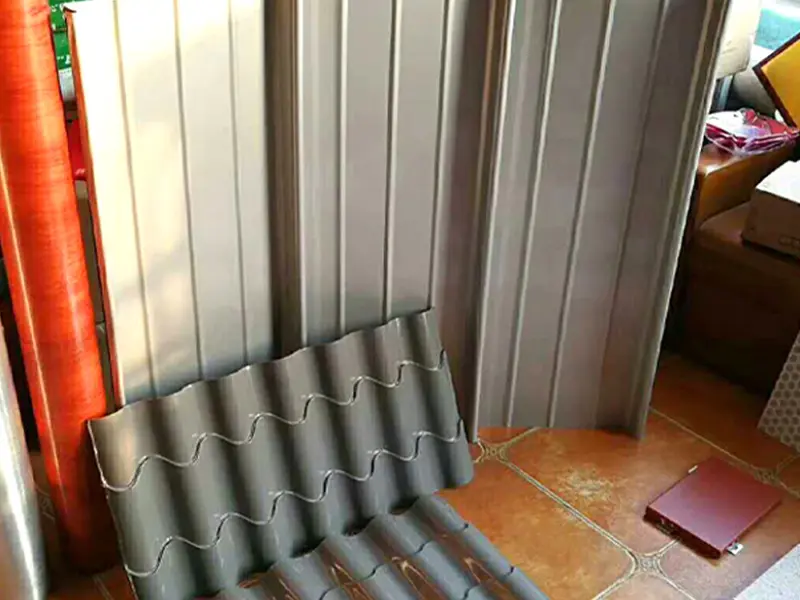
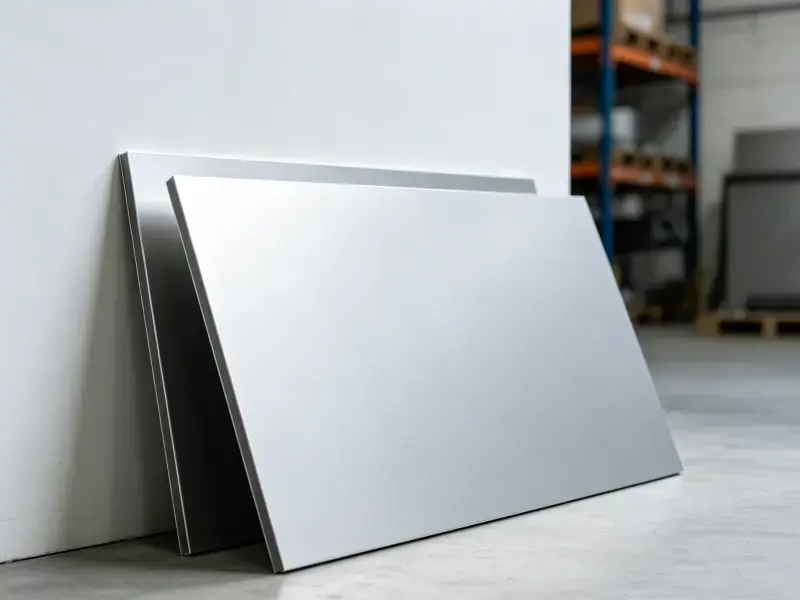
1. Comparing Aluminum Alloys for Roofing
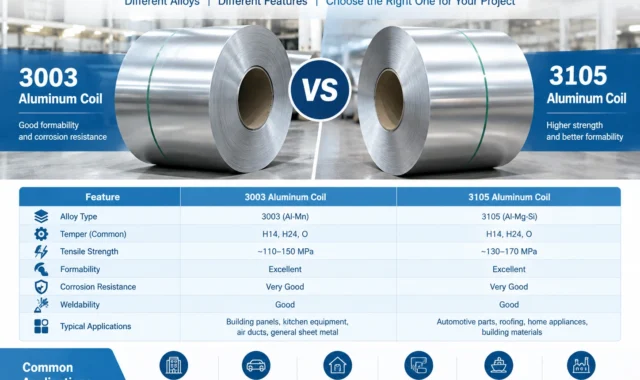
Not all aluminum is the same. Different alloys offer different benefits. The three most common types are 3003, 5052, and 6061.
3003 Aluminum: The Standard Choice
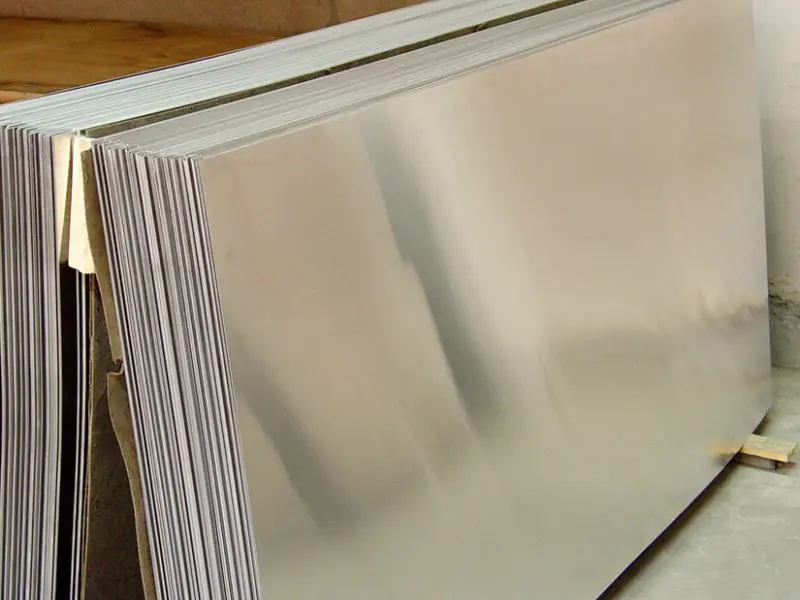
This is the most common alloy for Aluminum roofing panels. It is very easy to shape. It is also the most affordable option.
- Best for: Standard residential and commercial roofs.
- Feature: High resistance to weather and easy to bend into ripples or standing seams.
5052 Aluminum: The Coastal Specialist
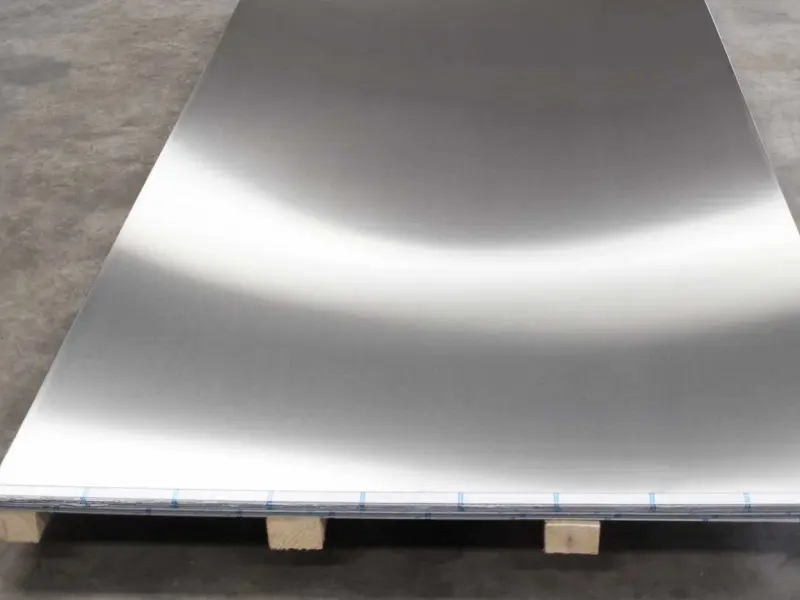
People often ask: What is a 5052 aluminum sheet used for? In the roofing world, 5052 is the “Marine Grade” choice. It has excellent resistance to salt-water corrosion.
- Best for: Buildings near the ocean or in heavy industrial areas.
- Feature: Stronger than 3003 and very tough against “white rust.”
6061 Aluminum: The Structural Choice
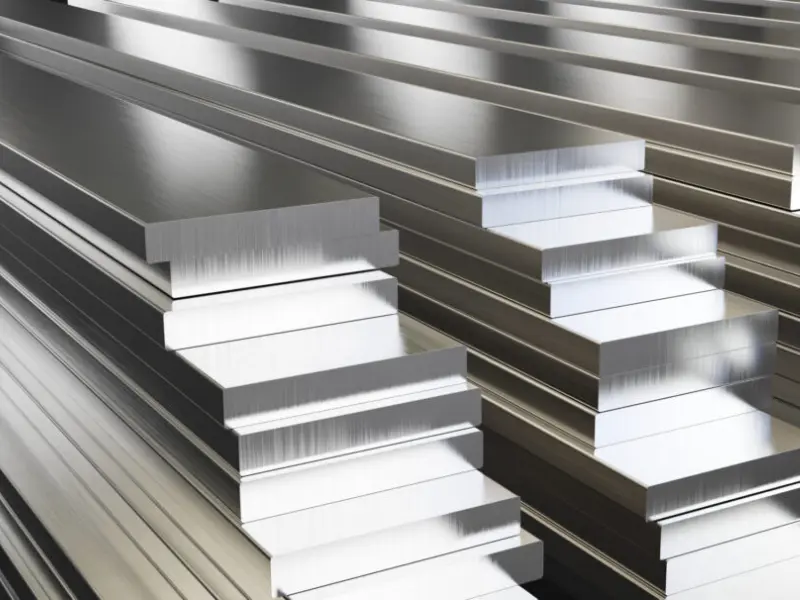
6061 is a structural alloy. It is much harder than 3003 or 5052.
- Best for: Heavy-duty Aluminum alloy roof panels that need to support weight or walk-on loads.
- Feature: High strength but harder to bend into complex shapes.
Alloy Comparison Table
| Feature | 3003 Alloy | 5052 Alloy | 6061 Alloy |
|---|---|---|---|
| Corrosion Resistance | Good | Excellent (Marine) | Very Good |
| Strength | Medium | Medium-High | High |
| Formability | Excellent | Good | Fair |
| Relative Cost | $$Low$$ | $$Medium$$ | $$High$$ |
2. Aluminum Roofing Panels: Types and Formats
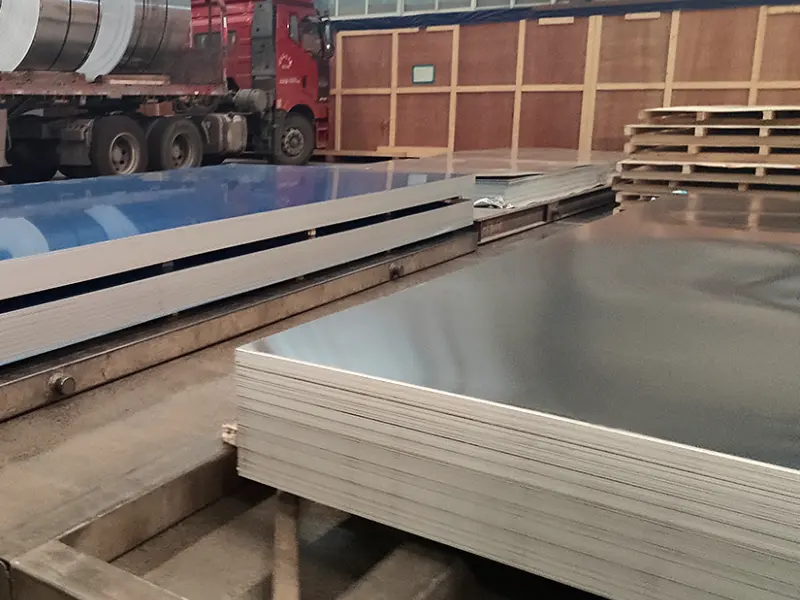
When you buy from Metal roofing coil suppliers, you can get aluminum in different shapes. We produce several types of Aluminum alloy roof panels to fit your needs.
Corrugated Panels
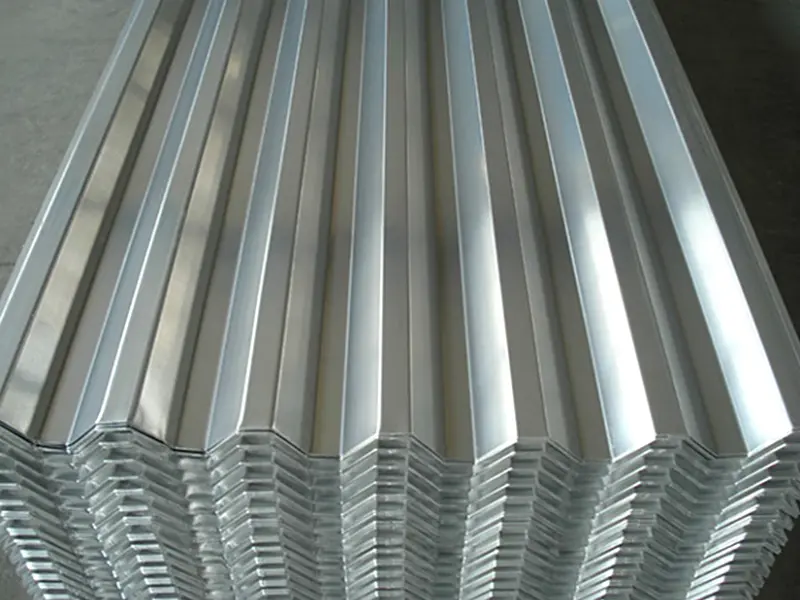
These have a wavy pattern. They are the most traditional style. They are very strong because the “waves” add stiffness to the thin metal.
Standing Seam Panels
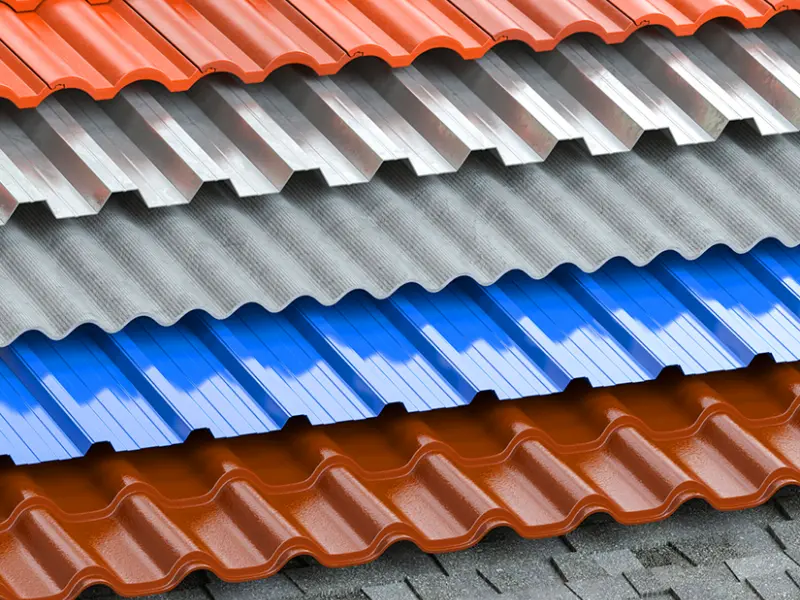
These panels have hidden fasteners. They look very modern and are the most waterproof option. They are often made from high-quality Aluminum Sheet – 3003, 5052, 6061.
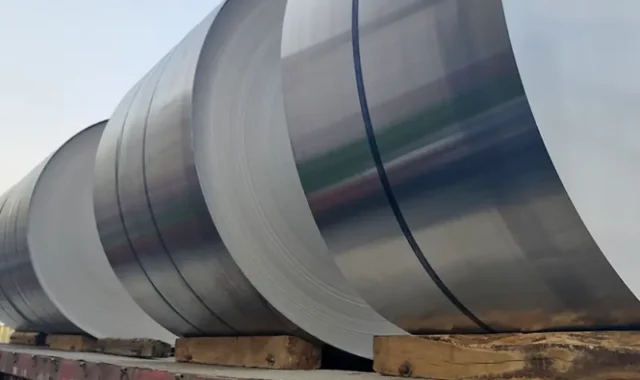
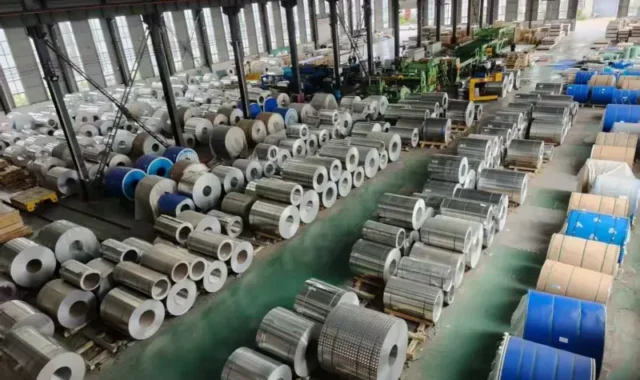
Aluminum Roofing Coils
Large factories usually buy coils. As Metal roofing coil suppliers, we provide large rolls of aluminum. These can be fed into a machine at the construction site to make seamless panels of any length.
Common Specifications
| Parameter | Standard Range (Inches) | Metric Range (mm) |
|---|---|---|
| Thickness | $$.019″$$ to $$.050″$$ | 0.5 mm to 1.2 mm |
| Width | $$36″$$ to $$48″$$ | 914 mm to 1219 mm |
| Length | $$8’$$ to $$20’$$ (Customizable) | 2438 mm to 6096 mm |
| Coating | PE, PVDF, or Mill Finish | Same |
3. Pricing: What Does an Aluminum Roof Cost?
Price is a big factor for any project. You might be wondering about the Aluminium Roofing Sheet price per sq ft.
Aluminium Roofing Sheet price per sq ft
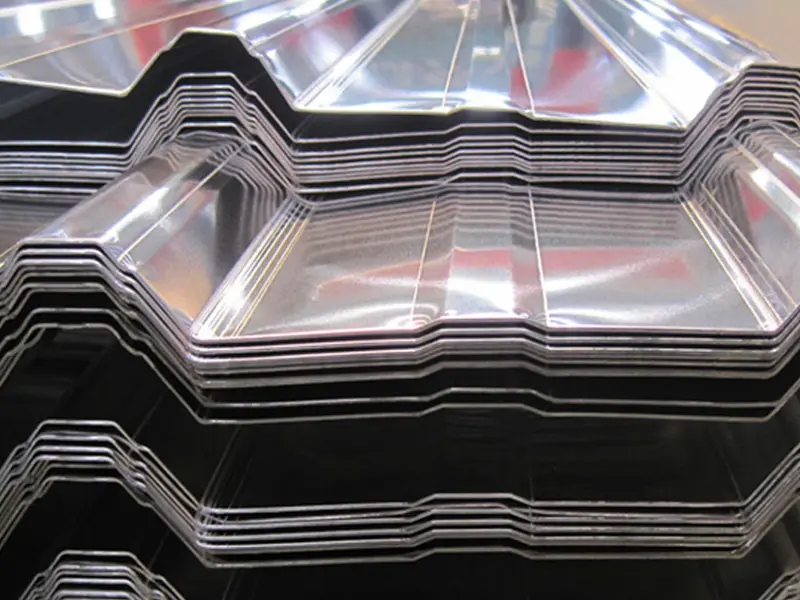
Generally, aluminum costs more than steel but less than copper.
- Mill Finish: $$US $3.50$$ to $$US $5.50$$ per square foot.
- Painted (PVDF): $$US $5.00$$ to $$US $8.50$$ per square foot.
Regional Focus: Aluminum Roofing Panels Price Philippines
The Philippines is a major market for aluminum roofing due to the tropical climate and salt air. The Aluminum Roofing Panels Price Philippines usually ranges from $$PHP 450$$ to $$PHP 900$$ per linear meter, depending on the thickness and the alloy used.
Is an aluminum roof cheaper than shingles?
No. Is an aluminum roof cheaper than shingles? Usually, the initial cost of aluminum is $$2$$ to $$3$$ times higher than asphalt shingles. However, shingles need to be replaced every $$15$$ to $$20$$ years. An aluminum roof lasts $$50+$$ years, so it is cheaper in the long run.
4. Common Questions and Myths
Why isn’t aluminum used for roofing?
Some people ask: Why isn’t aluminum used for roofing? This is a misunderstanding. Aluminum is used very often, especially in high-end projects. However, people might avoid it because:
- Cost: It is more expensive upfront than basic steel or shingles.
- Noise: If not installed with proper insulation, it can be noisy during rain.
- Expansion: Aluminum expands and contracts in heat. It needs professional installation to avoid “oil canning” (wavy appearance).
Is aluminium sheet good for roofing in hot climates?
Yes! Aluminum reflects about $$90%$$ of radiant heat. This can lower your cooling bills by up to $$25%$$ during summer.
5. Application Areas for Aluminum Roofing
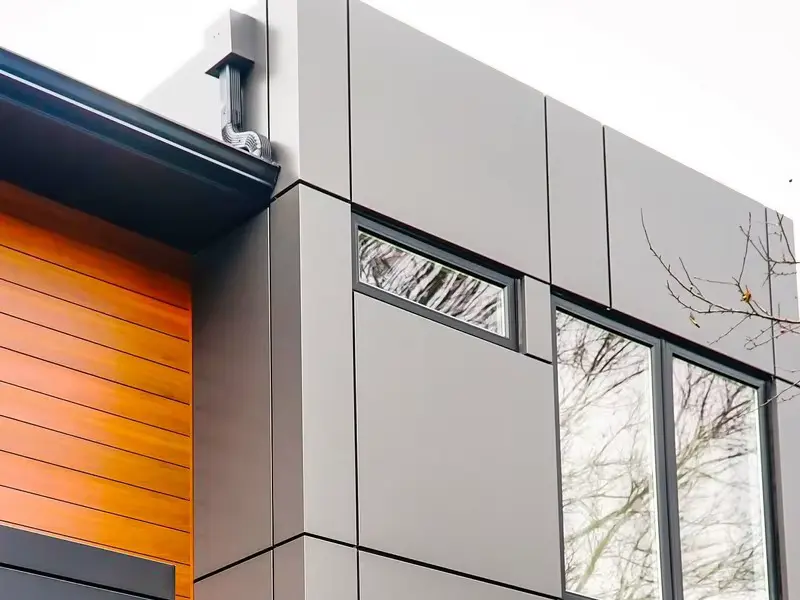
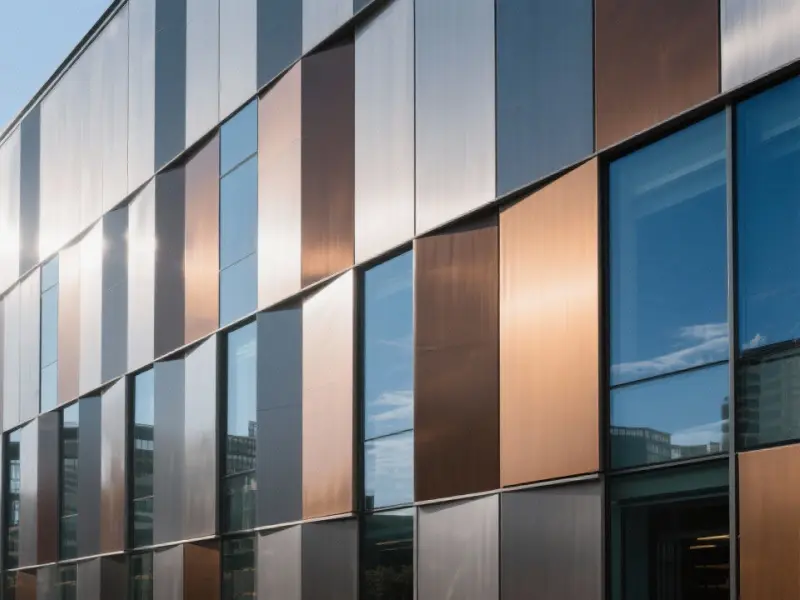
Our Aluminum alloy roof panels are used in many different sectors:
- Residential Homes: Modern houses using standing seam panels for a sleek look.
- Industrial Warehouses: Large buildings that need light roofs to save on structural steel costs.
- Coastal Resorts: Hotels near the beach that need 5052 alloy to survive salt air.
- Agricultural Buildings: Barns and sheds that need to resist ammonia from animal waste.
- Public Infrastructure: Airports and train stations use aluminum for its long life.
6. Technical Status and Tempers
When ordering from Metal roofing coil suppliers, you need to specify the “Temper” or hardness.
- H14: The most common for roofing. It is half-hard and easy to bend.
- H16: Slightly harder, used for flat panels that need more stiffness.
- H24: Hardened and then partially softened for better workability.
Weight Advantage Table
| Material | Weight per $$100$$ sq ft (lbs) | Weight per $$100$$ sq ft (kg) |
|---|---|---|
| Aluminum (.032″) | $$50$$ lbs | $$22.6$$ kg |
| Steel (24 Gauge) | $$125$$ lbs | $$56.7$$ kg |
| Asphalt Shingles | $$230+$$ lbs | $$104.3$$ kg |
As you can see, aluminum is much lighter. This puts less stress on your building’s frame.
7. Why Choose Us as Your Metal Roofing Coil Suppliers?
We specialize in producing high-quality Aluminum Sheet – 3003, 5052, 6061. Our factory uses advanced rolling technology to ensure consistent thickness.
- Custom Colors: We offer PVDF coatings in hundreds of colors.
- Durability: Our coatings are guaranteed not to fade for $$20$$ years.
- Fast Shipping: We ship globally, including the Philippines, USA, and Europe.
- Variety: We provide everything from thin decorative sheets to heavy-duty 6061 Aluminum for structural use.
8. Summary Checklist for Buyers
Before you buy your Aluminum roofing panels, check these points:
- Environment: If you are within $$5$$ miles of the ocean, use 5052 aluminum sheet.
- Thickness: For residential roofs, $$.032″$$ is the standard. For industrial, use $$.040″$$ or thicker.
- Finish: PVDF paint is best for color longevity. Mill finish is best for budget projects.
- Supplier: Ensure your supplier provides a mill test certificate for the alloy grade.
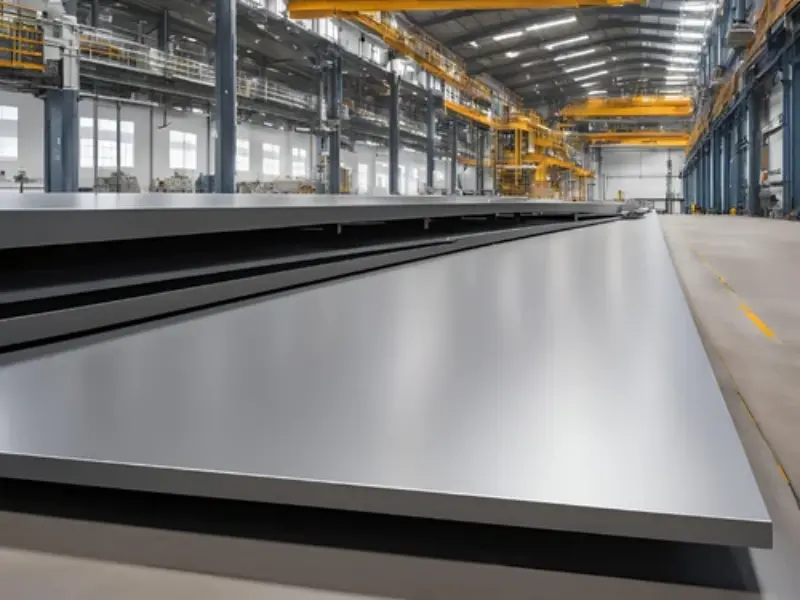
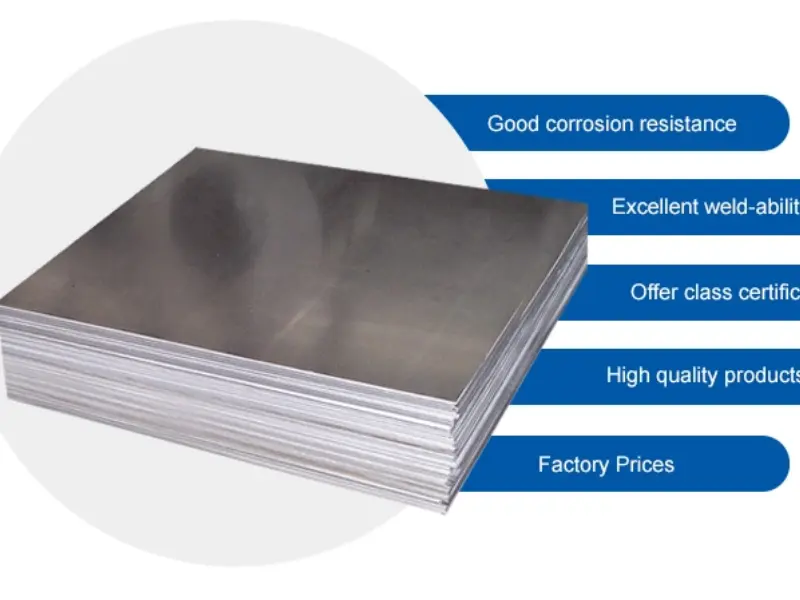
Aluminum Sheet for Roofing supplier

Choosing the right Aluminum Sheet for Roofing is a smart investment. Whether you choose the affordable 3003, the sea-resistant 5052, or the strong 6061, you are getting a material that won’t rust and will keep your home cool.
While the Aluminium Roofing Sheet price per sq ft is higher than some other materials, the lack of maintenance and long lifespan make it the best value over time. Contact us today to get the latest Aluminum Roofing Panels Price Philippines or to request a quote for your next project!
How to Select Your Roofing Sheet: A Simple Path
Selecting the correct aluminum roofing material involves matching your local climate with the right metal specifications. Follow this simple path to find your ideal configuration:
Evaluate Your Climate (Coastal, Tropical, or Alpine)→Select the Alloy Grade (3003, 3105, or 5052)→Determine Thickness Gauge (0.5 mm to 1.2 mm)→Choose Surface Style (Painted, Stucco, or Mill)→Select Profile (Corrugated, Step Tile, or Standing Seam)
High-Performance Alloys and Tempers for Roofing
The chemical composition of an aluminum sheet determines how well it performs on a roof. We use specific aluminum alloys to ensure our roofing materials balance structural strength with easy formability.
Alloy 3003 (Standard Structural Grade)
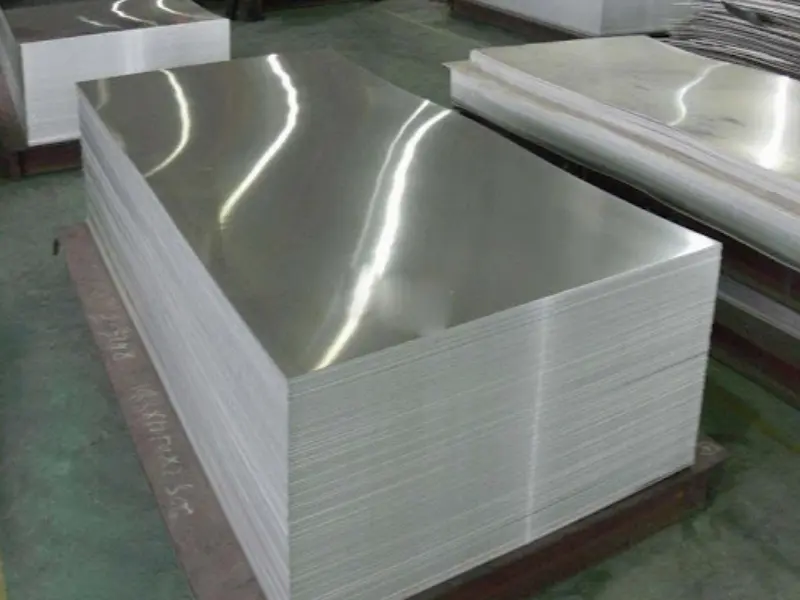
Alloy 3003 Aluminum Sheet for Roofing is an aluminum-manganese alloy. It is the most common metal used for standard metal roofing.
Best For: Standard corrugated panels, residential roofs, and light industrial warehouses.
Default Temper: Usually supplied in H14 or H24 tempers.
Key Feature: It is roughly 20% stronger than pure aluminum. It bends easily without cracking.
Alloy 3105 (Eco-Friendly Residential Grade) Aluminum Sheet for Roofing
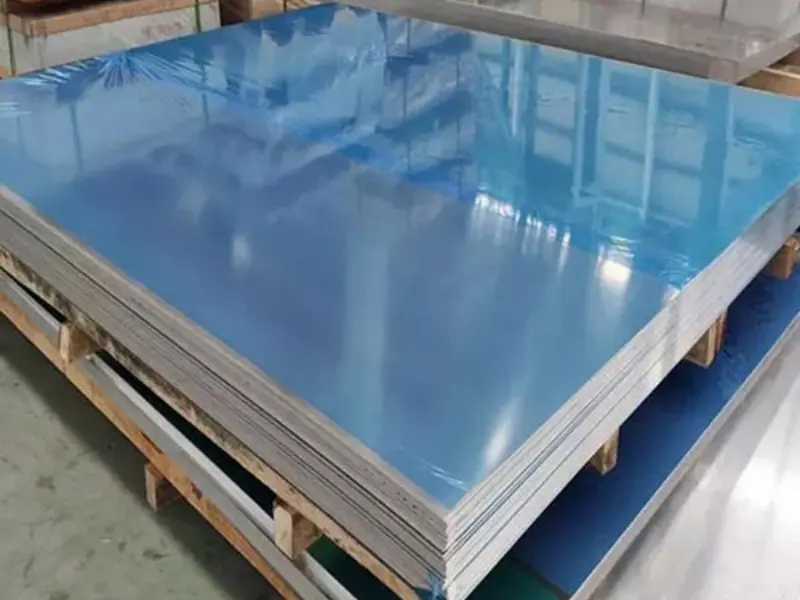
Alloy 3105 Aluminum Sheet for Roofing contains manganese and magnesium. It is often made from recycled aluminum, making it highly sustainable.
Best For: Prepainted residential roofing sheets, rain gutters, and decorative trim panels.
Default Temper: Processed in H16 or H26 tempers.
Key Feature: Very cost-effective. It offers excellent paint adhesion and formability.
Alloy 5052 (Premium Marine Grade) Aluminum Sheet for Roofing
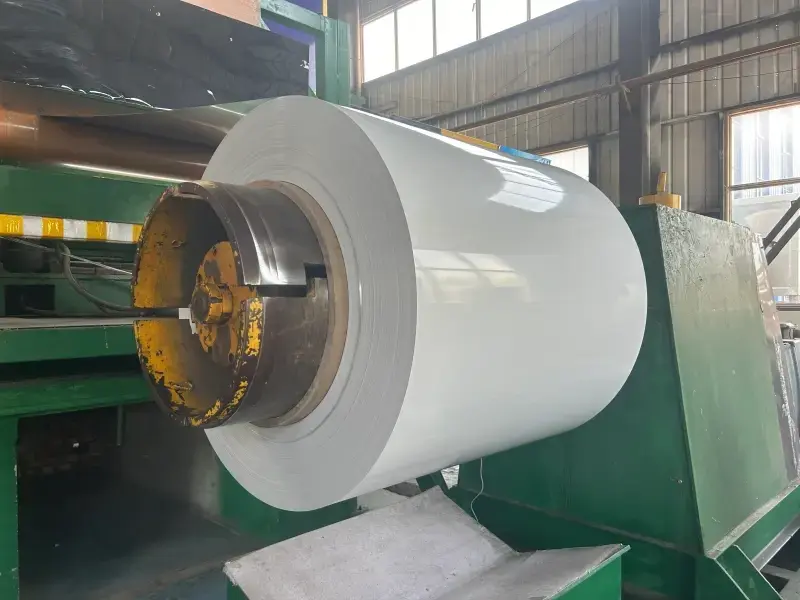
Alloy 5052 Aluminum Sheet for Roofing is an aluminum-magnesium alloy. It provides high structural strength and superior corrosion resistance.
Best For: Seafront homes, harbors, coastal chemical plants, and heavy snow-load structures.
Default Temper: Supplied in H32 or H34 tempers.
Key Feature: Highly resistant to salt air and alkaline environments.
Roofing Alloy Properties
| Material Feature | Alloy 3003 | Alloy 3105 | Alloy 5052 |
|---|---|---|---|
| Primary Alloy Element | Manganese (Mn) | Manganese (Mn) & Magnesium (Mg) | Magnesium (Mg) |
| Yield Strength | Moderate (≈145 MPa) | Moderate (≈150 MPa) | High (≈195 MPa) |
| Marine Salt Resistance | Very Good | Good | Outstanding |
| Material Formability | Excellent | Excellent | Moderate |
| Relative Material Cost | Economical | Highly Economical | Premium |
Diverse Product Types to Match Your Building Style
To meet different design tastes and functional needs, we process our raw metal into several distinct product types.
Color-Coated Aluminum Roofing Sheets
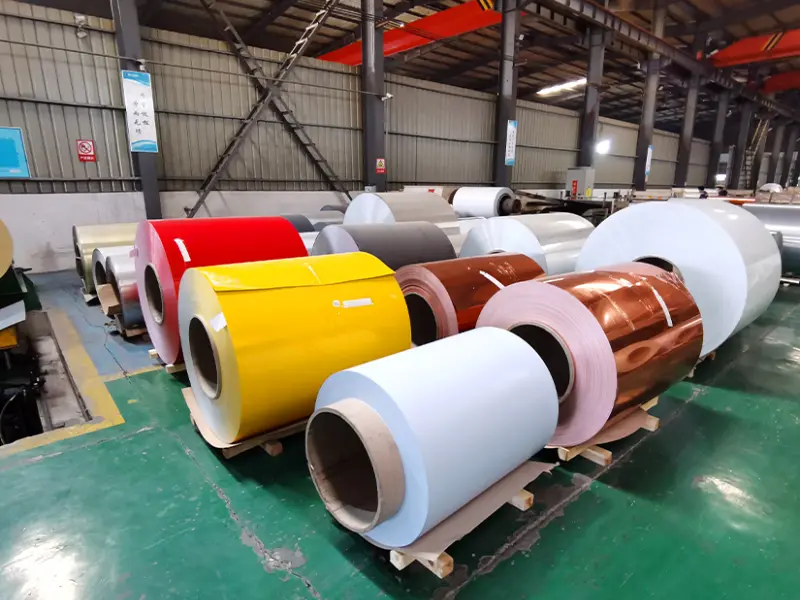
We paint raw coils on a continuous coating line before cutting them into sheets. This ensures a consistent, high-strength bond between the paint and the metal.
- PE (Polyester) Coating: Ideal for standard climates. It is highly cost-effective and provides a bright finish.
- PVDF (Fluorocarbon) Coating: Best for regions with extreme UV exposure. It resists fading, chalking, and chemical pollutants for over 20 years.
- Color Selection: Available in deep charcoal, forest green, tile red, slate grey, and classic white.
Stucco Embossed Aluminum Roofing Sheets
Our embossing rollers press a textured pattern onto the flat metal surface. This pattern resembles a stucco wall or orange peel texture.
- Light Scattering: The textured surface diffuses direct sunlight. This reduces bright glare, which is helpful near airports or busy highways.
- Hidden Imperfections: The pattern hides minor scratches, dents, and water spots that can happen during installation.
- Stiffness: Embossing adds structural stiffness to thin sheets without increasing their overall weight.
Corrugated Aluminum Sheets
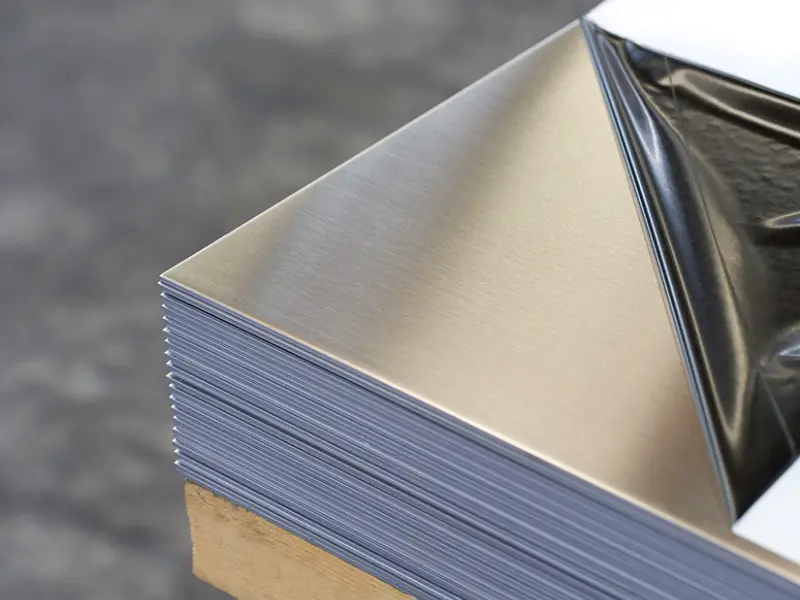
Corrugated sheets feature wavy, sinusoidal, or trapezoidal profiles.
Water Management: The deep channels shed rain and melted snow quickly to prevent standing water.
Rigidity: The ribbed waves act like structural columns. They allow the sheet to span longer distances between support purlins.
Standing Seam Aluminum Panels
Standing seam panels feature raised, interlocking edges that snap together.
- No Exposed Screws: The fasteners are hidden beneath the metal surface. This completely removes screw-hole leaks.
- Thermal Movement: The panels slide slightly within their clips as temperatures change. This prevents oil-canning or buckling.
Dimensions and Weight Specifications
Choosing the correct thickness prevents wind damage and sagging. Below are our standard manufacturing ranges.
Standard Thickness and Weight Chart
| Sheet Thickness (mm) | Sheet Thickness (inch) | Approx. Weight (kg/m2) | Recommended Roof Use |
|---|---|---|---|
| 0.50 mm | 0.020 inch | ≈1.35 kg/m2 | Small sheds, residential siding, flashing |
| 0.60 mm | 0.024 inch | ≈1.62 kg/m2 | Standard residential corrugated roofing |
| 0.70 mm | 0.028 inch | ≈1.89 kg/m2 | Residential and commercial standing seam |
| 0.80 mm | 0.031 inch | ≈2.16 kg/m2 | Industrial warehouses, high-wind zones |
| 0.90 mm | 0.035 inch | ≈2.43 kg/m2 | Heavy snow-load areas, agricultural barns |
| 1.00 mm | 0.039 inch | ≈2.70 kg/m2 | Commercial structures, coastal harbor buildings |
| 1.20 mm | 0.047 inch | ≈3.24 kg/m2 | Heavy-duty industrial roofing, traffic shelters |
Panel Length and Width Options
- Standard Widths: 914 mm, 1000 mm, 1200 mm, and 1220 mm.
- Corrugation Cover Width: Usually 750 mm to 1000 mm depending on the profile shape.
- Lengths: Cut-to-length from 1000 mm up to 11800 mm to fit perfectly into standard shipping containers.
Aluminum vs. Galvanized Steel Roofing
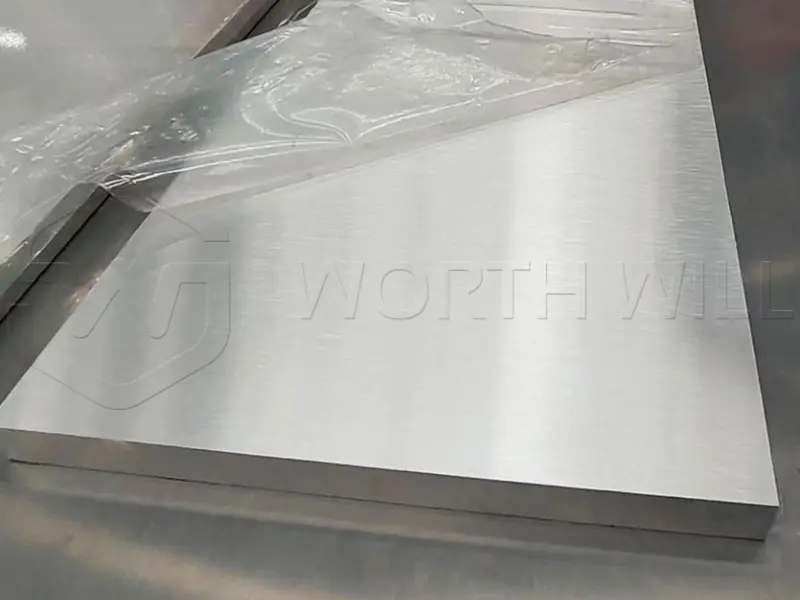
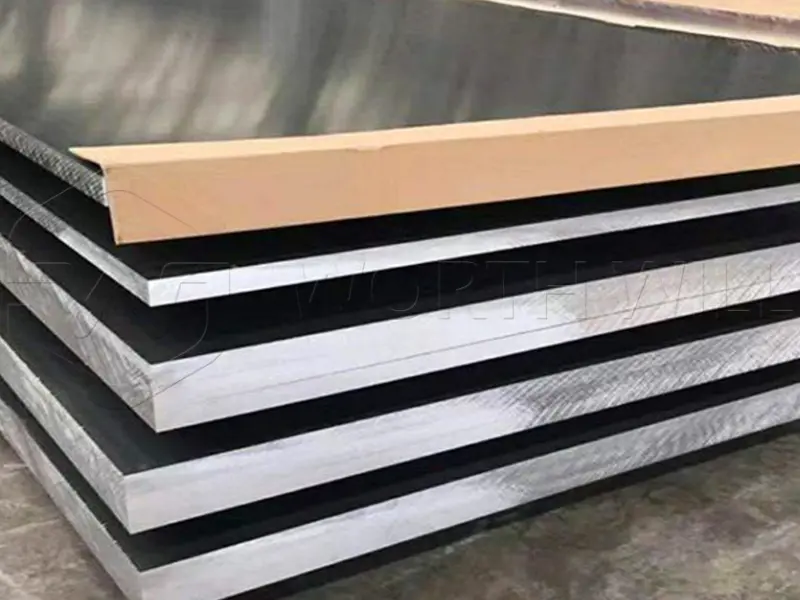
Many builders choose between aluminum and galvanized (GI) steel. This comparison highlights why aluminum is the superior long-term choice.
| Feature Metric | Aluminum Roofing Sheets | Galvanized Steel (GI) Sheets |
|---|---|---|
| Material Weight | Light (≈2.7 g/cm3) | Heavy (≈7.8 g/cm3) |
| Rust Mode | Natural oxide film protects metal | Zinc layer wears away, leading to red rust |
| Corrosion Lifetime | Excellent (40+ years without rust) | Moderate (10 to 15 years, rusts quickly in salt air) |
| Heat Reflectivity | Reflects up to 85% of solar heat | Reflects up to 50% of solar heat |
| Ease of Cutting | Easy with standard hand tools | Tougher to cut, cut edges rust quickly |
How Raw Aluminum Coil Becomes a Finished Roof
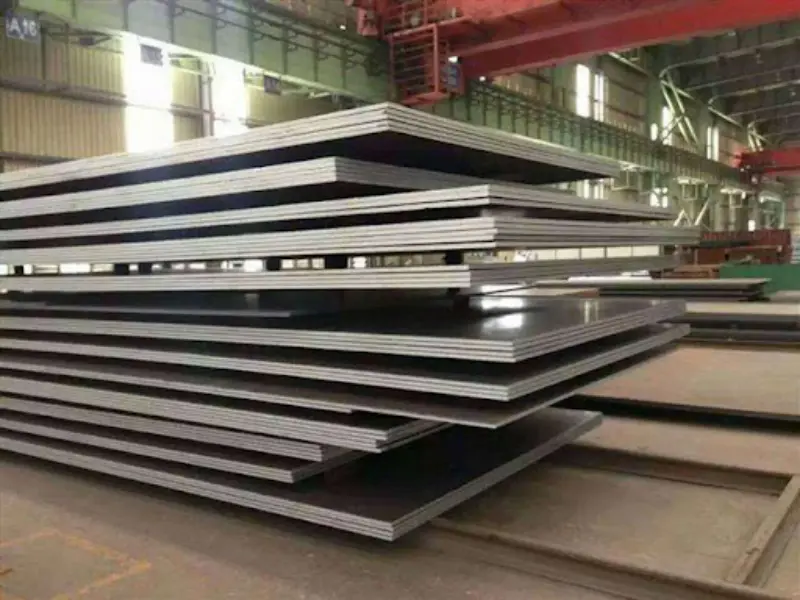
The transformation of aluminum from a flat metal sheet into a weather-tight roof follows a precise process:
Raw Aluminum Coil→Chemical Cleaning & Priming→Continuous Color Coating→Stucco Embossing (Optional)→Roll Forming (Corrugating)→Precision Cutting to Length→Secure Packaging & Shipping→On-Site Installation
Real-World Uses of Aluminum Roofing Sheets
Aluminum roofing sheets are highly versatile. They are used in many public, private, and commercial structures:
- Coastal Residences: Homes built near beaches use 5052 alloy sheets to survive salty winds without corroding.
- Industrial Warehouses: Factories that emit chemical fumes install aluminum roofs because they resist acidic air.
- Agricultural Barns: Farm buildings house livestock that produce ammonia gas. Aluminum resists this gas much better than steel.
- Public Transportation Hubs: Large airports, train stations, and bus shelters use lightweight curved aluminum panels for modern architectural designs.
- Cold Storage Facilities: High solar reflectivity keeps inside temperatures stable, lowering electricity costs.
- Renovation Projects: Old structures with weak timber frames use lightweight aluminum sheets to avoid adding dangerous weight.
Technical Installation Tips for Contractors
To ensure an aluminum roof lasts for decades, installers should follow these metalworking practices:
Manage Thermal Expansion Aluminum Sheet for Roofing
Aluminum expands and contracts more than steel when temperatures change.
- Action: Avoid pinning long panels down with tight, fixed screws. Use sliding clips for standing seam profiles.
- Action: Drill slightly oversized holes when installing corrugated sheets. This allows the metal to move without buckling.
Avoid Galvanic Corrosion Aluminum Sheet for Roofing
When aluminum touches other metals in the presence of water, galvanic corrosion can happen.
- Action: Use stainless steel or aluminum fasteners. Never use plain carbon steel or copper screws.
- Action: Avoid placing aluminum sheets directly against pressure-treated wood. The chemicals in the wood can corrode the aluminum. Use a protective underlayment membrane between them.
Use the Correct Pitch Aluminum Sheet for Roofing
- Minimum Slope: Ensure your roof has a slope of at least 3 degrees to 5 degrees. This prevents water from pooling on the flat areas of the sheets.
Ordering Your Custom Roofing Sheets
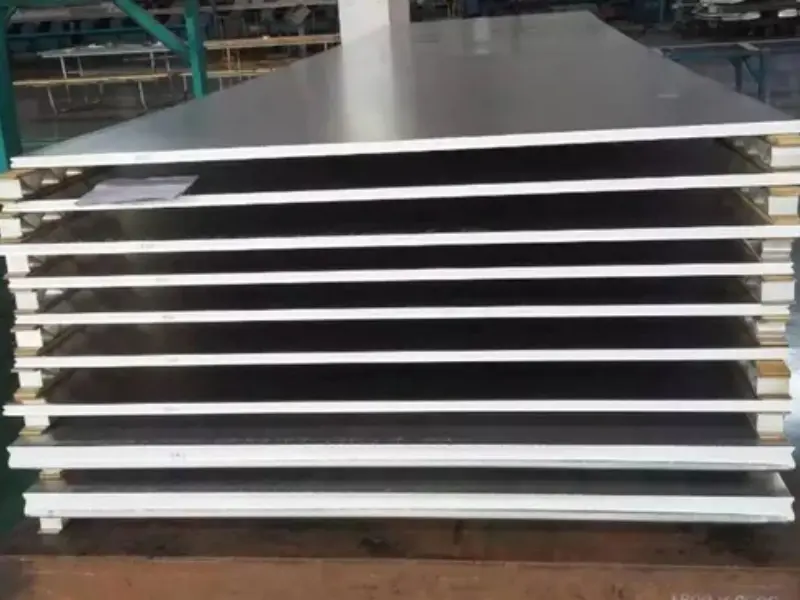
To get an accurate, fast quote from our sales department, please specify your project requirements:
Select Alloy Grade (3003,3105, or 5052)→Choose Sheet Thickness (e.g., 0.7 mm)→Define Finish (e.g., PVDF Blue)→Select Corrugated Profile→Provide Sheet Lengths & Quantities
Our team provides seaworthy packaging, strict quality control, and reliable delivery for all orders. Contact us today to receive a free sample and a detailed price quote.
FAQ – Aluminum Sheet for Roofing: Lightweight & Weather Resistant
1. What is aluminum sheet for roofing used for?
Aluminum roofing sheets are widely used in residential, commercial, and industrial buildings. They provide lightweight protection against rain, wind, UV rays, and corrosion, making them ideal for long-term roofing systems.
2. Why choose aluminum sheet for roofing instead of steel?
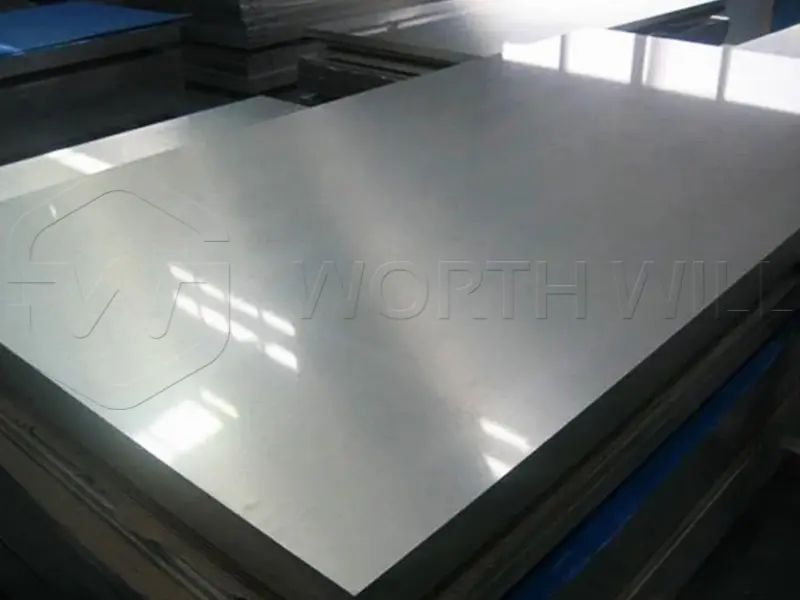
Aluminum roofing sheets are:
- Lighter than steel
- More resistant to corrosion
- Easier to install
- Longer lasting in coastal and humid environments
Unlike steel, aluminum does not rust, which makes it ideal for harsh weather conditions.
3. Is aluminum roofing sheet weather resistant?
Yes. Aluminum roofing sheets are highly weather resistant. They can withstand:
- Heavy rain
- Strong sunlight (UV exposure)
- Snow and frost
- Coastal salt corrosion
- High humidity
4. What thickness is best for aluminum roofing sheets?
Common thickness options include:
- 0.3mm – 0.5mm: residential roofing
- 0.6mm – 1.0mm: industrial and commercial roofing
- Custom thickness available for special projects
The right thickness depends on structure type and wind load requirements.
5. What surface finishes are available?
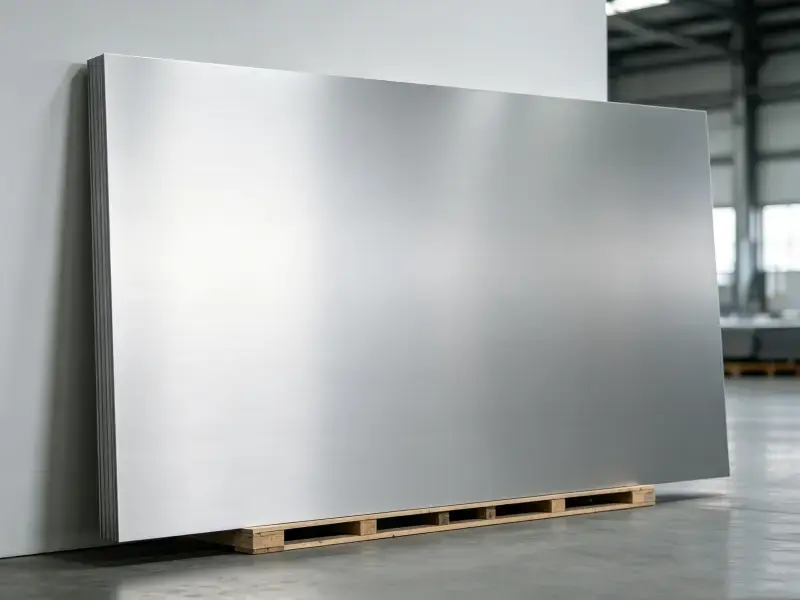
Aluminum roofing sheets can be supplied with:
- Mill finish
- Anodized finish
- Painted / coated (PE or PVDF)
- Embossed surface
PVDF coating is recommended for outdoor long-term roofing.
6. How long does aluminum roofing last?
With proper installation and coating, aluminum roofing sheets can last:
20–50 years depending on environment and maintenance
They are considered a long-life roofing material.
7. Are aluminum roofing sheets easy to install?
Yes. Aluminum is lightweight, so it is easier to:
- Cut
- Transport
- Lift
- Install on roof structures
This reduces labor cost and installation time.
8. Can aluminum roofing sheets be used in coastal areas?
Yes. Aluminum is highly resistant to salt corrosion, making it ideal for:
- Coastal buildings
- Marine environments
- High humidity regions
9. What are the main applications of aluminum roofing sheets?
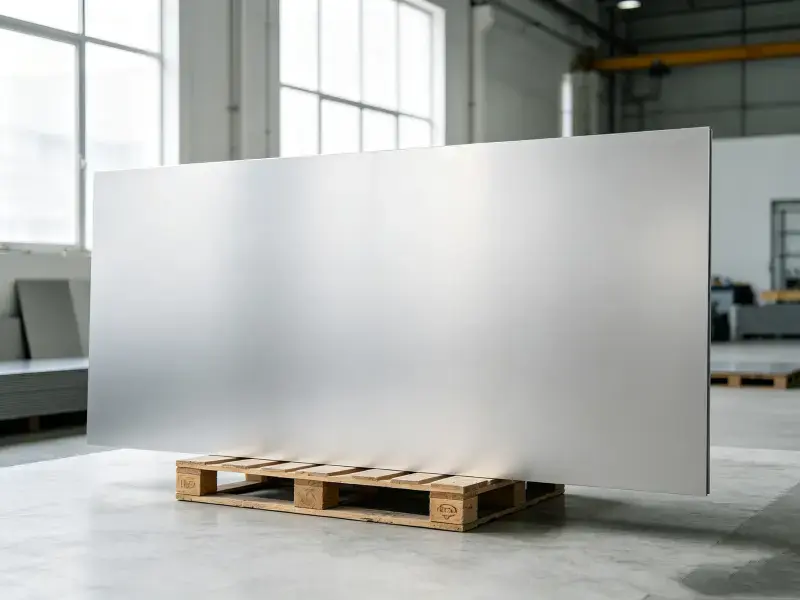
They are commonly used in:
- Residential houses
- Industrial factories
- Warehouses
- Airports
- Commercial buildings
- Agricultural buildings
10. Can aluminum roofing sheets be customized?
Yes. Custom options include:
- Thickness
- Width and length
- Alloy grade (e.g., 3003, 3004, 5052)
- Color coating
- Surface texture
OEM and bulk orders are available for global buyers.
11. Is aluminum roofing environmentally friendly?
Yes. Aluminum is:
- 100% recyclable
- Energy efficient
- Long-lasting, reducing replacement waste
It is considered a sustainable building material.
12. How do I choose the right aluminum roofing sheet?
You should consider:
- Climate conditions
- Building type
- Load requirements
- Surface coating type
- Budget
For long-term outdoor use, PVDF-coated aluminum sheets are recommended.