Choosing the right aluminum coil supplier is important for manufacturers, construction companies, distributors, and metal fabricators.
The right supplier can help you select suitable alloys, control material costs, and maintain consistent product quality.
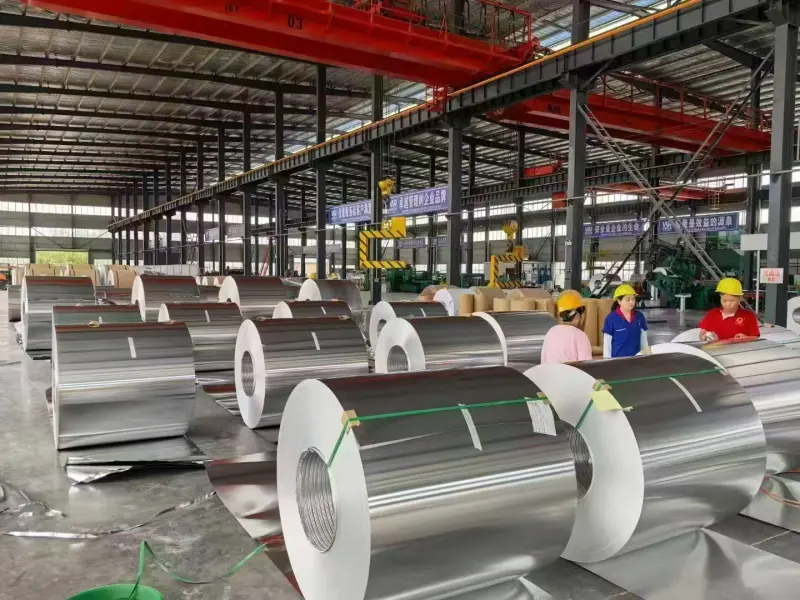

Aluminum coil is available in many grades, tempers, thicknesses, widths, and surface finishes.
Some coils are designed for roofing and wall cladding. Others are used for gutters, insulation, automotive parts, packaging, and industrial production.
What Is Aluminum Coil?
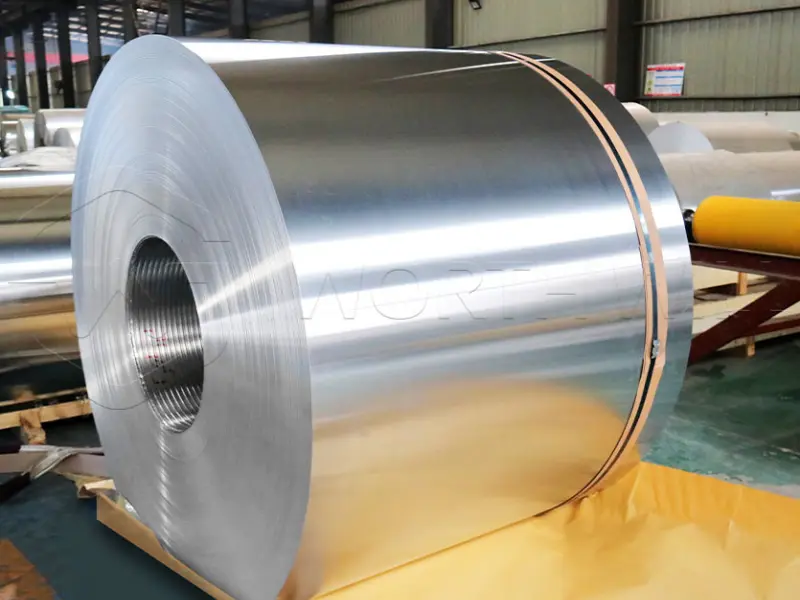
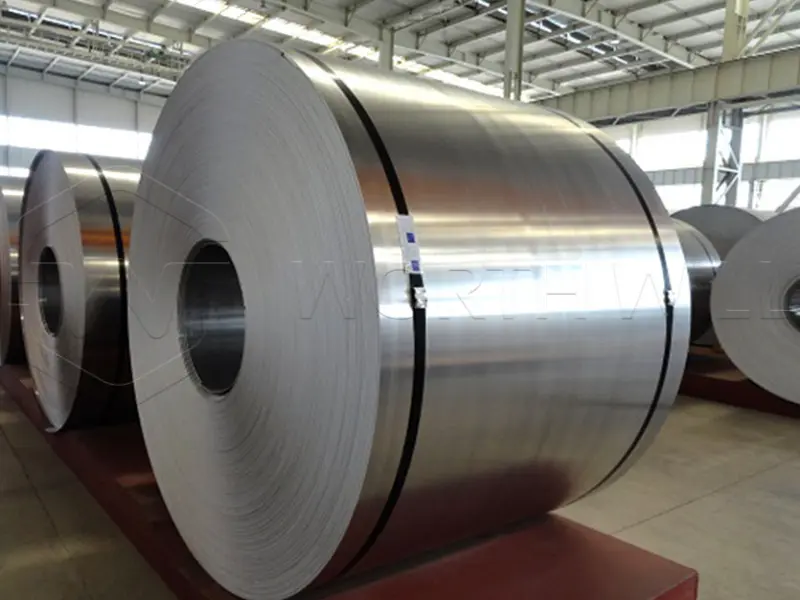
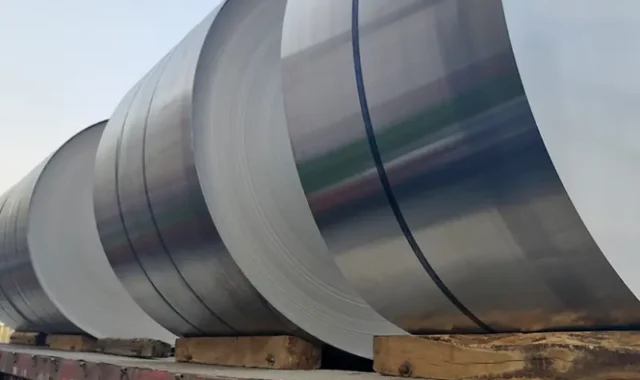
Aluminum coil is a flat aluminum product rolled into a continuous coil. It is produced through hot rolling or cold rolling, depending on the production process and required specifications.
Coils are easy to transport, store, slit, cut, and process. They are widely used in industries that need long strips or large quantities of flat metal.
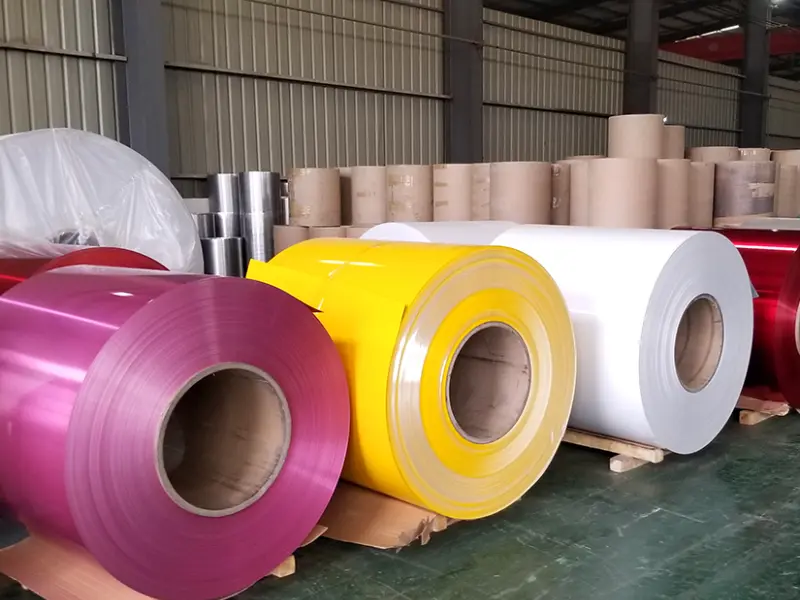
An aluminum coil supplier may provide standard mill-finish coils, color-coated coils, embossed coils, anodized materials, or coils with special surface treatments.
Common Aluminum Coil Specifications
| Specification | Typical options |
|---|---|
| Alloy | 1050, 1060, 1100, 3003, 3105, 5052, 5754, 6061 |
| Temper | O, H12, H14, H16, H18, H22, H24, H32, T6 |
| Thickness | 0.2–3.0 mm for many common applications |
| Width | 100–1,600 mm, depending on equipment and requirements |
| Inner diameter | 150, 200, 300, 405, 505 mm, subject to availability |
| Surface finish | Mill finish, brushed, embossed, anodized, coated |
| Supply form | Jumbo coil, slit coil, narrow strip, cut-to-length sheet |
| Packaging | Export wooden pallets, steel-reinforced packing, moisture protection |
These ranges are examples, not universal limits. Actual dimensions depend on the alloy, temper, production line, and order quantity.
Different Types of Aluminum Coils for Industrial Buyers
Not every project needs the same aluminum coil. Buyers should consider the final application, forming process, outdoor exposure, and required surface appearance.
Mill Finish Aluminum Coil
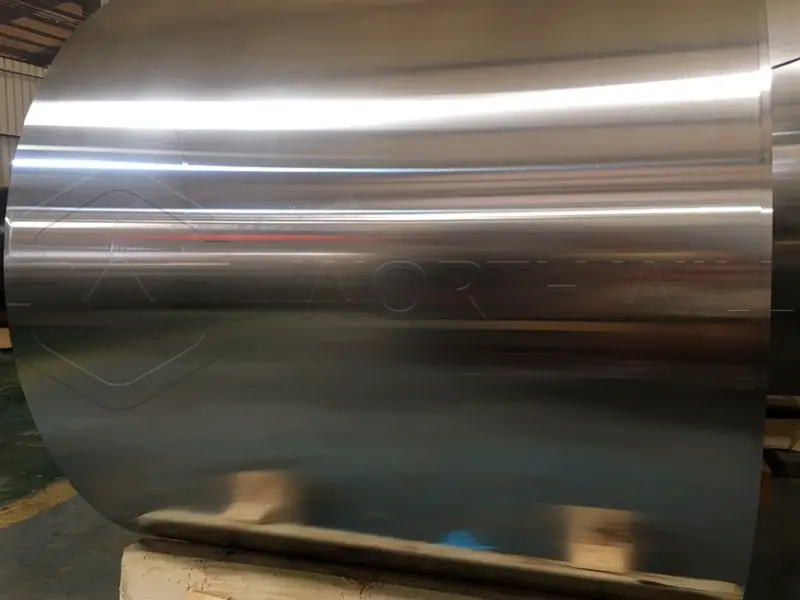
Mill finish aluminum coil has a natural metallic surface. It does not have an additional decorative coating.
It is suitable for applications where the natural aluminum finish is acceptable or where further processing will be applied.
Common applications include:
- Industrial fabrication
- General sheet metal production
- HVAC components
- Insulation jacketing
- Automotive and machinery parts
- Further painting, coating, or laminating
Typical alloy choices include 1050, 1060, 1100, 3003, and 5052. The best option depends on strength, formability, corrosion resistance, and cost.
Color Coated Aluminum Coil Supplier
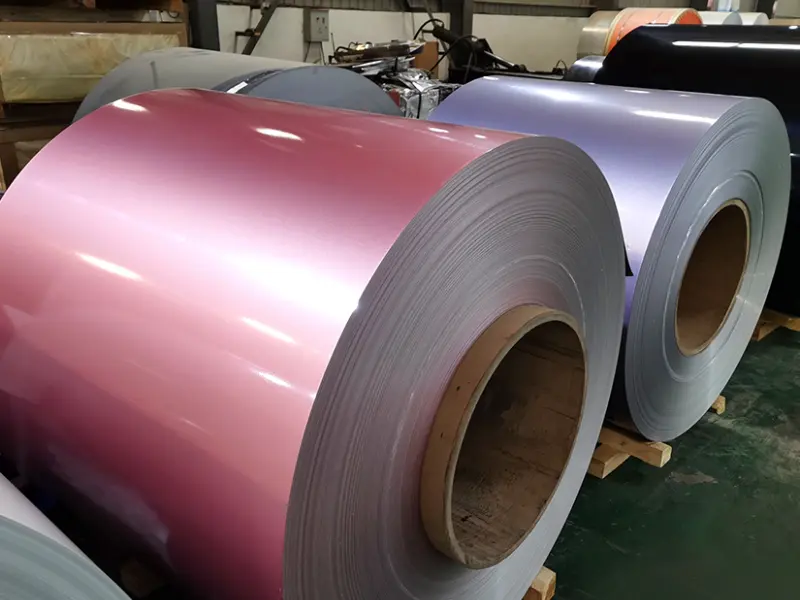
Color coated aluminum coil has a painted surface. The coating may use polyester (PE), high-durability polyester, or polyvinylidene fluoride (PVDF), depending on the intended use.
It is often selected for building products that require both weather protection and a consistent color.
| Feature | PE coating | PVDF coating |
|---|---|---|
| Common use | General decorative applications | More demanding exterior applications |
| Color selection | Wide range | Wide range |
| Weather resistance | Suitable for many standard projects | Often preferred for stronger long-term weathering performance |
| Relative cost | Often lower | Often higher |
| Typical products | Interior panels, signs, some roofing products | Exterior cladding, architectural facades, roofing |
Coating performance depends on the paint system, coating thickness, pretreatment, manufacturing quality, and exposure conditions. Buyers should request the actual coating specification instead of choosing by coating name alone.
Aluminum Roofing Coil
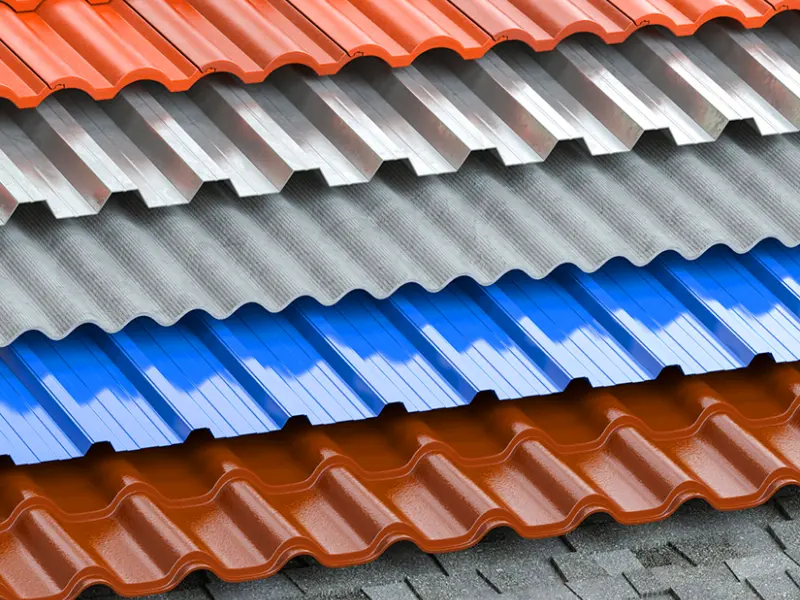
Aluminum roofing coil is processed into roofing sheets, corrugated panels, standing-seam panels, and other roofing profiles.
It is lightweight and naturally resistant to corrosion. A suitable alloy and coating can help it perform in outdoor environments.
Common specifications may include:
- Alloy: 3003, 3105, or other suitable roofing grades
- Temper: H14, H24, or another grade specified by the processor
- Thickness: approximately 0.4–1.2 mm for many roofing systems
- Surface: mill finish or color coated
- Processing: roll forming, corrugation, cutting, and bending
The correct thickness depends on panel design, support spacing, wind loads, local building codes, and installation methods.
Aluminum Gutter Coil
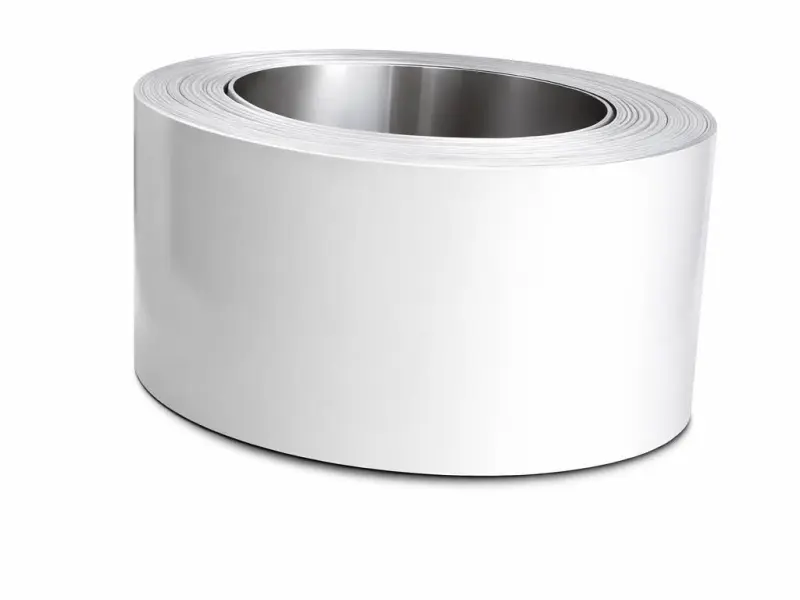
Aluminum gutter coil is used to manufacture seamless gutters, downspouts, and related drainage components.
It is supplied in widths that match gutter-forming machines. Pre-painted coil is common because it offers a finished color without requiring painting after forming.
Typical features include:
- Consistent thickness for roll forming
- Suitable flexibility for bending
- Coating that can withstand outdoor exposure
- Widths matched to the gutter profile and machine
- Protective packaging to reduce scratches during transport
Common alloy options include 3105 and other suitable forming grades. The required temper should be confirmed with the gutter equipment supplier.
Aluminum Coil for Insulation Jacketing
Aluminum insulation jacketing protects insulation systems on pipes, tanks, ducts, and industrial equipment.
It may be supplied with a smooth, stucco-embossed, or coated surface. Some products also use moisture barriers or other backing materials.
| Item | Common options |
|---|---|
| Alloy | 1050, 1060, 1100, 3003, 3105 |
| Thickness | Approximately 0.3–0.8 mm for many jacketing applications |
| Finish | Smooth, stucco embossed, coated |
| Main purpose | Protect insulation and provide a durable outer covering |
| Industries | Oil and gas, power generation, chemical processing, HVAC |
Thickness and finish should be selected according to the insulation system, installation environment, and mechanical protection requirements.
Stucco Embossed Aluminum Coil Supplier
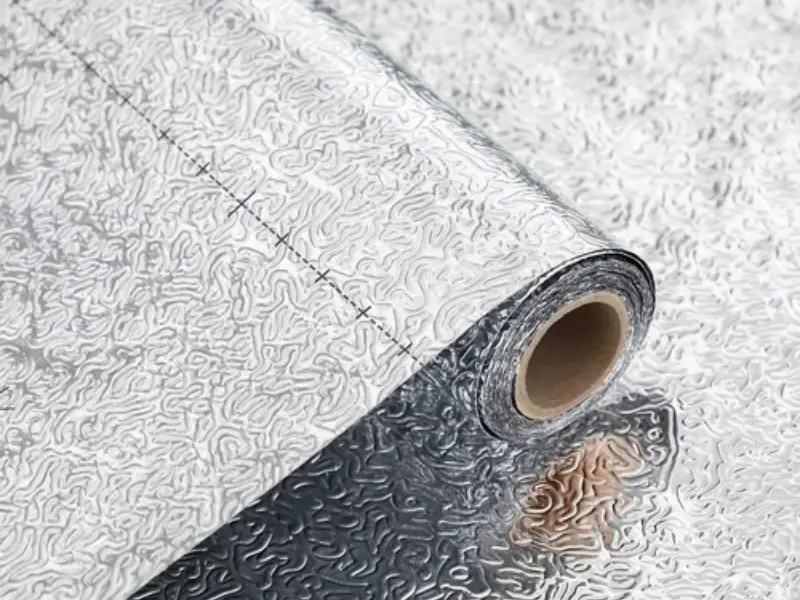
Stucco embossed aluminum coil has a textured surface that helps reduce the visibility of small scratches and gives the material a decorative appearance.
It is used for insulation jacketing, refrigeration equipment, appliance panels, and some architectural products.
Buyers can specify:
- Alloy and temper
- Base thickness
- Embossing pattern
- Coil width
- Surface treatment
- Protective film, where available
When comparing quotations, confirm whether the stated thickness refers to the base metal or includes the embossed profile. This detail can affect the comparison between suppliers.
Aluminum Strip Coil
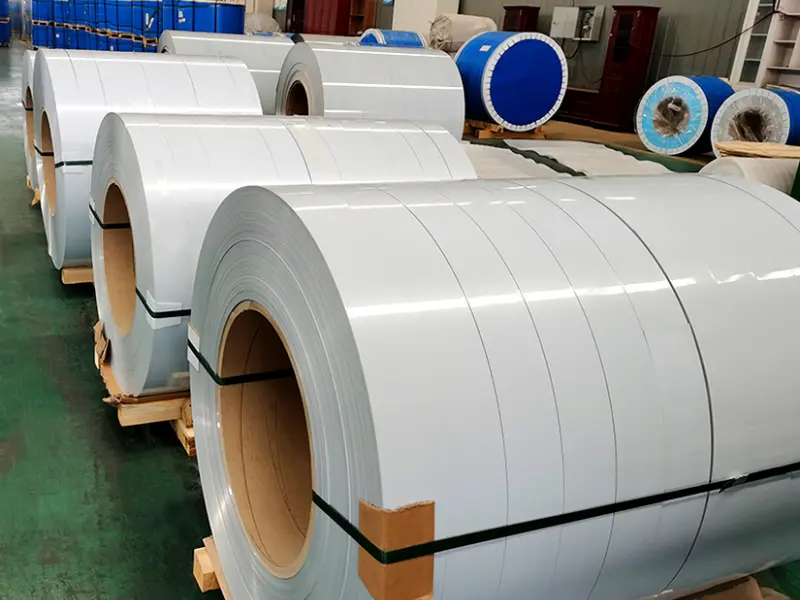
Aluminum strip coil is a narrower coil produced by slitting a wider master coil.
It is useful for customers who need a specific width for continuous manufacturing. Narrow strips can reduce waste when the dimensions match the production line.
Typical applications include:
- Transformer and electrical components
- Heat exchangers
- Cable and wire-related products
- Automotive parts
- Edge trims and metal profiles
- Industrial stamping
A buyer should provide the required strip width, thickness tolerance, coil weight, inner diameter, and edge condition.
Aluminum Coil for HVAC and Heat Exchangers
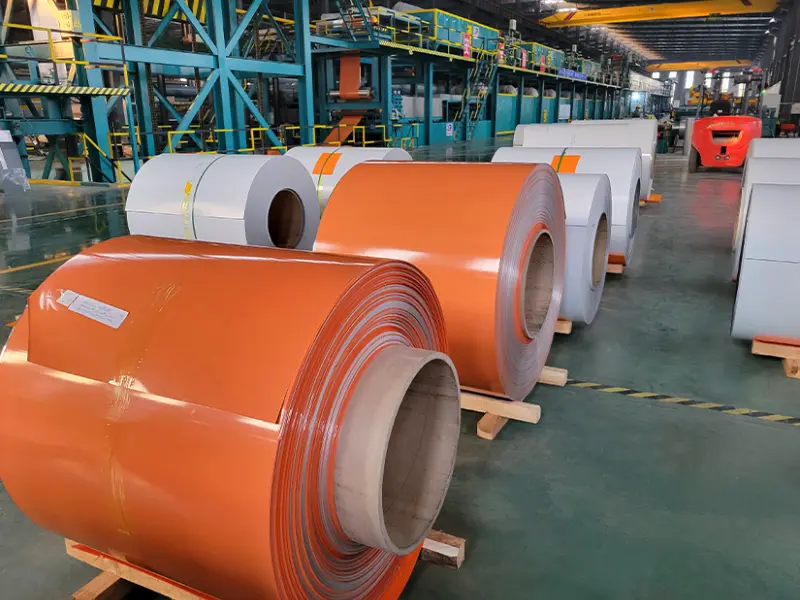
Aluminum Coil Supplier is used in air-conditioning systems, ventilation equipment, radiators, and heat exchangers.
The material must suit the forming process and operating environment. Some products require high thermal conductivity, while others need controlled strength or corrosion resistance.
Common considerations include:
- Alloy and temper compatibility
- Thickness and dimensional tolerance
- Surface cleanliness
- Forming and brazing requirements
- Corrosion resistance
- Slitting and packaging requirements
The correct grade depends on the specific heat exchanger design. Brazing applications may require specially designed materials rather than standard general-purpose coil.
Anodized Aluminum Coil
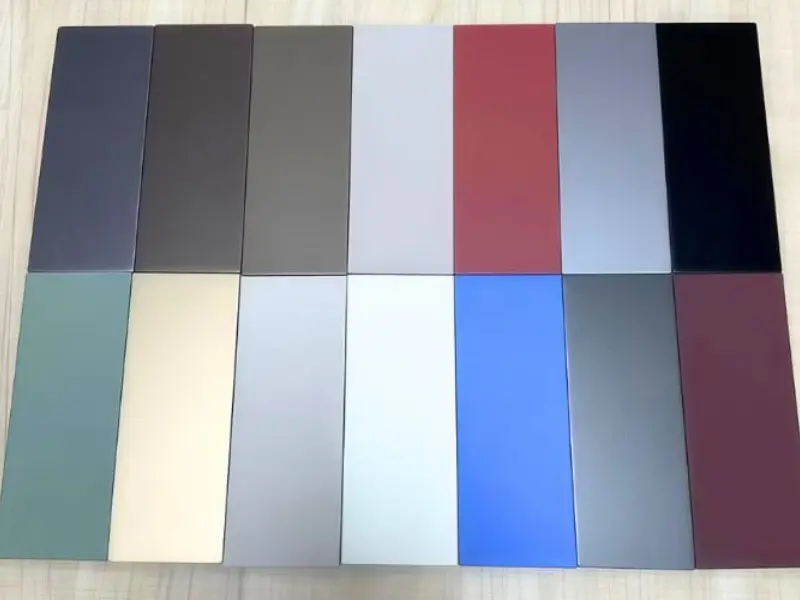
Anodized aluminum has an oxide layer created through an electrochemical process. This layer can improve surface durability and appearance.
Anodized coil or coil-fed material is used in selected decorative, architectural, and industrial applications. Availability depends on the required finish and production method.
Before ordering, confirm whether the supplier can provide anodizing in continuous coil form or whether the material must be processed after cutting.
Aluminum Coil for Automotive and Transportation
Aluminum coil is used in selected automotive components, vehicle panels, trailer parts, and transportation equipment.
The alloy should match the required strength, formability, weight, and corrosion performance.
Common options may include 5052, 5754, and other application-specific grades. Some structural and automotive uses require tighter mechanical and quality controls than general-purpose sheet metal.
Buyers should confirm the applicable technical standard and whether the material is intended for structural, decorative, or non-structural components.
Aluminum Coil Alloys: Which Grade Should You Choose?
Alloy selection affects strength, formability, corrosion resistance, and price. A low-cost alloy may not be suitable for a demanding forming operation. A high-strength alloy may also be unnecessary for a simple decorative product.
Comparison of Common Aluminum Coil Alloys
| Alloy | Main characteristics | Typical applications |
|---|---|---|
| 1050 | High aluminum purity, good conductivity, good formability | Electrical uses, general sheet metal, insulation products |
| 1060 | High purity and good corrosion resistance | Chemical equipment, conductors, industrial components |
| 1100 | Good workability and corrosion resistance | General fabrication, cookware components, heat-related applications |
| 3003 | Good formability and improved strength compared with 1xxx grades | Roofing, cladding, tanks, HVAC products |
| 3105 | Commonly used for building products and coated applications | Roofing, siding, gutters, rainwater products |
| 5052 | Good corrosion resistance and moderate-to-high strength | Marine components, transportation, formed parts |
| 5754 | Good corrosion resistance and formability | Vehicle components, industrial fabrication |
| 6061 | Heat-treatable alloy with good strength | Selected structural and machined components |
These are general selection guidelines. Exact properties vary with temper, thickness, and applicable standards.
1050 vs. 1060 Aluminum Coil
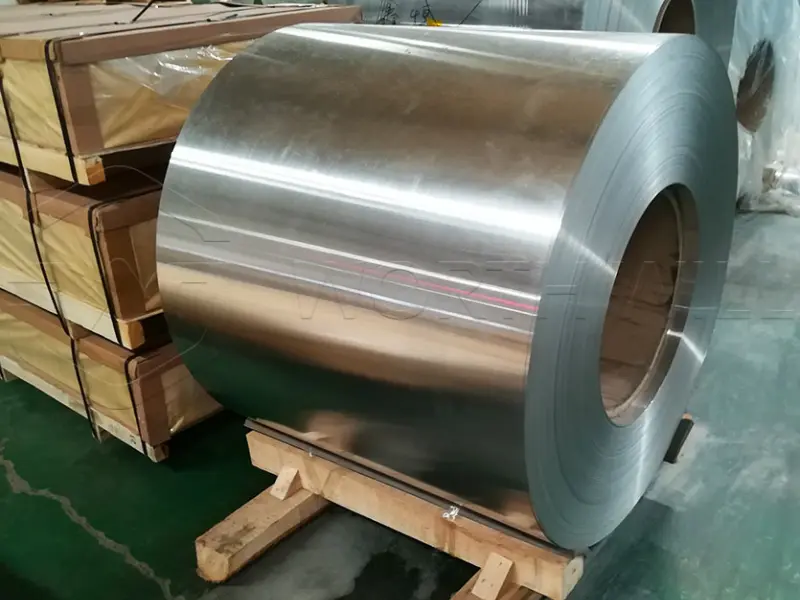
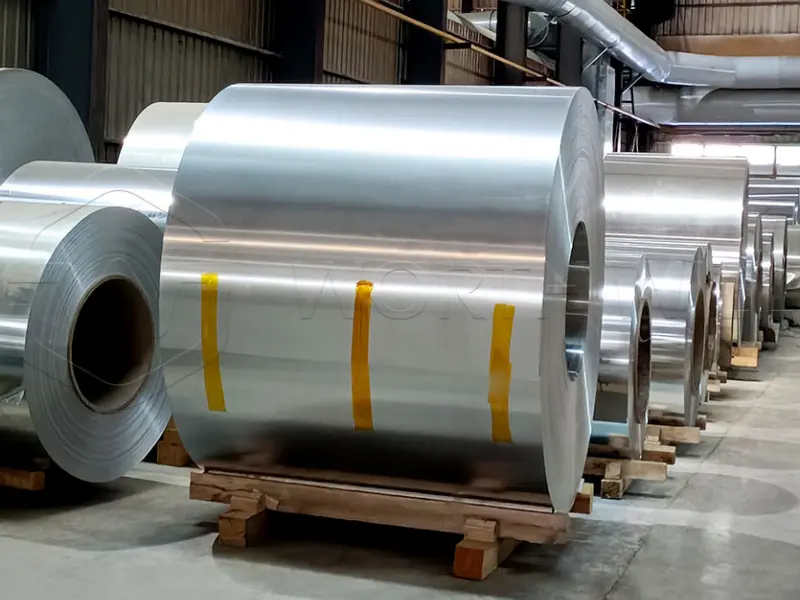
Both 1050 and 1060 Aluminum Coil Supplier belong to the 1xxx series and offer high aluminum content.
- 1050 aluminum coil: Often selected for general industrial processing, conductivity, and forming.
- 1060 aluminum coil: Also offers high purity and is used where its conductivity and corrosion resistance are suitable.
The practical difference may be small for some applications. Buyers should compare the required chemical composition, mechanical properties, and total delivered cost.
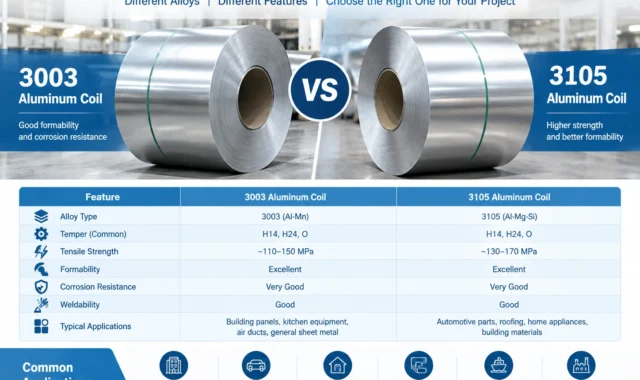
3003 vs. 3105 Aluminum Coil
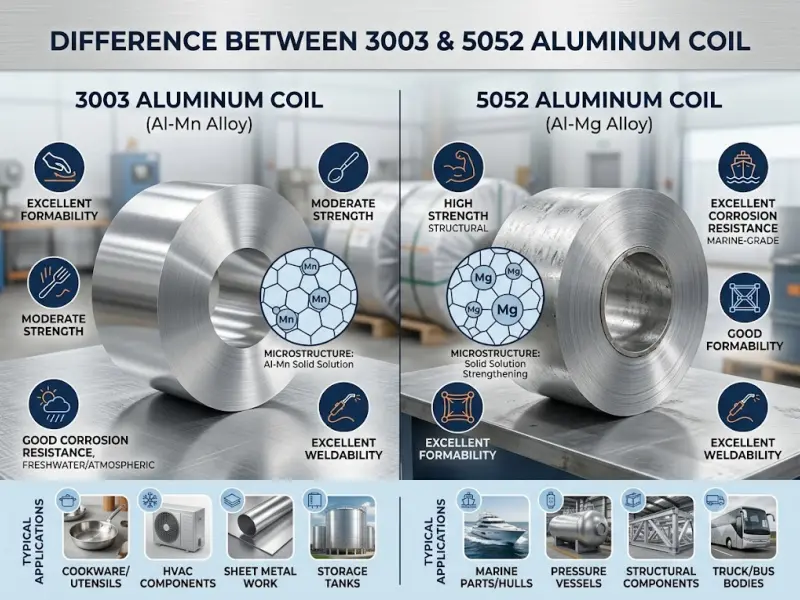
Both alloys are used in many building and fabrication applications, but they are not identical.
| Comparison | 3003 | 3105 |
|---|---|---|
| Alloy family | 3xxx series | 3xxx series |
| General strength | Moderate | Moderate |
| Formability | Good | Good for many building products |
| Common uses | HVAC, tanks, roofing, formed parts | Roofing, siding, gutters, coated building products |
| Key selection factor | Forming needs and product design | Building-product requirements and coating system |
The final choice should reflect the forming method, design loads, coating requirements, and applicable standards.
5052 vs. 5754 Aluminum Coil
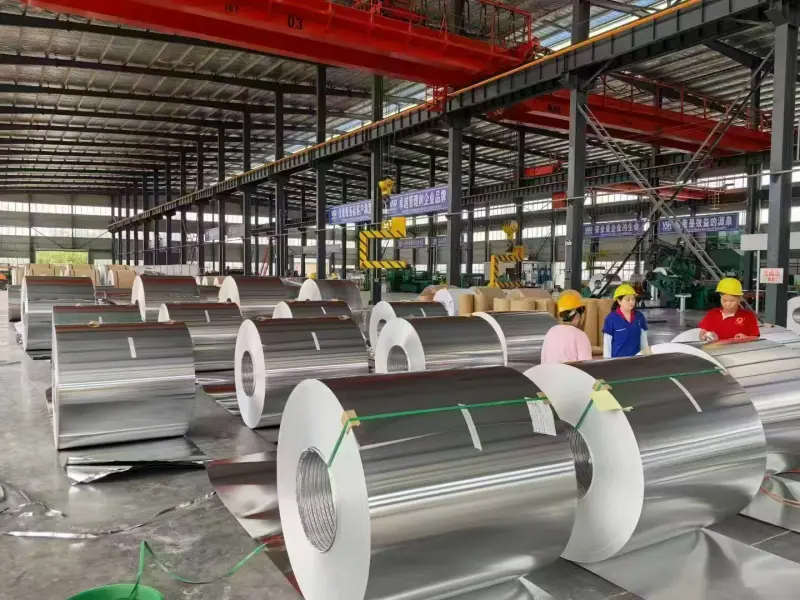

5052 and 5754 are both commonly considered for corrosion-resistant sheet and coil applications.
5052 is widely used in marine-related fabrication, formed components, and transportation products. Alloy 5754 is also used in transportation and industrial applications where its specific mechanical properties are suitable.
Do not choose between them based on alloy number alone. Compare the required temper, thickness, mechanical properties, welding process, and service environment.
Aluminum Coil Tempers Explained
Temper describes the condition of the aluminum after processing. It can affect strength, hardness, and formability.
| Temper | General meaning | Typical considerations |
|---|---|---|
| O | Annealed | Often selected for high formability |
| H12 | Strain hardened, relatively soft condition | Forming and bending requirements |
| H14 | Strain hardened, half-hard condition | General fabrication and building products |
| H16 | Strain hardened, harder condition than H14 | Applications requiring greater strength |
| H18 | Fully hard condition in common non-heat-treatable grades | Applications needing higher hardness, with less formability |
| H22 | Strain hardened and partially annealed | Forming and strength balance |
| H24 | Strain hardened and partially annealed | Coated products and general fabrication |
| H32 | Strain hardened and stabilized | Commonly associated with 5xxx-series applications |
| T6 | Solution heat-treated and artificially aged | Certain heat-treatable structural and machined uses |
Not every temper is available for every alloy. For example, H tempers are commonly used with non-heat-treatable alloys, while T6 is used with suitable heat-treatable grades.
Always specify both alloy and temper when requesting an aluminum coil quotation.
Aluminum Coil Thickness and Width Options
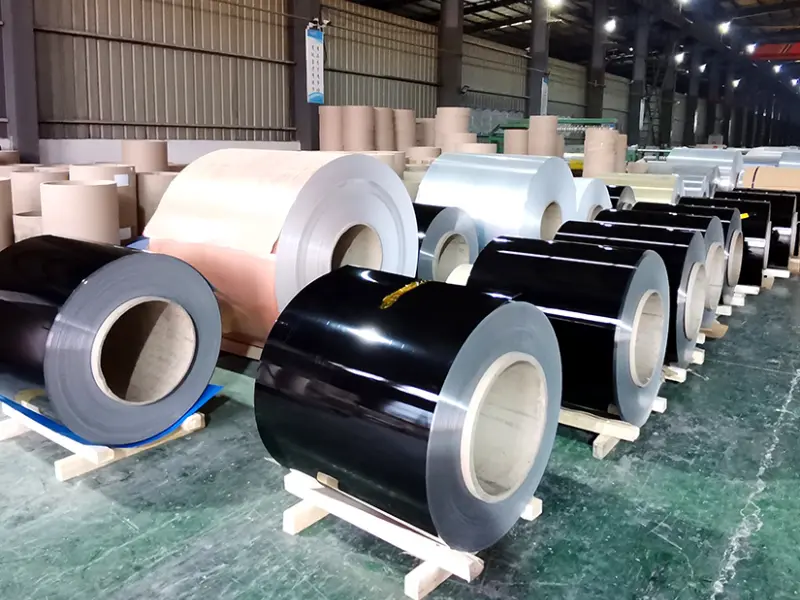
Thickness and width affect material weight, processing performance, and final product cost. A supplier should confirm available dimensions before production.
Common Thickness Ranges by Application
| Application | Illustrative thickness range |
|---|---|
| Thin industrial foil-related stock | Below 0.2 mm, depending on product |
| General coated coil | 0.2–1.0 mm |
| Roofing and siding | 0.4–1.2 mm |
| Gutter coil | Often around 0.4–0.8 mm |
| Insulation jacketing | Around 0.3–0.8 mm |
| General industrial fabrication | 0.5–3.0 mm |
| Heavier fabricated components | Above 3.0 mm where coil processing is suitable |
These ranges are indicative only. They are not design recommendations. Actual requirements depend on the end product, local regulations, processing equipment, and structural calculations.
How to Choose Coil Width Aluminum Coil Supplier
The best width depends on the machine and finished product. A wider coil may reduce the number of joints in some processes, while a narrow slit coil can reduce scrap for small components.
Before ordering, confirm:
- Required finished width
- Slitting tolerance
- Edge quality
- Coil weight and outside diameter
- Inner diameter and lifting method
- Compatibility with the processing equipment
If the buyer does not know the exact width, a drawing or sample of the finished product can help the supplier assess the requirement.
Applications of Aluminum Coil Across Different Industries
Aluminum coil supports a wide range of production processes. The most suitable product depends on the required properties and the way the material will be processed.
Construction and Architecture

Common products of Aluminum Coil Supplier include:
- Metal roofing sheets
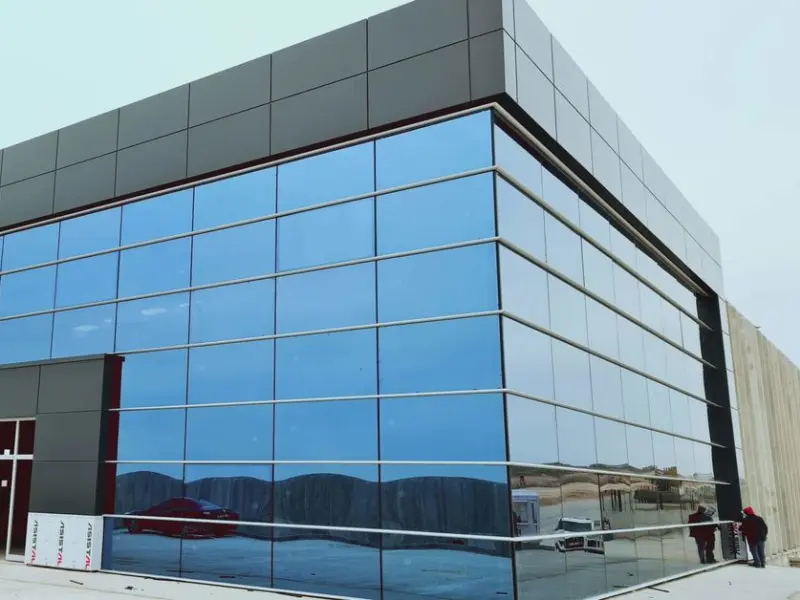
- Wall cladding and facade panels
- Rain gutters and downspouts
- Flashing and trim
- Ceiling panels
- Decorative building components
- Roll-formed profiles
Color-coated 3003 or 3105 coils are common options for certain building products. The coating system and thickness should match the expected weather exposure.
HVAC, Insulation, and Refrigeration
Applications include:
- Duct insulation jacketing
- Pipe and tank insulation covers
- Air-conditioning components
- Heat exchanger fins
- Refrigeration panels
- Ventilation equipment
Smooth and stucco embossed coils are both used in insulation-related products. Alloy and temper should match the required forming process.
Automotive and Transportation

Aluminum Coil Supplier Potential applications include:
- Vehicle body components
- Trailer parts
- Interior panels
- Transportation equipment
- Selected fuel and fluid system components
- Formed brackets and covers
Transportation requirements can be more demanding than general decorative applications. Buyers should identify any automotive, structural, welding, or traceability requirements at the quotation stage.
Electrical and Industrial Manufacturing
Aluminum coil can be used for:
- Electrical components
- Conductive parts
- Machinery covers
- Metal enclosures
- Industrial housings
- Stamped and formed components
- Heat management products
The alloy must be selected according to conductivity, mechanical strength, and production requirements.
Packaging and Consumer Products
Depending on thickness and product specification, aluminum coil may be used for:
- Container and lid stock
- Household and industrial foil products
- Appliance panels
- Cookware components
- Decorative trims
- Laminated materials
Food-contact and packaging applications may require specific material standards, cleanliness controls, coatings, or documentation. Buyers should state these requirements before ordering.
Aluminum Coil vs. Aluminum Sheet: What Is the Difference?
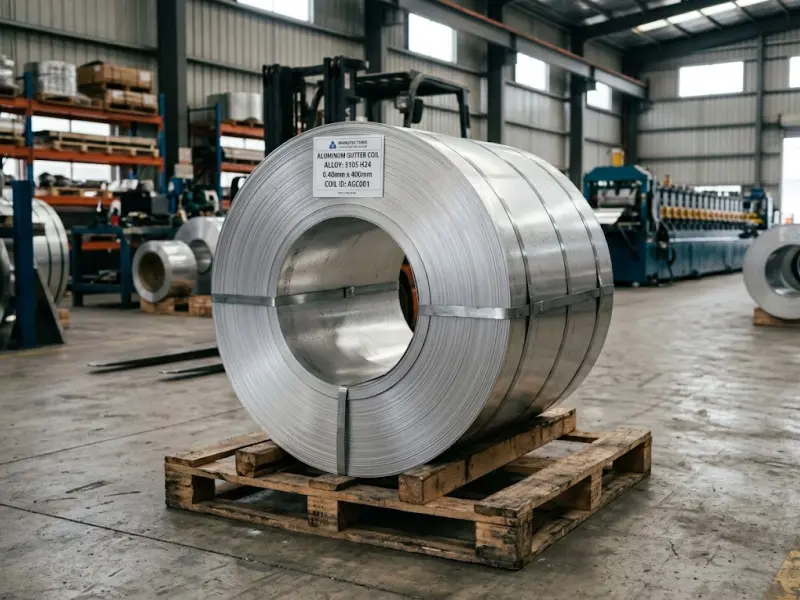
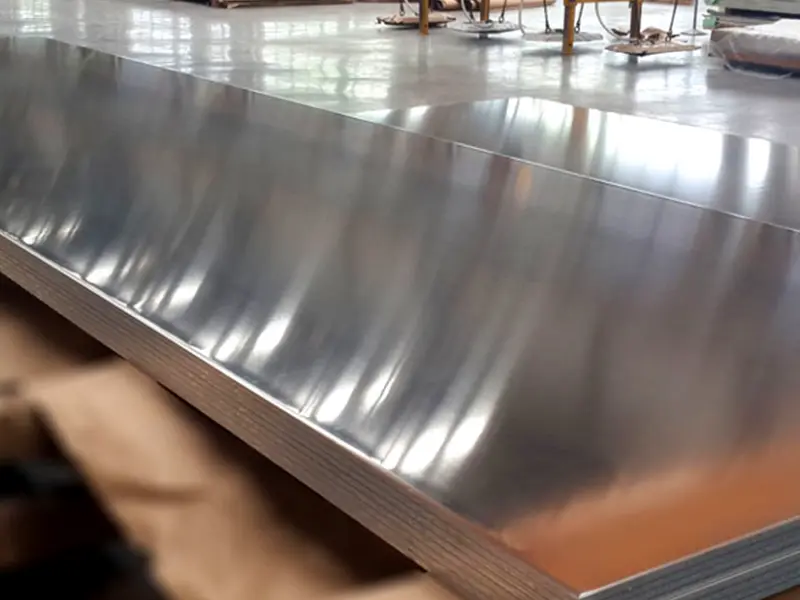
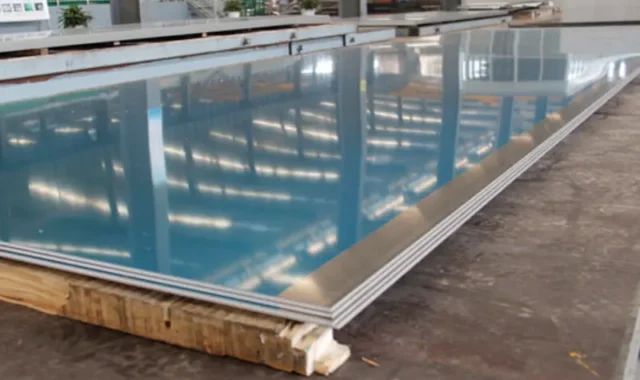
Aluminum coil and aluminum sheet may use similar alloys, but they are supplied in different forms.
| Feature | Aluminum coil | Aluminum sheet |
|---|---|---|
| Supply form | Continuous rolled material | Individual cut pieces |
| Processing | Slitting, roll forming, continuous production | Cutting, bending, stamping |
| Best suited for | High-volume or continuous manufacturing | Batch production and individual parts |
| Storage | Requires suitable coil handling | Often easier to handle in small quantities |
| Waste control | Can be efficient for matched production widths | Depends on sheet layout and cutting plan |
| Typical buyers | Coil processors, roofing manufacturers, factories | Fabricators, workshops, distributors |
Coil can be more efficient for continuous production. Sheet may be more practical for small orders or projects requiring individual dimensions.
The better choice depends on production volume, available equipment, storage, and material yield.
What Affects Aluminum Coil Price?
The price offered by an aluminum coil supplier depends on several factors. A quotation should be compared using the same technical requirements and delivery terms.
Main Cost Factors
- Base aluminum price: Market movements can change raw material costs.
- Alloy and temper: Different grades and processing requirements can affect price.
- Thickness and width: Special dimensions may require additional processing.
- Surface finish: Coating, embossing, anodizing, or protective film can increase cost.
- Coating specification: Paint type, coating thickness, and color can influence pricing.
- Order quantity: Production setup, minimum order quantity, and batch size affect the unit cost.
- Packaging: Export packing and special protection may add cost.
- Shipping and destination: Freight, insurance, customs, and local handling affect the delivered price.
For an accurate quotation, provide the alloy, temper, thickness, width, finish, quantity, packaging needs, and delivery destination.
How to Evaluate an Aluminum Coil Supplier
A low quotation of Aluminum Coil Supplier is not always the lowest total cost. Material that does not meet the required tolerance or coating performance may create waste, production delays, or customer complaints.
Check Technical Capability
Ask whether the supplier can provide the required alloy, temper, thickness, width, and surface finish. If the order involves coating or slitting, confirm the available processing capabilities.
Request Material Documentation

Depending on the application, useful documents may include:
- Material test certificate or mill test certificate, where available
- Chemical composition report
- Mechanical property data
- Thickness and width inspection results
- Coating specification or test report
- Packing list and product identification records
The documents should correspond to the actual supplied material. Do not assume that every supplier provides every document by default.
Review Quality Control
A professional supplier should explain how it controls thickness, width, surface defects, coil shape, and packaging.
For coated products, ask about pretreatment, coating thickness, color consistency, adhesion testing, and relevant weathering tests. The appropriate checks depend on the final application.
Confirm Packing and Shipping
Aluminum Coil Supplier can be damaged by moisture, impact, or poor handling. Export packaging should be suitable for the transport method and destination climate.
Confirm the coil orientation, pallet or cradle design, moisture protection, lifting instructions, and shipping marks before production.
Factory Direct or Trading Company: Which Is Better?
Both manufacturers and trading companies can support international buyers. The right option depends on the order and the level of service required.
| Factor | Manufacturer | Trading company |
|---|---|---|
| Production control | Direct access to production processes | Depends on partner factories |
| Product range | Depends on factory equipment | May offer products from several factories |
| Custom processing | Depends on production lines | Depends on the selected manufacturing partner |
| Communication | Direct technical discussion may be possible | May provide broader sourcing support |
| Order flexibility | Depends on minimum production quantity | May offer more sourcing options |
| Key verification | Confirm production capability and quality controls | Confirm factory identity, traceability, and responsibility for quality |
Instead of relying on the company description alone, ask who produces the material, who inspects it, and who handles quality issues if the goods do not meet the agreed specification.
How to Request an Aluminum Coil Quotation
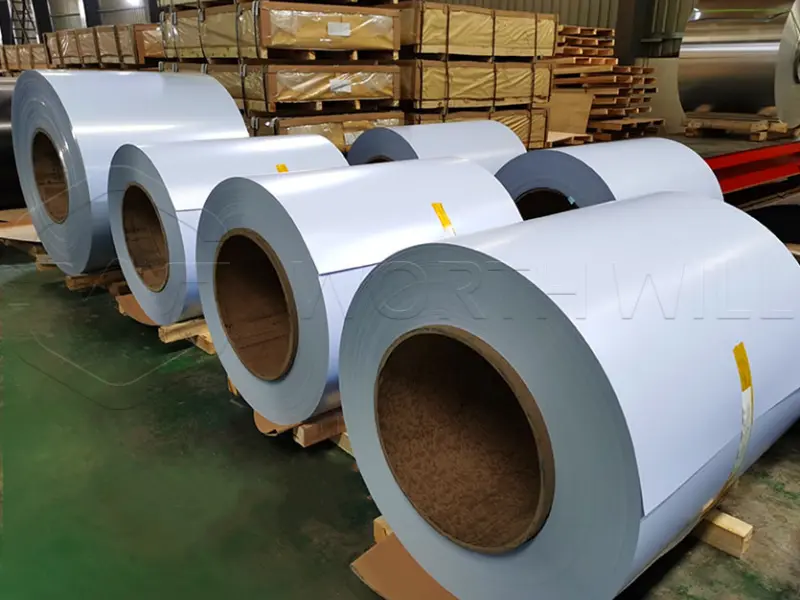
A clear inquiry helps suppliers provide comparable prices and reduces delays.
Information to Include
| Item | Example |
|---|---|
| Product | Color-coated aluminum coil |
| Alloy | 3105 |
| Temper | H14 or another confirmed requirement |
| Thickness | 0.7 mm |
| Width | 1,000 mm |
| Surface | Specified color and coating system |
| Quantity | Required total weight or number of coils |
| Coil dimensions | Required inner diameter and maximum coil weight |
| Standard | Applicable customer or industry specification |
| Destination | Port or delivery location |
| Documents | Required test certificates and inspection records |
The values above are an inquiry example, not a recommendation for every project.
From Inquiry to Shipment of Aluminum Coil Supplier
Inquiry → Technical confirmation → Quotation → Sample or specification approval, if needed → Production → Quality inspection → Export packing → Shipment
Before approving production, confirm the final specification in writing. This should include tolerances, surface requirements, packaging, inspection criteria, delivery terms, and any required documentation.
Frequently Asked Questions About Aluminum Coil Suppliers

What information should I provide when contacting an aluminum coil supplier?
Provide the alloy of Aluminum Coil Supplier, temper, thickness, width, surface finish, quantity, intended application, and delivery destination. If possible, include a drawing, technical specification, or sample reference.
Which aluminum alloy is best for roofing coil?
Alloys such as 3003 and 3105 are used for various roofing and building products. The correct choice depends on the forming process, mechanical requirements, coating system, and local building standards.
Can aluminum coil be supplied in custom widths?
Many suppliers and coil processors can provide slit widths. Availability depends on the original coil width, processing equipment, tolerance requirements, and order quantity.
What is the difference between mill finish and color-coated aluminum coil?
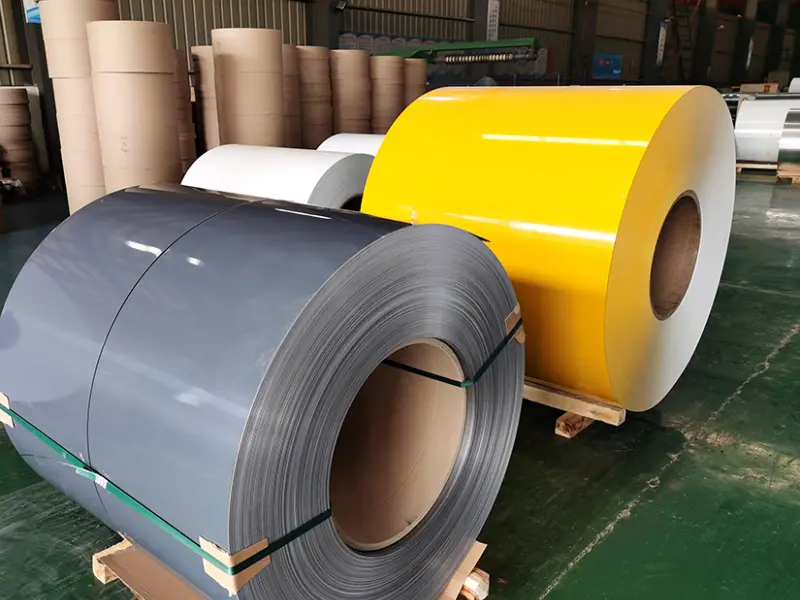
Mill finish coil has a natural aluminum surface. Color-coated coil has an applied paint system that provides a selected color and additional surface protection. The best option depends on appearance, weather exposure, and processing needs.
Is 5052 aluminum coil suitable for marine applications?
5052 is commonly used in marine-related fabrication because of its corrosion resistance. However, suitability depends on the specific environment, design, thickness, temper, and applicable requirements.
What is the minimum order quantity for aluminum coil?
Minimum order quantity varies by supplier, alloy, dimensions, finish, and production method. Standard specifications may have different minimums from custom-coated or special-width products. Ask for the minimum order quantity when requesting a quotation.
How can I compare quotations from different suppliers?
Compare the complete specification, not only the price per kilogram or ton. Check alloy, temper, thickness tolerance, width, coating, documentation, packaging, payment terms, delivery time, and freight costs.
Can aluminum coil be supplied with a protective film?
Some suppliers offer protective film for selected surface finishes. Confirm the film type, coverage, adhesive properties, and suitability for the next manufacturing step.
How should aluminum coil be stored?
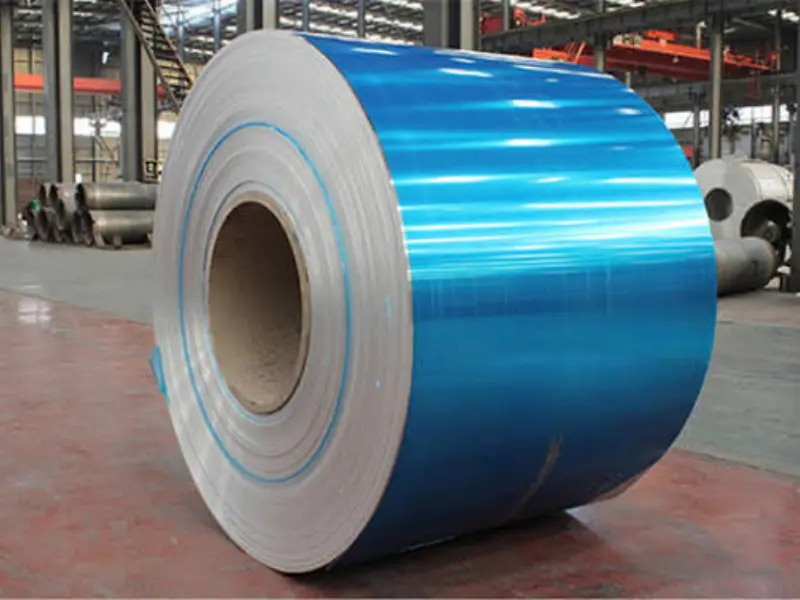
Store coils in a dry, clean area and protect them from condensation and standing water. Follow the supplier’s handling instructions and allow material exposed to different temperatures to acclimatize appropriately before unwrapping, where needed.
What documents should accompany an export order?
Depending on the destination and contract, documents may include a commercial invoice, packing list, bill of lading, certificate of origin, and material quality documentation. Confirm the required documents before shipment.
How long does aluminum coil production take?
Lead time depends on alloy availability, dimensions, coating requirements, order quantity, production capacity, and shipping arrangements. Request a confirmed schedule for the actual specification rather than relying on a general estimate.
Request a Quote for Aluminum Coil Supplier
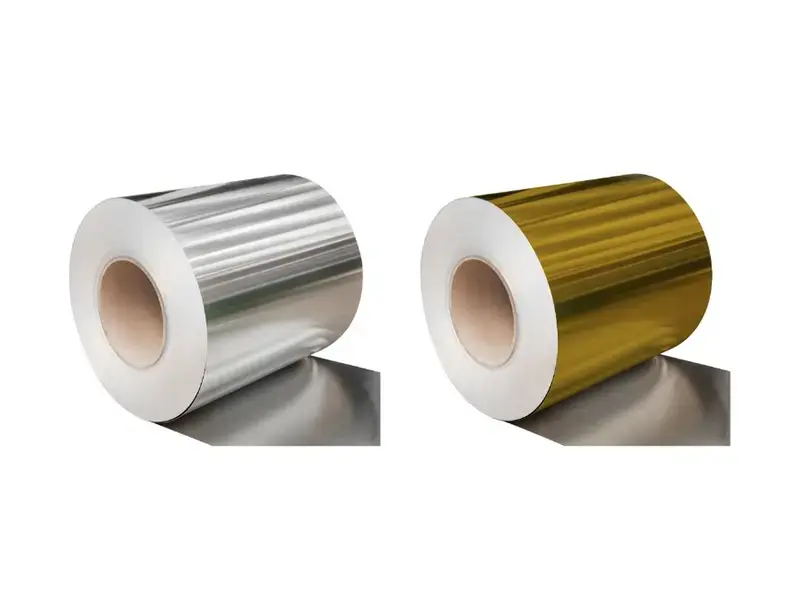
If you are sourcing aluminum coil for construction, HVAC, insulation, transportation, or industrial manufacturing, start with a clear specification.
Share your required alloy, temper, thickness, width, surface finish, quantity, and destination. This allows the supplier to assess the material requirements and prepare a more useful quotation.
For custom orders, confirm technical details, quality documentation, packaging, and delivery terms before production begins.