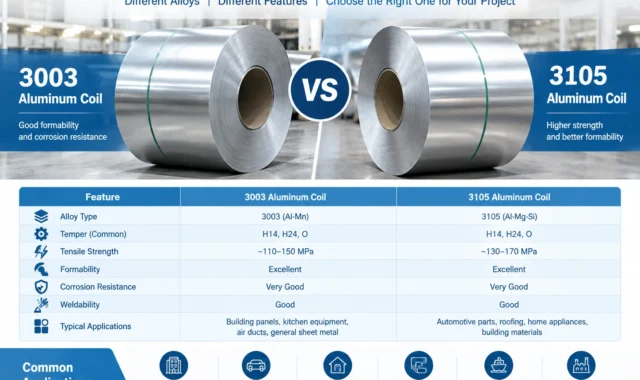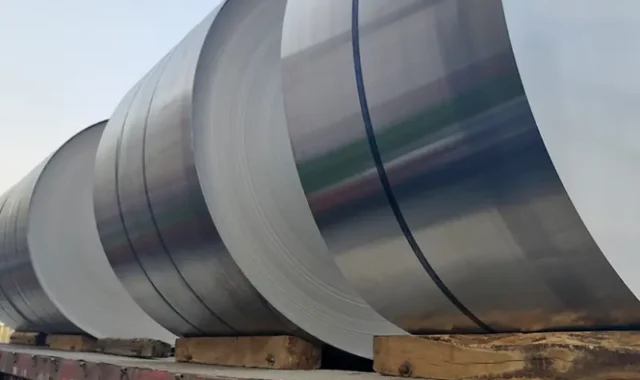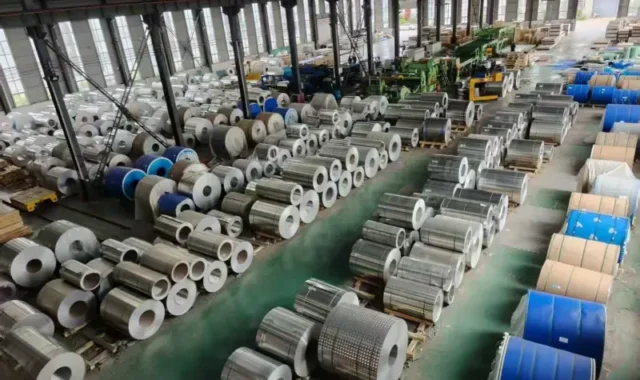
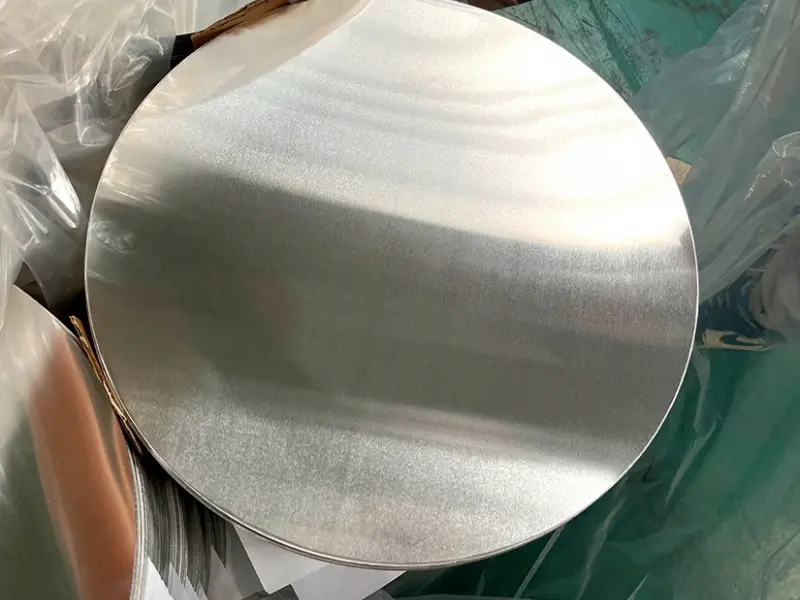
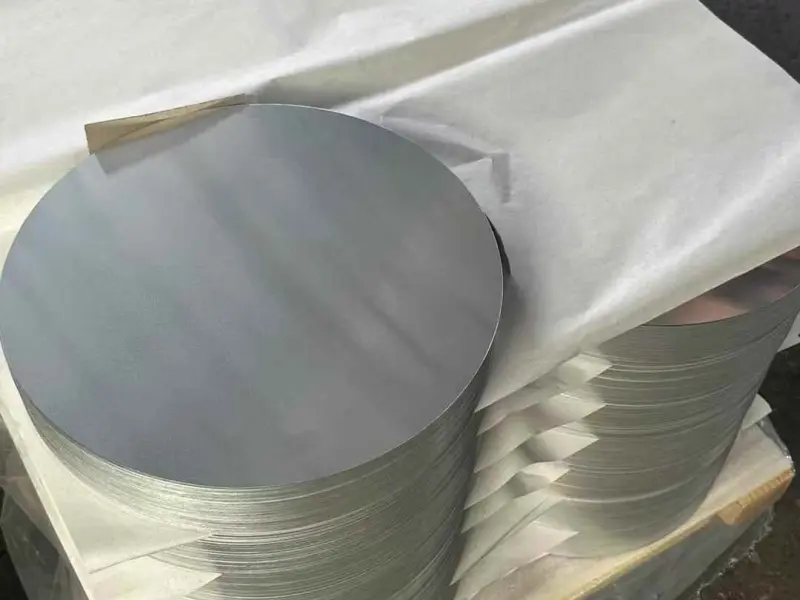
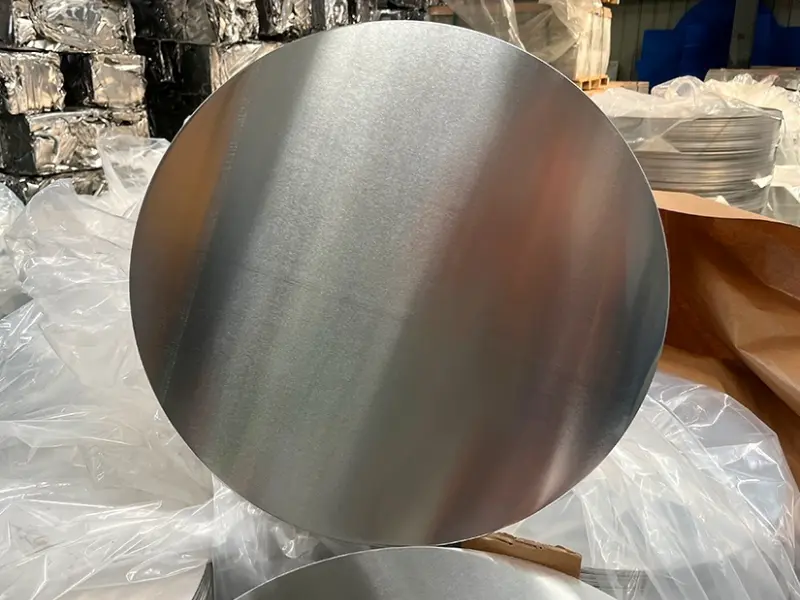
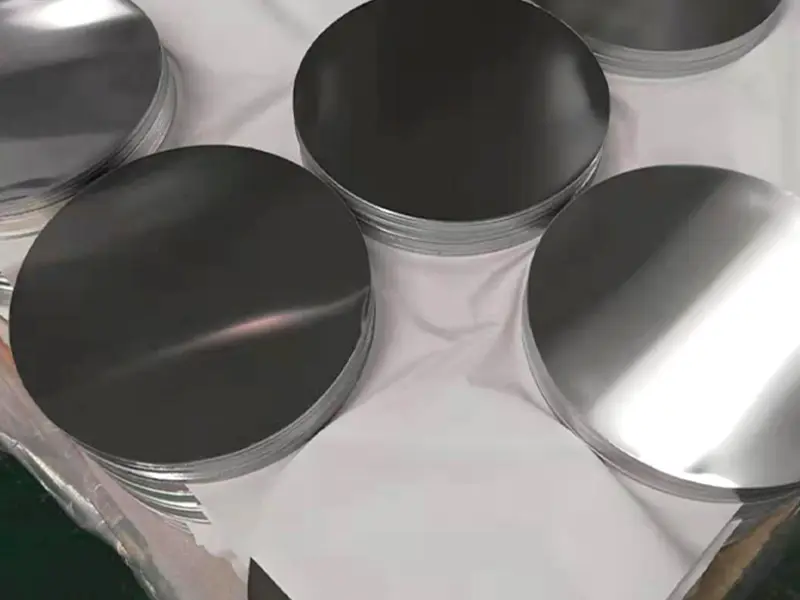
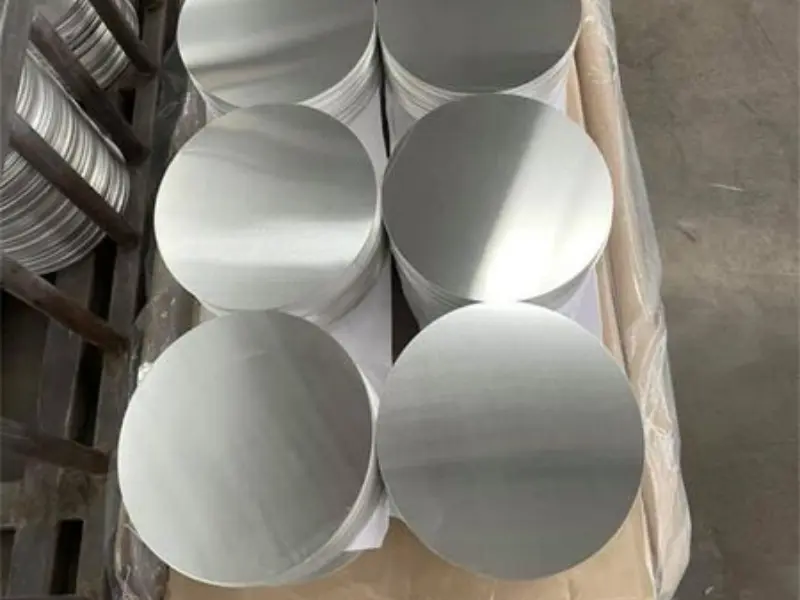
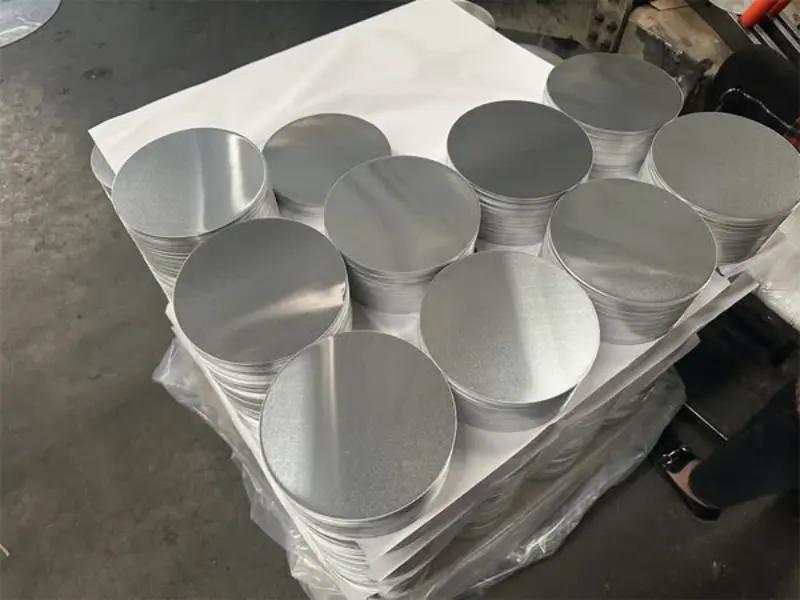
A Deep Drawing Aluminum Circle is an aluminum disc designed for deep drawing and forming. It is used to make round and deep metal parts from a flat aluminum blank.
During deep drawing, the aluminum circle is pressed into a die. The material flows into the required shape without cutting the whole part from a larger sheet.
This process is common in cookware, kitchen products, lighting parts, industrial containers, automotive parts, and many other applications.

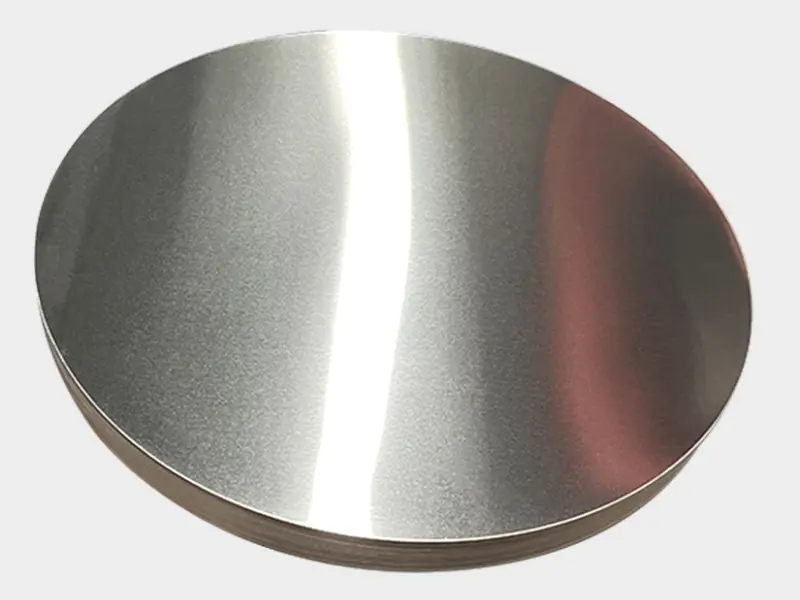
The quality of the aluminum circle has a direct effect on the final product. Alloy, temper, thickness, surface condition, grain structure, and flatness all need to be considered.
A simple purchasing flow is:
Application → Diameter → Thickness → Alloy → Temper → Surface → Deep Drawing Process → Quantity
For manufacturers, choosing the right material at the beginning can reduce cracking, wrinkles, waste, and production problems.
What Is a Deep Drawing Aluminum Circle?
A deep drawing aluminum circle is a round aluminum blank prepared for forming.
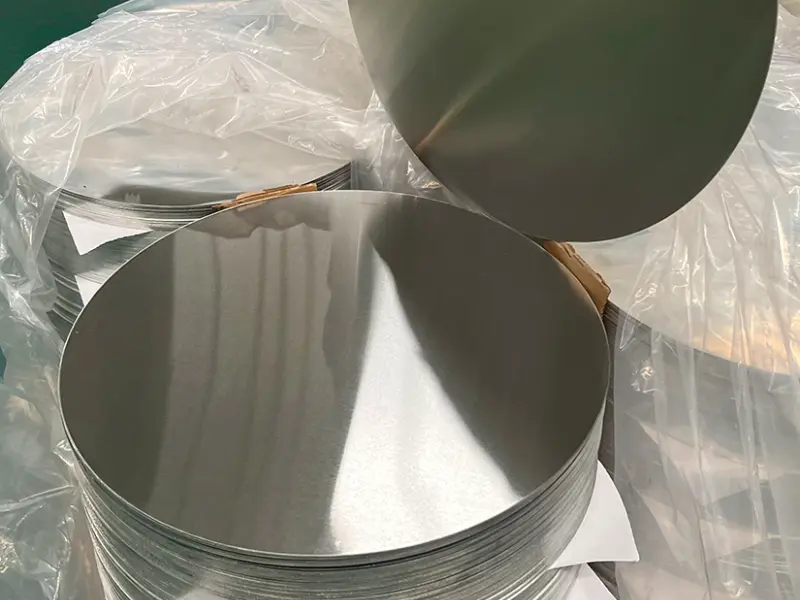
Unlike a normal aluminum disc used for machining or decoration, a deep drawing blank needs good forming performance. It should allow the metal to flow during pressing.
The blank can be produced from aluminum sheet or coil. It is then cut into round pieces according to the required diameter.
Typical products include:
- Aluminum circles for cookware
- Deep drawing discs
- Aluminum pot blanks
- Pan blanks
- Lighting reflector blanks
- Industrial container blanks
- Automotive forming blanks
- Custom round aluminum blanks
The final shape depends on the customer’s die and forming process.
Why Aluminum Circles Are Used for Deep Drawing
Aluminum is suitable for many forming applications because it is relatively light and can be formed into different shapes.
A properly selected alloy can provide a good balance between formability, strength, surface quality, and corrosion resistance.
Main advantages
- Good deep drawing performance
- Lightweight
- Good corrosion resistance
- Good surface appearance
- Easy to form
- Easy to machine after forming
- Available in many diameters
- Available in different thicknesses
- Suitable for high-volume production
- Can be anodized or coated after forming
For large production orders, consistent material quality is also important. Each batch should have similar mechanical and surface properties.
Deep Drawing Aluminum Circle Specifications

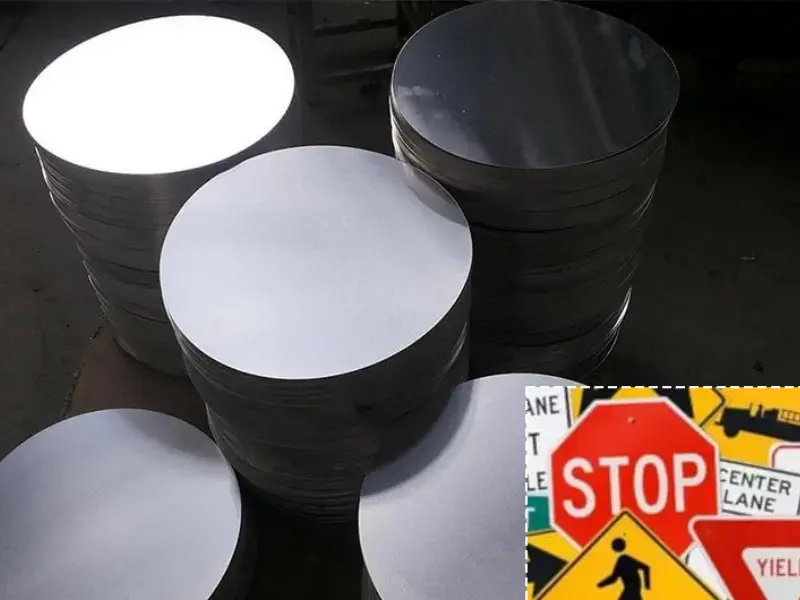
The specification depends on the final product.
| Item | Common Options |
|---|---|
| Diameter | 50–800 mm |
| Thickness | 0.5–5.0 mm |
| Alloy | 1050, 1060, 1070, 3003, 3004, 5052 |
| Temper | O, H12, H14, H16, H18 |
| Shape | Round |
| Edge | Mill edge or customized |
| Surface | Mill finish, smooth, coated |
| Packaging | Wooden case, pallet, export packing |
The available range can be adjusted according to production equipment and customer requirements.
Different Diameter Types
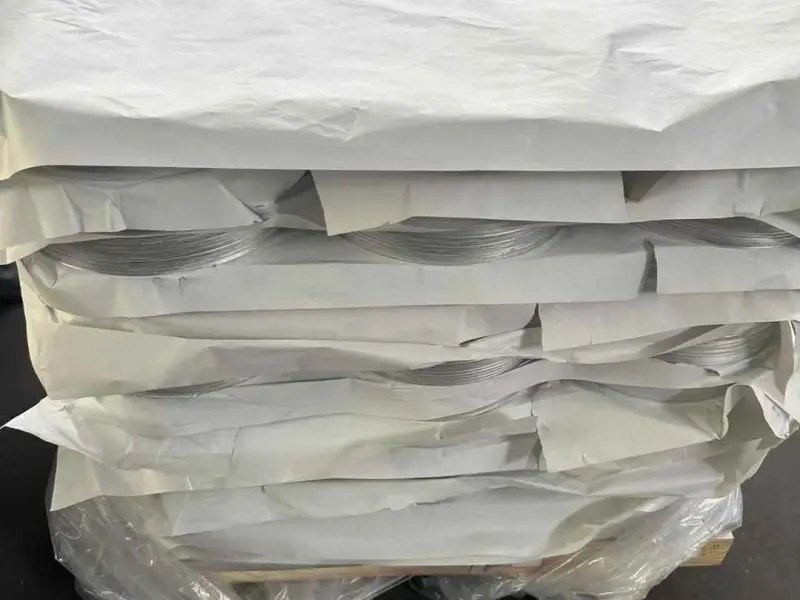
Diameter is one of the most important specifications.
A small diameter may be used for small cookware or components. A large diameter can be used for pots, pans, reflectors, and industrial parts.
| Diameter | Possible Application |
|---|---|
| 80 mm | Small components |
| 100 mm | Small containers |
| 120 mm | Kitchen components |
| 150 mm | Small cookware |
| 180 mm | Household products |
| 200 mm | Pans and containers |
| 220 mm | Cookware |
| 250 mm | Pots and pans |
| 280 mm | Larger cookware |
| 300 mm | Deep drawing products |
| 350 mm | Large containers |
| 400 mm | Industrial parts |
| 450 mm | Large forming parts |
| 500 mm | Industrial cookware |
| 600 mm | Large containers |
| 800 mm | Large forming applications |
These sizes are examples. Custom diameters can also be produced.
Deep Drawing Aluminum Circle Thickness Options
Thickness affects the strength, forming behavior, weight, and final wall thickness of the product.
0.5 mm Aluminum Circle
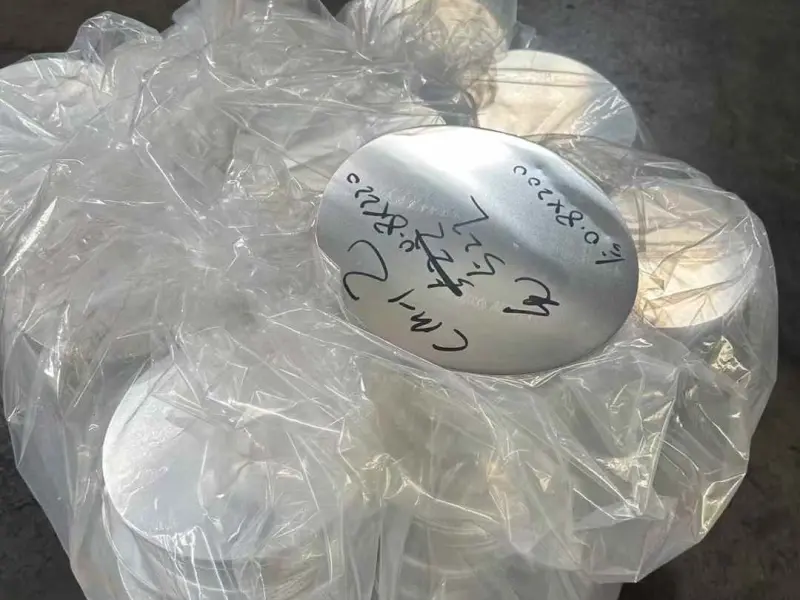
A 0.5 mm circle is suitable for lightweight products.
It can be considered for small formed parts, reflectors, and lightweight household products.
0.8 mm Aluminum Circle
0.8 mm provides more material thickness while remaining relatively light.
It is commonly considered for small and medium forming applications.
1.0 mm Aluminum Circle
1.0 mm is a practical thickness for many cookware and container applications.
It provides a balance between weight and rigidity.
1.2 mm Aluminum Circle
1.2 mm can provide more strength for products that need a thicker wall after forming.
It may be used for cookware, containers, and industrial parts.
1.5 mm Aluminum Circle
A 1.5 mm blank is suitable for products requiring higher rigidity.
The forming equipment must be matched to the material thickness.
2.0 mm Aluminum Circle
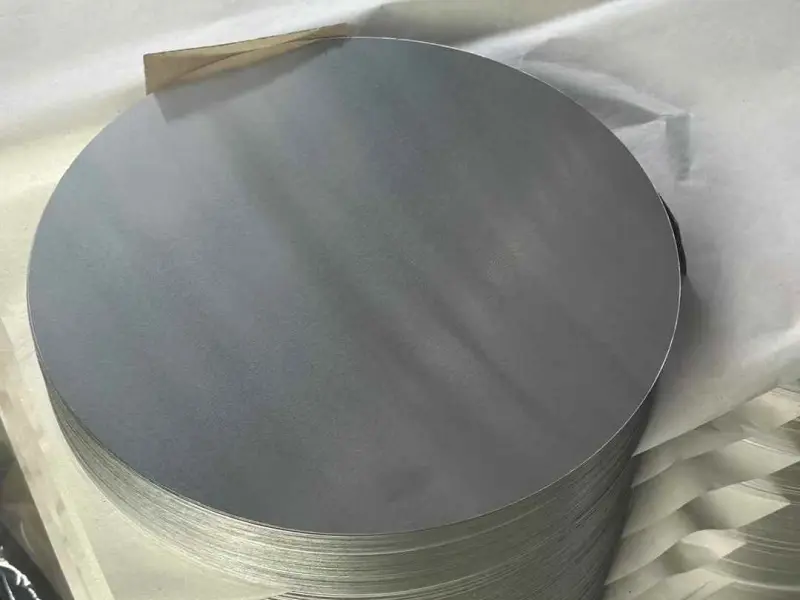
2.0 mm material is used for heavier forming applications.
It may be suitable for industrial containers and parts where a thicker structure is required.
3.0 mm and Thicker
3.0 mm or thicker aluminum circles can be used for special forming projects.
The alloy, die design, press capacity, lubrication, and forming speed become more important at higher thicknesses.
Alloy Selection for Deep Drawing

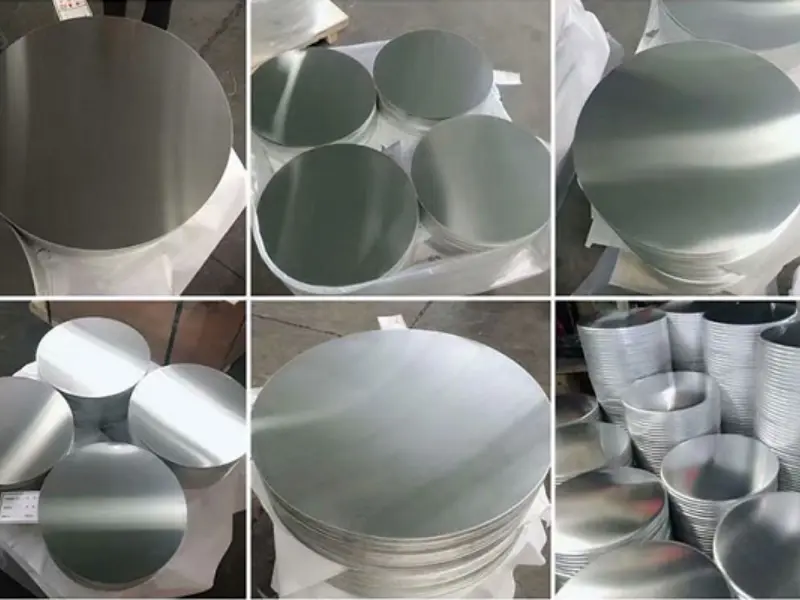
Different aluminum alloys have different forming characteristics.
| Alloy | General Characteristic | Deep Drawing Use |
|---|---|---|
| 1050 | High aluminum content | Lightweight forming |
| 1060 | Good formability | General deep drawing |
| 1070 | High purity | Special forming |
| 3003 | Good strength and formability | Cookware and containers |
| 3004 | Higher strength | Formed products |
| 5052 | Higher strength | Industrial forming |
The best alloy depends on the depth, shape, wall thickness, and required strength of the finished part.
1050 Aluminum Circle for Deep Drawing
1050 aluminum has a high aluminum content and good forming characteristics.
It can be considered for products where high strength is not the main requirement.
Common applications include:
- Kitchenware
- Reflectors
- Containers
- Decorative products
- Lightweight formed parts
For simple deep drawing, 1050 can be a practical material choice.
1060 Deep Drawing Aluminum Circle
1060 aluminum is another common option for forming applications.
It has good formability and can provide a clean surface after processing.
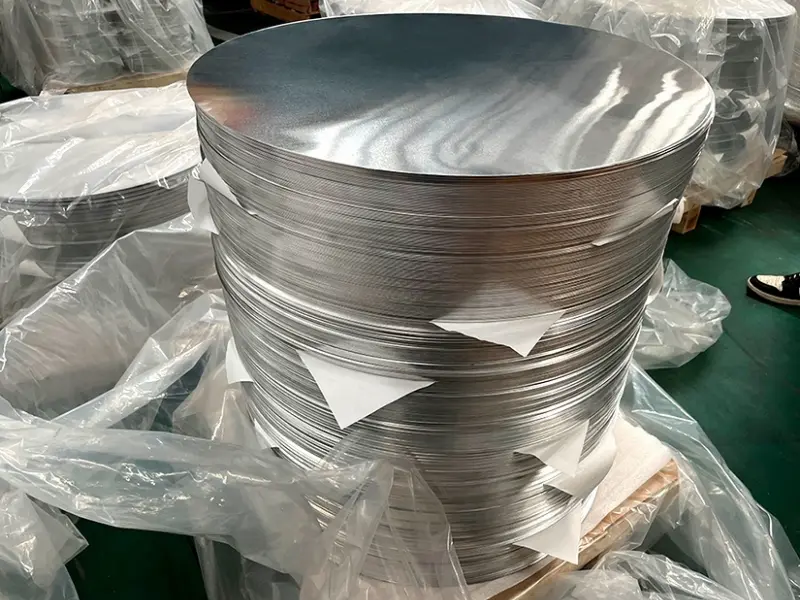
It is suitable for:
- Cookware
- Pans
- Pots
- Lighting reflectors
- Containers
- General formed parts
When the product has a complex shape, the forming process should be tested before mass production.
3003 Aluminum Circle
3003 aluminum contains manganese and normally provides higher strength than 1050 and 1060.
It is widely considered for cookware and other formed products.
The alloy can provide a useful balance between strength and forming performance.
3004 Aluminum Circle
3004 can be considered when the finished product requires higher strength.
It may be used for:
- Cookware
- Containers
- Industrial parts
- Formed housings
- Larger drawn products
The final selection should be based on the actual forming depth and product design.
5052 Aluminum Circle
5052 is stronger than many 1xxx series alloys.
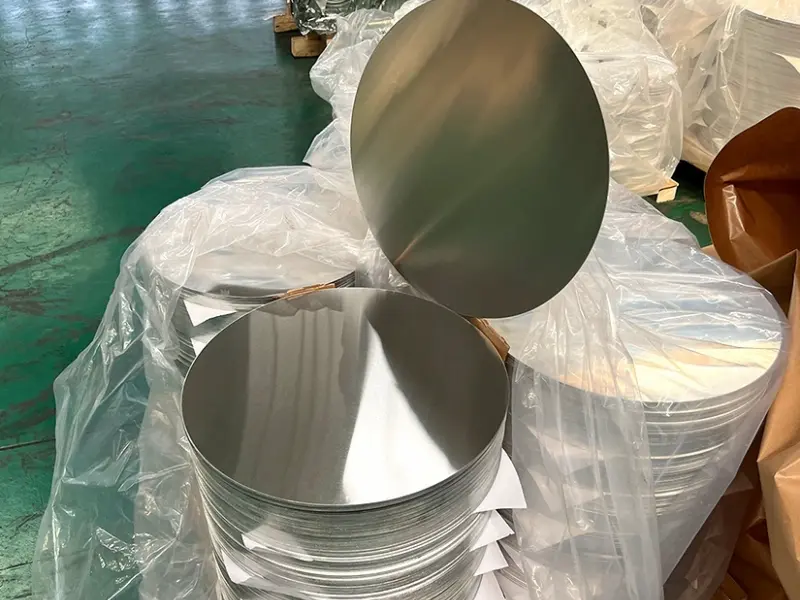
It is often selected for applications where strength and corrosion resistance are important.
However, higher strength can also mean different forming requirements. For deep drawing, the exact temper and forming process need to be considered.
Temper Selection
The temper describes the condition of the aluminum.
| Temper | General Condition | Typical Consideration |
|---|---|---|
| O | Soft | Deep forming |
| H12 | Quarter hard | Moderate forming |
| H14 | Half hard | Limited forming |
| H16 | Harder | Less suitable for deep forming |
| H18 | Hard | Usually for less demanding forming |
For deep drawing, softer material is often considered because it can provide better forming performance.
Why O Temper Is Common
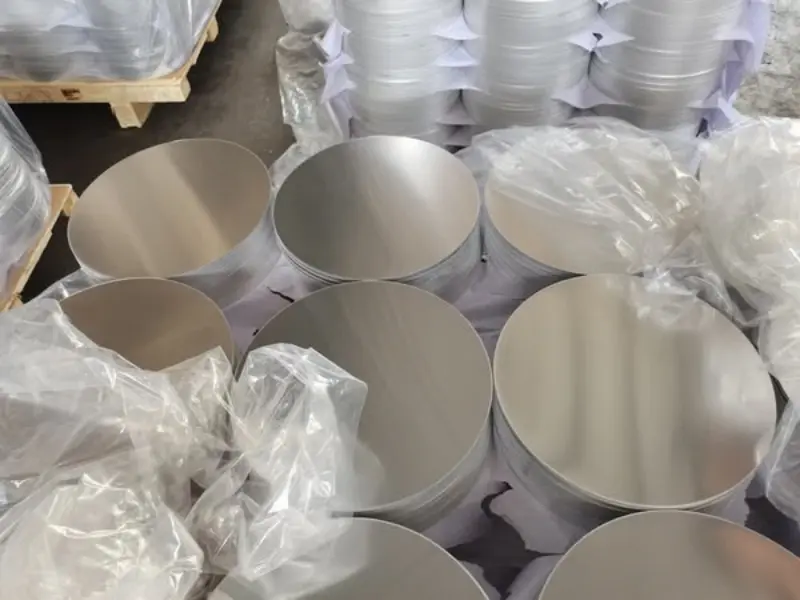
O temper is annealed and relatively soft.
This makes it suitable for applications where the material needs to stretch and flow during forming.
For deep drawing, O temper is often selected when the forming depth is significant.
Deep Drawing vs Normal Aluminum Disc
Not every aluminum disc is suitable for deep drawing.
| Feature | Deep Drawing Circle | General Aluminum Disc |
|---|---|---|
| Main purpose | Forming | General use |
| Formability | Important | May not be critical |
| Surface quality | Important | Depends on application |
| Thickness tolerance | Important | Depends on application |
| Grain structure | Important | Less critical in some uses |
| Temper | Selected for forming | Depends on use |
| Edge quality | Important | Standard requirements |
A normal disc may work for simple forming, but demanding applications require material designed for the forming process.
Deep Drawing Aluminum Circle for Cookware
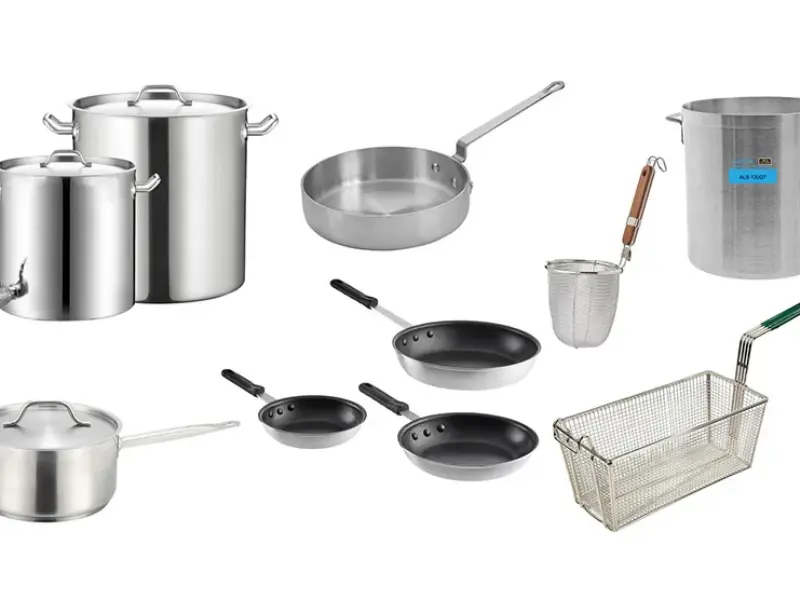
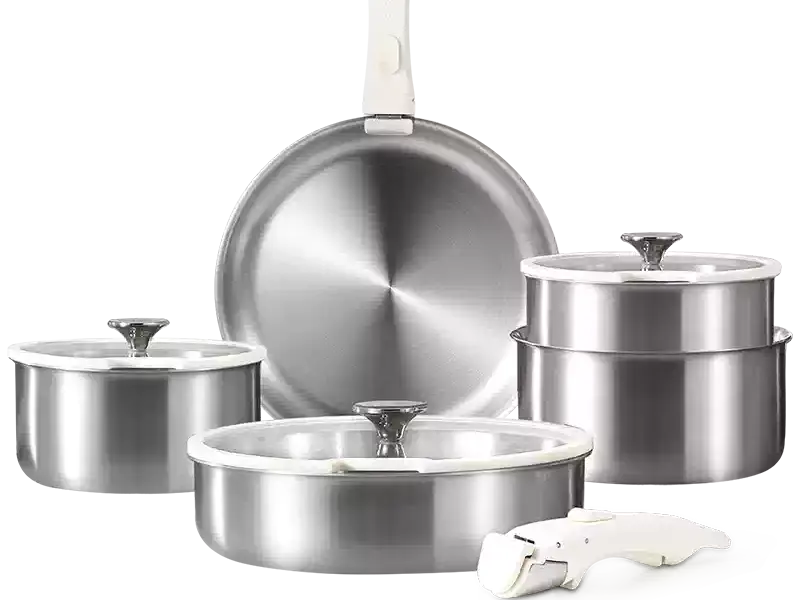
Cookware is one of the most common applications.
The blank is placed into a forming machine. A punch pushes the aluminum into a die.
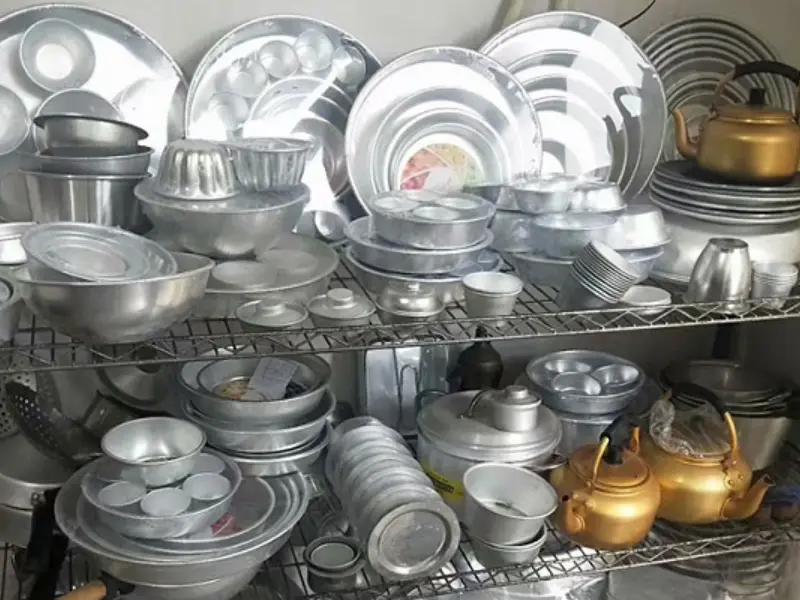
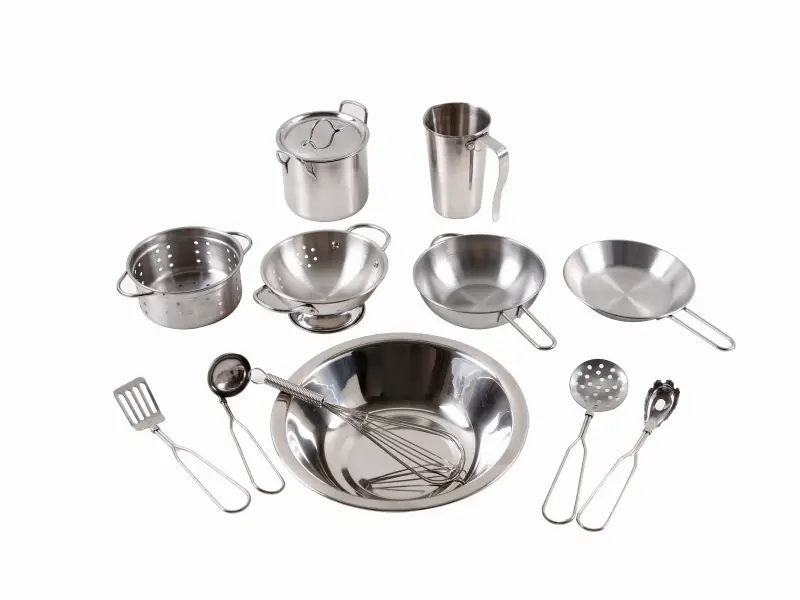
The process can produce:
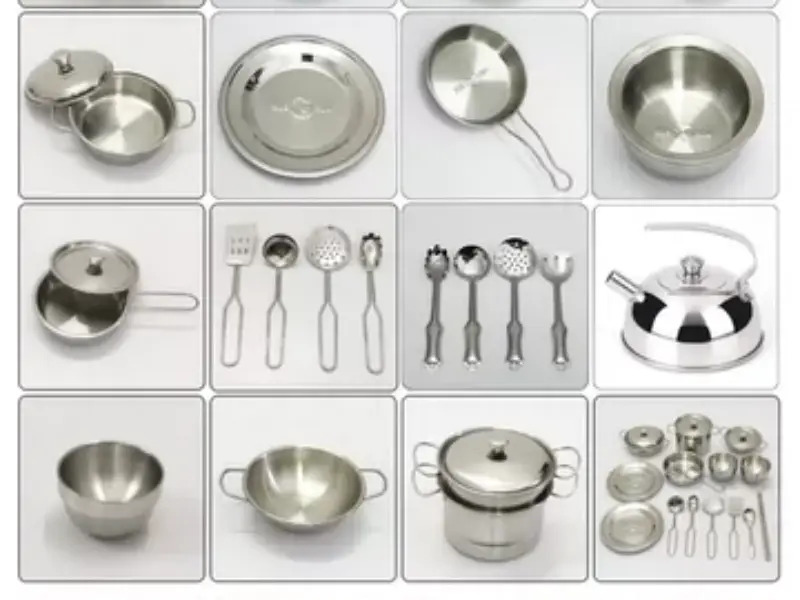
- Pots
- Pans
- Sauce pans
- Frying pans
- Pressure cooker components
- Kitchen containers
- Bowls
For cookware, surface quality is also important because the final product may be anodized, coated, polished, or otherwise treated.
Aluminum Circle for Pots
Pot production usually requires a round blank with stable thickness and good formability.
The blank diameter depends on the final pot diameter and drawing depth.
For deeper pots, the forming process may require multiple drawing operations.
Blank → First Drawing → Redrawing → Trimming → Surface Treatment → Final Product
Aluminum Circle for Pans
Pans normally have a relatively wide diameter and controlled depth.
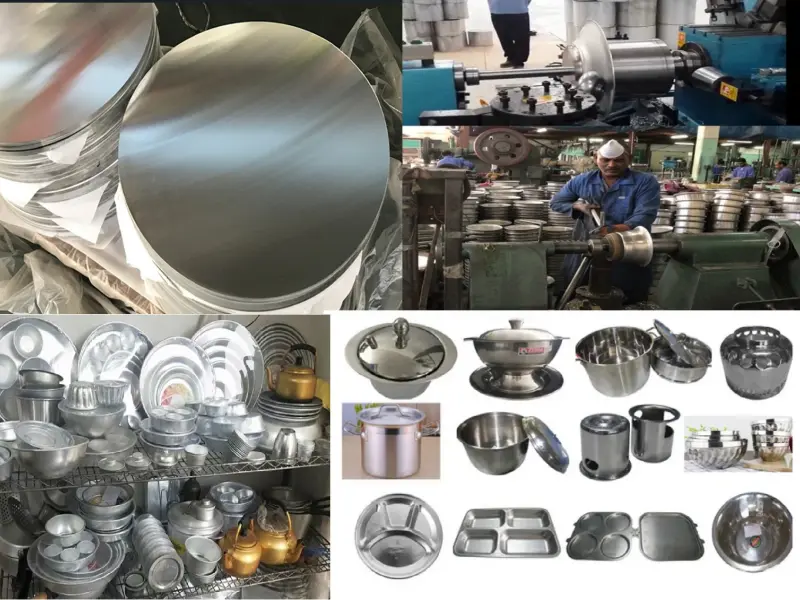
The material must flow evenly during forming.
Common material options may include 1050, 1060, and 3003, depending on the required strength and surface treatment.
Aluminum Circle for Lighting Reflectors
Aluminum is also used for reflector production.
The circular blank can be pressed into a curved reflector shape.
Typical applications include:
- LED lighting
- Industrial lamps
- Street lighting
- Floodlights
- Commercial lighting
- Indoor lighting
Surface quality becomes particularly important because the finished part may require polishing or a reflective treatment.
Aluminum Circle for Industrial Containers
Industrial containers may require stronger material than lightweight household products.
Depending on the design, buyers may consider 3003, 3004, or 5052.
Important specifications include:
Surface finish
Wall thickness
Drawing depth
Diameter
Bottom radius
Sidewall shape
Required strength
Deep Drawing Ratio and Material Selection
The drawing ratio is an important consideration in deep drawing.
A simple relationship is:
Drawing Ratio = Blank Diameter ÷ Finished Cup Diameter
A higher ratio means the forming operation is more demanding.
For example:
| Blank Diameter | Finished Diameter | Ratio |
|---|---|---|
| 200 mm | 160 mm | 1.25 |
| 250 mm | 180 mm | 1.39 |
| 300 mm | 200 mm | 1.50 |
| 400 mm | 250 mm | 1.60 |
These values are examples for understanding the relationship. The actual forming limit depends on alloy, temper, thickness, die design, lubrication, equipment, and forming conditions.
For deeper products, multiple drawing operations may be required.
One-Step Drawing vs Multi-Step Drawing
One-Step Deep Drawing
A simple product may be formed in one operation.
This can reduce production time and processing steps.
Multi-Step Deep Drawing
A deeper product may need several drawing operations.
For example:
Round Blank → First Draw → Second Draw → Third Draw → Trimming → Finishing
This method can reduce forming stress and help produce deeper shapes.
Common Deep Drawing Problems
Material selection has a direct effect on forming quality.
Cracking
Cracking can happen when the material cannot withstand the forming stress.
Possible factors include:
- Material too hard
- Excessive drawing ratio
- Incorrect die radius
- High forming speed
- Poor lubrication
- Improper clearance
Wrinkling
Wrinkles can appear when the flange area is not properly controlled.
Blank holder pressure is one factor that can affect the result.
Surface Marks
Surface marks can come from the die, material surface, lubrication, or handling.
For visible products, the surface should be inspected before forming.
Flatness and Thickness Tolerance
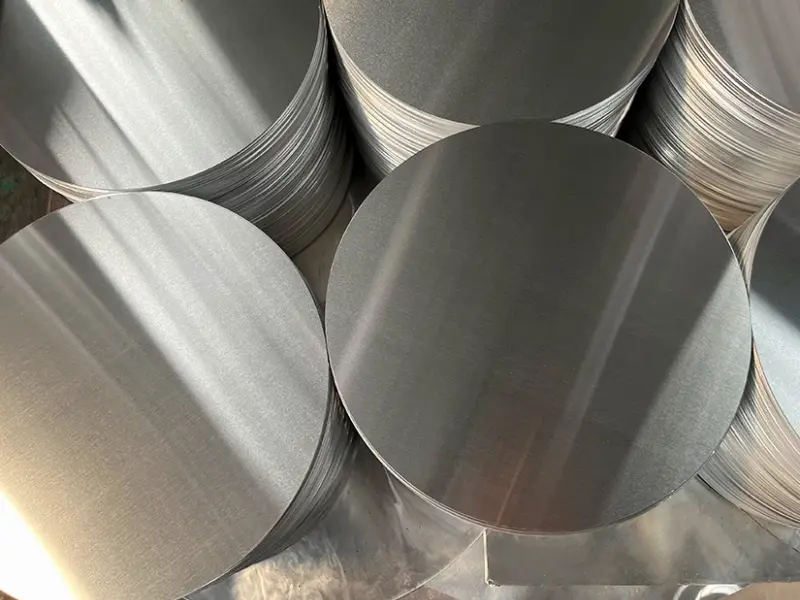
Good flatness is useful for automatic feeding and stable forming.
Thickness consistency is also important.
| Specification | Why It Matters |
|---|---|
| Diameter | Controls blank size |
| Thickness | Controls wall material |
| Flatness | Helps stable feeding |
| Edge quality | Reduces forming defects |
| Surface quality | Affects final appearance |
| Mechanical properties | Affect forming performance |
For mass production, stable specifications can help reduce changes between production batches.
Surface Quality of Deep Drawing Circles
The surface should be clean and free from major defects.
Depending on the application, buyers may request:
- Mill finish
- Smooth surface
- Bright surface
- Polished surface
- Anodized surface
- Coated surface
For cookware and reflectors, surface quality can be especially important.
Edge Quality and Burr Control
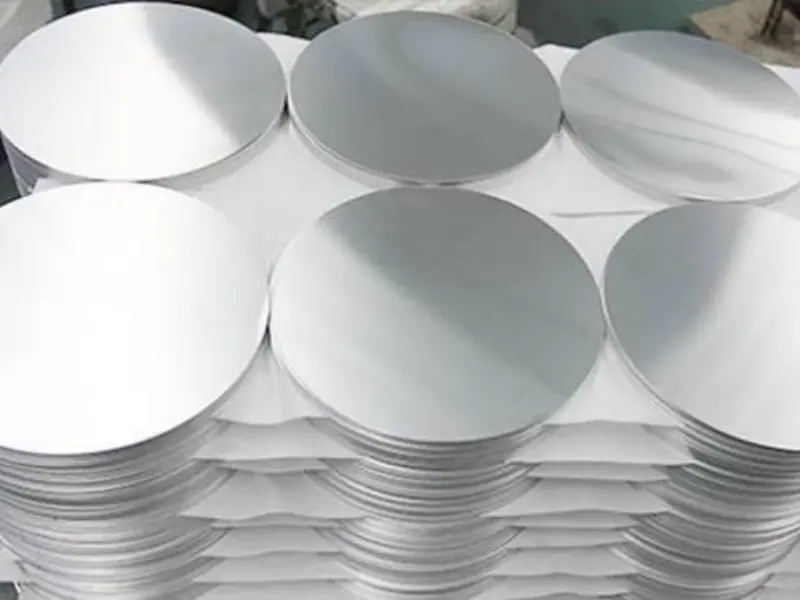
The edge of the aluminum circle should be suitable for the forming process.
Excessive burrs can affect feeding and handling.
For automated production, consistent diameter and edge condition are important.
The cutting process can be adjusted according to the required quantity and specification.
How Deep Drawing Aluminum Circles Are Made
A typical production process is:
Aluminum Coil → Leveling → Cutting → Circle Blanking → Edge Inspection → Surface Inspection → Packing
For some products, additional processing may be included.
Raw Material
The correct alloy and temper are selected according to the final application.
Rolling
The aluminum is rolled to the required thickness.
Annealing
Annealing can adjust the material condition and improve formability.
Circle Blanking
The sheet or coil is cut into round blanks
Inspection
Diameter, thickness, flatness, surface, and edge condition are checked.
Packing
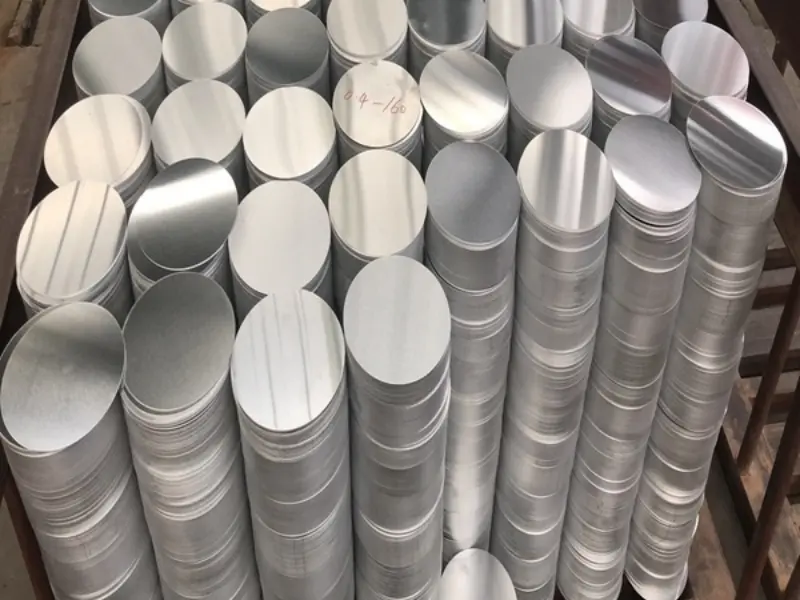
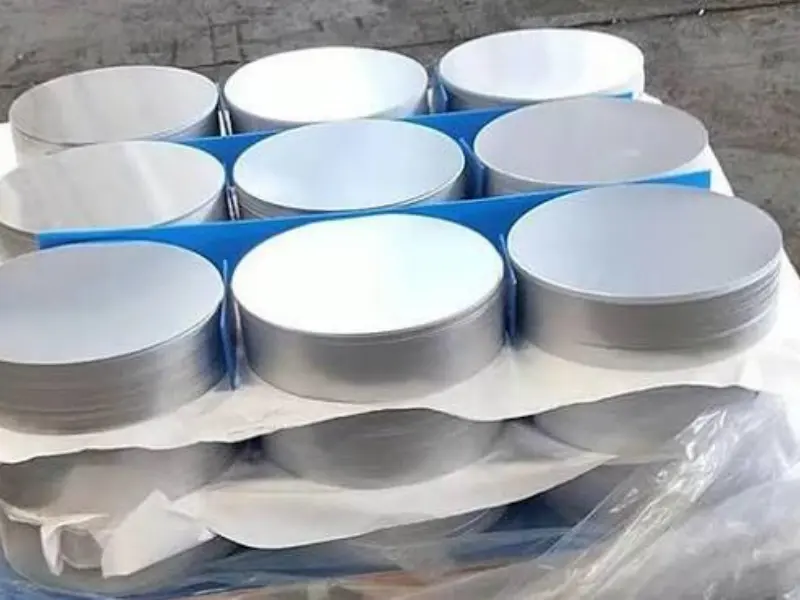
The circles are separated and protected before shipment.
Quality Control for Deep Drawing Aluminum Circle
Quality control can include several stages.
Material Inspection
The alloy and temper should match the purchase specification.
Dimension Inspection
Common checks include:
- Diameter
- Thickness
- Flatness
- Roundness
- Edge condition
Surface Inspection
The surface is checked for scratches, stains, dents, oil marks, and other defects.
Production Batch Control
For repeat orders, production records can help maintain consistency.
Packaging for Export
Aluminum circles need protection during transportation.
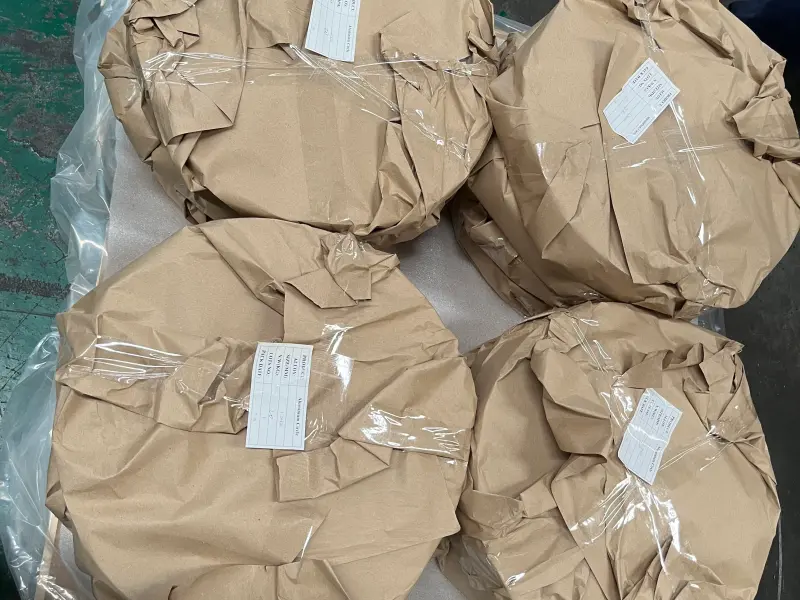
Common packaging includes:
- Wooden pallets
- Wooden cases
- Export cartons
- Moisture-resistant paper
- Plastic protection
- Edge protection
- Separation layers
For large orders, packaging can be designed according to the loading method.
Deep Drawing Aluminum Circle vs Aluminum Sheet
Buying circles instead of full sheets can reduce cutting work at the customer’s factory.
| Point | Aluminum Circle | Aluminum Sheet |
|---|---|---|
| Shape | Round | Rectangular |
| Cutting | Usually ready to form | Customer needs cutting |
| Waste | Can be lower | Depends on nesting |
| Handling | Simple for forming | Requires blanking |
| Production | Ready-made blanks | More preparation |
For large-volume cookware production, ready-made circles can simplify the production line.
Custom Deep Drawing Aluminum Circle
Custom production can include different specifications.
Customers can request:
- Custom diameter
- Custom thickness
- Specific alloy
- Specific temper
- Special surface
- Tight tolerance
- Special packaging
- Large quantity production
For special forming projects, a drawing or sample is useful.
Applications of Deep Drawing Aluminum Circles
The product can be used in many industries.
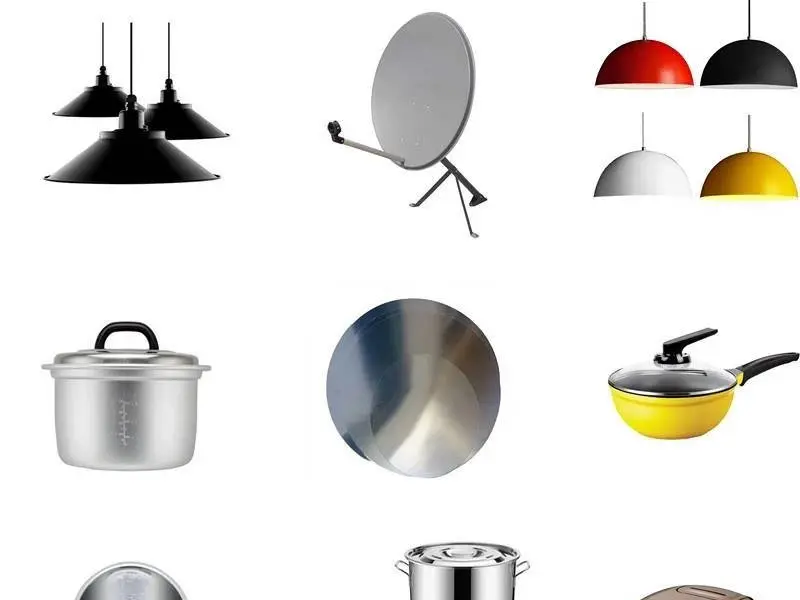
Kitchenware
- Cooking pots
- Frying pans
- Sauce pans
- Bowls
- Containers
- Pressure cooker parts
- Kitchen accessories
Lighting
Industrial lighting parts
Reflectors
Lamp housings
LED components
Commercial lighting parts
Industrial Products
- Containers
- Housings
- Covers
- Formed shells
- Equipment parts
- Metal components

Automotive
- Formed aluminum components
- Covers
- Housings
- Lightweight parts
The exact alloy and forming condition depend on the final component.
Household Products
Household equipment parts
Trays
Containers
Kitchen accessories
Decorative items
How to Choose the Right Deep Drawing Aluminum Circle
A simple selection process can make purchasing easier.
Step 1: Define the final product
Know the finished diameter, depth, shape, and wall thickness.
Step 2: Calculate the blank
The blank diameter should be determined according to the finished product and forming process.
Step 3: Select the alloy
Consider 1050, 1060, 3003, 3004, or 5052.
Step 4: Select the temper
For demanding forming, a softer condition may be needed.
Step 5: Select the thickness
The thickness should match the required strength and final wall thickness.
Step 6: Confirm surface requirements
This is important for cookware, reflectors, and visible products.
Step 7: Confirm quantity
The quantity affects production planning and price.
What Information Should Be Included in an Inquiry?
A clear inquiry helps the supplier prepare a more accurate quotation.
| Item | Example |
|---|---|
| Product | Deep Drawing Aluminum Circle |
| Alloy | 1050 / 1060 / 3003 |
| Temper | O |
| Diameter | 250 mm |
| Thickness | 1.2 mm |
| Surface | Mill finish |
| Quantity | 5,000 pcs |
| Application | Cookware |
| Packing | Export packing |
| Destination | Country and port |
If the customer has a finished product drawing, it can also be provided.
Frequently Asked Questions
What is a deep drawing aluminum circle?
It is a round aluminum blank designed for forming into a deeper shape. It is commonly used for pots, pans, containers, reflectors, and other formed products.
Which aluminum alloy is best for deep drawing?
There is no single alloy for every application. 1050 and 1060 are commonly considered for good formability. 3003 and 3004 can provide a balance of formability and strength. 5052 may be considered when higher strength is needed.
Is O temper suitable for deep drawing?
O temper is a soft condition and is often considered for demanding forming applications. The final choice depends on the alloy, drawing depth, and production process.
What thickness can be supplied?
Common thicknesses include 0.5 mm, 0.8 mm, 1.0 mm, 1.2 mm, 1.5 mm, 2.0 mm, and thicker options for special applications.
Can the diameter be customized?
Yes. Aluminum circles can be produced in standard or custom diameters according to the customer’s requirements.
Can aluminum circles be used for cookware?
Yes. Aluminum circles are widely used as blanks for pots, pans, bowls, and other cookware products.
Can 3003 aluminum be used for deep drawing?
Yes. 3003 can be considered for forming applications where a combination of strength and formability is required.
What is the difference between 1050 and 3003 aluminum circles?

1050 has a high aluminum content and good formability. 3003 contains manganese and generally provides higher strength. The better option depends on the final product.
How do I prevent cracking during deep drawing?
Material selection is important. The alloy, temper, thickness, drawing ratio, die radius, blank holder pressure, lubrication, and forming speed should all be considered.
Why does aluminum wrinkle during deep drawing?
Wrinkling can be related to material flow in the flange area. Tool design, blank holder pressure, material properties, and forming conditions can all affect the result.
Can deep drawing aluminum circles be used for lighting reflectors?
Yes. Aluminum circles can be pressed into reflector shapes. Surface quality is especially important when the finished reflector needs a bright or polished appearance.
Can the aluminum circles be supplied in bulk?
Yes. Deep drawing circles can be produced in bulk quantities. For repeat orders, stable specifications and batch control are important.
What information is needed for a quotation?
Provide the alloy, temper, diameter, thickness, quantity, surface requirement, application, and destination. A technical drawing is useful for special forming products.
Deep Drawing Aluminum Circle Supplier
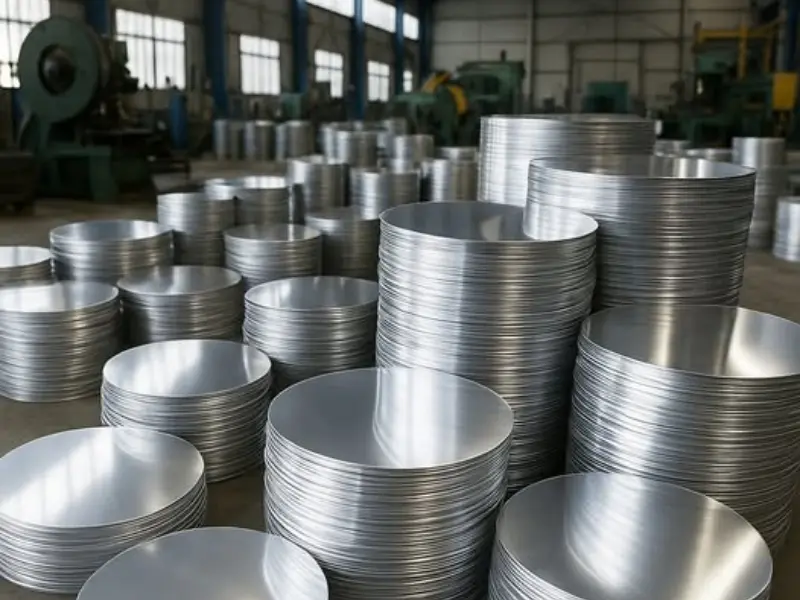
A reliable supply program should focus on more than the material price.
Buyers should also consider:
- Alloy consistency
- Thickness tolerance
- Diameter tolerance
- Surface quality
- Flatness
- Edge quality
- Deep drawing performance
- Production capacity
- Packaging
- Delivery time
For repeat production, consistent material between batches can be especially important.
Get a Quote for Deep Drawing Aluminum Circles
For a quotation, send the basic specification:
Alloy + Temper + Diameter + Thickness + Surface + Quantity + Application
For example:
1060 O + 250 mm + 1.2 mm + Mill Finish + 5,000 pcs + Cookware
This information gives the supplier a clear starting point for material selection and pricing.