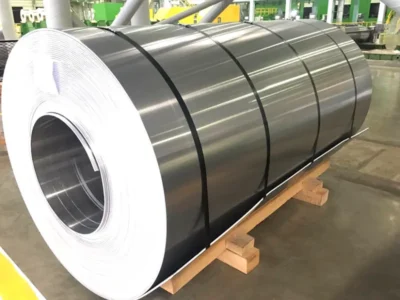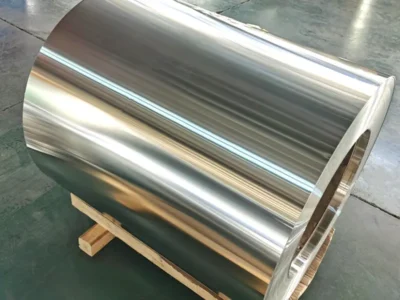


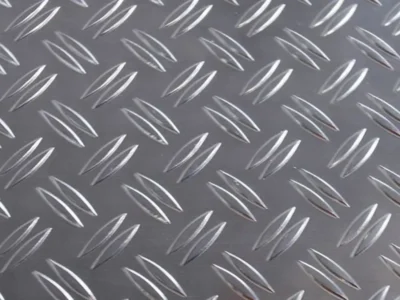
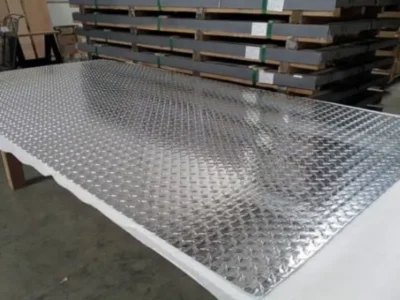
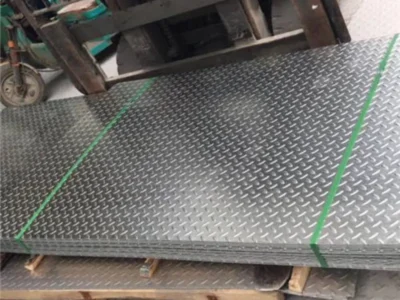

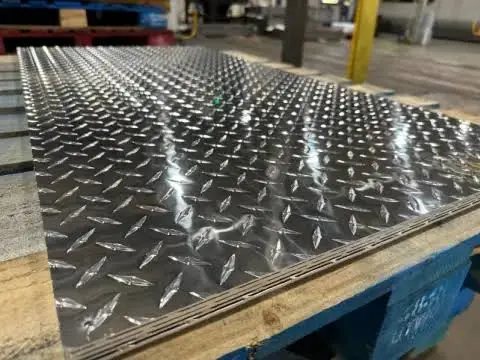
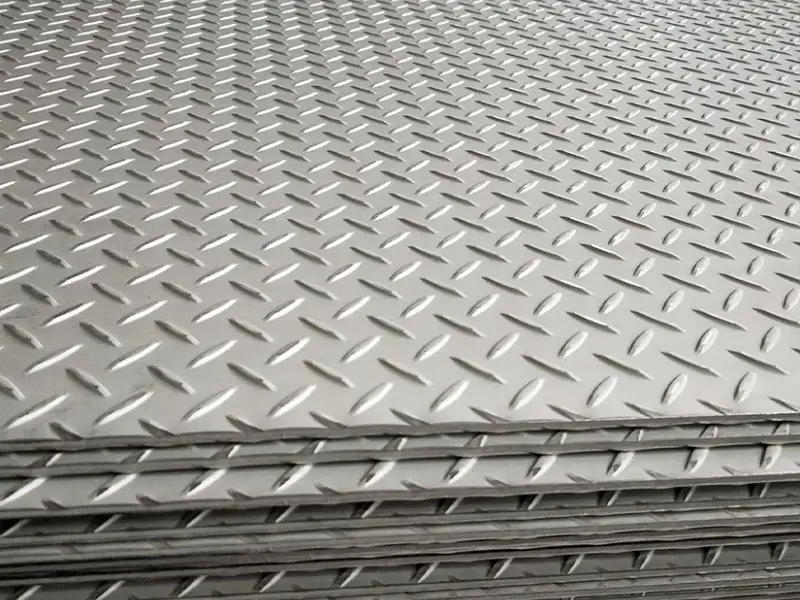
Aluminum Diamond Plate Sheet is a lightweight metal sheet with a raised diamond pattern on one side. It is also called aluminum tread plate, aluminum checker plate, or aluminum diamond plate.
The raised surface gives the sheet a better grip than a smooth aluminum sheet. At the same time, aluminum keeps the material light, easy to cut, and resistant to corrosion.
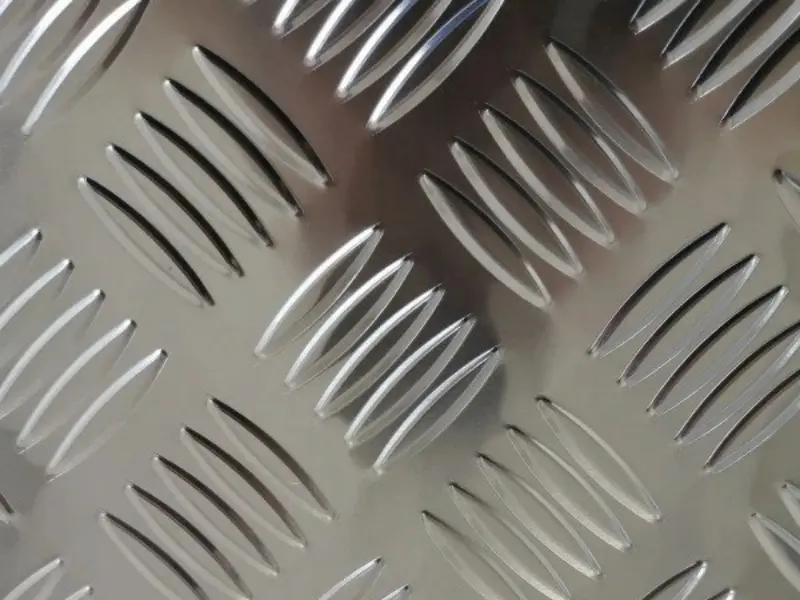
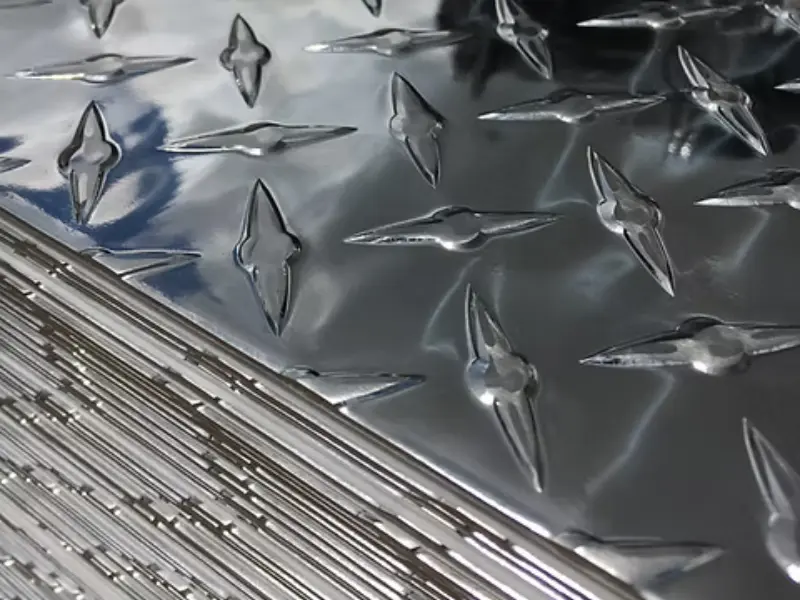
This combination makes diamond plate useful in transportation, construction, industrial equipment, workshops, trailers, stairs, platforms, and many other applications.
For buyers, the right product depends on more than thickness. Alloy, temper, diamond pattern, sheet size, surface finish, and application all affect the final choice.
A typical buying process is:
Application → Alloy → Temper → Thickness → Size → Surface → Quantity → Packing → Shipping
Common Aluminum Diamond Plate Sheet Types
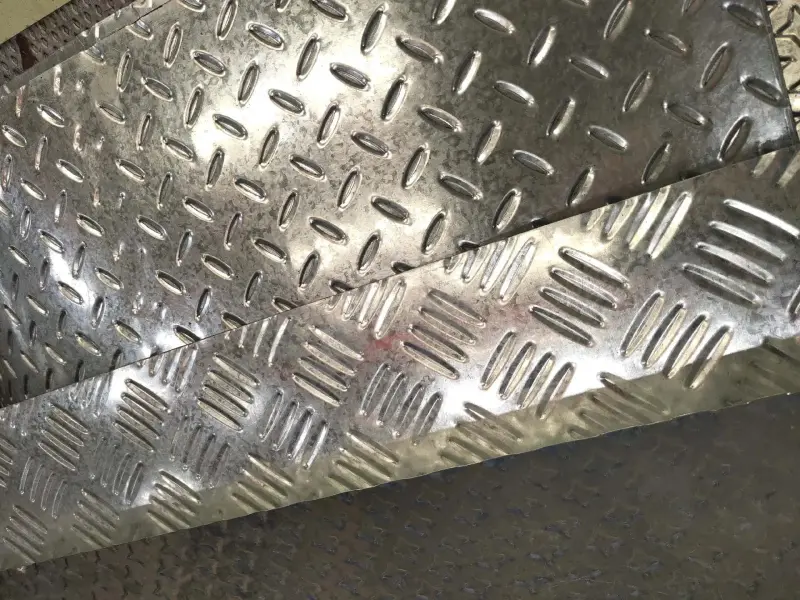

1050 Aluminum Diamond Plate Sheet
→ Suitable for applications that require good formability, light weight and corrosion resistance.
3003 Aluminum Diamond Plate Sheet
→ A common choice for flooring and transportation applications because of its balance of strength, formability and corrosion resistance.
5052 Aluminum Diamond Plate Sheet
→ Offers higher strength and excellent resistance to moisture and marine environments.
6061 Aluminum Diamond Plate Sheet
→ Provides higher mechanical strength for platforms, equipment and structural applications.
Bright Aluminum Diamond Plate Sheet
→ Provides a cleaner and brighter metallic appearance for visible applications.
Heavy-Duty Diamond Plate Sheet
→ Uses greater thickness and stronger alloys for industrial floors, platforms and transportation equipment.
Aluminum Diamond Plate Sheet Applications
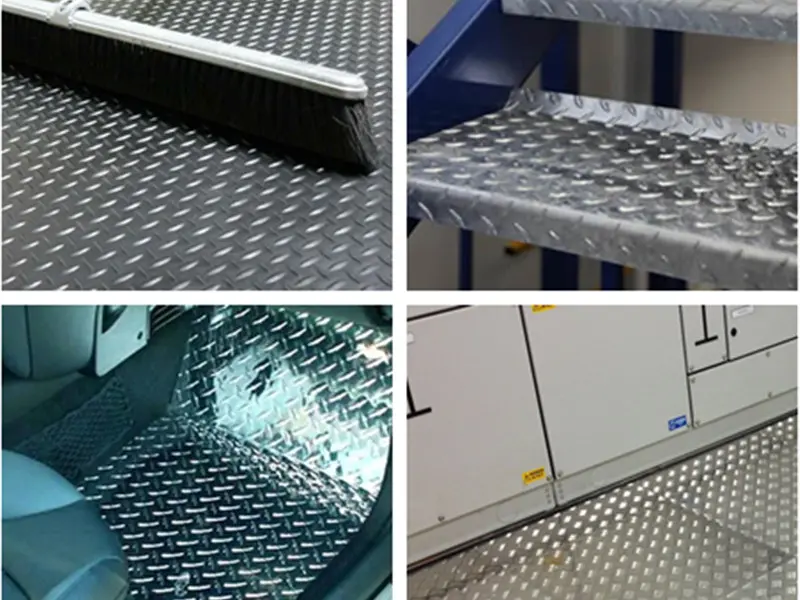
→ Industrial Flooring
- Factory floors
- Workshop flooring
- Warehouse platforms
- Maintenance areas
- Machine platforms
→ Stairs & Access Systems
- Stair treads
- Ramps
- Access platforms
- Walkways
- Loading platforms
→ Vehicle & Trailer
Vehicle interior protection
Truck floors
Trailer floors
Vehicle steps
Truck toolboxes
→ Construction
- Building walkways
- Service platforms
- Wall protection
- Decorative cladding
- Outdoor steps
→ Marine
- Boat decks
- Marine stairs
- Dock platforms
- Equipment bases
- Marine walkways
Thickness Selection
| Thickness | Typical Use |
|---|---|
| 1.0 – 1.5 mm | Decorative panels and light-duty applications |
| 1.5 – 2.5 mm | Wall protection, vehicle parts and general flooring |
| 2.5 – 4.0 mm | Stairs, ramps and industrial platforms |
| 4.0 – 6.0 mm | Heavy-duty flooring and transportation |
| 6.0 – 8.0 mm | Heavy industrial platforms and structural applications |
The required thickness depends on load, span, installation method and working environment.
Aluminum Diamond Plate Sheet vs Plain Aluminum Sheet

| Feature | Diamond Plate Sheet | Plain Aluminum Sheet |
|---|---|---|
| Surface | Raised diamond pattern | Flat surface |
| Slip Resistance | Better | Limited |
| Weight | Slightly higher at the same base thickness | Lower |
| Appearance | Textured metallic finish | Smooth finish |
| Flooring | Excellent | Less suitable |
| Wall Panels | Suitable | Excellent |
| Forming | Good | Excellent |
| Protection | Good | Good |
For floors, stairs and ramps, the raised pattern gives diamond plate an advantage. For printing, bending and smooth decorative surfaces, plain aluminum sheet may be a better choice.
Pattern Options
Diamond → 1 Bar → 2 Bar → 3 Bar → 5 Bar
Different patterns can be selected according to the required grip, appearance and end use. The diamond pattern is especially popular for general flooring and vehicle applications.
What Is an Aluminum Diamond Plate Sheet?
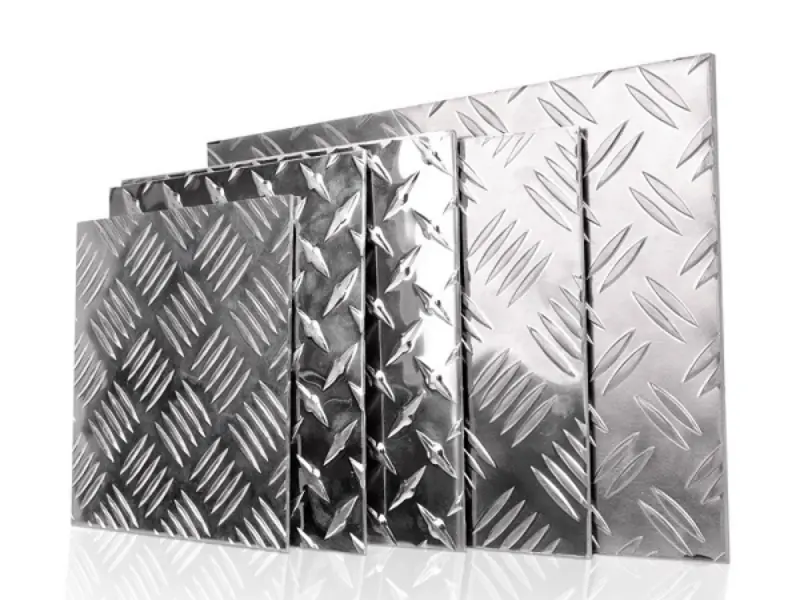
An aluminum diamond plate sheet is a flat aluminum sheet with a raised pattern on its surface.
The pattern is normally produced during the rolling process. Depending on the mill and product specification, the pattern may be called diamond, one-bar, five-bar, or tread pattern.

The raised surface can improve traction. It also gives the sheet a distinctive industrial appearance.
Unlike steel checker plate, aluminum diamond plate is much lighter. This is useful when a project needs a strong and durable surface without adding unnecessary weight.
Main Features
| Feature | Description |
|---|---|
| Material | Aluminum |
| Surface | Raised diamond or tread pattern |
| Weight | Lower than steel |
| Corrosion resistance | Good |
| Fabrication | Cutting, bending, drilling and forming |
| Surface appearance | Bright or mill finish |
| Common use | Floors, steps, trailers, platforms |
Aluminum diamond plate is available in different alloys and tempers. The correct specification should be selected according to the working environment.
Popular Aluminum Diamond Plate Sheet Sizes
Sheet dimensions can be customized for different projects.
Common sizes include:
| Width | Length | Typical Use |
|---|---|---|
| 1000 mm | 2000 mm | Small fabrication |
| 1220 mm | 2440 mm | General fabrication |
| 1250 mm | 2500 mm | Industrial projects |
| 1500 mm | 3000 mm | Large platforms |
| 1500 mm | 6000 mm | Flooring and equipment |
| 4 ft | 8 ft | North American market |
| 4 ft | 10 ft | Trailers and fabrication |
| 5 ft | 10 ft | Large panels |
The 4×8 aluminum diamond plate is one of the most commonly requested sizes.
For larger projects, buyers may choose 4×10 or 5×10 sheets to reduce the number of joints.
Aluminum Diamond Plate Sheet Thickness

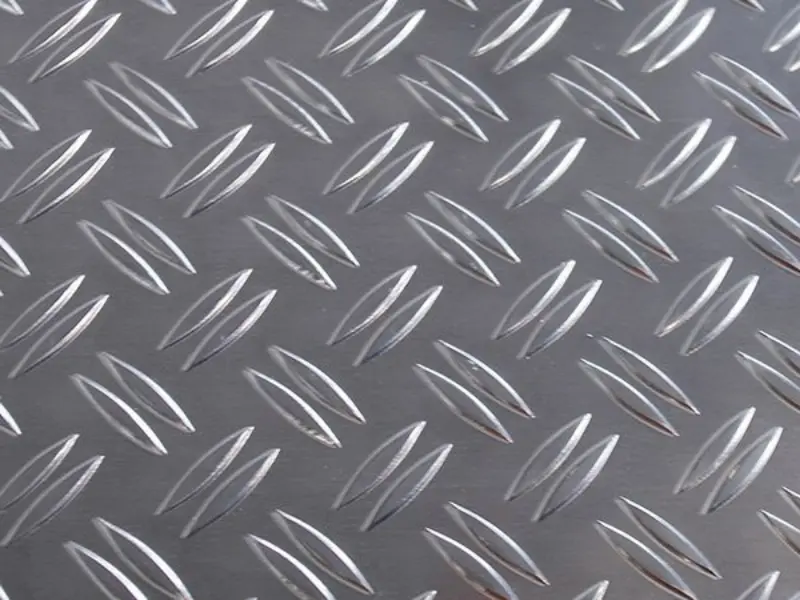
Thickness is one of the most important purchasing specifications.
Thin sheets are easier to handle and cut. Thicker sheets provide more rigidity and are better for heavy-duty applications.
| Thickness | Approx. Inch | Common Application |
|---|---|---|
| 1.0 mm | 0.039 in | Wall and decorative panels |
| 1.2 mm | 0.047 in | Light-duty covers |
| 1.5 mm | 0.059 in | Equipment panels |
| 2.0 mm | 0.079 in | Steps and light flooring |
| 2.5 mm | 0.098 in | General flooring |
| 3.0 mm | 0.118 in | Trailers and platforms |
| 4.0 mm | 0.157 in | Heavy-duty flooring |
| 5.0 mm | 0.197 in | Industrial platforms |
| 6.0 mm | 0.236 in | Heavy equipment |
| 8.0 mm | 0.315 in | High-load applications |
Actual load capacity depends on alloy, temper, support spacing, sheet size, and installation method. Thickness alone should not be used to determine structural performance.
1.5 mm Aluminum Diamond Plate
1.5 mm diamond plate is suitable for projects where low weight is important.
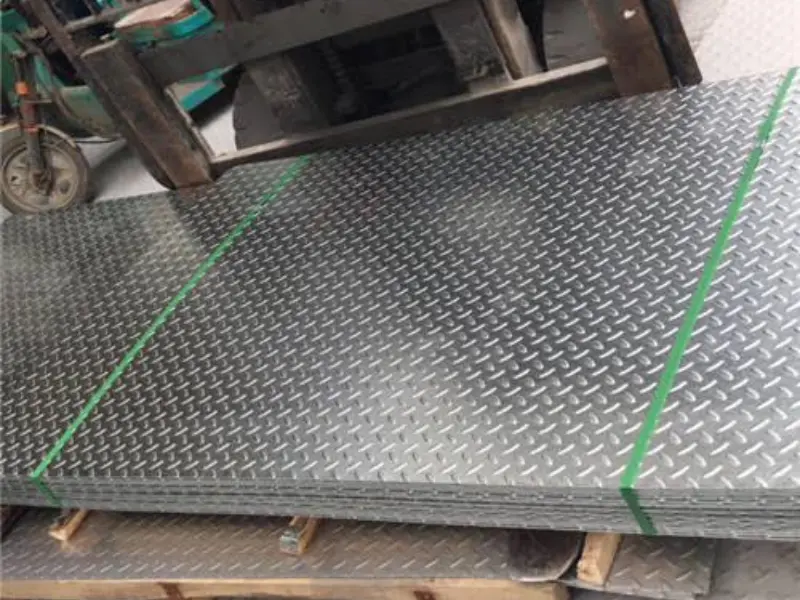
Typical uses include:
- Wall protection
- Equipment covers
- Decorative panels
- Interior panels
- Light-duty fabrication
- Vehicle interior protection
It is easier to cut and bend than a heavy plate.
2 mm Aluminum Diamond Plate
2 mm aluminum diamond plate provides more rigidity while keeping the weight relatively low.
It can be used for:
- Tool boxes
- Vehicle panels
- Walkways
- Equipment covers
- Workshop surfaces
- Light-duty flooring
3 mm Aluminum Diamond Plate
3 mm is a popular thickness for general industrial applications.
It is commonly used for:
- Trailer floors
- Truck steps
- Platforms
- Ramps
- Machine areas
- Commercial flooring
4 mm to 6 mm Aluminum Diamond Plate
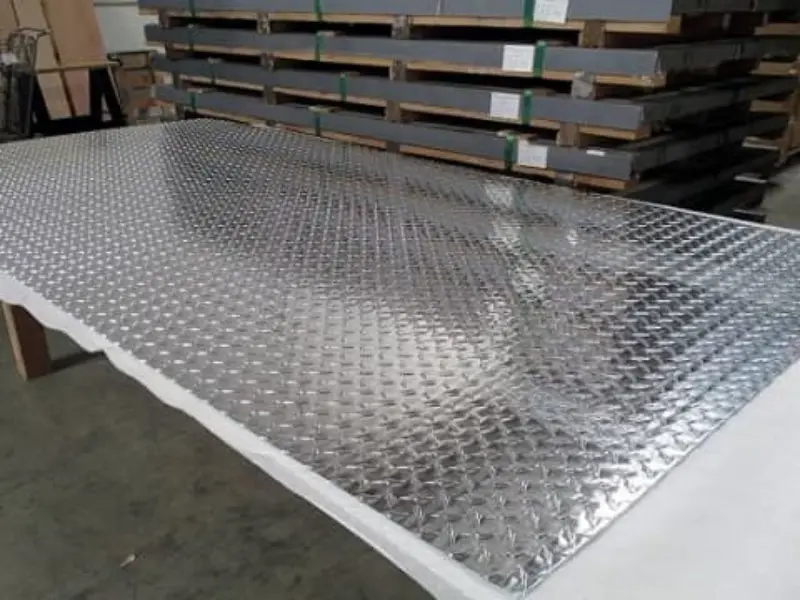
Thicker diamond plate is normally selected for applications that need greater stiffness and wear resistance.
The final specification should consider the span, load, support structure, and installation method.
Common Aluminum Alloys for Diamond Plate
Not every aluminum alloy has the same properties.
For diamond plate, common choices include 3003, 5052, 5083, and 6061, depending on the application.
| Alloy | Main Feature | Typical Application |
|---|---|---|
| 3003 | Good formability | General flooring and panels |
| 5052 | Higher strength and corrosion resistance | Trailers, marine and industrial use |
| 5083 | High strength and marine performance | Marine and heavy-duty applications |
| 6061 | High strength | Structural and equipment applications |
3003 Aluminum Diamond Plate
3003 is an aluminum-manganese alloy.
It offers good formability and corrosion resistance. It is often selected for general-purpose tread plate where extreme strength is not required.
Typical applications include:
- Flooring
- Wall panels
- Tool boxes
- Decorative panels
- Equipment covers
5052 Aluminum Diamond Plate
5052 is widely used when the project requires a stronger aluminum alloy with good corrosion resistance.

It is a common choice for:
- Truck bodies
- Trailers
- Ramps
- Marine equipment
- Platforms
- Industrial flooring
5052 can also be useful where forming is required.
5083 Aluminum Diamond Plate
5083 is known for high strength and good resistance in marine environments.
It can be considered for:
- Marine platforms
- Ship components
- Offshore equipment
- Heavy-duty flooring
- Industrial structures
The exact temper and plate specification should be confirmed according to the project requirements.
6061 Aluminum Diamond Plate
6061 provides high strength and good machinability.
It is often used when strength is more important than easy forming.
Common applications include:
- Equipment platforms
- Structural components
- Industrial machinery
- Ramps
- Heavy-duty fabrication
Aluminum Diamond Plate Temper Options
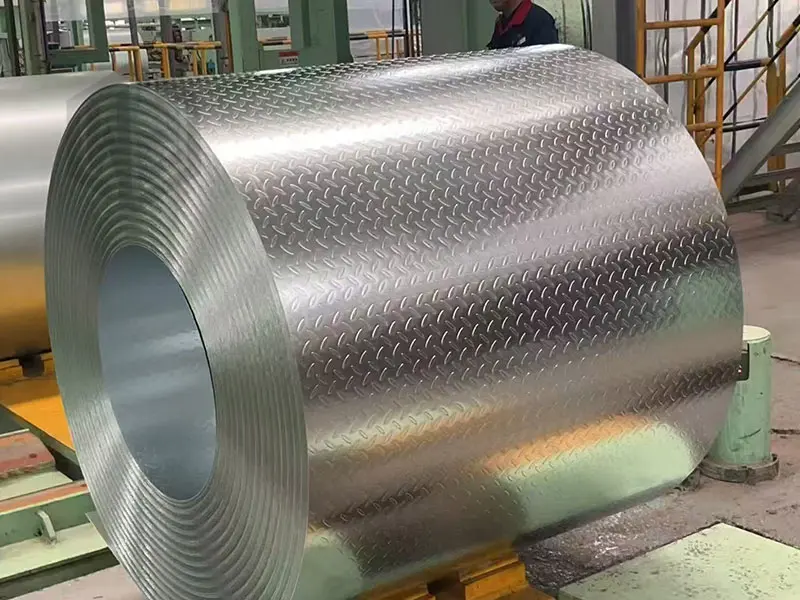
Temper describes the condition of the aluminum after processing.
Common conditions include O, H12, H14, H16, H18, H32, H34, and T6 depending on the alloy.
| Temper | General Characteristic |
|---|---|
| O | Softer and easier to form |
| H12 | Partially hardened |
| H14 | Medium hardness |
| H16 | Higher hardness |
| H18 | Hard condition |
| H32 | Stabilized, medium strength |
| H34 | Higher strength than H32 |
| T6 | Heat-treated condition for suitable alloys |
Not every alloy can use every temper.
For example, 6061-T6 is different from 5052-H32. Buyers should provide both alloy and temper when requesting a quotation.
Diamond Pattern Options
The raised surface can have different pattern designs.
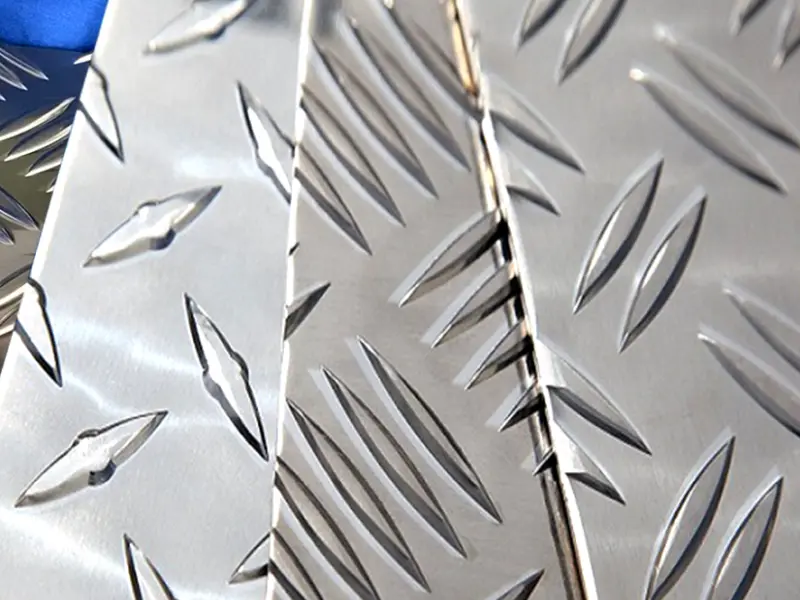
One-Bar Diamond Plate

One-bar patterns are used when buyers want a clear raised design with a relatively simple appearance.
They can be used for:
General fabrication
Decorative panels
Vehicle interiors
Wall protection
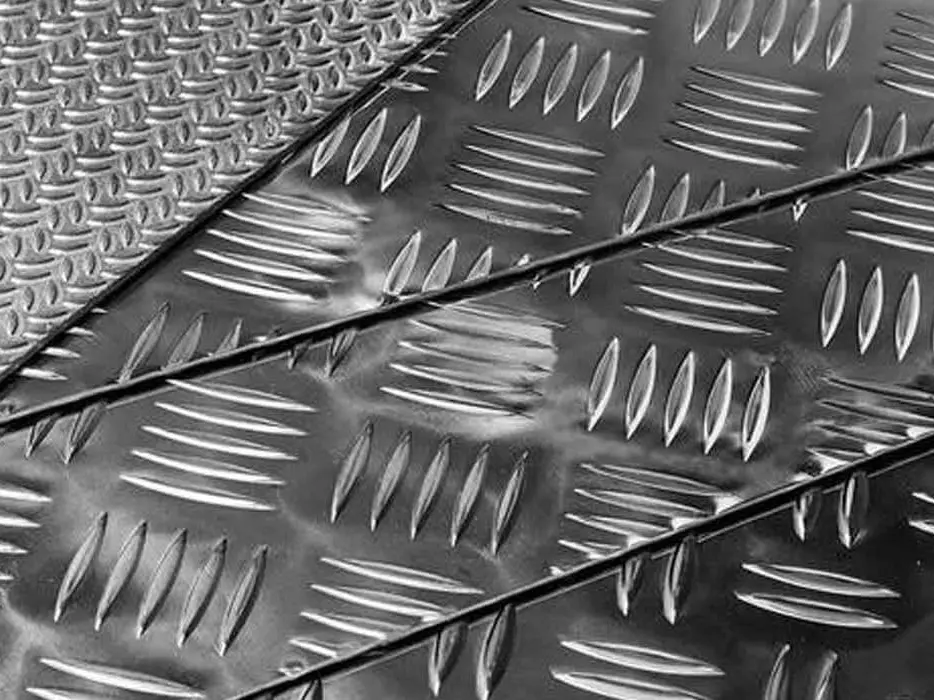
Five-Bar Aluminum Checker Plate
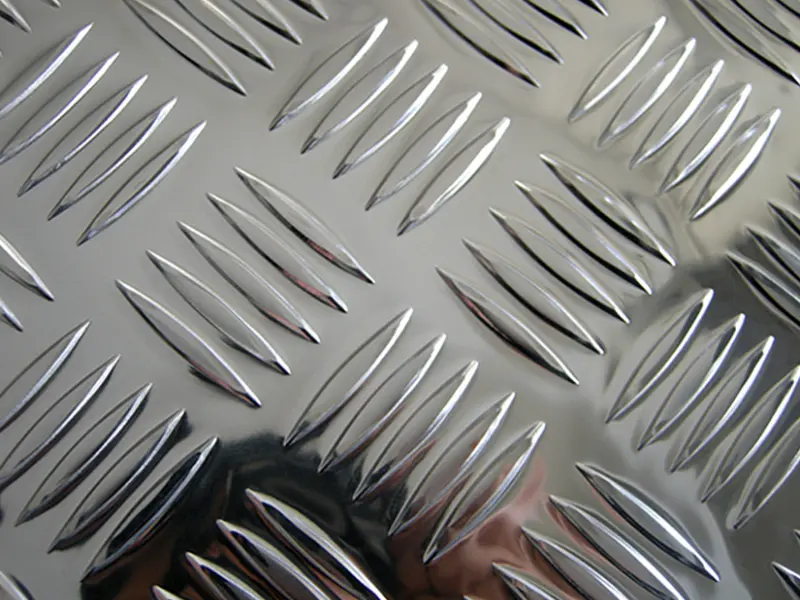
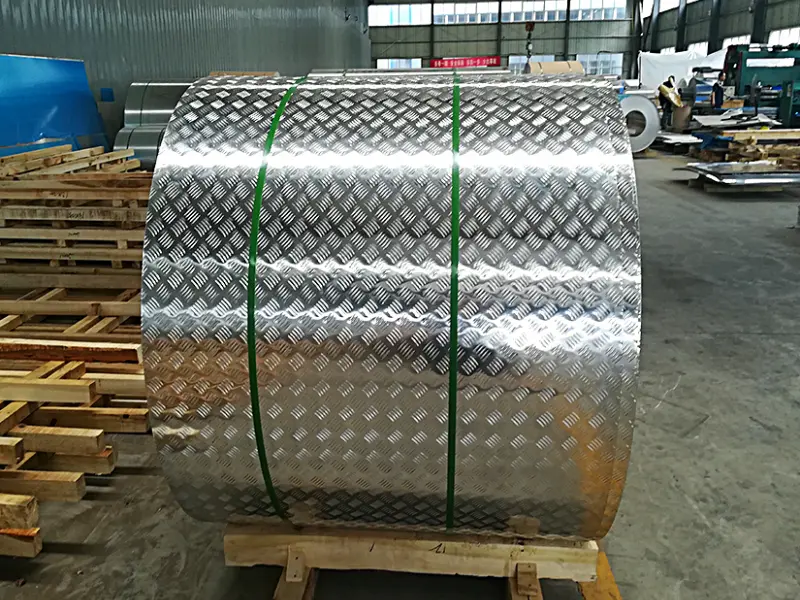
Five-bar patterns have multiple raised lines arranged in a repeated design.
They are widely used for industrial flooring and vehicle applications.
The exact pattern size can vary between manufacturers.
Small Diamond Pattern
A smaller pattern can provide a different visual effect and may be selected for decorative applications.
Large Diamond Pattern
A larger raised pattern can give a stronger industrial appearance.
For commercial orders, pattern height and rolling direction should be confirmed before production.
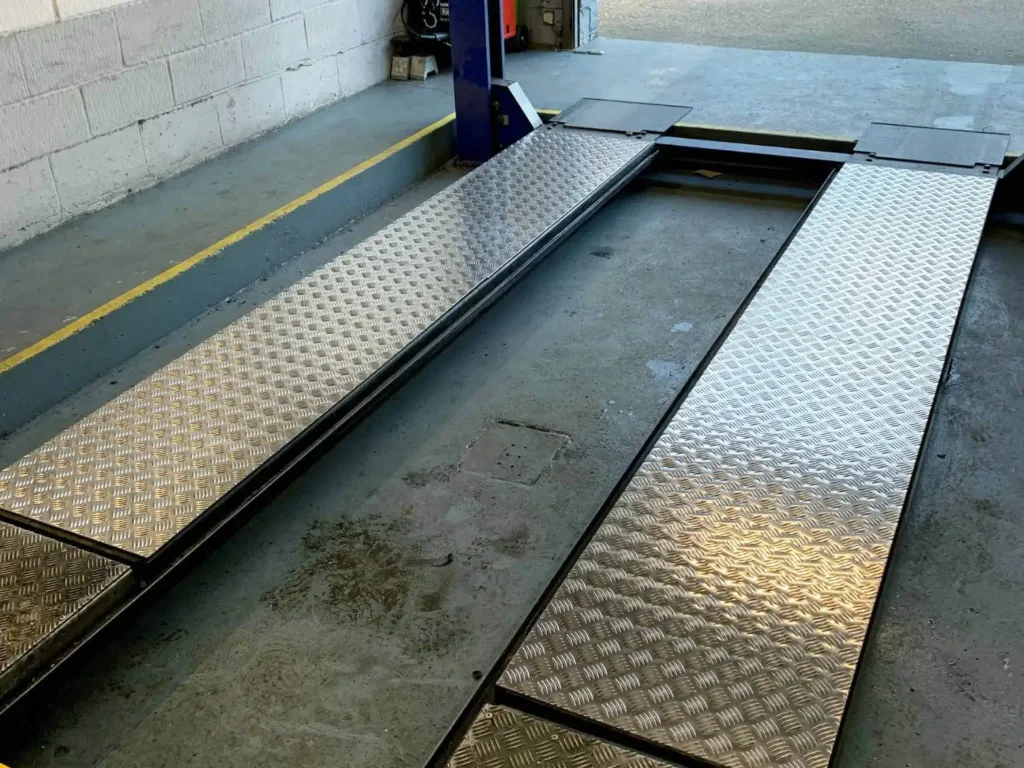
Aluminum Diamond Plate for Flooring
Flooring is one of the most common applications.
The raised surface can help improve traction compared with smooth sheet.
Typical flooring applications include:
- Factory walkways
- Workshop floors
- Machine platforms
- Service areas
- Stairs
- Ramps
- Truck floors
- Trailer floors
- Maintenance platforms
For flooring projects, buyers should consider:
Load → Span → Thickness → Alloy → Support Structure → Installation
A 2 mm sheet and a 5 mm sheet should not be treated as interchangeable products.
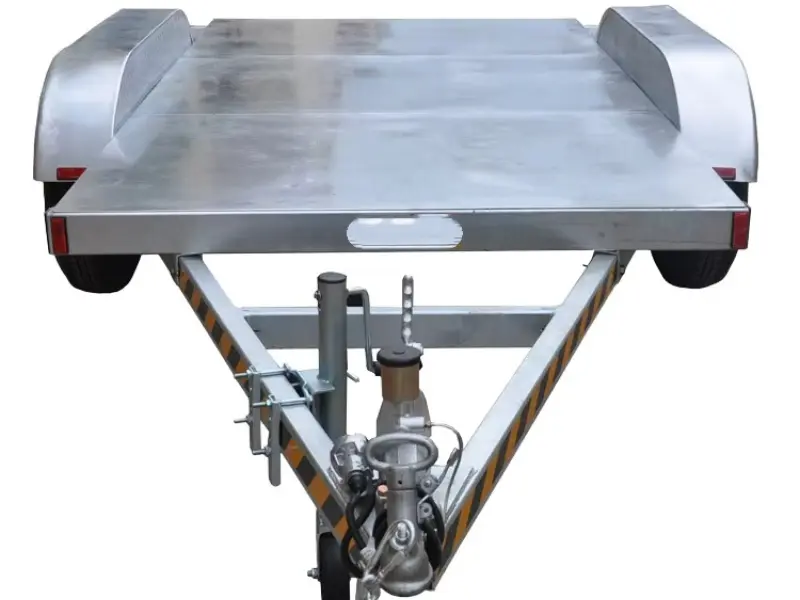
Aluminum Diamond Plate for Trailers
Aluminum diamond plate is popular in trailer manufacturing because it combines low weight with a durable metal surface.
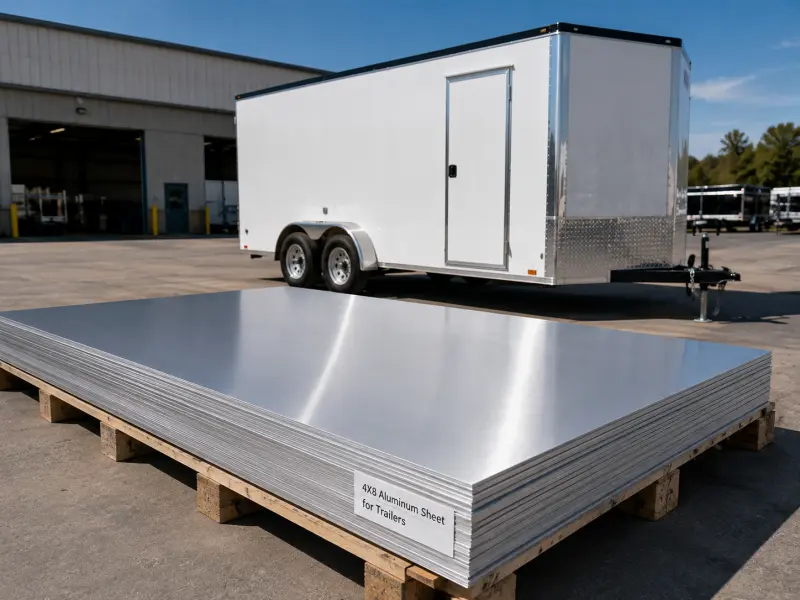
It can be used for:
- Trailer floors
- Trailer side panels
- Tool boxes
- Fender areas
- Ramps
- Interior protection
- Storage compartments
For trailer flooring, 3 mm, 4 mm, and 5 mm products are commonly considered, but the correct thickness depends on the trailer structure and expected load.
Aluminum vs Steel Trailer Plate
| Factor | Aluminum Diamond Plate | Steel Checker Plate |
|---|---|---|
| Weight | Lower | Higher |
| Corrosion resistance | Good | Usually needs protection |
| Handling | Easier | Heavier |
| Cutting | Relatively easy | More demanding |
| Appearance | Bright metallic | Industrial |
| Maintenance | Generally low | May require coating |
Aluminum can reduce vehicle weight, while steel can offer a different strength and cost profile. The final choice depends on the trailer design.

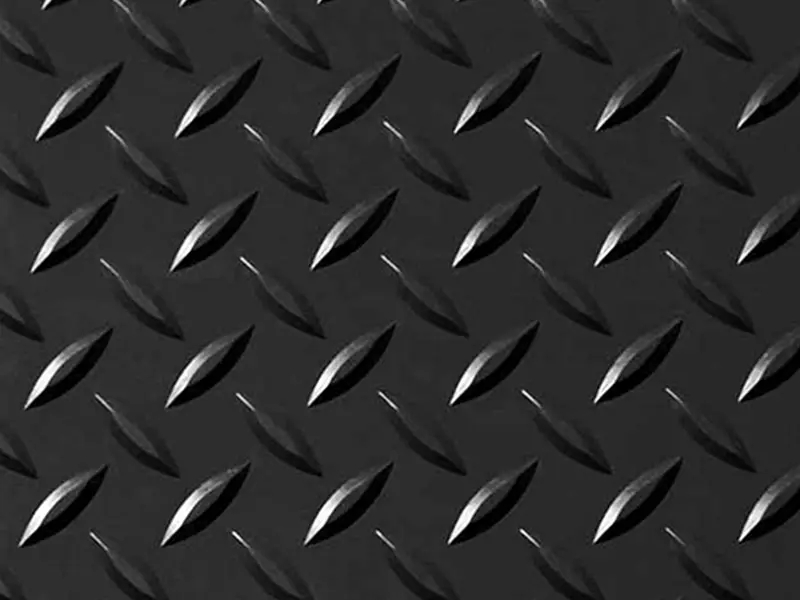
Aluminum Diamond Plate for Trucks
Truck manufacturers and body builders use patterned aluminum sheet for many areas.
Common applications include:
- Truck steps
- Tool compartments
- Side panels
- Floor panels
- Wheel areas
- Service platforms
- Storage boxes
For commercial vehicles, sheet thickness and alloy should be selected according to expected impact, load, vibration, and installation.
Aluminum Diamond Plate for Stairs and Steps
The raised surface makes aluminum tread plate a practical option for stairs and steps.
It is often used in:
- Industrial stairs
- Maintenance platforms
- Truck steps
- Trailer steps
- Machine access areas
- Warehouse platforms
- Outdoor service areas
For stairs, the sheet should be properly supported and securely fixed.
Aluminum Diamond Plate for Ramps
Ramps need a combination of surface traction and adequate rigidity.
Applications include:
- Loading ramps
- Vehicle ramps
- Wheelchair ramps
- Workshop ramps
- Equipment ramps
- Trailer ramps
The thickness should be selected according to ramp length, support spacing, and expected load.
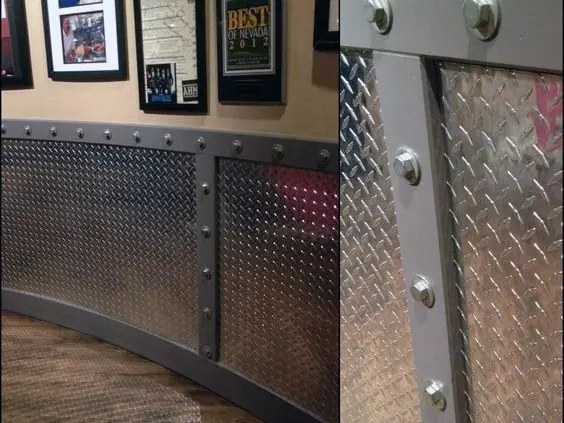
Decorative and Architectural Applications
Not all diamond plate is used for heavy industrial flooring.
The metallic pattern can also be used as a design element.
Possible applications include:
- Interior wall panels
- Retail displays
- Restaurant decoration
- Garage walls
- Bar counters
- Furniture
- Commercial interiors
- Vehicle decoration
For decorative projects, surface appearance may be more important than high mechanical strength.
Smooth Aluminum Sheet vs Diamond Plate
The main difference is the surface.
| Feature | Smooth Aluminum Sheet | Diamond Plate |
|---|---|---|
| Surface | Flat | Raised pattern |
| Appearance | Simple | Industrial |
| Traction | Lower | Higher |
| Cleaning | Easier | More difficult |
| Flooring use | Application dependent | Common |
| Decorative effect | Minimal | Stronger |
A smooth sheet may be better when a flat surface is required. Diamond plate is more suitable when appearance and surface grip are important.
Aluminum Diamond Plate vs Aluminum Checker Plate
These terms are often used for similar products.
“Diamond plate” usually refers to a raised diamond-style pattern.
“Checker plate” is a broader term used for patterned aluminum or steel sheet.
The exact pattern should always be confirmed with the supplier.
Aluminum Diamond Plate vs Stainless Steel
| Factor | Aluminum Diamond Plate | Stainless Steel |
|---|---|---|
| Weight | Lower | Higher |
| Corrosion resistance | Good | Very good |
| Fabrication | Relatively easy | More demanding |
| Surface appearance | Aluminum finish | Stainless finish |
| Cost | Often competitive | Often higher |
| Transportation | Lower weight | Higher weight |
The environment matters. Chemical exposure, temperature, cleaning requirements, and mechanical loads should all be considered.
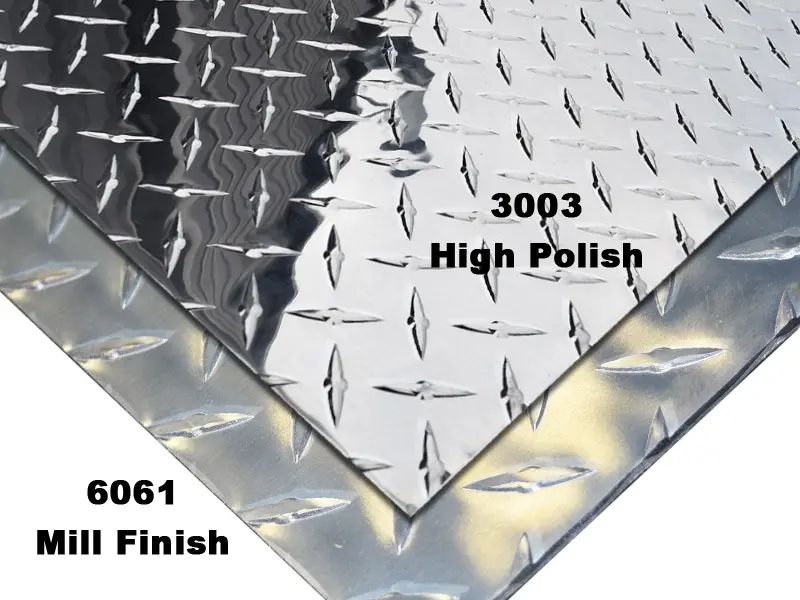
Mill Finish, Polished and Other Surface Options
The standard product often has a mill finish.
Depending on the project, additional surface treatments may be available.
| Surface | Typical Purpose |
|---|---|
| Mill finish | General industrial use |
| Bright finish | Decorative appearance |
| Polished | Higher visual quality |
| Anodized | Decorative and surface protection |
| Painted | Color and design |
| Custom coating | Specific project requirements |
Not every surface treatment is suitable for every alloy or pattern.
Cut-to-Size Aluminum Diamond Plate
Standard sheets are useful for large fabrication projects.
Cut-to-size sheets can reduce material waste and preparation work.

Available processing may include:
- Straight cutting
- CNC cutting
- Shearing
- Drilling
- Punching
- Bending
- Edge trimming
For a quotation, buyers can provide:
Alloy + Temper + Thickness + Width + Length + Quantity + Pattern + Surface
For example:
5052-H32 + 3 mm + 1220 × 2440 mm + Diamond Pattern + 200 Sheets
This information allows the supplier to prepare a more accurate quotation.
How Is Aluminum Diamond Plate Made?
The manufacturing process normally starts with aluminum coil or plate material.
A simplified production flow is:
Aluminum Ingot → Casting → Hot Rolling → Cold Rolling → Annealing → Pattern Rolling → Leveling → Cutting → Inspection → Packing
The raised pattern is formed during rolling.
After production, the sheet may be leveled and cut to the required dimensions.
Quality inspection can include:
- Thickness
- Width
- Length
- Flatness
- Pattern quality
- Surface condition
- Edge quality
- Alloy verification
- Mechanical properties
What Should Buyers Check Before Ordering?
A good product specification reduces problems during production.
Alloy and Temper
Specify the alloy and temper clearly.
For example:
5052-H32
is more useful than simply saying “strong aluminum plate.”
Thickness
Give the exact thickness or acceptable range.
For example:
3.0 mm ± agreed tolerance
is clearer than “about 3 mm.”
Sheet Size
Provide the required width and length.
Common formats include:
- 1000 × 2000 mm
- 1220 × 2440 mm
- 1250 × 2500 mm
- 1500 × 3000 mm
- 4 × 8 ft
- 4 × 10 ft
- Custom size
Pattern
Confirm the pattern style and pattern direction.
This is especially important for large commercial orders.
Aluminum Diamond Plate Sheet for Wholesale
Wholesale buyers normally need more than a simple unit price.

The total purchasing cost can depend on:
Alloy → Thickness → Pattern → Size → Quantity → Processing → Packaging → Shipping
Large-volume orders may allow customized dimensions or production arrangements.
For repeat orders, buyers can also establish a standard specification.
What Affects the Price?
The price of aluminum diamond plate changes with market conditions and product specifications.
Important factors include:
| Factor | Price Influence |
|---|---|
| Aluminum alloy | Different alloy costs |
| Thickness | More material |
| Sheet size | Affects weight |
| Pattern | Processing requirement |
| Temper | Heat treatment or processing |
| Surface | Additional treatment |
| Cutting | Extra processing |
| Quantity | May affect production cost |
| Packaging | Export requirements |
| Freight | Destination and volume |
A useful quotation should include the exact specification instead of only giving a price per sheet.
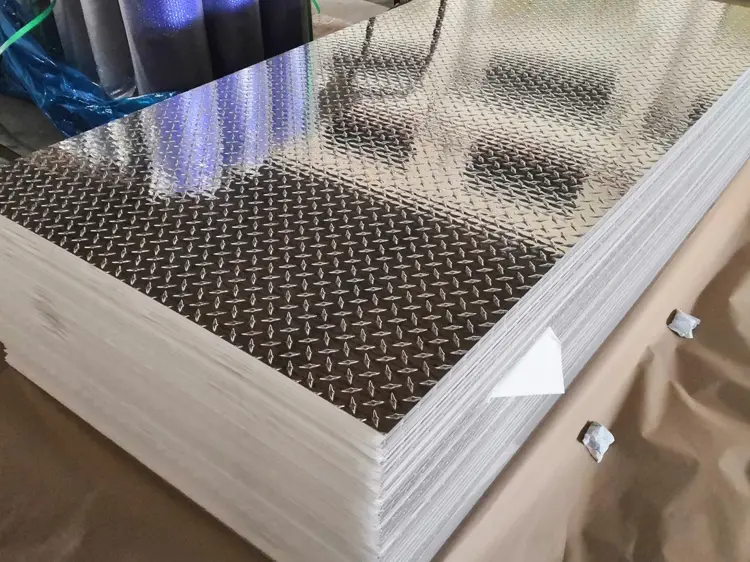
Packaging and Export Shipping
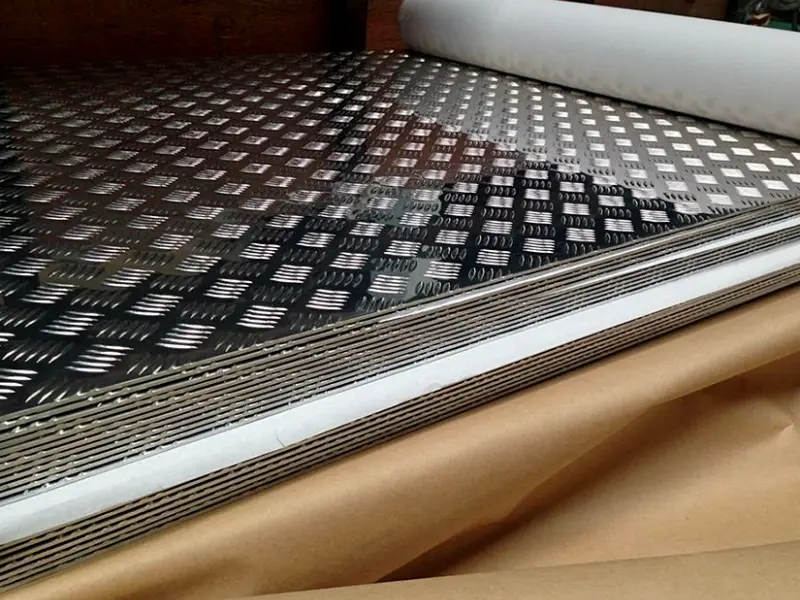
Aluminum diamond plate should be protected during transportation.
Typical export packaging may include:
- Waterproof paper
- Protective film
- Wooden pallets
- Wooden cases
- Steel straps
- Corner protection
For container shipments, loading should consider sheet weight and pallet stability.
Long-distance transportation requires protection against moisture, scratches, impact, and movement.
How to Choose the Right Aluminum Diamond Plate
A simple selection process is:
Step 1 → Define the Application
Floor, trailer, stair, ramp, wall, machine, or decoration.
Step 2 → Select the Alloy
3003 for general use, 5052 for many stronger and corrosion-resistant applications, 5083 for demanding marine applications, and 6061 for suitable high-strength applications.
Step 3 → Select the Temper
Choose the condition according to forming and strength requirements.
Step 4 → Select Thickness
Consider load, span, support, and installation.
Step 5 → Confirm Size
Standard 4×8 and 4×10 sheets are common, while custom sizes can reduce cutting work.
Step 6 → Confirm Pattern and Finish
Check the diamond pattern, surface condition, and appearance.
Common Product Combinations
Different combinations can target different customers.
| Product Type | Alloy | Temper | Thickness |
|---|---|---|---|
| Light Diamond Sheet | 3003 | H14 | 1.5 mm |
| General Tread Plate | 3003 | H14 | 2.0 mm |
| Trailer Diamond Plate | 5052 | H32 | 3.0 mm |
| Heavy Trailer Plate | 5052 | H32 | 4.0 mm |
| Industrial Tread Plate | 5052 | H32 | 5.0 mm |
| Marine Diamond Plate | 5083 | H116/H321 | 5.0 mm |
| High-Strength Plate | 6061 | T6 | 6.0 mm |
These are example product combinations. Actual availability depends on the supplier’s production range and applicable standards.
Why Choose Aluminum Diamond Plate?
For many projects, the material offers a useful balance.
It combines:
- Low weight
- Good corrosion resistance
- Easy fabrication
- Attractive metallic appearance
- Raised surface
- Multiple alloy choices
- Multiple thickness choices
- Custom sheet sizes
- Wide application range
This makes it suitable for both industrial and commercial projects.
Frequently Asked Questions

Is aluminum diamond plate the same as checker plate?
They are often used to describe similar patterned metal sheets. The exact pattern can vary by manufacturer and market.
What is the most common aluminum diamond plate thickness?
There is no single thickness for every application. Around 2–5 mm covers many general fabrication, trailer, platform, and flooring applications, but the correct choice depends on load and support.
What alloy is commonly used for aluminum diamond plate?
3003 and 5052 are common choices. 5083 and 6061 may be selected for specific high-strength or marine applications.
Is 5052 aluminum diamond plate stronger than 3003?
Generally, 5052 offers higher strength than 3003. However, the actual mechanical properties depend on temper and product specification.
Is aluminum diamond plate good for trailer floors?
It can be suitable for trailer floors. Thickness, alloy, support spacing, expected load, and fixing method should be considered together.
Can aluminum diamond plate be welded?
Many aluminum diamond plate alloys can be welded using suitable aluminum welding processes. The alloy and temper should be considered before welding.
Can aluminum diamond plate be cut?
Yes. It can be cut with suitable saws, shears, CNC equipment, or other metal-cutting tools. The best method depends on thickness and quantity.
Can aluminum diamond plate be bent?
Many grades can be bent, but bendability depends on alloy, temper, thickness, and bend radius. Softer tempers are generally easier to form.
Can aluminum diamond plate be used outdoors?
Yes, aluminum is commonly used outdoors because of its corrosion resistance. The specific environment should still be considered, especially in marine, chemical, or highly corrosive conditions.
What is a 4×8 aluminum diamond plate?
It is a sheet approximately 4 feet wide by 8 feet long. The actual dimensions and tolerances depend on the supplier and market standard.
What is the difference between 4×8 and 4×10 diamond plate?
The width is normally similar, but the 4×10 sheet is longer. A longer sheet can reduce joints in some applications.
Can aluminum diamond plate be made to custom sizes?
Yes. Custom cutting and sheet dimensions can often be arranged for commercial orders.
How do I get a quotation?
Provide the alloy, temper, thickness, sheet size, pattern, surface, quantity, and destination.
A simple inquiry can look like:
5052-H32 → 3 mm → 4×8 ft → Diamond Pattern → Mill Finish → 100 Sheets
This gives the supplier enough information to prepare a more useful quotation.
Quick Specification Guide
| Item | Common Options |
|---|---|
| Product | Aluminum Diamond Plate Sheet |
| Other Names | Aluminum Tread Plate, Checker Plate |
| Alloys | 3003, 5052, 5083, 6061 |
| Tempers | O, H12, H14, H16, H18, H32, H34, T6 |
| Thickness | 1.0–8.0 mm |
| Width | 1000–1500 mm |
| Length | 2000–6000 mm |
| Standard Size | 4×8, 4×10, 5×10 ft |
| Pattern | Diamond, One-Bar, Five-Bar |
| Surface | Mill, Bright, Polished, Coated |
| Processing | Cutting, Drilling, Bending |
| Applications | Flooring, Trailers, Trucks, Stairs, Ramps, Platforms |
Get an Aluminum Diamond Plate Sheet Quote
For a commercial quotation, send the following information:
Alloy → Temper → Thickness → Width → Length → Pattern → Surface → Quantity → Destination
For example:
5052-H32 → 3 mm → 1220 × 2440 mm → Diamond Pattern → Mill Finish → 200 Sheets
If you need cut-to-size material, also provide the drawing or cutting dimensions.
The supplier can then check material availability, production requirements, packing, and shipping options.