


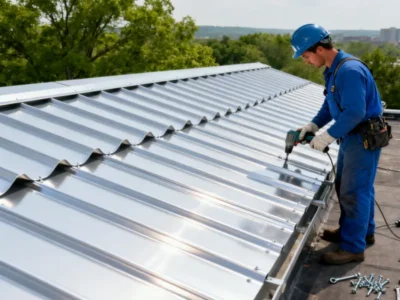
Aluminum metal roofing is a practical choice for residential, commercial, agricultural, and industrial buildings. It combines low weight with good corrosion resistance and flexible design options.
Aluminum roofing sheets are available in several profiles, thicknesses, surface finishes, and alloy conditions.
Some projects need standing seam aluminum roofing for a modern appearance. Others require corrugated aluminum roofing sheets, ribbed panels, or aluminum roof tiles.
The right product depends on the roof design, wind conditions, rainfall, building structure, and installation method.
For contractors, distributors, and building material buyers, choosing the correct roofing sheet is important. The alloy, temper, thickness, panel width, coating, and connection system can all affect performance.
Aluminum Alloys for Metal Roofing
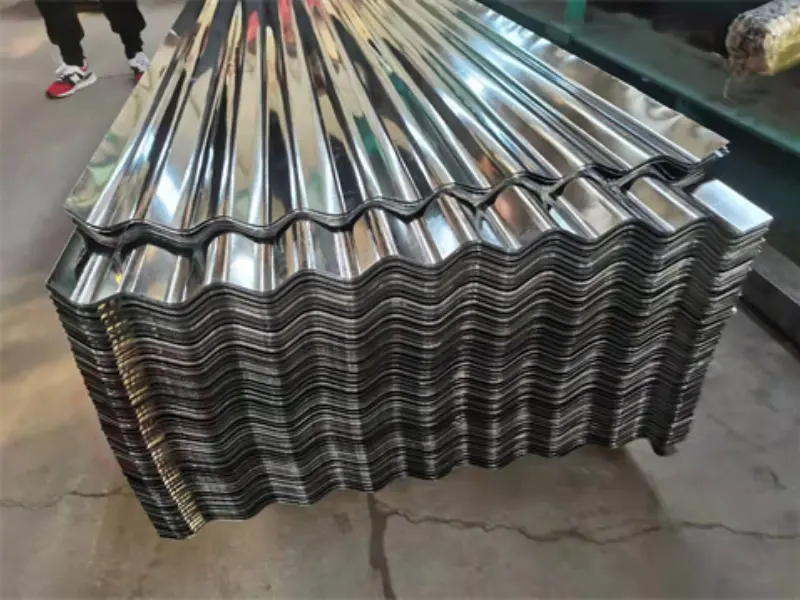

Different aluminum alloys offer different combinations of formability, strength, corrosion resistance, and availability.
| Alloy | Main Characteristics | Typical Applications |
|---|---|---|
| 3003 | Good formability and general corrosion resistance | Corrugated sheets, formed panels, roofing accessories |
| 3105 | Commonly used for building products and coated sheet | Prepainted roofing panels and wall cladding |
| 3004 | Useful strength and formability for selected applications | Roofing and exterior cladding |
| 5052 | Good corrosion resistance and higher strength than many 3xxx alloys | Selected demanding environments and fabricated parts |
What Is Aluminum Metal Roofing?
Aluminum metal roofing is a roofing system made from aluminum sheets, coils, or formed panels. The material can be roll-formed, pressed, or shaped into different profiles before installation.
Unlike some heavier roofing materials, aluminum places a relatively low load on the supporting structure. It also forms a natural oxide layer that helps protect the metal from corrosion. Additional paint or coating systems may be used to provide color, weather protection, and a specific appearance.
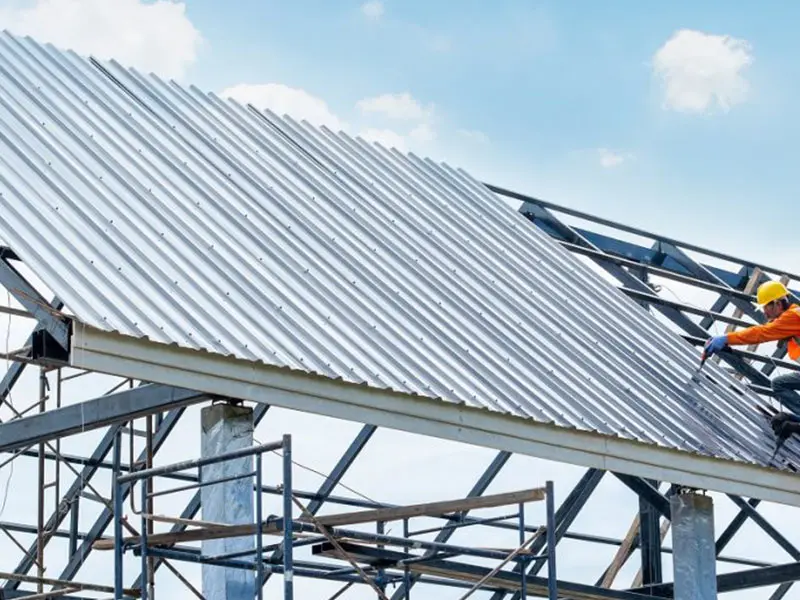
Aluminum roofing is supplied in different forms, including:
- Flat aluminum roofing sheets
- Corrugated aluminum roof panels
- Ribbed aluminum roofing panels
- Standing seam aluminum roof panels
- Aluminum roofing tiles
- Painted aluminum roofing sheets
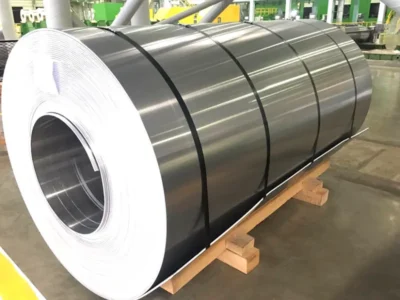
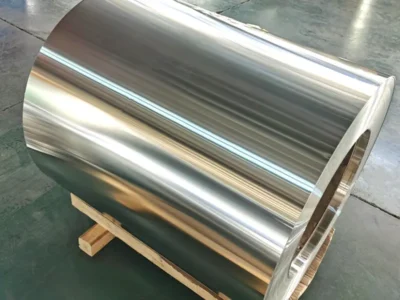
- Aluminum roofing coils for roll forming
- Insulated aluminum roof panels
Each product has a different structure and installation method. A flat sheet, for example, may require a different fixing arrangement from a standing seam panel.
Main Types of Aluminum Metal Roofing
The roofing profile affects drainage, appearance, panel stiffness, and installation. Buyers should select a profile that matches the roof slope, support spacing, and local building requirements.
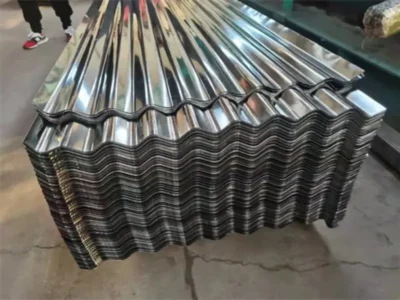
Corrugated Aluminum Roofing Sheets
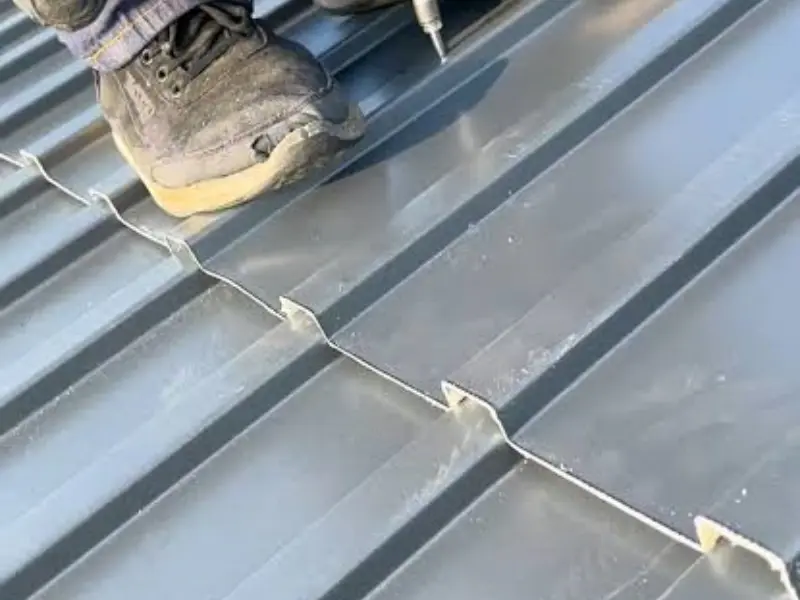
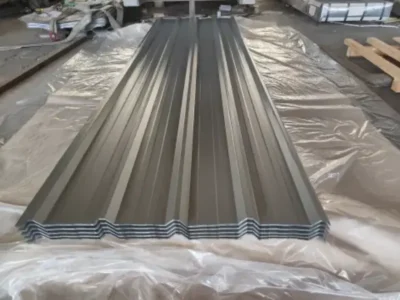
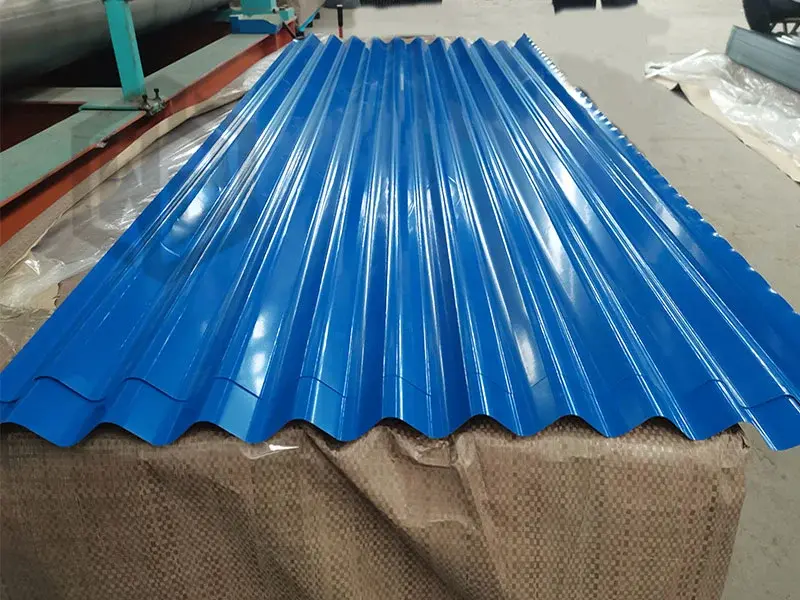
Corrugated aluminum roofing has a repeating wave-shaped profile. The waves increase the sheet’s stiffness compared with a flat sheet of similar thickness.
This roofing type is commonly used for utility buildings, agricultural structures, sheds, workshops, and selected commercial projects. It can also be used for architectural designs that feature exposed metal roofing.
Common product options include natural aluminum corrugated sheets, painted corrugated panels, and custom-cut corrugated roofing. Sheet width, wave height, wave pitch, and thickness should be confirmed before ordering.
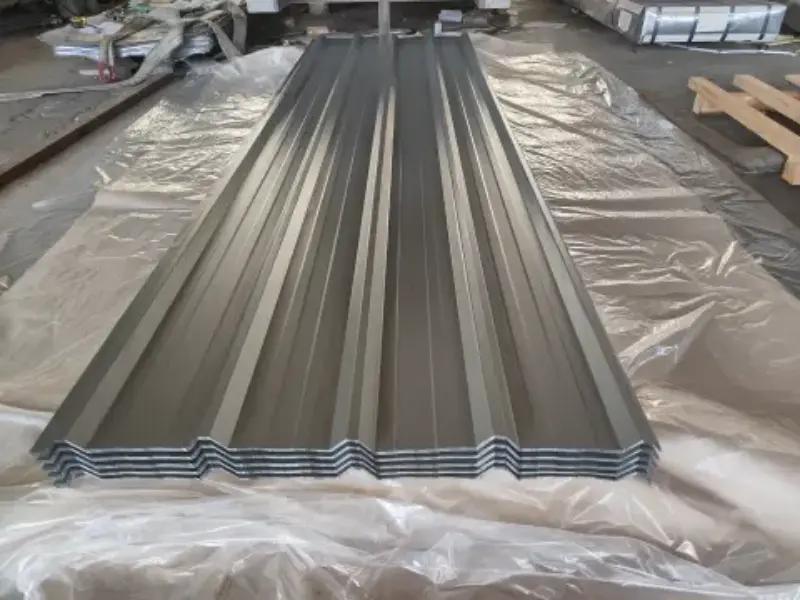
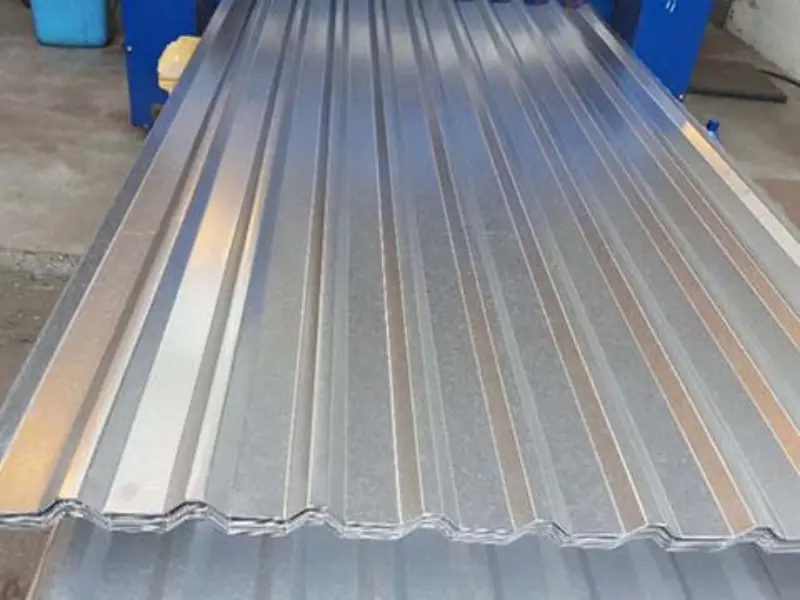
Ribbed Aluminum Metal Roofing
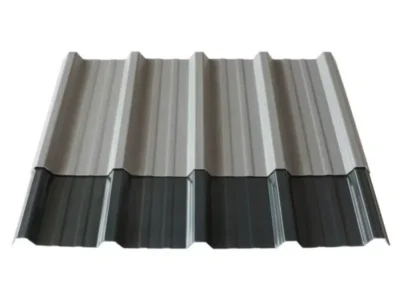
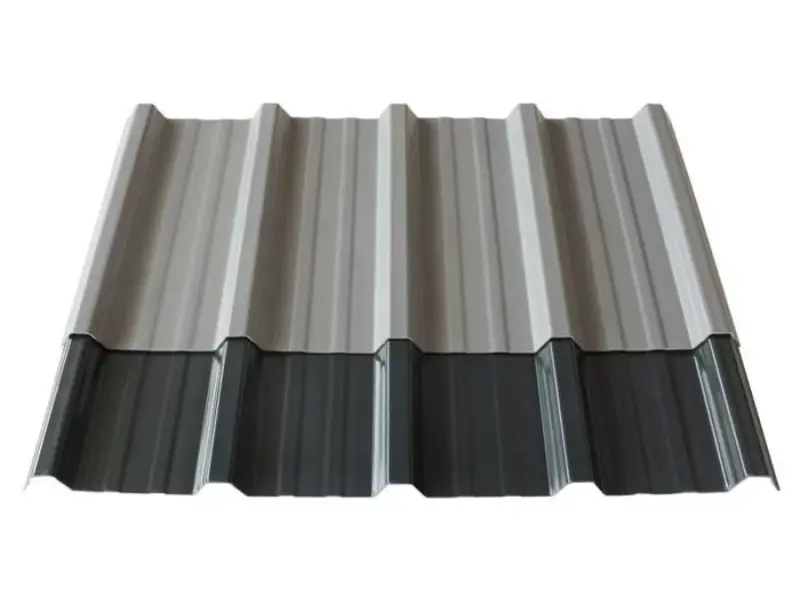
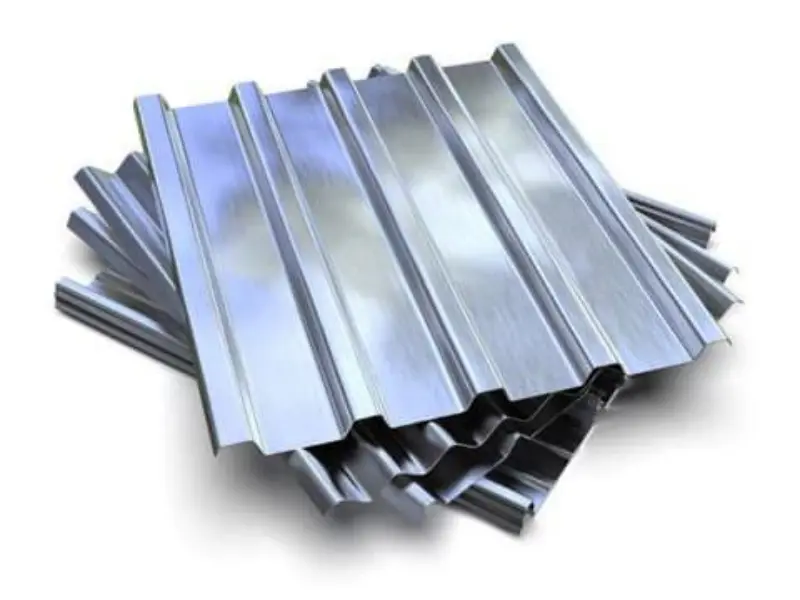
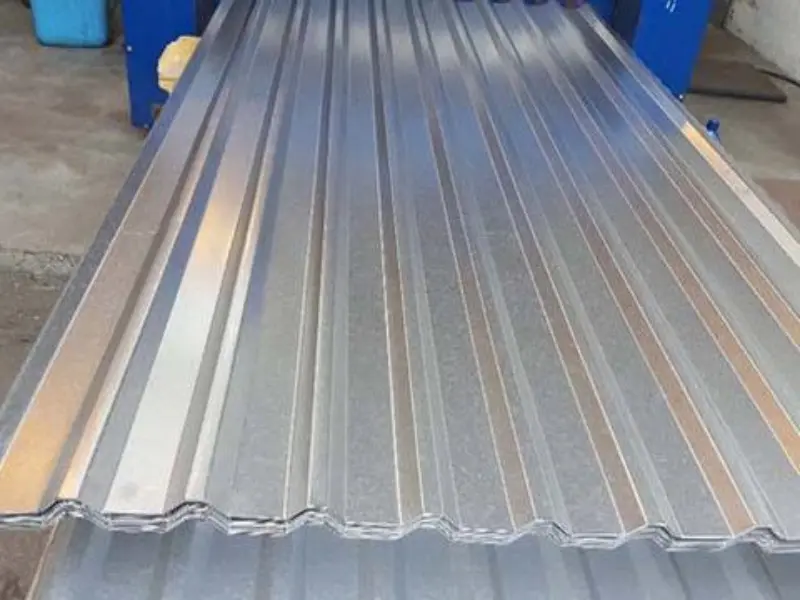
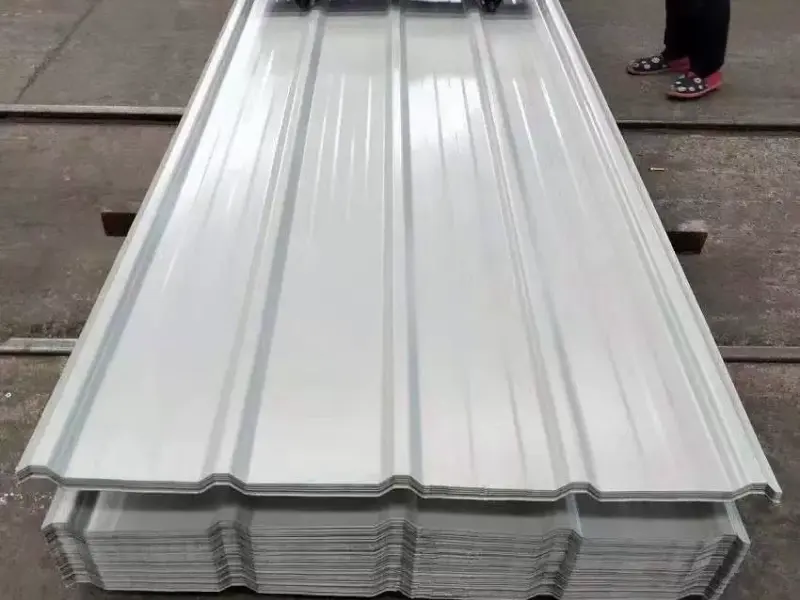
Ribbed aluminum roofing uses raised ribs or trapezoidal profiles. The ribs provide structural stiffness and create channels that guide rainwater toward the drainage edge.
These panels are often used on warehouses, factories, workshops, and other large buildings. The profile can be selected according to the support layout and the roof system design.
Buyers should check the effective cover width rather than relying only on the total sheet width. Overlaps and raised ribs can reduce the actual area covered by each panel.
Standing Seam Aluminum Metal Roofing
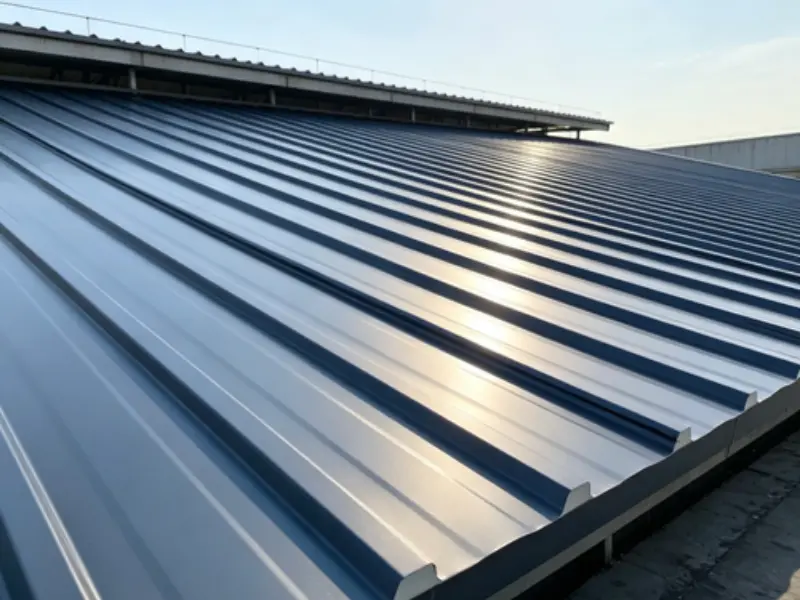
Standing seam aluminum roofing uses raised seams between adjacent panels. Depending on the system, the seams may be mechanically seamed or designed to snap together.
The panels can create a clean, continuous roof appearance. Hidden clips are used in many systems, allowing the panels to accommodate thermal movement when correctly designed and installed.
Standing seam roofing is often considered for modern houses, offices, public buildings, and architectural projects. It may require more specialized installation than basic corrugated roofing.
Aluminum Roof Tiles
Aluminum roof tiles are shaped to resemble traditional roofing tiles or shingles. They combine a formed metal profile with a decorative appearance.
These products may be supplied with painted, textured, or stone-coated surfaces, depending on the system. The design can suit residential buildings, renovations, and projects that need a tile-like appearance with a lighter roof covering.
The fixing system, underlayment, roof pitch, and weatherproofing details should follow the product manufacturer’s instructions.
Flat Aluminum Roofing Sheets
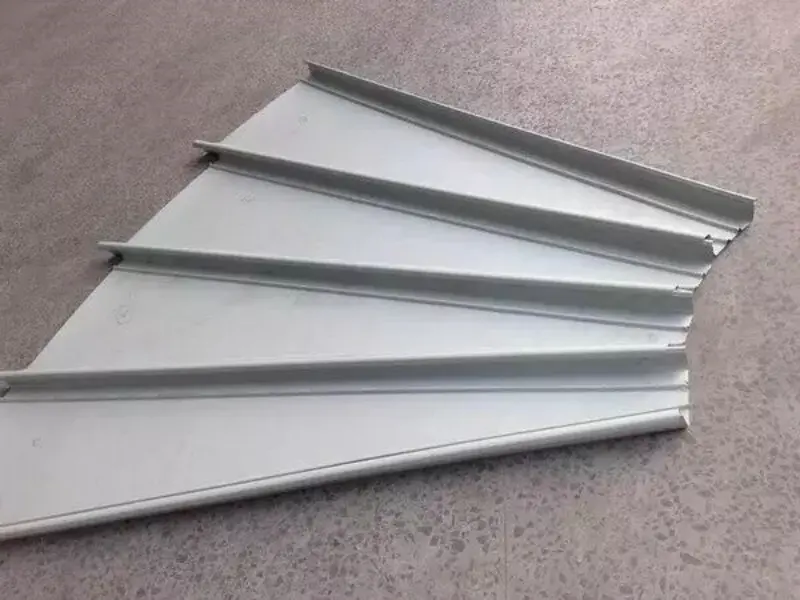
Flat aluminum sheets can be used for custom roofing details, flashings, fascia, soffits, and selected roofing assemblies. They are also used to manufacture formed roof panels.
A flat sheet alone is not automatically a complete weatherproof roofing system. The roof design must account for seams, drainage, expansion, and water entry points.
Insulated Aluminum Metal Roofing
Insulated aluminum roof panels combine aluminum facings with an insulating core or another thermal layer. Some systems are manufactured as sandwich panels with two metal skins and a core material.
These panels can be useful for industrial buildings, cold storage facilities, modular buildings, and selected commercial projects. The insulation core, joint design, fire performance, and panel thickness are important selection factors.
| Aluminum roofing type | Main profile | Typical project |
|---|---|---|
| Corrugated sheet | Wavy | Sheds, workshops, agricultural buildings |
| Ribbed panel | Trapezoidal ribs | Warehouses, factories, commercial roofs |
| Standing seam panel | Raised interlocking seams | Residential and architectural roofing |
| Aluminum roof tile | Tile-shaped | Houses and renovation projects |
| Flat aluminum sheet | Flat surface | Flashings, custom components, formed panels |
| Insulated roof panel | Layered panel | Industrial and temperature-controlled buildings |
Aluminum Roofing Sheet Thickness and Gauge Options

Thickness is one of the most important purchasing specifications for aluminum metal roofing. Thicker material may provide greater resistance to denting, but the correct choice also depends on the panel profile, support spacing, loads, and installation design.
Roofing sheets may be specified in millimeters, inches, or gauge numbers. Gauge systems can vary, so buyers should always confirm the actual thickness in millimeters or inches.
Common Aluminum Roofing Thicknesses
The following thicknesses are examples for product selection and quotation. They are not universal recommendations for every roof.
| Nominal aluminum thickness | Approximate inch equivalent | Potential use |
|---|---|---|
| 0.40 mm | 0.016 in | Selected lightweight formed panels |
| 0.50 mm | 0.020 in | Lightweight roofing and cladding |
| 0.60 mm | 0.024 in | General formed roofing applications |
| 0.70 mm | 0.028 in | Selected residential and commercial panels |
| 0.80 mm | 0.031 in | Roofing panels requiring added stiffness |
| 1.00 mm | 0.039 in | Heavier formed panels and selected roofing systems |
| 1.20 mm | 0.047 in | Special-purpose panels and custom fabrication |
The suitability of each thickness depends on the profile and design loads. A thin, deep-profile panel may perform differently from a flat sheet of the same thickness.
Aluminum Roofing Gauge: What Should Buyers Know?
Gauge is used in some roofing markets, but it does not always translate to one universal thickness across all metals and specifications. A quoted gauge should be checked against the actual required material thickness.
For example, if a project specifies 0.7 mm aluminum roofing, the purchase order should state 0.7 mm rather than relying only on a gauge number. This reduces confusion between aluminum and steel thickness conventions.
For a reliable quotation, confirm:
- Base aluminum thickness
- Thickness tolerance
- Whether the stated thickness includes any coating
- Panel profile and effective cover width
- Required sheet length
- Applicable product specification
Which Aluminum Alloy Is Used for Metal Roofing?
Aluminum alloy affects strength, formability, corrosion resistance, and the ability to produce a particular roofing profile. The appropriate alloy depends on the forming process and the intended service environment.
3003 Aluminum Metal Roofing

3003 aluminum is an aluminum-manganese alloy commonly used for general sheet-metal applications. It offers useful formability and corrosion resistance.
It may be considered for corrugated sheets, formed panels, and other roofing components when the mechanical properties meet the project requirements.
3105 Aluminum Metal Roofing
3105 aluminum is commonly associated with building products and painted aluminum sheet applications. It can be suitable for roofing and siding panels where formability, surface quality, and weather exposure are important.
The final choice should consider the temper, thickness, coating system, and profile-forming requirements.
3004 Aluminum Metal Roofing
3004 aluminum is another aluminum-manganese-magnesium alloy used in selected formed sheet applications. It may be considered for products requiring a combination of strength and formability.
Its suitability for a roofing profile should be confirmed with the material supplier and panel manufacturer.
5052 Aluminum Metal Roofing

5052 aluminum offers good corrosion resistance and higher strength than many commercially pure aluminum grades. It can be considered for demanding sheet applications and selected roofing components.
However, 5052 is not necessary for every roofing project. Its cost, forming characteristics, and required mechanical properties should be compared with those of more common building-sheet alloys.
Alloy Comparison for Aluminum Roofing
| Alloy | General characteristics | Potential roofing use |
|---|---|---|
| 3003 | Good formability and corrosion resistance | Corrugated and formed sheet products |
| 3004 | Strength and formability for selected applications | Special-purpose formed panels |
| 3105 | Common building-sheet alloy | Painted roofing and siding |
| 5052 | Good corrosion resistance and relatively high strength | Selected demanding roofing components |
These are general selection guidelines. Actual availability depends on the supplier, thickness, temper, and product specification.
Aluminum Roofing Temper and Mechanical Properties
Temper describes the condition of the aluminum after processing. It affects hardness, strength, and formability.
For roofing panels, the temper must allow the material to pass through the forming process without unacceptable cracking, distortion, or surface damage.
Common Temper Conditions
| Temper | General meaning | Selection consideration |
|---|---|---|
| O | Annealed and relatively soft | Good formability, but may be too soft for some panel designs |
| H14 | Strain-hardened and partially softened | Suitable for some formed sheet applications |
| H16 | Higher strain-hardening level than H14 | Consider where greater strength is required and forming remains practical |
| H24 | Strain-hardened and partially annealed | Used for selected building-sheet products |
| H26 | Harder condition than H24 | May suit some products with higher strength requirements |
Temper availability varies by alloy and thickness. Not every combination is offered for every roofing product.
For roll-formed roofing, buyers should confirm the required mechanical properties with the panel manufacturer. The material must provide sufficient strength while remaining suitable for the selected profile and forming equipment.
Painted, Natural, and Textured Aluminum Roofing
The surface finish affects the appearance and maintenance of aluminum metal roofing. It can also affect the initial cost and the way the material performs in its service environment.
Natural Mill-Finish Aluminum Metal Roofing

Mill-finish aluminum has no additional decorative paint layer. It provides a simple metallic appearance and may be used in utility or industrial applications where appearance requirements are limited.
Its final appearance depends on the substrate and manufacturing process. If color consistency or a specific gloss level is important, the finish should be agreed with the supplier.
Prepainted Aluminum Metal Roofing
Prepainted aluminum roofing sheets use a factory-applied coating. Common options include solid colors, metallic finishes, and selected textured surfaces.
A factory coating provides a controlled finish before installation. Buyers should confirm the coating system, color reference, surface protection, and suitability for the intended environment.
Textured Aluminum Metal Roofing
Textured finishes may include embossed or patterned surfaces. Depending on the product, they can create a different visual effect or help conceal minor surface marks.
The available patterns and colors depend on the manufacturer. If the roof will be highly visible, request a physical sample before confirming a large order.
Aluminum Metal Roofing vs. Steel Roofing
Aluminum and steel are both used for metal roofing, but they have different material properties. The best choice depends on structural design, weather conditions, cost, and maintenance requirements.
| Feature | Aluminum roofing | Steel roofing |
|---|---|---|
| Material weight | Lower density | Generally heavier at comparable thickness |
| Corrosion behavior | Forms a protective oxide layer | Often relies on metallic or organic protective coatings |
| Strength | Depends on alloy, temper, and profile | Many steel grades offer high strength |
| Formability | Good for many roofing profiles | Good for many roofing profiles |
| Thermal expansion | Relatively high | Lower than aluminum |
| Surface options | Natural, painted, and textured finishes | Galvanized, painted, and other coated finishes |
| Cost | Can have a higher material cost in some markets | Often competitive, depending on grade and coating |
| Design considerations | Lightweight construction and corrosion resistance | Strength, availability, and coating system |
Aluminum is often selected where low weight and corrosion resistance are important. Steel may be attractive where initial material cost or specific structural requirements dominate.
Neither material is automatically the better choice. Compare the complete roofing system, including supports, fasteners, coatings, installation, and expected maintenance.
Why Aluminum Roofing Is Used in Coastal and Humid Areas
Aluminum is widely considered for roofing in coastal and humid environments because it naturally forms an oxide layer that helps protect the metal. However, corrosion resistance depends on more than the base alloy.
Salt deposits, trapped moisture, incompatible fasteners, and contact with dissimilar metals can affect long-term performance. The design should prevent water from remaining in joints and should use compatible components.
For coastal projects, consider the following points:
- Select an alloy and finish suitable for the exposure level.
- Confirm fastener compatibility with the aluminum roofing system.
- Avoid details that trap moisture or collect salt deposits.
- Follow the manufacturer’s cleaning and maintenance instructions.
- Check coating warranties and limitations for the intended environment.
- Use suitable flashing and drainage details.
Aluminum roofing should not be described as completely corrosion-proof. Proper material selection, installation, and maintenance remain important.

Where Is Aluminum Metal Roofing Used?

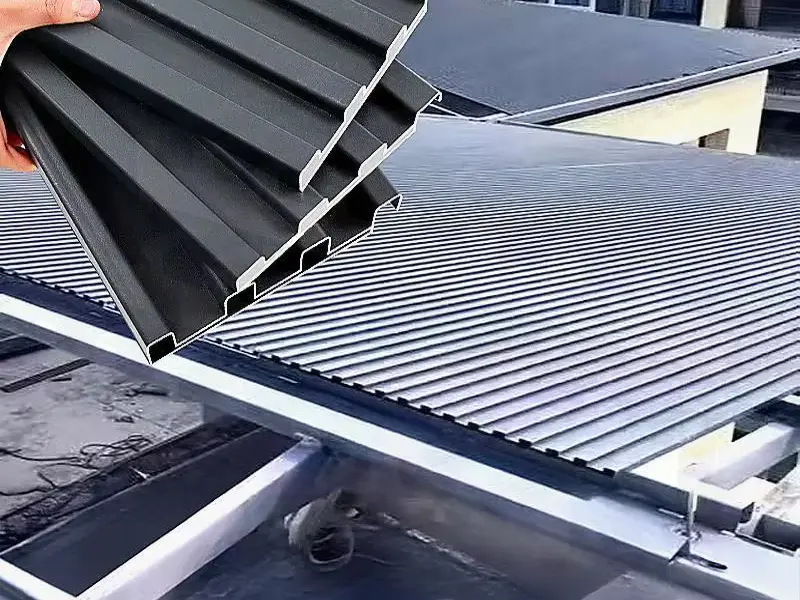
Aluminum roofing sheets are used in many building types because they can be formed into different profiles and supplied with different finishes.
Residential Buildings
Common uses include:
- Houses and extensions
- Garages and carports
- Garden rooms and sheds
- Porches and covered outdoor spaces
- Selected renovation projects
The panel design should match the roof pitch, drainage arrangement, local weather, and building regulations.
Commercial and Industrial Buildings

Aluminum metal roofing may be used for:
- Warehouses and distribution centers
- Factories and workshops
- Retail buildings
- Agricultural storage facilities
- Equipment shelters
- Industrial canopies
Large roofs require careful planning for support spacing, wind loads, expansion joints, drainage, and panel handling.
Transport and Special-Purpose Structures
Aluminum roofing products may also be considered for:
- Lightweight modular buildings
- Selected transport shelters
- Temporary structures
- Portable buildings
- Equipment enclosures
- Custom architectural projects
The suitability of a product depends on the required structural performance and the complete assembly.
How to Choose the Right Aluminum Roof Panel
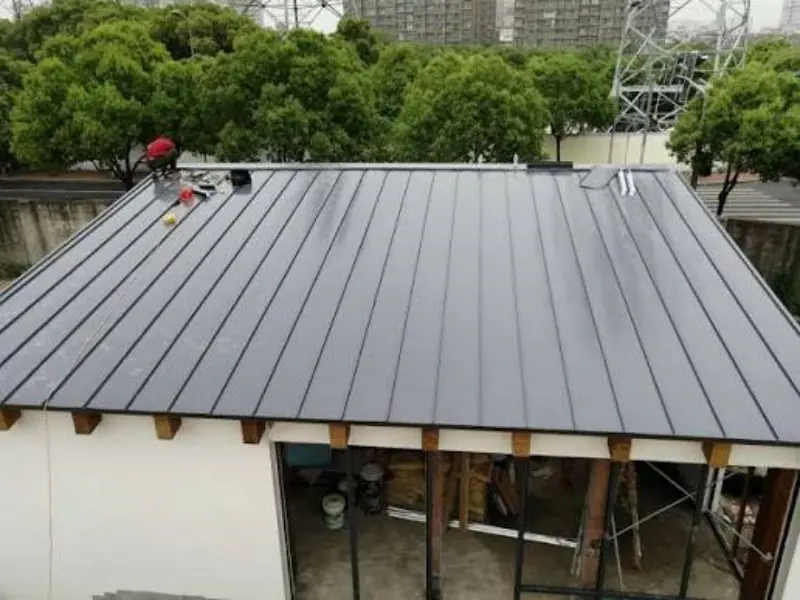
Selecting aluminum roofing involves more than choosing a color or sheet thickness. Buyers should evaluate the roof design, support structure, environmental conditions, and installation system together.
Start With the Roof Design
Confirm the roof pitch, panel length, support spacing, drainage direction, and expected wind and snow loads. The panel manufacturer or a qualified building professional should verify that the proposed system is suitable for these conditions.
Select the Profile
Choose between corrugated, ribbed, standing seam, tile-style, or insulated panels. Each profile has different fixing requirements and effective cover widths.
Confirm the Material Specification
Specify the alloy, temper, thickness, and surface finish. If the product is prepainted, identify the required color and coating system.
Check the Fasteners and Accessories
A roofing system also includes fasteners, clips, flashing, ridge caps, eaves details, and sealing components. These parts must be compatible with the roof material and installation design.
Review Packaging and Delivery
Long panels can be damaged during lifting and transportation. Confirm panel length, bundle size, edge protection, packaging, unloading arrangements, and delivery access before placing the order.
How to Calculate Aluminum Metal Roofing Requirements

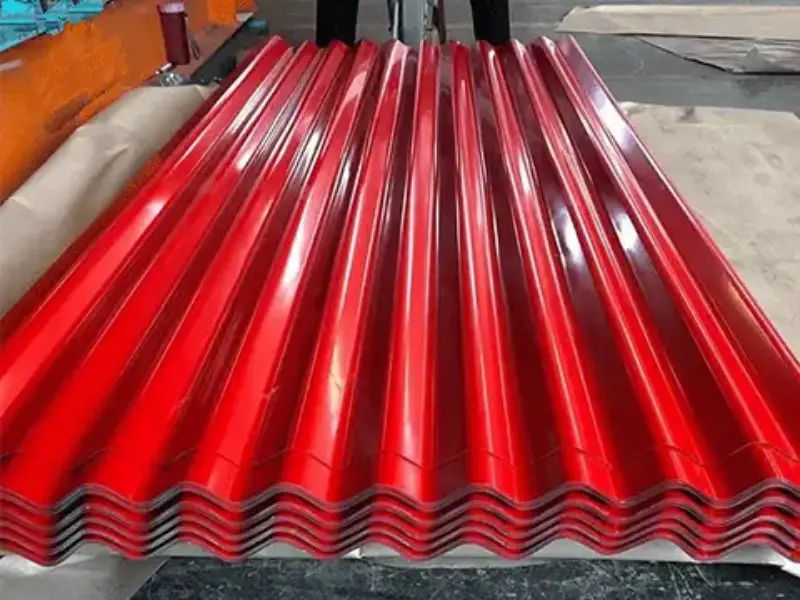
Accurate measurements help buyers estimate the quantity of roofing panels and reduce unnecessary waste.
Calculate the Roof Area
For a simple rectangular roof section:
Roof area = roof length × sloping roof length
For a gable roof, calculate each sloping side separately. The footprint area alone may not represent the actual roof surface.
Estimate the Number of Panels
Number of panels = roof width ÷ effective panel cover width
Use the effective cover width rather than the total width of the formed panel. Add allowances for cutting, overlaps, roof edges, and installation waste.
List the Required Accessories
A roofing project may also need:
- Ridge caps
- Eave trims
- Gable trims
- Gutters and downpipes
- Flashing around roof penetrations
- Compatible screws and sealing washers
- Insulation and vapor-control components, where required
The exact quantity depends on the roof layout and the selected roofing system.
Custom Aluminum Metal Roofing Supply
Aluminum metal roofing can be supplied in different alloys, tempers, thicknesses, colors, and profiles to meet commercial and industrial project requirements.
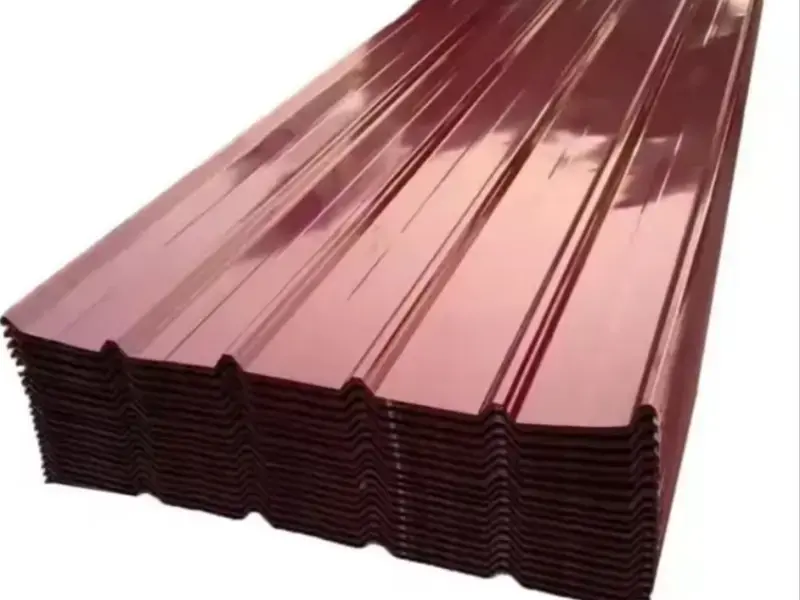
Available options may include:
- Corrugated aluminum roofing sheets
- Trapezoidal roofing panels
- Standing seam roofing material
- Ribbed aluminum roof panels
- Prepainted aluminum roofing
- Aluminum coils for roll forming
- Custom-cut panels and matching roof trims
- Protective film and export packaging
When requesting a quotation, provide the alloy, temper, thickness, profile drawing, effective cover width, panel length, color, estimated quantity, and delivery destination. Drawings and project specifications can help confirm production feasibility.
What Affects the Cost of Aluminum Metal Roofing?
The price of aluminum roofing depends on the material, profile, finish, production requirements, and order size. A lower price per kilogram does not always mean a lower installed cost.
Key cost factors include:
- Aluminum alloy and temper
- Base sheet thickness
- Roofing profile and effective cover width
- Panel length and custom cutting
- Paint or surface finish
- Special forming or accessory requirements
- Order quantity and production setup
- Packaging, freight, and unloading
- Installation labor and supporting structure
For a useful quotation, provide the required panel profile, thickness, alloy, finish, dimensions, quantity, and delivery location. If possible, attach a drawing or roof layout.
Installation and Maintenance Considerations
Even a suitable aluminum roofing sheet can perform poorly if the roof is not designed and installed correctly. Panel orientation, overlaps, fasteners, flashing, and drainage details all matter.
Allow for Thermal Movement
Aluminum expands and contracts as temperatures change. Long roofing panels need a connection system that accommodates this movement. The correct approach depends on panel length and the manufacturer’s system design.
Prevent Water Entry
The roof must have suitable laps, flashing, ridge details, and drainage paths. Sealants and fasteners should be selected for the roofing system rather than chosen without checking compatibility.
Protect the Surface During Installation
Avoid dragging sheets across each other. Use suitable lifting and handling methods. Remove protective films according to the manufacturer’s instructions, especially when the material will be exposed to sunlight or heat.
Inspect the Roof Periodically
Maintenance may include checking fasteners, flashing, drainage channels, and surface damage. In coastal or industrial environments, cleaning requirements may be more demanding.
Frequently Asked Questions About Aluminum Metal Roofing

Is aluminum metal roofing suitable for houses?
Yes. Aluminum roofing can be used on many residential buildings. The correct panel profile, thickness, fastening system, and underlayment depend on the roof design and local building requirements.
What thickness is best for aluminum roofing sheets?
There is no single best thickness. Common product options may include 0.5 mm, 0.6 mm, 0.7 mm, 0.8 mm, and 1.0 mm. The correct choice depends on the profile, support spacing, wind loads, and product specification.
Which alloy is commonly used for aluminum roofing?
3003 and 3105 are common options for general building-sheet applications. Other alloys may be suitable for specific requirements. Confirm the alloy and temper with the roofing manufacturer.
Is aluminum roofing better than steel roofing?
It depends on the project. Aluminum has a lower material density and good natural corrosion resistance. Steel may offer different strength and cost advantages. Compare the full system rather than the sheet price alone.
Does aluminum roofing rust?
Aluminum does not form iron rust in the same way as steel. It can still corrode under unsuitable conditions, especially where moisture, salts, or incompatible materials are involved.
Can aluminum roofing be painted?
Yes. Factory-painted aluminum roofing is widely available in selected product ranges. The coating type, color, and environmental suitability should be confirmed before ordering.
Is corrugated aluminum roofing suitable for heavy rain?

It can be suitable when the panel profile, roof pitch, overlaps, fasteners, and drainage are properly designed. The product must meet the requirements of the local climate and building code.
Can aluminum roofing be supplied in custom lengths?
Many roofing manufacturers can produce panels in custom lengths, subject to equipment limits and transport requirements. Confirm maximum length, cutting tolerances, and handling arrangements before ordering.
Does aluminum roofing require maintenance?
Maintenance requirements are usually manageable, but the roof should still be inspected periodically. Check drainage, fasteners, flashing, and any damaged surface areas according to the manufacturer’s guidance.
What should I include in an aluminum roofing inquiry?
Provide the panel profile, alloy, temper, thickness, finish, width, length, quantity, roof application, and delivery destination. Drawings and roof layouts help suppliers assess the requirements more accurately.
Request Aluminum Metal Roofing for Your Project
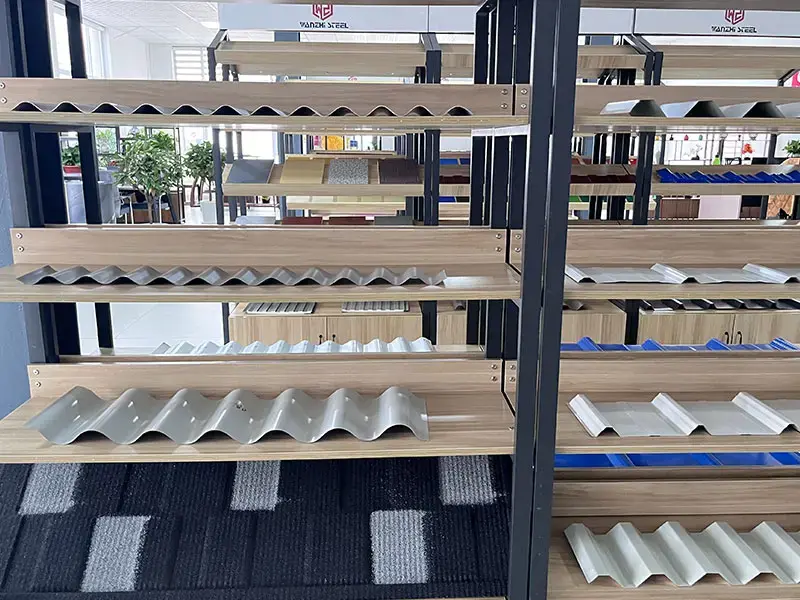
The right aluminum metal roofing product depends on the building design, environmental conditions, required appearance, and installation system. Corrugated sheets may suit simple utility buildings, while ribbed panels and standing seam systems can meet different commercial and architectural needs.
Before purchasing, confirm the alloy, temper, thickness, profile, finish, and effective cover width. Check the complete roofing system, including fasteners, flashing, drainage, and thermal movement.
A detailed specification helps suppliers provide more accurate quotations and reduces the risk of ordering panels that do not match the project requirements.