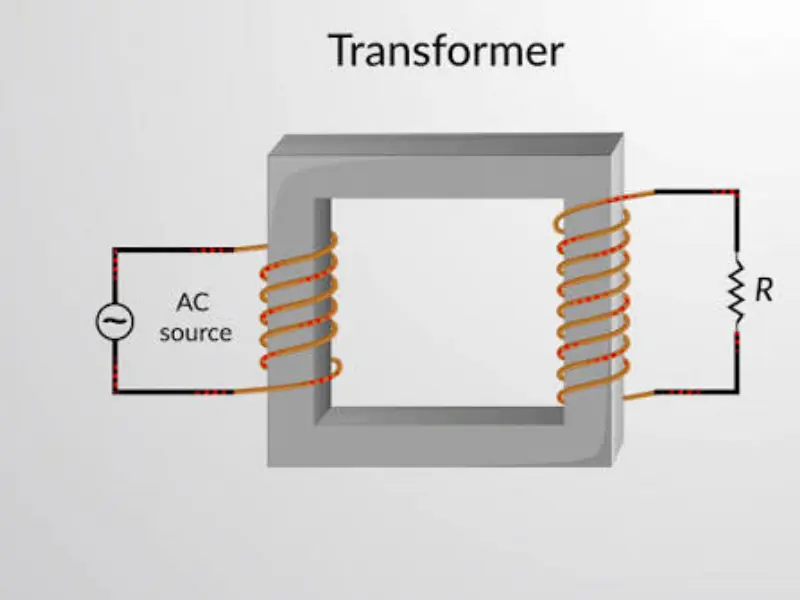
Aluminium strip for transformer manufacturing is widely used in electrical equipment that needs reliable conductivity, low weight, and efficient heat management.
It is commonly used in transformer windings, distribution transformers, dry-type transformers, and selected power equipment.
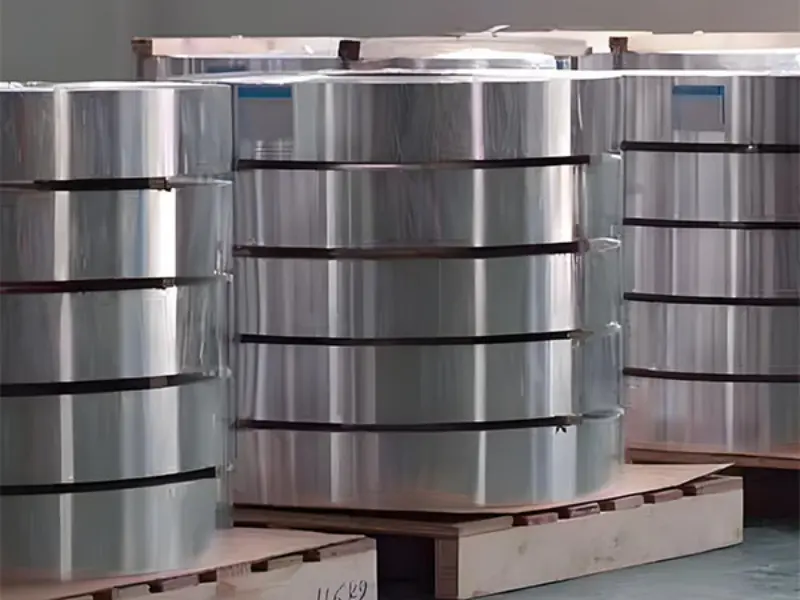
Compared with copper strip, aluminum strip has a lower material density and can help reduce conductor weight. It is also often a cost-effective option for large transformer windings.
However, aluminum and copper have different electrical properties, so the conductor design must account for resistance, current density, temperature rise, and winding dimensions.
Transformer aluminium strip is available in different alloys, tempers, thicknesses, widths, and surface conditions. The right specification depends on the transformer design, winding process, electrical load, and insulation system.
What Is Aluminium Strip for Transformer?
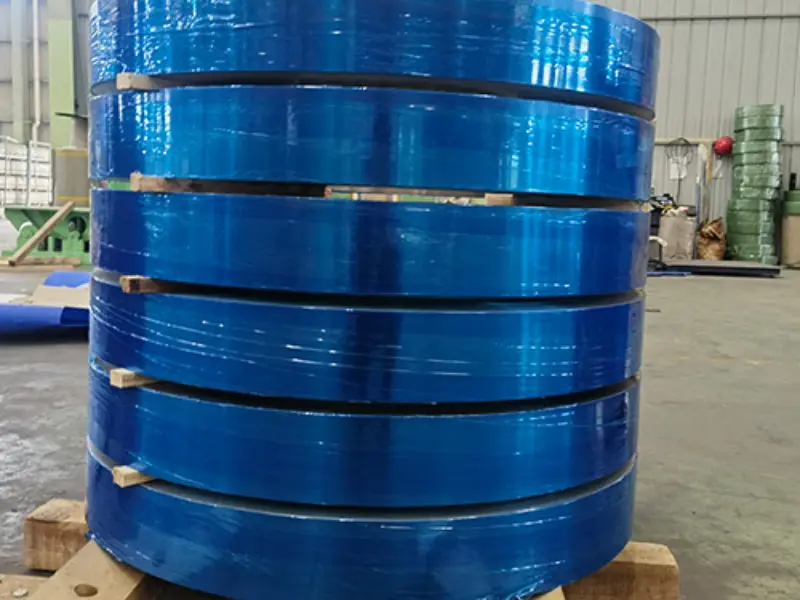
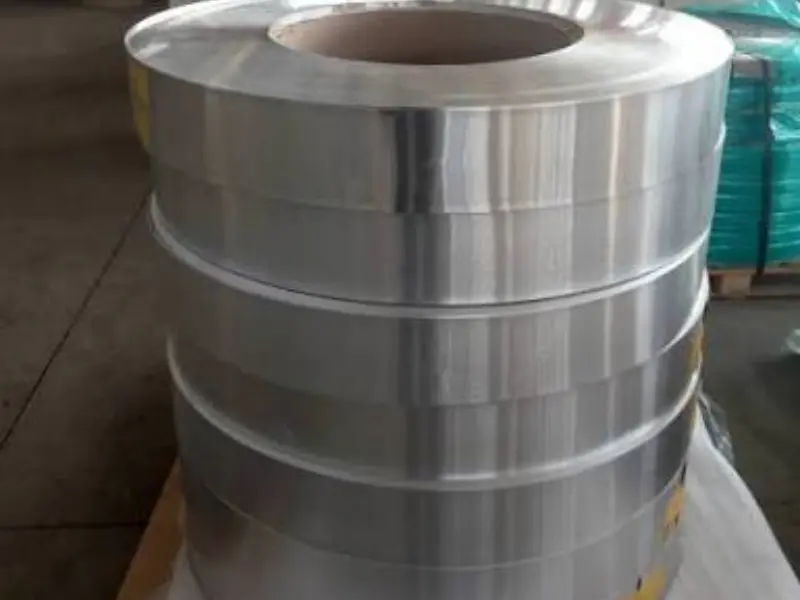
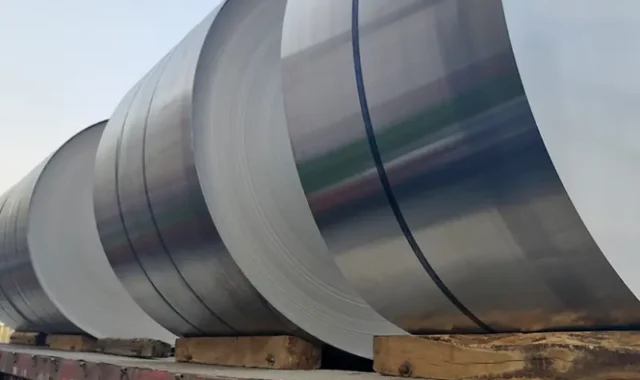
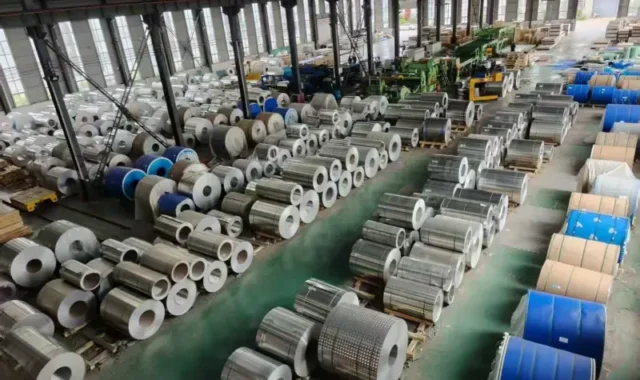
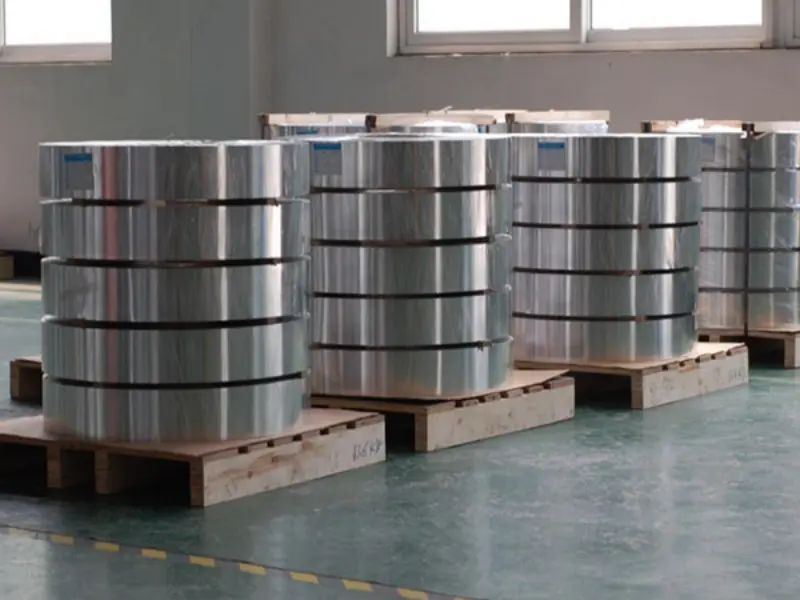
Aluminium Strip for Transformer is a narrow, flat aluminium conductor supplied in coils. It is used to form windings in electrical transformers and related equipment.
During manufacturing, the strip is wound around a core or assembled into a designed winding structure. Insulation may be applied between conductor layers or supplied as part of the conductor product.
Transformer aluminium strip needs consistent thickness, suitable electrical conductivity, good surface quality, and reliable winding performance. Burrs, edge defects, uneven thickness, or surface contamination can affect winding quality and insulation reliability.
Main Features of Transformer Aluminum Strip
- Electrical conductivity: Supports current flow in transformer windings.
- Low density: Helps reduce conductor weight compared with copper.
- Good formability: Suitable for winding into coils when the alloy and temper are properly selected.
- Consistent dimensions: Helps maintain stable winding geometry.
- Heat management: Conducts heat away from the winding, while actual thermal performance depends on the complete transformer design.
- Coil supply: Supports continuous winding and automated production.
- Custom dimensions: Thickness and width can be matched to the winding design.
The conductor alone does not determine transformer performance. Core design, insulation, cooling, winding geometry, electrical loading, and manufacturing quality all play important roles.
Types of Aluminium Strip for Transformer Windings
Transformer aluminium strip can be classified by alloy, temper, surface condition, insulation, and winding design. Different types serve different manufacturing needs.
Pure Aluminium Strip for Transformer Windings
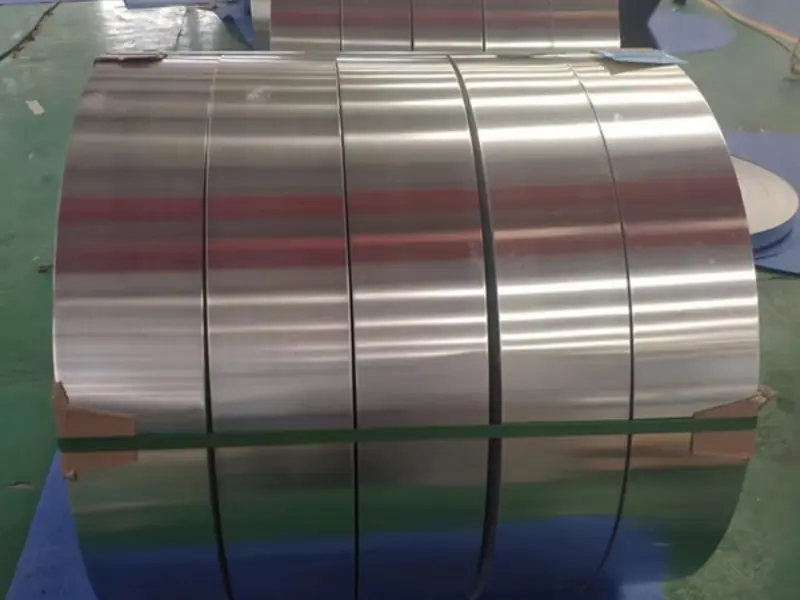
High-purity aluminium grades such as 1050 and 1060 are used in applications where conductivity and formability are important. The exact electrical properties depend on material purity, processing, and temper.
These strips may be selected for distribution transformers and other electrical equipment when their properties meet the winding design requirements.
| Parameter | Typical options |
|---|---|
| Alloy | 1050, 1060 |
| Temper | O or other approved condition |
| Thickness | About 0.2–3.0 mm |
| Width | About 10–1000 mm, depending on equipment |
| Surface | Clean, smooth, and free from harmful defects |
| Supply form | Coil |
| Main use | Transformer windings and electrical conductors |
These ranges are indicative. Actual dimensions and available tempers depend on the manufacturer and the transformer design.
1350 Aluminium Strip for Electrical Conductors
Alloy 1350 is a high-purity electrical conductor alloy used in selected electrical applications. It may be considered for transformer windings when the electrical and mechanical requirements match the product specification.
| Parameter | Typical considerations |
|---|---|
| Alloy | 1350 |
| Temper | Selected according to winding requirements |
| Product form | Strip or coil |
| Key property | High electrical conductivity |
| Applications | Electrical conductors and selected transformer winding designs |
Buyers should confirm whether the supplier produces 1350 strip in the required thickness, width, temper, and edge condition. Alloy designation alone does not guarantee a particular conductivity value.
3003 Aluminium Strip for Selected Electrical Components
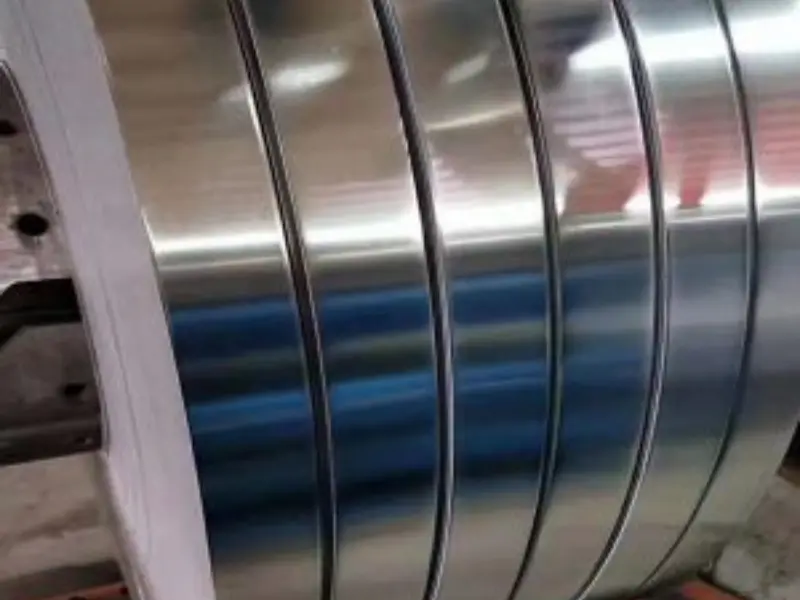
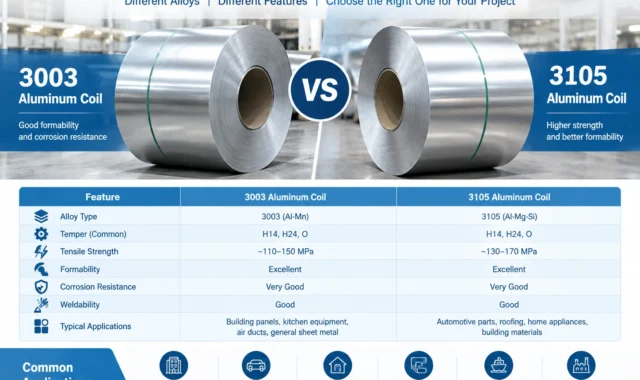
Alloy 3003 contains manganese and is commonly used in formed aluminium products. It offers good formability and corrosion resistance, but its electrical conductivity is lower than that of high-purity electrical aluminum.
For this reason, 3003 Aluminium Strip for Transformer should not be treated as a direct replacement for high-conductivity winding strip. It may be suitable for selected non-winding components or special designs when the engineering requirements allow it.
| Parameter | Typical considerations |
|---|---|
| Alloy | 3003 |
| Temper | O, H14, or other product-specific conditions |
| Main characteristics | Good formability and corrosion resistance |
| Electrical conductivity | Lower than high-purity electrical aluminum |
| Possible applications | Selected fabricated parts and components, subject to design |
For current-carrying transformer windings, confirm conductivity and electrical performance before choosing this alloy.
Aluminium Strip for Transformer: Common Specifications
Transformer winding designs differ in voltage, current, power rating, cooling method, and winding geometry. As a result, there is no single size that fits every transformer.
The following tables show common specification ranges for initial selection. They are not universal limits or guaranteed production combinations.
Thickness Options for Transformer Aluminium Strip
| Strip thickness | Possible application | Key consideration |
|---|---|---|
| 0.2–0.3 mm | Thin winding conductors and compact designs | Requires careful handling and edge control |
| 0.3–0.5 mm | Small and medium transformer windings | Balance conductivity, winding space, and strength |
| 0.5–0.8 mm | General winding applications | Confirm current density and winding design |
| 0.8–1.2 mm | Larger conductor sections | Check bend radius and winding tension |
| 1.2–2.0 mm | Higher-section winding designs | Confirm forming limits and electrical requirements |
| 2.0–3.0 mm | Selected heavy-duty winding designs | May require specialized winding equipment |
Thicker strip is not automatically better. The required cross-sectional area depends on current, allowable temperature rise, cooling, and electrical design. A transformer engineer should determine the conductor dimensions.
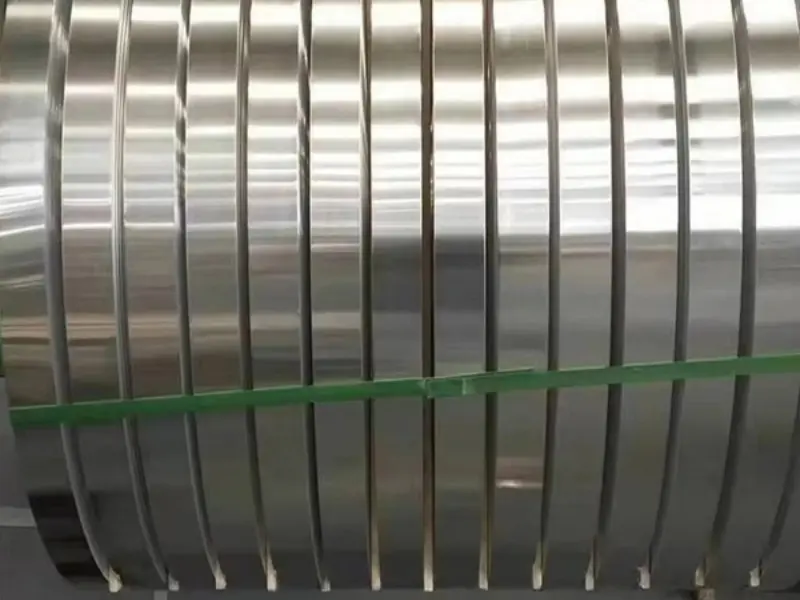
Width Options for Aluminium Transformer Strip
| Width range | Possible application |
|---|---|
| 10–30 mm | Narrow conductor designs and small windings |
| 30–100 mm | Compact transformer windings |
| 100–300 mm | Medium-width winding designs |
| 300–600 mm | Wider winding conductors |
| 600–1000 mm | Special wide-strip applications, subject to equipment capability |
These are illustrative ranges rather than a standard product classification. The available width depends on thickness, coil weight, slitting equipment, and customer requirements.
Coil Inner Diameter and Outer Diameter
Coil dimensions of Aluminium Strip for Transformer affect transport, storage, and compatibility with winding machines.
| Parameter | What to specify |
|---|---|
| Inner diameter (ID) | Match the winding machine’s mandrel |
| Outer diameter (OD) | Confirm machine clearance and handling limits |
| Coil weight | Match lifting and unwinding equipment |
| Winding direction | Specify if required by the production line |
| Edge condition | Slit edge, rounded edge, or another agreed condition |
| Packaging | Moisture protection and protection against edge damage |
Common inner diameters may include 150 mm, 200 mm, 300 mm, and other custom sizes. Confirm the actual options with the supplier before ordering.
Aluminium Strip Alloy and Temper Selection
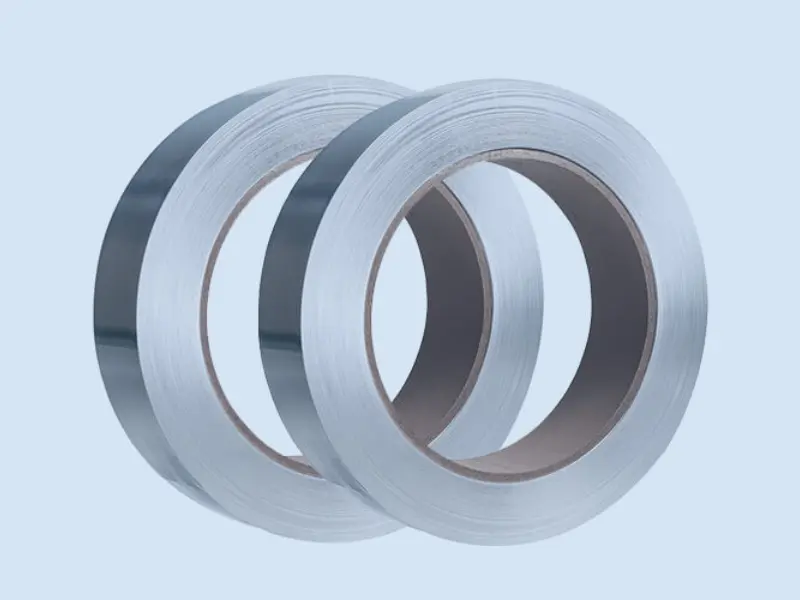
Alloy and temper affect conductivity, strength, ductility, and winding performance. The best choice depends on the conductor design rather than on one property alone.
Comparison of Common Aluminum Alloys
| Alloy | Main characteristics | Electrical considerations | Potential use |
|---|---|---|---|
| 1050 | High aluminum content and good formability | High conductivity relative to many common wrought alloys | Suitable winding strip where specified |
| 1060 | High purity and good formability | High conductivity relative to common structural alloys | Transformer and electrical conductor applications |
| 1350 | Electrical conductor alloy | Designed for electrical applications | Selected transformer and power conductors |
| 3003 | Good formability and corrosion resistance | Lower conductivity than high-purity electrical aluminum | Selected non-winding components or approved designs |
For transformer winding strip, electrical conductivity is often a primary selection factor. The actual minimum value should be specified in the purchase contract or technical data sheet.
What Temper Should Be Used?
Temper of Aluminium Strip for Transformer indicates the condition of the aluminum after processing. It affects how the strip behaves during winding and fabrication.
| Temper | General meaning | Possible consideration |
|---|---|---|
| O | Annealed and relatively soft | Good ductility for suitable winding designs |
| H14 | Strain-hardened to a defined condition | May be considered where additional strength is needed |
| H18 | Hard strain-hardened condition | Requires careful review of winding and forming requirements |
Not every alloy is available in every temper. A hard temper may resist deformation but can be less suitable for tight bends. A soft temper may improve formability but provide less resistance to handling damage.
The correct temper should be selected with reference to the winding machine, bend radius, tension, and final conductor design.
Bare Aluminium Strip vs. Insulated Aluminium Strip
Transformer aluminium strip can be supplied bare or with an insulation layer. The right choice depends on the winding process and the electrical insulation system.
Bare Aluminum Strip
Bare strip has no factory-applied insulating coating. The transformer manufacturer may add insulation during winding or use a separate insulation system.
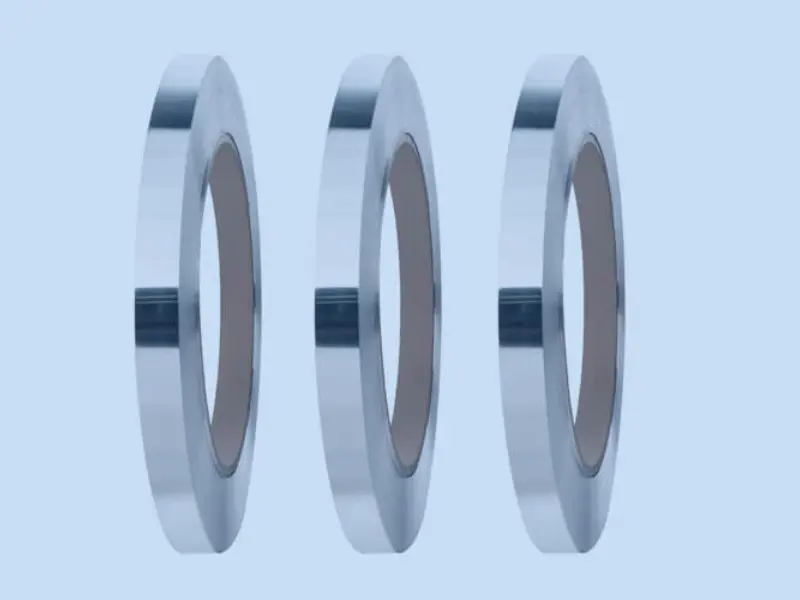
Potential advantages include:
- Flexibility in the winding and insulation process
- Direct control over the insulation system
- Suitability for production lines designed for bare conductors
- Easier inspection of the bare metal surface before winding
The conductor edges and surface must still meet the requirements of the winding process.
Insulated Aluminum Strip
Insulated strip has a specified insulating layer applied to the conductor. The insulation may be paper, polymer film, or another material suitable for the operating conditions.
| Feature | Bare strip | Insulated strip |
|---|---|---|
| Surface | Exposed aluminum | Aluminum with an insulation layer |
| Insulation process | Added separately or during winding | Partly completed before winding |
| Thickness control | Metal thickness is specified | Metal and insulation dimensions must be defined |
| Winding process | Depends on the customer’s insulation system | Must match the coating and insulation design |
| Main concern | Surface and edge quality | Insulation integrity and coating uniformity |
The insulating material should be selected for operating temperature, voltage, mechanical stress, compatibility with transformer oil where relevant, and the applicable insulation system.
Paper-Covered Aluminium Strip
Paper-covered aluminium strip is used in winding systems where paper insulation forms part of the conductor assembly. Paper type, thickness, overlap, and edge coverage may vary by design.
Typical requirements include:
- Consistent aluminium thickness and width
- Uniform paper coverage
- Stable insulation thickness
- Clean edges without damaging burrs
- Suitable coil packaging to protect the paper
Paper-covered conductors should be handled carefully because moisture, creasing, and edge damage may affect insulation performance.
Film-Insulated Aluminium Strip
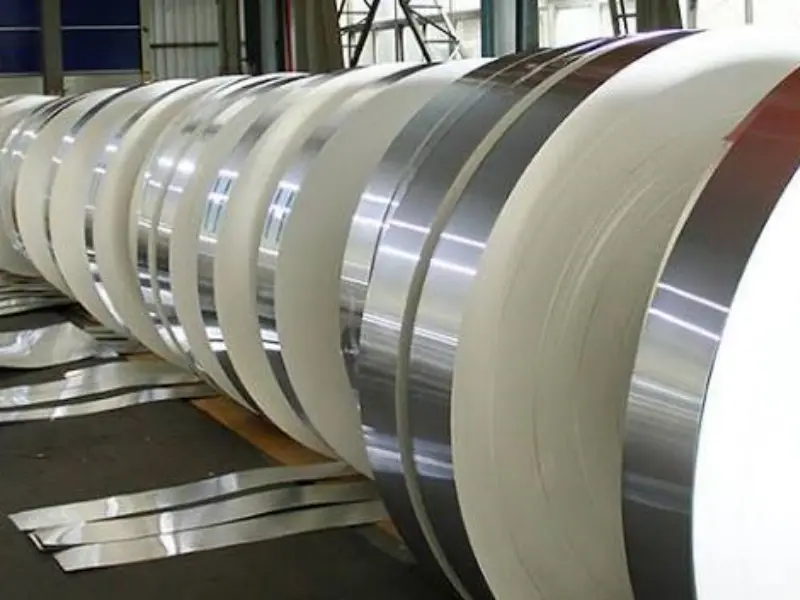
Film-insulated strip uses a polymer film or another approved insulating material. It may be suitable for winding processes that require a thin, controlled insulation layer.
Before ordering, confirm the insulation material, temperature class, dielectric requirements, adhesive or bonding method if applicable, and compatibility with the winding process.
Applications of Aluminium Strip in Transformers
Aluminium strip is used in several types of transformers and electrical equipment. The exact product depends on the design and electrical rating.
Distribution Transformers
Distribution transformers reduce voltage for delivery to commercial, industrial, and residential users. Aluminium strip may be used in winding designs that meet the required electrical and thermal performance.
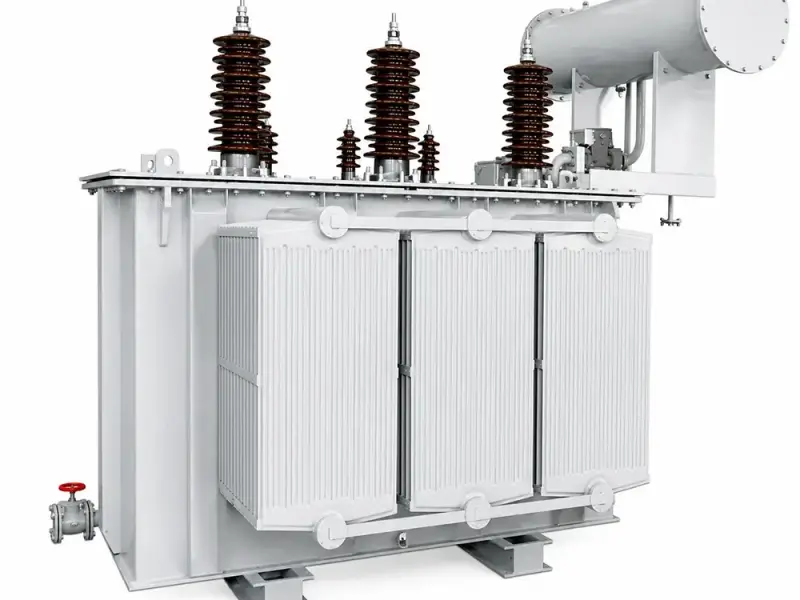
Typical applications of Aluminium Strip for Transformer include:
- Pole-mounted distribution transformers
- Pad-mounted distribution transformers
- Indoor distribution equipment
- Outdoor distribution units
- Selected oil-immersed transformers
Conductor size and insulation must be matched to the transformer’s rated current, voltage, and cooling design.
Dry-Type Transformers
Dry-type transformers use air or another non-liquid insulation and cooling arrangement. Aluminium windings may be selected when the design benefits from lower conductor weight or specific manufacturing economics.
Common applications include:
- Commercial buildings
- Industrial plants
- Hospitals and public facilities
- Data centres
- Underground or indoor electrical rooms, where the system is suitable
- Renewable energy installations
The insulation system must meet the required thermal class and electrical performance. The choice between aluminium and copper should be based on the complete transformer design.
Power Transformers
Large power transformers have demanding electrical, thermal, mechanical, and insulation requirements. Aluminium conductors may be used in selected designs, but suitability must be established by the transformer manufacturer.
Important factors include:
- Rated current and voltage
- Winding dimensions
- Short-circuit forces
- Cooling arrangement
- Conductor resistance
- Insulation coordination
- Mechanical strength and winding stability
For large power equipment, do not select conductor strip based only on nominal thickness or alloy. Use the manufacturer’s engineering specification.
Special-Purpose Transformers
Transformer aluminum strip may also be considered for selected special-purpose equipment.
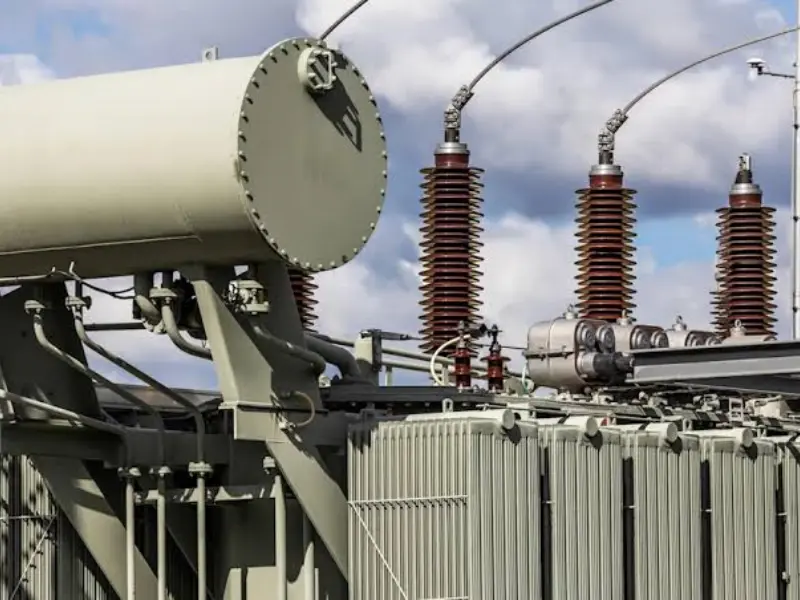
Examples include:
- Rectifier transformers
- Furnace transformers
- Converter transformers
- Renewable energy transformers
- Industrial power supply equipment
- Custom electrical systems
These applications may have specific current, temperature, vibration, or duty-cycle requirements. Buyers should provide the intended operating conditions before selecting the conductor.
Aluminum Strip for Transformer vs. Copper Strip
Aluminum and copper are both used as transformer winding conductors. They differ in conductivity, density, cost, and required conductor dimensions.
| Feature | Aluminum strip | Copper strip |
|---|---|---|
| Electrical conductivity by volume | Lower | Higher |
| Density | Much lower | Much higher |
| Conductor cross-section | Usually needs a larger area for comparable resistance | Can often use a smaller area for comparable resistance |
| Conductor weight | Generally lower for a properly designed equivalent conductor | Generally higher |
| Material cost | Often lower per unit mass, but market prices vary | Often higher per unit mass, but market prices vary |
| Winding space | May need more space for equivalent electrical performance | May need less space for equivalent electrical performance |
| Connection design | Requires suitable aluminum-compatible joints | Requires suitable copper connections |
| Thermal and mechanical design | Must be engineered for the application | Must be engineered for the application |
Why Do Some Transformer Manufacturers Choose Aluminium?
Aluminium can help reduce winding weight and may lower conductor material costs. These benefits can be important in large production volumes.
However, aluminium has lower electrical conductivity than copper by volume. A comparable electrical design may need a larger conductor cross-section. The transformer must therefore be designed around the chosen material from the beginning.
Is Aluminium Strip as Conductive as Copper?
No. Copper has higher electrical conductivity by volume. High-purity aluminium is still a useful electrical conductor and is widely used in appropriate applications.
The choice should consider conductor resistance, current density, temperature rise, winding space, weight, cost, and connection design. It should not be based on conductivity alone.
Which Material Is Better for Transformer Windings?
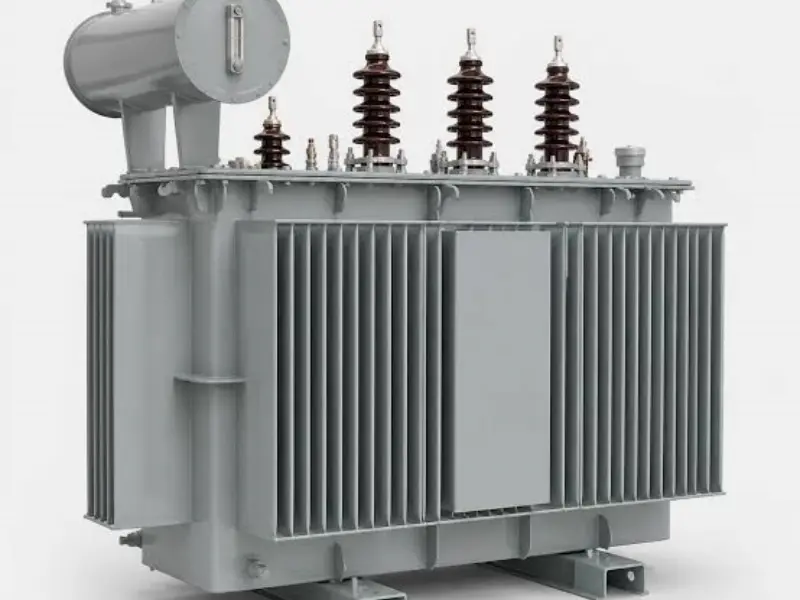
Neither material is universally better. Aluminium may be attractive when weight and conductor cost are important. Copper may be preferred where space is limited or higher conductivity by volume is required.
The best material depends on the transformer’s design, performance targets, manufacturing process, and life-cycle cost.
Quality Requirements for Transformer Aluminium Strip
Consistent material quality is important for efficient winding and reliable electrical insulation. Buyers should define measurable requirements rather than rely only on general descriptions such as “high quality.”
Thickness and Width Tolerance
Uneven thickness can affect the winding build and the space available for insulation. Width variation can also affect the winding edge and conductor alignment.
A purchase specification should state:
- Nominal thickness and tolerance
- Nominal width and tolerance
- Coil inner and outer diameters
- Maximum coil weight
- Edge condition
- Flatness and surface requirements
Tolerance values should be agreed according to the product standard, manufacturing capability, and winding design.
Surface and Edge Quality
The strip surface should be clean and free from defects that could interfere with winding or insulation.
Important inspection points include:
- Burr height and edge condition
- Scratches and dents
- Oil, dust, and other contamination
- Surface oxidation or stains
- Coil telescoping and edge damage
- Visible defects in the insulation layer, if supplied
Burr limits are particularly important because sharp edges may damage insulation. The required limit should be defined by the customer’s technical specification.
Electrical and Mechanical Properties
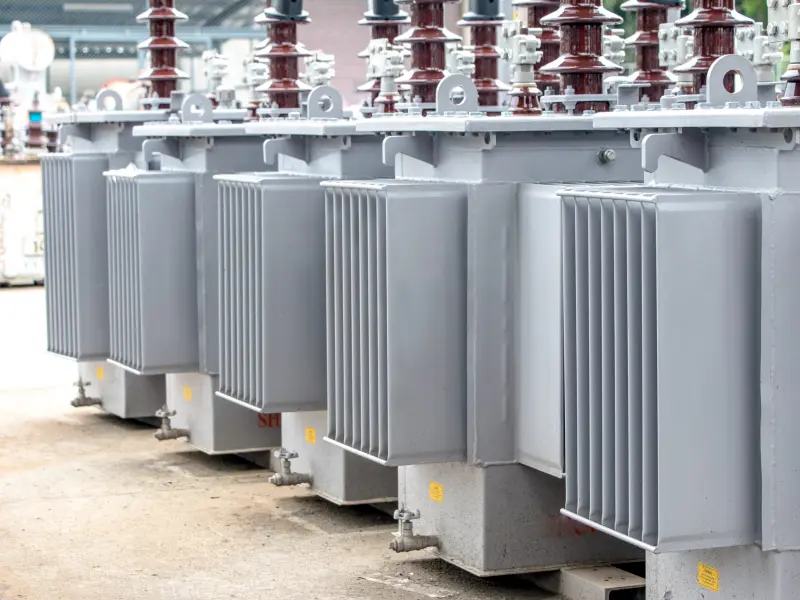
Depending on the application of Aluminium Strip for Transformer, the buyer may specify:
- Electrical conductivity or resistivity
- Tensile strength
- Elongation
- Thickness and width tolerance
- Surface and edge quality
- Insulation type and thickness
- Insulation performance tests, where applicable
The actual values should be verified against the selected alloy, temper, product standard, and transformer design.
How to Choose a Transformer Aluminium Strip Supplier
A reliable supplier of Aluminium Strip for Transformer should understand both aluminium processing and the needs of electrical conductor manufacturing. Price is important, but product consistency and process control also matter.
Check Product Experience
Ask whether the supplier regularly produces aluminium strip for electrical conductors or transformer windings. Confirm the available alloys, thicknesses, widths, coil weights, and insulation options.
Review Technical Documents
Depending on the product and agreement, request:
- Material test certificate
- Alloy and temper information
- Chemical composition report, where required
- Electrical conductivity or resistivity data
- Dimensional inspection results
- Surface and edge inspection records
- Insulation test reports, if applicable
The documents should correspond to the actual supplied batch.
Confirm Slitting and Packaging Capability
Transformer strip often needs controlled edges and reliable coil handling. Check whether the supplier can provide the required slit width, edge quality, coil dimensions, and moisture-resistant packaging.
For insulated products, packaging should protect both the aluminum and the insulation layer during storage and transport.
Factors That Affect the Price of Aluminium Strip for Transformer
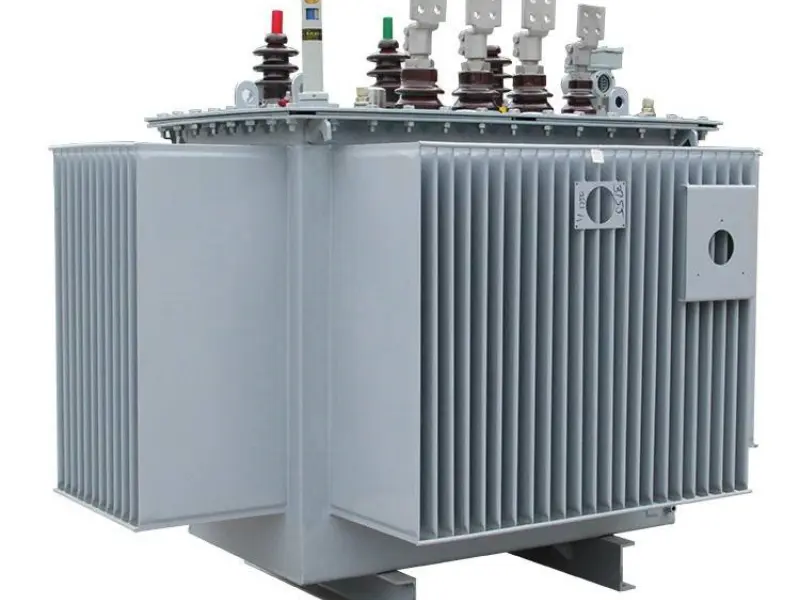
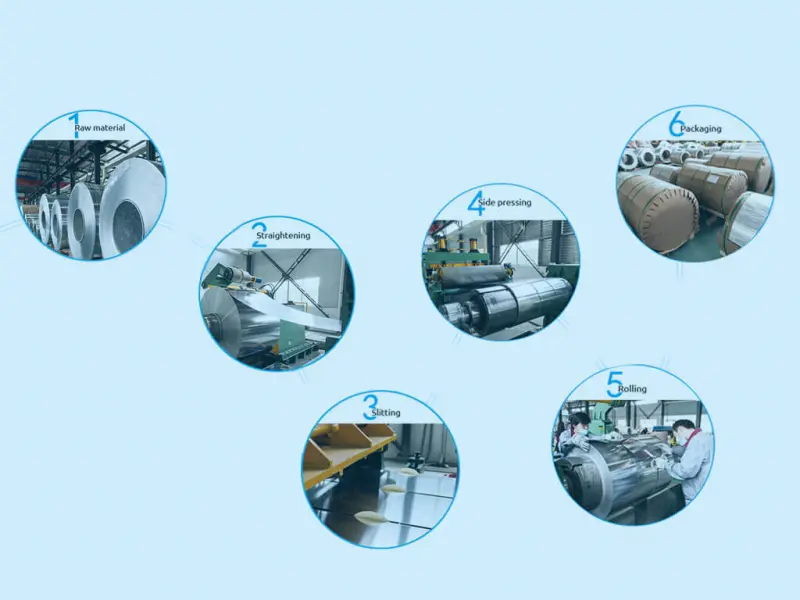
The price of Aluminium Strip for Transformer depends on the aluminium grade, dimensions, processing requirements, order quantity, and delivery terms.
| Cost factor | Effect on quotation |
|---|---|
| Alloy and purity | Different grades have different material costs and electrical properties |
| Thickness and width | Affect material usage and processing |
| Temper | May require different rolling or annealing processes |
| Electrical requirements | Special conductivity targets may affect material selection and inspection |
| Edge quality | Precision slitting or edge treatment may add processing cost |
| Insulation | Paper, film, or other insulation adds material and processing costs |
| Coil weight and dimensions | Affect production, handling, and packaging |
| Order quantity | Small orders may have a higher unit cost |
| Inspection requirements | Additional testing may increase costs |
| Packaging and freight | Depend on coil protection, destination, and shipping method |
For an accurate quotation, provide the alloy, temper, thickness, width, coil dimensions, insulation requirements, quantity, and destination. If available, include a drawing or technical data sheet.
Storage and Handling of Transformer Aluminium Strip
Correct storage of Aluminium Strip for Transformer helps protect the strip surface and prevent moisture-related problems.
Recommended practices include:
- Store coils in a dry, clean area.
- Protect the material from rain and condensation.
- Keep coils in their original packaging until use where practical.
- Avoid impact to the edges.
- Use lifting equipment suitable for the coil weight.
- Prevent contact with contaminants that may affect winding or insulation.
- Follow the supplier’s storage instructions for insulated strip.
When cold coils are moved into a warm environment, condensation may form. Allow the material to reach a suitable temperature before opening moisture-sensitive packaging, following the supplier’s guidance.
Frequently Asked Questions About Aluminum Strip for Transformer
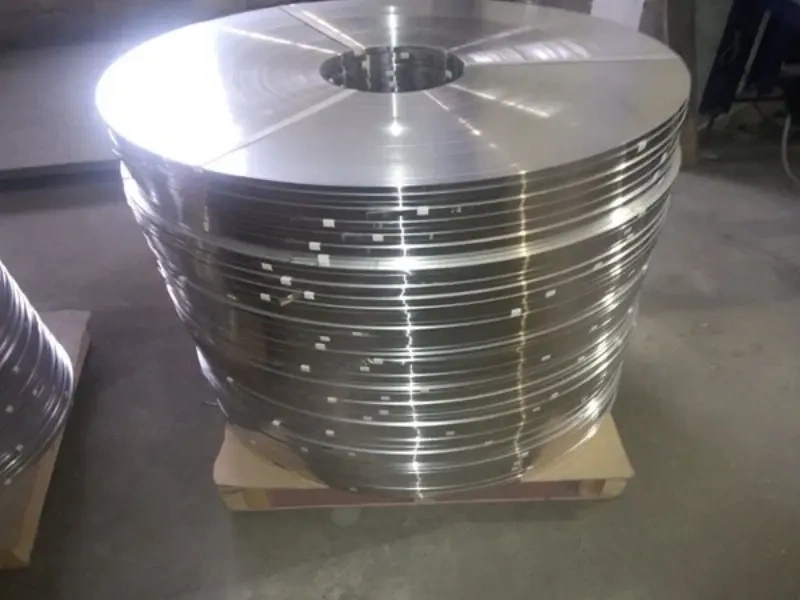
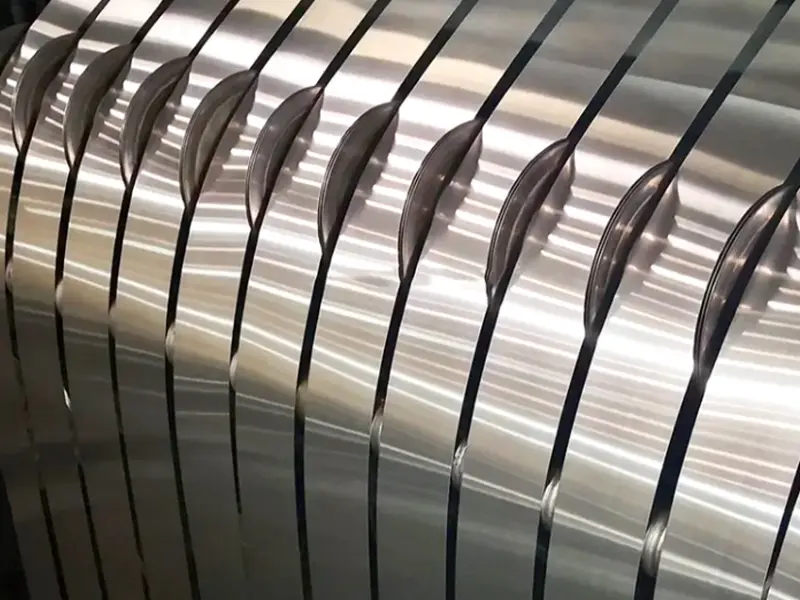
What is aluminium strip for transformer used for?
It is mainly used as a conductor in transformer windings and selected electrical equipment. The strip is wound into a designed coil and used with an appropriate insulation and cooling system.
Which aluminium alloy is best for transformer strip?
High-purity alloys such as 1050 and 1060, as well as electrical conductor alloy 1350, may be suitable when their properties meet the design requirements. The best choice depends on conductivity, strength, winding conditions, and the applicable specification.
What thickness is available for transformer aluminium strip?
Possible thicknesses include approximately 0.2–3.0 mm, depending on the product and manufacturer. The actual thickness should be selected according to the conductor cross-section, current, thermal design, and winding process.
Can aluminium strip be supplied with insulation?
Yes. Depending on supplier capability, aluminium strip may be supplied bare or with paper, polymer film, or another specified insulation system. The insulation must be compatible with the operating temperature and electrical requirements.
What is the difference between bare and insulated aluminium strip?
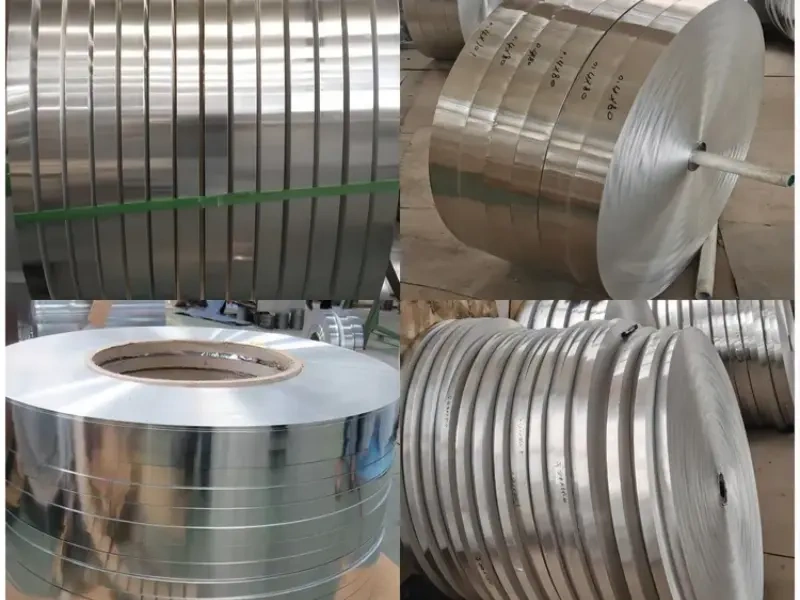
Bare strip has an exposed aluminum surface and may be insulated during winding or assembly. Insulated strip has a factory-applied insulating layer. The choice depends on the winding process and the transformer’s insulation design.
Is aluminium strip cheaper than copper strip?
Aluminum is often less expensive per unit mass, but the final cost comparison depends on market prices, required conductor cross-section, winding space, manufacturing, and connection design. Compare complete transformer designs rather than only the price per kilogram.
Does aluminium strip have lower conductivity than copper?
Yes. Aluminum has lower electrical conductivity by volume than copper. To achieve comparable electrical resistance, an aluminum conductor generally needs a larger cross-sectional area. The required dimensions must be calculated for the specific transformer.
Why is edge quality important for transformer aluminium strip?
Sharp burrs or damaged edges can harm insulation and interfere with winding. Controlled slitting, smooth edges, and agreed burr limits help support consistent manufacturing quality.
What information is needed to order transformer aluminium strip?
Provide the alloy, temper, thickness, width, coil inner diameter, outer diameter, coil weight, edge requirements, surface condition, insulation type, quantity, and delivery destination.
Can transformer aluminium strip be customized?
Yes, many suppliers can offer custom thicknesses, widths, coil sizes, edge conditions, and insulation options. Availability depends on the production line and order requirements.
How should transformer aluminum strip be stored?
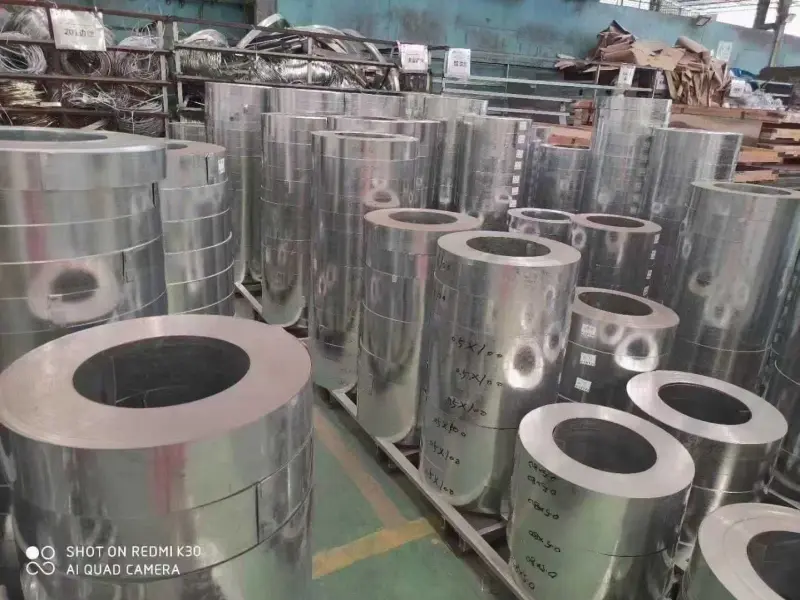
Store it in a dry, clean area and protect it from moisture, condensation, contamination, and edge damage. Insulated strip may need additional protection to maintain the integrity of the insulation layer.
Request a Quotation for Transformer Aluminium Strip
Aluminium strip for transformer windings is available in different alloys, tempers, dimensions, and insulation options. The right product should meet the electrical, mechanical, thermal, and manufacturing requirements of the transformer.
Before requesting a quotation, prepare the following details:
| Required information | Example |
|---|---|
| Product | Aluminium strip for transformer winding |
| Alloy | 1050, 1060, 1350, or another approved grade |
| Temper | O or another specified condition |
| Thickness | For example, 0.5 mm |
| Width | For example, 100 mm |
| Coil inner diameter | According to winding equipment |
| Coil weight | According to handling and machine limits |
| Surface | Clean, smooth, and controlled edge quality |
| Insulation | Bare, paper-covered, or film-insulated |
| Quantity | Number of coils or total weight |
| Application | Distribution, dry-type, or other transformer |
| Documentation | Material and inspection requirements |
The example values are for inquiry preparation only. The final specification must match the transformer design and the supplier’s confirmed production range.
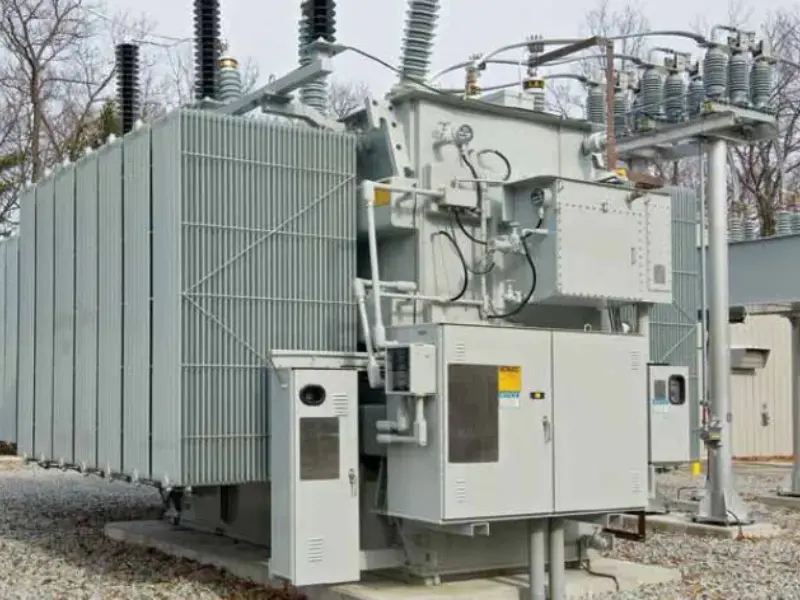
A clear technical inquiry helps the supplier recommend a suitable aluminium strip and provide a more accurate quotation.