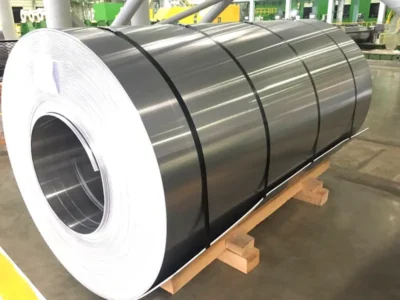
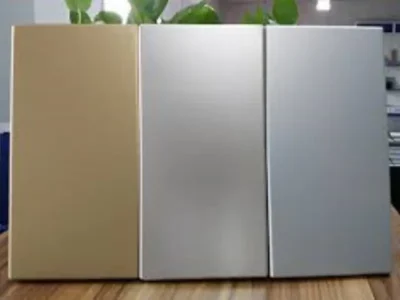
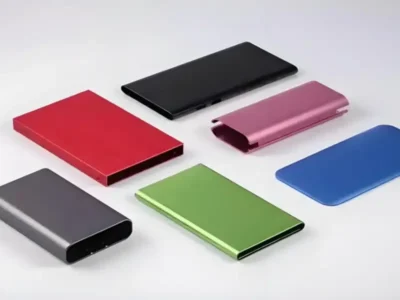
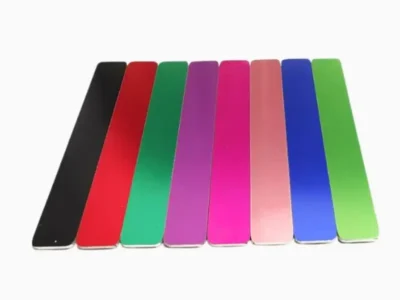
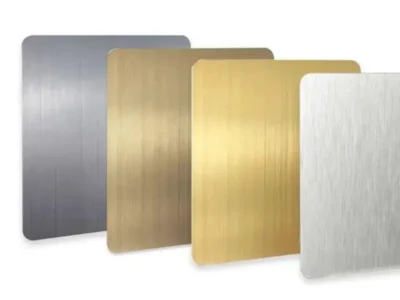
Anodized aluminum sheet is flat aluminum that has gone through an electrochemical process to grow a hard oxide layer on its surface. This layer becomes part of the metal itself, not a coating sitting on top. The result is a sheet that resists corrosion better, holds color well, and has a harder surface than raw mill-finish aluminum.
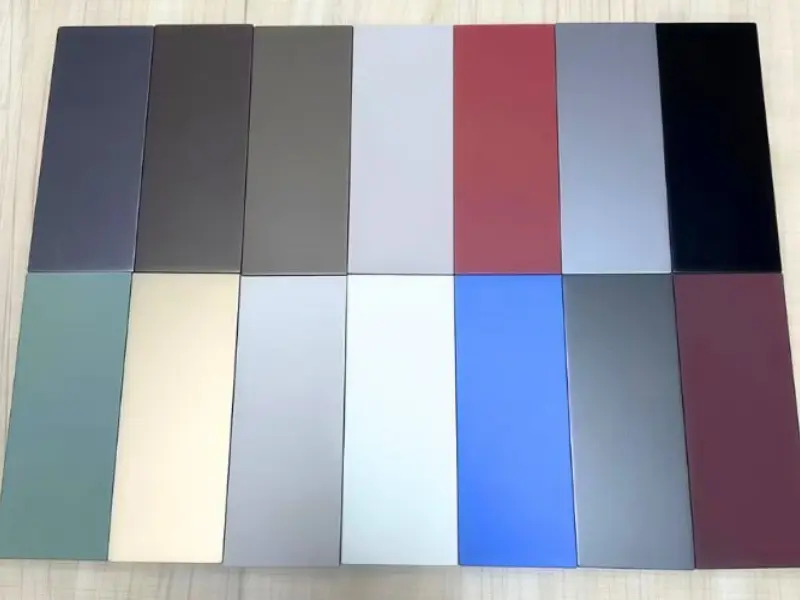
This product is widely used where both looks and durability matter — architectural panels, electronics housings, and outdoor signage all rely on anodized sheet for long-term performance.
Alloy Options: 6061 vs 7075
Anodized aluminum sheet is most commonly produced in two structural alloys, each suited to a different type of project.
| Alloy | Strength Level | Anodize Quality | Best Use |
|---|---|---|---|
| 6061 | Medium-High | Good, slightly grayish tone | General structural, architectural panels |
| 7075 | Highest | Good but less common | Aerospace, high-strength parts |
6061 Anodized Aluminum Sheet
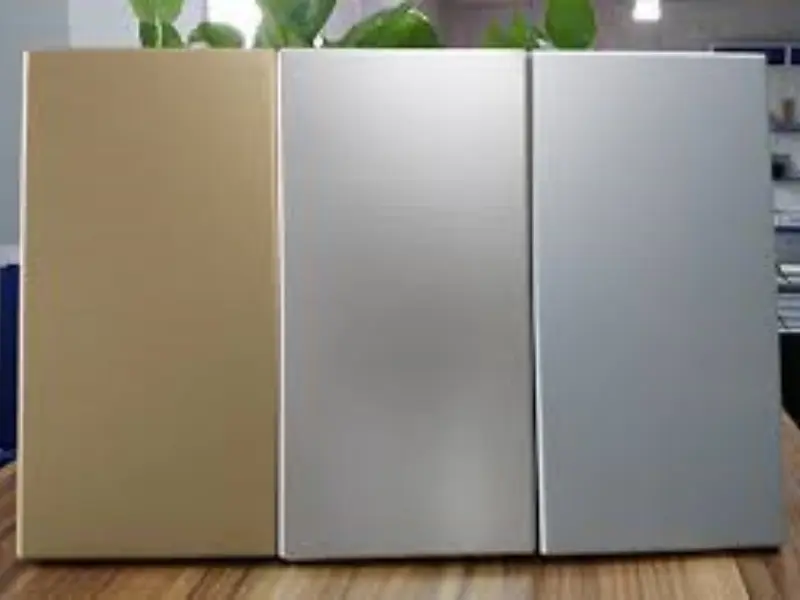
6061 is the more common choice for anodized sheet. It welds well, machines cleanly, and anodizes to a fairly even finish. The tone after anodizing tends to lean slightly gray rather than bright silver, which some buyers prefer for a more industrial look. This alloy fits most architectural, signage, and general fabrication projects.
7075 Anodized Aluminum Sheet
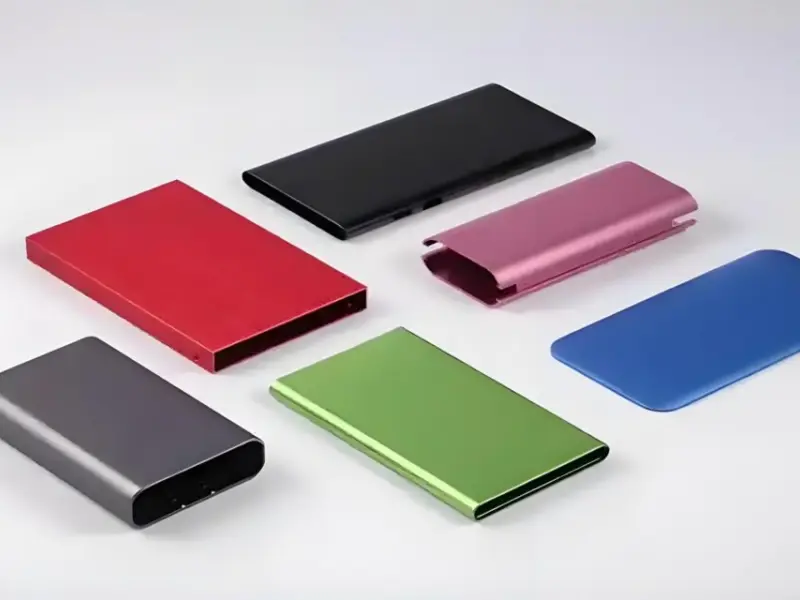
7075 offers much higher strength than 6061, making it the choice for parts under heavy mechanical stress. It can be anodized, though it’s less common to see in sheet form for decorative use. This alloy fits aerospace brackets, high-performance equipment housings, and load-bearing components that also need surface protection.
Anodizing Types and Coating Thickness
| Type | Process | Coating Thickness | Typical Use |
|---|---|---|---|
| Type I | Chromic acid bath | 0.5–2.5 microns | Thin tolerance aerospace parts |
| Type II | Sulfuric acid bath | 5–25 microns | General products, architecture |
| Type III (Hardcoat) | High-voltage sulfuric acid | 25–100 microns | Heavy wear, structural components |
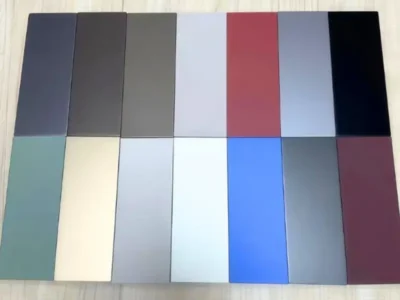
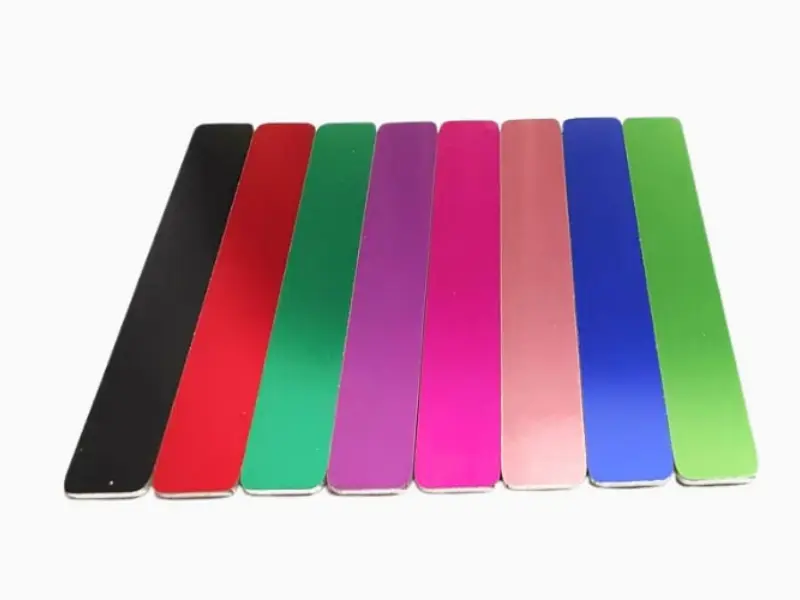
Color Options for Anodized Aluminum Sheet
| Color | Visual Tone | Common Use |
|---|---|---|
| Clear / Natural | Silver, metallic | General architecture, electronics |
| Black | Deep matte or gloss black | Branding, modern facades |
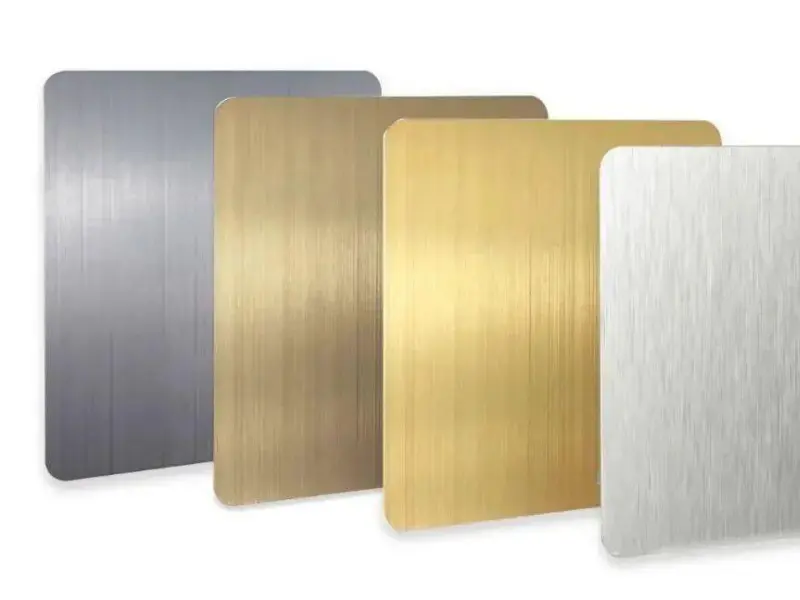
| Gold | Warm metallic gold | Decorative panels, premium signage |
| Bronze | Deep brown-bronze tone | Architectural trim |
| Blue | Cool blue tone | Branding, accent panels |
| Red | Bright or deep red | Safety signage, branding |
Surface Finish Combinations
Anodizing can be applied over different base surface textures, which changes the final look.
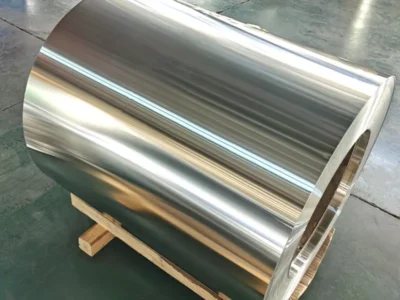
Anodized Mill Finish
The most basic option. The sheet keeps its as-rolled surface, then gets anodized for color and protection. This is the most economical surface combination.
Anodized Brushed Finish
The sheet is brushed first to create fine parallel lines, then anodized. This keeps the brushed texture visible under the color layer, giving a textured but protected look.
Anodized Polished Finish
A polished, mirror-like surface is anodized afterward. This produces a bright, reflective look with added scratch resistance compared to a polished surface without anodizing.
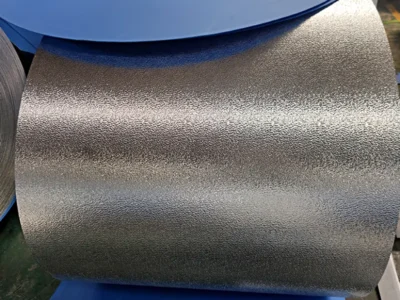
Anodized Embossed Finish
Some sheets carry a textured pattern — like a stucco or wave pattern — pressed into the surface before anodizing. This adds visual depth and can help hide minor surface scratches over time.
Thickness Options and Their Use
| Thickness (mm) | Common Use |
|---|---|
| 0.5–1.0 | Electronics housings, small panels |
| 1.0–2.0 | Signage, interior architectural panels |
| 2.0–4.0 | Exterior facade panels, structural trim |
| 4.0–6.0 | Heavy-duty structural and machine components |
Thinner sheet works well for lightweight panels and casings. Thicker sheet is used where the part also needs to carry mechanical load or resist impact, in addition to the corrosion protection anodizing provides.
Full Technical Specifications
| Parameter | Value |
|---|---|
| Alloy | 6061 / 7075 |
| Temper | T6, T651 |
| Coating Thickness | 5–25 microns (Type II), 25–100 microns (Type III) |
| Sheet Thickness | 0.5–6.0 mm |
| Width | 600–1,600 mm |
| Length | 1,000–4,000 mm |
| Standards | ISO, ASTM B580 |
Product Types by Use Case
Architectural Anodized Panel
Used for building facades, curtain wall systems, and interior cladding. These panels prioritize even color, weather resistance, and a consistent look across large surface areas.
Anodized Signage Sheet
Cut and engraved for storefront signs, directional signage, and branding panels. The anodized layer allows for engraved text that reveals a contrasting color underneath, similar to the effect used on name plates.
Anodized Electronics Casing Sheet
Thinner gauge sheet finished for laptop bodies, audio equipment, and small device housings. Color consistency and a smooth, even surface matter most for this product type.
Hardcoat Anodized Structural Sheet
Thicker plate-style sheet anodized with the Type III process. Used in machine parts, tooling, and components facing constant wear or friction.
Custom Color-Matched Anodized Sheet
Produced for branding projects needing an exact color match across a large production run, such as a company’s signature color used on multiple architectural or retail elements.
Alloy Comparison Table
| Feature | 6061 | 7075 |
|---|---|---|
| Strength | Medium-High | Highest |
| Anodize evenness | Good | Good, less common in sheet |
| Weldability | Excellent | Poor |
| Machinability | Good | Good |
| Cost | Lower | Higher |
| Best application | Architecture, general structural | Aerospace, high-load parts |
For most architectural and general fabrication projects, 6061 offers the better balance of cost, weldability, and anodize quality. For parts needing maximum strength alongside surface protection, 7075 is worth the added cost, though it’s a less common stock item in anodized sheet form.
Is Anodized Aluminum Sheet Corrosion-Resistant?
Yes. Anodizing significantly improves corrosion resistance compared to bare aluminum. The oxide layer formed during anodizing is chemically stable and acts as a barrier against moisture and oxidation. Here’s how it compares:
| Surface | Corrosion Resistance | Notes |
|---|---|---|
| Bare mill finish | Fair | Relies on natural thin oxide layer only |
| Type II anodized | Excellent | Thicker, sealed oxide layer |
| Type III hardcoat anodized | Excellent | Thickest layer, best for harsh environments |
The sealing step after dyeing closes the pores in the oxide layer, locking out moisture and contaminants. This is why anodized sheet holds up well in coastal, humid, or industrial environments where bare aluminum might develop pitting or discoloration over time.
MOQ and Lead Time: What to Expect
Typical Minimum Order Quantity
| Order Type | Typical MOQ |
|---|---|
| Standard color (clear, black) | Lower, often 500 kg–1 ton |
| Custom color match | Higher, often 1–3 tons |
| Custom thickness or width | Higher, mill-dependent |
| Hardcoat (Type III) | Often higher due to processing batch size |
Standard anodized colors usually have a lower MOQ since suppliers run them more frequently. Custom color matching, special thickness, or hardcoat processing often requires a larger minimum to make the production run cost-effective for the supplier.
Typical Lead Time
| Order Type | Typical Lead Time |
|---|---|
| Stock color, stock size | 1–3 weeks |
| Custom color | 3–5 weeks |
| Custom size + custom color | 4–6 weeks |
| Hardcoat anodized | 4–6 weeks |
Lead time depends on whether the supplier already stocks the alloy and base sheet size, or needs to roll and cut new material first. Custom color matching adds time for color sampling and approval before the full production run begins.
Key Properties
- Improved corrosion resistance: oxide layer protects against moisture and oxidation
- Color stability: sealed dye resists fading for years under normal conditions
- Harder surface: resists scratching better than bare aluminum
- Lightweight: stays light despite the added surface treatment
- Non-conductive surface layer: useful in certain electrical applications
- Consistent appearance: even color and finish across large production runs
Application Areas
Architecture & Construction
- Building facade panels
- Curtain wall systems
- Window and door frames
- Interior wall cladding
Electronics & Consumer Goods
- Laptop and device casings
- Audio equipment panels
- Appliance trim
- Camera housings
Signage & Branding
- Storefront signage
- Engraved name plates
- Directional signs
- Corporate branding panels
Industrial & Machine Parts
- Wear-resistant components
- Tooling and fixtures
- Hydraulic and pneumatic parts
- Equipment housings
Thickness vs. Application Quick Reference
| Application | Recommended Thickness | Recommended Alloy |
|---|---|---|
| Electronics casings | 0.5–1.0 mm | 6061 |
| Signage and name plates | 1.0–2.0 mm | 6061 |
| Architectural facade panels | 2.0–4.0 mm | 6061 |
| Heavy structural components | 4.0–6.0 mm | 6061 / 7075 |
| Aerospace and high-load parts | 2.0–6.0 mm | 7075 |
Frequently Asked Questions
Is Anodized Aluminum Sheet Corrosion-Resistant?
Yes. The anodizing process creates a hard, sealed oxide layer that resists moisture, salt air, and general oxidation far better than bare aluminum. This makes it a strong choice for outdoor architecture, coastal installations, and humid environments.
What Is the MOQ for Anodized Aluminum Sheet?
MOQ depends on the color and specification. Standard colors like clear or black usually have a lower minimum, often around 500 kg to 1 ton. Custom color matching or special sizes typically require a higher minimum order, since each run involves extra setup and quality checks.
How Long Is the Lead Time for Custom Color Anodized Sheet?
Custom color orders typically take 3 to 5 weeks, factoring in color sample approval and the full anodizing production run. Stock colors in stock sizes ship much faster, often within 1 to 3 weeks.
Can 7075 Aluminum Be Anodized the Same Way as 6061?
Yes, 7075 can go through the same anodizing process as 6061. It’s just less commonly stocked in anodized sheet form since 7075 is more often used in machined or extruded parts rather than flat sheet. The anodized result on 7075 is generally good but may show a slightly different tone than 6061 due to the alloy’s different composition.
Does Anodized Aluminum Sheet Need Extra Maintenance?
Not much. A simple wipe-down with mild soap and water keeps the surface looking clean. Avoid abrasive cleaners or scrubbing pads, since these can dull the anodized layer over time, especially on darker colors where scratches show more easily.
What’s the Difference Between Type II and Type III Anodizing?
Type II uses a standard sulfuric acid process and produces a moderate coating thickness, suitable for most general and architectural uses. Type III, or hardcoat anodizing, uses higher voltage and produces a much thicker, harder layer, built for parts facing heavy wear or mechanical stress.
Can I Get a Custom Color to Match My Brand?
Yes. Most suppliers offer custom color matching for anodized sheet, though this usually comes with a higher MOQ and longer lead time than stock colors. Color sampling and approval typically happens before the full production batch is processed.
Is Anodized Sheet More Expensive Than Mill Finish Sheet?
Yes, anodized sheet costs more due to the added chemical processing steps — cleaning, anodizing, dyeing, and sealing. The price increase is usually justified by the added corrosion resistance, color stability, and improved surface hardness compared to plain mill-finish sheet.
What Thickness Should I Choose for Outdoor Architectural Panels?
For most exterior facade and cladding applications, 2.0 to 4.0 mm thickness offers a good balance of rigidity and weight. Larger panels or high-wind areas may call for thicker material to prevent flexing or warping over time.
Title: Anodized Aluminum Sheet — Alloy 6061/7075 | Color Options, Surface Finish & MOQ
Description: Anodized aluminum sheet in alloy 6061 and 7075. Multiple color options, Type II and Type III hardcoat anodizing available. Corrosion-resistant, MOQ and lead time information included. Ideal for architecture, signage, and electronics.
Keywords: anodized aluminum sheet, anodized aluminum sheet price, 6061 anodized aluminum, 7075 anodized aluminum, anodized aluminum sheet colors, anodized aluminum corrosion resistance, anodized aluminum sheet MOQ, anodized aluminum sheet supplier, hardcoat anodized aluminum sheet, anodized aluminum sheet lead time