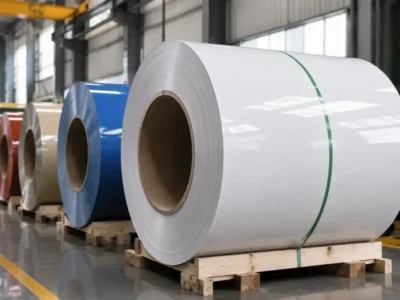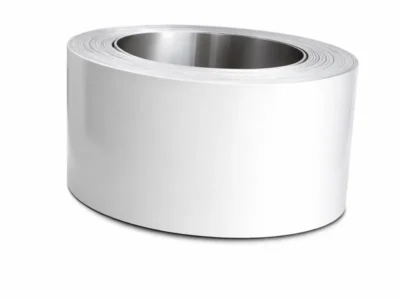
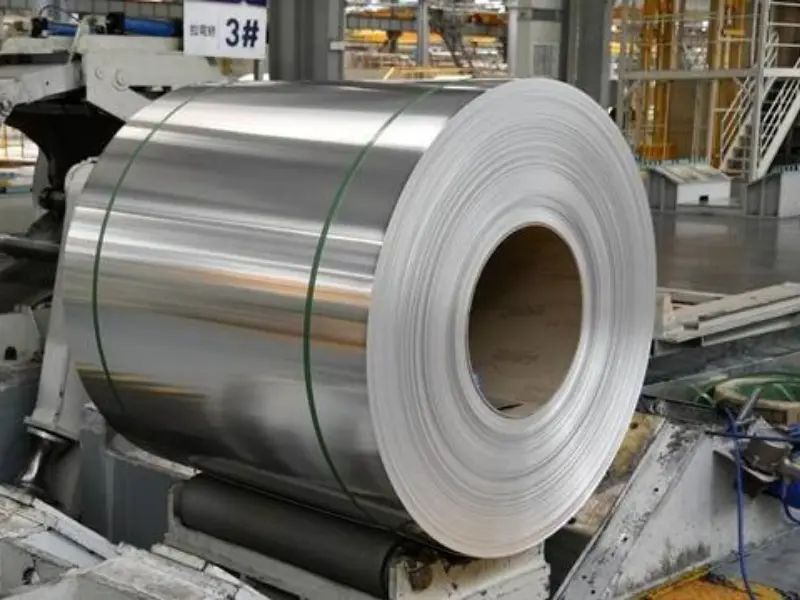
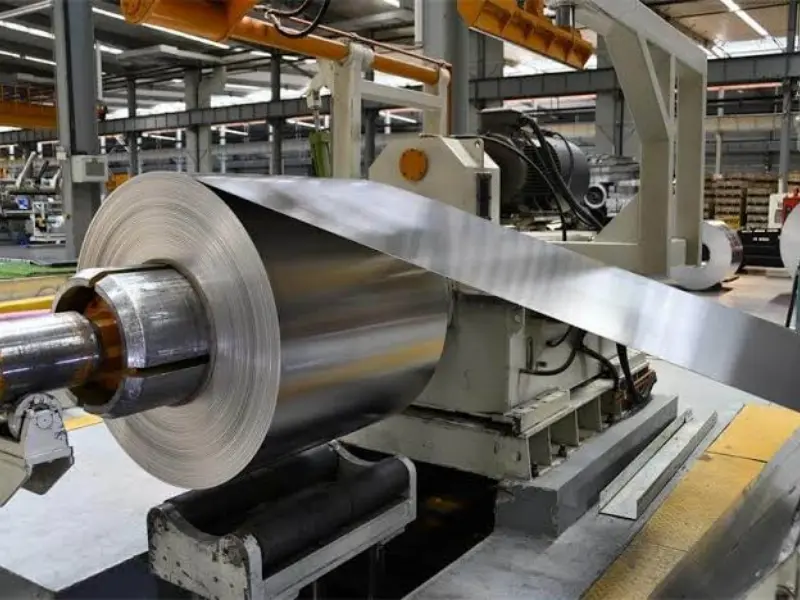
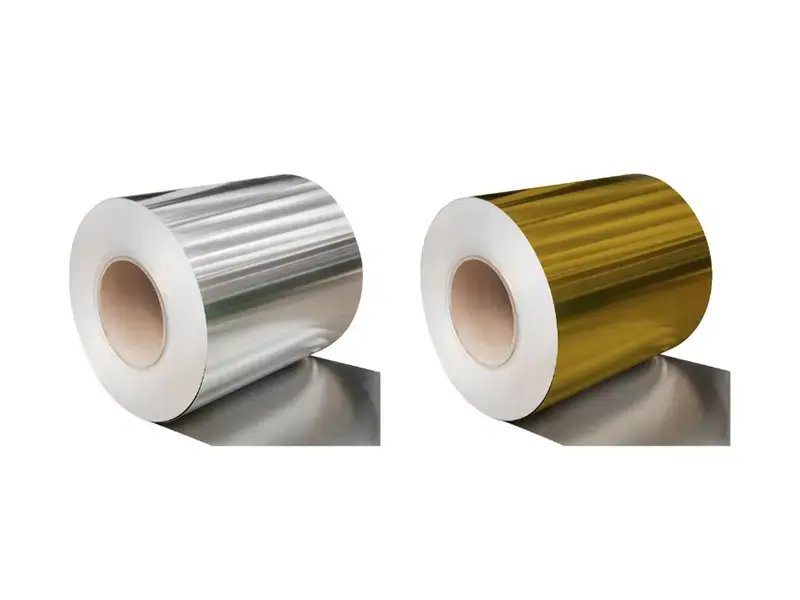
An aluminium coil is a continuous roll of flat-rolled aluminium. Unlike sheets that come in cut-to-size panels, coils stay in roll form until a fabricator slits or cuts them to width. This format makes aluminium coil the go-to choice for mass production lines, continuous processing equipment, and large-scale manufacturing.
Technical design
| Item | Description |
|---|---|
| Product Name | Aluminium Coil |
| Material | Aluminum Alloy |
| Main Alloys | 1050 / 1060 / 3003 / 3105 / 5052 |
| Temper Range | O / H14 / H16 / H18 / H24 / H26 / H32 |
| Thickness Range | 0.02mm – 6.0mm |
| Width Range | 100mm – 2000mm |
| Coil ID | 75mm / 152mm / 300mm / 505mm |
| Surface Options | Mill Finish / Coated / Embossed / Brushed / Anodized |
| Processing | Slitting / Cutting / Rolling / Coating |
| Packaging | Export standard seaworthy packing |
| Application Fields | Construction, Packaging, Transportation, Electrical, Industrial |
| Quality Standard | EN 573 / ASTM B209 / GB/T 3880 |
Why Factories Choose Coil Over Sheet
- Lower per-unit cost for high-volume orders
- Continuous feeding into automated production lines
- Less scrap waste compared to cutting from individual sheets
- Easier to store and transport in bulk
How Aluminium Coils Are Made
From Ingot to Finished Coil
| Stage | What Happens | Purpose |
|---|---|---|
| Melting & Casting | Aluminium ingots melt at 660°C and cast into rolling slabs | Creates uniform starting material |
| Hot Rolling | Slabs pass through hot mills at 400–500°C | Reduces thickness to 2–6 mm, improves grain structure |
| Cold Rolling | Strip passes through cold mills at room temperature | Achieves precise final thickness, increases strength |
| Annealing | Heat treatment softens or hardens the metal | Adjusts temper for specific applications |
| Finishing | Slitting, cutting, surface treatment, protective film | Prepares coil for end use |
What “Temper” Means
Temper describes how hard or soft the aluminium is. It comes from the heat treatment and rolling process. Here are the most common tempers you will see:
| Temper | Hardness | Best For |
|---|---|---|
| O (Annealed) | Very soft | Deep drawing, complex forming |
| H12 / H22 | Quarter-hard | General forming, moderate strength |
| H14 / H24 | Half-hard | Most popular balance of strength and workability |
| H16 / H26 | Three-quarter-hard | Higher strength, less formability |
| H18 / H28 | Full-hard | Maximum strength, minimal forming |
| T6 | Heat-treated, very hard | Structural parts, heavy loads |
Types of Aluminium Coil You Can Buy
Mill Finish Aluminium Coil
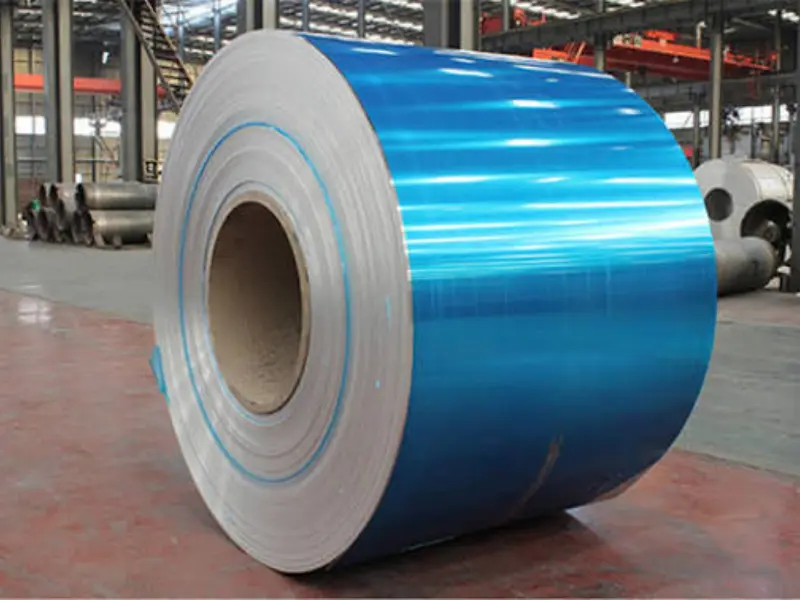
This is the raw, as-rolled surface. It has a natural silver-grey look with slight roller marks. Mill finish is the cheapest option and works fine when the coil will be painted, coated, or hidden from view. Most structural and industrial applications use mill finish.
Color Coated Aluminium Coil
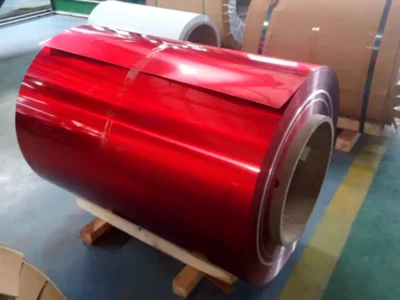
These coils carry a paint layer on one or both sides. Two coating types dominate the market:
| Coating Type | Thickness | Durability | Best For |
|---|---|---|---|
| PE (Polyester) | 16–25 microns | 10–15 years outdoors | Interior, short-term exterior, budget projects |
| PVDF (Fluorocarbon) | 25–40 microns | 20–25 years outdoors | Roofing, facades, harsh environments |
PVDF costs more but resists UV fading, chalking, and chemical exposure far better than PE. For coastal buildings or industrial zones, PVDF is worth the premium.
Anodized Aluminium Coil
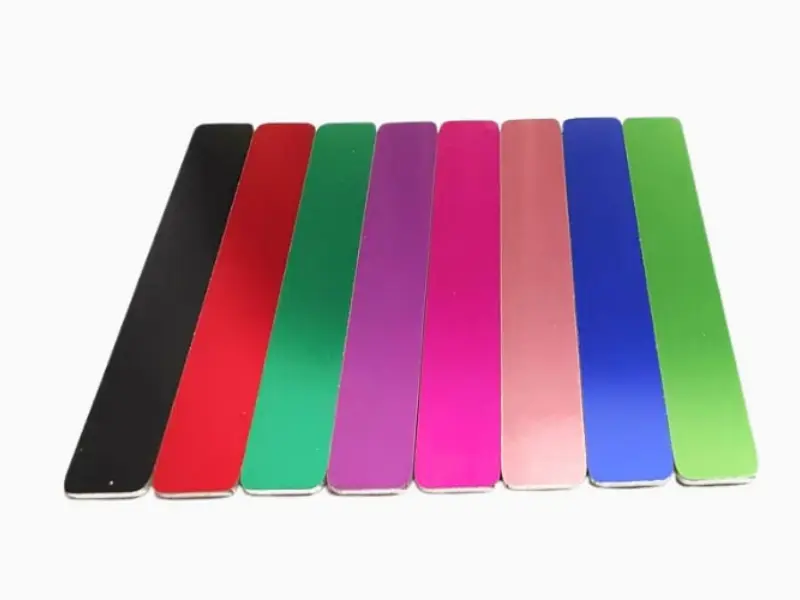
Anodizing thickens the natural oxide layer through an electrochemical process. The result is a hard, wear-resistant surface that will not peel or chip. Anodized coils come in clear, bronze, black, gold, and custom colors. They are standard for high-end architectural trim, electronics housings, and decorative panels.
Embossed Aluminium Coil
The surface gets pressed with a pattern during rolling. Common patterns include:
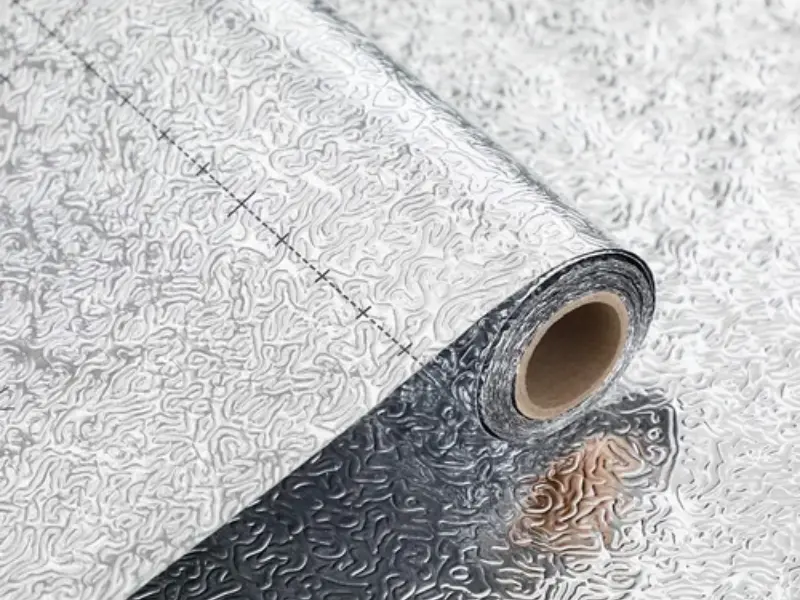
Stucco (orange peel) — hides scratches, improves rigidity, used for insulation cladding
Diamond — anti-slip flooring, tool boxes, decorative panels
Cobblestone / wood grain — aesthetic wall panels, furniture facing
Embossing adds stiffness without adding weight. A 0.5 mm embossed coil can match the rigidity of a 0.8 mm flat coil.
Aluminium Foil Coil
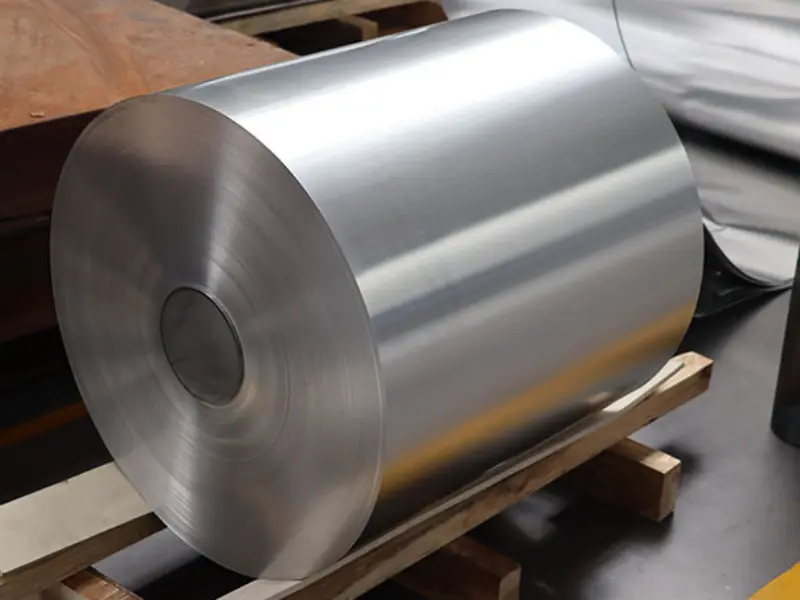
Ultra-thin gauges from 0.006 mm to 0.2 mm. These coils feed into food packaging lines, pharmaceutical blister packs, cable wrapping, and heat exchanger fins. The 8011 and 1235 alloys are standard for foil applications.
Slitting Aluminium Coil
Master coils get slit into narrow strips. Common slit widths range from 20 mm to 600 mm. Slit coils serve the automotive trim, shutter door, gutter, and electronics industries where precise width matters.
Alloy Guide: Which Grade Fits Your Job?
1000 Series — Pure Aluminium
| Grade | Purity | Key Trait | Typical Use |
|---|---|---|---|
| 1050 | 99.5% Al | High conductivity | Electrical components, reflectors |
| 1060 | 99.6% Al | Excellent formability | Cooking utensils, chemical equipment |
| 1100 | 99.0% Al | Good workability | General fabrication, signage |
These grades are soft, easy to form, and highly corrosion-resistant. They are not structural alloys. Use them when conductivity, formability, or chemical resistance matters more than strength.
3000 Series — Manganese Alloys
| Grade | Strength vs 1050 | Special Feature | Typical Use |
|---|---|---|---|
| 3003 | 20% stronger | Most versatile, best value | Roofing, gutters, HVAC, general sheet metal |
| 3105 | Similar to 3003 | Better paint adhesion | Pre-painted roofing, building panels |
| 3004 | Slightly stronger | Better deep draw | Beverage can bodies, lamp bases |
3003 is the single most popular aluminium coil alloy worldwide. It offers the best balance of cost, strength, and workability for everyday applications.
5000 Series — Magnesium Alloys
| Grade | Strength | Corrosion Resistance | Typical Use |
|---|---|---|---|
| 5052 | High | Excellent (marine grade) | Boat hulls, fuel tanks, pressure vessels |
| 5083 | Very high | Superior (saltwater) | Shipbuilding, offshore platforms, heavy transport |
| 5005 | Medium | Good | Architectural anodizing, curtain walls |
| 5754 | High | Good | Automotive panels, structural parts |
5052 is the standard for marine and transportation. It welds cleanly and resists saltwater corrosion without additional coating. 5083 goes a step further for heavy-duty marine structures.
6000 Series — Heat-Treatable Alloys
| Grade | Strength | Heat Treatment | Typical Use |
|---|---|---|---|
| 6061 | Very high | T6 temper | Structural frames, machinery, aerospace parts |
| 6063 | Medium | T5 / T6 temper | Extrusion, architectural profiles, window frames |
6061-T6 delivers yield strength comparable to mild steel at one-third the weight. It machines well but requires care during welding to preserve the T6 temper.
Quick Alloy Selector
| Your Need | Best Choice | Why |
|---|---|---|
| Lowest cost, general use | 3003-H14 | Best value, easy to work |
| Marine / coastal | 5052-H32 | Saltwater proof, strong welds |
| Structural load-bearing | 6061-T6 | Maximum strength, rigid |
| Deep drawing / forming | 1050-O or 3003-O | Softest, most formable |
| Pre-painted roofing | 3105-H24 | Holds paint, weatherproof |
| Food packaging foil | 8011-O | Safe, pure, thin gauge |
Specifications at a Glance
Thickness Range
| Category | Thickness | Common Uses |
|---|---|---|
| Ultra-thin foil | 0.006 – 0.1 mm | Food wrap, pharma packs, cable shielding |
| Thin gauge | 0.1 – 0.5 mm | Fin stock, insulation facing, decorative trim |
| Standard gauge | 0.5 – 3.0 mm | Roofing, cladding, automotive panels, gutters |
| Heavy gauge | 3.0 – 10.0 mm | Structural parts, heavy machinery, marine hulls |
| Plate gauge | 10.0 mm+ | Mold bases, armor, heavy industrial platforms |
Width Options
| Width | Typical Application |
|---|---|
| 20–100 mm | Slit strips, shutter doors, edge trim |
| 200–600 mm | Gutter coils, small panels, automotive trim |
| 800–1250 mm | Standard roofing, wall cladding, general fabrication |
| 1500–2200 mm | Wide roofing, large facade panels, jumbo coils |
Coil Weight Options
| Type | Weight Range | Best For |
|---|---|---|
| Small coils | 200–500 kg | Sample orders, small fabricators, just-in-time delivery |
| Standard coils | 2–4 tons | Regular production runs, most export orders |
| Jumbo coils | 5–10 tons | High-volume manufacturers, continuous processing lines |
Where Aluminium Coil Gets Used
Construction
- Roofing systems (standing seam, corrugated, shingle-style)
- Wall cladding and curtain walls
- Soffits, fascia, and gutter systems
- Aluminum composite panel (ACP) manufacturing
- Ceiling tiles and suspended grid systems
Transportation
- Truck body panels and trailer siding
- Bus and rail car exterior skins
- Automotive heat shields and trim
- Fuel tanks and liquid containers
- Ship hulls and deck plating
Packaging
- Food container foil (8011 alloy)
- Pharmaceutical blister packs
- Beverage can stock (3104, 3004)
- Flexible packaging laminates
- Caps and closures
HVAC and Thermal
- Air conditioning fin stock
- Heat exchanger coils
- Ductwork and ventilation systems
- Insulation jacketing (embossed stucco)
- Refrigeration equipment
Electrical
- Transformer winding strips
- Cable wrapping and shielding
- Busbar and conductive components
- LED heat sink substrates
Decoration and Signage
- Channel letter coil (slit to precise width)
- Advertising panel substrates
- Interior wall and ceiling panels
- Furniture and appliance trim
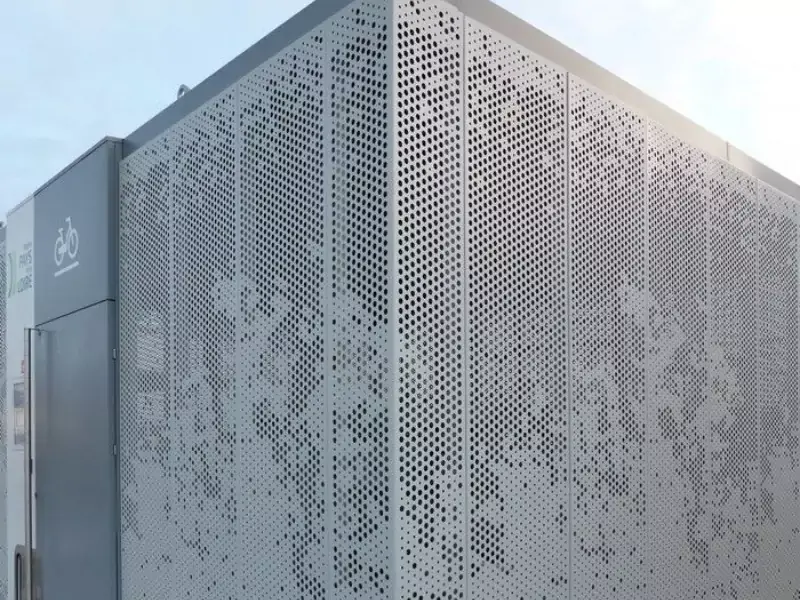
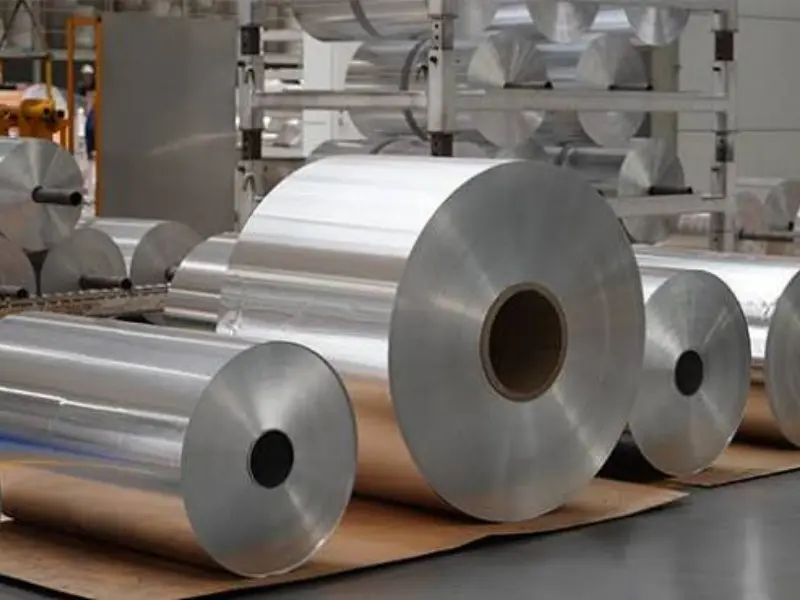
Surface Finishes Compared
| Finish | Look | Durability | Cost Level | Best Application |
|---|---|---|---|---|
| Mill finish | Natural silver, slight roller marks | Basic | $ | Hidden structural, parts to be painted |
| Brushed | Satin directional lines | Moderate | $$ | Appliances, interior trim, electronics |
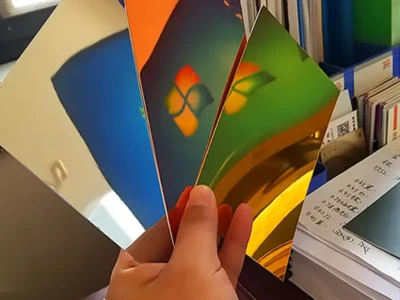
| Mirror polished | Highly reflective, 80%+ reflectivity | Moderate (scratches show) | $$$ | Lighting reflectors, decorative mirrors |
| Embossed stucco | Dimpled orange peel texture | Good (hides damage) | $$ | Insulation cladding, roofing |
| PE painted | Gloss or matte color | 10–15 years | $$ | Interior, short-term exterior |
| PVDF painted | Gloss or matte color | 20–25 years | $$$ | Roofing, facades, coastal buildings |
| Anodized | Hard metallic color layer | Excellent (20+ years) | $$$ | Architectural trim, high-end electronics |
Price Guide: What to Expect in 2026
Price by Alloy (FOB China, per metric ton)
| Alloy Series | Price Range (USD/ton) | Price per kg | Notes |
|---|---|---|---|
| 1000 series | $1,900 – $2,300 | ~$2.10–$2.50 | Lowest cost, high purity |
| 3000 series | $2,100 – $2,700 | ~$2.30–$2.90 | Most popular, best value |
| 5000 series | $2,350 – $2,800 | ~$2.50–$3.10 | Marine grade, premium alloy |
| 6000 series | $2,800 – $3,400 | ~$3.00–$3.50 | Heat-treated, structural |
What Moves the Price
| Factor | Impact on Cost |
|---|---|
| LME aluminium ingot price | Base metal cost = 60–70% of final price |
| Alloy type | Magnesium and copper alloys cost more than pure aluminium |
| Thickness | Thinner gauges need more rolling passes, raising processing cost |
| Width | Wide coils (>1500 mm) require specialized mills |
| Surface treatment | PVDF adds 20–30%, anodizing adds 15–25% |
| Order quantity | Full container loads (FCL) get 10–20% better pricing than LCL |
| Shipping distance | Sea freight to Europe/USA adds $150–$400 per ton |
Factory Price vs. Market Price
Factory-direct pricing from Chinese mills runs 30–50% below distributor pricing in North America and Europe. The trade-off is longer lead times (3–6 weeks by sea) and the need to manage import logistics. For orders above 5 tons, factory-direct sourcing almost always wins on total cost.
Aluminium Coil vs. Aluminium Sheet
| Feature | Aluminium Coil | Aluminium Sheet |
|---|---|---|
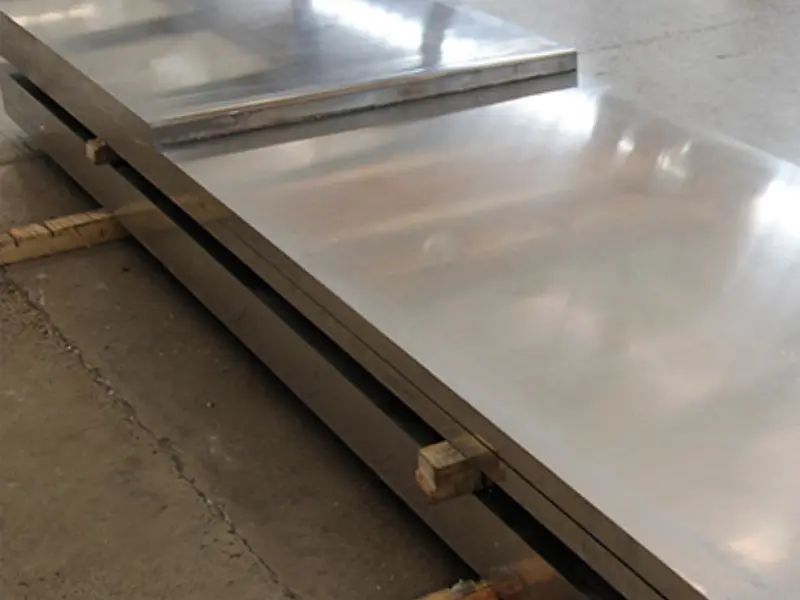
| Form | Continuous roll | Flat cut panels |
| Best order size | High volume (2+ tons) | Small to medium batches |
| Production method | Continuous rolling | Cut from coil or plate |
| Cost per kg | Lower for bulk orders | Higher per-unit cost |
| Storage | Compact, stackable | Requires more floor space |
| Processing | Needs slitting/unwinding | Ready to use, no setup |
| Typical use | Mass production, automated lines | Custom fabrication, one-off jobs |
When to Choose Coil
- You run continuous production lines
- You need consistent width and thickness across thousands of meters
- You want the lowest per-kilogram price
- You have slitting or cut-to-length equipment in-house
When to Choose Sheet
- You need specific panel sizes without slitting setup
- Your order volume is small (under 500 kg)
- You do custom fabrication with varied dimensions
- You lack coil handling and processing equipment
How to Pick the Right Coil for Your Project
Step 1: Match the Alloy to the Environment
- Indoor, dry climate → 3003 or 1050
- Coastal or marine → 5052 or 5083
- Structural load → 6061-T6
- Food contact → 8011 or 1050 (food-grade certified)
Step 2: Pick the Right Thickness
Use the minimum thickness that meets your structural needs. Over-specifying wastes money and adds weight. A 1.2 mm 5052 coil often outperforms a 2.0 mm 3003 coil in outdoor applications.
Step 3: Choose Surface Finish Based on Exposure
- Hidden or painted parts → Mill finish
- Exterior building skin → PVDF or anodized
- Decorative interior → Brushed or mirror
- Insulation cladding → Embossed stucco
Step 4: Verify Quality Before You Order
| Check | What to Ask For |
|---|---|
| Chemical composition | Mill test certificate (MTC) with alloy breakdown |
| Thickness tolerance | Compliance with ASTM B209 or EN 485 |
| Mechanical properties | Tensile strength, yield strength, elongation % |
| Surface quality | No scratches, oil stains, or color variation |
| Certifications | ISO 9001, SGS inspection report, RoHS compliance |
Buying from China: What Importers Need to Know
Why Chinese Suppliers Lead the Market
- Price advantage: Direct mill pricing, no distributor markup
- Scale: Annual production capacity in the millions of tons
- Range: Every alloy, temper, thickness, and finish available
- Export experience: Established shipping routes to all major ports
How to Vet a Supplier
| Check | Red Flag | Green Flag |
|---|---|---|
| Factory age | Less than 3 years in business | 10+ years, established export record |
| Equipment | Outdated mills | Modern cold rolling lines, continuous annealing |
| Certifications | No ISO or test reports | ISO 9001, ASTM/EN compliance, SGS reports |
| Sample quality | Scratches, thickness variation, poor packaging | Clean surface, accurate specs, professional packing |
| Communication | Vague answers, no technical data | Detailed specs, fast response, engineering support |
The Import Process
- Send inquiry with exact specs (alloy, temper, thickness, width, quantity)
- Receive quotation with FOB price, lead time, and payment terms
- Request samples for quality verification
- Place order with 30% deposit, 70% against B/L copy
- Arrange pre-shipment inspection (optional but recommended)
- Supplier ships, you receive B/L and clear customs
- Goods arrive, inspect, release final payment
Packaging and Shipping
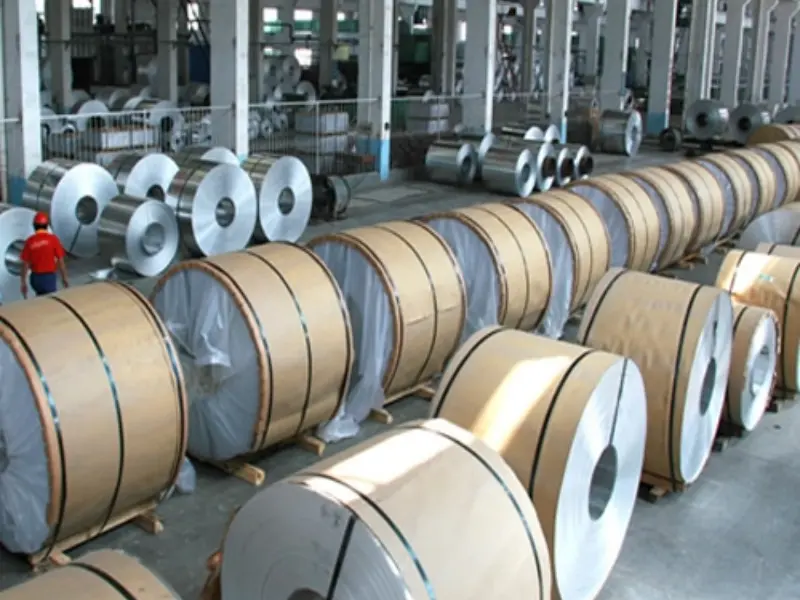
Standard Export Packaging
| Layer | Purpose |
|---|---|
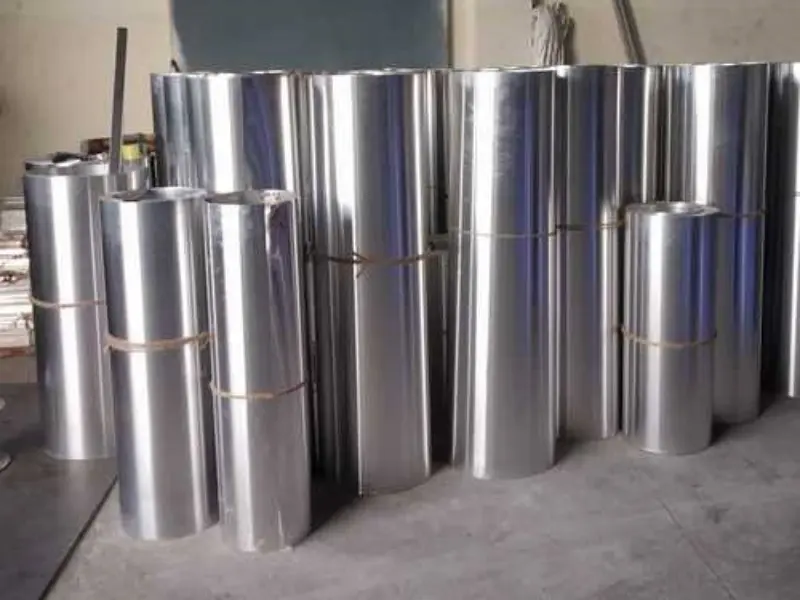
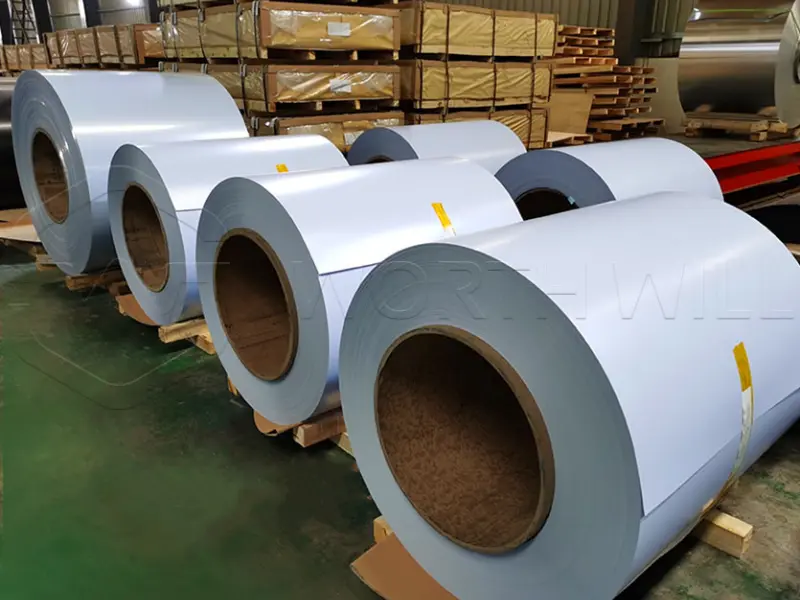
| Protective film (PE or PVC) | Prevents surface scratches during handling |
| Waterproof paper wrap | Blocks moisture during sea transit |
| Wooden pallet with steel strapping | Secure stacking, forklift access |
| VCI (volatile corrosion inhibitor) film | Extra rust protection for long voyages |
Coil Orientation in Container
| Method | Description | Best For |
|---|---|---|
| Eye to wall | Coil stands on edge, eye facing container wall | Standard coils, stable transport |
| Eye to sky | Coil lies flat, eye facing up | Heavy jumbo coils, reduced shifting |
| Mixed loading | Combination of both for space optimization | Full container loads with varied sizes |
Shipping Methods
| Method | Transit Time | Cost | When to Use |
|---|---|---|---|
| Sea freight (FCL) | 15–40 days | Lowest per ton | Orders above 2 tons |
| Sea freight (LCL) | 20–50 days | Medium | Orders below 2 tons |
| Air freight | 3–7 days | Very high | Urgent samples only |
Common Problems and How to Avoid Them
| Problem | Cause | Prevention |
|---|---|---|
| Surface scratches | Rough handling, missing protective film | Insist on double-sided film; inspect on arrival |
| Thickness out of tolerance | Poor mill calibration | Specify ASTM B209 tolerance; measure random samples |
| Color mismatch in coated coils | Batch variation, poor paint control | Order full quantity from single batch; approve color sample first |
| Wrong alloy delivered | Supplier error or mislabeling | Verify MTC chemical composition on arrival |
| Packaging damage in transit | Insufficient pallet support | Require fumigated hardwood pallets, proper blocking |
| Edge waves or camber | Improper tension during rolling | Specify flatness requirements; reject out-of-spec coils |
Frequently Asked Questions
What is aluminium coil used for?
Aluminium coil feeds into manufacturing lines for roofing, cladding, automotive panels, food packaging, HVAC fins, electrical components, and decorative trim. Its continuous roll format makes it ideal for high-volume, automated production.
What is the most popular aluminium coil alloy?
3003-H14 is the most widely used alloy. It balances cost, strength, corrosion resistance, and workability better than any other grade for general-purpose applications.
What thicknesses are available?
Standard production covers 0.006 mm (foil) up to 10 mm (heavy plate). The most common commercial range is 0.2 mm to 6.0 mm.
Can aluminium coils be customized?
Yes. Mills can adjust alloy, temper, thickness, width, surface finish, and coil weight to your specs. Minimum order quantities typically start at 1–3 tons for custom runs.
How long does aluminium coil last outdoors?
Mill finish aluminium lasts 15–20 years in normal atmospheres. PVDF-coated or anodized coils last 20–25 years. In coastal areas, 5052 or 5083 alloy extends life by resisting saltwater corrosion.
Where can I buy aluminium coil wholesale?
China is the largest global producer. Factory-direct suppliers offer the best pricing for bulk orders. Look for ISO-certified mills with export experience and the ability to provide mill test certificates and third-party inspection reports.
What is the difference between H14 and H24 temper?
Both are half-hard, but H14 is strain-hardened only, while H24 is strain-hardened and partially annealed. H24 offers slightly better formability with similar strength. Most buyers use H14 and H24 interchangeably for general fabrication.
Is aluminium coil recyclable?
Yes. Aluminium is 100% recyclable without quality loss. Scrap coil can be remelted and reused, making it one of the most sustainable industrial metals.
Aluminium Coil of Modern Manufacturing
Aluminium coil is the backbone of modern manufacturing. Its continuous roll format, alloy versatility, and surface finish options make it indispensable across construction, transportation, packaging, and electrical industries.
For buyers, the key is matching the right alloy and temper to the application. 3003-H14 handles 80% of general jobs. 5052-H32 takes over where saltwater and fatigue resistance matter. 6061-T6 steps in for structural loads. Surface finishes from mill to PVDF to anodized extend the material’s life and appearance.
Sourcing factory-direct from China unlocks significant cost savings for orders above 2 tons. The combination of competitive pricing, full alloy range, and established export infrastructure makes Chinese mills the preferred supplier for global buyers.