
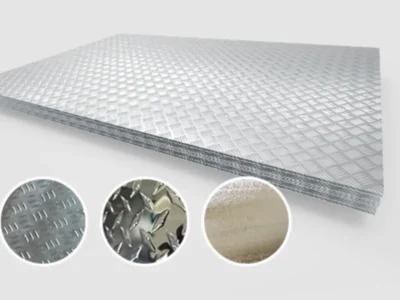
What Is 6101 Aluminum Sheet?
6101 aluminum sheet is an aluminum-magnesium-silicon alloy designed for applications that require a combination of electrical conductivity, moderate strength, and good corrosion resistance.
Compared with pure aluminum alloys, 6101 offers improved mechanical properties while maintaining excellent conductivity. It is widely used in electrical systems, busbars, conductors, power distribution equipment, and structural applications where both strength and conductivity are important.
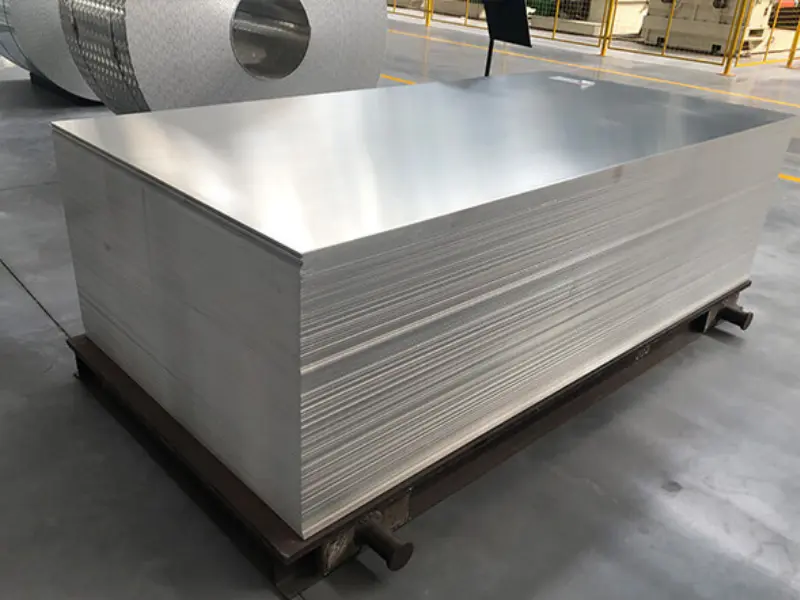
Main Features of 6101 Aluminum Sheet
6101 Aluminum Sheet
High electrical conductivity
Suitable for power distribution components.
Good corrosion resistance
Performs well in outdoor and industrial environments.
Excellent formability
Can be fabricated into various shapes and components.
Moderate mechanical strength
Stronger than many high-purity aluminum grades.
Lightweight material
Reduces overall equipment weight.
Typical Applications
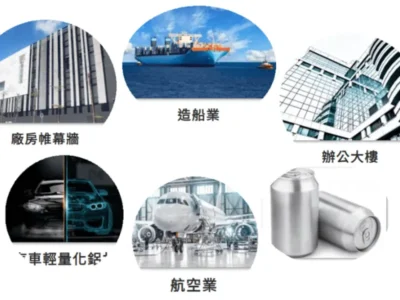
6101 aluminum sheet is commonly used in industries where electrical performance and structural integrity are both required.
Industrial Structures
Applied in lightweight structural parts that require conductivity.
Renewable Energy Systems
Used in solar and energy storage equipment where electrical performance matters.

Available Tempers
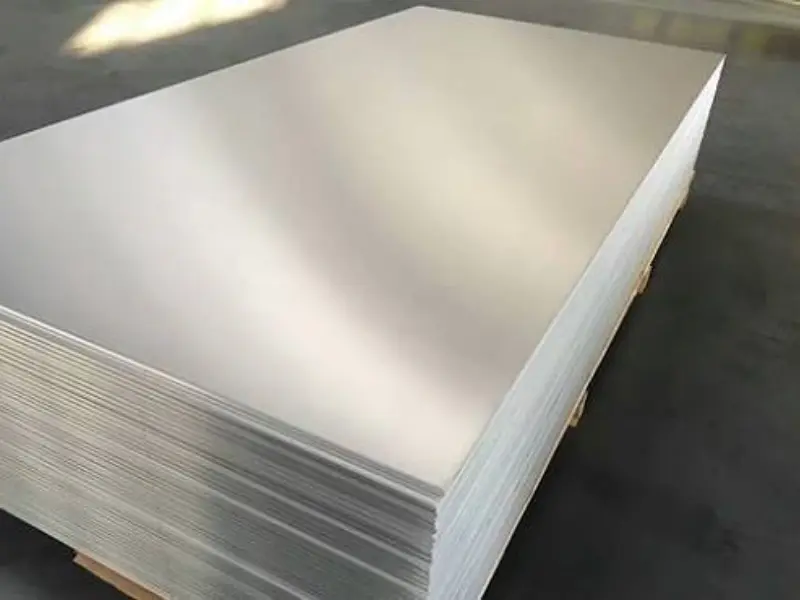
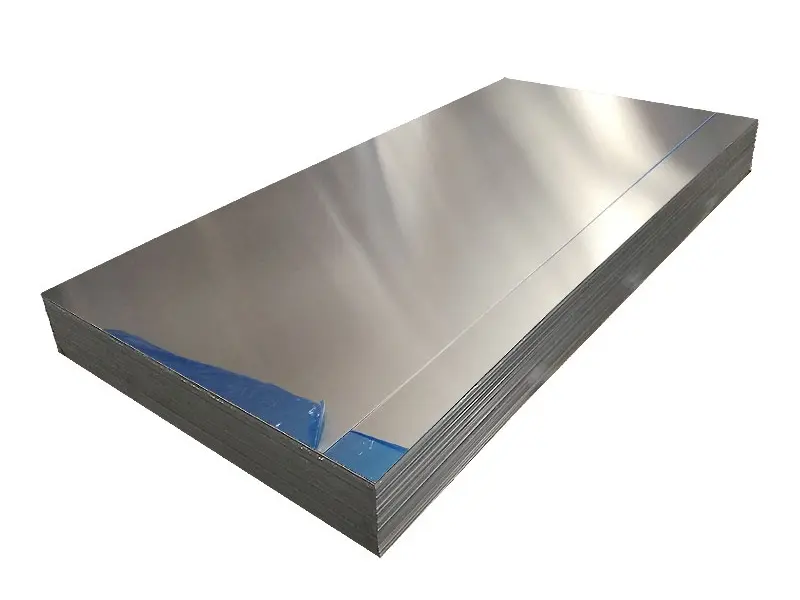
6101 aluminum sheet is available in several tempers depending on the required balance of strength and conductivity.
| Temper | Description |
|---|---|
| O | Annealed, maximum ductility |
| T4 | Solution heat-treated and naturally aged |
| T6 | Solution heat-treated and artificially aged |
| T61 | Controlled strength and conductivity balance |
The T6 temper is often selected for applications requiring higher strength, while O temper is preferred for forming operations.
Standard Thickness Range
6101 aluminum sheets can be supplied in various thicknesses for different industries.
| Thickness | Typical Use |
|---|---|
| 0.5 mm | Light electrical components |
| 1.0 mm | Conductive panels |
| 2.0 mm | Busbar fabrication |
| 3.0 mm | Industrial electrical systems |
| 5.0 mm | Heavy-duty conductive structures |
| 10.0 mm | Power distribution equipment |
Common Sheet Sizes
| Size | Unit |
|---|---|
| 1000 × 2000 | mm |
| 1220 × 2440 | mm |
| 1250 × 2500 | mm |
| 1500 × 3000 | mm |
Custom dimensions are available for project requirements.
6101 Aluminum vs Other Alloys
6101 vs 6061 Aluminum
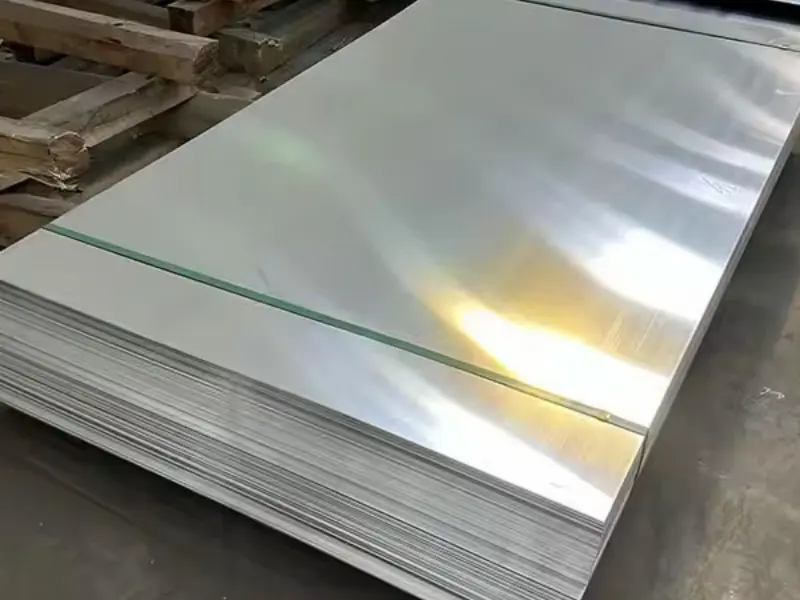
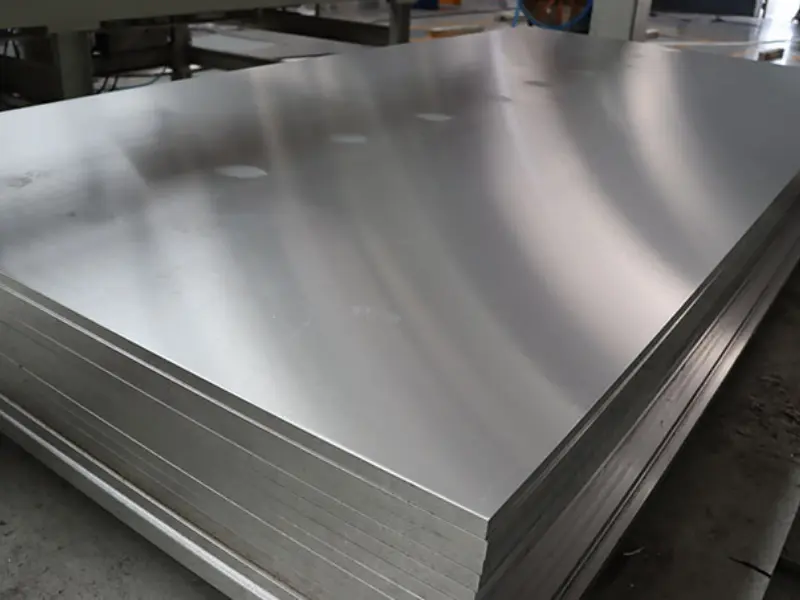
| Property | 6101 | 6061 |
|---|---|---|
| Electrical Conductivity | Higher | Lower |
| Mechanical Strength | Moderate | Higher |
| Weldability | Good | Excellent |
| Common Use | Electrical systems | Structural parts |
Choose 6101 when conductivity is the primary requirement. Choose 6061 when higher structural strength is needed.
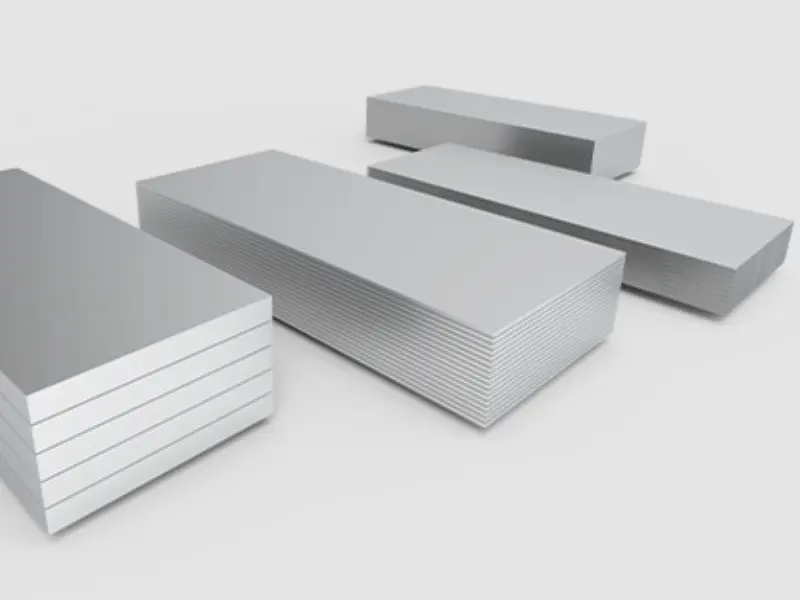
6101 vs 1050 Aluminum
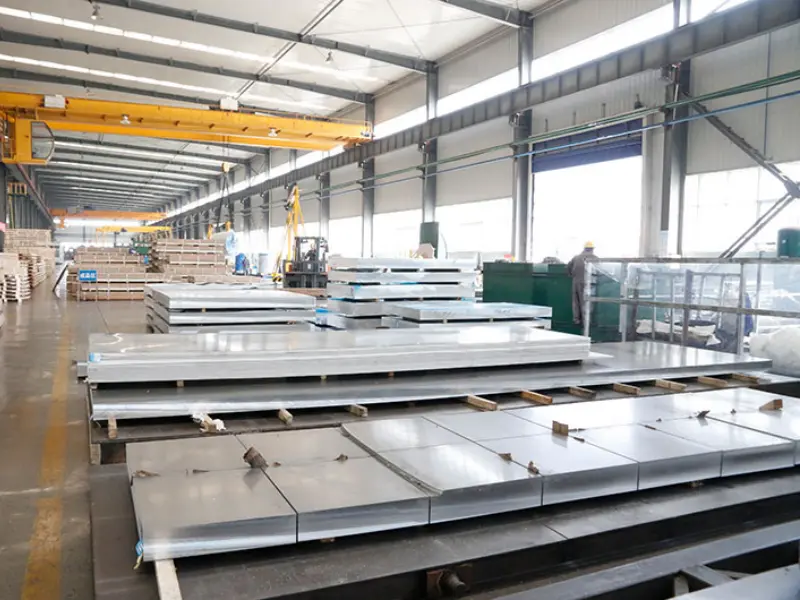
| Property | 6101 | 1050 |
|---|---|---|
| Electrical Conductivity | High | Very High |
| Mechanical Strength | Higher | Lower |
| Industrial Durability | Better | Lower |
| Common Use | Busbars | General electrical use |
6101 provides a stronger alternative to high-purity aluminum while retaining excellent conductivity.
Product Forms
6101 aluminum is available in several forms to support different manufacturing needs.
| Product Form | Typical Application |
|---|---|
| Sheet | Electrical panels and busbars |
| Plate | Heavy-duty conductive equipment |
| Strip | Connectors and flexible conductors |
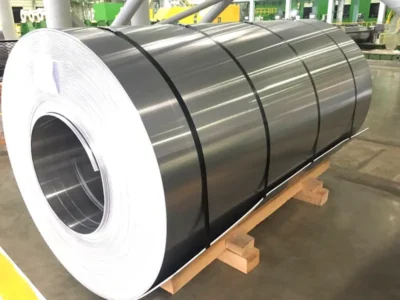
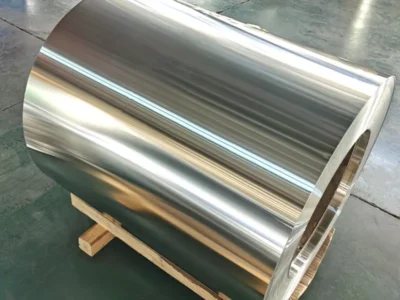
| Coil | Continuous manufacturing processes |
| Custom-cut parts | OEM projects |
Advantages for Electrical Applications
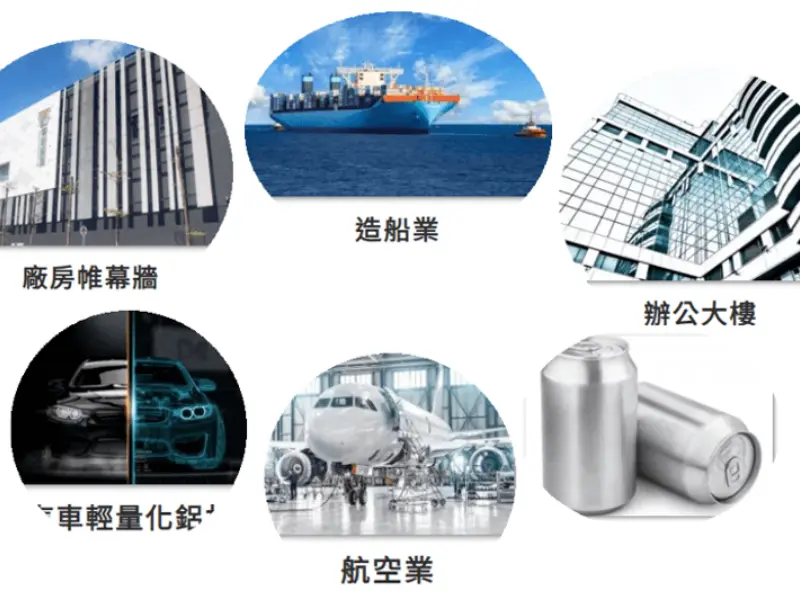
6101 aluminum sheet is particularly valued in electrical engineering because it combines conductivity with useful mechanical properties.
Benefits include:
- Lower weight than copper
- Good corrosion resistance in outdoor environments
- Ease of fabrication and welding
- Cost-effective solution for large-scale electrical projects
- Suitable for busbars, conductors, and distribution systems
Chemical Composition and Alloy Properties
The strength of the 6101 aluminum sheet comes from its unique mix of elements. It primarily uses magnesium and silicon as its alloying agents. This combination allows the metal to be heat-treated to reach different levels of hardness.
Key Elemental Breakdown
| Element | Percentage (%) |
|---|---|
| Silicon (Si) | 0.30−0.70 |
| Magnesium (Mg) | 0.35−0.90 |
| Copper (Cu) | Max 0.10 |
| Iron (Fe) | Max 0.50 |
| Aluminum (Al) | Remainder |
Material Characteristics
The 6101 aluminum sheet offers great corrosion resistance. It can handle outdoor environments well. It also has excellent formability in certain states. This means you can bend or shape it into complex electrical components without the metal cracking.
Technical Specifications for Industrial Projects
When ordering 6101 aluminum sheet, you must know the exact dimensions. Different projects require different thicknesses. For example, a heavy-duty bus bar needs a thicker plate than a small electrical connector.
Standard Product Dimensions
| Feature | Range of Values | Unit |
|---|---|---|
| Thickness | 0.5−200 | mm |
| Width | 500−2500 | mm |
| Length | 1000−8000 | mm |
| Density | 2.70 | g/cm3 |
| Thermal Conductivity | 218 | W/(m⋅K) |
Conductivity Levels
One of the most important metrics for the 6101 aluminum sheet is its IACS (International Annealed Copper Standard) rating. Most 6101 aluminum sheet products reach between 53% and 61% IACS. This is very high for a structural aluminum alloy.
Understanding Different Temper States
The “State” or “Temper” of the metal changes how it behaves. The 6101 aluminum sheet can be sold in various conditions. Each state is created through specific heating and cooling processes.
T6 Temper
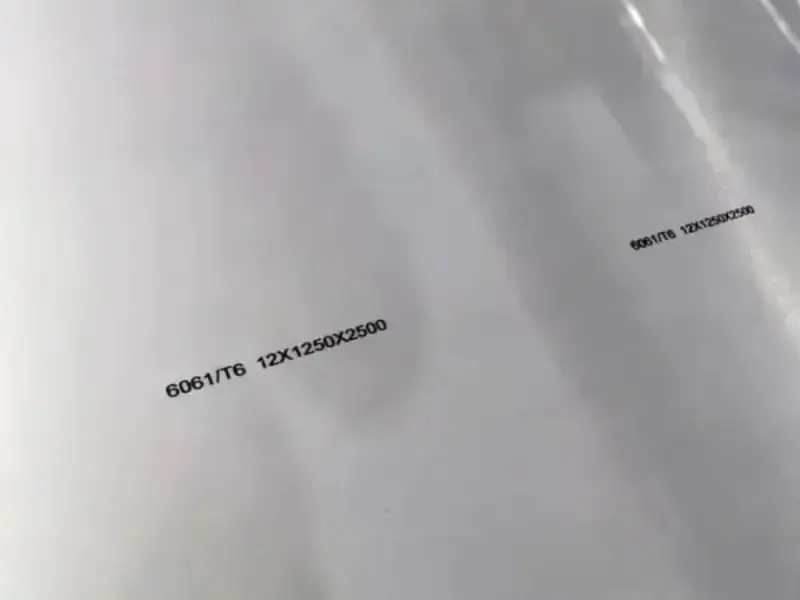
This is the most common state for the 6101 aluminum sheet. It is solution heat-treated and artificially aged. It provides the highest strength. It is best for structural bus bars that must stay straight under heavy electrical loads.
T61 Temper
This state is similar to T6 but optimized for better conductivity. If your project prioritizes the flow of electricity over maximum hardness, T61 is a great choice.
T63 Temper
This version offers a balance. It provides good bending properties. If you need to create “L” or “U” shaped conductors, the 6101 aluminum sheet in T63 state is easier to work with.
Comparing 6101 to Other Aluminum Alloys
Many customers ask why they should choose the 6101 aluminum sheet over more common grades like 6061 or 1350. The answer depends on your specific needs for strength and electricity.
6101 vs. 6061 Aluminum
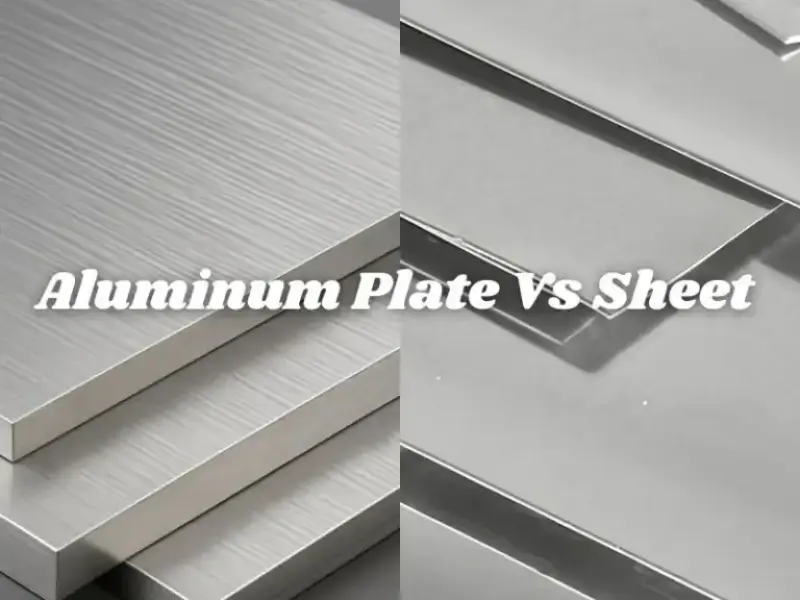
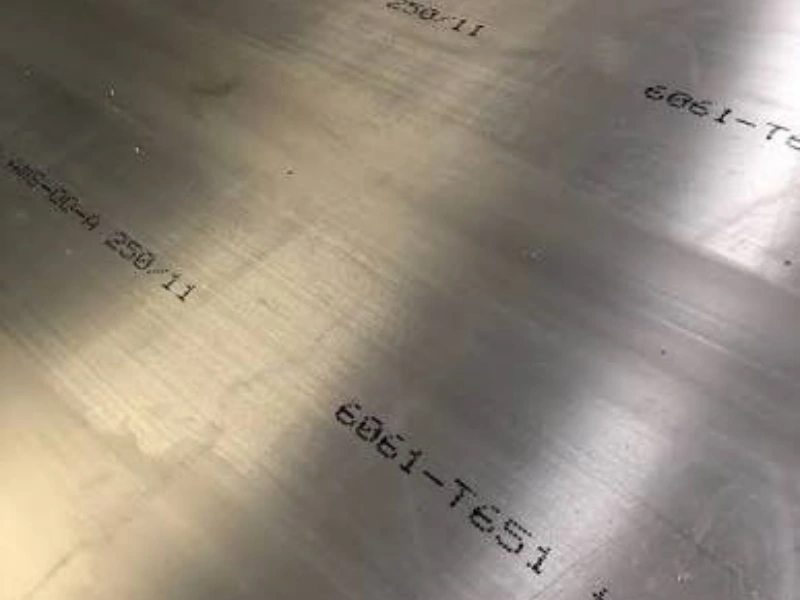
The 6061 grade is a general-purpose metal. It is very strong but has lower electrical conductivity. The 6101 aluminum sheet is specifically modified to let electricity flow more easily while maintaining enough strength to be used as a structural part.
6101 vs. 1350 Aluminum
The 1350 alloy is almost pure aluminum. It has the best conductivity (around 61% IACS). However, it is very soft. It can sag or bend under its own weight. The 6101 aluminum sheet is much stronger, making it better for long spans in power stations.
Comparison Table: 6101 vs. Others
| Alloy Grade | Strength Level | Conductivity | Best Use |
|---|---|---|---|
| 6101 | Medium-High | High (57%) | Bus Bars / EV Parts |
| 6061 | High | Medium (43%) | Structures / Frames |
| 1350 | Low | Very High (61%) | Soft Conductors |
Diverse Product Types for Market Demand
The 6101 aluminum sheet is available in several forms to suit different manufacturing needs.
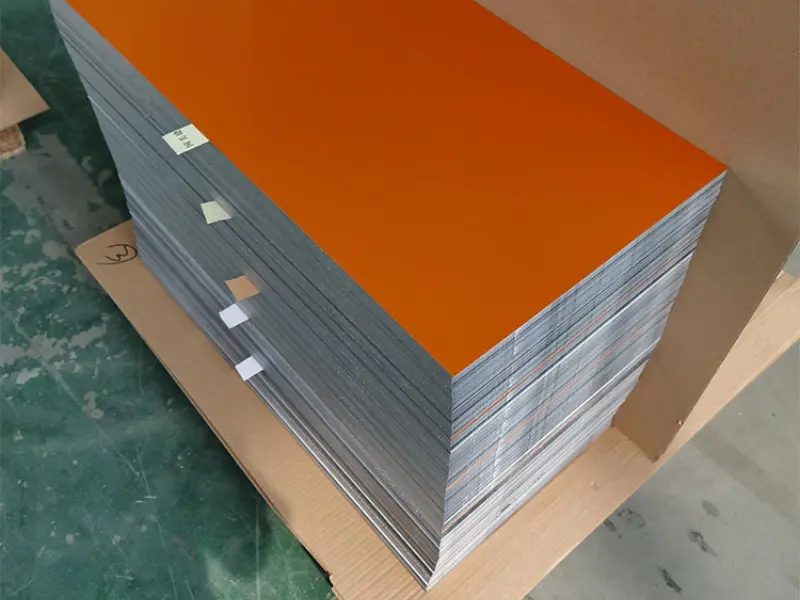
Cold-Rolled 6101 Sheets
These are thinner sheets with a very smooth surface. Cold rolling increases the strength of the metal through work hardening. These are often used for precision electrical enclosures and small battery connectors.
Hot-Rolled 6101 Plates
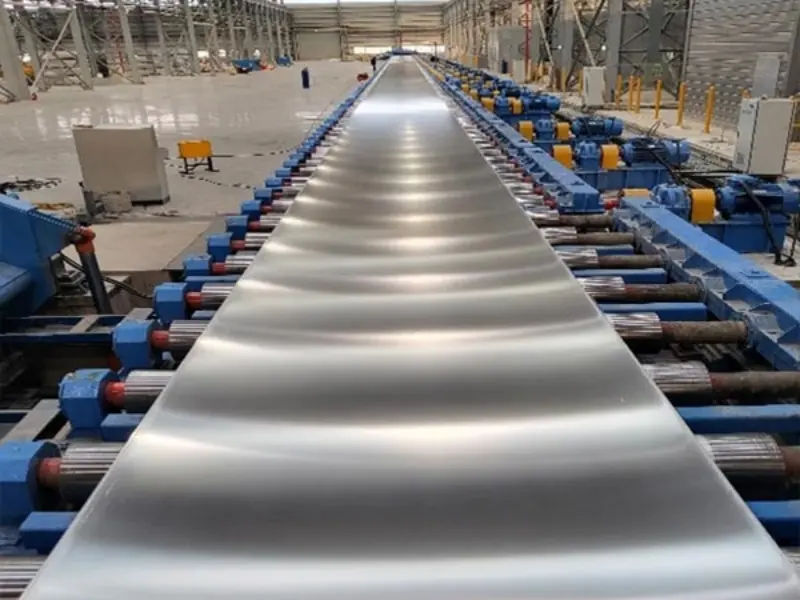
For heavy-duty power distribution, hot-rolled plates are used. These can be very thick (over 10 mm). They are used in high-voltage substations as main conductor lines.
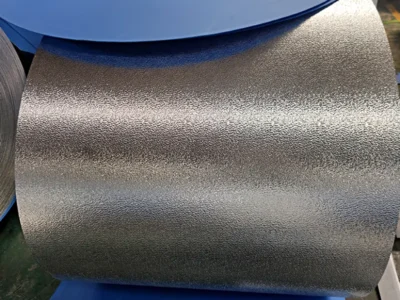
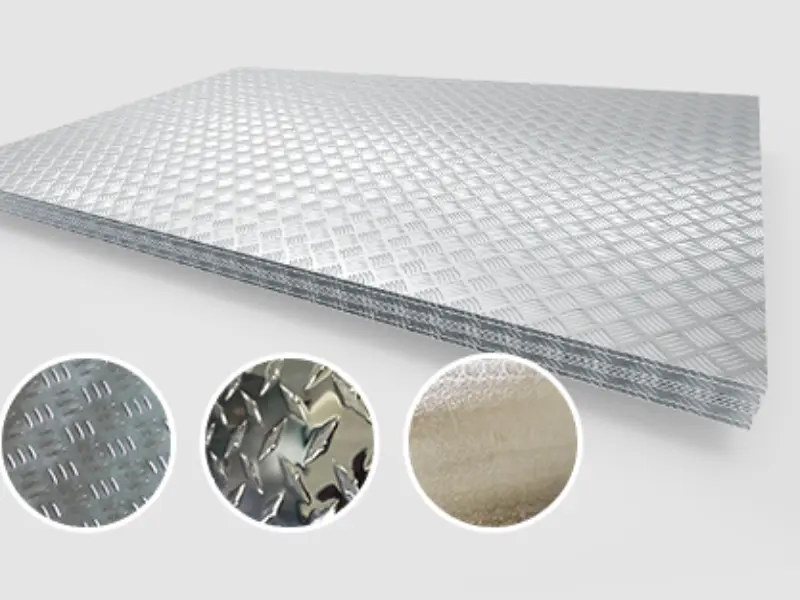
Tread and Patterned Sheets
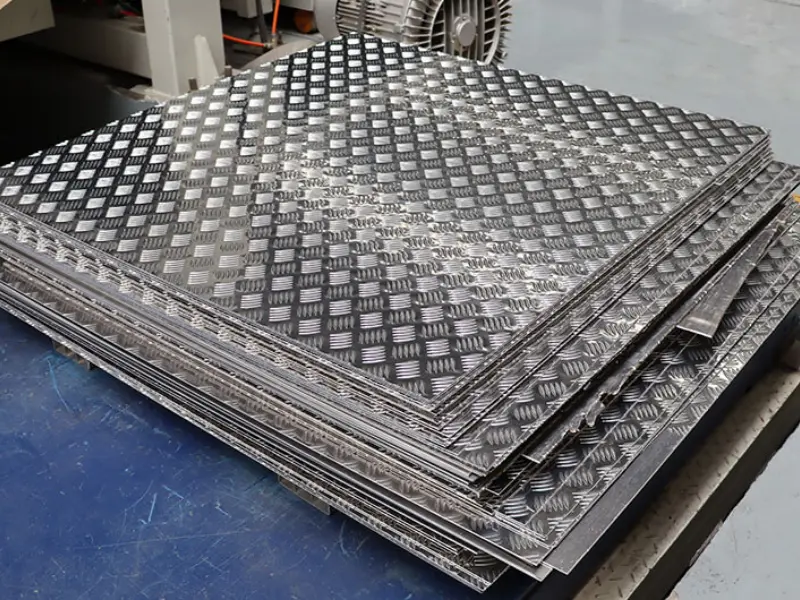
While less common, some 6101 aluminum sheet is produced with patterns for specific industrial uses where grip and conductivity are both needed in specialized machinery.
Pre-cut and Custom Strips
Many suppliers offer the 6101 aluminum sheet cut into narrow strips. This is perfect for companies making transformer windings or custom switchgear.
Critical Usage in Power and Transport
The 6101 aluminum sheet is a hero in the world of power infrastructure. You can find it in many high-tech environments.
- Electric Vehicle Battery Packs: Used for the bus bars that connect battery cells. It keeps the battery light and efficient.
- High-Voltage Substations: Providing the main path for electricity to move from transformers to the grid.
- Railway Systems: Used in the power supply components for electric trains and trams.
- Telecommunications: Serving as a reliable ground for large server racks and towers.
- Aerospace Electronics: Providing lightweight electrical paths in airplanes where every gram of weight matters.
- Renewable Energy: Used in solar inverters and wind turbine control boxes to manage high current.
Surface Finishes and Coatings
While many use the 6101 aluminum sheet in its mill finish (natural silver), other options exist.
Tin Plating
Applying a thin layer of tin to the 6101 aluminum sheet improves the electrical contact. It also prevents the aluminum from oxidizing at the joints. This is very important for long-term safety in electrical panels.
Silver Plating
For the highest performance, silver is used. This is common in high-frequency applications where the “skin effect” means electricity flows on the very surface of the metal.
Anodized Finish
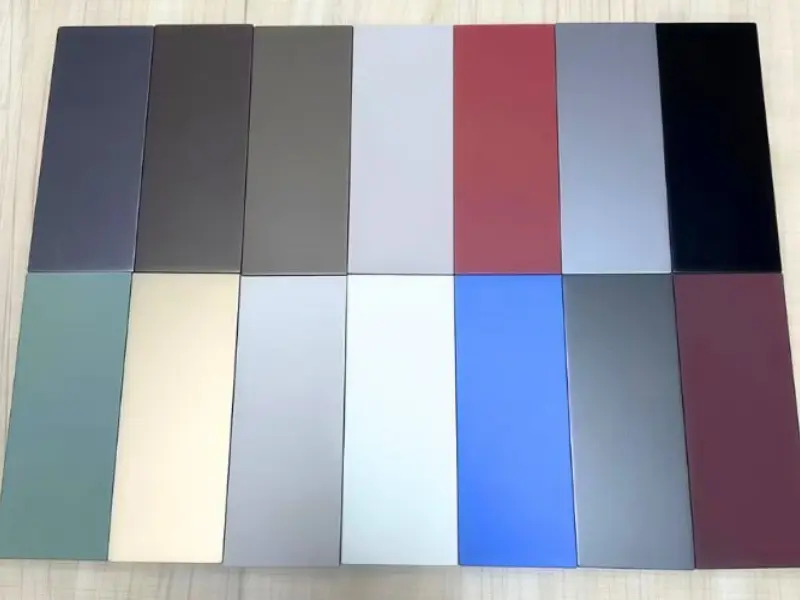
Anodizing can provide an extra layer of protection against salt air or chemicals. However, remember that the anodized layer is an insulator. You must remove it at the points where the 6101 aluminum sheet connects to other wires.
Processing Methods for 6101 Sheets
Manufacturers can process the 6101 aluminum sheet in many ways without damaging its electrical properties.
CNC Machining
Because it has magnesium and silicon, the 6101 aluminum sheet is easy to drill and mill. You can create complex shapes for heat sinks or terminal blocks.
Laser and Waterjet Cutting
These methods allow for very precise shapes. It is ideal for creating custom-shaped bus bars that must fit into tight spaces inside a car or a control box.
Welding and Joining
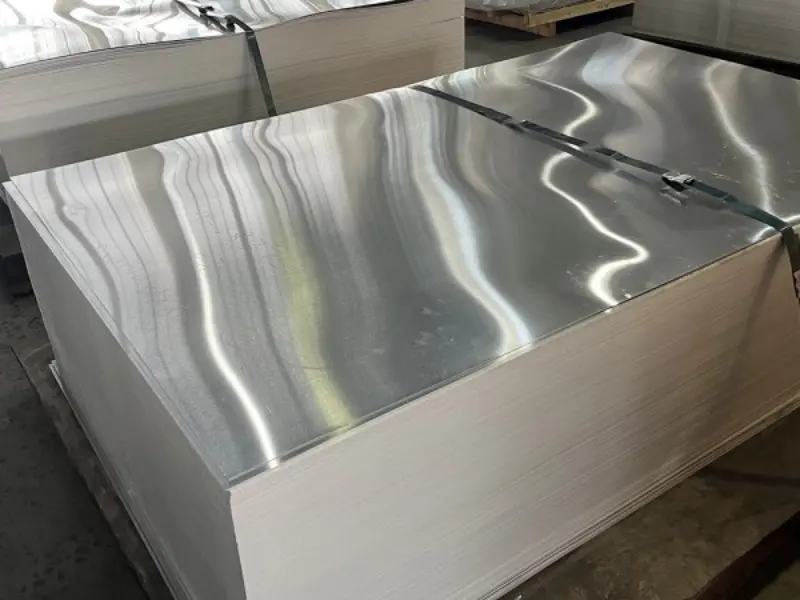
The 6101 aluminum sheet can be welded using TIG or MIG methods. It is also compatible with friction stir welding. Proper welding ensures that the electrical path remains continuous and safe.
Quality Control and International Standards
Buying a high-quality 6101 aluminum sheet means checking for specific certifications. This ensures the metal will not fail under high electrical loads.
- ASTM B209: The standard specification for aluminum and aluminum-alloy sheet and plate.
- EN 573-3: European standard for chemical composition and form of wrought products.
- IACS Verification: Many labs test the sheet to ensure it meets the minimum required conductivity for its temper.
- Surface Inspection: High-quality sheets must be free from oil stains, scratches, or “white rust” (corrosion).
The 6101 aluminum sheet is more than just a piece of metal. It is an engineered solution for a world that needs more electricity and less weight. By choosing the right thickness and temper, you can build systems that are efficient, strong, and long-lasting.
Manufacturing and Processing
6101 aluminum sheet can be processed using standard aluminum fabrication methods.
Common operations include:
- Cutting
- Bending
- Welding
- Stamping
- CNC machining
- Surface finishing
Proper temper selection helps optimize forming performance and final strength.
Choosing the Right 6101 Aluminum Sheet
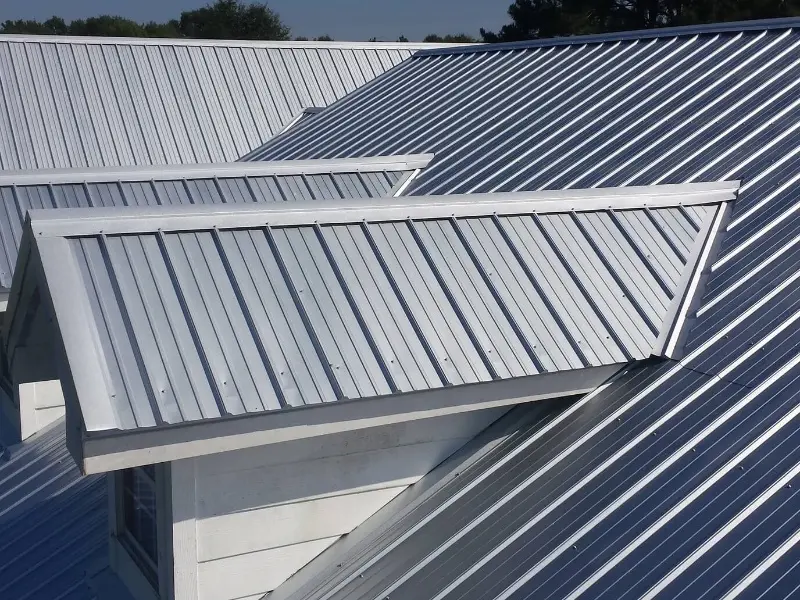
When selecting 6101 aluminum sheet, consider:
Thickness and dimensionsMatch sheet size and thickness to the project design.
Electrical conductivity requirementsDetermine the level of conductivity needed for your application.
Mechanical strength requirementsChoose a temper that provides the required strength.
Forming or fabrication needsSelect O temper for easier forming operations.
Operating environmentConsider corrosion resistance for outdoor or industrial use.
FAQ
What is 6101 aluminum used for?
6101 aluminum is mainly used for electrical busbars, conductors, power distribution equipment, and lightweight structural components.
Is 6101 aluminum stronger than 1050 aluminum?
Yes. 6101 aluminum offers higher mechanical strength while still providing excellent electrical conductivity.
Can 6101 aluminum be welded?
Yes. 6101 aluminum has good weldability and can be welded using common aluminum welding methods.
Which temper is best for busbars?
T6 or T61 tempers are commonly selected when higher strength is required.
Is 6101 aluminum suitable for outdoor use?
Yes. It has good corrosion resistance and performs well in many outdoor environments.
Can custom sizes be supplied?
Yes. Manufacturers can provide custom thicknesses, widths, lengths, and cut-to-size sheets according to project requirements.