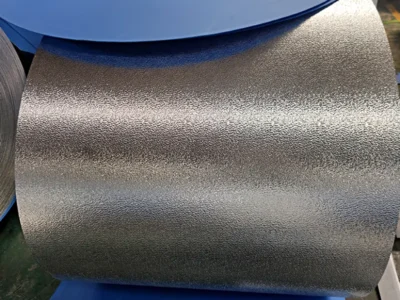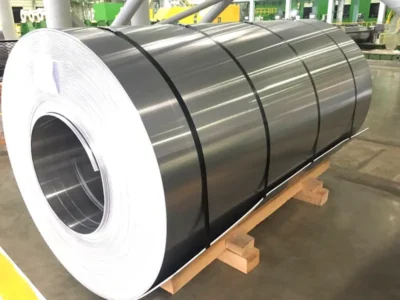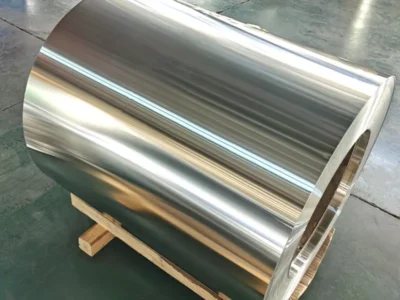
1050 aluminum sheet is a pure aluminum product, known for high conductivity, strong corrosion resistance, and easy forming.
It is one of the purest commercial aluminum grades on the market, often chosen when strength is not the top priority but purity and workability are.
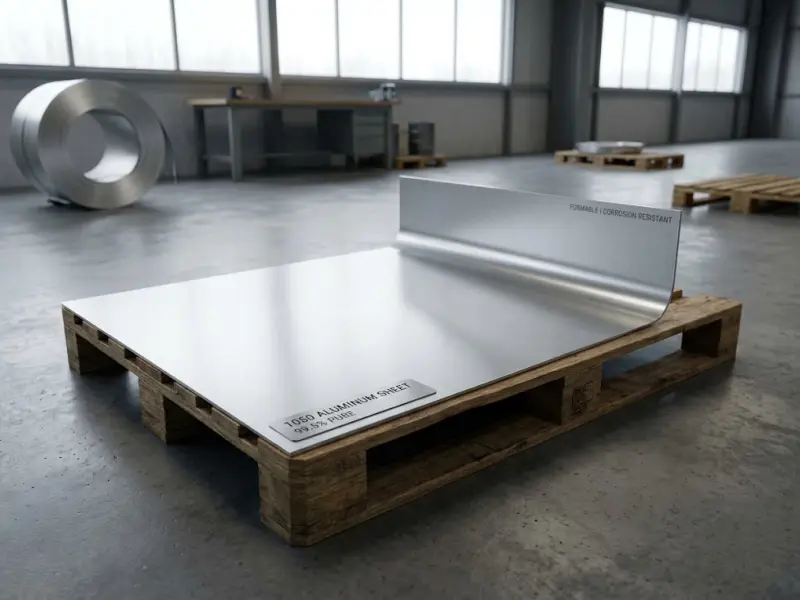
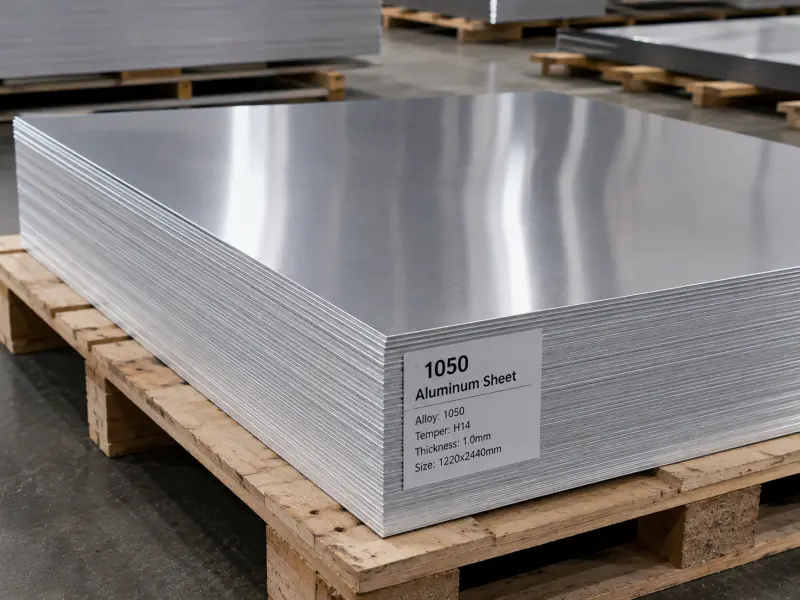
What Is 1050 Aluminum Sheet
1050 aluminum sheet belongs to the 1000 series, the purest group in the aluminum family. It contains at least 99.5% aluminum, with only small amounts of iron and silicon.
This purity gives the sheet strong resistance to corrosion and good electrical conductivity.
Because it lacks major alloying elements, 1050 sheet is soft and easy to bend. It is not the strongest aluminum grade, but it excels where flexibility, purity, and finish quality matter more than raw strength.
Core Traits of 1050 Aluminum
Low mechanical strength compared to alloyed grades
Very high corrosion resistance
Good electrical and thermal conductivity
Easy to bend, stamp, and deep-draw
Bright, clean surface after polishing
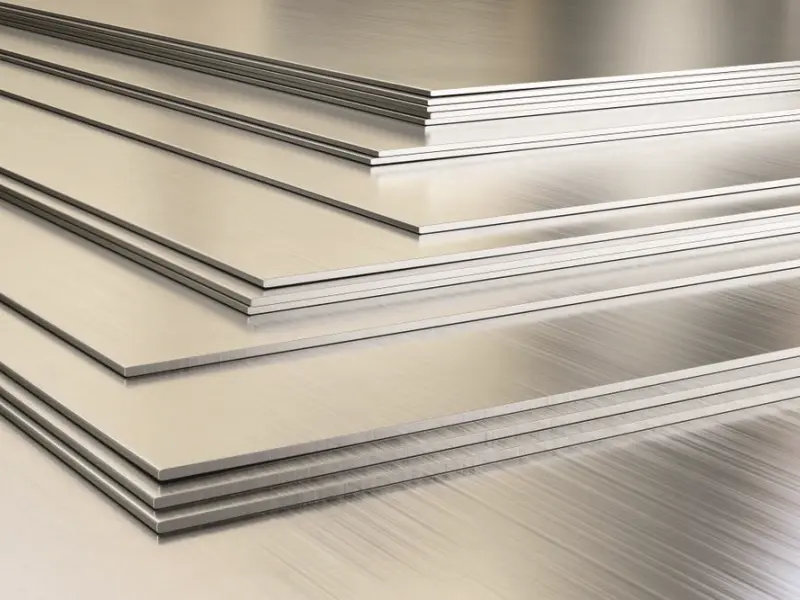
Chemical Composition
Composition is what separates 1050 from other 1000-series grades like 1060 or 1100.
| Element | Min % | Max % |
|---|---|---|
| Aluminum (Al) | 99.5 | — |
| Iron (Fe) | — | 0.40 |
| Silicon (Si) | — | 0.25 |
| Copper (Cu) | — | 0.05 |
| Zinc (Zn) | — | 0.05 |
| Manganese (Mn) | — | 0.05 |
This high aluminum content is why 1050 sheet is a common choice for applications needing purity, such as chemical tanks or reflective panels.
Temper Options
Temper controls hardness and flexibility. 1050 sheet ships in several tempers, each suited to a different job.
| Temper | Hardness Level | Best For |
|---|---|---|
| O (annealed) | Softest | Deep drawing, spinning, tight bends |
| H12 | Light hard | General fabrication |
| H14 | Medium hard | Standard sheet stock |
| H16 | Firmer | Parts needing more stiffness |
| H18 | Hardest | Flat panels, minimal further forming |
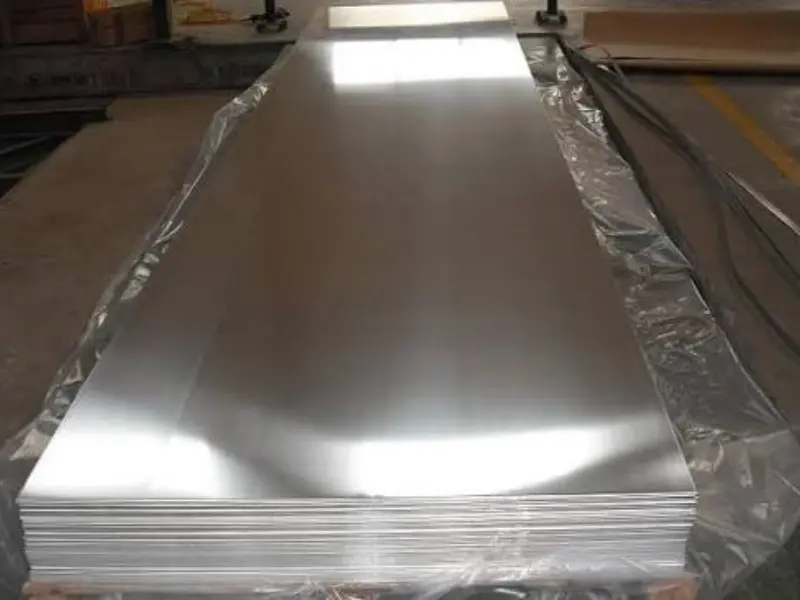
Quick Temper Guide
H18 temper holds its shape but resists further bending
O temper bends the most without cracking
H14 temper is the most common stock temper
Thickness and Size Reference
1050 sheet comes in a wide thickness range, from thin foil-like sheet to thicker plate stock.
| Thickness (mm) | Thickness (in) | Common Use |
|---|---|---|
| 0.3 – 0.5 | 0.012 – 0.020 | Light reflective panels, nameplates |
| 0.6 – 1.0 | 0.024 – 0.039 | General fabrication, spinning |
| 1.2 – 3.0 | 0.047 – 0.118 | Chemical equipment, tank linings |
| 4.0 – 6.0 | 0.157 – 0.236 | Heavy-duty tank and vessel parts |
Standard Width and Length Options
| Width (mm) | Length (mm) | Form |
|---|---|---|
| 1000 | 2000 | Standard sheet |
| 1219 | 2438 | Standard sheet |
| 1250 | 2500 | Standard sheet |
| 1500 | 3000 | Cut-to-size plate |
Coil form is also available for buyers who need a continuous roll instead of pre-cut sheets.
Product Types
1050 sheet is sold in several surface and form variations. Each type fits a different end use.
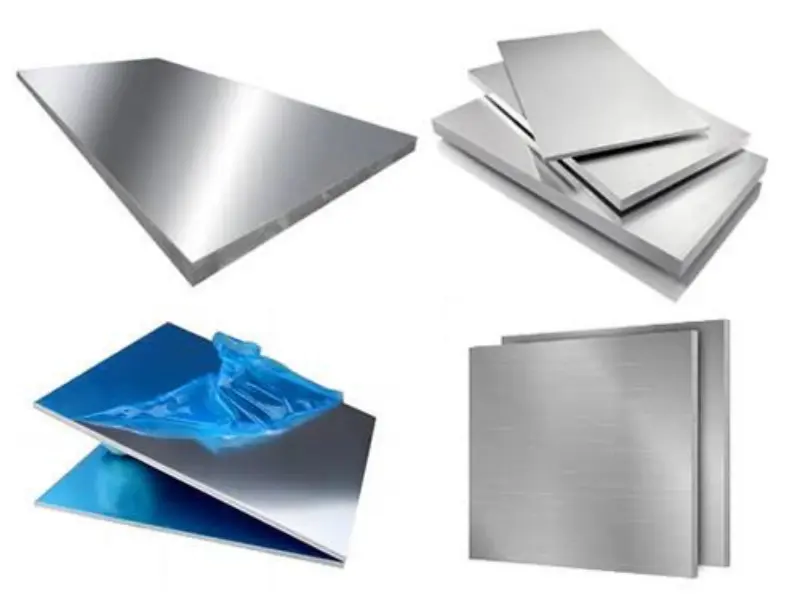
Mill Finish 1050 Sheet
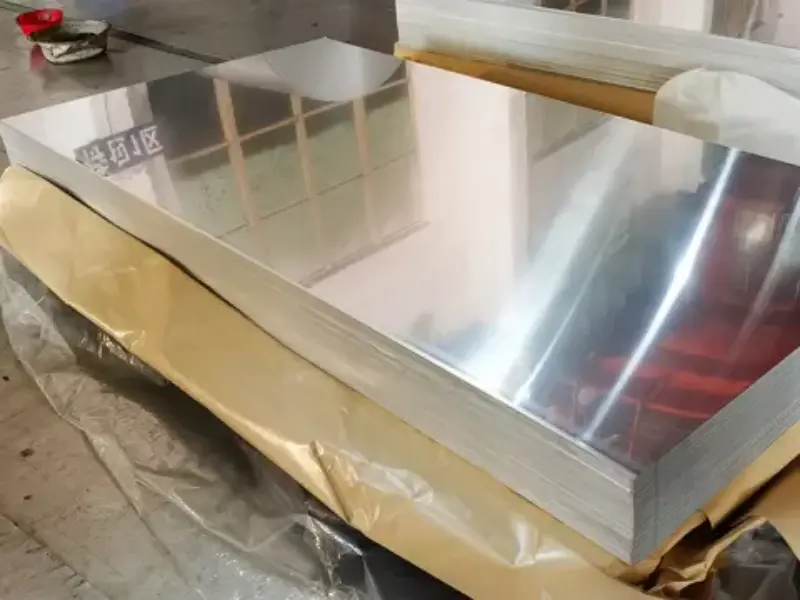
This is the plain, unpolished form straight from the mill.
Suited for parts that will be coated or painted later
Lowest-cost 1050 sheet option
Common base material for further processing
Mirror Polished 1050 Sheet
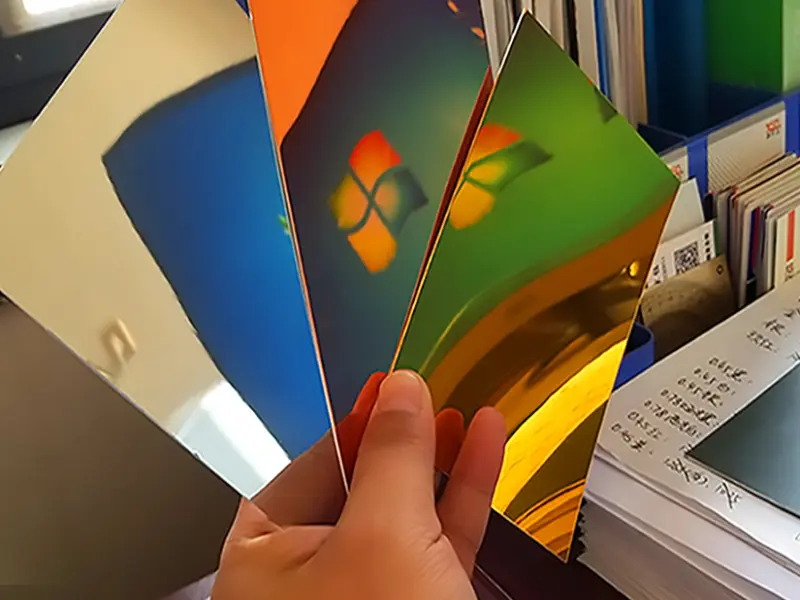
Polishing brings out a bright, reflective surface.
Higher price than mill finish
Used for decorative panels and signage
Popular for lighting reflectors
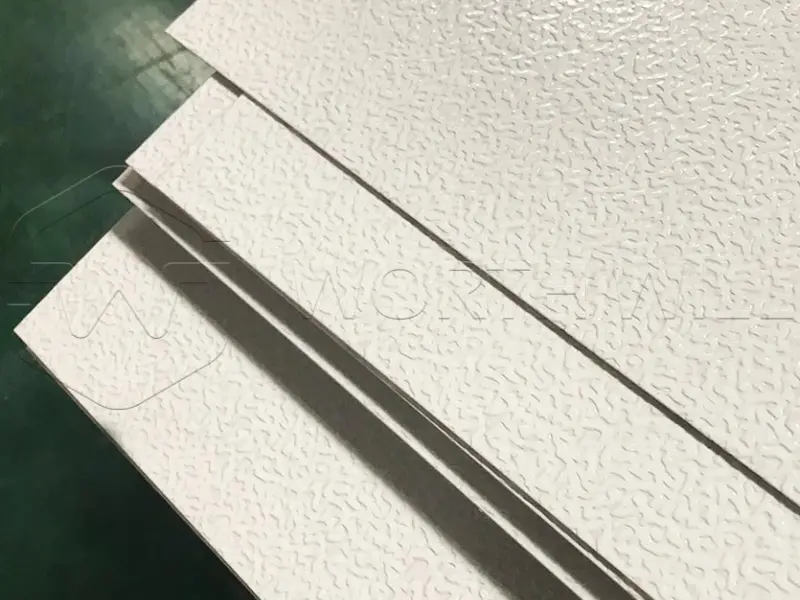
Embossed 1050 Aluminum Sheet
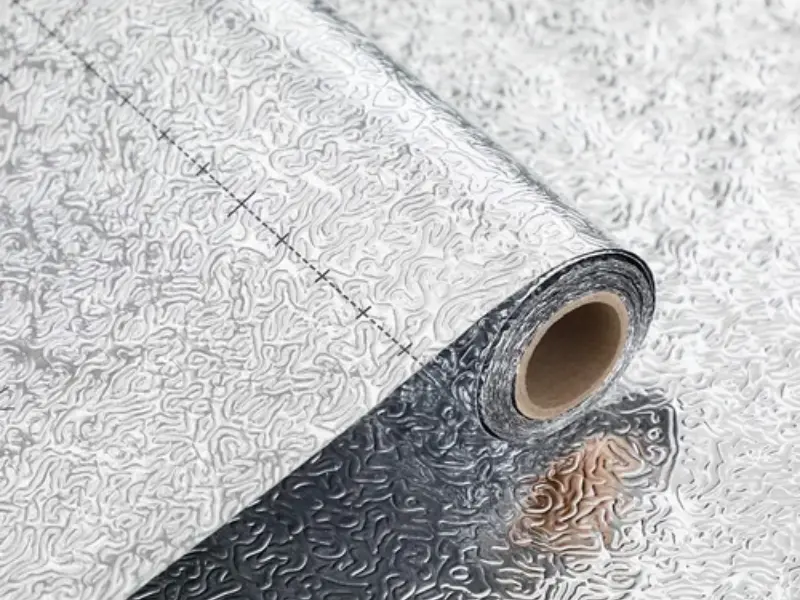
Embossing presses a pattern into the surface, such as stucco or diamond texture.
Adds slight rigidity to thin sheet
Hides scratches and fingerprints
Common in insulation and cladding jobs
1050 Aluminum Coil
Coil form suits buyers running roll-forming or slitting lines.
- Sold by coil weight, not sheet count
- Cuts down on handling for large-volume orders
- Available in the same temper range as flat sheet
Perforated 1050 Sheet
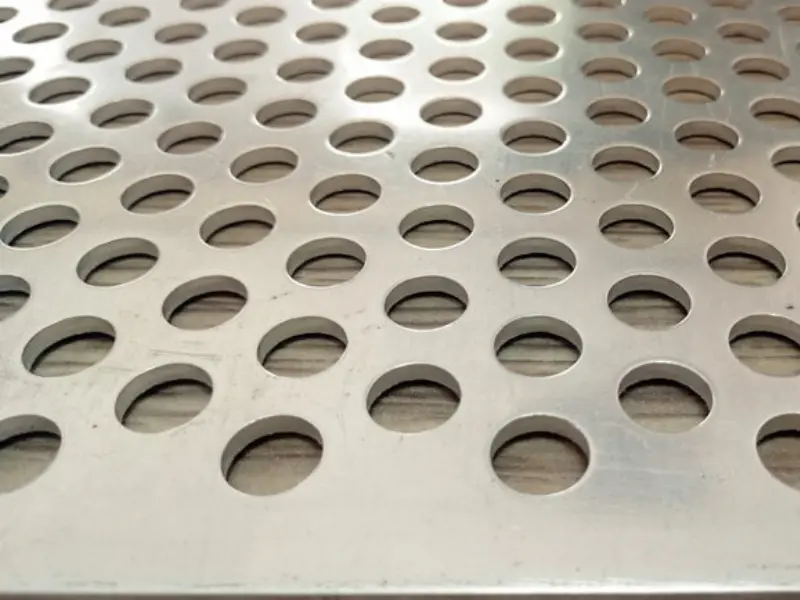
Sheet with punched hole patterns, used where airflow or light pass-through is needed.
Common in filter housings and decorative screens
Custom hole size and spacing on request
1050 vs. Other 1000-Series Grades
Buyers often compare 1050 against nearby grades before ordering. Here is how it stacks up.
| Grade | Purity | Strength | Typical Use |
|---|---|---|---|
| 1050 | 99.5% min | Low | General purity-focused parts |
| 1060 | 99.6% min | Very low | Chemical tanks, capacitor foil |
| 1100 | 99.0% min | Slightly higher | General sheet metal work |
| 1200 | 99.0% min | Similar to 1100 | Roofing, general fabrication |
1050 sits in the middle of this group. It offers higher purity than 1100 or 1200, but slightly more strength than 1060.
1050 Aluminum Sheet vs. 3003 Aluminum Sheet
Some buyers weigh 1050 against alloyed grades like 3003 when strength becomes a factor.
| Factor | 1050 Sheet | 3003 Sheet |
|---|---|---|
| Purity | Higher | Lower |
| Strength | Lower | Higher |
| Corrosion resistance | Excellent | Good |
| Formability | Excellent | Good |
| Typical cost | Similar or slightly higher | Standard |
3003 wins on strength. 1050 wins on purity, conductivity, and finish quality.
Applications
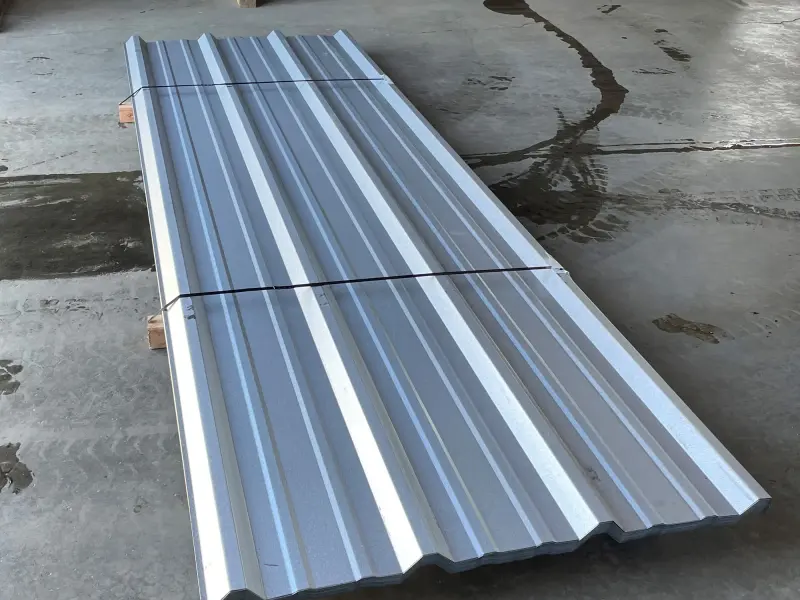
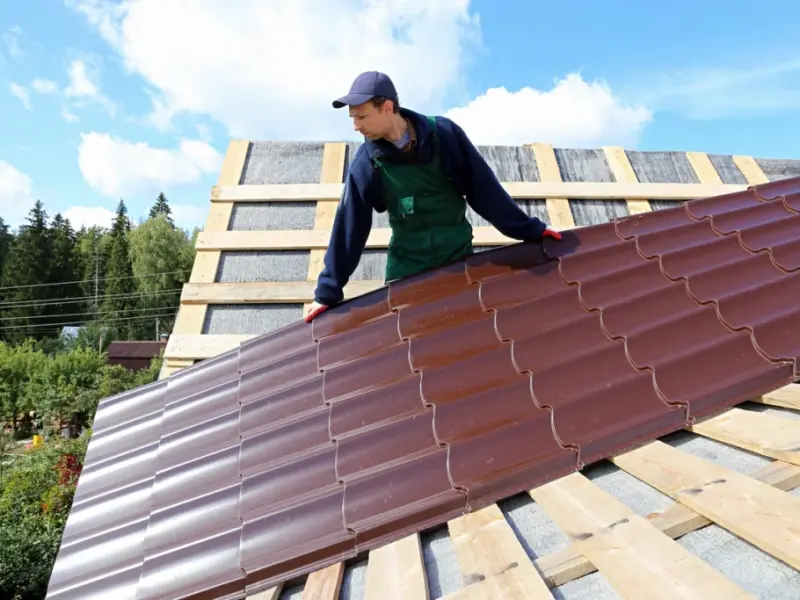
1050 aluminum sheet shows up across many industries where purity and finish matter.
- Chemical processing tanks and linings
- Reflectors for lighting fixtures
- Nameplates and signage
- Heat exchanger fins
- Electrical and conductor parts
- Decorative and architectural panels
- Cookware and food-grade equipment
- Capacitor and battery components
Why Buyers Choose 1050 Sheet
Strong Corrosion Resistance
The high aluminum content resists oxidation in wet or chemical environments better than alloyed grades.
Excellent Formability
The soft O and H12 tempers allow deep drawing and spinning without cracking.
Good Conductivity
1050 conducts heat and electricity well, useful for reflectors and electrical parts.
Clean, Bright Finish
The surface polishes to a bright shine, making it a common pick for decorative panels.
Choosing the Right Temper and Thickness
→ Need deep drawing or spinning? Choose O temper for maximum flexibility. → Building a reflective panel? Mirror polished sheet in H14 temper works well. → Working with chemical tanks? Go with 1.2mm or thicker for added durability. → Running a roll-forming line? Order coil form instead of cut sheet. → Need a textured, scratch-hiding surface? Embossed sheet is the better fit.
What Makes 1050 Aluminum Sheet Different?
1050 aluminum sheet is a commercially pure aluminum product. It is known for its high aluminum content, good formability, and good corrosion resistance.
It is not designed to be the strongest aluminum alloy. Instead, it is useful when a project needs a material that is:
Lightweight → Easy to Form → Easy to Process → Corrosion Resistant → Cost Effective
This balance makes 1050 aluminum sheet a practical option for many general manufacturing and fabrication projects.
1050 Aluminum Content and Material Characteristics
The aluminum content of 1050 is normally very high, with aluminum accounting for about 99.5% or more depending on the applicable standard and specification.
| Property | 1050 Aluminum |
|---|---|
| Aluminum content | About 99.5%+ |
| Density | About 2.70 g/cm³ |
| Formability | Excellent |
| Corrosion resistance | Good |
| Electrical conductivity | High |
| Thermal conductivity | High |
| Machinability | Moderate |
| Weldability | Good |
The exact mechanical and electrical values depend on the temper, thickness, and applicable standard.
1050 O vs H12 vs H14 vs H18
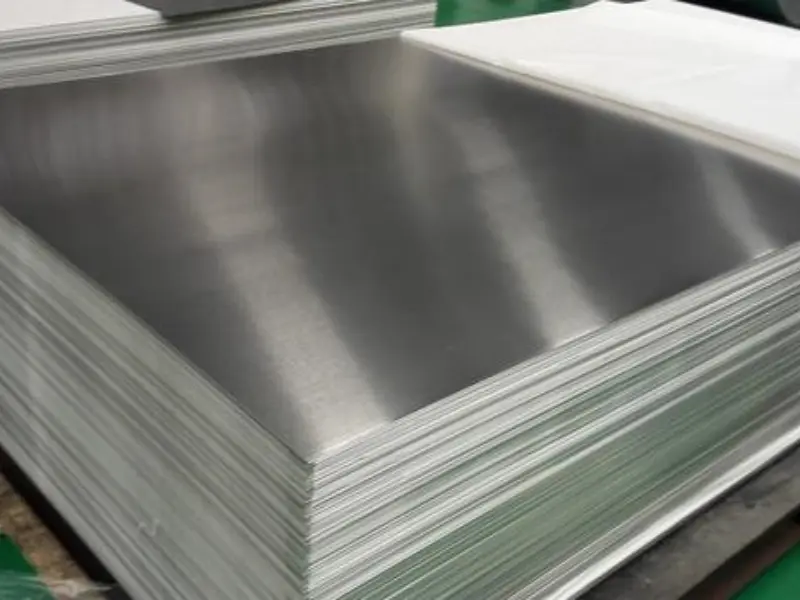
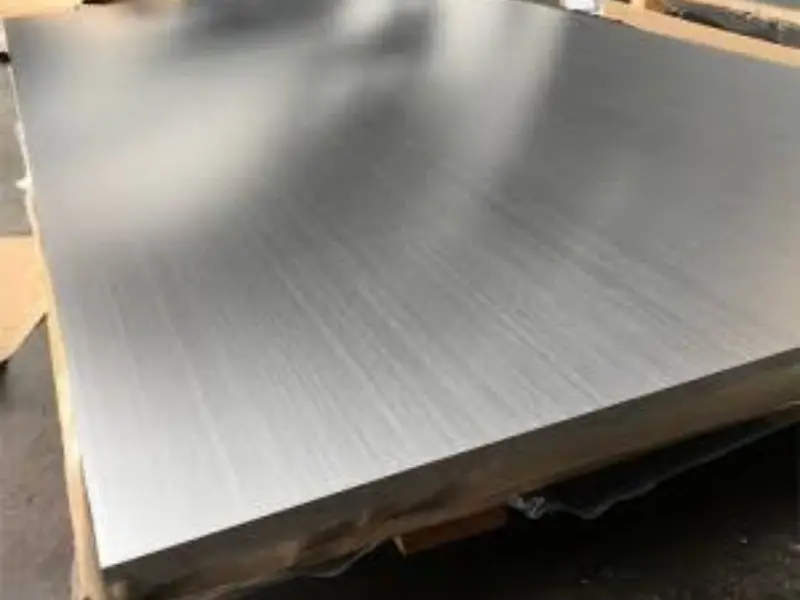
Temper selection can change how the sheet behaves during fabrication.
| Temper | General condition | Main characteristic |
|---|---|---|
| O | Soft | Excellent forming |
| H12 | Quarter hard | Good balance |
| H14 | Half hard | Medium strength |
| H16 | Three-quarter hard | Higher strength |
| H18 | Full hard | Higher hardness |
For deep forming or complex bending, 1050-O may be preferred.
For flat panels and general fabrication, H14 can provide a useful balance between strength and workability.
How Thickness Changes 1050 Aluminum Sheet Performance
Thickness should be selected based on the final product, not only on price.
| Thickness | General direction |
|---|---|
| 0.20–0.40 mm | Lightweight parts |
| 0.50–0.80 mm | General sheet applications |
| 1.00–1.50 mm | Fabricated panels |
| 2.00–3.00 mm | Stronger flat parts |
| 4.00 mm+ | Heavy sheet and special fabrication |
Thicker material provides more rigidity but also increases weight.
For formed products, the temper and forming radius should be considered together with thickness.
1050 Aluminum vs 1060 Aluminum
1050 and 1060 are both high-purity aluminum products.
| Feature | 1050 | 1060 |
|---|---|---|
| Aluminum content | About 99.5%+ | About 99.6%+ |
| Formability | Excellent | Excellent |
| Corrosion resistance | Good | Good |
| Conductivity | High | Slightly higher |
| General use | Wide | Wide |
| Cost | Usually competitive | Usually competitive |
The difference between the two can be small for general fabrication.
The final choice should depend on the required standard, conductivity, mechanical properties, availability, and price.
1050 vs 1100 Aluminum Sheet
1100 contains a small amount of alloying elements and can provide a different balance of properties.
| Property | 1050 | 1100 |
|---|---|---|
| Purity | Higher | Slightly lower |
| Formability | Excellent | Excellent |
| Strength | Lower | Slightly higher |
| Conductivity | High | High |
| Fabrication | Easy | Easy |
| General use | Broad | Broad |
When high purity is important, 1050 can be a suitable choice.
When slightly higher strength is preferred while retaining good formability, 1100 can be considered.
1050 vs 3003 Aluminum Sheet
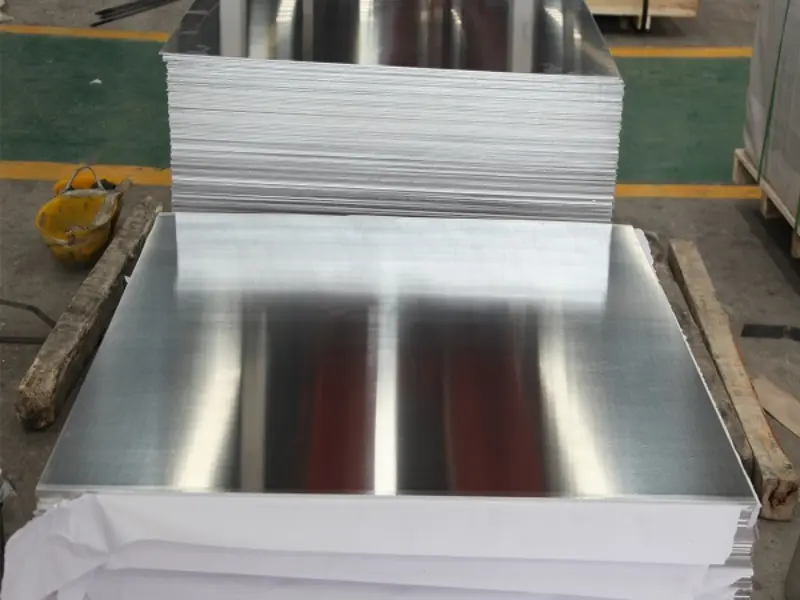
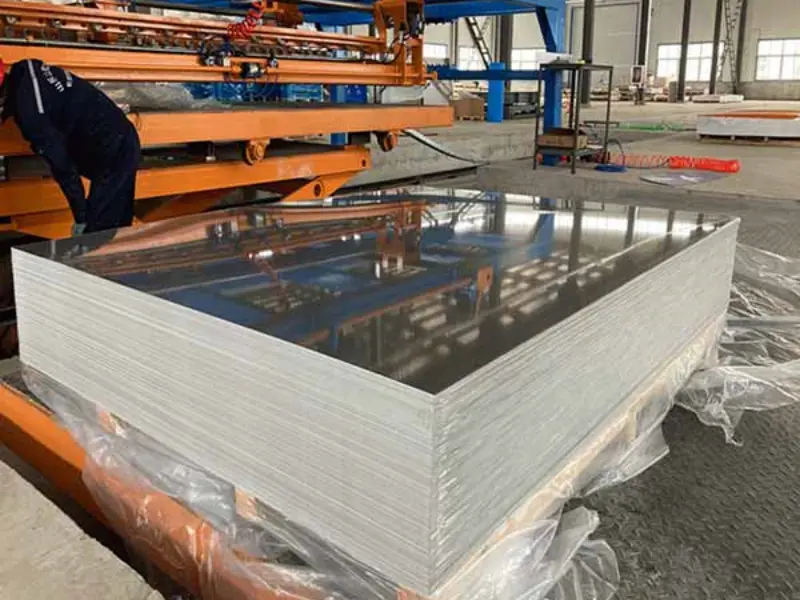
This is a more noticeable comparison.
| Feature | 1050 | 3003 |
|---|---|---|
| Strength | Lower | Higher |
| Formability | Excellent | Very good |
| Corrosion resistance | Good | Good |
| Weight | Similar | Similar |
| Machining | Moderate | Moderate |
| General use | Light-duty fabrication | More demanding parts |
1050 is often chosen for simple forming and lightweight products.
3003 may be more suitable when additional strength is needed.
When Should You Choose 1050 Instead of a Stronger Alloy?
A stronger alloy is not always necessary.
1050 can be a good choice when the product requires:
✓ Easy bending
✓ High formability
✓ Lightweight construction
✓ Good surface appearance
✓ High electrical conductivity
✓ Good thermal conductivity
✓ General corrosion resistance
✓ Simple fabrication
If the finished component will carry a high structural load, other aluminum alloys should be evaluated.
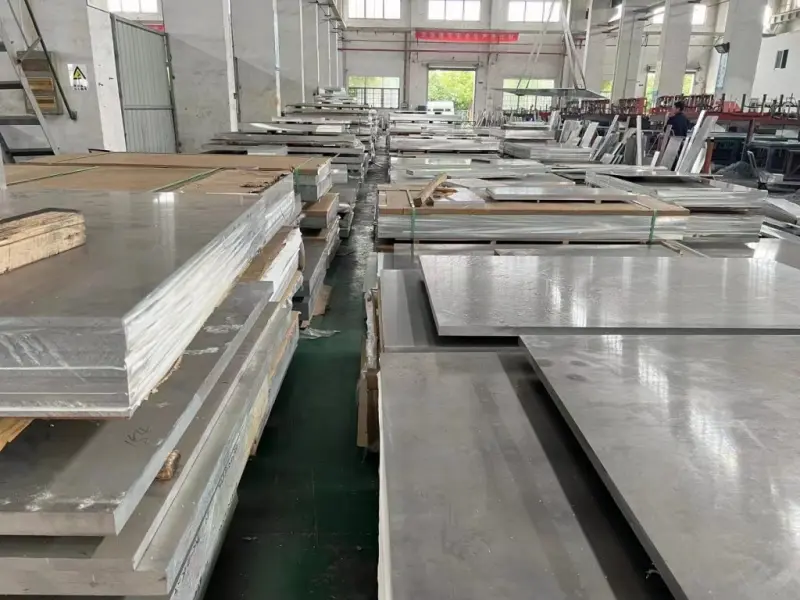
1050 Aluminum Sheet Weight
Weight is an important factor when planning transportation and fabrication.
The basic calculation is:
Weight = Length × Width × Thickness × Density
For aluminum, a commonly used density value is approximately 2.70 g/cm³.
For example, increasing the thickness from 1 mm to 2 mm approximately doubles the material weight when the length and width remain the same.
This is useful when calculating shipping costs and total project weight.
Can 1050 Aluminum Be Anodized?
Yes. 1050 aluminum can be anodized.
Anodizing can improve surface protection and provide a decorative finish.
It can also create different visual effects depending on:
- Surface preparation
- Anodizing process
- Film thickness
- Coloring method
- Base material quality
For decorative projects, it is useful to confirm the required color and surface appearance before production.
1050 Aluminum Sheet for Forming
One of the main advantages of 1050 aluminum is its forming ability.
It can be processed through:
- Bending
- Folding
- Stamping
- Spinning
- Punching
- Shearing
- Cutting
- Deep forming
For complex shapes, a soft temper can make forming easier.
The actual forming result depends on thickness, tool design, bend radius, and production method.
1050 Aluminum for Spinning
1050 aluminum is particularly useful for spinning applications because of its high ductility.
Typical products may include:
- Reflectors
- Lampshades
- Cookware components
- Lighting parts
- Decorative discs
- Round covers
- Industrial formed parts
For spinning, material condition and thickness should be selected according to the shape and forming depth.
Electrical and Thermal Uses
High-purity aluminum has good electrical and thermal conductivity.
This makes 1050 suitable for certain:
→ Electrical components
→ Conductive parts
→ Heat transfer components
→ Transformer-related parts
→ Cooling applications
→ Thermal equipment
However, the exact conductivity requirement should always be checked against the relevant technical standard.
Surface Finish Options
1050 aluminum sheet can be supplied in different surface conditions depending on the final application.
| Finish | General appearance |
|---|---|
| Mill finish | Standard industrial surface |
| Bright finish | Brighter appearance |
| Polished | Smooth and reflective |
| Brushed | Directional texture |
| Anodized | Enhanced surface protection |
| Painted | Decorative color |
For products where appearance matters, the surface quality should be confirmed before bulk production.
Common 1050 Aluminum Sheet Types
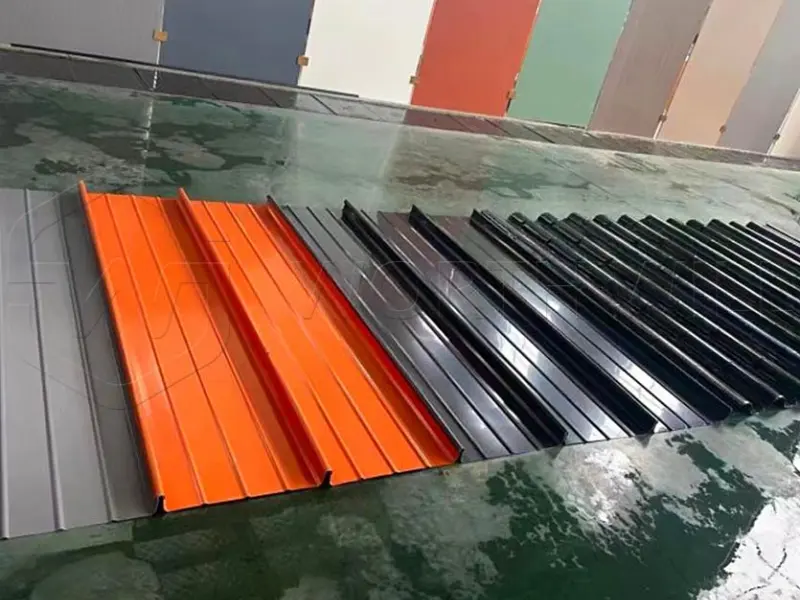
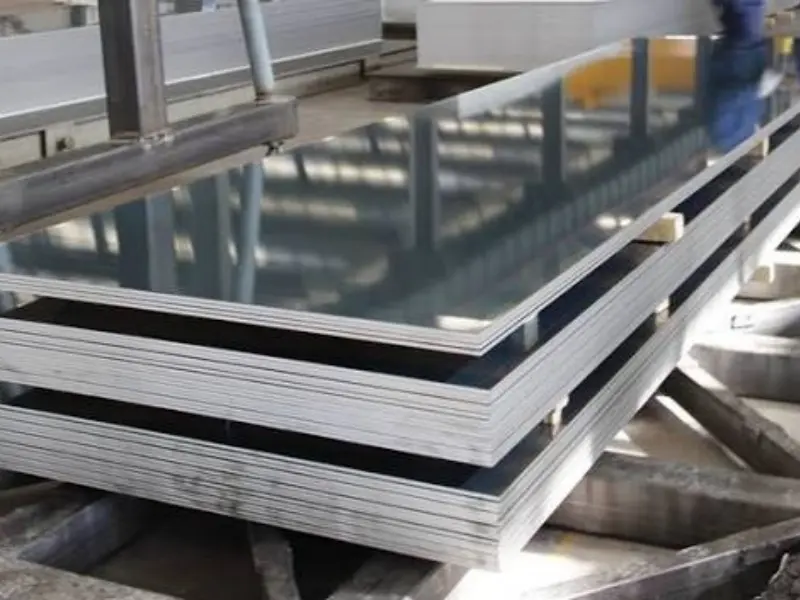
1050 O Aluminum Sheet
→ Soft and highly formable. Suitable for deep drawing, bending, stamping and products with complex shapes.
1050 H14 Aluminum Sheet
→ Provides higher strength while maintaining good formability. Suitable for general fabrication and industrial panels.
1050 H24 Aluminum Sheet
→ Offers a good balance between strength and formability. Commonly used for building and decorative applications.
1050 Polished Aluminum Sheet
→ Provides a bright metallic appearance for decorative and reflective products.
1050 Anodized Aluminum Sheet
→ Provides improved surface protection and a durable decorative finish.
Product Advantages
→ High aluminum purity
→ Excellent electrical conductivity
→ Excellent thermal conductivity
→ Good corrosion resistance
→ Easy forming and fabrication
→ Lightweight material
→ Smooth and uniform surface
→ Suitable for different surface treatments
→ Custom specifications available
The price can change according to several factors.
What Affects 1050 Aluminum Sheet Price?
| Factor | Effect on cost |
|---|---|
| Thickness | Thicker sheet uses more aluminum |
| Sheet size | Larger dimensions increase material weight |
| Temper | Different production conditions |
| Surface | Special finishes require more processing |
| Tolerance | Tight tolerance requires additional control |
| Quantity | Larger orders may improve efficiency |
| Cutting | Custom cutting adds processing |
| Packaging | Special protection increases cost |
| Freight | Weight and volume affect shipping |
A good quotation should include the complete material specification.

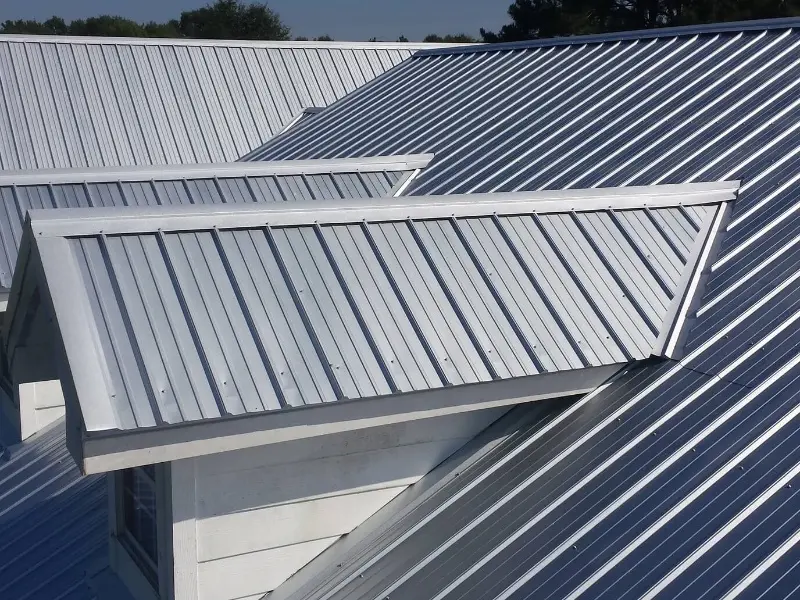
Why Sheet Flatness Matters
Flatness can affect fabrication and final appearance.
Poor flatness may cause:
- Difficult cutting
- Uneven bending
- Problems during stamping
- Poor fitting
- Additional leveling work
For standard fabrication, normal commercial tolerance may be enough.
For precision production, customers should state their flatness requirements before ordering.
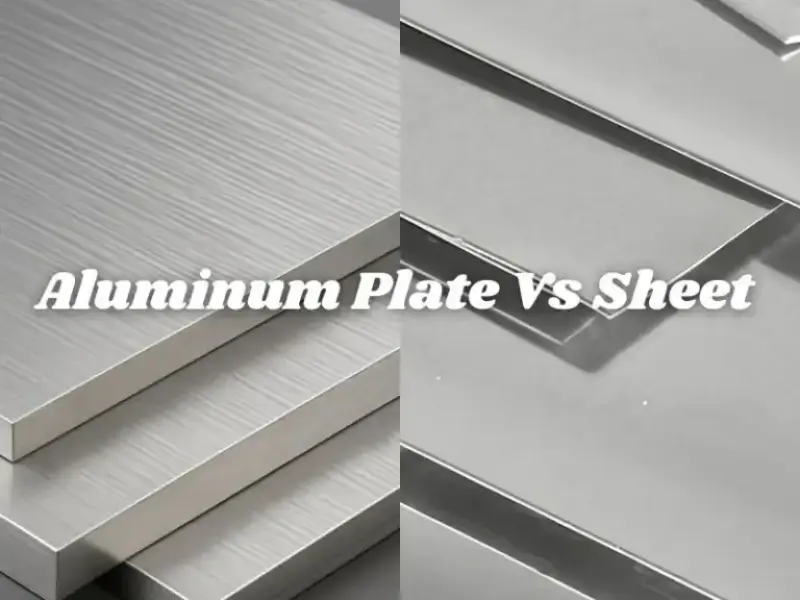
1050 Aluminum Sheet for Custom Cutting
Standard sheet sizes do not always match the final product.
Custom cutting can help manufacturers reduce preparation work.
A typical process is:
Large Aluminum Sheet
↓
Cutting
↓
Specified Width
↓
Specified Length
↓
Ready for Fabrication
Custom cut-to-size service can also reduce unnecessary material waste.
Quality Inspection for 1050 Aluminum Sheet
Before shipment, several points can be checked.
| Inspection item | Purpose |
|---|---|
| Alloy | Confirm 1050 grade |
| Temper | Confirm material condition |
| Thickness | Check tolerance |
| Width | Confirm dimensions |
| Length | Confirm cutting |
| Surface | Check scratches and marks |
| Flatness | Support fabrication |
| Mechanical properties | Confirm specification |
| Packaging | Protect material during shipping |
For large projects, inspection requirements can be discussed before production.
How to Buy 1050 Aluminum Sheet
Before requesting a quotation, prepare the basic requirements.
Material
→ 1050 aluminum
Temper
→ O / H12 / H14 / H16 / H18
Thickness
→ ___ mm
Width
→ ___ mm
Length
→ ___ mm
Surface
→ Mill / Bright / Anodized / Painted / Custom
Quantity
→ ___ tons or sheets
Processing
→ Standard sheet / Cut-to-size / Slitting
Providing these details allows the manufacturer to prepare a more accurate quotation.
1050 Aluminum Sheet for Different Manufacturing Methods
The same alloy can be used in different production processes.
| Manufacturing method | Key consideration |
|---|---|
| Bending | Temper and bend radius |
| Stamping | Formability and thickness |
| Spinning | Ductility and surface quality |
| Cutting | Thickness and dimensional tolerance |
| Punching | Temper and tool condition |
| Anodizing | Surface quality |
| Welding | Thickness and joint design |
This is why the final manufacturing process should be considered before choosing the material specification.
A Simple Material Selection Guide
Need maximum formability?
→ Consider 1050-O.
Need a balance between strength and forming?
→ Consider 1050-H14.
Need higher hardness?
→ Consider H16 or H18.
Need higher strength?
→ Compare 1050 with 3003.
Need high conductivity?
→ Consider high-purity aluminum such as 1050.
Need precision machining?
→ Compare 1050 with a more machinable alloy such as 6061.
Need marine-grade performance?
→ Compare with 5052 or 5083.
Factory Supply and Custom Production
We can supply 1050 aluminum sheet for standard manufacturing and custom projects.
Available options can include:
- 1050 aluminum sheet
- 1050-O
- 1050-H12
- 1050-H14
- 1050-H16
- 1050-H18
- Custom thickness
- Custom width
- Custom length
- Mill finish
- Bright finish
- Anodized surface
- Painted surface
- Cut-to-size service
- Export packaging
For manufacturers, distributors, fabricators, and engineering projects, specifications can be adjusted according to the final production requirements.
Quick 1050 Aluminum Selection Chart
| Requirement | Recommended direction |
|---|---|
| Maximum forming | 1050-O |
| General fabrication | 1050-H14 |
| Higher hardness | H16 / H18 |
| Spinning | Soft temper |
| Electrical use | High-purity 1050 |
| Decorative surface | Bright or anodized |
| Custom fabrication | Confirm thickness and temper |
| Higher strength | Compare 3003 |
| Higher structural performance | Consider 5xxx or 6xxx series |
Packaging and Delivery
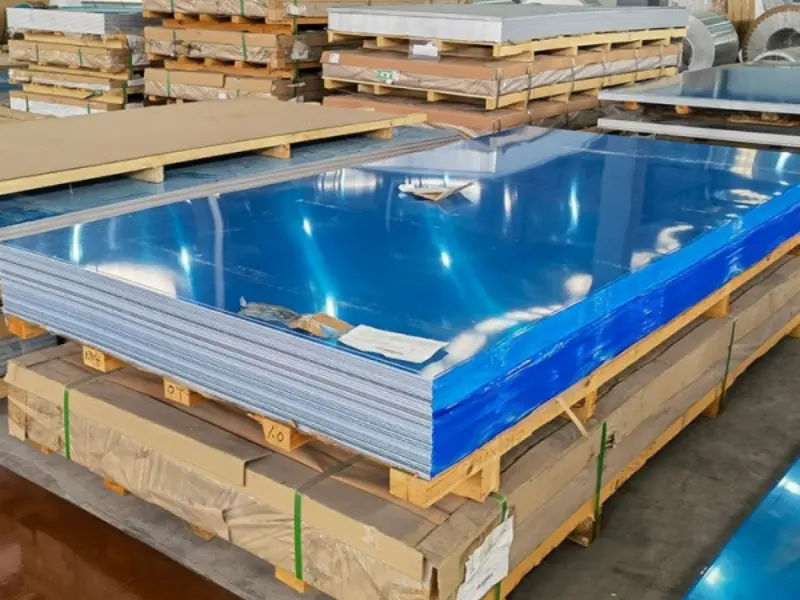
Sheet and coil are packed to prevent surface damage during transit.
MOQ and lead time depend on thickness, temper, and order size
Interleaved paper or PE film between sheets
Wood pallet or crate packing, per standard export practice
Coil wrapped with moisture-proof film and edge protectors
Frequently Asked Questions
What is 1050 aluminum sheet used for?
It is used for chemical tanks, reflectors, nameplates, heat exchanger fins, and decorative panels, mainly where purity and corrosion resistance matter.
Is 1050 aluminum stronger than 1060?
1050 is slightly stronger than 1060, though both are considered low-strength, high-purity grades.
Can 1050 aluminum sheet be anodized?
Yes. Its high purity gives it a clean, even anodized finish, which is why it is popular for decorative parts.
What is the difference between 1050 and 1100 aluminum?
1050 has higher aluminum purity, while 1100 contains slightly more copper. This makes 1050 better for corrosion resistance and 1100 a bit stronger.
What thickness is best for reflective panels?
0.3mm to 0.6mm mirror polished sheet is the common range for lighting reflectors and decorative panels.
Does 1050 aluminum sheet come in coil form?
Yes. Coil form is available in the same alloy and temper range as flat sheet, suited for roll-forming and slitting operations.