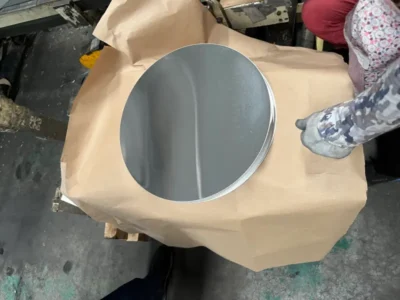
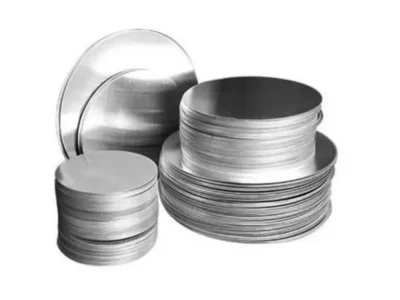
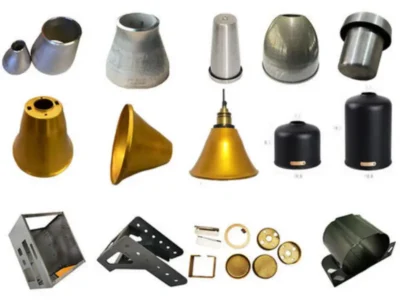
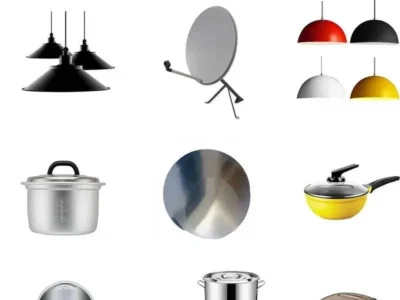
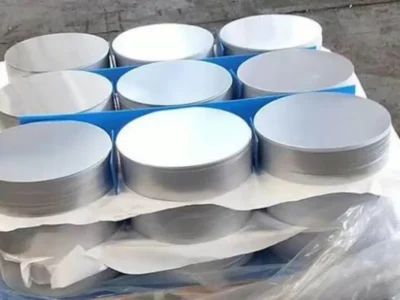
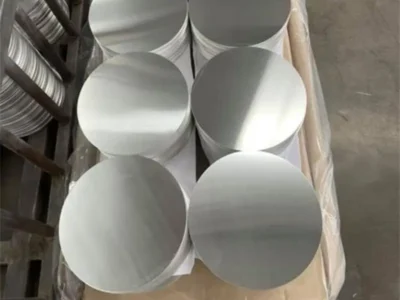
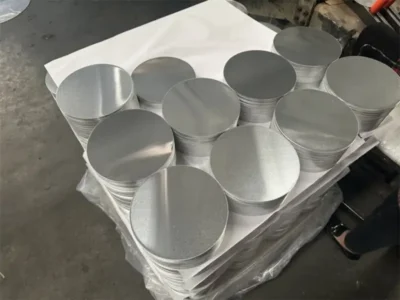
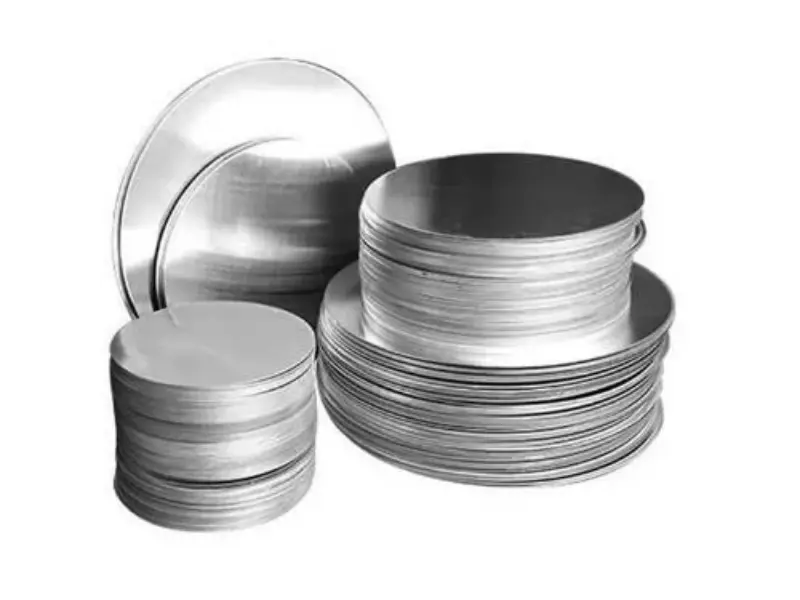
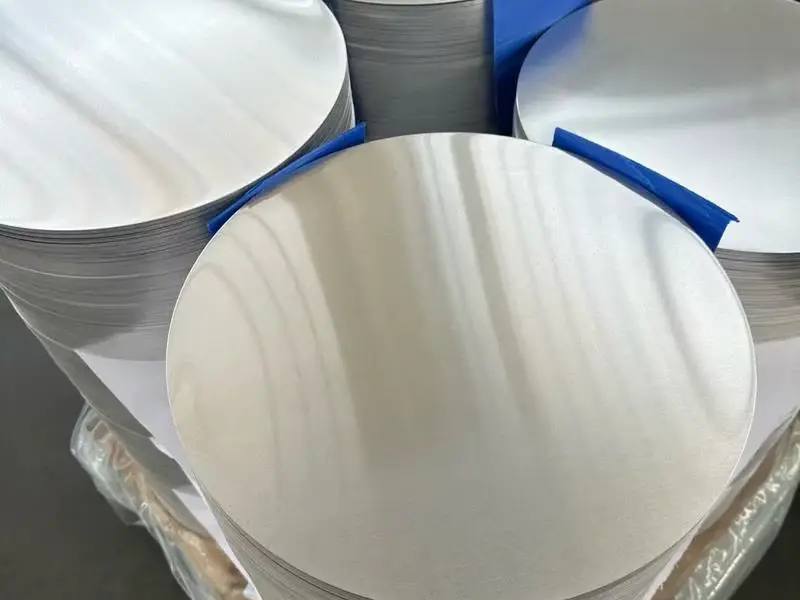
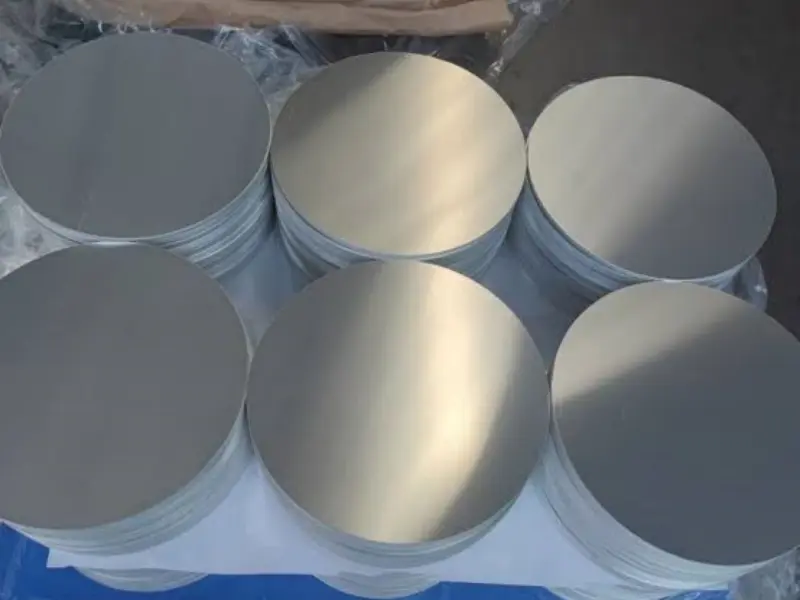
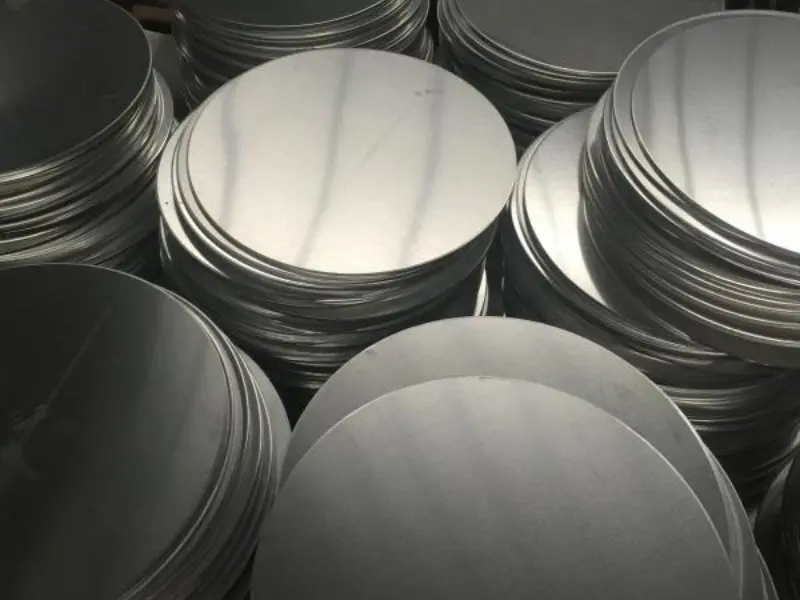
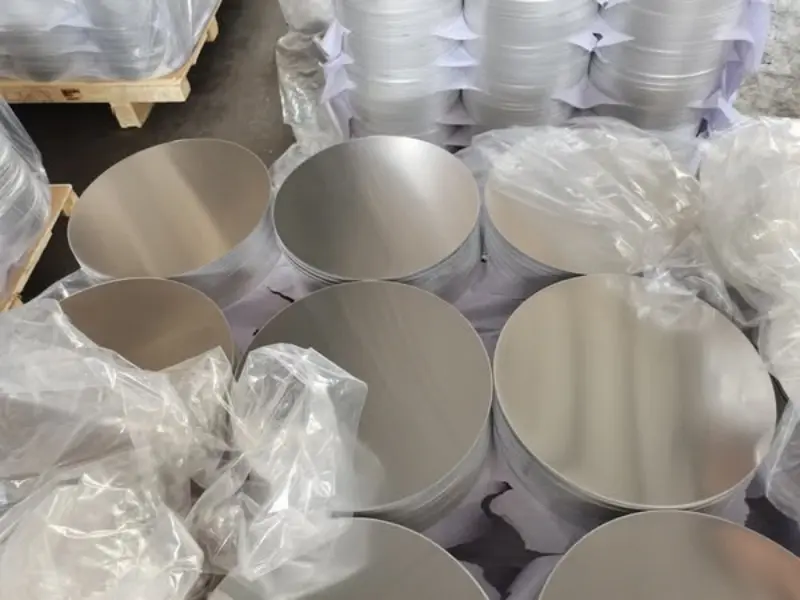
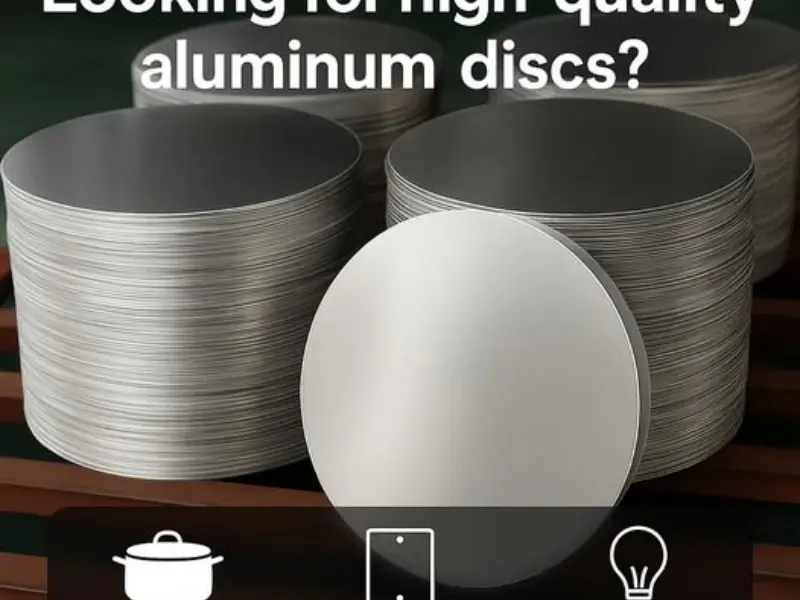
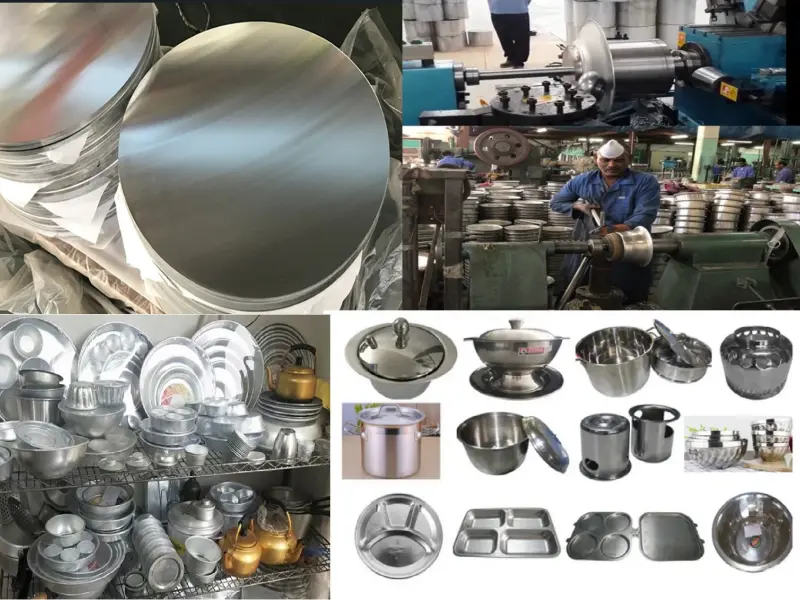
An aluminium circle plate is a round aluminum blank made from aluminum sheet or coil. It is widely used for cookware, lighting, road signs, traffic signs, industrial parts, decorative products, and many formed components.
Unlike a rectangular aluminum sheet, a circle plate is usually supplied as a ready-to-form round blank. This can reduce cutting waste and save production time.
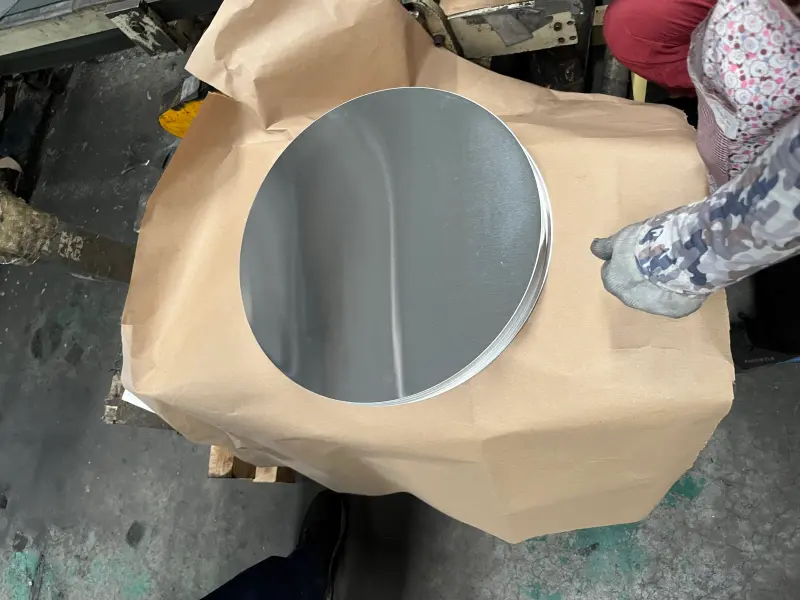
The final product can be customized by alloy, temper, diameter, thickness, surface finish, and edge condition. Different combinations are suitable for different forming processes.
For buyers, the key is not simply choosing a round aluminum plate. The correct alloy and temper should match the next production step.
What Is an Aluminium Circle Plate?
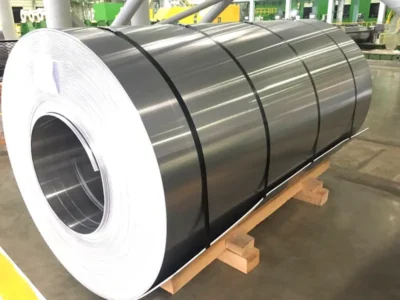
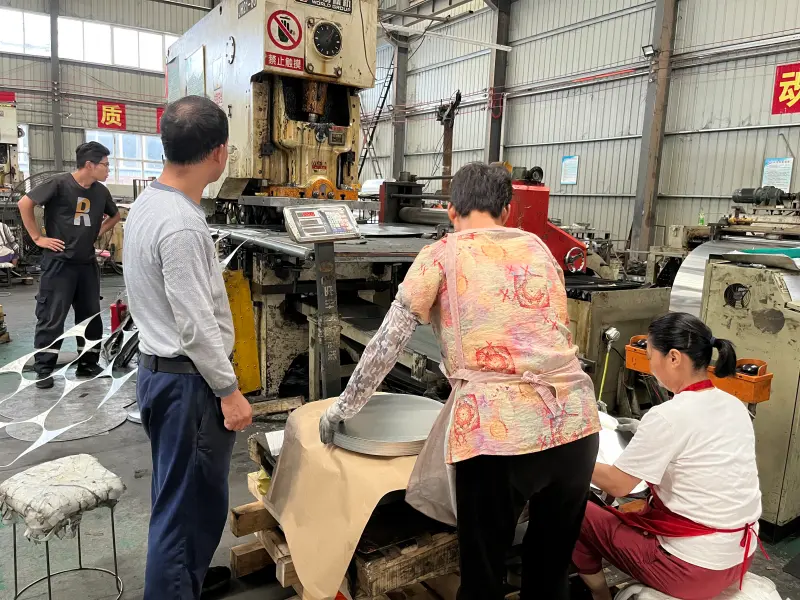
An aluminium circle plate is a circular piece cut from aluminum sheet or coil.
The manufacturing route is usually:
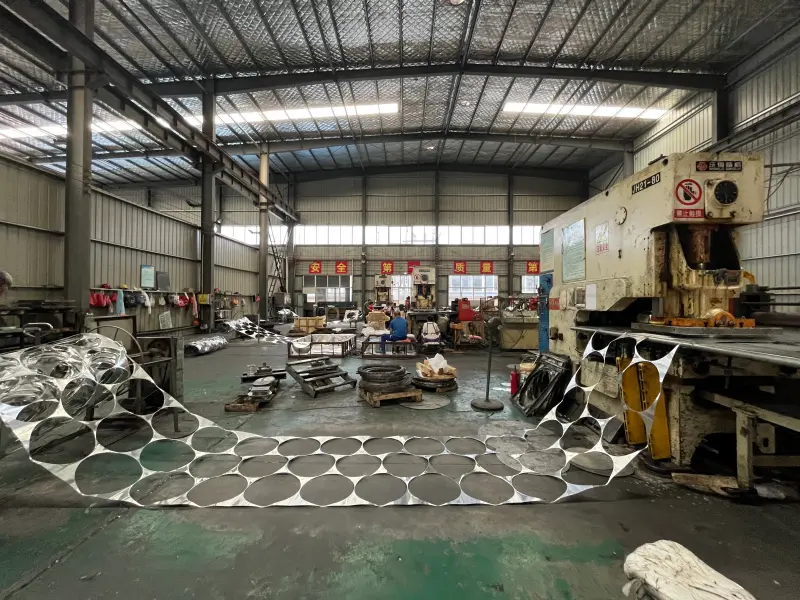
Aluminum coil → Leveling → Circle cutting → Deburring → Inspection → Packing
For some products, the circle is then processed further:
Aluminium circle → Deep drawing → Spinning → Stamping → Finished product
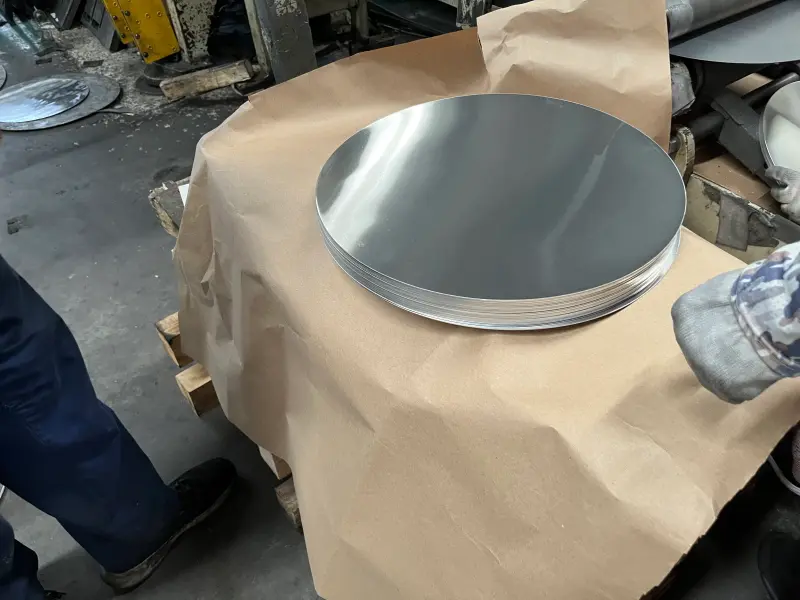
This makesaluminum circles especially useful for manufacturers that produce large quantities of round parts.
Common descriptions include:
- Aluminium circle
- Aluminum circle plate
- Aluminum disc
- Aluminum round blank
- Aluminum round plate
- Aluminium disc blank
- Aluminum circle blank
The term used by buyers can vary by country and industry.
Common Aluminium Circle Plate Sizes
Diameter and thickness are two of the most important specifications.
| Diameter | Thickness | Typical Form |
|---|---|---|
| 100 mm | 0.5–3.0 mm | Small blank |
| 150 mm | 0.6–3.0 mm | Small round part |
| 200 mm | 0.8–4.0 mm | Cookware and lighting |
| 250 mm | 0.8–4.0 mm | Cookware |
| 300 mm | 1.0–5.0 mm | Industrial products |
| 400 mm | 1.0–5.0 mm | Large cookware |
| 500 mm | 1.5–6.0 mm | Industrial use |
| 600 mm | 1.5–8.0 mm | Large formed parts |
These are general ranges. Actual sizes depend on the alloy, production equipment, and application.
Custom diameters can also be produced.
Aluminium Circle Plate Thickness Options
Different products need different thicknesses.
| Thickness | Approx. Inch | Typical Use |
|---|---|---|
| 0.5 mm | 0.020″ | Small decorative parts |
| 0.8 mm | 0.032″ | Lighting and light products |
| 1.0 mm | 0.039″ | General forming |
| 1.2 mm | 0.047″ | Cookware |
| 1.5 mm | 0.059″ | Cookware and industrial parts |
| 2.0 mm | 0.079″ | Heavy-duty forming |
| 3.0 mm | 0.118″ | Industrial components |
| 5.0 mm | 0.197″ | Heavy aluminum parts |
A thinner circle is lighter and may require less forming force.
A thicker circle provides more rigidity and material for deep drawing.
Popular Aluminium Circle Alloys
The alloy has a major effect on forming performance.
| Alloy | Common Temper | Main Feature |
|---|---|---|
| 1050 | O, H12, H14 | High ductility |
| 1060 | O, H12, H14 | High aluminum content |
| 1070 | O | Excellent forming |
| 1100 | O, H12, H14 | Good formability |
| 3003 | O, H12, H14 | Strength and formability |
| 3004 | O, H12 | Good forming and strength |
| 5052 | O, H32 | Higher strength |
| 6061 | T6 | High strength |
For deep drawing, softer tempers are usually preferred.
1050 Aluminium Circle Plate
1050 aluminum has high aluminum content and good ductility.
It is often selected for products that require significant forming.
Possible uses include:
- Cookware
- Lighting reflectors
- Kitchen equipment
- Decorative products
- Electrical components
- General stamped parts
The O temper is particularly useful when deep drawing is required.
1060 Aluminium Circle
1060 is another popular choice for aluminum circles.
It offers good electrical and thermal conductivity as well as excellent formability.
Common uses include:
→ Cookware
→ Lighting equipment
→ Reflectors
→ Industrial parts
→ Decorative products
→ Electrical components
For customers looking for a balance between price and easy forming, 1060 is often considered.
3003 Aluminium Circle Plate
3003 contains manganese and provides higher strength than many 1xxx series alloys.
It is commonly used when the finished product needs both forming ability and moderate strength.
Applications include:
- Cookware
- Pots and pans
- Pressure cooker components
- Heat exchangers
- Lighting products
- Industrial containers
- General fabricated parts
3003 is a practical choice for many medium-duty applications.
3004 Aluminium Circle
3004 provides higher strength than 3003 in many applications.
It is often considered for:
- Cookware
- Beverage containers
- Deep-drawn components
- Industrial products
- Lighting parts
The alloy can provide a useful balance between formability and strength.
5052 Aluminium Circle
5052 is a stronger aluminum alloy containing magnesium.
It has good corrosion resistance and is widely used for industrial and transportation products.
Possible applications include:
- Industrial covers
- Marine components
- Transportation parts
- Equipment panels
- Chemical containers
- Fabricated components
When deep drawing is required, the temper should be selected carefully.
Aluminium Circle Temper Selection
Temper affects the forming behavior of the material.
| Temper | Condition | General Character |
|---|---|---|
| O | Annealed | Very soft |
| H12 | Quarter hard | Moderate strength |
| H14 | Half hard | Higher strength |
| H16 | 3/4 hard | Higher hardness |
| H18 | Full hard | High hardness |
| H32 | Stabilized | Common for 5052 |
For deep drawing, O temper is often preferred.
For products requiring more rigidity, an H temper may be considered.
The correct choice depends on the forming depth and production method.
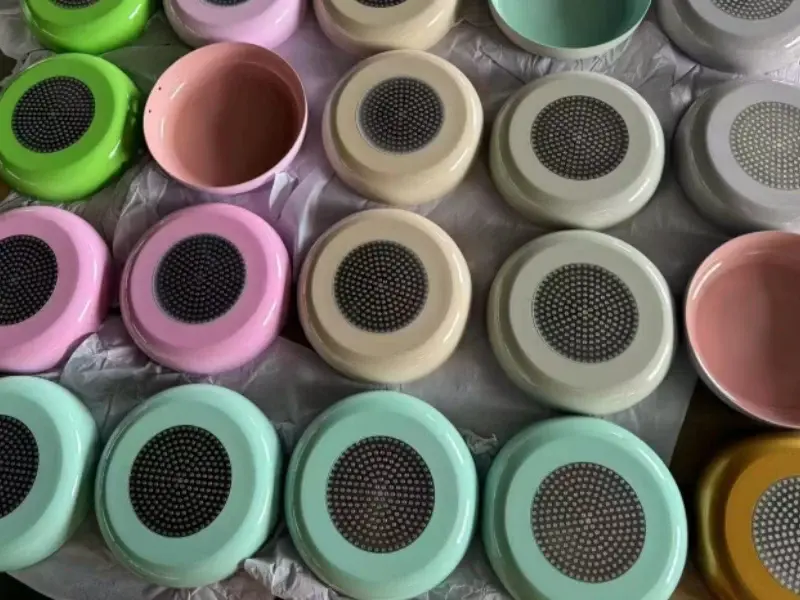
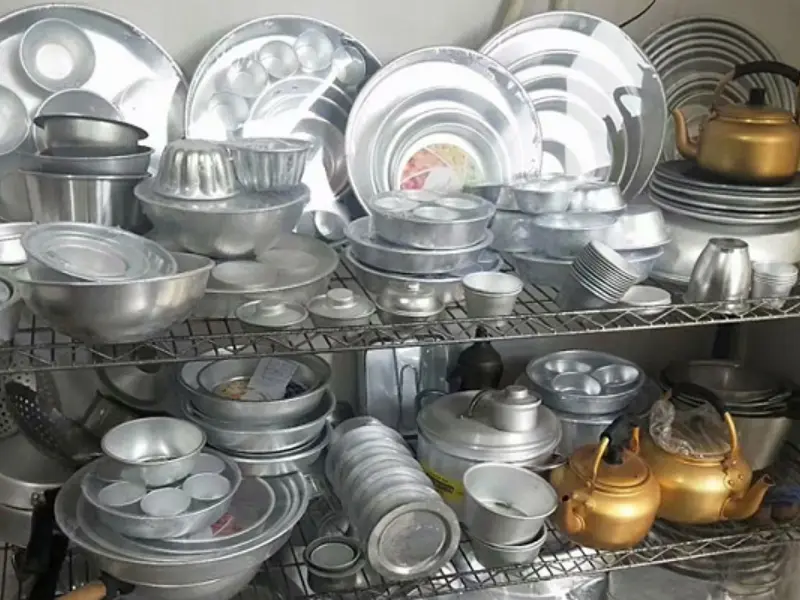
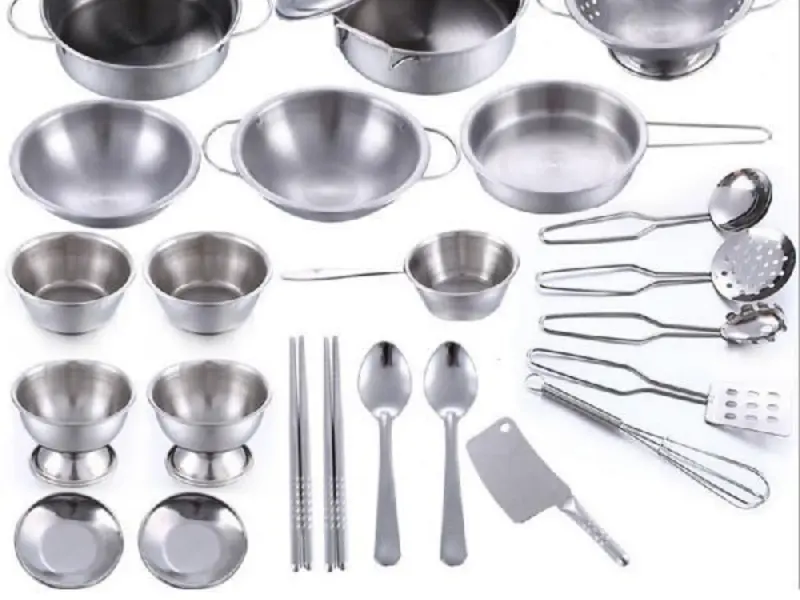
Aluminium Circle for Cookware
Cookware is one of the most important applications for aluminum circles.
The material can be formed into:
- Frying pans
- Sauce pans
- Stock pots
- Cooking pots
- Pizza pans
- Baking trays
- Pressure cooker components
- Camping cookware
The production process may look like:
Aluminum circle → Deep drawing → Trimming → Surface treatment → Handle assembly → Finished cookware
The material should have good ductility and a stable surface.
1050, 1060, 3003, and 3004 are common alloy options for different cookware designs.
Aluminium Disc for Frying Pans
A frying pan requires good forming performance.
The aluminum disc is pressed into the required shape.
For deeper pans, the material must withstand substantial deformation without cracking.
A typical specification may include:
3003-O × 2.0 mm × 260 mm diameter
The exact specification depends on the pan design.
For non-stick cookware, additional surface treatment and coating may be applied after forming.
Aluminium Circle for Pots and Pans
Large cookware usually requires a larger diameter blank.
| Product | Possible Diameter Range |
|---|---|
| Small pan | 180–220 mm |
| Medium pan | 220–300 mm |
| Large pan | 300–400 mm |
| Large pot | 300–500+ mm |
These ranges are only examples.
The final blank diameter should be calculated according to the finished product size and forming process.
Aluminium Circle for Lighting
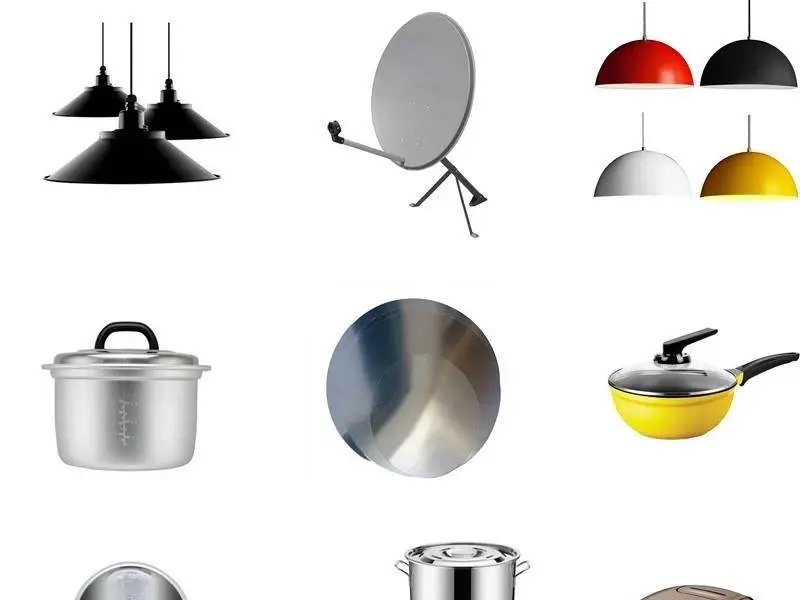
Round aluminum blanks are widely used for lighting reflectors.
The surface can be formed into a curved reflector.
Possible products include:
→ LED reflectors
→ Downlight reflectors
→ Street light components
→ Industrial lamp reflectors
→ Ceiling light parts
→ Decorative lighting
High reflectivity may be important for certain lighting applications.
In such cases, the surface finish should be specified before production.
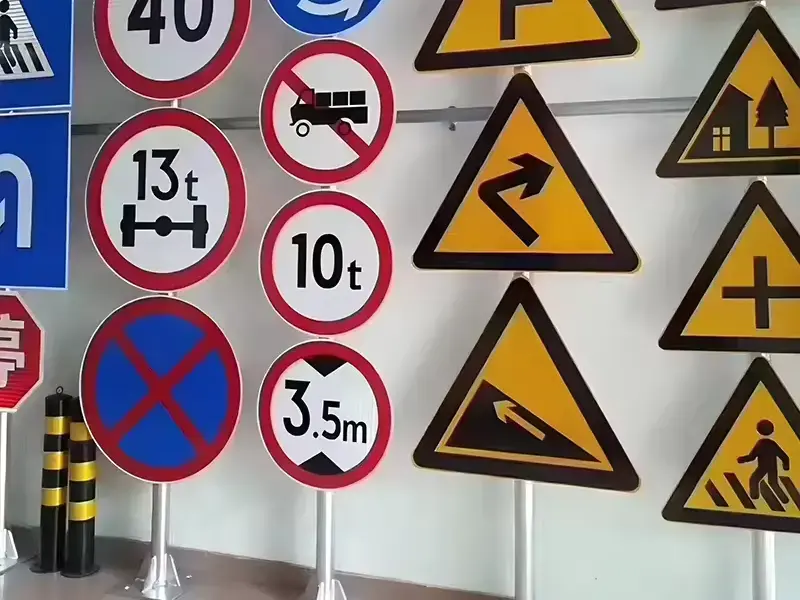
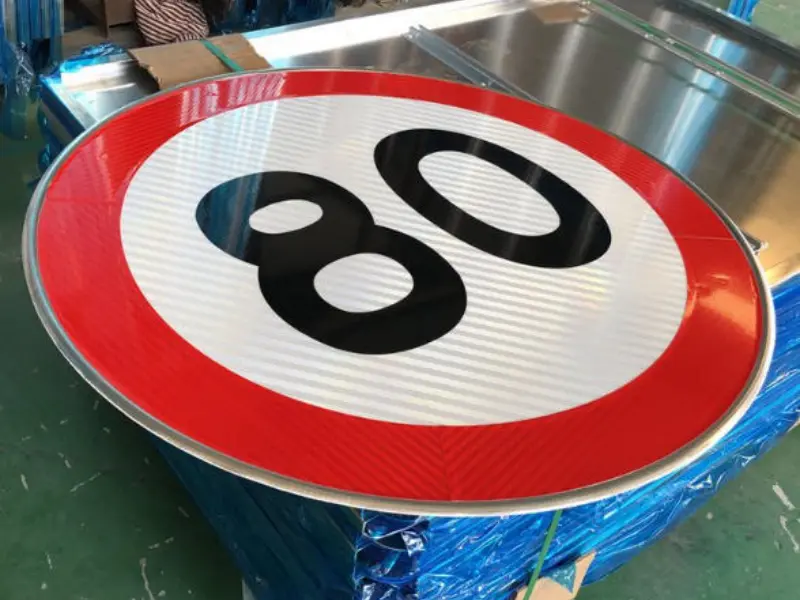
Aluminium Circle for Road Signs
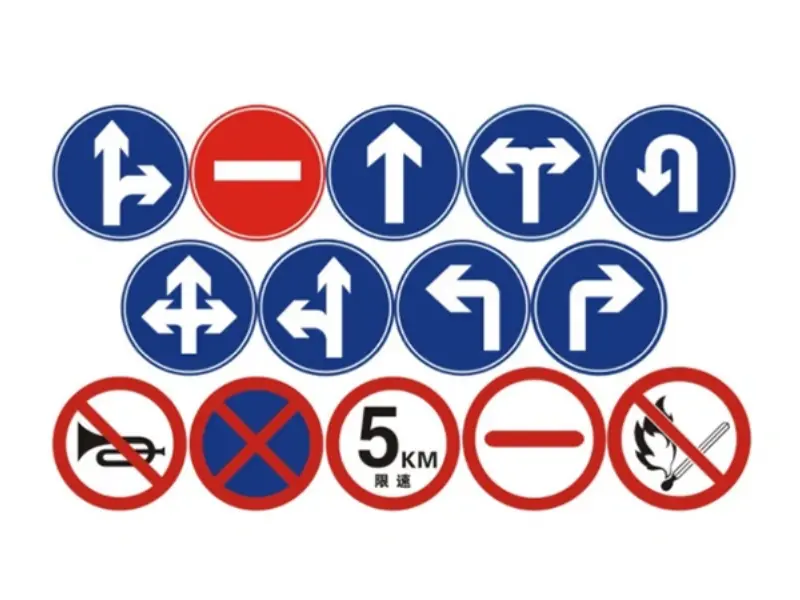
Aluminum is also used for road and traffic sign blanks.
The circular shape is useful for:
- Traffic signs
- Warning signs
- Speed limit signs
- Parking signs
- Direction signs
- Industrial safety signs
The aluminum blank can then receive a reflective film or printed surface.
The required thickness depends on the sign diameter and local specifications.
Aluminium Circle for Traffic Signs
Traffic signs need a combination of:
Light weight + corrosion resistance + flatness + surface quality
Aluminum is suitable for outdoor sign applications because it does not require the same type of corrosion protection as ordinary carbon steel.
Possible surface treatments include:
- Mill finish
- Anodized surface
- Painted surface
- Reflective film
- Powder coating
Aluminium Circle for Stamping
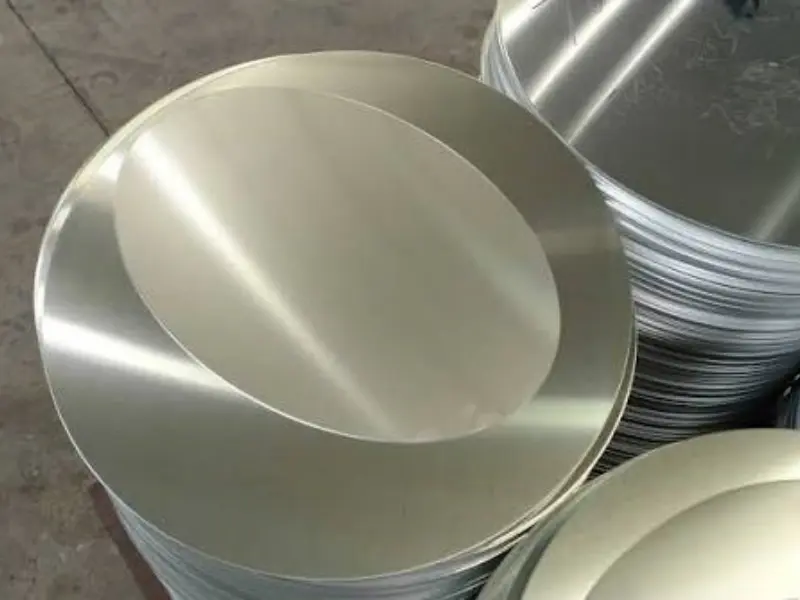
Aluminum circles can be used as blanks for stamping operations.
The process can be:
Circle blank → Die positioning → Stamping → Trimming → Inspection
Suitable alloys depend on the required deformation.
Soft 1xxx and some 3xxx series materials are often considered for forming-intensive applications.
Deep Drawing Aluminium Circle
Deep drawing is one of the key applications of aluminum circles.
During the process, a flat circular blank is pushed into a die to create a three-dimensional shape.
The main factors include:
- Blank diameter
- Sheet thickness
- Alloy
- Temper
- Drawing depth
- Die radius
- Lubrication
- Punch speed
A suitable material reduces the risk of cracking and wrinkling.
For complex products, trial forming is recommended.
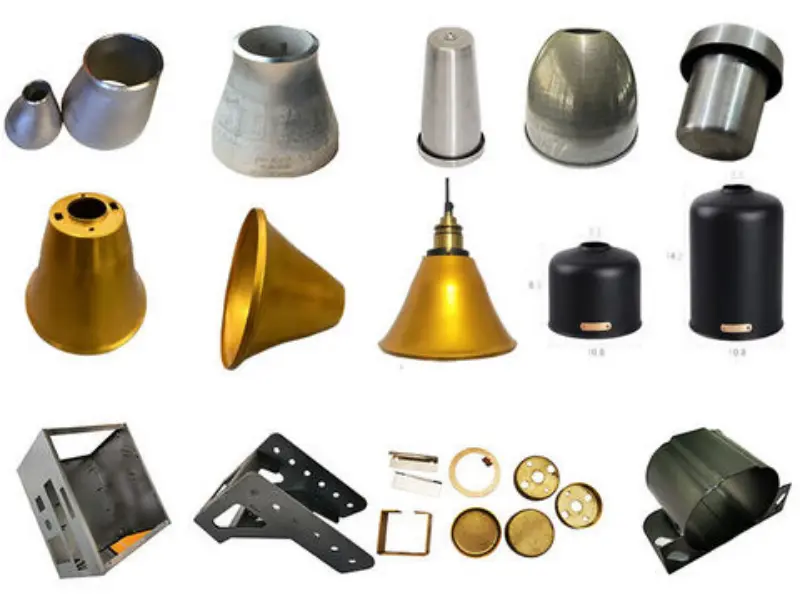
Spun Aluminium Circle Plate
Aluminum circles can also be used for metal spinning.
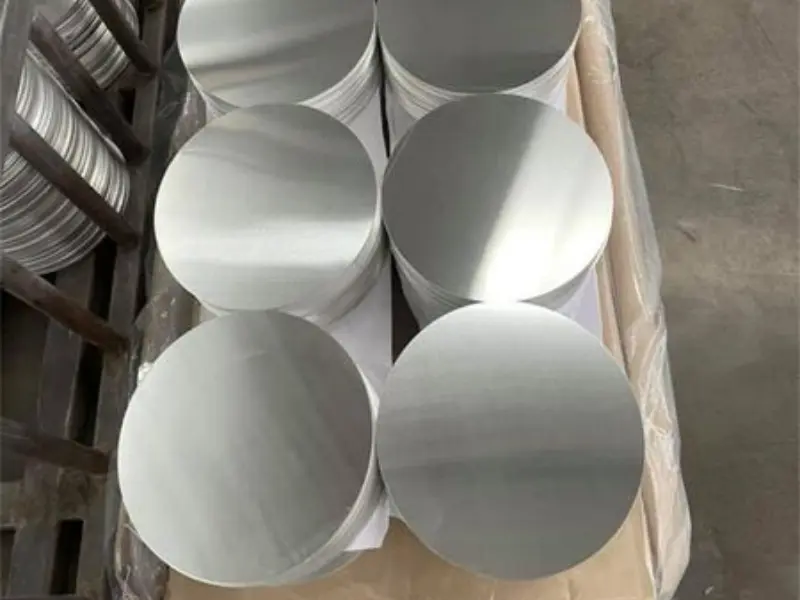
Metal spinning gradually forms the circular blank over a rotating mandrel.
This process is suitable for:
- Lamp reflectors
- Bowls
- Covers
- Conical components
- Decorative products
- Industrial housings
Compared with deep drawing, spinning can be useful for certain low-volume or special-shaped products.
Aluminium Circle Surface Finishes
The surface finish should match the final application.
Mill Finish Aluminium Circle
This is the standard surface.
It is suitable for general forming and products that will receive additional processing.
Polished Aluminium Circle
A polished surface provides a smoother appearance.
It can be considered for decorative products and certain reflectors.
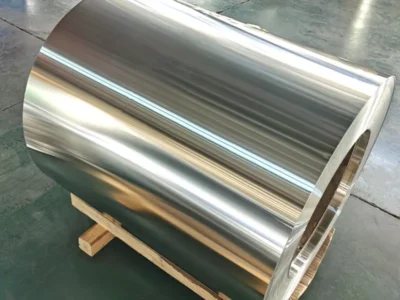
Mirror Aluminium Circle
Mirror aluminum offers a highly reflective surface.
Typical uses include:
- Lighting
- Reflectors
- Decoration
- Interior products
Anodized Aluminium Circle
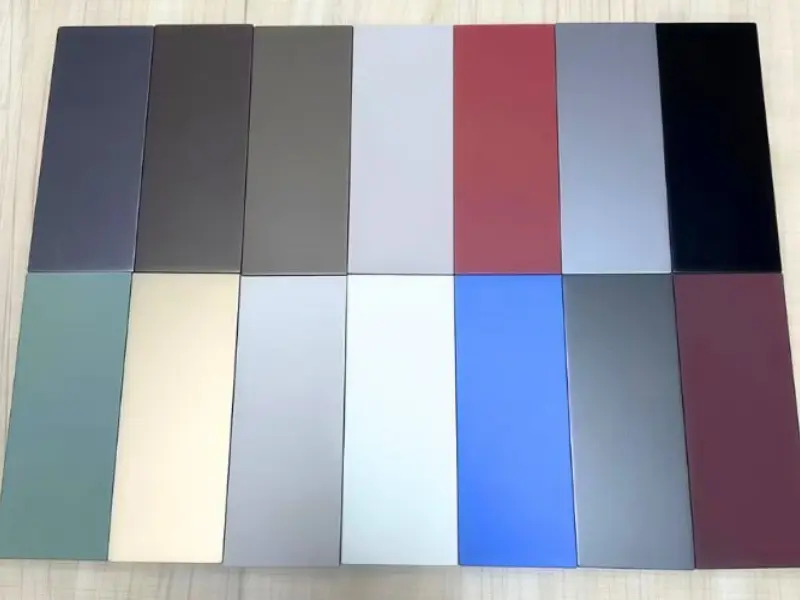
Anodized aluminum provides a controlled oxide layer.
It can be used for decorative and architectural components.
Painted Aluminium Circle
Painted aluminum allows different colors and additional surface protection.
It is useful for signs and decorative products.
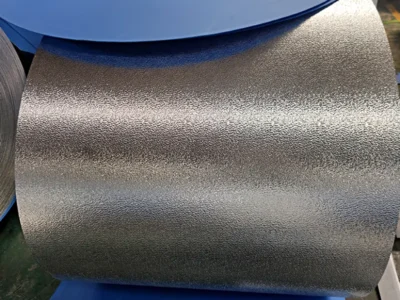
Embossed Aluminium Circle
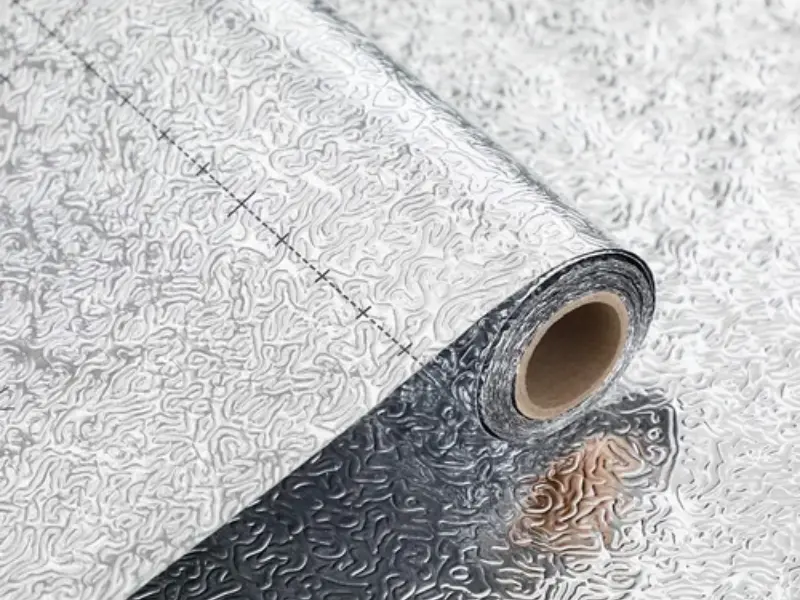
An embossed surface creates a textured appearance.
It can be used for selected decorative and industrial products.
Aluminium Circle vs Aluminium Sheet
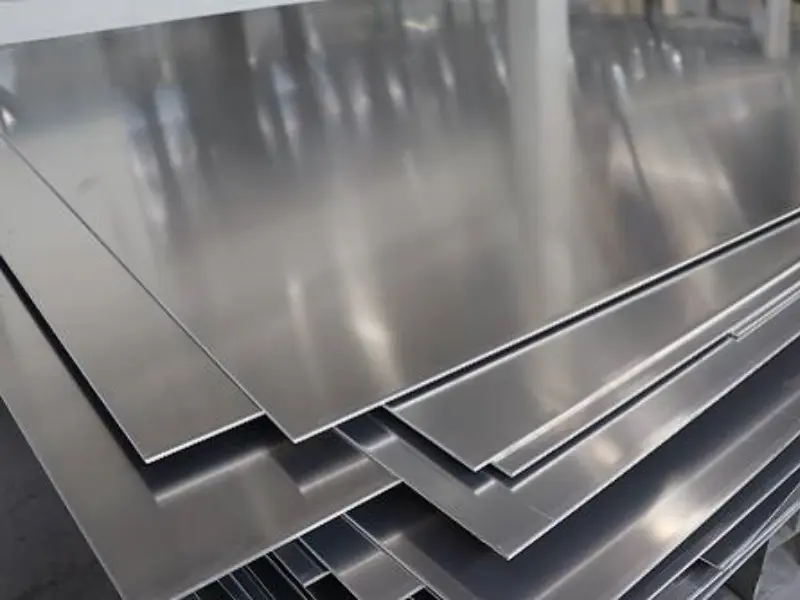
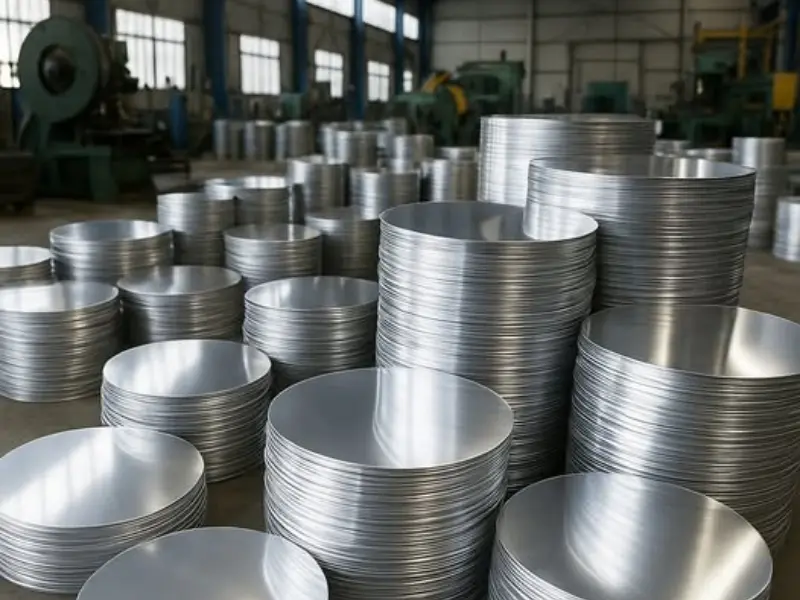
The main difference is shape and production efficiency.
| Feature | Aluminium Circle | Aluminium Sheet |
|---|---|---|
| Shape | Round | Rectangular |
| Ready for round forming | Yes | Requires cutting |
| Material waste | Lower for round products | May be higher |
| Processing | Stamping/deep drawing | Cutting + forming |
| Typical use | Cookware and reflectors | Panels and fabrication |
If the final component is circular, buying pre-cut circles can reduce processing steps.
Aluminium Circle vs Aluminium Disc
In many markets, aluminium circle and aluminium disc describe essentially the same type of round aluminum blank.
However, terminology can vary.
A buyer may search for:
- Aluminium circle
- Aluminum circle plate
- Aluminum disc
- Aluminum disc blank
- Aluminum round blank
- Aluminum round plate
When requesting a quotation, diameter, thickness, alloy, temper, and surface finish are more important than the exact product name.
Aluminium Circle vs Stainless Steel Disc
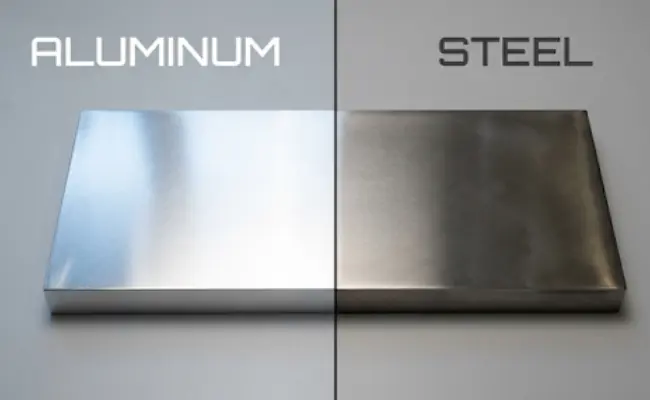
Aluminum and stainless steel have different characteristics.
| Property | Aluminum | Stainless Steel |
|---|---|---|
| Density | Lower | Higher |
| Weight | Light | Heavy |
| Thermal conductivity | High | Lower |
| Corrosion resistance | Good | Very good |
| Forming | Good for suitable grades | Depends on grade |
| Heat transfer | Fast | Slower |
| Typical cookware use | Very common | Very common |
Aluminum is often selected when low weight and fast heat transfer are important.
Stainless steel may be preferred when high surface durability and corrosion resistance are priorities.
Aluminium Circle vs Iron Plate
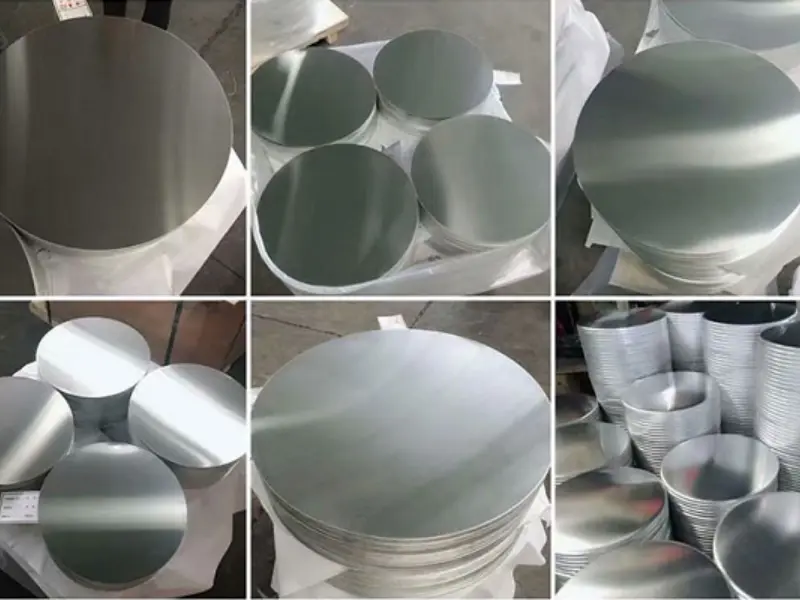
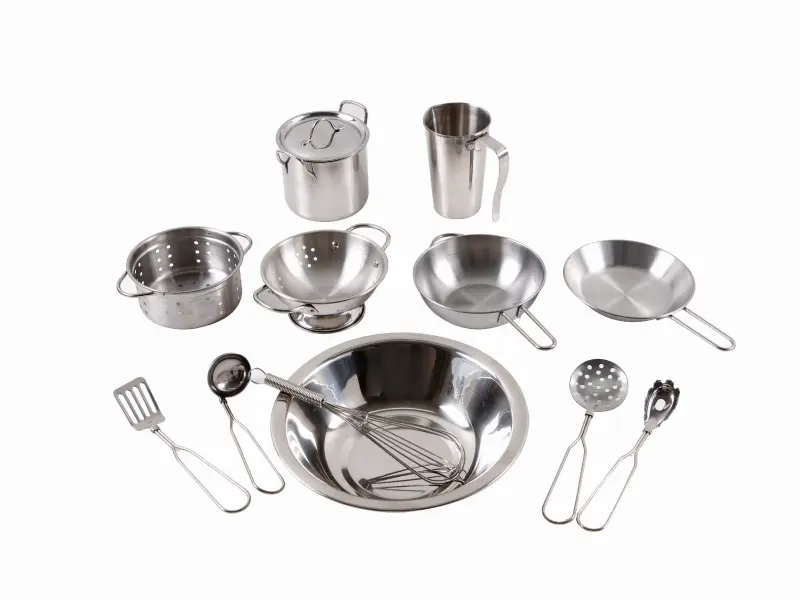
For many cookware and light industrial products, aluminum has a major weight advantage.
| Feature | Aluminum | Iron |
|---|---|---|
| Weight | Low | High |
| Corrosion | Good resistance | Can rust |
| Heat transfer | High | Lower |
| Machining | Good | Good |
| Forming | Good for suitable grades | Depends on material |
| Surface finish | Wide range | Requires protection in many cases |
The correct material should be selected according to the finished product and production process.
Common Aluminium Circle Product Types
Different products can be manufactured from the same basic aluminum circle blank.
Plain Aluminium Circle
A standard mill-finish round blank.
Common alloys include:
1050 → 1060 → 1100 → 3003 → 3004 → 5052
Deep Drawing Aluminium Circle
Designed for forming operations.
Usually supplied in softer tempers such as O.
Cookware Aluminium Circle
Made for pots, pans, trays, and other kitchen products.
Lighting Aluminium Circle
Used for reflectors and lighting housings.
Signage Aluminium Circle
Used as a blank for round traffic and advertising signs.
Embossed Aluminium Circle
A textured surface for decorative or special applications.
Anodized Aluminium Circle
Used where appearance and surface durability are important.
Painted Aluminium Circle
Useful for colored signs and decorative components.
Polished Aluminium Circle
Used for products that require a smooth and attractive appearance.
Aluminium Circle Diameter Tolerance
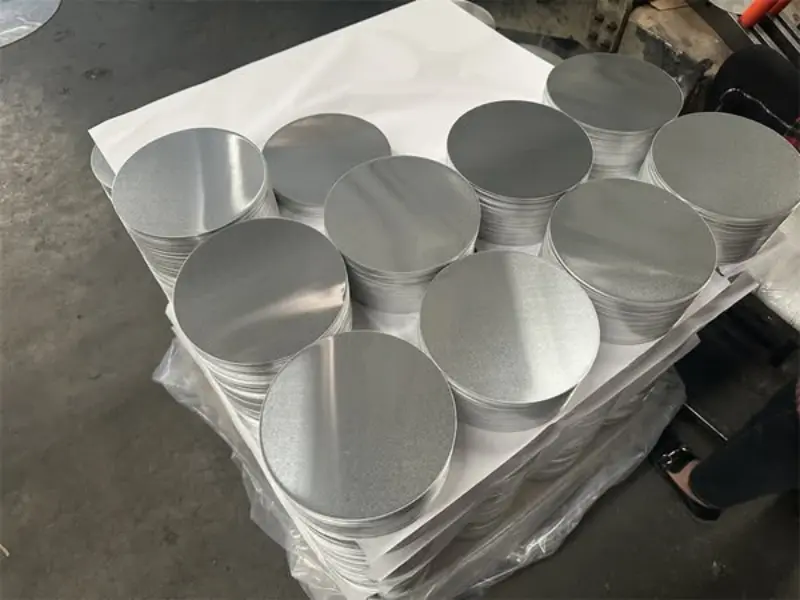
Dimensional tolerance can be important for automatic production lines.
A buyer may specify:
Diameter tolerance → ±0.5 mm
or another requirement according to the application.
For large production runs, consistent diameter helps improve die positioning and reduces production adjustment.
The required tolerance should be agreed before production.
Aluminium Circle Thickness Tolerance
Thickness also affects forming performance.
For example:
| Nominal Thickness | Possible Requirement |
|---|---|
| 0.8 mm | Customer specification |
| 1.0 mm | Customer specification |
| 1.2 mm | Customer specification |
| 1.5 mm | Customer specification |
| 2.0 mm | Customer specification |
| 3.0 mm | Customer specification |
The actual tolerance depends on the relevant material standard and production requirements.
Aluminium Circle Weight Calculation
A simple theoretical calculation can estimate the weight.
Weight = π × (Diameter ÷ 2)² × Thickness × Density
For aluminum, a density of approximately 2.70 g/cm³ is commonly used for basic calculations.
For example, a 300 mm diameter circle with a thickness of 2 mm has an approximate theoretical weight of:
0.424 kg per piece
The actual weight may vary slightly according to alloy and dimensional tolerance.
For large orders, theoretical weight can help estimate:
→ Total material weight
→ Shipping cost
→ Container loading
→ Packaging requirements
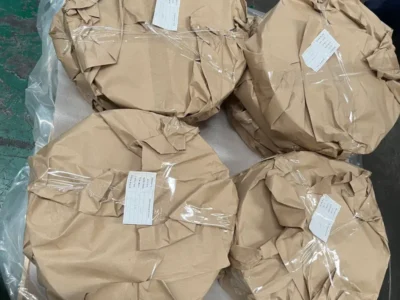
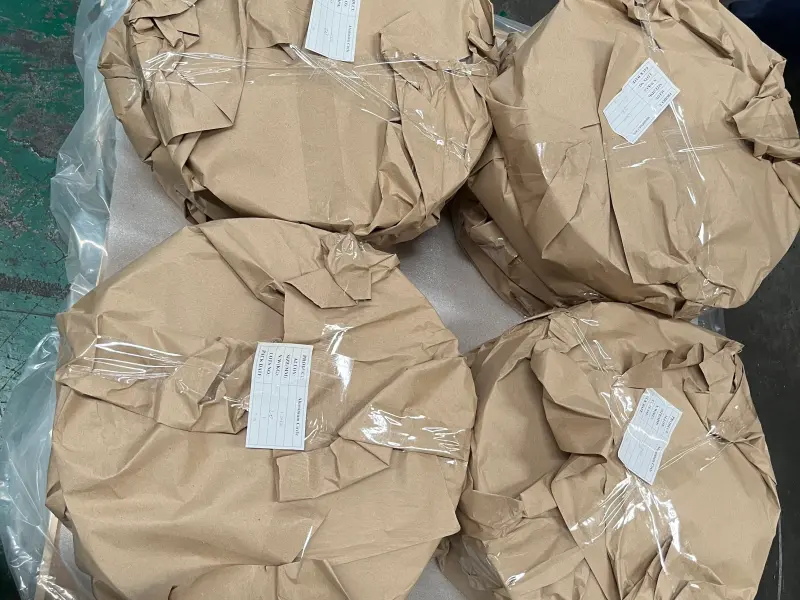
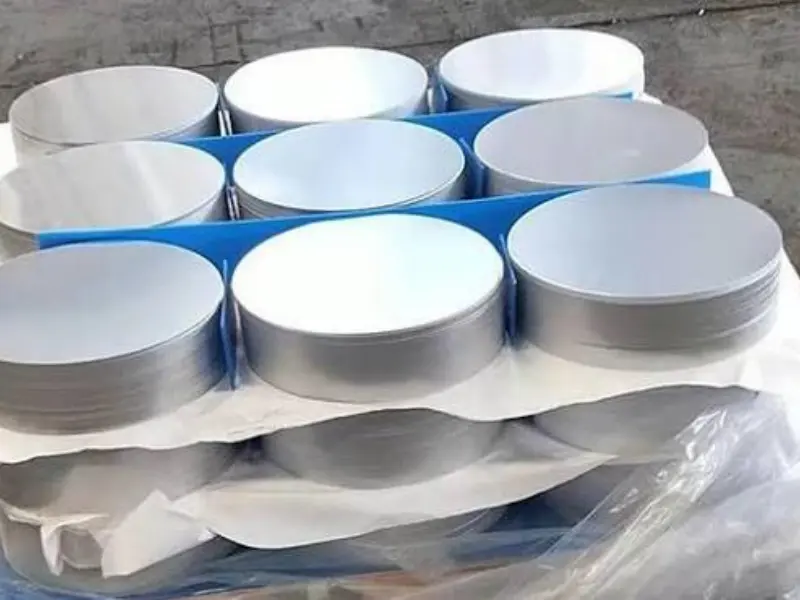
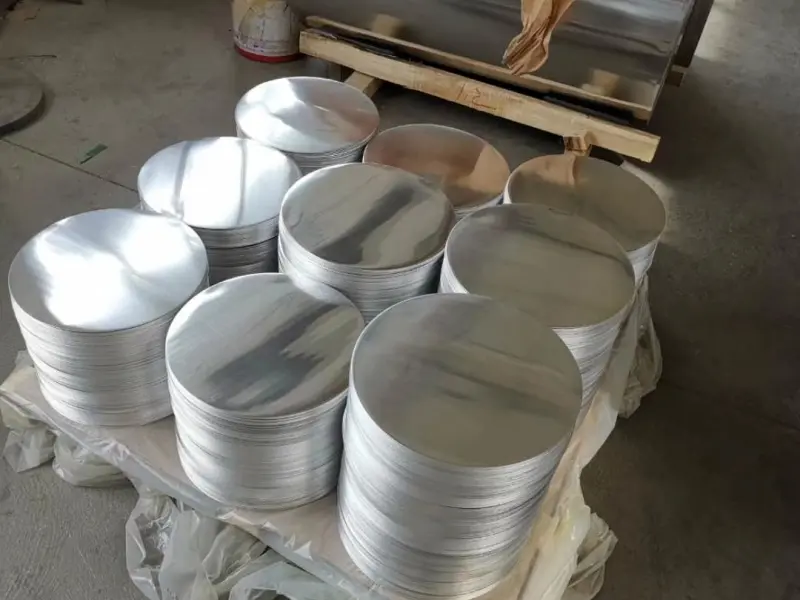
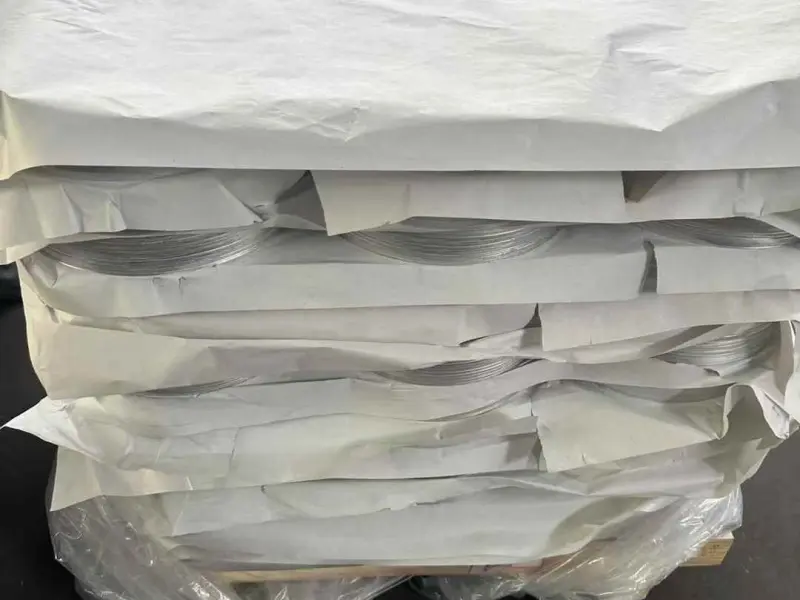
Packaging for Aluminium Circle Plates
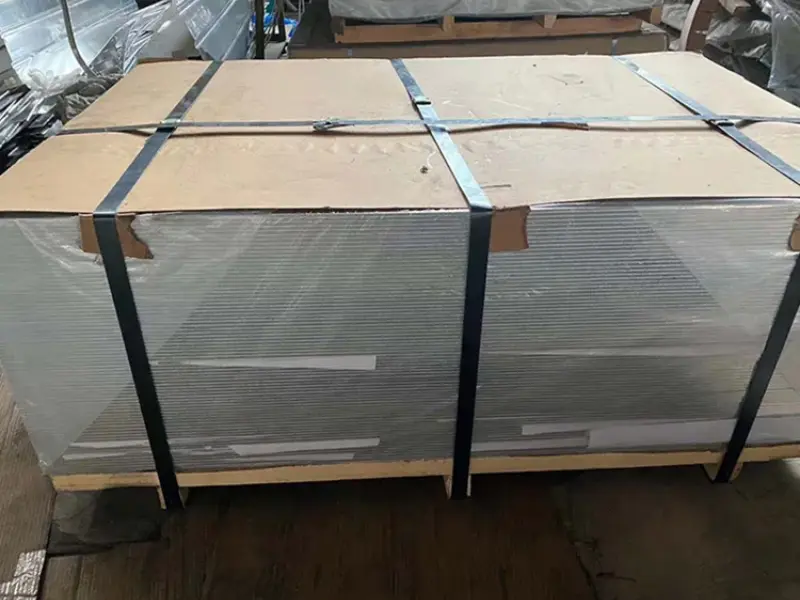
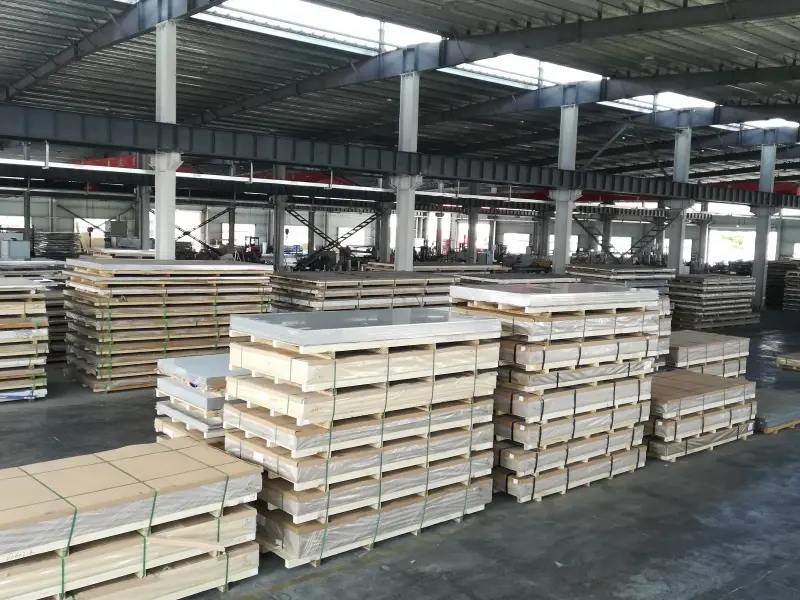
Good packaging helps prevent scratches, deformation, and moisture damage.
Common packaging methods include:
- Wooden pallets
- Wooden cases
- Kraft paper
- Waterproof paper
- Plastic wrapping
- PE protective film
- Cardboard separators
- Steel straps
For export shipments, circles are often stacked carefully and secured on pallets.
For polished or mirror surfaces, additional protection may be required.
How to Order Aluminium Circle Plate
A complete inquiry should include the key specifications.
| Item | Example |
|---|---|
| Product | Aluminium circle plate |
| Alloy | 3003 |
| Temper | O |
| Diameter | 300 mm |
| Thickness | 2.0 mm |
| Surface | Mill finish |
| Edge | Smooth |
| Quantity | 10,000 pcs |
| Application | Cookware |
| Packing | Export wooden pallet |
This information allows suppliers to provide a more accurate quotation.
The price depends on several factors.
What Affects Aluminium Circle Price?
Aluminum market price
↓
Alloy
↓
Temper
↓
Diameter
↓
Thickness
↓
Surface finish
↓
Tolerance
↓
Processing
↓
Quantity
↓
Packaging
↓
Shipping
A large-volume order of standard mill-finish circles may have a different unit cost from a small order of polished or anodized circles.
Quality Checks Before Shipment
For commercial orders, buyers can check:
- Alloy
- Temper
- Diameter
- Thickness
- Diameter tolerance
- Thickness tolerance
- Flatness
- Surface quality
- Edge condition
- Quantity
- Packaging
For cookware or deep-drawing applications, forming tests can be especially useful.
Related Aluminium Products
Customers searching for aluminium circle plate may also be interested in:
- Aluminium sheet
- Aluminium plate
- Aluminium disc
- Aluminium strip
- Aluminium coil
- Aluminium foil
- Aluminium tread plate
- Aluminium checker plate
- Aluminium roofing sheet
- Aluminium cookware sheet
- Aluminium sublimation sheet
- Anodized aluminium sheet
- Painted aluminium sheet
- 1050 aluminium sheet
- 1060 aluminium sheet
- 3003 aluminium sheet
- 5052 aluminium sheet
Choosing the Right Aluminium Circle
The selection can start with the application.
For deep drawing
→ 1050-O
→ 1060-O
→ 1100-O
→ 3003-O
For cookware
→ 1050
→ 1060
→ 3003
→ 3004
For lighting reflectors
→ 1050
→ 1060
→ High-reflectivity aluminum grades
For traffic signs
→ 1050
→ 3003
→ Suitable coated aluminum
For industrial components
→ 3003
→ 5052
→ Other engineering alloys
For decorative products
→ Polished
→ Mirror
→ Anodized
→ Painted
A Practical Specification Example
A complete product specification can look like this:
3003-O Aluminium Circle
Diameter: 300 mm
Thickness: 2.0 mm
Mill Finish
Smooth Edge
Quantity: 10,000 Pieces
Wooden Pallet Packing
This type of specification gives the supplier enough information to calculate the material and processing requirements.
For a custom product, the buyer can also provide a drawing or finished-product dimensions.
Final Guide to Aluminium Circle Plate
An aluminium circle plate is a practical starting material for many round aluminum products.
Its main advantages include:
Round blank → Less cutting work
Light weight → Easier transportation
Good formability → Suitable for forming
Corrosion resistance → Suitable for many environments
Custom sizes → Flexible production
The right combination of alloy, temper, diameter, thickness, surface finish, and tolerance is more important than choosing a circle only by size.
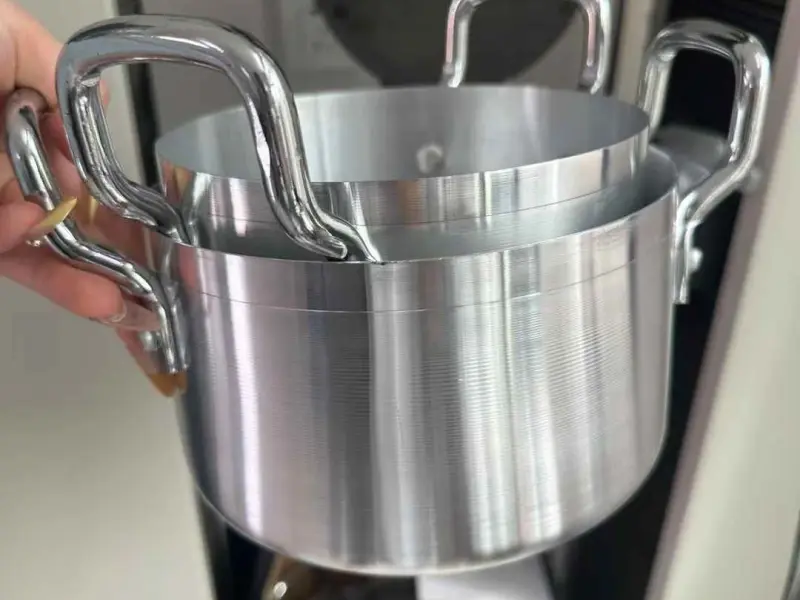
For deep-drawn cookware, softer aluminum grades are often preferred. For industrial products, stronger alloys such as 5052 may be more suitable. For decorative products, polished, mirror, anodized, or painted surfaces can provide a different appearance.
A clear inquiry should include the diameter, thickness, alloy, temper, surface, quantity, tolerance, application, and packing requirements. This helps suppliers provide an accurate quotation and helps buyers compare different material options.
Common Aluminium Circle Plate Types
1050 Aluminum Circle Plate
→ Offers excellent formability and is suitable for deep drawing, spinning and general cookware production.
1060 Aluminum Circle Plate
→ Provides high aluminum purity and excellent thermal conductivity. Suitable for kitchenware and electrical applications.
1100 Aluminum Circle Plate
→ Combines good formability and corrosion resistance. Commonly used for cookware, lighting and general fabrication.
3003 Aluminum Circle Plate
→ Provides higher strength with good formability. Suitable for cookware, pressure cooker components and industrial products.
Polished Aluminium Circle Plate
→ Provides a bright and attractive surface for lighting reflectors and decorative products.
Anodized Aluminium Circle Plate
→ Offers improved surface protection and is suitable for cookware and decorative applications.
Main Applications
- Frying pans
- Cooking pots
- Rice cooker components
- Pressure cooker parts
- Kitchen utensils
- Pizza pans and baking trays
- Lighting reflectors
- Traffic signs
- Electrical appliance components
- Decorative products
- Industrial stamped parts
- Spinning and deep-drawn products
Product Advantages
→ Excellent deep drawing performance
→ Good spinning and stamping properties
→ Smooth and clean surface
→ Uniform thickness
→ Accurate diameter tolerance
→ Good corrosion resistance
→ Excellent thermal conductivity
→ Easy to anodize and polish
→ Suitable for high-speed production
→ Custom sizes and specifications available
FAQ About Aluminium Circle Plate
What is an aluminium circle plate?
It is a round aluminum blank normally produced by cutting aluminum sheet or coil. It is commonly used for forming, cookware, lighting, signs, and industrial products.
What is the difference between an aluminium circle and an aluminium disc?
In most cases, the terms describe the same type of round aluminum blank. Usage depends on the market and industry.
Which aluminum alloy is best for deep drawing?
Soft 1050, 1060, 1100, 3003, and other suitable grades can be considered. The exact choice depends on drawing depth and product design.
Is 3003 aluminum good for cookware?
Yes. 3003 offers a useful combination of formability, strength, and corrosion resistance for many cookware products.
Is 1050 aluminum suitable for cookware?
1050 can be suitable for cookware and other products that require good formability. The exact grade should be selected according to the cookware design and manufacturing process.
What is the common temper for deep drawing?
O temper is commonly selected because it is soft and provides good ductility.
Can aluminum circles be customized?
Yes. Diameter, thickness, alloy, temper, surface finish, tolerance, and packaging can be customized.
Can aluminum circles be used for traffic signs?
Yes. Aluminum circles can be used as round blanks for traffic and other outdoor signs.
Can aluminum circles be anodized?
Yes. Suitable aluminum circles can receive anodizing treatment when the alloy and surface requirements are appropriate.
Can aluminum circles be polished?
Yes. Polished aluminum circles are available for decorative products and selected reflective applications.
How is an aluminum circle manufactured?
A typical process is:
Aluminum coil → Leveling → Circle cutting → Deburring → Inspection → Packing
For cookware and formed products, the circles are then processed by deep drawing, stamping, or spinning.
Can I order small quantities?
Many suppliers offer both small and bulk orders, but the minimum order quantity depends on the product specification and production method.
What information should I provide when requesting a quotation?
Provide the alloy, temper, diameter, thickness, surface finish, quantity, application, tolerance, and packaging requirements.