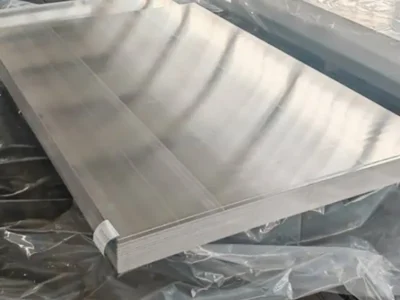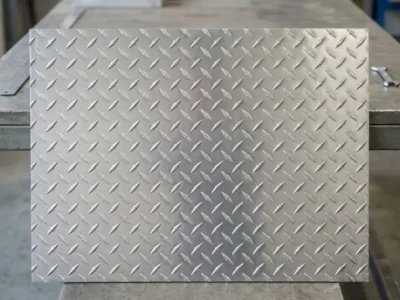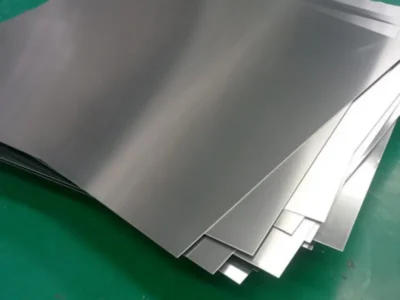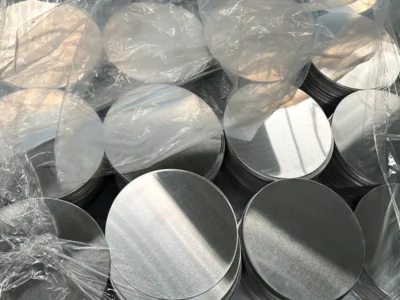
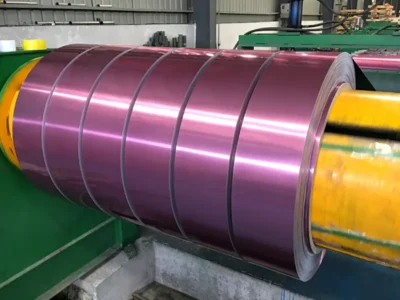
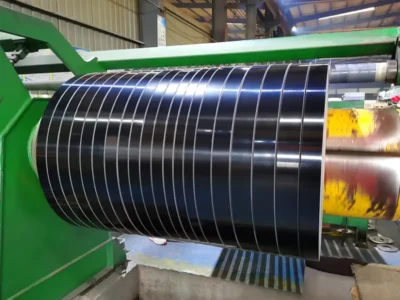
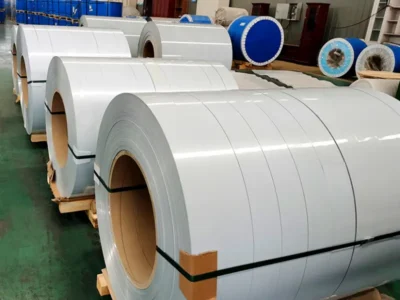
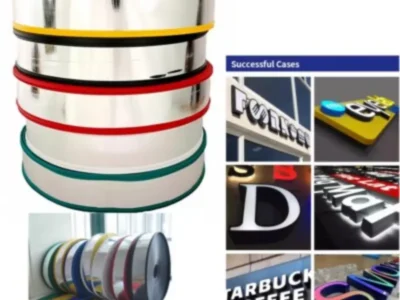

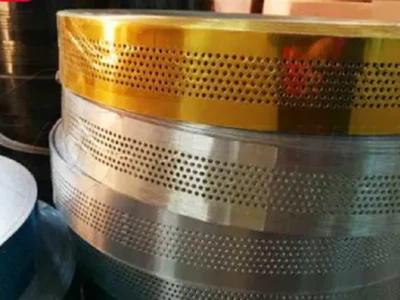
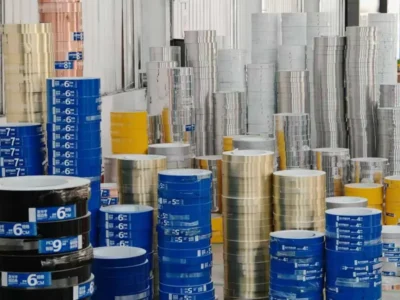
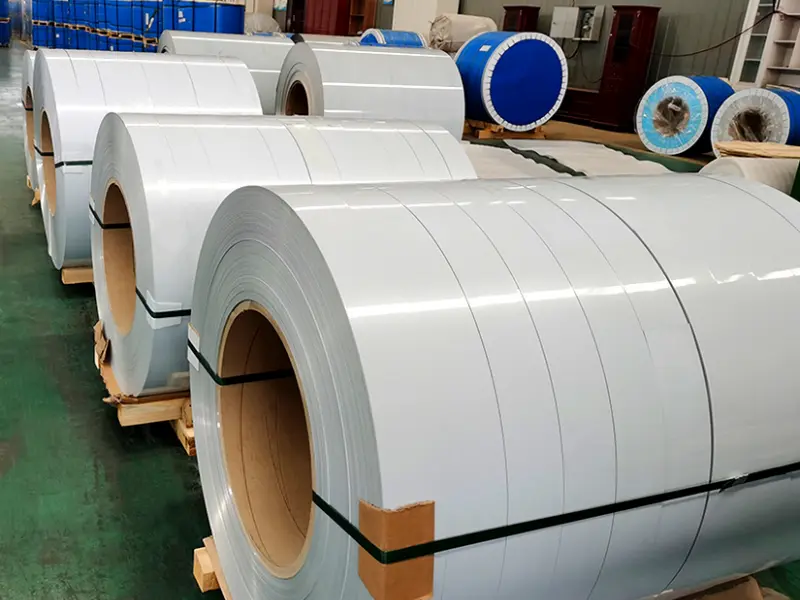
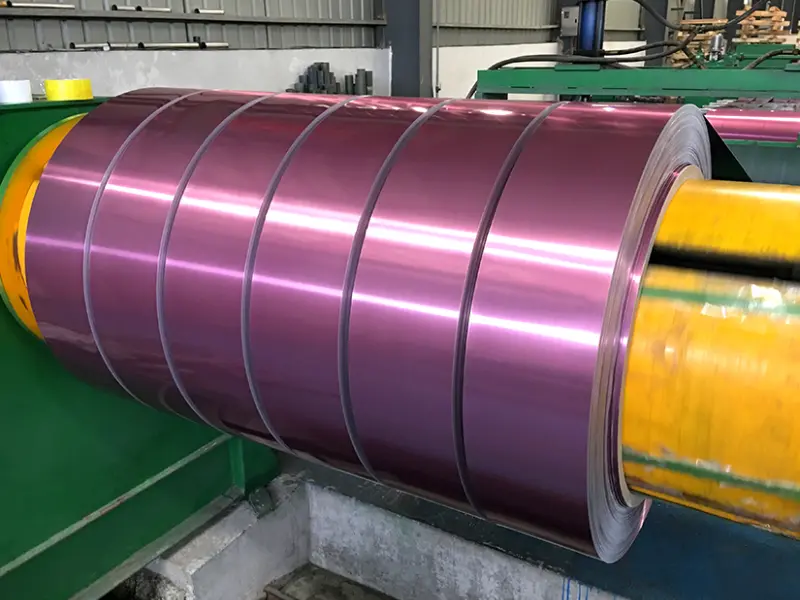
Aluminum strip coil is a narrow, flat aluminum product supplied in a continuous coil. It is used when manufacturers need long lengths of aluminum with a controlled width and thickness.
Compared with individual aluminum sheets, coil material can reduce cutting waste and improve production speed. It can also be processed by slitting, cutting, stamping, bending, forming, and other methods.
The right material depends on the final application. Alloy, temper, thickness, width, surface finish, coil weight, and edge condition should all be considered before placing an order.
What Is Aluminum Strip Coil?
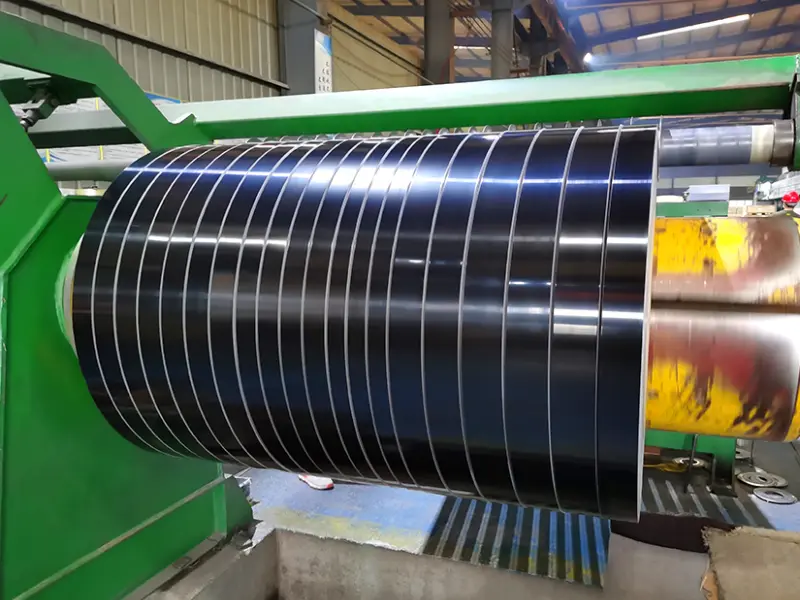
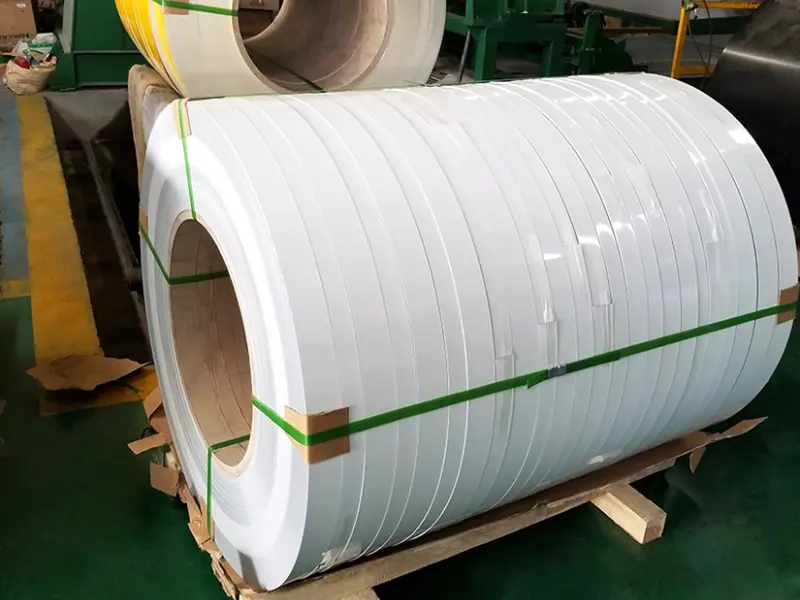
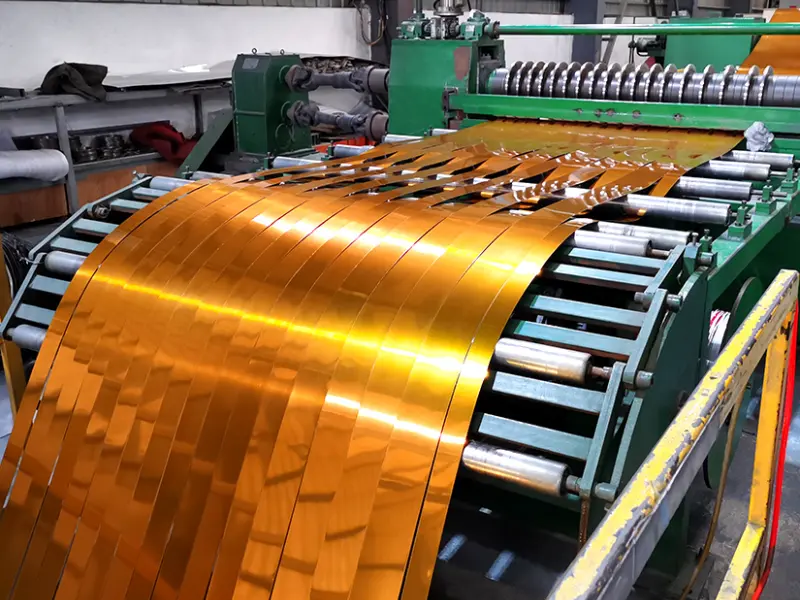
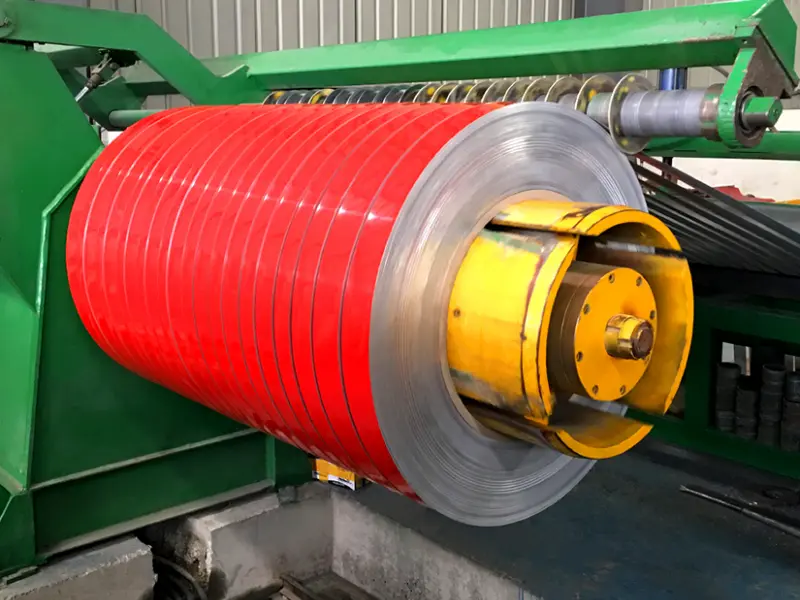
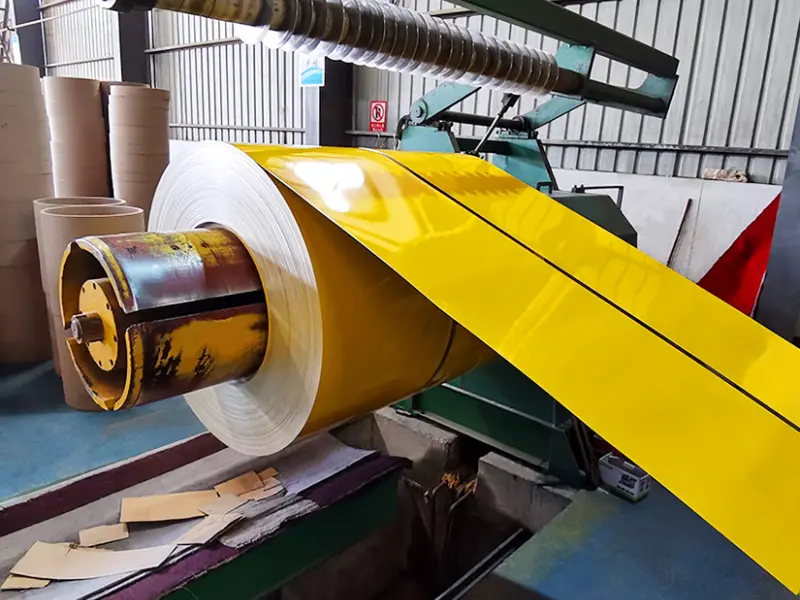
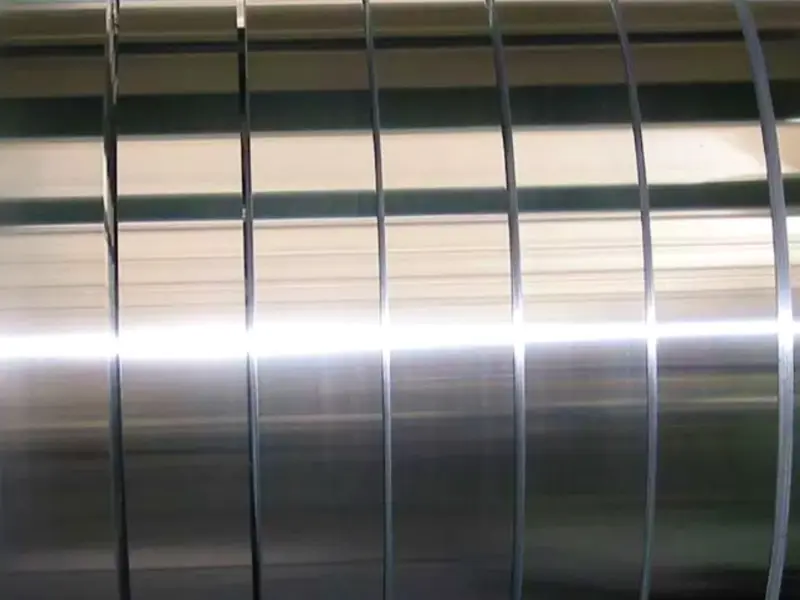
Aluminum strip coil is made from aluminum coil that has been slit into narrower widths. The material keeps the continuous coil format while providing a specific strip width for production.
This format is useful for automated manufacturing. A production line can feed the strip directly into stamping, forming, rolling, or cutting equipment.
Common Aluminum Strip Coil Types
| Type | Common Alloys | Main Features |
|---|---|---|
| Soft Aluminum Strip | 1050 / 1060 / 1100 | Excellent forming and bending |
| General Industrial Strip | 3003 / 3105 | Good strength and corrosion resistance |
| Aluminum Electrical Strip | 1050 / 1060 / 1100 | High electrical conductivity |
| HVAC Strip | 1100 / 3003 | Good thermal conductivity and formability |
| Aluminum Gutter Strip | 3003 / 3105 / 3105 | Suitable for roll forming and bending |
| Automotive Strip | 3003 / 5052 / 6061 | Good strength and corrosion resistance |
| Coated Aluminum Strip | 3003 / 3105 / 5052 | Color and surface protection |
| Anodized Aluminum Strip | 1050 / 1100 / 3003 | Decorative and corrosion-resistant |
| Embossed Aluminum Strip | 1050 / 3003 / 5052 | Decorative and functional surface |
Aluminum Strip Coil Applications
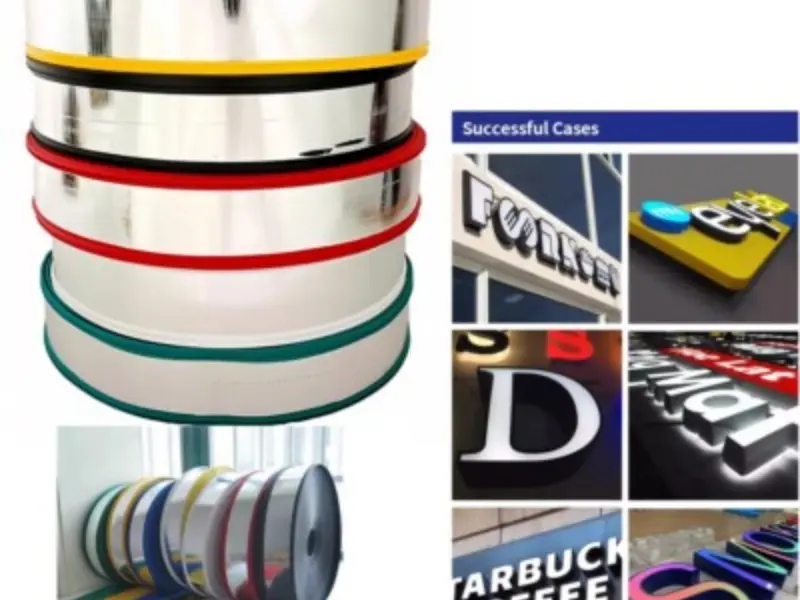
Aluminum strip coil is widely used where narrow aluminum material is needed for continuous processing.
→ Electrical Industry
- Busbar components
- Transformer parts
- Electrical conductors
- Cable shielding
- Electrical enclosures
- Switchgear components
→ HVAC & Refrigeration
- Air conditioner components
- Heat exchanger parts
- Refrigeration equipment
- Duct components
- Insulation systems
- HVAC fabrication
→ Construction
Edge and trim profiles
Roofing components
Gutter systems
Flashing
Ceiling systems
Wall panels
→ Automotive & Transportation
- Automotive components
- Trim parts
- Heat exchanger components
- Trailer parts
- Vehicle body components
- Decorative strips
→ Industrial Manufacturing
- Roll-formed profiles
- Stamped parts
- Metal brackets
- Machine components
- Protective covers
- Fabricated aluminum parts
→ Packaging & Household Products
- Food packaging components
- Container parts
- Kitchen products
- Household appliances
- Decorative strips
- General metal fabrication
Why Choose Aluminum Strip Coil?
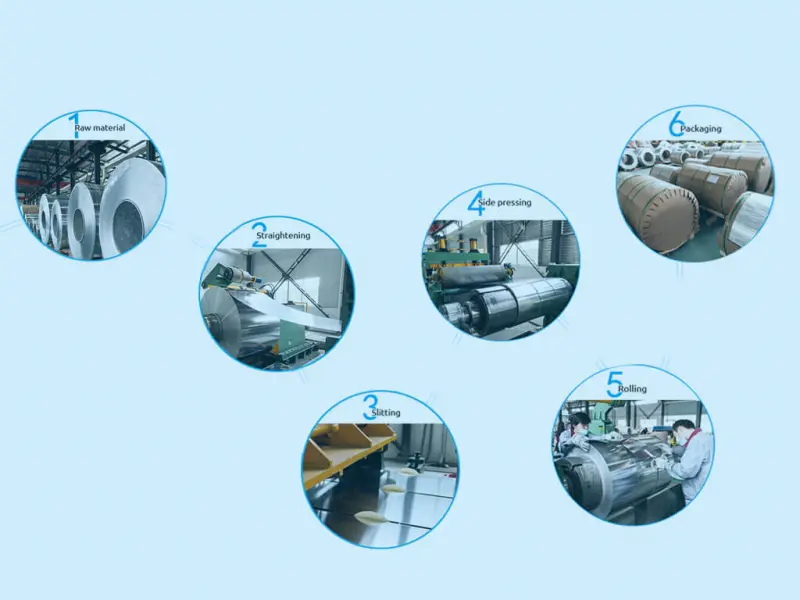
Aluminum strip coil provides a practical solution for continuous production. Compared with cutting aluminum sheet into narrow pieces, slit coil reduces material waste and makes automated processing easier.
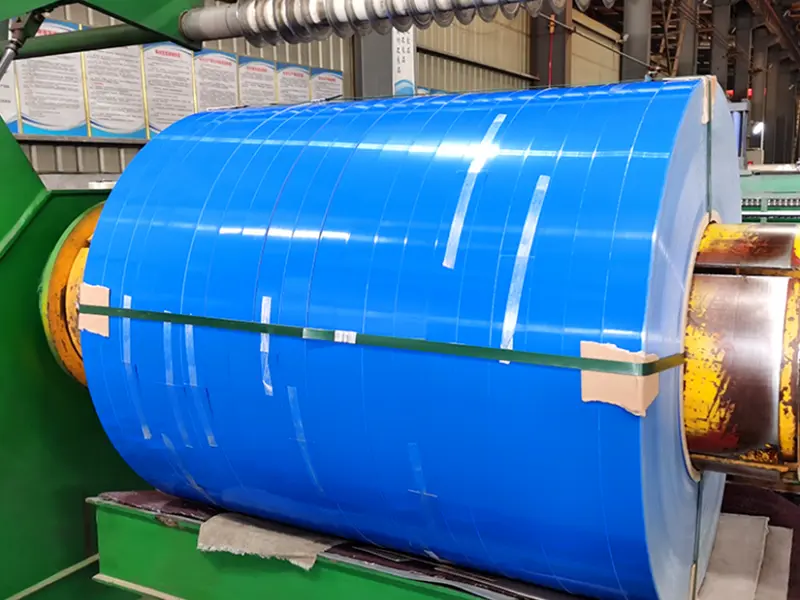
Aluminum Coil → Slitting → Narrow Aluminum Strip → Roll Forming / Stamping / Bending → Finished Product
Its lightweight structure also helps reduce the weight of finished products while maintaining useful strength and durability.
For projects that require repeated processing, custom-width aluminum strip coil can improve production efficiency and reduce cutting work.
Custom Aluminum Strip Coil
Custom aluminum strip coil can be supplied according to the customer’s production requirements.
- Custom alloy
- Custom temper
- Custom thickness
- Custom strip width
- Custom coil weight
- Custom inner diameter
- Custom surface finish
- Slit edge or mill edge
- Protective film or paper interleaf
- Custom export packaging
Basic Product Structure
| Item | Typical Options |
|---|---|
| Product | Aluminum strip coil |
| Form | Continuous coil |
| Material | Aluminum alloy |
| Thickness | About 0.2–6.0 mm |
| Width | Customized |
| Edge | Slit edge or mill edge |
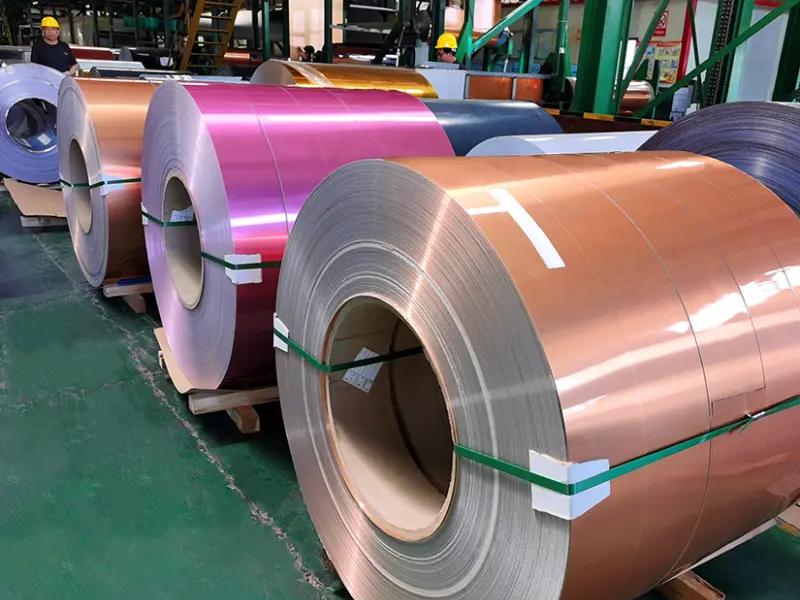
| Surface | Mill finish, coated, anodized, polished |
| Temper | O, H12, H14, H16, H18, H24, H32, H34, T6 |
| Core | Paper or steel core |
| Processing | Slitting, cutting, punching, forming |
Actual size ranges depend on the alloy, production equipment, and customer requirements.
Why Use Aluminum Strip in Coil Form?
Coil strip is designed for continuous production. It can be loaded onto a processing line and used without handling many separate sheets.
This can save time in high-volume manufacturing.
Main Advantages
- Continuous material supply.
- Easy to slit into different widths.
- Good strength-to-weight ratio.
- Natural corrosion resistance.
- Easy to form with suitable alloys.
- Good thermal conductivity.
- Good electrical conductivity for selected alloys.
- Available in many thicknesses.
- Suitable for automatic production.
- Can be supplied with different surface finishes.
- Can be coated or anodized for specific applications.
For manufacturers, the biggest benefit is often production efficiency rather than simply the material cost.
Aluminum Strip Coil Specifications
There is no single standard specification for every project. Buyers normally select the dimensions based on the production machine and finished component.
Common Thickness Options
| Thickness | Typical Product Use |
|---|---|
| 0.20 mm | Electrical and light forming |
| 0.30 mm | Small components |
| 0.40 mm | General fabrication |
| 0.50 mm | HVAC and industrial parts |
| 0.60 mm | Formed components |
| 0.80 mm | Structural and industrial parts |
| 1.00 mm | General manufacturing |
| 1.50 mm | Stronger formed parts |
| 2.00 mm | Industrial components |
| 3.00 mm | Heavy-duty applications |
| 4.00 mm+ | Special industrial applications |
Thin strip is often selected for high-speed stamping and forming. Thicker material is more suitable when the finished part needs greater rigidity.
Common Width Options
The width can be produced according to the customer’s production requirements.
Examples include:
- 10 mm aluminum strip.
- 15 mm aluminum strip.
- 20 mm aluminum strip.
- 25 mm aluminum strip.
- 30 mm aluminum strip.
- 40 mm aluminum strip.
- 50 mm aluminum strip.
- 75 mm aluminum strip.
- 100 mm aluminum strip.
- 150 mm aluminum strip.
- 200 mm aluminum strip.
- 250 mm aluminum strip.
- 300 mm aluminum strip.
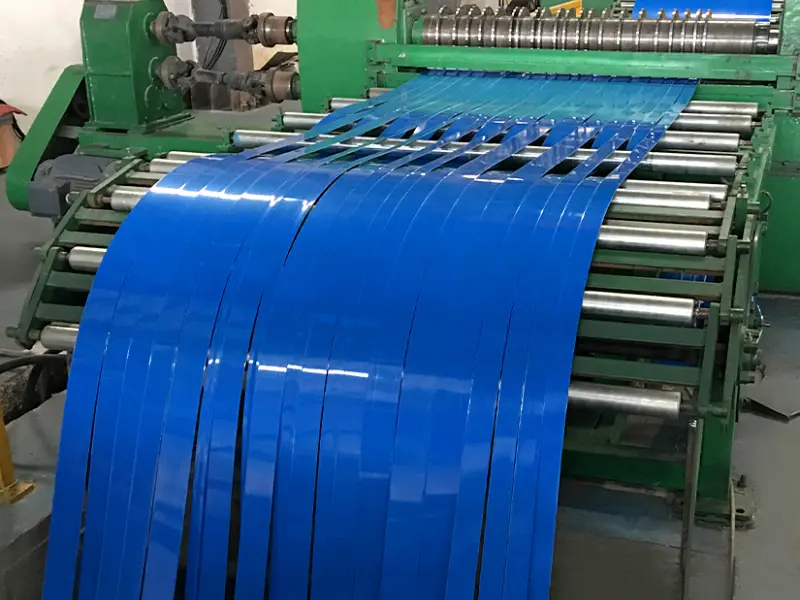
Very narrow widths are normally produced through precision slitting. Wider strips can be supplied for larger components and further processing.
Popular Aluminum Alloys for Strip Coil
Different alloys are suitable for different jobs. A low-strength alloy may be better for forming, while a stronger alloy may be preferred for structural or machined components.
1050 Aluminum Strip
1050 is a commercially pure aluminum alloy with high aluminum content.
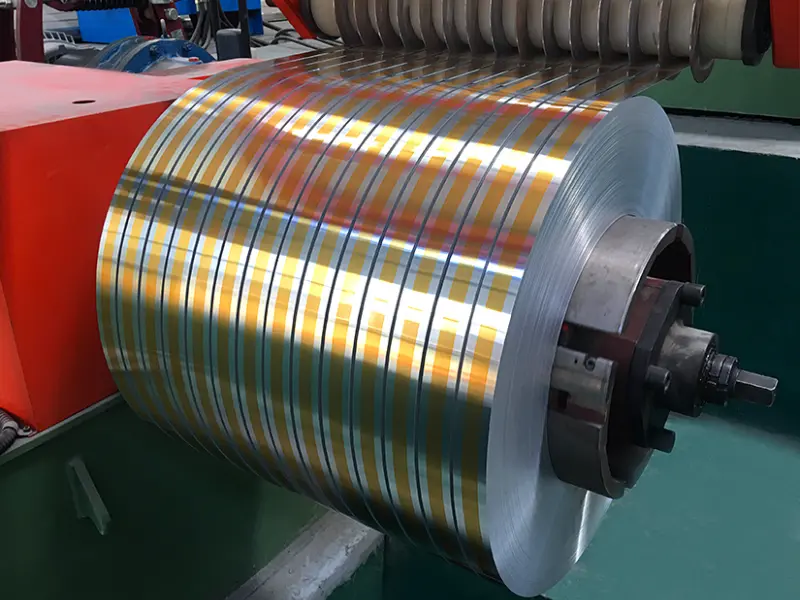
It offers good electrical and thermal conductivity. It also has excellent formability.
Typical applications include:
General forming.
Electrical components.
Heat transfer parts.
Reflectors.
Decorative products.
1060 Aluminum Strip
1060 is another high-purity aluminum alloy. It is often selected when conductivity and formability are more important than high mechanical strength.
It can be used for electrical and thermal applications.
3003 Aluminum Strip
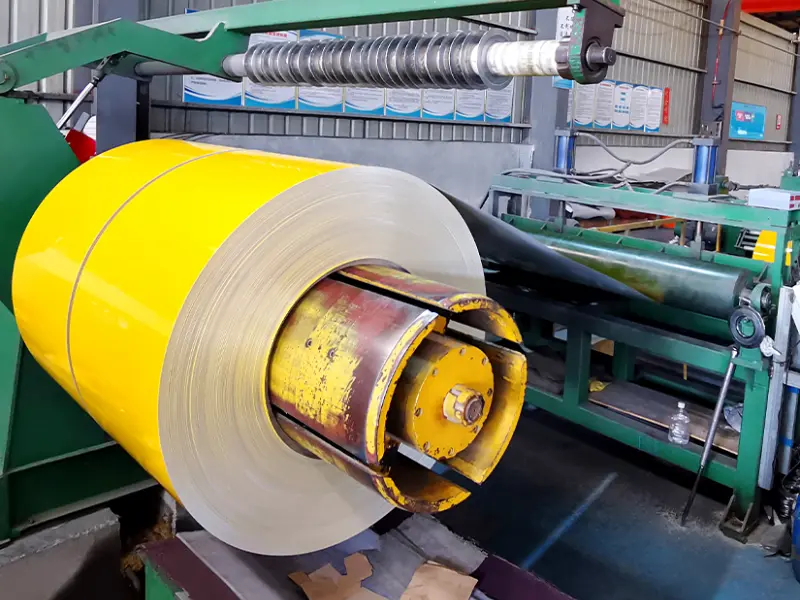
3003 is an aluminum-manganese alloy. It provides better strength than many pure aluminum grades while maintaining good formability.
Common applications include:
General fabrication.
HVAC components.
Heat exchangers.
Roofing accessories.
Kitchen equipment.
Industrial parts.
5052 Aluminum Strip
5052 is widely used where corrosion resistance and forming performance are important.
It is suitable for many transportation, marine, industrial, and architectural applications.
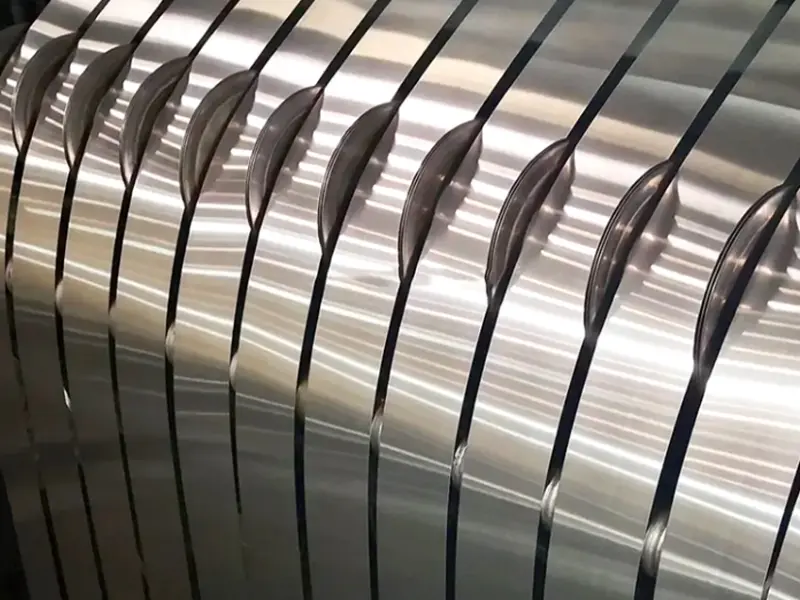
Typical uses include:
Industrial equipment.
Automotive parts.
Marine components.
Enclosures.
Tanks.
Panels.
6061 Aluminum Strip
6061 is a heat-treatable alloy with good strength. It is often selected for applications that require stronger material.
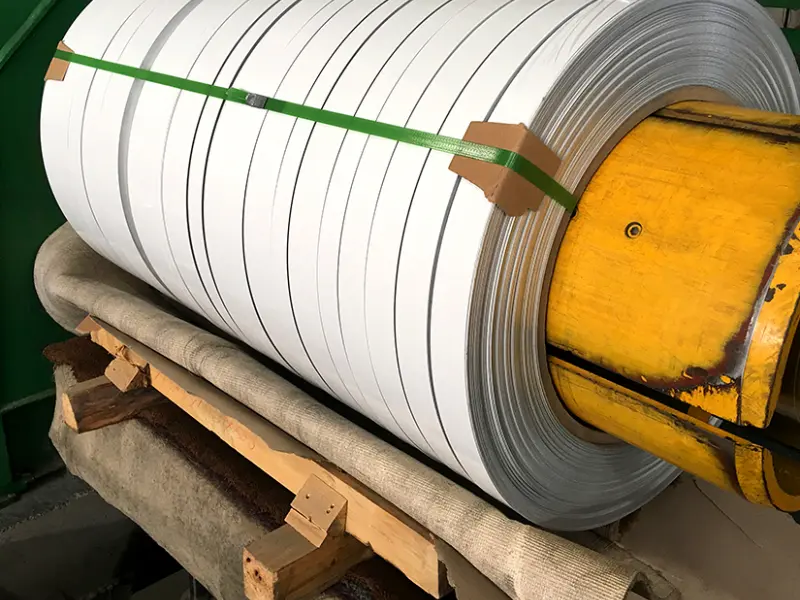
It can be used for:
Fabricated components.
Structural components.
Machinery parts.
Frames.
Industrial products.
6082 Aluminum Strip
6082 is another higher-strength aluminum alloy. It is popular in structural and industrial applications.
It can be considered when strength and machinability are important.
Aluminum Strip Alloy Comparison
Choosing the alloy based only on price can create problems later. The alloy should match the production process and final use.
| Alloy | Formability | Strength | Corrosion Resistance | Common Use |
|---|---|---|---|---|
| 1050 | Excellent | Low | Good | Electrical and thermal |
| 1060 | Excellent | Low | Good | Conductive parts |
| 3003 | Very good | Medium | Good | HVAC and fabrication |
| 5052 | Very good | Medium-high | Very good | Marine and transportation |
| 6061 | Good | High | Good | Structural parts |
| 6082 | Good | High | Good | Industrial components |
The exact mechanical properties depend on thickness and temper.
Aluminum Strip Temper Options
Temper affects hardness, strength, and forming performance.
O Temper
O temper means the material is annealed. It is softer and easier to form.
This option is useful for applications that involve:
Complex shapes.
Deep drawing.
Bending.
Forming.
Stamping.
H12 and H14
These are strain-hardened tempers. They offer more strength than O temper while retaining useful forming ability.
They can be suitable for general fabrication and formed components.
H16 and H18
These tempers provide higher hardness and strength.
They are more suitable when the finished part needs greater rigidity and less forming is required.
H24 and H32
These tempers provide a balance between strength and formability.
They are commonly considered for alloys such as 3003 and 5052.
T6 Temper
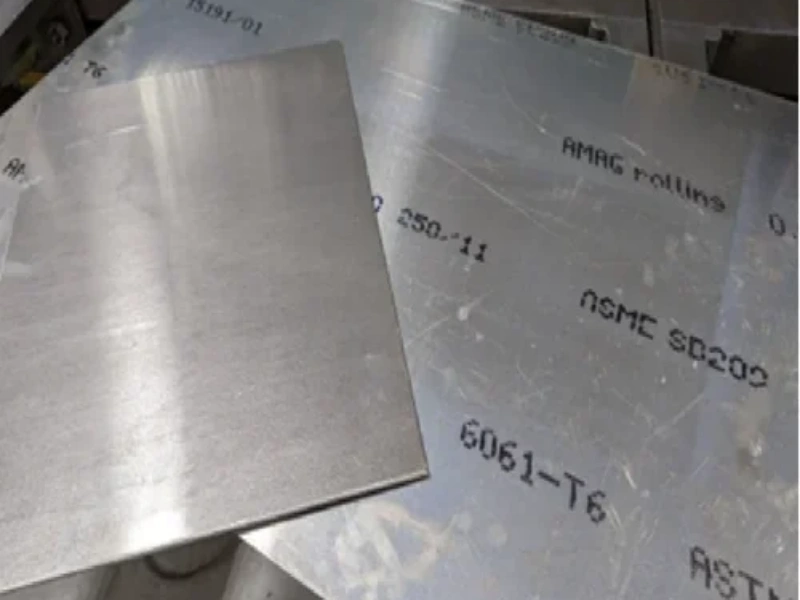
T6 is used with heat-treatable alloys such as 6061 and 6082.
It provides high strength for suitable applications, but the material may not be as easy to form as softer tempers.
Surface Finishes for Aluminum Strip
Surface appearance can be important for both functional and decorative products.
Mill Finish
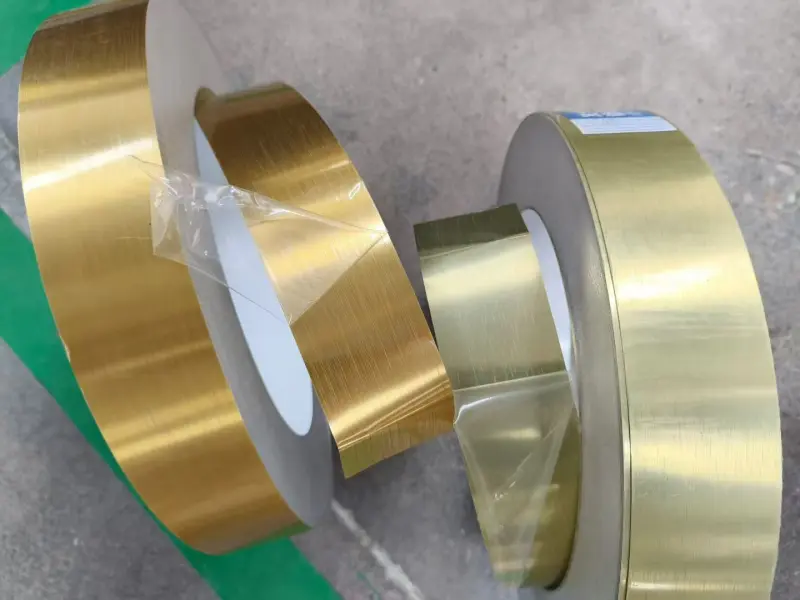
Mill finish is the standard surface obtained from the rolling process. It is commonly used for industrial components and products that will receive further processing.
Anodized Aluminum Strip Coil
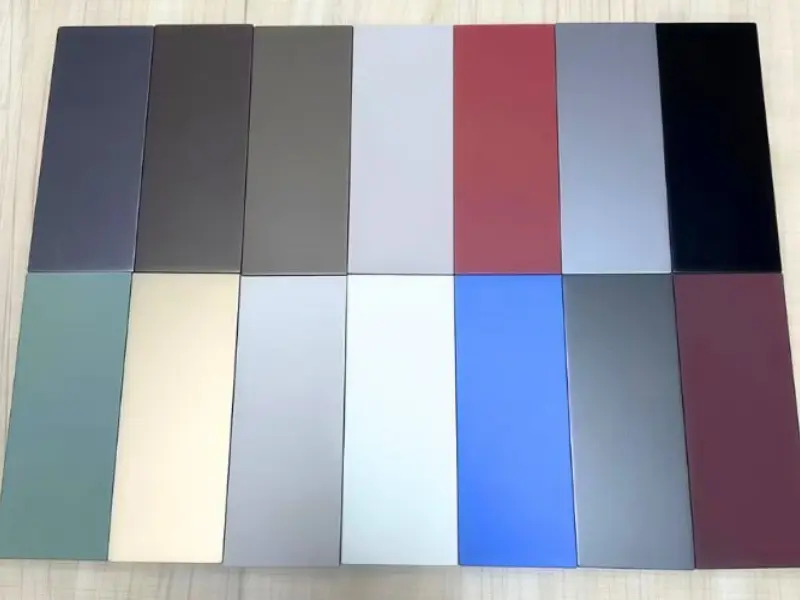
Anodizing creates a controlled oxide layer on the aluminum surface. It can improve surface durability and provide a decorative appearance.
Anodized strip is often used for:
Consumer products.
Architectural components.
Decorative trims.
Interior products.
Electrical parts.
Coated Aluminum Strip Coil
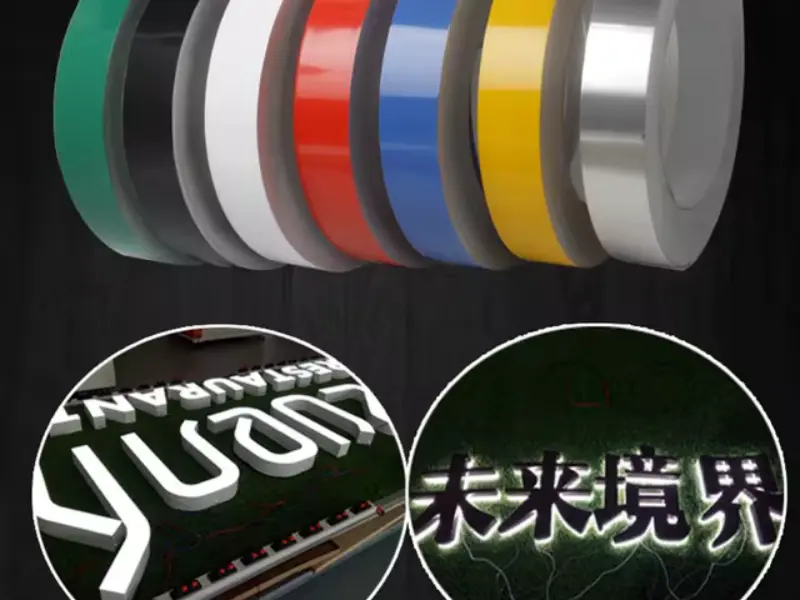
A coating can add color and provide additional surface protection.
Common options include:
- PE coating.
- PVDF coating.
- Other industrial coatings.
Coated material is useful for applications where appearance and weather resistance matter.
Polished Aluminum Strip Coil
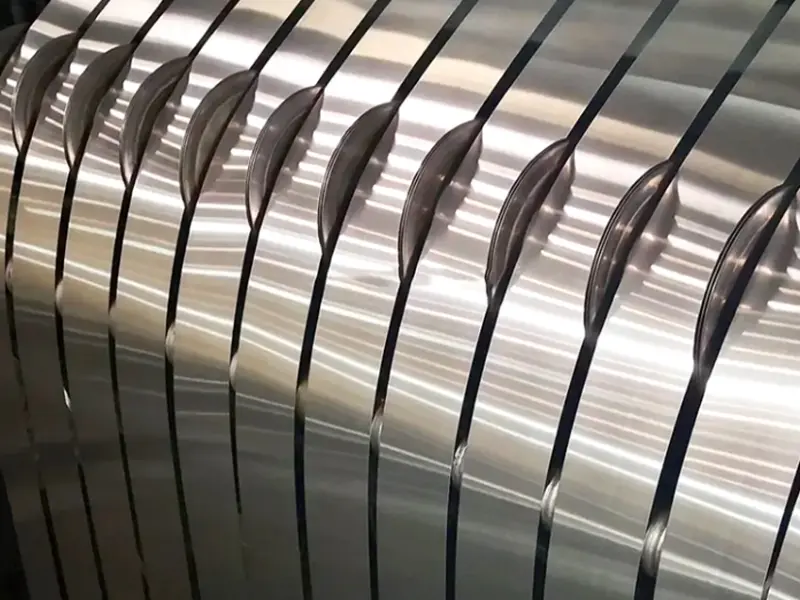
Polishing produces a brighter surface. It is commonly selected for decorative and appearance-focused applications.
Slit Edge vs Mill Edge Aluminum Strip Coil
Edge condition is an important point when buying narrow strip.
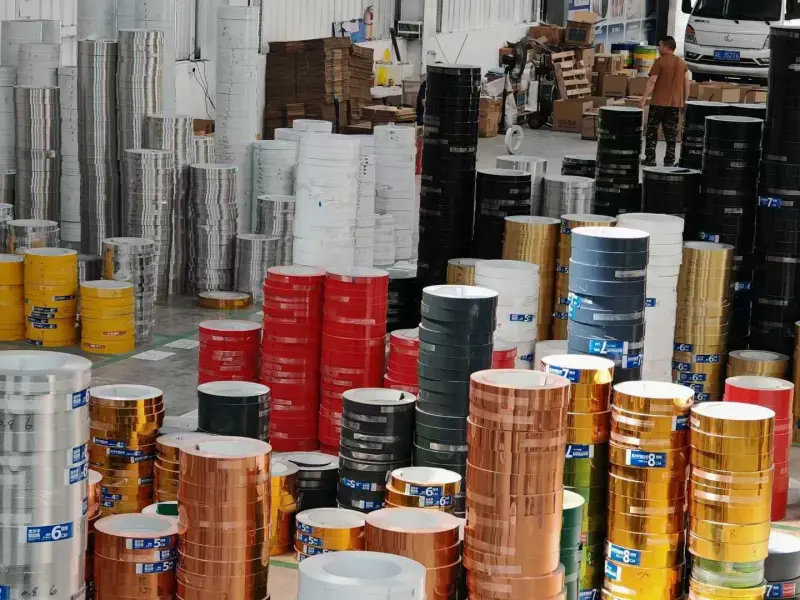
Slit Edge
Slit edge material is produced by cutting a wider coil into narrower strips.
It is suitable for many applications where a specific width is required.
Mill Edge
Mill edge material keeps the original rolled edge.
The choice depends on the customer’s equipment and finished product requirements.
Aluminum Strip Coil for Different Industries
The same basic material can be used in many industries. The alloy and dimensions change according to the final product.
Electrical Industry
Aluminum has good electrical conductivity and low weight.
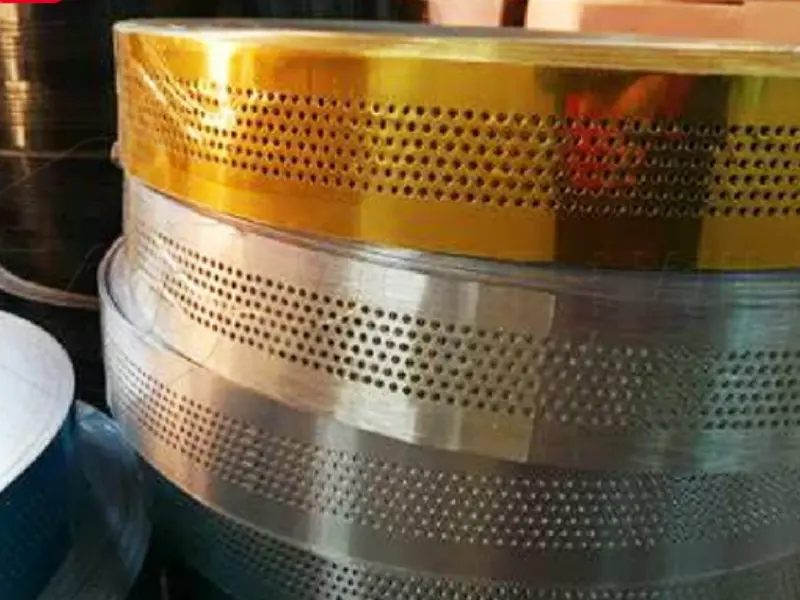
Strip products can be used for:
- Electrical components.
- Conductive parts.
- Transformer-related components.
- Busbar-related applications.
- Cable and wire components.
- Electrical enclosures.
For electrical applications, conductivity, thickness, width, and temper should be confirmed before ordering.
HVAC and Refrigeration
3003 aluminum strip is widely considered for heat-transfer and HVAC-related components.
Possible applications include:
- Heat exchanger components.
- Evaporator parts.
- Condenser components.
- Duct accessories.
- HVAC panels.
Formability is important because many HVAC components require bending or forming.
Automotive Manufacturing
Lightweight materials are increasingly important in transportation.

Aluminum strip can be used for:
- Trim.
- Brackets.
- Heat shields.
- Structural components.
- Automotive parts.
- Decorative profiles.
The alloy should be selected according to strength and forming requirements.
Construction
Aluminum strip can be processed into many building components.
Applications may include:
- Flashing.
- Trim.
- Roofing accessories.
- Architectural profiles.
- Edge strips.
- Decorative components.
Coated and anodized finishes are useful when the material will be visible.
Packaging
Thin aluminum strip and sheet products can be processed into packaging components.
The material may be selected for its light weight, barrier properties, and formability.
Manufacturing and Fabrication
General manufacturing is another large application area.
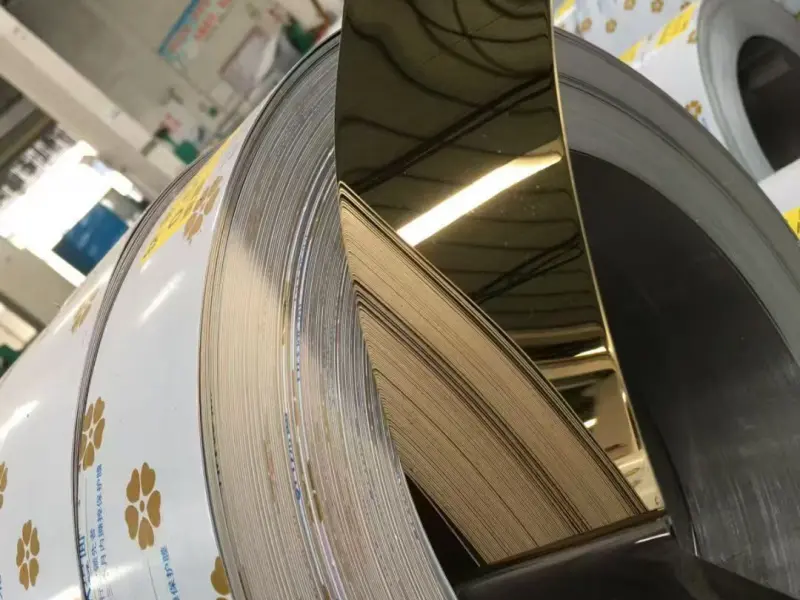
Strip can be fed into:
Automated production lines.
Stamping machines.
Punching machines.
Roll forming lines.
Cutting machines.
Bending machines.
Aluminum Strip Coil for Stamping
Stamping is one of the important uses of continuous strip.
The coil is fed through a stamping machine. The machine then cuts or forms the material into specific parts.
Why Coil Works Well for Stamping
→ Continuous feeding.
→ Less manual sheet handling.
→ Suitable for high-volume production.
→ Consistent strip width.
→ Easy integration with automated equipment.
For stamping, the alloy, temper, thickness, width, coil weight, and edge quality should match the machine.
Aluminum Strip Coil for Roll Forming
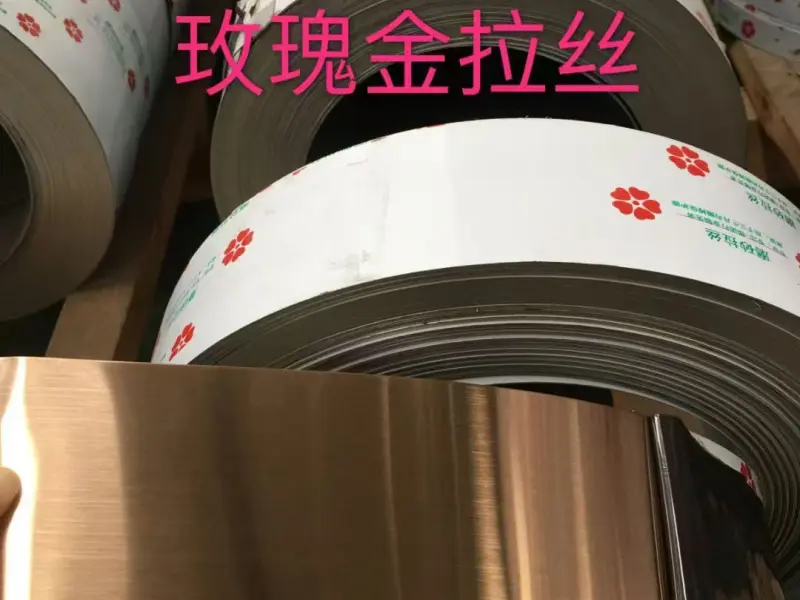
Roll forming uses a series of rollers to gradually change a flat strip into a finished profile.
It is suitable for long products with a repeated cross-section.
Typical products include:
- Profiles.
- Channels.
- Trim.
- Roofing components.
- Decorative sections.
- Industrial rails.
A stable strip width is important for roll forming.
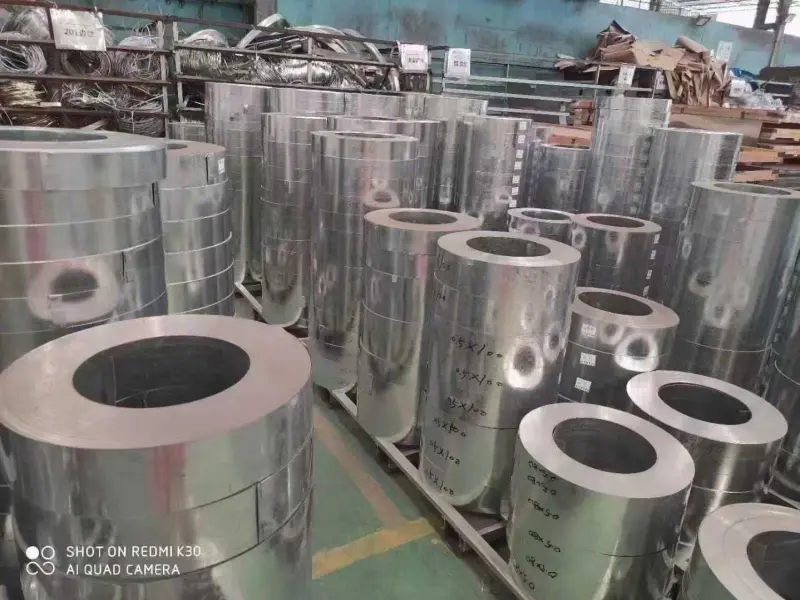
Aluminum Strip Coil vs Aluminum Sheet
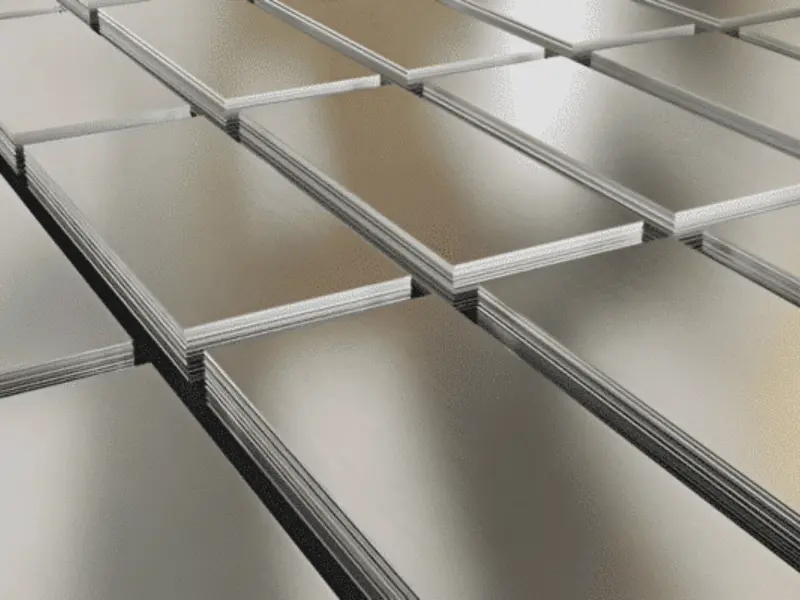
Both products are made from aluminum, but their production formats are different.
| Feature | Strip Coil | Aluminum Sheet |
|---|---|---|
| Form | Continuous coil | Individual sheets |
| Production | Continuous | Batch handling |
| Feeding | Automatic | Usually manual |
| High-volume production | Excellent | Less efficient |
| Custom narrow widths | Excellent | Requires cutting |
| Storage | Compact coil format | Stacked sheets |
| Stamping | Very suitable | Suitable |
| Large flat panels | Less suitable | Excellent |
For automated production, coil is often more efficient. For individual flat panels, sheet is usually more convenient.
Aluminum Strip Coil vs Aluminum Foil
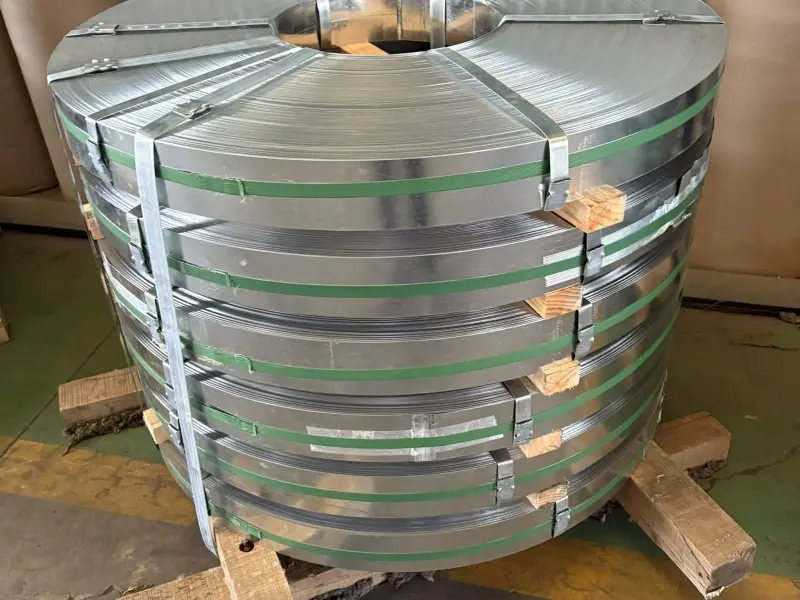
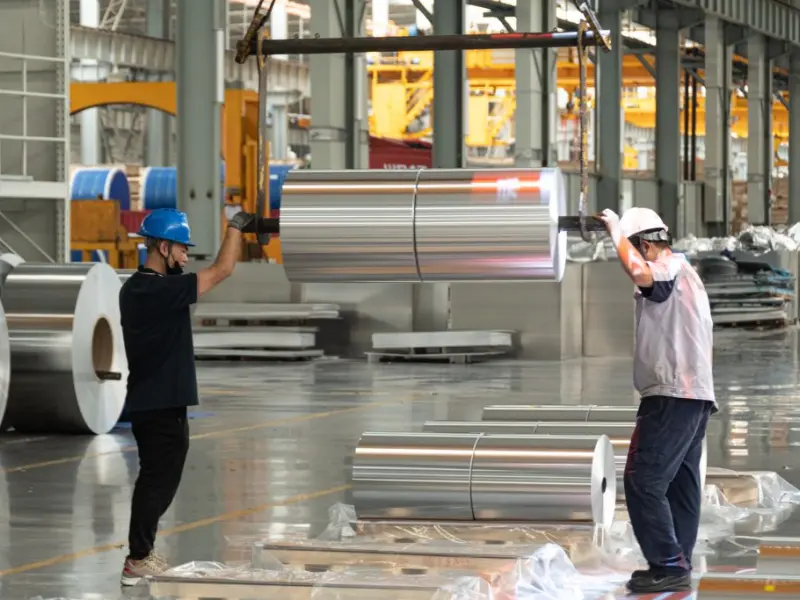
These products can look similar, but thickness is a major difference.
Aluminum foil is normally much thinner. Strip products are available in a wider range of thicknesses and are often used for structural or formed components.
| Feature | Aluminum Strip | Aluminum Foil |
|---|---|---|
| Thickness | Wider range | Very thin |
| Rigidity | Higher | Lower |
| Main Uses | Industrial parts | Packaging and insulation |
| Forming | Good for many alloys | Specialized |
| Handling | Easier for industrial use | Requires careful handling |
The correct product should be selected based on the finished application.
How to Order Aluminum Strip Coil
A clear specification helps suppliers provide a more accurate quotation.
Information to Include
| Requirement | Example |
|---|---|
| Alloy | 3003 |
| Temper | H14 |
| Thickness | 0.50 mm |
| Width | 50 mm |
| Surface | Mill finish |
| Edge | Slit edge |
| Coil weight | 500 kg |
| Inner diameter | 508 mm |
| Quantity | 5 coils |
| Application | Stamping |
If the strip will run through an automatic production line, machine requirements should also be provided.
What Is the Right Coil Weight?
There is no universal coil weight for every application.
A smaller coil can be easier to handle. A larger coil can reduce the number of coil changes on an automated production line.
The best weight depends on:
- Machine capacity.
- Coil width.
- Material thickness.
- Handling equipment.
- Shipping method.
- Production speed.
- Customer storage conditions.
Before ordering, confirm the maximum coil weight that your equipment can safely handle.
Coil Inner Diameter and Outer Diameter
Coil dimensions are not limited to width and thickness.
The inner diameter must fit the customer’s uncoiler or production equipment.
Common core sizes can vary by supplier and application.
Important parameters include:
- Inner diameter.
- Outer diameter.
- Maximum coil weight.
- Coil width.
- Winding direction.
- Coil orientation.
These details are especially important for automated production.
How to Reduce Aluminum Strip Waste
Material waste can affect the final product cost.
Several steps can help reduce waste.
Choose the Correct Width
Ordering a width close to the finished component can reduce trimming.
Use Slitting
A wider master coil can be slit into multiple narrower strips.
For example:
1000 mm master coil → 4 × 250 mm strips
or
1000 mm master coil → 2 × 300 mm + 2 × 200 mm strips
The actual cutting plan depends on edge trim and production tolerances.
Match the Coil to the Machine
An oversized coil may create unnecessary handling problems. An undersized coil may require frequent replacement.
A suitable coil specification can improve production efficiency.
Quality Checks for Aluminum Strip
For industrial purchasing, quality should be checked beyond visual appearance.
Important inspection points include:
- Thickness.
- Width.
- Length or coil weight.
- Alloy.
- Temper.
- Surface condition.
- Edge quality.
- Flatness.
- Burr level.
- Coil winding.
- Mechanical properties.
For critical applications, buyers may also request material certificates and inspection reports.
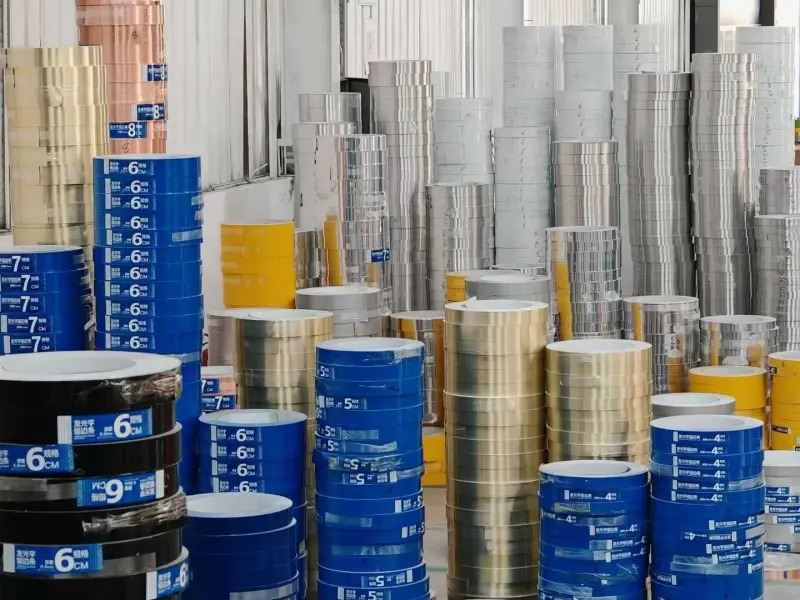
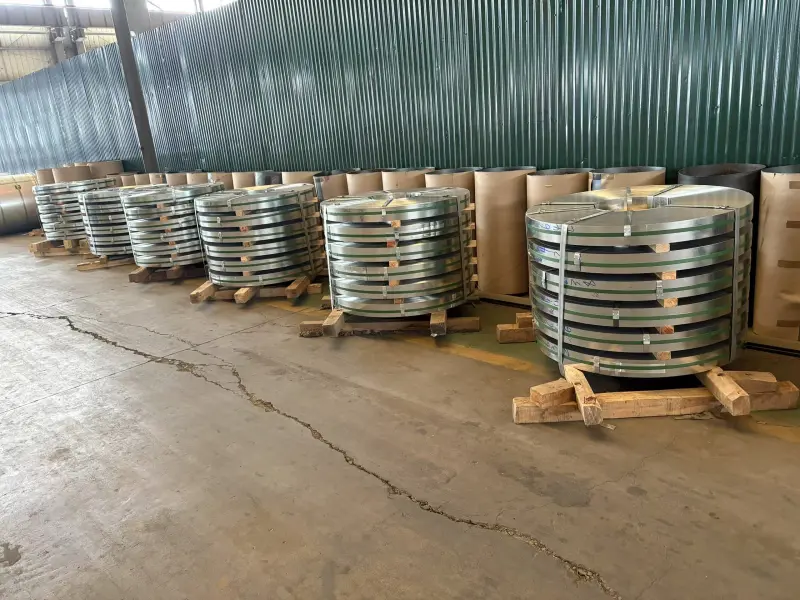
Packaging for Export
Aluminum coils should be protected against moisture, impact, and surface damage during transportation.
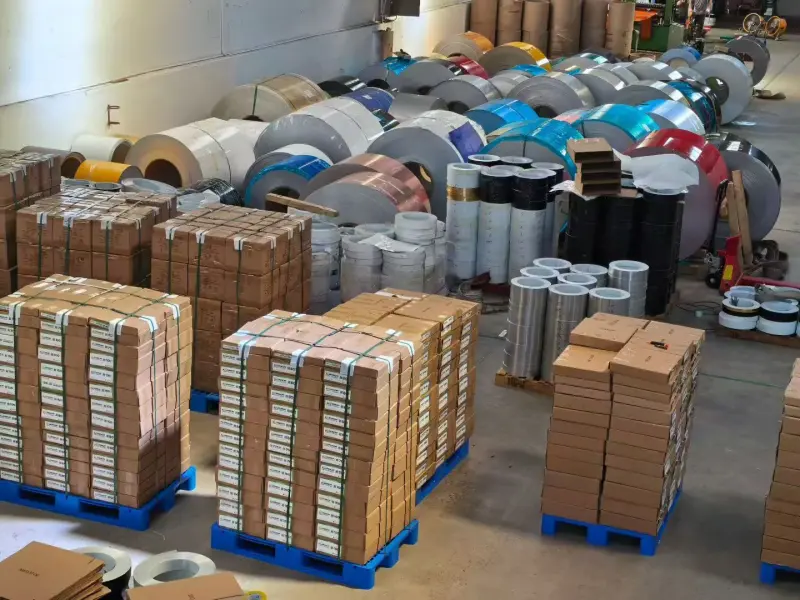
Typical export packaging may include:
- Waterproof paper.
- Plastic film.
- Steel straps.
- Wooden pallets.
- Wooden cases.
- Edge protection.
- Coil protection plates.
The packaging method should match the shipping route and destination.
Factors That Affect Aluminum Strip Coil Price
The material price is only one part of the final quotation.
Several factors can affect the cost:
- Aluminum market price.
- Alloy.
- Temper.
- Thickness.
- Width.
- Coil weight.
- Surface finish.
- Slitting requirements.
- Tolerance.
- Packaging.
- Order quantity.
- Shipping destination.
For example, a narrow precision-slit 6061 strip can have a different price from a standard-width 1050 strip.
How to Choose Between Common Alloys
A simple selection guide can make the purchasing process easier.
Choose 1050 or 1060 When
→ High conductivity is important.
→ Excellent formability is required.
→ High structural strength is not the main concern.
Choose 3003 When
→ General forming is required.
→ Moderate strength is enough.
→ HVAC or heat-transfer applications are involved.
Choose 5052 When
→ Corrosion resistance is important.
→ The product will be formed or bent.
→ Marine or transportation use is expected.
Choose 6061 or 6082 When
→ Higher strength is required.
→ Machining is involved.
→ Structural performance is important.
Aluminum Strip Coil for Custom Projects
Some buyers do not need a standard product. They need a specific combination of dimensions and properties.

Custom supply may include:
- Special width.
- Special thickness.
- Specific alloy.
- Specific temper.
- Custom coil weight.
- Precision slitting.
- Special surface.
- Protective film.
- Custom packaging.
For a custom order, it is useful to provide a drawing, sample, production specification, or detailed size list.
Frequently Asked Questions
What is an aluminum strip coil?
It is a continuous aluminum coil that has been processed into a specific narrow width. It is commonly used for stamping, forming, roll forming, electrical components, HVAC parts, and industrial manufacturing.
What is the difference between aluminum strip and aluminum coil?
The main difference is width. A standard aluminum coil is usually wider, while strip is produced by slitting coil into narrower widths.
What aluminum alloy is best for strip?
It depends on the application. 1050 and 1060 are suitable for conductivity and forming. 3003 is useful for general fabrication and HVAC. 5052 offers good corrosion resistance and forming performance. 6061 and 6082 are better choices when higher strength is required.
Can aluminum strip be custom slitted?
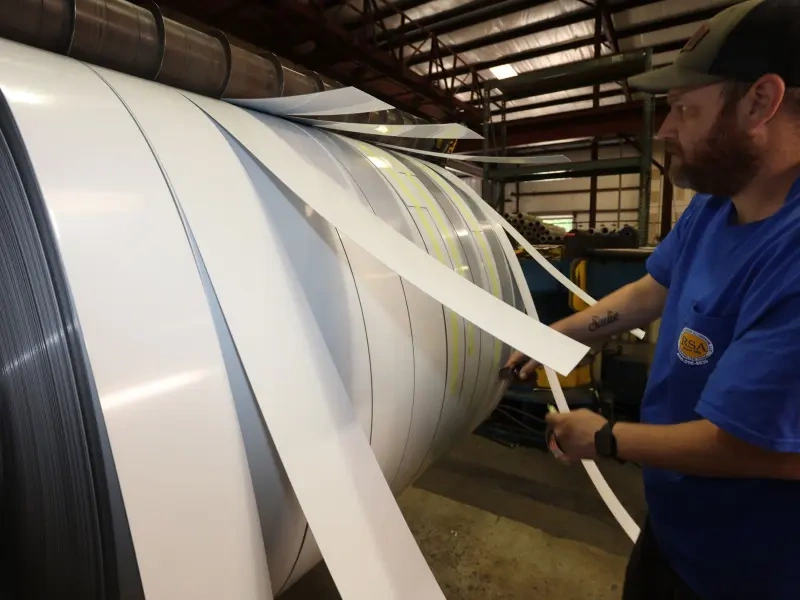
Yes. Aluminum master coils can be slit into narrower widths according to the customer’s requirements, subject to equipment and tolerance limits.
What thicknesses are available?
The available thickness depends on the alloy and supplier. Common industrial sizes range from thin strip below 1 mm to several millimeters.
Can aluminum strip be anodized?
Yes. Suitable aluminum grades can be anodized. The final result depends on alloy composition, surface preparation, and anodizing conditions.
Can aluminum strip be coated?
Yes. Coated aluminum strip is available for applications that need color, surface protection, or weather resistance.
What is the best temper for stamping?
There is no single best temper for every stamping process. Softer tempers are generally easier to form, while harder tempers provide higher strength. The forming depth and shape should be considered.
Can aluminum strip be used for transformers?
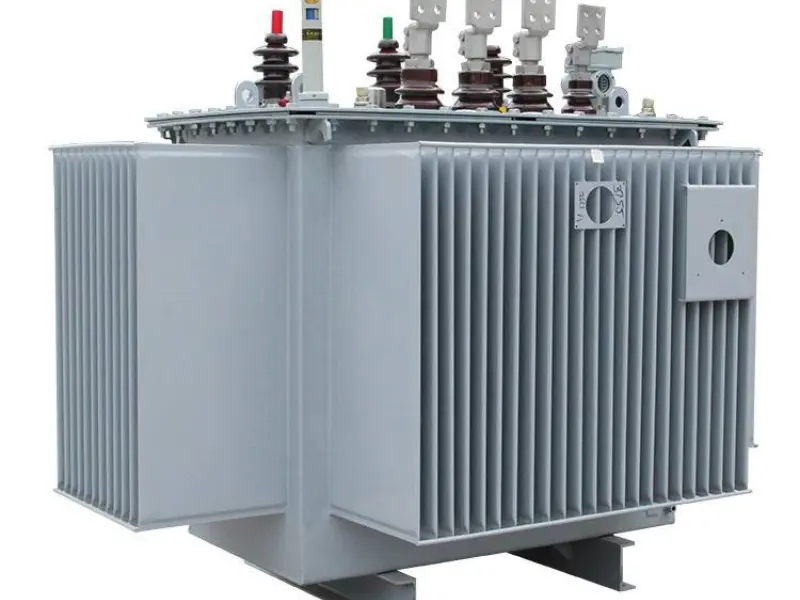
Certain aluminum strip products are used in electrical and transformer-related applications. The material must be selected according to conductivity, electrical requirements, dimensions, and the design of the transformer.
How do I calculate aluminum coil weight?
A basic estimate can be made from the material volume and aluminum density.
For flat strip:
Weight ≈ Length × Width × Thickness × Density
For a coil, the actual weight is normally determined from the coil dimensions or the measured scale weight.
What information should I provide for a quotation?
Provide the alloy, temper, thickness, width, surface finish, edge type, coil weight, quantity, core size, packaging requirements, and destination.
Can aluminum strip be supplied in small quantities?
This depends on the supplier and production schedule. Smaller orders may be possible, but minimum order quantities can vary according to alloy, size, and processing requirements.
Get the Right Aluminum Strip for Your Production Line
The best strip is not always the cheapest material. A good specification should match the production process and final product.
Before ordering, confirm:
→ Alloy.
→ Temper.
→ Thickness.
→ Width.
→ Edge condition.
→ Surface finish.
→ Coil weight.
→ Core size.
→ Tolerance.
→ Quantity.
→ Packaging.
→ Application.
With these details, suppliers can usually provide a more useful quotation and recommend a suitable material.
Whether the requirement is for stamping, HVAC, electrical components, automotive parts, construction products, or general manufacturing, aluminum strip coil can be supplied in different combinations of alloy, temper, size, and finish.
Related Aluminum Strip Products
Other aluminum products may also be suitable depending on the manufacturing process.
Aluminum Slit Coil
Slit coil is made by cutting a wide aluminum master coil into narrower coils. It is a common choice for continuous production.
Aluminum Strip for Stamping
This material is designed for punching and stamping processes. Thickness, temper, and edge quality are important.
Aluminum Strip for Transformer
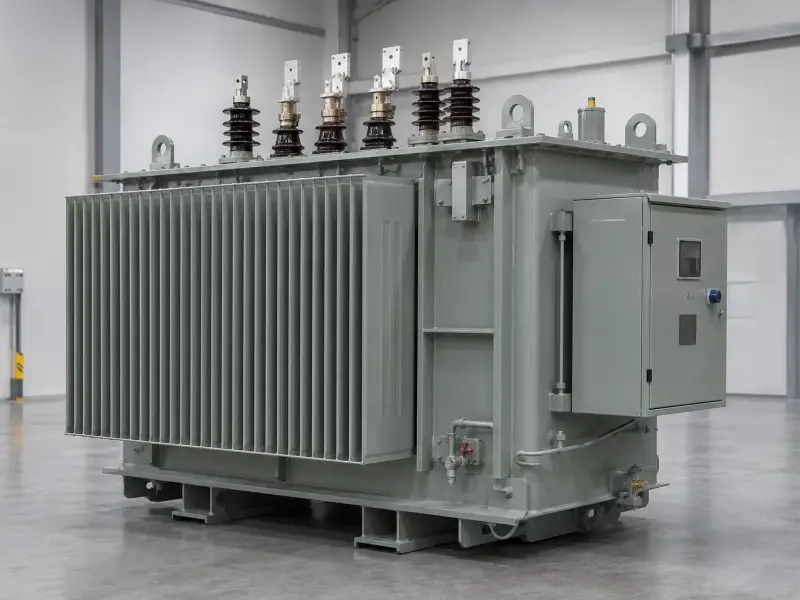
Electrical-grade aluminum strip can be selected for transformer-related components where conductivity and dimensional consistency are important.
Aluminum Strip for Heat Exchanger
3003 and other suitable alloys can be used for heat-transfer components because of their formability and thermal conductivity.
Aluminum Coated Strip
Coated strip provides a colored or protective surface and is useful for architectural and decorative applications.
Aluminum Anodized Strip
Anodized strip is used when surface appearance and durability are important.