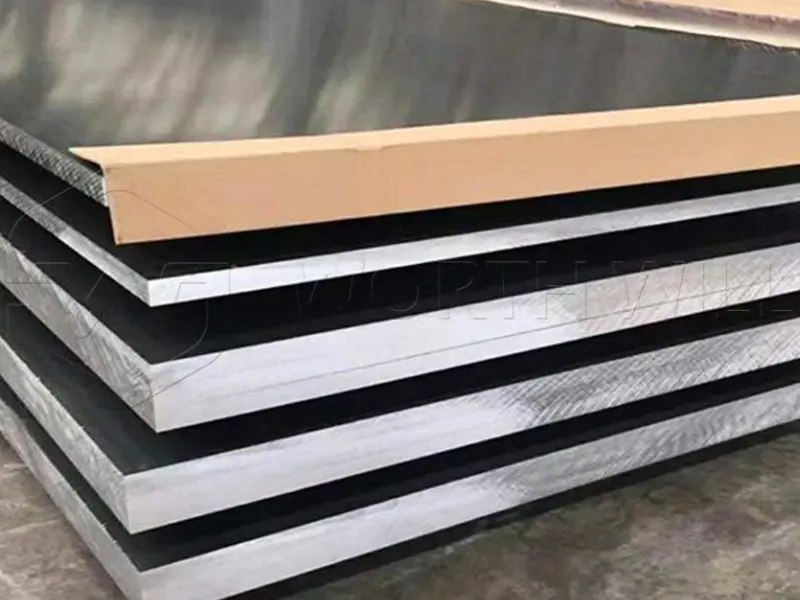
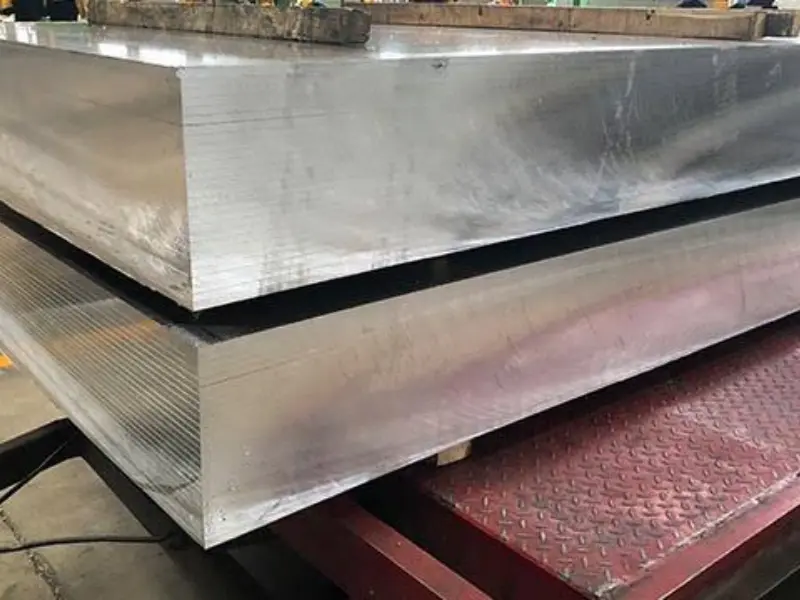
1/2 aluminum plate is a common thick aluminum product for industrial, structural, transportation, marine, fabrication and construction applications. The term usually refers to an aluminum plate with a nominal thickness of 1/2 inch, or 0.500 inch.
This thickness offers a useful balance between weight, strength and machinability. It is much thicker than standard aluminum sheet. It can also be cut, drilled, milled, formed and welded for many different projects.
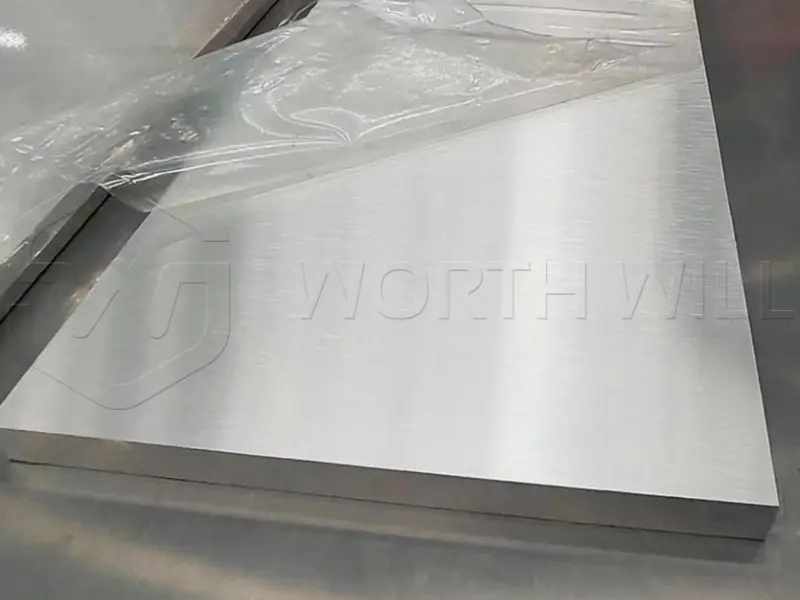
The right aluminum alloy depends on the application. 6061-T6 is often selected for structural and machined parts. 5052-H32 can be considered when corrosion resistance and forming are important. 5083 is often used for demanding marine applications.
A typical purchasing specification looks like this:
Alloy → Temper → Thickness → Width → Length → Surface → Quantity → Application
For example:
6061-T6 → 1/2 inch → 4 × 8 ft → Mill Finish → CNC Fabrication
What Is 1/2 Aluminum Plate?
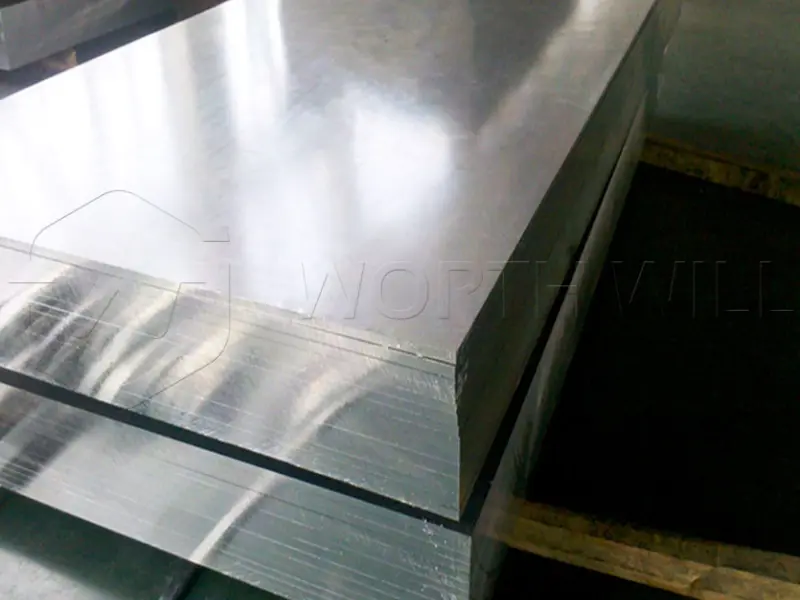
1/2 aluminum plate is aluminum plate with a nominal thickness of 0.500 inch.
In metric terms, 1/2 inch is approximately 12.7 mm.
Because of its thickness, this product is normally classified as aluminum plate rather than thin aluminum sheet.
| Specification | Common Value |
|---|---|
| Nominal thickness | 1/2 inch |
| Inch value | 0.500 inch |
| Metric value | 12.7 mm |
| Common width | 48 inches |
| Common length | 96 inches |
| Common size | 4 × 8 ft |
| Other length | 10 ft, 12 ft or custom |
| Surface | Mill finish |
| Processing | Cutting, drilling, milling, welding |
Actual thickness tolerance depends on the applicable standard, alloy, temper and production specification.
Why Choose a 1/2 Inch Aluminum Plate?
A half-inch aluminum plate is useful when a project needs more material thickness without the weight of steel.
Aluminum has a lower density than steel. This can help reduce the weight of equipment, structures and fabricated components.
The material also has good corrosion resistance in many environments.
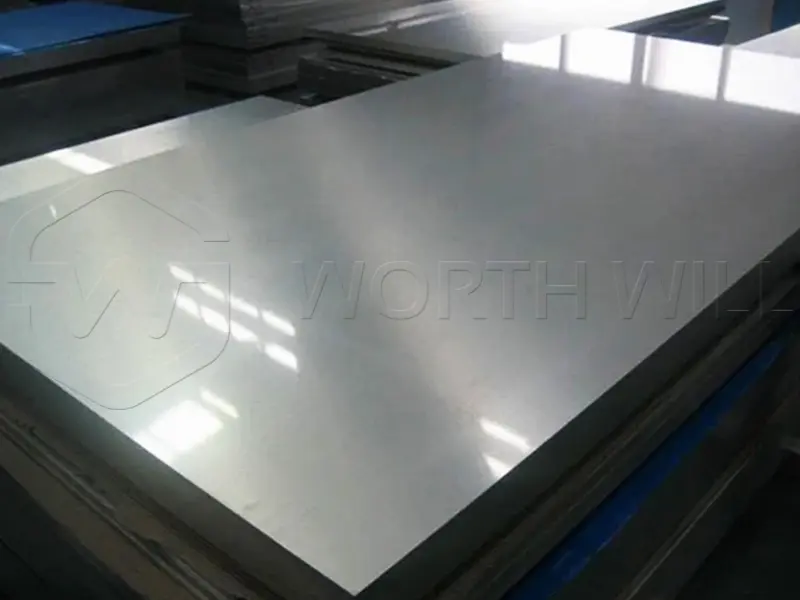
Typical advantages include:
- Good strength-to-weight ratio
- Lower weight than steel
- Good corrosion resistance
- Good machinability for suitable alloys
- Good thermal conductivity
- Good electrical conductivity
- Suitable for CNC machining
- Suitable for welding with appropriate alloys
- Easy to cut into custom sizes
- Available in many aluminum grades
The exact performance depends on the alloy and temper.
1/2 Aluminum Plate Thickness in Different Units
Buyers may use inch or metric specifications.
| Inch | Approximate Metric |
|---|---|
| 1/8 inch | 3.175 mm |
| 3/16 inch | 4.76 mm |
| 1/4 inch | 6.35 mm |
| 3/8 inch | 9.53 mm |
| 1/2 inch | 12.70 mm |
| 5/8 inch | 15.88 mm |
| 3/4 inch | 19.05 mm |
| 1 inch | 25.40 mm |
When ordering, it is useful to confirm whether the supplier is quoting nominal thickness or a specific standard thickness range.
Common 1/2 Aluminum Plate Sizes
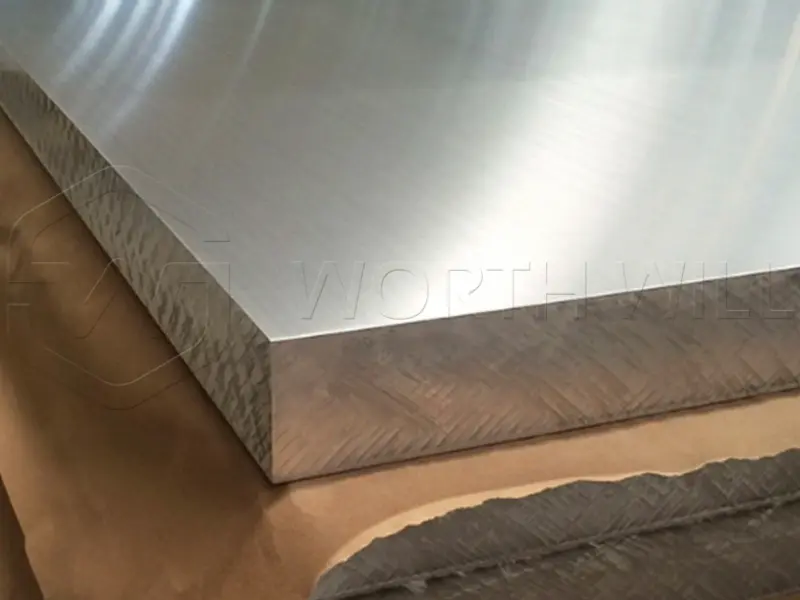
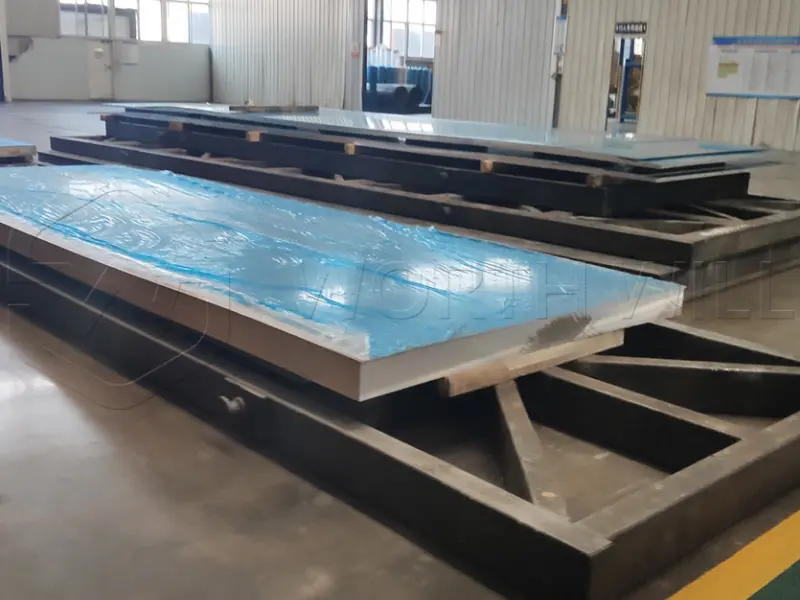
The 4 × 8 ft format is one of the most commonly requested sizes.
However, industrial buyers may need longer or wider plates.
| Size | Approximate Metric Size |
|---|---|
| 2 × 4 ft | 610 × 1220 mm |
| 3 × 6 ft | 915 × 1830 mm |
| 4 × 8 ft | 1220 × 2440 mm |
| 4 × 10 ft | 1220 × 3050 mm |
| 5 × 10 ft | 1525 × 3050 mm |
| 5 × 12 ft | 1525 × 3660 mm |
| Custom | According to project |
Large plate sizes can reduce the number of joints in some fabrication projects.
For CNC cutting, the required nesting pattern should also be considered.
1/2 Aluminum Plate 4×8
1/2 aluminum plate 4×8 is a popular specification for general fabrication.
A 4 × 8 ft plate measures approximately 48 × 96 inches.
It is suitable for many applications because it provides a large working surface.
Common uses include:
- Machine bases
- Equipment panels
- Platforms
- Structural components
- Trailer parts
- Marine components
- Industrial covers
- Fabricated frames
- CNC machined parts
- Heavy-duty brackets
The actual available size can vary by supplier and production line.
6061 1/2 Aluminum Plate
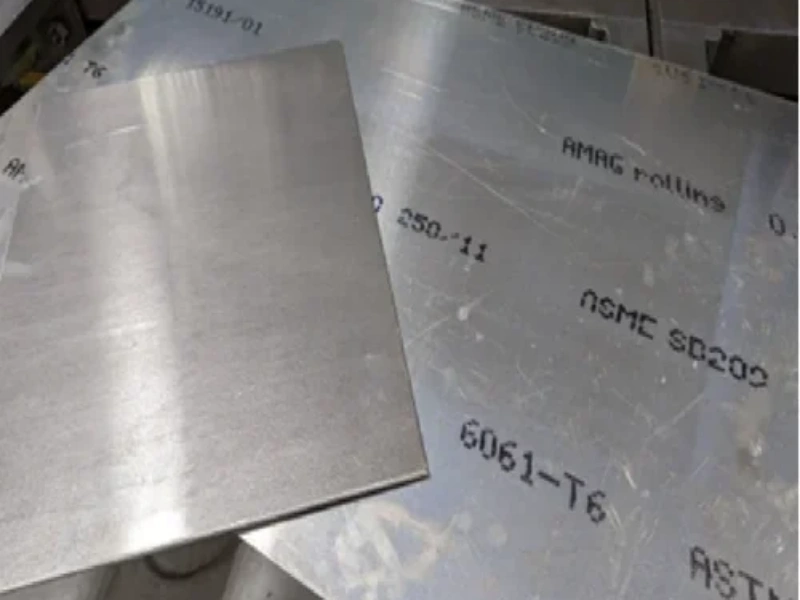
6061 is one of the most widely used aluminum alloys for general engineering applications.
It offers a useful combination of strength, machinability, corrosion resistance and weldability.
6061-T6 is a common temper for applications that need higher mechanical strength.
Typical uses include:
- Machine components
- Structural frames
- Base plates
- Mounting plates
- Automotive parts
- Trailer components
- Aerospace-related fabrication
- CNC machined parts
- Industrial equipment
6061-T6 1/2 Aluminum Plate
6061-T6 provides higher strength than softer 6061 tempers.
It is often selected for parts that need dimensional stability and strength.
However, T6 material may have different forming and welding characteristics compared with softer tempers.
For welded structures, the design should consider the effects of welding on the heat-affected area.
5052 1/2 Aluminum Plate
5052 is an aluminum-magnesium alloy.
It is known for good corrosion resistance and good forming characteristics.
5052-H32 is a commonly requested condition.
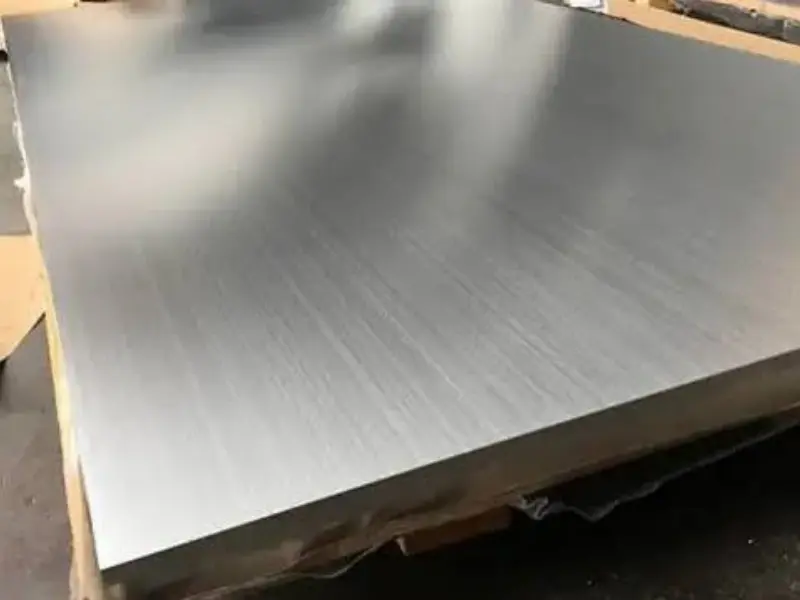
It can be considered for:
- Marine equipment
- Fuel tanks
- Storage tanks
- Truck bodies
- Enclosures
- Chemical equipment
- General fabrication
- Architectural parts
5052 can be a useful choice when corrosion resistance and forming are more important than maximum strength.
5083 1/2 Aluminum Plate
5083 is commonly associated with marine and heavy-duty applications.
It offers high strength and good corrosion resistance.
Typical applications include:
- Marine structures
- Boat components
- Shipbuilding
- Pressure-related fabrication
- Transportation equipment
- Heavy industrial structures
The correct temper and product specification should be selected according to the design requirements.
6061 vs 5052 1/2 Aluminum Plate
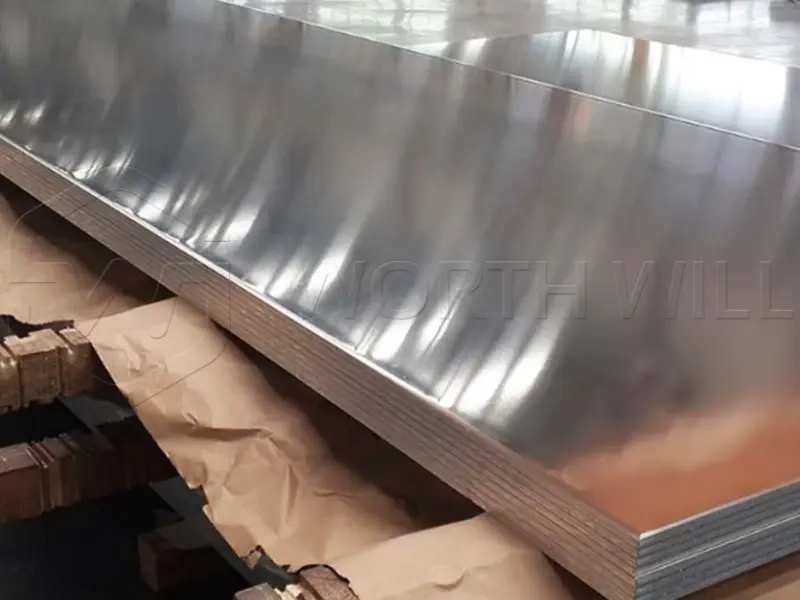
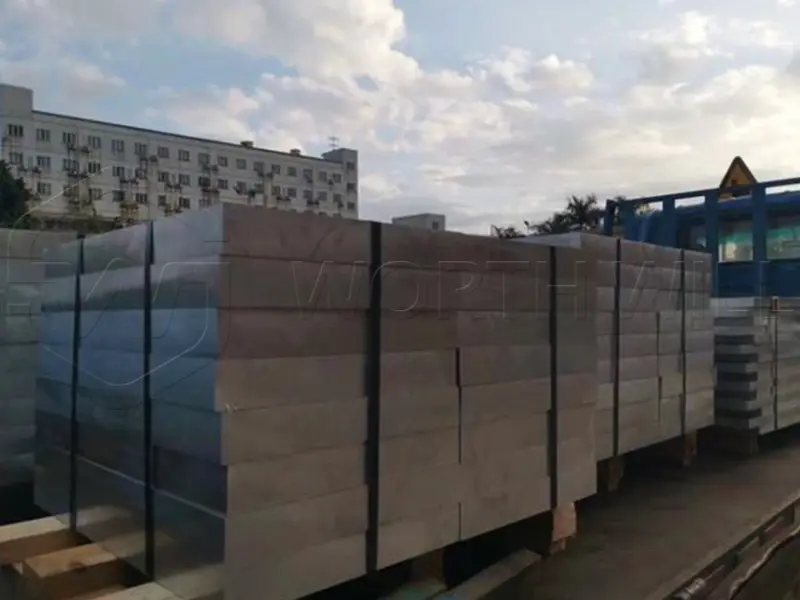
6061 and 5052 are both popular, but they serve different needs.
| Feature | 6061 | 5052 |
|---|---|---|
| Main alloying elements | Mg + Si | Mg |
| Strength | Higher in T6 | Moderate |
| Formability | Moderate | Good |
| Corrosion resistance | Good | Very good |
| Machinability | Good | Moderate |
| Welding | Good | Good |
| Marine use | Suitable | Very common |
| CNC parts | Very common | Suitable |
| Deep forming | Limited in T6 | Better |
| Common temper | T6 | H32 |
If machining and structural strength are important, 6061-T6 may be considered.
If forming and corrosion resistance are more important, 5052 may be a better material category to evaluate.
6061 vs 5083 Aluminum Plate
Both alloys can be used for demanding applications.
| Feature | 6061-T6 | 5083 |
|---|---|---|
| Strength | High | High |
| Corrosion resistance | Good | Very good |
| Marine applications | Suitable | Excellent choice |
| Machinability | Better | More difficult |
| Weldability | Good | Very good |
| Formability | Moderate | Good |
| CNC machining | Common | Possible |
| Typical use | Engineering | Marine and heavy fabrication |
The final choice should be based on the complete engineering specification rather than alloy name alone.
1/2 Aluminum Plate for Structural Applications
Thick aluminum plate can be used for many non-building structural and fabrication applications.
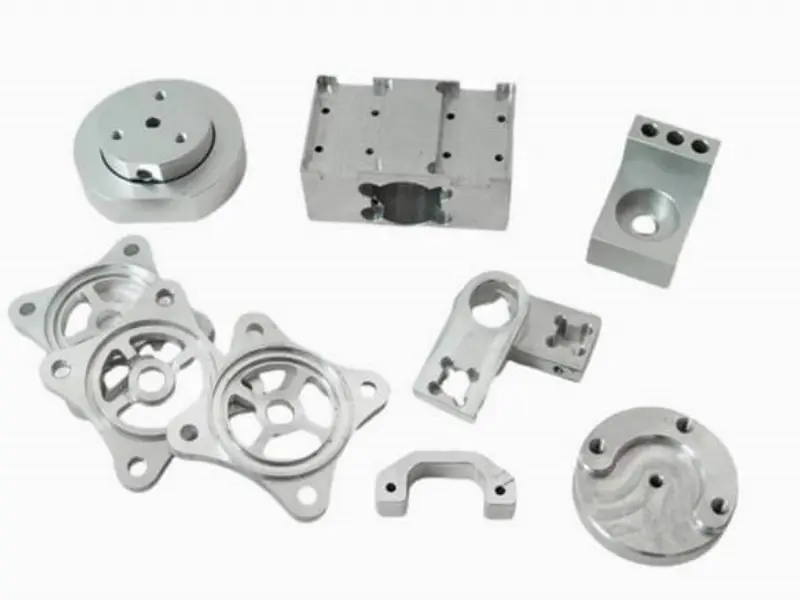
Examples include:
- Machine frames
- Equipment bases
- Platforms
- Support brackets
- Industrial structures
- Access panels
- Mounting plates
- Heavy-duty covers
Aluminum can reduce weight compared with steel.
However, structural design should consider yield strength, tensile strength, deflection, fastener design and weld conditions.
1/2 Aluminum Plate for CNC Machining
The 12.7 mm thickness provides enough material for many machined components.
CNC machining can produce accurate shapes from aluminum plate.
Common processes include:
Plate → CNC Cutting → Milling → Drilling → Tapping → Deburring → Inspection
Typical machined products include:
- Mounting plates
- Machine bases
- Brackets
- Flanges
- Fixtures
- Jigs
- Equipment components
- Prototype parts
6061-T6 is commonly considered for this type of work because of its combination of strength and machinability.
1/2 Aluminum Plate for Welding
Aluminum plate can be welded using suitable welding processes.

Common methods include:
- MIG welding
- TIG welding
- Robotic welding
- Manual welding
The filler metal and welding process should match the alloy and application.
For 6061-T6, the heat-affected area may have reduced strength after welding.
For this reason, welded designs should be evaluated as a complete system.
1/2 Aluminum Plate for Trailers
Thick aluminum plate can be used in trailer manufacturing and repair.
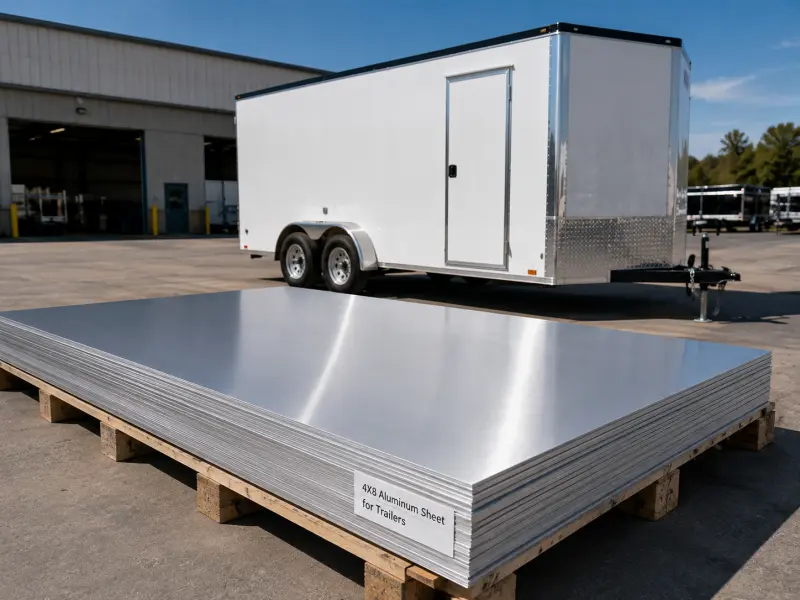
Possible applications include:
- Trailer floors
- Structural components
- Ramps
- Side components
- Mounting plates
- Tool boxes
- Reinforcement plates
The exact alloy depends on whether the component needs forming, strength, wear resistance or corrosion resistance.
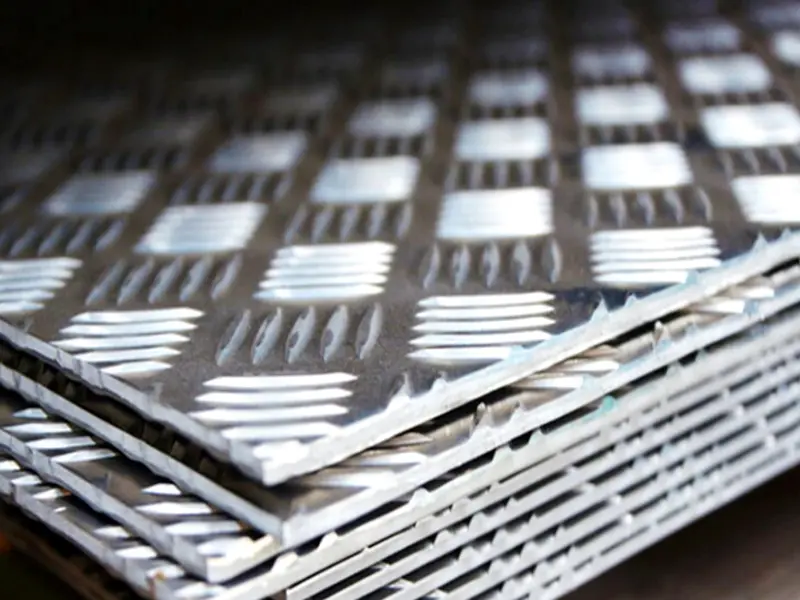
For flooring, a tread or checker plate may be selected instead of a plain plate.
1/2 Aluminum Plate for Marine Applications
Aluminum is widely used in marine fabrication.
The material can reduce weight while providing good corrosion resistance.
Potential applications include:
- Boat structures
- Deck components
- Marine platforms
- Equipment bases
- Hatches
- Storage structures
- Rail components
5052 and 5083 are common alloy categories for marine-related work.
The exact choice should consider saltwater exposure, welding and structural requirements.
1/2 Aluminum Plate for Industrial Equipment
Industrial equipment often needs strong and durable plate.
A half-inch plate can be machined or fabricated into equipment components.
Applications include:
- Machine bases
- Industrial covers
- Equipment frames
- Conveyor components
- Mounting plates
- Guard panels
- Electrical equipment structures
- Processing equipment
The material can be supplied as a full plate or cut into smaller pieces.
1/2 Aluminum Plate for Platforms and Walkways
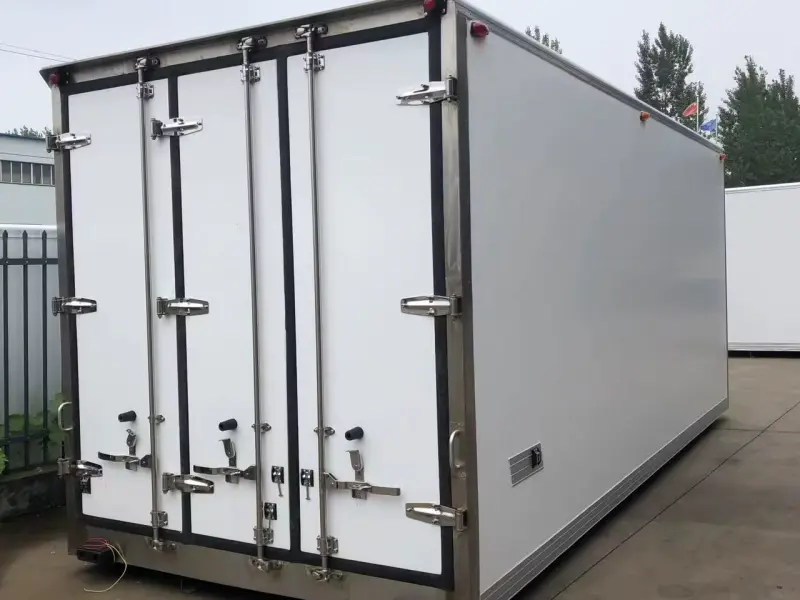
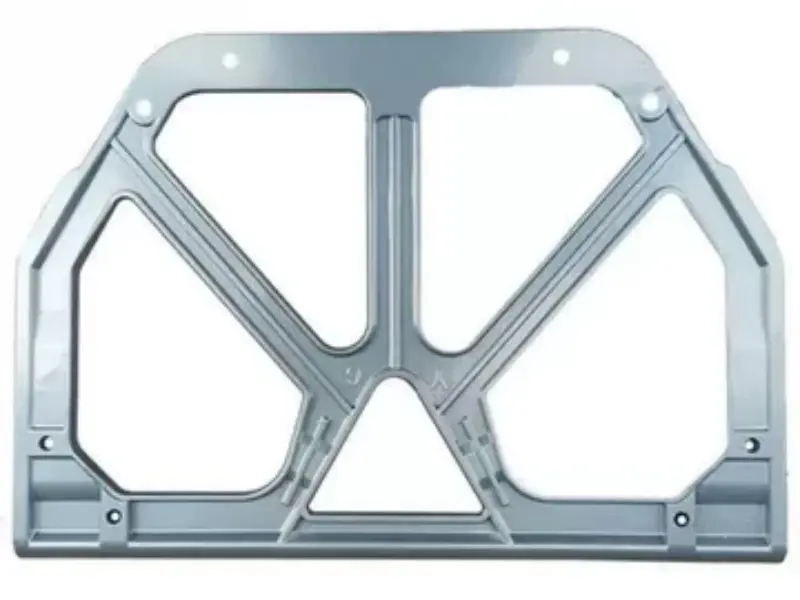
For platforms and walkways, the surface design is important.
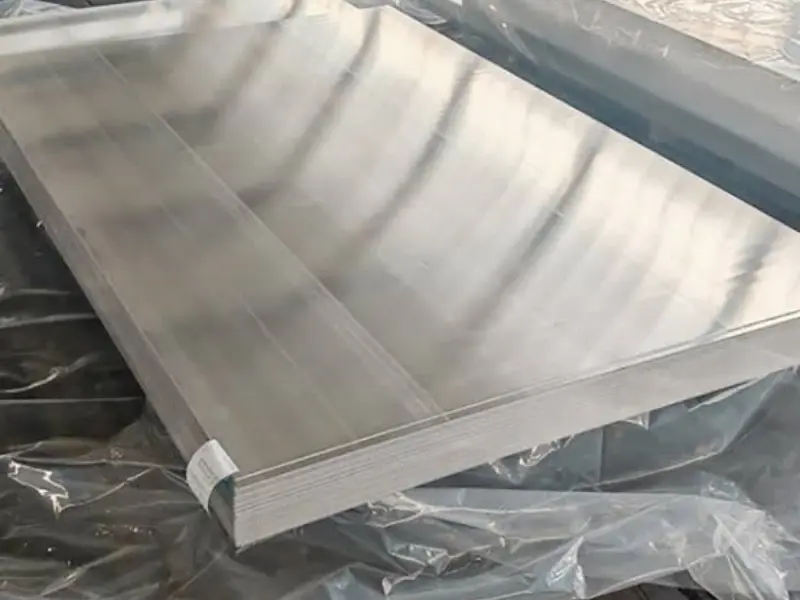
A plain aluminum plate provides a flat surface.
A checker or tread plate can provide a textured surface.
| Plate Type | Typical Application |
|---|---|
| Plain plate | Machine bases |
| Tread plate | Walkways |
| Diamond plate | Platforms |
| Embossed plate | Decorative and functional surfaces |
| Machined plate | Precision components |
The choice depends on traction, appearance and fabrication requirements.
Plain vs Checker 1/2 Aluminum Plate
These two products can have the same nominal base thickness but different surface designs.
| Feature | Plain Plate | Checker Plate |
|---|---|---|
| Surface | Flat | Raised pattern |
| Appearance | Simple | Industrial |
| Cleaning | Easier | More complex |
| Slip resistance | Limited | Better |
| Typical use | Fabrication | Floors and platforms |
| Machining | Easy | More complex |
If the surface will be used as a walking or working platform, the pattern should be considered during design.
1/2 Aluminum Plate vs 1/4 Aluminum Plate
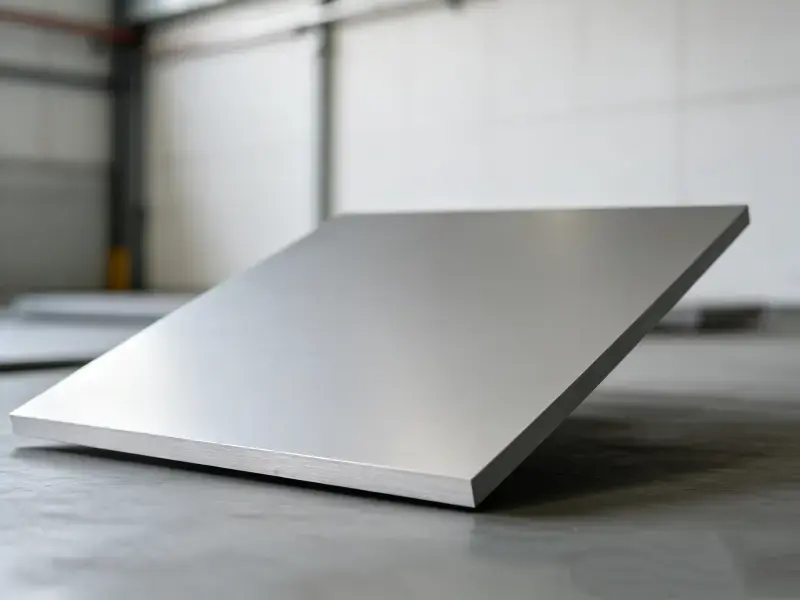
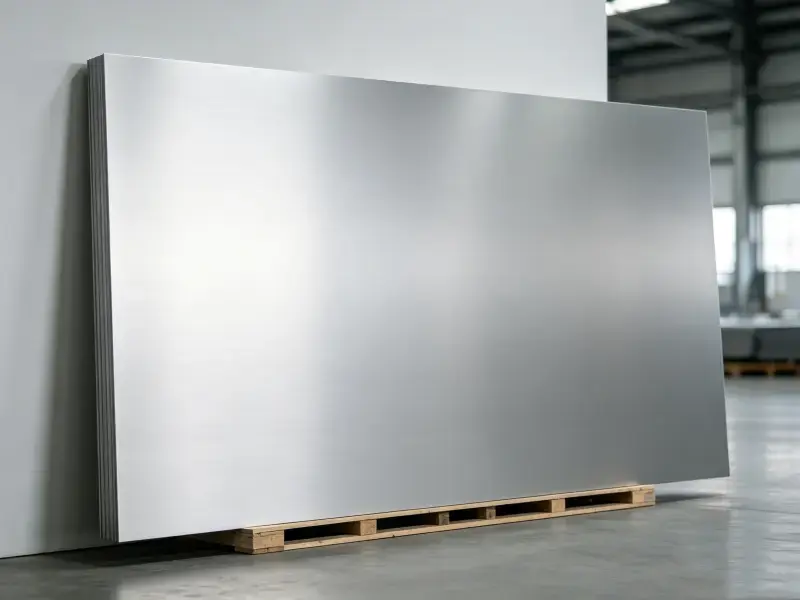
Thickness has a direct effect on weight and rigidity.
| Feature | 1/4 inch | 1/2 inch |
|---|---|---|
| Thickness | 6.35 mm | 12.70 mm |
| Material weight | Lower | Higher |
| Rigidity | Lower | Higher |
| Machining allowance | Less | More |
| Material cost | Lower | Higher |
| Heavy-duty use | Limited | More suitable |
A 1/2 inch plate uses approximately twice the material thickness of a 1/4 inch plate.
The right choice depends on load, span, stiffness and final design.
1/2 Aluminum Plate vs Steel Plate
Aluminum and steel have different physical characteristics.
| Feature | Aluminum | Steel |
|---|---|---|
| Weight | Lower | Higher |
| Corrosion resistance | Generally good | Depends on grade/coating |
| Strength | Varies by alloy | Often higher |
| Thermal conductivity | Higher | Lower |
| Machining | Alloy dependent | Alloy dependent |
| Handling | Easier | Heavier |
| Surface | Mill / anodized / coated | Mill / coated |
Aluminum is often selected when weight reduction is important.
Steel may be selected when very high strength, stiffness or lower material cost is required.
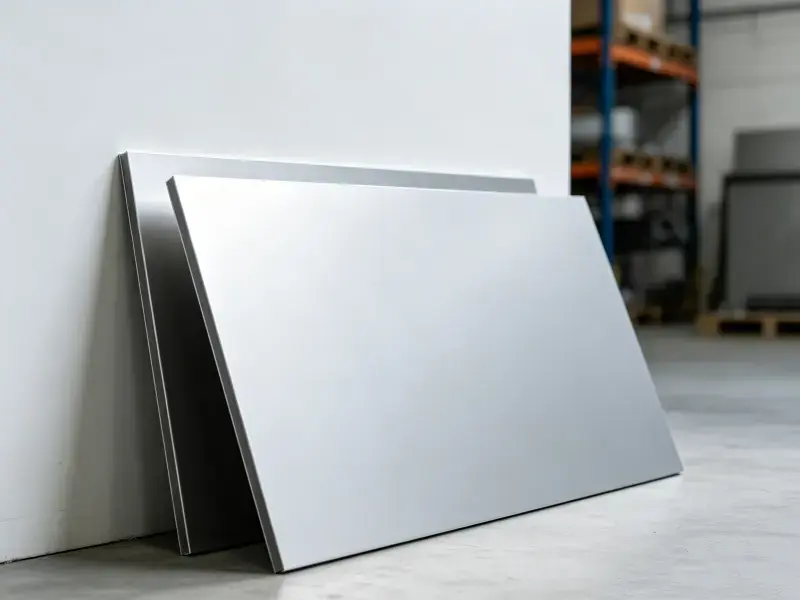
Surface Options
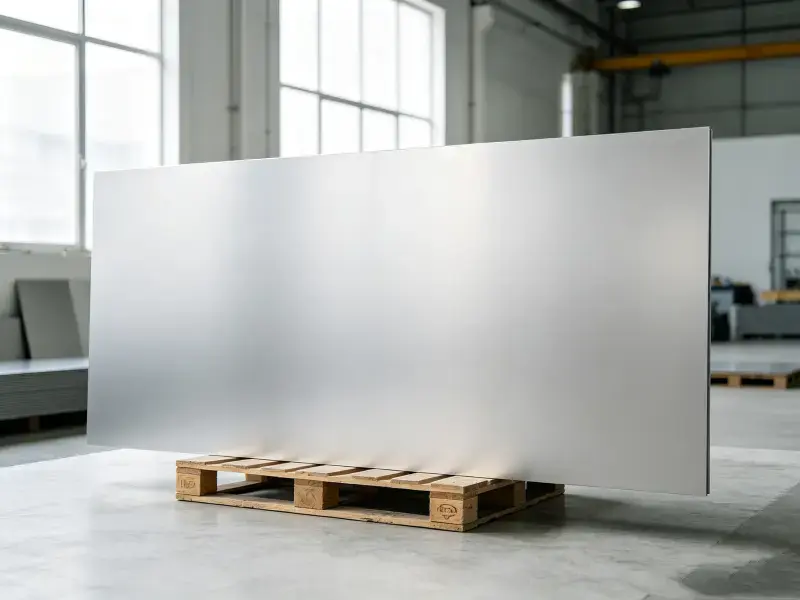
A 1/2 inch aluminum plate can be supplied with different surface conditions.
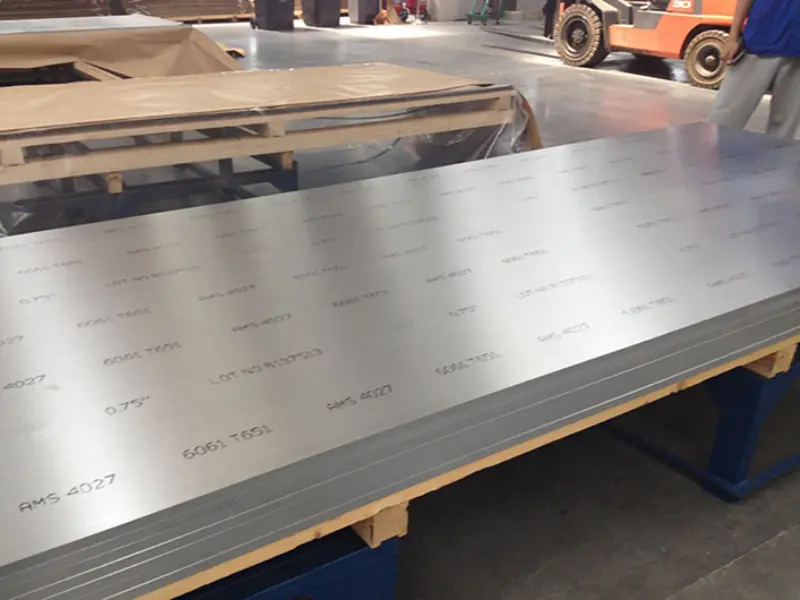
Common options include:
- Mill finish
- Brushed finish
- Polished finish
- Anodized surface
- Painted surface
- Protective film
- Custom coating
For CNC machining, mill finish is often practical.
For visible architectural components, a special surface may be requested.
Cutting Options for 1/2 Aluminum Plate
Thick aluminum plate can be cut into custom dimensions.
Common methods include:
Saw Cutting
Saw cutting is useful for straight cuts and smaller quantities.
CNC Routing
CNC routing can create more complex shapes.
Waterjet Cutting
Waterjet cutting can produce detailed shapes without the same heat input associated with some thermal cutting processes.
Laser Cutting
Laser cutting may be used depending on alloy, thickness and machine capability.
CNC Machining
CNC machining can produce finished components from the plate.
The best process depends on tolerance, quantity, shape and surface requirements.
Tolerance and Flatness
For industrial applications, dimensional control is important.
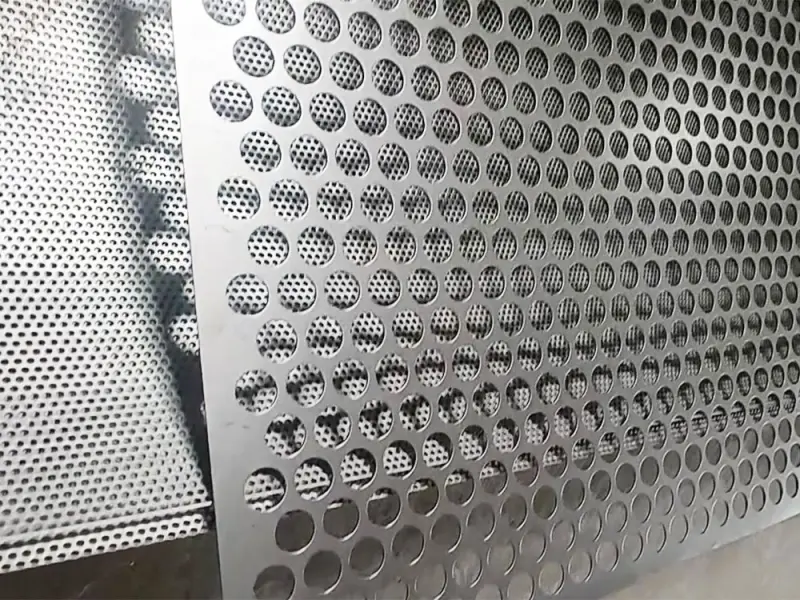
Buyers may need to specify:
- Thickness tolerance
- Width tolerance
- Length tolerance
- Flatness
- Squareness
- Surface quality
- Edge condition
A standard commercial plate and a precision machined plate have different requirements.
The tolerance should be confirmed before production.
How 1/2 Aluminum Plate Is Produced
A typical production route is:
Aluminum Ingot → Casting → Homogenization → Hot Rolling → Cold Rolling → Heat Treatment → Cutting → Inspection → Packing
The exact process can vary by alloy and product specification.
For heat-treatable alloys such as 6061, the final temper requires controlled heat treatment.
Quality Control
A professional aluminum plate supplier may inspect several points.
| Inspection | Purpose |
|---|---|
| Alloy | Confirm material grade |
| Temper | Confirm material condition |
| Thickness | Check dimensional accuracy |
| Width | Confirm plate size |
| Length | Confirm cutting size |
| Flatness | Check plate condition |
| Surface | Find scratches or defects |
| Mechanical properties | Confirm required performance |
| Packaging | Prevent transport damage |
Material certificates can be supplied when required.
Packaging for Export
Thick aluminum plates need stable packaging.
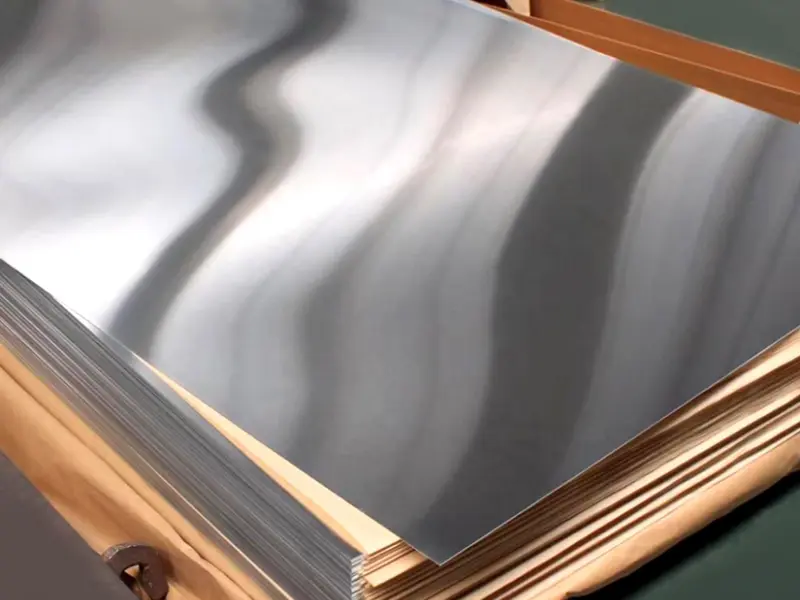
Typical export packing can include:
- Wooden pallets
- Wooden cases
- Waterproof paper
- Plastic wrapping
- Edge protection
- Paper separators
- Steel straps
- Container loading protection
For CNC-cut parts, individual protection may be added to reduce surface damage.
What Affects the Price of 1/2 Aluminum Plate?
The price is not based on thickness alone.
| Factor | Price Influence |
|---|---|
| Alloy | Different alloys have different costs |
| Temper | Heat treatment can add processing |
| Thickness | More material increases weight |
| Plate size | Larger plates use more material |
| Surface finish | Special finishes add processing |
| Cutting | Custom cutting adds labor |
| Tolerance | Precision requirements increase cost |
| Quantity | Larger orders may improve efficiency |
| Packaging | Special packing adds cost |
| Freight | Destination affects landed cost |
For B2B purchasing, it is useful to compare suppliers using the same alloy, temper, size and tolerance.
How to Choose the Right 1/2 Aluminum Plate
Start with the application.
Application → Load → Environment → Alloy → Temper → Size → Surface → Processing
For example:
CNC Machine Part → High Strength → Indoor → 6061 → T6 → 1/2 inch → 4 × 8 ft → Mill Finish
Another example:
Marine Fabrication → Saltwater → 5083 → Suitable Marine Temper → 1/2 inch → Custom Size → Mill Finish
This approach makes material selection easier.
Applications of 1/2 Aluminum Plate
The thickness is suitable for a wide range of industries.
Industrial Equipment
- Machine bases
- Equipment frames
- Mounting plates
- Industrial covers
- Brackets
- Fixtures
- Machinery components
Transportation
Structural panels
Trailer components
Truck bodies
Vehicle parts
Ramps
Transport equipment
Marine
- Boat components
- Marine platforms
- Deck structures
- Hatches
- Equipment bases
- Fabricated marine parts
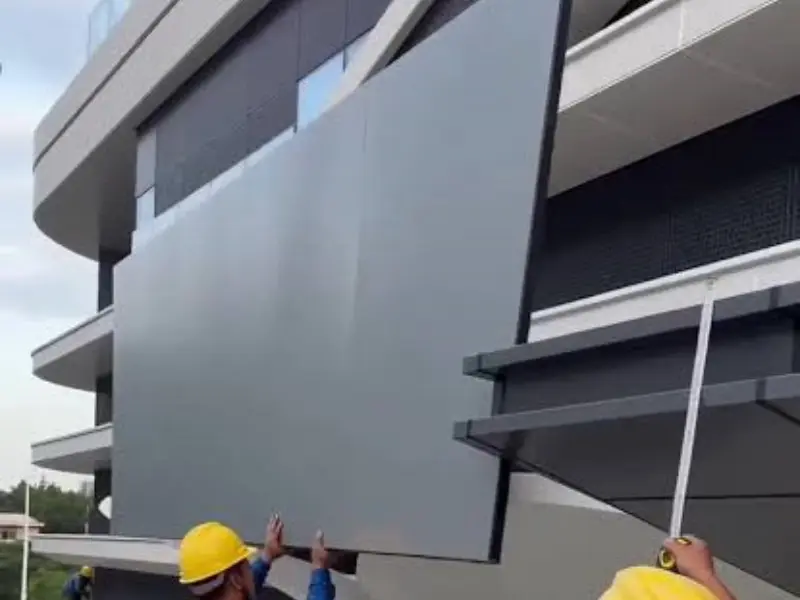
Construction and Fabrication
- Platforms
- Support components
- Covers
- Architectural parts
- Access panels
- Fabricated structures
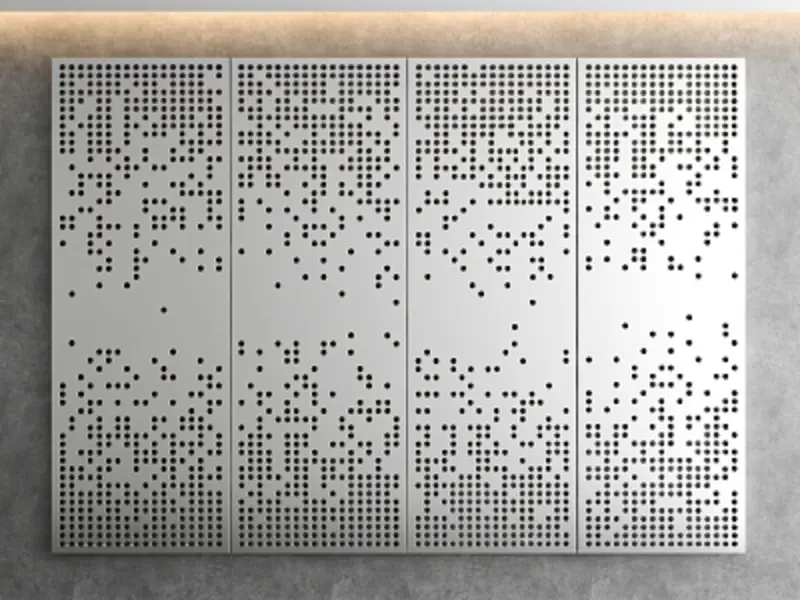
CNC and Manufacturing
- Machine parts
- Jigs
- Fixtures
- Flanges
- Mounting plates
- Precision components
Energy and Electrical Equipment
Industrial panels
Equipment bases
Heat-related components
Electrical enclosures
Mounting structures
Custom 1/2 Aluminum Plate
Not every project needs a full 4 × 8 ft plate.
A supplier can often provide cut-to-size material.
Common custom requirements include:
| Requirement | Example |
|---|---|
| Alloy | 6061 |
| Temper | T6 |
| Thickness | 1/2 inch |
| Width | 300 mm |
| Length | 600 mm |
| Surface | Mill finish |
| Quantity | 100 pcs |
| Cutting | CNC / saw cut |
Cut-to-size service can reduce fabrication work at the customer’s factory.
For larger projects, nesting can also help reduce material waste.
Buying Guide for 1/2 Aluminum Plate
Before sending an inquiry, prepare the following information:
- Aluminum alloy
- Temper
- Thickness
- Width
- Length
- Quantity
- Surface finish
- Tolerance
- Cutting requirements
- Application
- Destination
A complete inquiry can be written as:
6061-T6 + 1/2 inch + 48 × 96 inch + Mill Finish + 20 Plates + Export Packing
For a custom part, add the drawing or CAD file.
FAQ About 1/2 Aluminum Plate
How thick is 1/2 aluminum plate?
A 1/2 aluminum plate has a nominal thickness of 0.500 inch, which is approximately 12.7 mm.
Is 1/2 inch aluminum plate strong?
Strength depends on the alloy and temper. 6061-T6 provides significantly higher strength than softer commercial aluminum grades.
What is the most common 1/2 aluminum plate size?
4 × 8 ft is a common size. Other sizes such as 4 × 10 ft, 5 × 10 ft and custom sizes can also be available.
What alloy is commonly used for 1/2 aluminum plate?
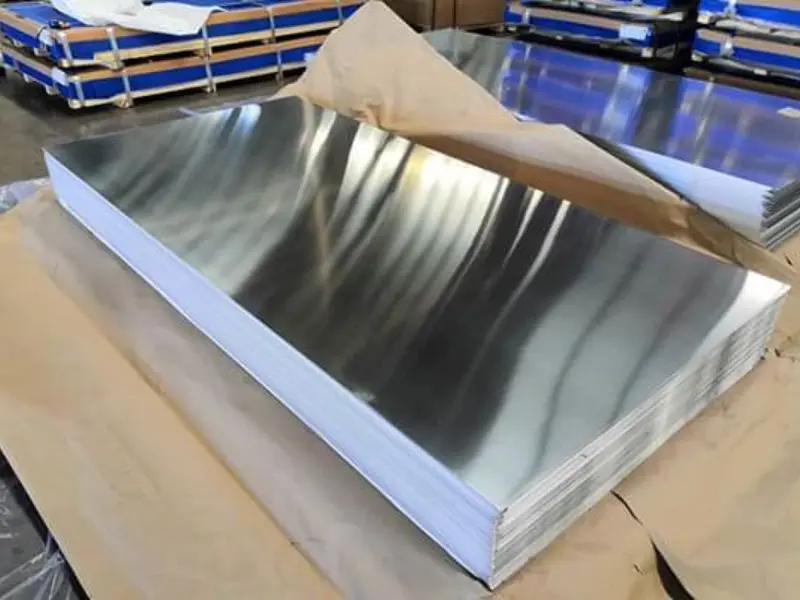
6061-T6 is widely used for general engineering and machining. 5052 is common for corrosion-resistant fabrication, while 5083 is widely associated with marine applications.
Is 6061-T6 suitable for CNC machining?
Yes. 6061-T6 is commonly used for CNC machined aluminum components because it provides a useful combination of strength and machinability.
Can 1/2 aluminum plate be welded?
Yes. Aluminum plate can be welded using suitable processes and filler materials. The alloy and temper should be considered before welding.
Is 5052 better than 6061 for marine applications?
5052 and 6061 have different characteristics. 5052 is commonly used where corrosion resistance and forming are important. 6061 is often selected where machining and higher strength are important.
Can 1/2 aluminum plate be cut to size?
Yes. Many suppliers can provide saw cutting, CNC cutting, waterjet cutting or other custom cutting services.
Can I buy 1/2 aluminum plate in 4×8 sheets?
Yes. 4 × 8 ft is a common format for aluminum plate, subject to alloy, temper, thickness and supplier availability.
Is 1/2 aluminum plate suitable for trailers?
It can be used for selected trailer components. The correct alloy and surface pattern depend on the part, load and fabrication method.
What is the difference between aluminum plate and aluminum sheet?
The main difference is thickness classification. In many commercial standards, thicker flat products are classified as plate, while thinner products are classified as sheet. Exact classification can vary by standard.
How much does a 1/2 aluminum plate cost?
Price depends on alloy, temper, plate size, quantity, surface, tolerance, cutting and freight. A complete specification is needed for an accurate quotation.
1/2 Aluminum Plate Specification Table
| Item | Common Options |
|---|---|
| Thickness | 1/2 inch / 12.7 mm |
| Alloy | 5052 / 5083 / 6061 / Other |
| Temper | O / H32 / H34 / T6 / Other |
| Width | 2–60 inches+ |
| Length | 4–144 inches+ |
| Standard size | 4 × 8 ft |
| Surface | Mill / Brushed / Polished / Coated |
| Plate type | Plain / Checker / Custom |
| Processing | Cutting / Drilling / Milling / CNC |
| Application | Industrial / Marine / Trailer / Construction |
| Packing | Pallet / Wooden Case / Export Packing |
| Quantity | Custom |
The best 1/2 aluminum plate is determined by the complete project requirement.
Thickness is only one part of the specification. Alloy, temper, size, surface, tolerance and processing should all be considered before purchasing.
For a quotation, buyers can provide the required alloy, temper, 1/2 inch thickness, plate size, quantity and application. A drawing can be added for custom cutting or machining.