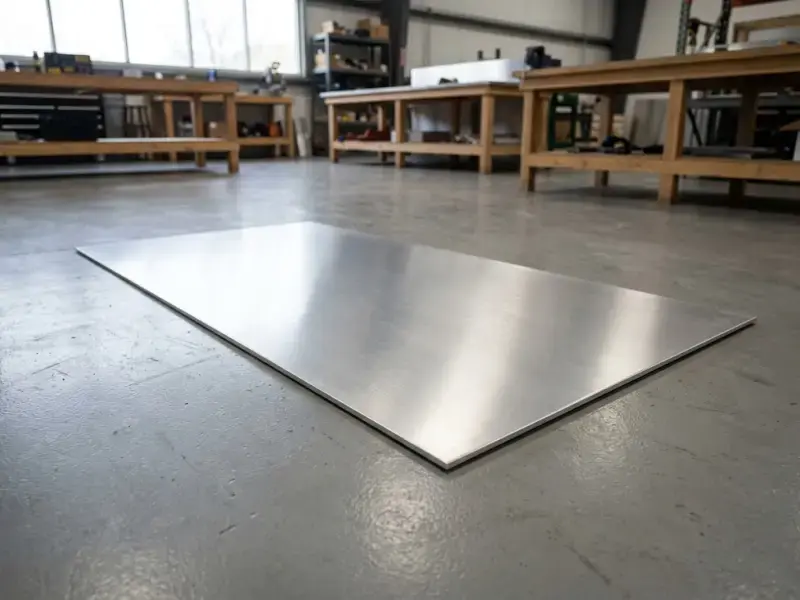
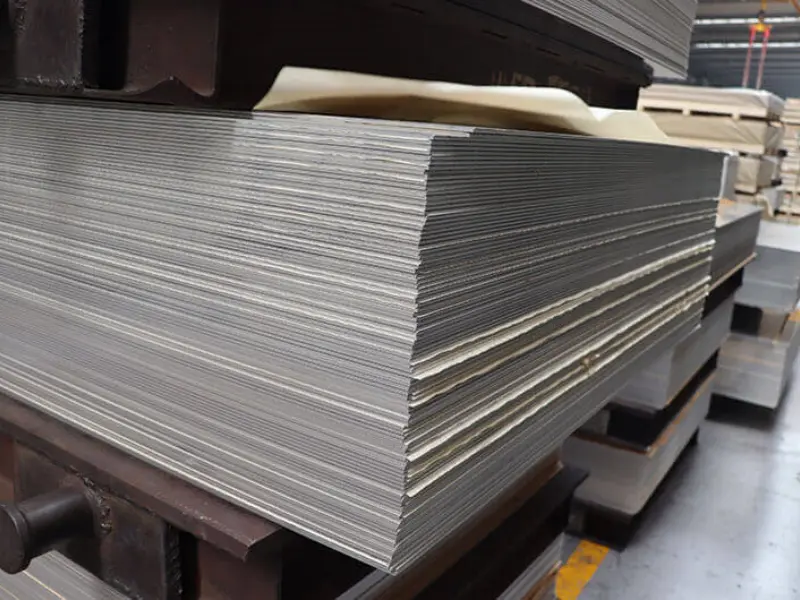
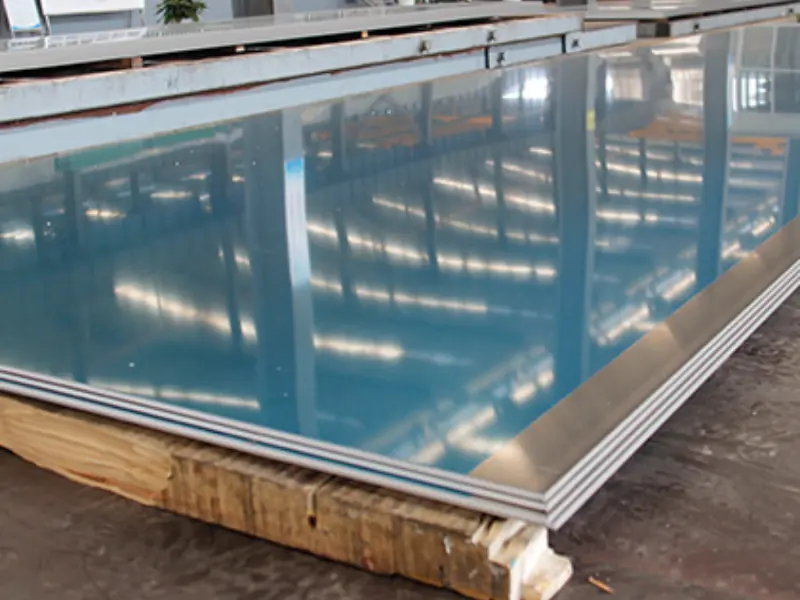
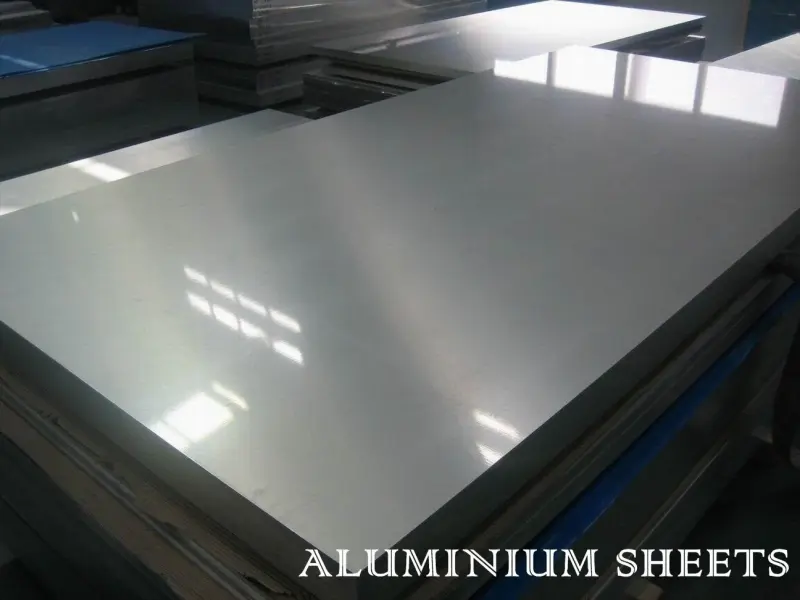
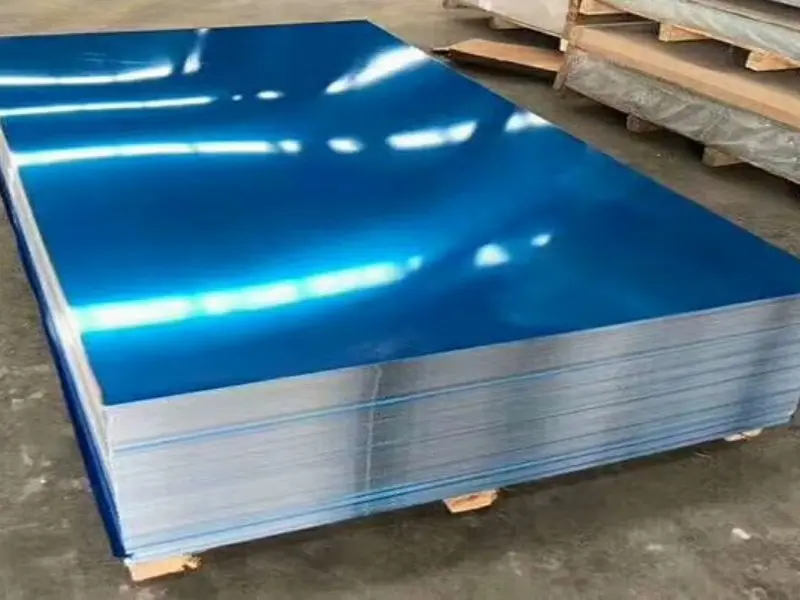
A 6mm aluminium sheet is a medium-thickness aluminum sheet used for fabrication, transport equipment, industrial parts, enclosures, structural components, and many other projects.
The 6mm thickness gives the sheet more rigidity than thin aluminum sheets while keeping the material lighter than many steel alternatives.
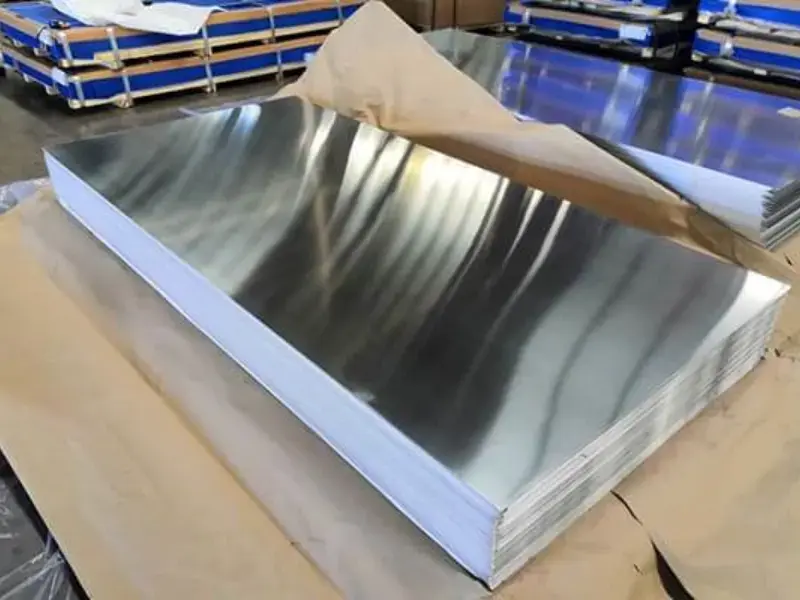
Different aluminum alloys can be supplied in 6mm thickness. The right alloy depends on the required strength, forming performance, corrosion resistance, surface finish, and application.
For buyers, thickness is only one part of the specification. Alloy, temper, sheet size, surface finish, cutting tolerance, and quantity can all affect the final product and price.
What Is a 6mm Aluminium Sheet?
A 6mm aluminium sheet has a nominal thickness of 6 millimeters, equal to approximately 0.236 inches.
It is commonly selected when a project needs a balance between stiffness, weight, machinability, and corrosion resistance.
Compared with thinner materials such as 1mm, 2mm, or 3mm aluminum sheet, 6mm material provides greater section thickness. This makes it suitable for parts that need more support or resistance to bending.
At the same time, it is still relatively easy to cut, drill, mill, bend, and fabricate with suitable equipment.
| Item | Typical Specification |
|---|---|
| Product | Aluminium Sheet |
| Thickness | 6mm |
| Approx. inch thickness | 0.236″ |
| Surface | Mill finish, brushed, anodized, coated, embossed |
| Shape | Flat sheet |
| Standard alloys | 1050, 1060, 3003, 5052, 6061 |
| Temper | O, H12, H14, H16, H18, H22, H24, H32, T6 |
| Standard sizes | 1000×2000mm, 1220×2440mm, 1500×3000mm |
| Custom size | Available according to project |
| Processing | Cutting, drilling, bending, CNC machining |
Why Choose 6mm Aluminum Sheet?
The main advantage is the balance between thickness and weight.
A 6mm sheet is thick enough for many fabrication jobs, but aluminum has a lower density than steel. This can help reduce the weight of finished equipment and structures.
It also has good natural corrosion resistance because aluminum forms a thin oxide layer on its surface.
For outdoor projects, alloy selection and surface treatment are still important. Anodizing, painting, powder coating, or other finishes can be used when additional surface protection or a specific appearance is required.
Main advantages
- Medium-to-high sheet rigidity
- Lower weight than comparable steel products
- Good corrosion resistance
- Easy to cut and machine
- Good electrical and thermal conductivity
- Available in many alloys
- Suitable for custom fabrication
- Available with different surface finishes
6mm Aluminium Sheet Alloy Options
Not every 6mm aluminum sheet has the same properties.
The alloy should be selected according to the final use. For example, a decorative panel and a machined structural component may need completely different aluminum grades.
1050 and 1060 6mm Aluminium Sheet
1050 and 1060 are high-purity aluminum grades.
They are known for good electrical and thermal conductivity and good corrosion resistance. They are also relatively easy to form.

These grades can be considered for:
- Electrical components
- Heat transfer applications
- Decorative panels
- General fabrication
- Chemical equipment
- Reflective applications
They are not normally the first choice when high structural strength is the main requirement.
3003 6mm Aluminium Sheet
3003 aluminum contains manganese and is commonly used where moderate strength and good formability are needed.
A 6mm 3003 aluminum sheet can be used for:
- Equipment panels
- Tanks
- Roofing components
- Heat exchangers
- General fabrication
- Industrial enclosures
It offers a useful combination of formability, corrosion resistance, and moderate strength.
5052 6mm Aluminium Sheet
5052 is a popular choice for applications that need better corrosion resistance and higher strength than many 1xxx series alloys.
sheet.
It is often considered for:
- Marine equipment
- Fuel tanks
- Transportation parts
- Machinery covers
- Industrial panels
- Storage equipment
- Fabricated structures
5052 is also available in several tempers. The temper can change the mechanical properties of the
6061 6mm Aluminium Sheet
6061 is widely used for structural and machining applications.
It is commonly supplied in T6 temper when higher strength is required.
Typical applications include:
- Machine parts
- Frames
- Structural components
- Transport equipment
- Platforms
- CNC-machined parts
- Industrial assemblies
When choosing 6061, buyers should specify the required temper instead of ordering only by alloy number.
6mm Aluminum Sheet Temper Selection
The same aluminum alloy can have different mechanical properties depending on its temper.
For example, an O temper is generally softer and more suitable for forming, while H or T tempers can provide higher strength.
| Temper | General Character | Typical Use |
|---|---|---|
| O | Soft | Forming and deep fabrication |
| H12 | Work hardened | General fabrication |
| H14 | Medium hard | Panels and formed parts |
| H16 | Harder | Fabrication and flat parts |
| H18 | Hard | Rigid sheet applications |
| H32 | Stabilized | Industrial and marine parts |
| T6 | Heat treated | Structural and machined parts |
The exact temper availability depends on the alloy.
For a quotation, it is better to provide both the alloy and temper, such as 5052 H32 6mm or 6061 T6 6mm.
6mm Aluminium Sheet Size Options
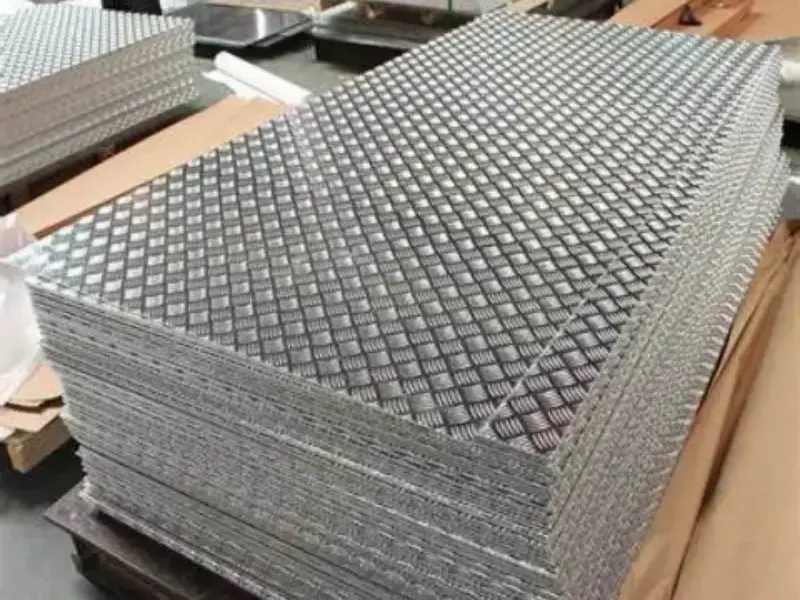

Sheet dimensions can be selected according to the fabrication process.
Common sizes include:
| Metric Size | Approx. Imperial Size | Suitable For |
|---|---|---|
| 1000 × 2000mm | 3.28 × 6.56 ft | Small fabrication |
| 1220 × 2440mm | 4 × 8 ft | General fabrication |
| 1500 × 3000mm | 4.92 × 9.84 ft | Large panels |
| 1500 × 6000mm | 4.92 × 19.69 ft | Large industrial work |
Other dimensions can be produced or cut according to customer requirements.
A 4×8 ft sheet is particularly common in international fabrication markets because it fits many standard cutting and transportation systems.
6mm Aluminum Sheet: Thickness Comparison
Thickness of 6mm Aluminium Sheet has a direct effect on rigidity, weight, and material cost.
| Thickness | Approx. Inch | Typical Character |
|---|---|---|
| 1mm | 0.039″ | Lightweight and easy to form |
| 2mm | 0.079″ | General panels |
| 3mm | 0.118″ | Medium-duty fabrication |
| 4mm | 0.157″ | More rigid |
| 5mm | 0.197″ | Heavy panels |
| 6mm | 0.236″ | Rigid medium/heavy fabrication |
| 8mm | 0.315″ | Heavy-duty applications |
| 10mm | 0.394″ | Plate-type applications |
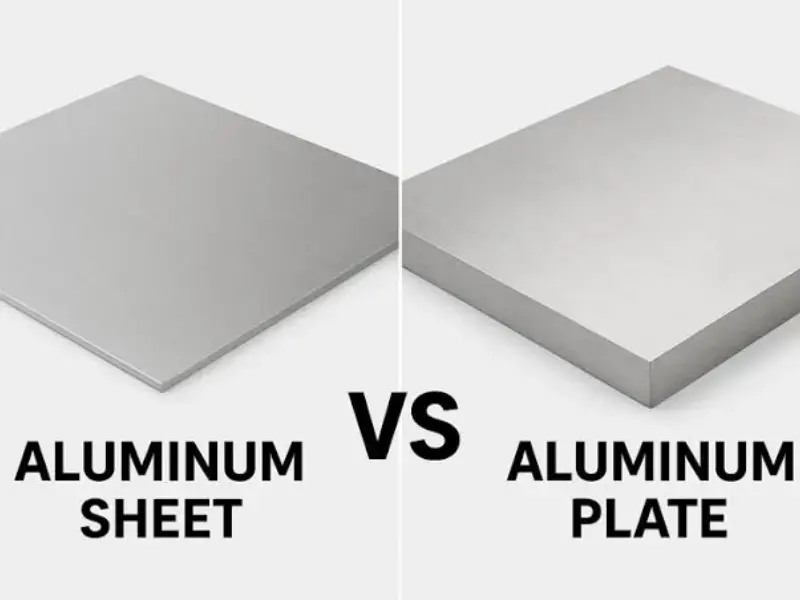
A 6mm sheet is therefore positioned between standard thin sheet products and thicker aluminum plate.
For applications where weight is critical, 6mm may offer enough rigidity without moving to a much thicker material.
6mm Aluminium Sheet Weight
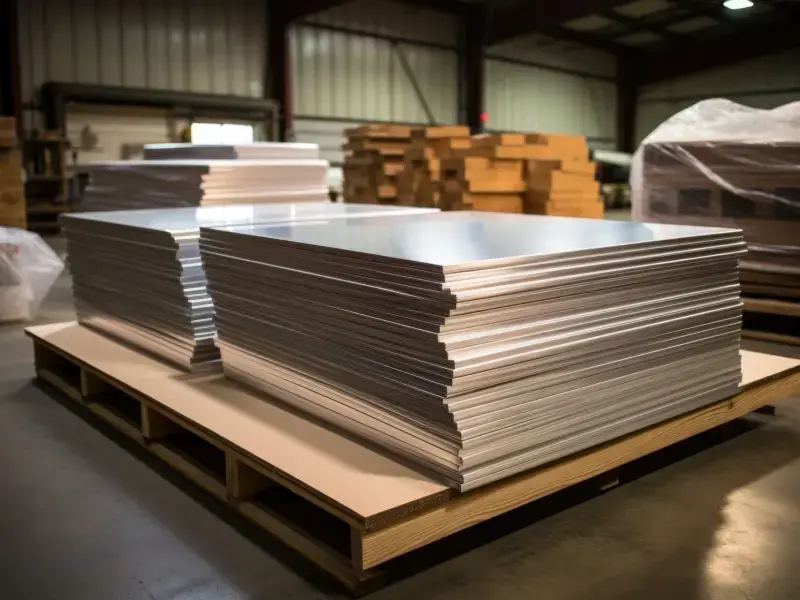
The theoretical weight can be estimated from aluminum density.
Using a density of about 2.7 g/cm³, a 6mm sheet weighs approximately 16.2 kg per square meter.
The actual finished weight may vary slightly according to alloy, dimensions, thickness tolerance, and surface treatment.
| Area | Approx. Weight at 6mm |
|---|---|
| 1 m² | 16.2 kg |
| 2 m² | 32.4 kg |
| 5 m² | 81 kg |
| 10 m² | 162 kg |
For a 1220 × 2440mm sheet, the theoretical weight is around 48 kg.
This figure is useful for estimating shipping costs, handling requirements, and project material quantities.
Choosing the Right Surface Finish
The surface finish affects both appearance and performance.
Mill Finish
Mill finish is the standard untreated aluminum surface.
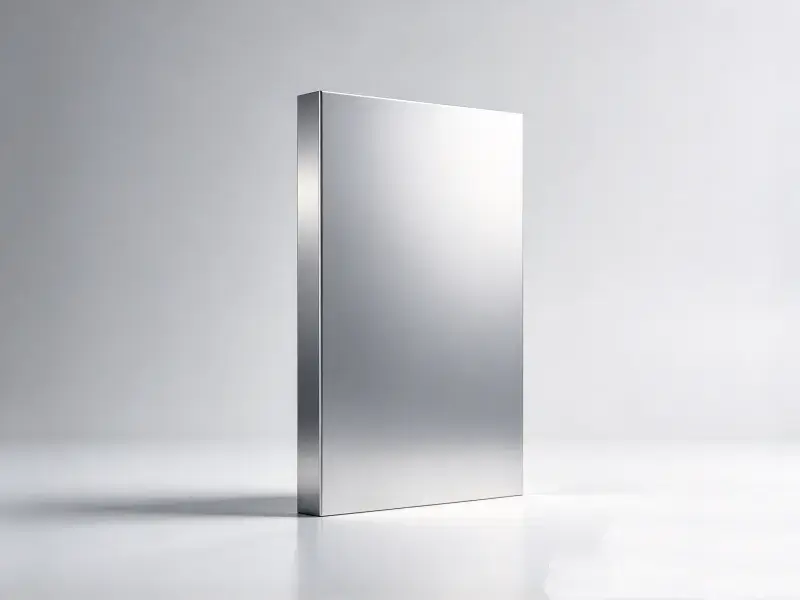
It is commonly selected for:
- Industrial fabrication
- Machining
- General construction
- Parts that will be painted later
It is often the most practical option when appearance is not the main concern.
Brushed Aluminum
Brushed aluminum has a directional surface pattern.
It can be used for:
- Interior panels
- Equipment covers
- Decorative structures
- Commercial interiors
Anodized Aluminum
Anodizing creates a controlled oxide layer on the aluminum surface.
It can improve surface appearance and wear resistance. Silver, black, gold, and other colors can be available depending on the anodizing process.
Powder Coated Aluminum
Powder coating adds a colored protective finish.
It is useful when the customer needs:
- A specific RAL color
- Better visual consistency
- Additional surface protection
- Decorative exterior panels
6mm Aluminum Sheet for Different Applications
The application determines the most suitable alloy and temper.
Industrial Equipment
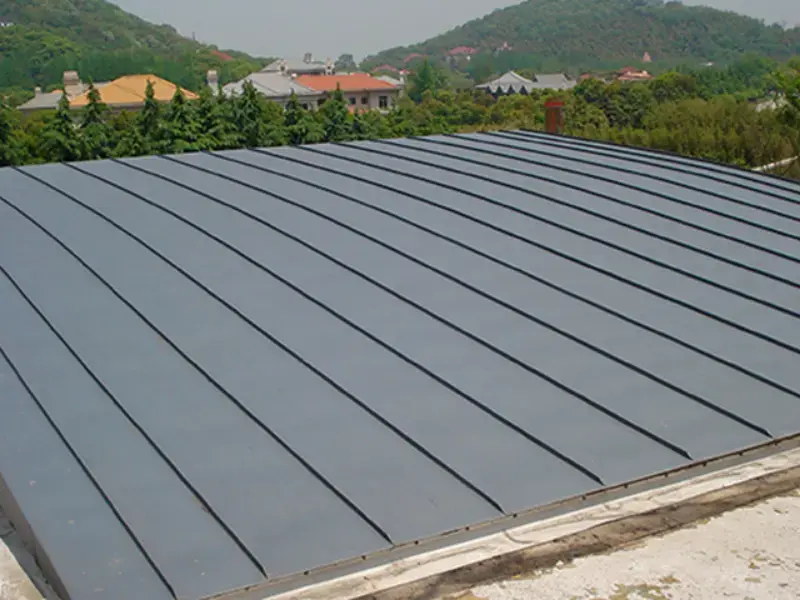
6mm aluminum can be used for machine covers, equipment panels, brackets, platforms, and fabricated components.
The material provides a useful combination of stiffness and relatively low weight.
Transportation
Aluminum sheets are widely used in transportation because weight reduction can be important.
Possible applications include:
- Truck components
- Trailer parts
- Vehicle panels
- Transport equipment
- Floor and side structures
- Machinery bodies
For transportation projects, 5052 and 6061 may be considered depending on forming and strength requirements.
Marine Applications
For marine environments, corrosion resistance becomes especially important.
5052 aluminum is commonly considered for fabricated marine components because of its corrosion resistance and formability.
Typical uses include:
- Boat components
- Marine panels
- Tanks
- Covers
- Deck components
- Brackets
The final alloy should always be checked against the specific marine specification.
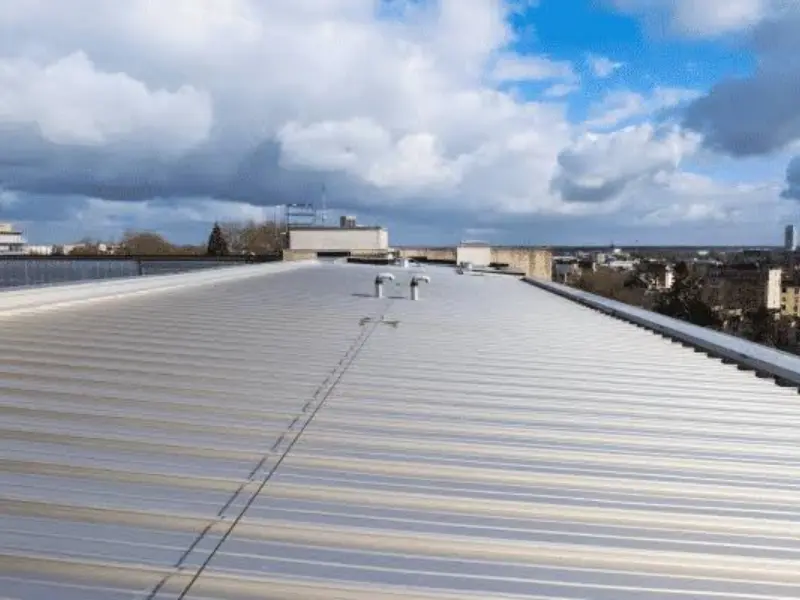
Building and Construction
6mm aluminum can be used for architectural and construction components where a thicker and more rigid sheet is required.

Applications can include:
- Wall panels
- Decorative panels
- Facade components
- Roof-related parts
- Interior structures
- Protective covers
For exposed projects, coating or anodizing may be selected for appearance and additional surface protection.
6mm Aluminum Sheet for CNC Machining
6061 aluminum in 6mm thickness can be used for CNC cutting and machining.
The material can be:
→ CNC cut
→ Drilled
→ Milled
→ Routed
→ Bent where suitable
→ Deburred
→ Finished or coated
CNC processing is useful when customers need repeatable shapes instead of full sheets.
A supplier can provide full sheets, cut blanks, or finished components depending on production requirements.
Cut-to-Size 6mm Aluminium Sheet
Not every project needs a full sheet.
Cut-to-size service can reduce material waste and simplify handling.
For example, a customer may order:
| Required Size | Possible Supply |
|---|---|
| 300 × 500mm | Cut sheet |
| 500 × 1000mm | Cut sheet |
| 600 × 1200mm | Cut sheet |
| 1000 × 2000mm | Standard sheet |
| 1220 × 2440mm | Standard 4×8 sheet |
| Custom | CNC or saw cutting |
Cutting tolerance should be confirmed before production, especially for parts used in precision assemblies.
Flat Sheet vs Aluminum Plate
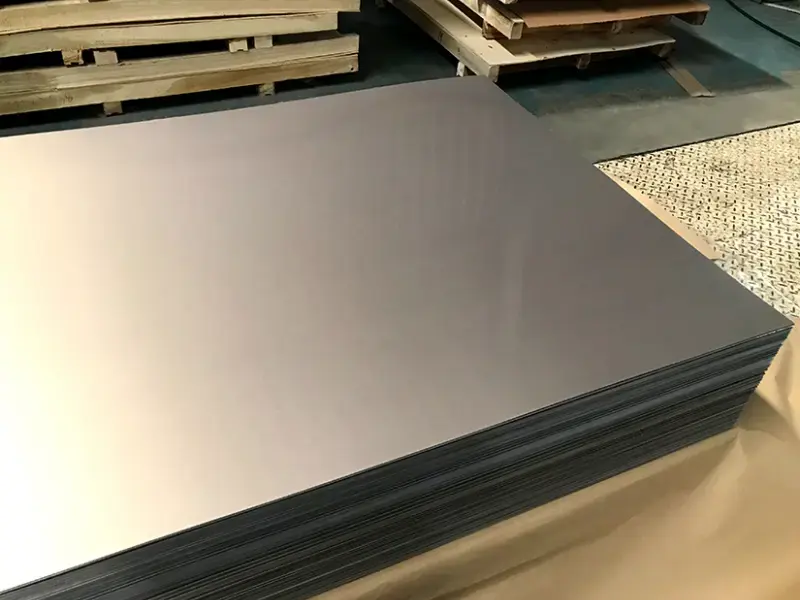

The terms “sheet” and “plate” can vary between markets and standards.
A 6mm product sits close to the range where different suppliers may describe the material differently.
| Feature | 6mm Aluminum Sheet | Thicker Aluminum Plate |
|---|---|---|
| Thickness | Around 6mm | Usually thicker |
| Weight | Moderate | Higher |
| Handling | Easier | More demanding |
| Fabrication | Relatively easy | More machining required |
| Typical use | Panels and fabrication | Heavy structural parts |
For international purchasing, always specify the exact thickness instead of relying only on the words “sheet” or “plate.”
5052 H32 vs 6061 T6 at 6mm
These two materials can both be used in 6mm thickness, but they serve different purposes.
| Feature | 5052 H32 | 6061 T6 |
|---|---|---|
| Strength | Medium to high | Higher |
| Formability | Good | Lower |
| Corrosion resistance | Very good | Good |
| Welding | Good | Good |
| Machining | Moderate | Very good |
| Common use | Marine and formed parts | Structural and machined parts |
The choice should be based on the manufacturing process.
If the part needs significant forming, 5052 may be considered. If machining and higher strength are more important, 6061 T6 may be considered.
3003 vs 5052 Aluminum Sheet
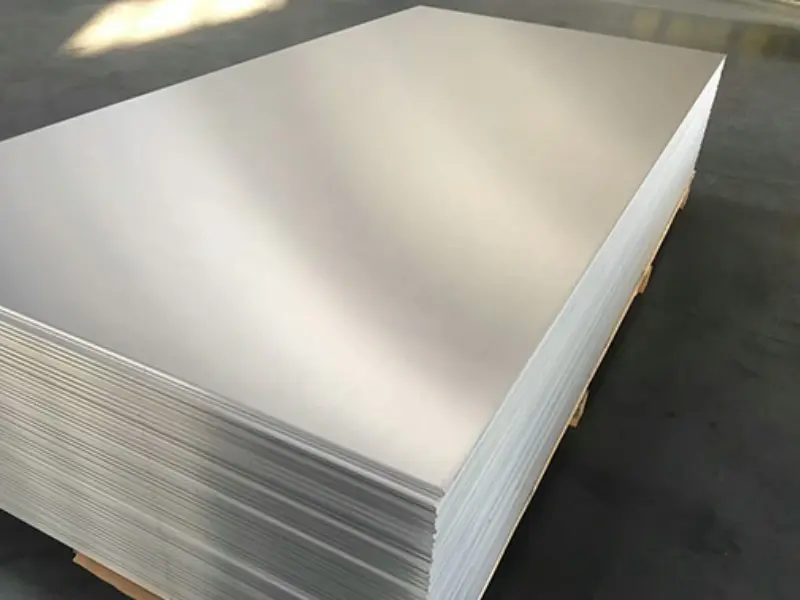
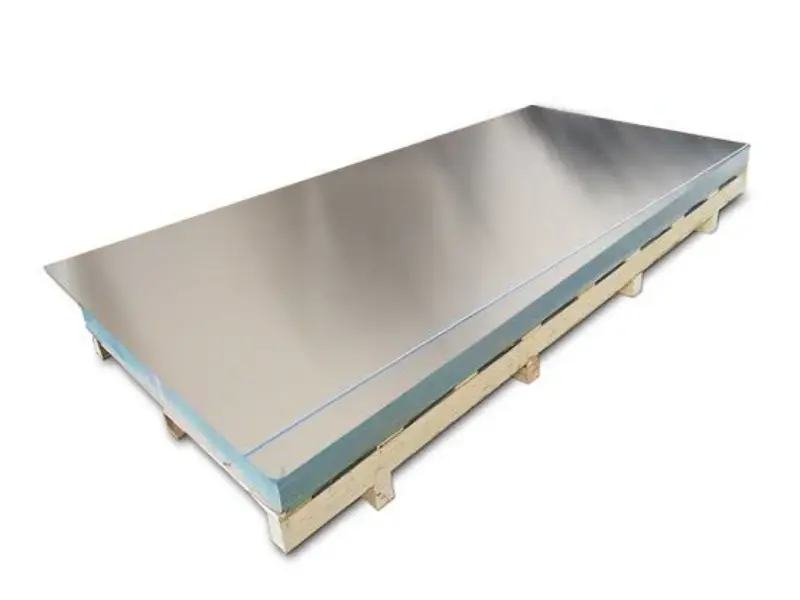
Another common comparison is 3003 and 5052.
3003 is often selected for general fabrication and formability. 5052 is often selected when higher strength and corrosion resistance are needed.
| Property | 3003 | 5052 |
|---|---|---|
| Formability | Good | Good |
| Strength | Moderate | Higher |
| Corrosion resistance | Good | Very good |
| Marine use | Limited depending on design | Common choice |
| General fabrication | Suitable | Suitable |
| Heavy-duty use | Limited | Better suited |
The final selection should consider the complete design rather than thickness alone.
What Can Be Made From 6mm Aluminium Sheet?
A flat 6mm sheet can become many different finished products after processing.

Possible products include:
- Machine panels
- Equipment covers
- Industrial brackets
- Vehicle components
- Trailer parts
- Marine panels
- Storage equipment
- Platforms
- Walkway components
- Architectural panels
- CNC parts
- Electrical cabinets
- Protective plates
- Fabricated frames
- Custom metal parts
The same thickness can therefore serve very different industries.
Processing Options
A supplier can provide different processing services before shipment.
Cutting
Sheets can be cut into rectangular or custom shapes.
CNC Machining
CNC machining can produce holes, slots, contours, and complex profiles.
Bending
Suitable alloys and tempers can be bent using press brakes or other equipment. The minimum bending radius depends on alloy, temper, direction, and tooling.
Drilling
6mm aluminum is suitable for many drilling operations using appropriate tools and cutting conditions.
Surface Treatment
Possible finishes include:
- Anodizing
- Powder coating
- Painting
- Brushing
- Polishing
- Embossing
How to Order 6mm Aluminium Sheet
A clear inquiry helps a supplier provide a more accurate quotation.
You can send the following information:
Thickness → 6mm
Alloy → 5052 / 6061 / 3003 / other
Temper → H32 / T6 / O / other
Size → 1220 × 2440mm or custom
Surface → Mill finish / anodized / coated
Quantity → Sheets or total weight
Processing → Cut / CNC / drilling / bending
This is usually enough information for an initial quotation.
What Affects the Price of 6mm Aluminium Sheet?
The price is not determined by thickness alone.
Several factors can affect the final quotation:
| Factor | Effect on Cost |
|---|---|
| Aluminum alloy | Different grades have different costs |
| Temper | Processing can affect price |
| Thickness | More material increases weight |
| Sheet size | Large sizes may require different production |
| Surface finish | Coating and anodizing add processing |
| Cutting | Custom cutting adds processing cost |
| Quantity | Larger orders may have different pricing |
| Packaging | Export packaging affects total cost |
| Freight | Destination and weight affect shipping |
For this reason, buyers should compare quotations using the same specification.
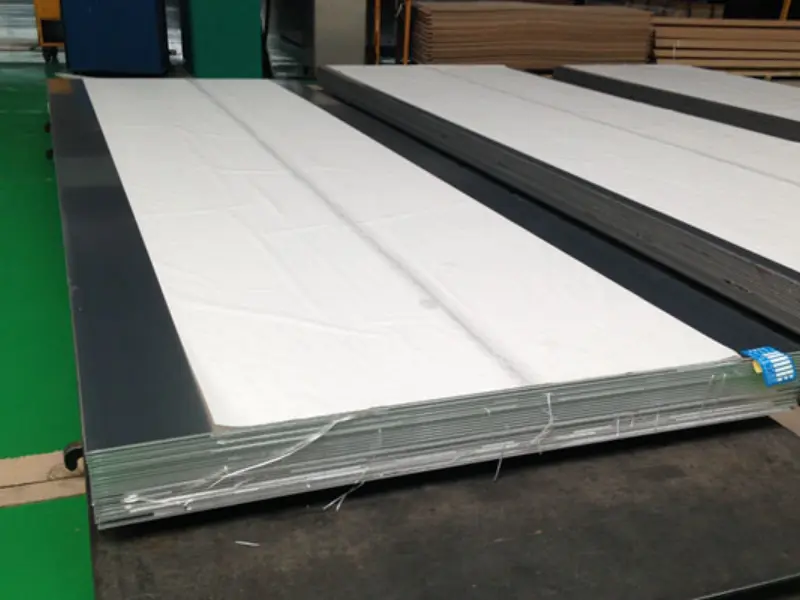
Packaging and Shipping
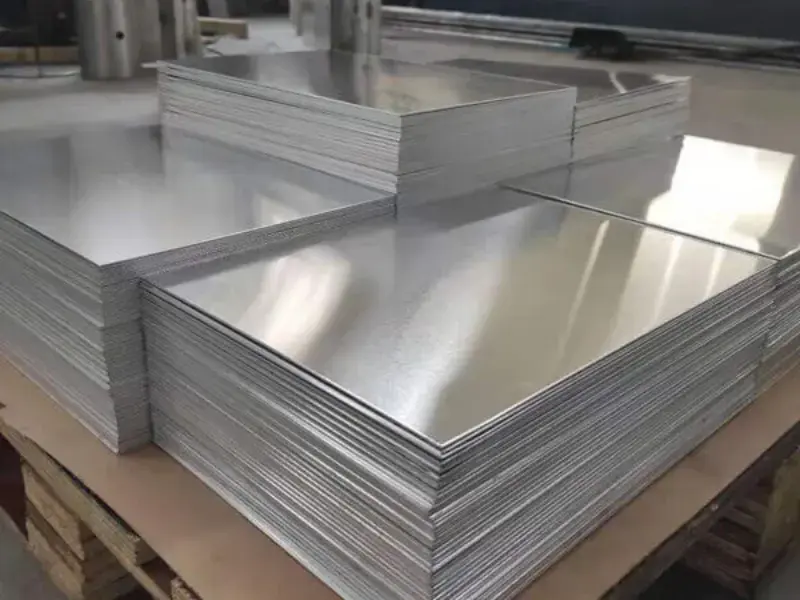
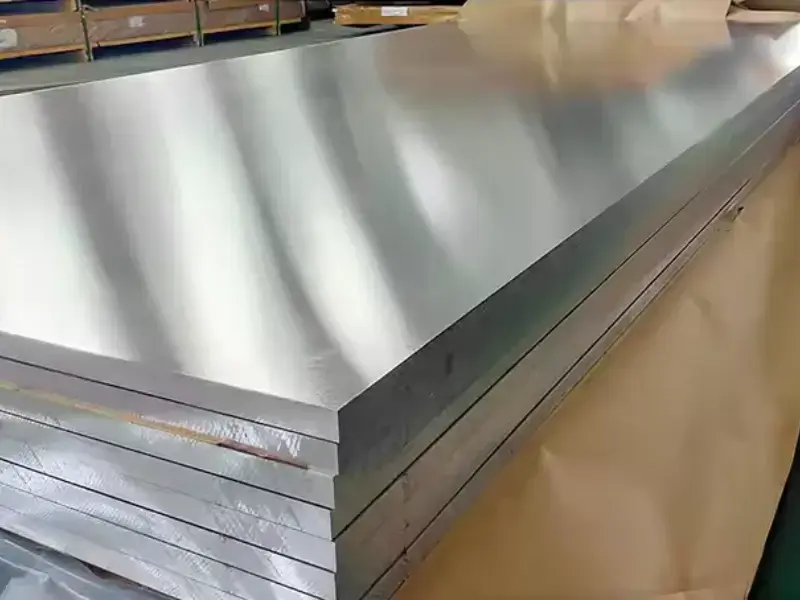
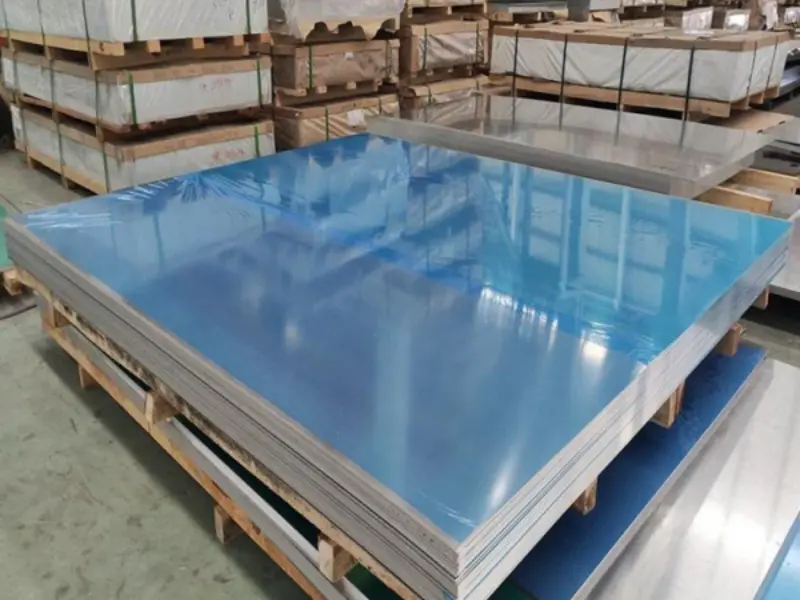
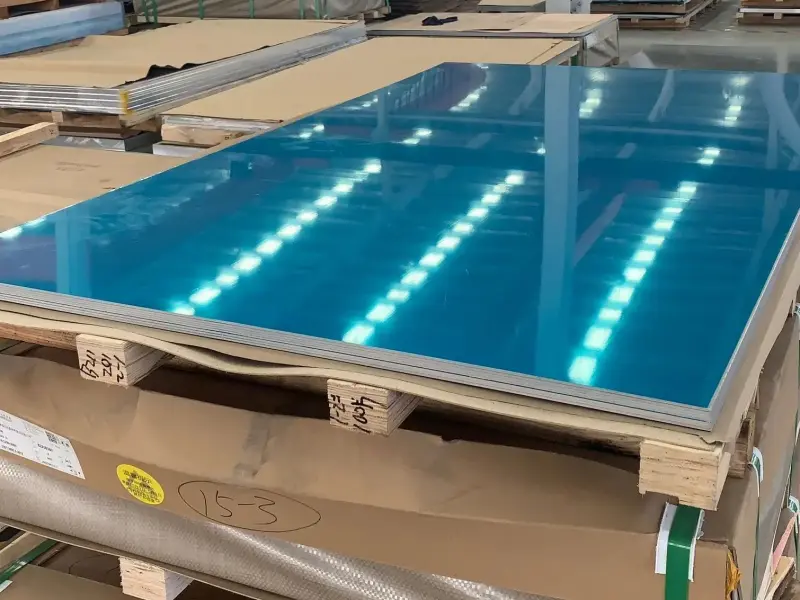
6mm aluminum sheets need suitable protection during transportation.
Common export packaging can include:
- Waterproof paper
- Plastic film
- Wooden pallets
- Wooden cases
- Edge protection
- Steel or aluminum straps
For overseas orders, packaging should protect the sheets from moisture, impact, scratching, and movement.
The final packing method depends on sheet dimensions, quantity, transport method, and customer requirements.
Quality Inspection
For industrial purchasing, quality control is an important part of the order.
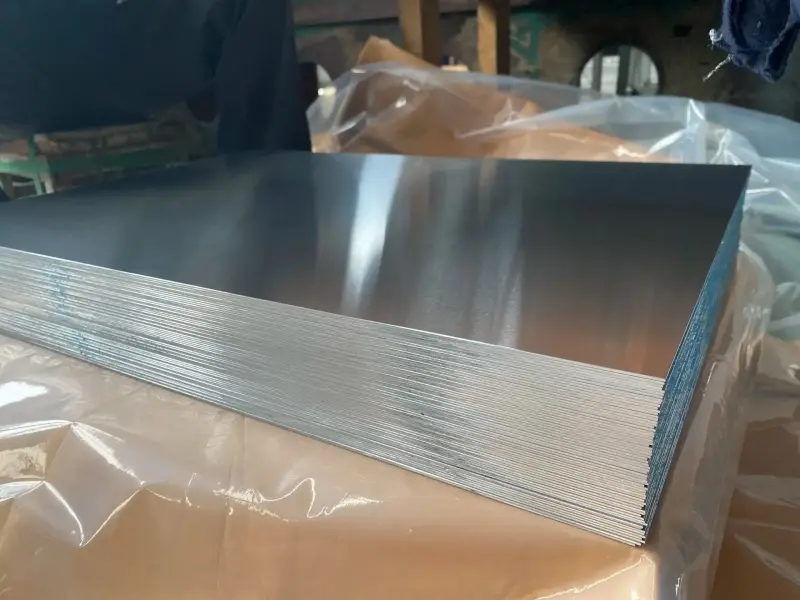
Typical checks may include:
- Thickness
- Length and width
- Surface condition
- Flatness
- Alloy
- Temper
- Mechanical properties
- Chemical composition
- Quantity
- Packing condition
For projects with strict requirements, customers can request relevant inspection documents or mill certificates.
Custom 6mm Aluminium Sheet Solutions
Standard sheets are not always enough for industrial projects.
Custom supply can include:
6mm + custom alloy + custom temper + custom size + custom finish + custom cutting
This approach can reduce secondary processing at the customer’s factory.
For example, a machinery manufacturer may need 6mm 6061 T6 aluminum blanks with CNC holes. Instead of purchasing full sheets and processing everything internally, the buyer can request pre-cut blanks.
A Simple Specification Example
A typical inquiry could look like this:
| Specification | Example |
|---|---|
| Product | Aluminum Sheet |
| Thickness | 6mm |
| Alloy | 5052 |
| Temper | H32 |
| Size | 1220 × 2440mm |
| Surface | Mill Finish |
| Quantity | 50 sheets |
| Processing | Cut to size |
| Packaging | Export wooden pallet |
This format makes communication between buyer and supplier much easier.
FAQ
Is 6mm aluminum sheet strong?
It can provide good rigidity, but strength depends heavily on the alloy and temper. A 6061 T6 sheet, for example, has different mechanical properties from a soft 1050 O sheet.
How thick is 6mm aluminum in inches?
6mm is approximately 0.236 inches.
What is the weight of a 6mm aluminum sheet?
Aluminum has a density of about 2.7 g/cm³, so 6mm material weighs approximately 16.2 kg per square meter. The final weight depends on alloy and dimensional tolerances.
Can 6mm aluminum be cut to size?
Yes. It can be supplied as full sheets or processed into custom dimensions using suitable cutting equipment.
Is 6mm aluminum suitable for outdoor use?
It can be suitable for many outdoor applications. The correct alloy and surface finish should be selected according to the environment.
Which is better for marine applications, 5052 or 6061?
Both can be used in marine-related projects, but they have different properties. 5052 is often considered where corrosion resistance and forming are important, while 6061 is often selected for structural or machined components.
Can 6mm aluminum be welded?
Many aluminum alloys can be welded, but welding performance varies by alloy and temper. The welding process and post-weld requirements should be considered during material selection.
Can 6mm aluminum be bent?
Some 6mm aluminum grades can be bent, but bendability depends on alloy, temper, bend direction, tooling, and required radius. Softer tempers are generally easier to form.
What sizes are available?
Common sizes include 1000×2000mm, 1220×2440mm, and larger industrial sizes. Custom dimensions can also be requested.
Can 6mm aluminum be anodized?
Suitable aluminum grades can be anodized. The final appearance depends on alloy, surface preparation, and anodizing process.
What information should I provide for a quotation?
Provide the 6mm thickness, alloy, temper, sheet size, surface finish, quantity, and required processing. If the material is for a specific application, adding the application can also help the supplier suggest a suitable grade.
Final Selection Guide
Choosing a 6mm aluminum sheet is easier when the application is defined first.
→ General fabrication: 3003 can be considered.
→ Marine and formed components: 5052 is often considered.
→ Machined structural parts: 6061 T6 can be considered.
→ High conductivity applications: 1050 or 1060 can be considered.
→ Decorative projects: anodized, brushed, or coated surfaces may be suitable.
→ Custom manufacturing: specify alloy + temper + dimensions + processing.
The most important point is not simply buying a “6mm aluminum sheet.” The complete specification should match the final application, fabrication method, and required performance.