Aluminum Coil vs. Aluminum Sheet are two common forms of aluminum used in manufacturing, construction, transportation, and many other industries.
Both products are made from aluminum alloys, but they differ in shape, production method, handling, and typical applications.
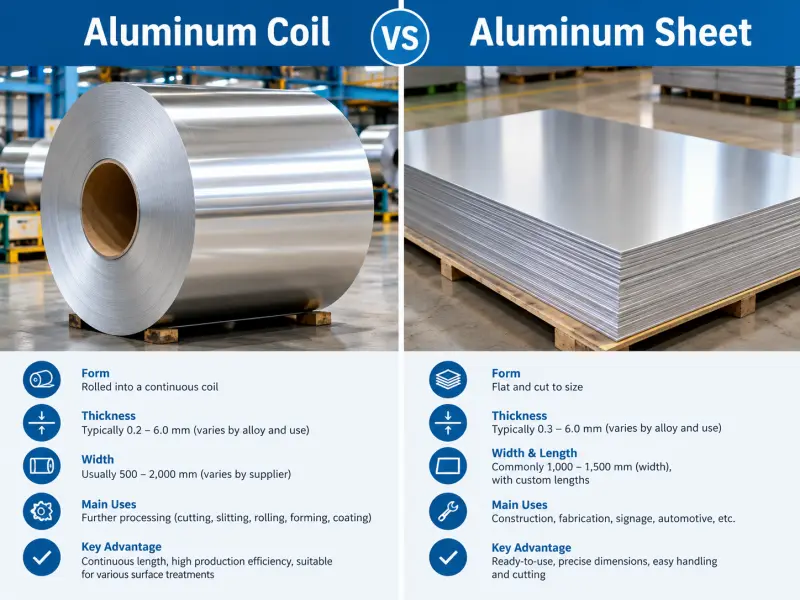
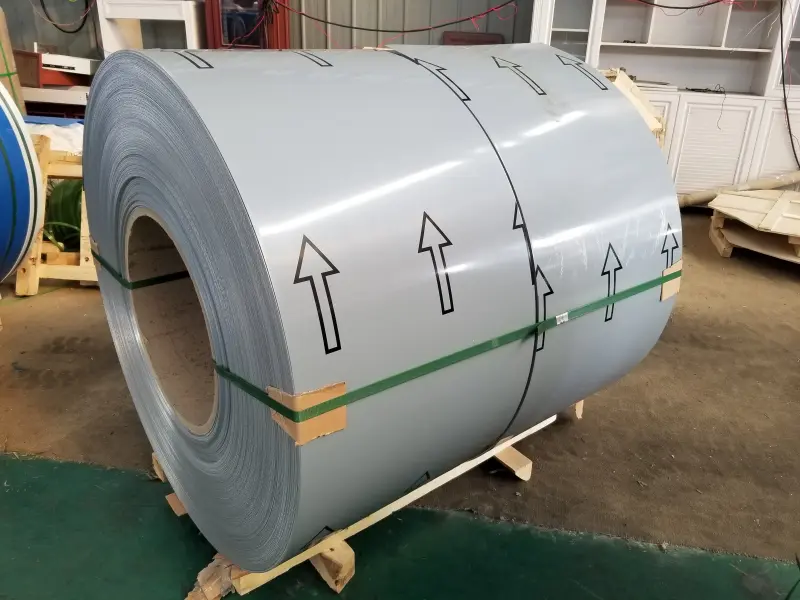
The main difference is simple: aluminum coil is supplied in a continuous rolled strip wound into a coil, while aluminum sheet is supplied as flat, cut pieces. This difference affects storage, transportation, production efficiency, and the way manufacturers use the material.
For buyers, choosing between aluminum coil and aluminum sheet is not only about price.
Alloy, temper, thickness, width, surface finish, order quantity, and processing equipment also matter.
What Is Aluminum Coil?
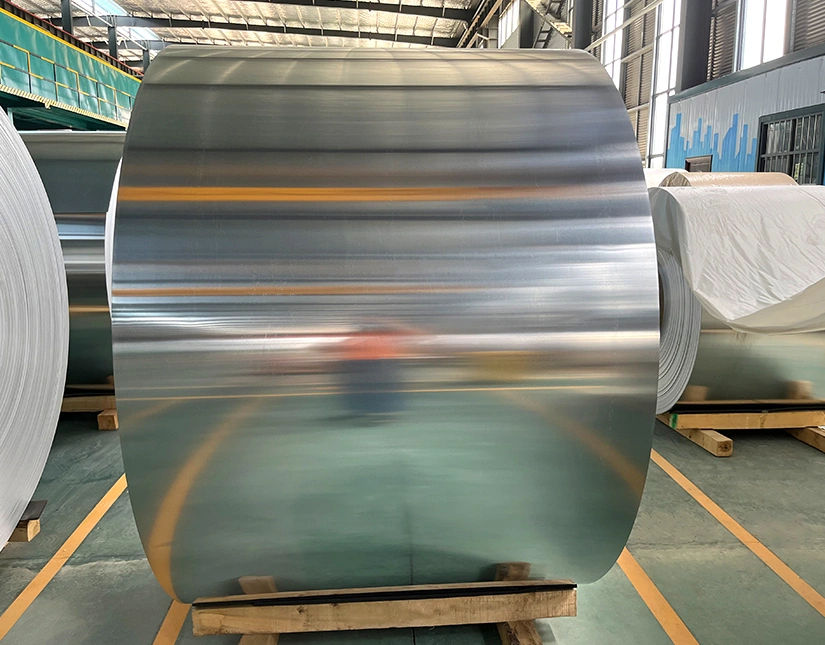
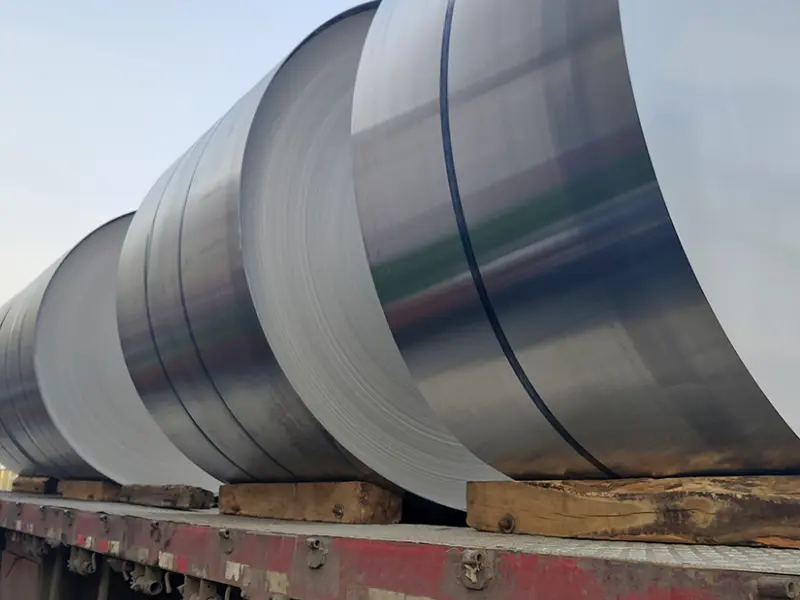
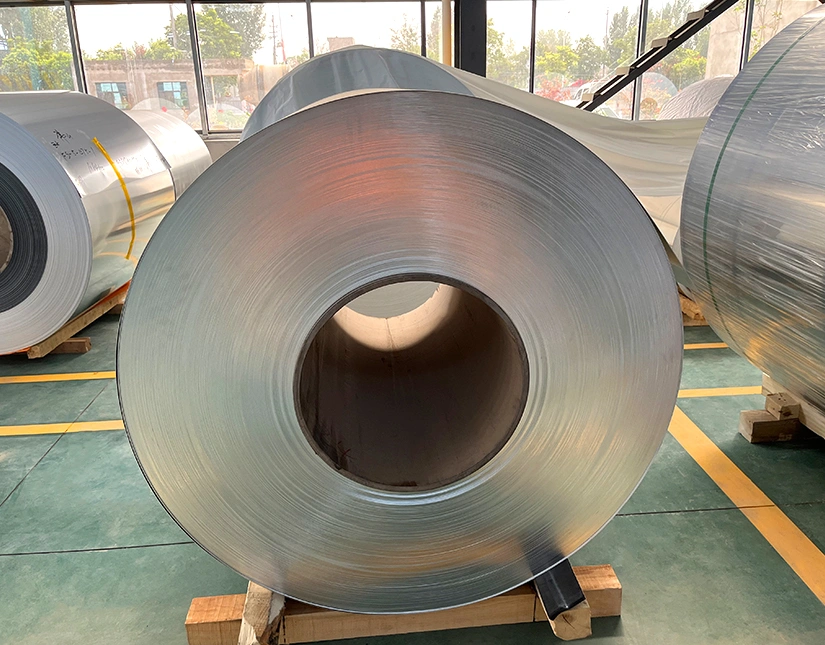
Aluminum coil is aluminum rolled into a long, continuous strip and wound into a roll. It is usually produced through rolling and slitting processes. The coil can then be unwound, cut, stamped, coated, or formed into different products.
Aluminum coil is widely used by manufacturers that process large quantities of material. It can support continuous production and reduce the need to handle individual sheets.
Common Aluminum Coil Specifications
| Parameter | Common Options |
|---|---|
| Alloy | 1050, 1060, 1100, 3003, 3004, 3105, 5052 |
| Temper | O, H14, H16, H18, H24, H26 |
| Thickness | 0.2–3.0 mm for many common applications |
| Width | 100–2000 mm, depending on production capacity |
| Inner diameter | 150, 200, 300, 400, 508 mm, subject to availability |
| Surface | Mill finish, coated, embossed, brushed, or other specified finishes |
| Delivery form | Coil or slit coil |
These are general reference ranges. Actual specifications depend on the alloy, temper, product type, and manufacturer.
Popular Types of Aluminum Coil
Mill finish aluminum coil has a natural aluminum surface without an added decorative coating. It is used for general fabrication, industrial products, and further processing.
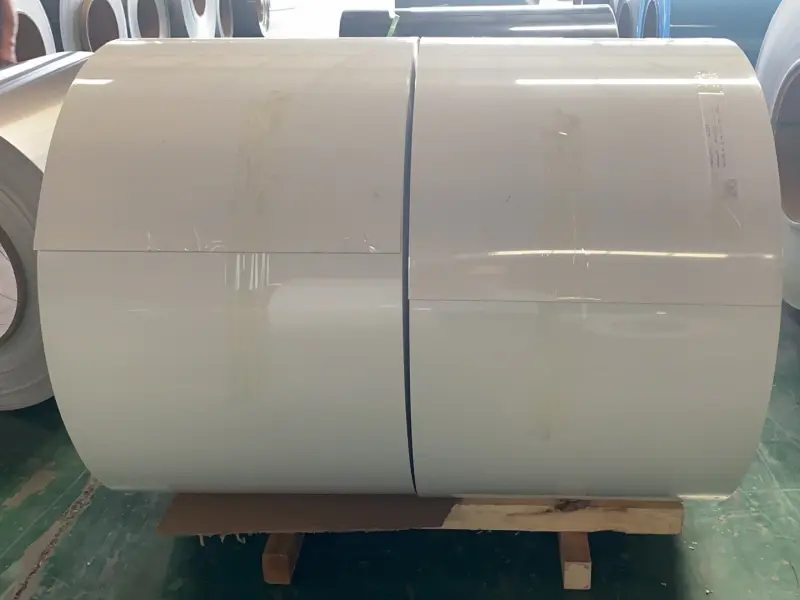
Color-coated aluminum coil has a painted surface, often using polyester or PVDF coating systems. It is commonly used for roofing, wall cladding, ceilings, gutters, and decorative building products.
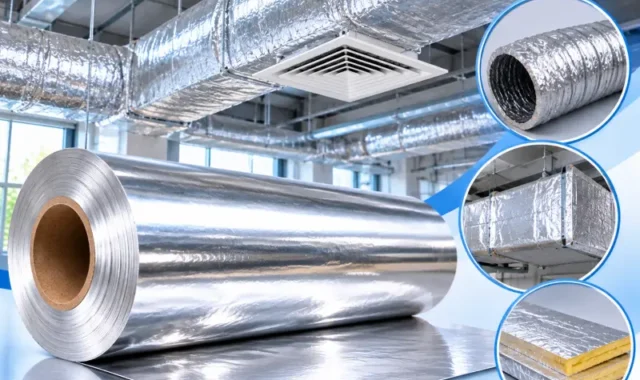
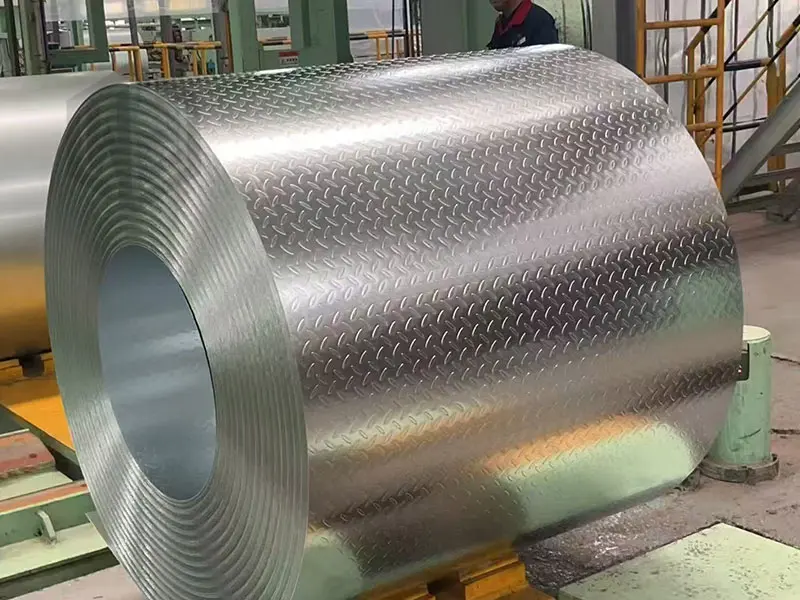
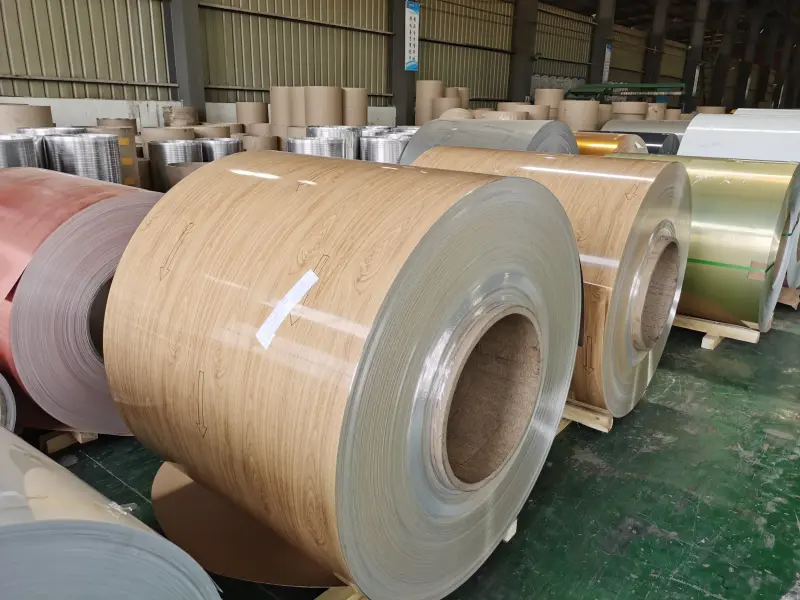
Stucco embossed aluminum coil has a textured pattern that changes the surface appearance and can help reduce the visibility of minor surface marks. It is often used for insulation jacketing, refrigerators, and other household or industrial products.
Aluminum roofing coil is used to manufacture roofing sheets, panels, flashing, and related building components. The alloy, coating, and thickness should match the roofing design and local environmental conditions.
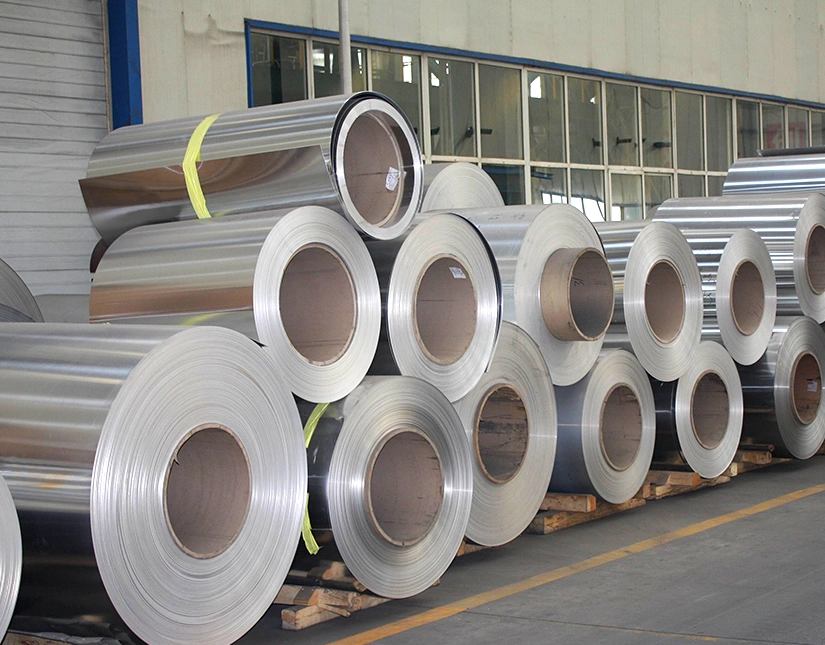
Aluminum gutter coil is processed into gutters and downspouts. Coil supply allows manufacturers to form long sections with fewer joints.
Aluminum slitting coil is cut from a wider master coil into narrower strips. It is useful for roll forming, stamping, trim production, and other continuous manufacturing processes.
What Is Aluminum Sheet?
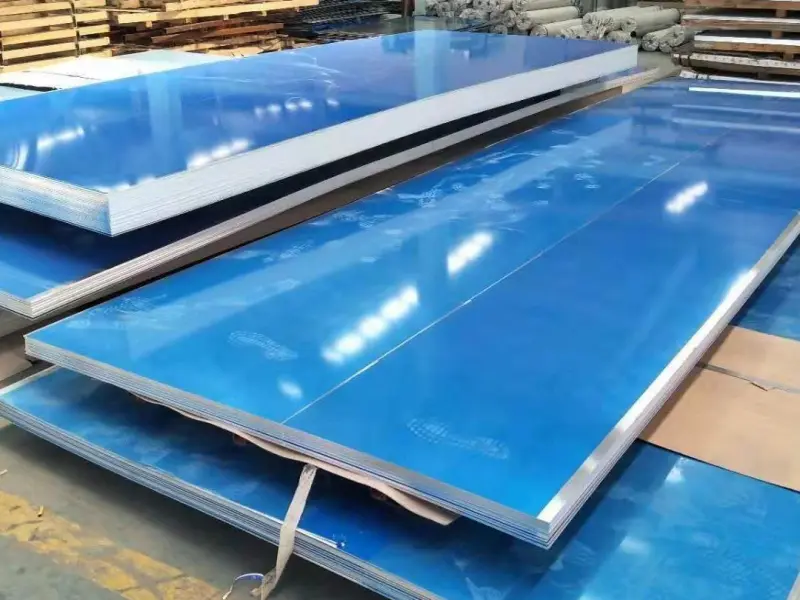
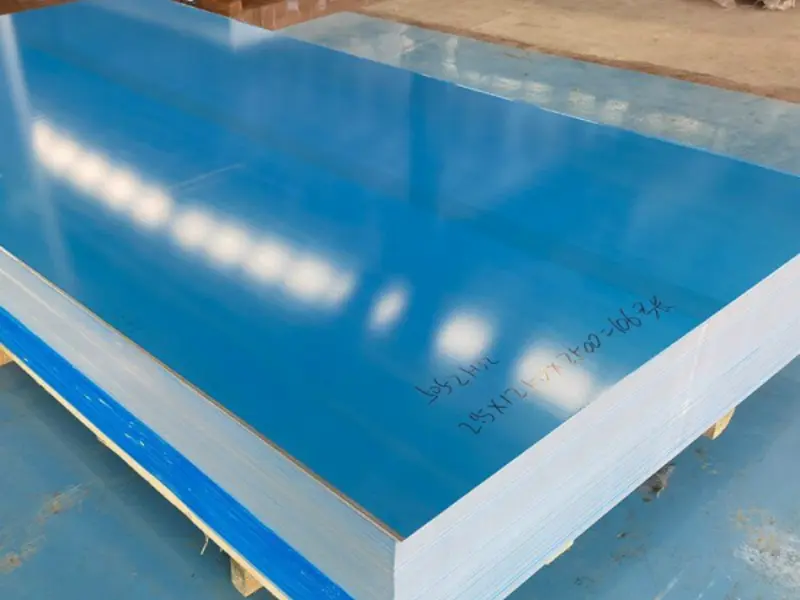
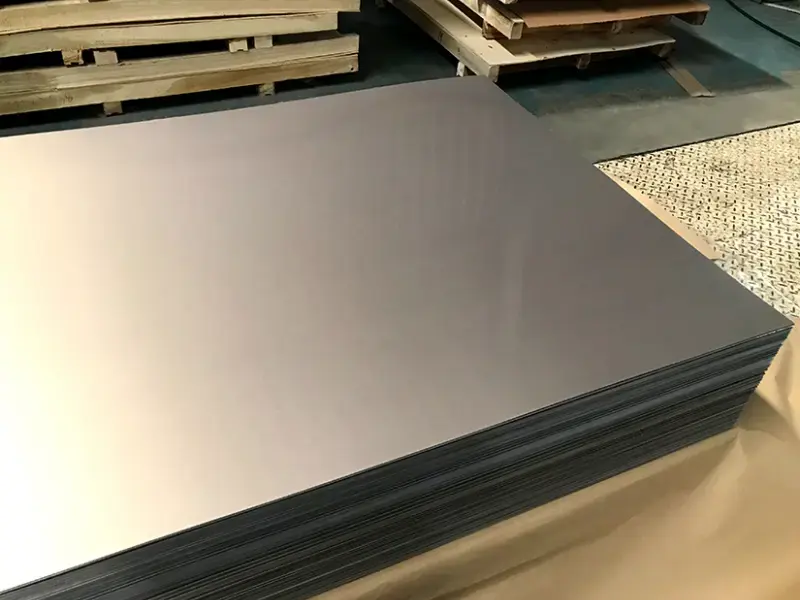
Aluminum sheet is a flat, rectangular piece of aluminum with a specified thickness, width, and length. It may be cut from a coil or produced and supplied as a flat sheet, depending on the manufacturing route.
Sheets are convenient for fabrication shops and manufacturers that work with individual pieces. They can be cut, bent, punched, drilled, welded, or formed into finished parts.
Common Aluminum Sheet Specifications
| Parameter | Common Options |
|---|---|
| Alloy | 1050, 1100, 3003, 3105, 5052, 5083, 6061 |
| Temper | O, H12, H14, H24, H32, T6 |
| Thickness | 0.3–6.0 mm for many sheet applications |
| Width | 500–2000 mm, depending on product and equipment |
| Length | 1000, 2000, 2400, 2500, 3000 mm or custom |
| Surface | Mill finish, anodized, brushed, polished, coated, or patterned |
| Delivery form | Individual flat sheets or cut-to-size panels |
Thicker aluminum products may be classified as plate rather than sheet under certain standards. The exact classification depends on the applicable specification.
Popular Types of Aluminum Sheet
Mill finish aluminum sheet is suitable for general fabrication, industrial parts, and applications that need further surface treatment.
Anodized aluminum sheet has an electrochemically treated surface. It is often used for decorative panels, signage, electronics, and architectural components.
Aluminum checker plate has a raised pattern designed to provide a textured surface. It is used for steps, platforms, vehicle floors, and selected protective panels.
Perforated aluminum sheet contains holes arranged in a regular or custom pattern. It is used for ventilation covers, architectural screens, ceilings, and decorative partitions.
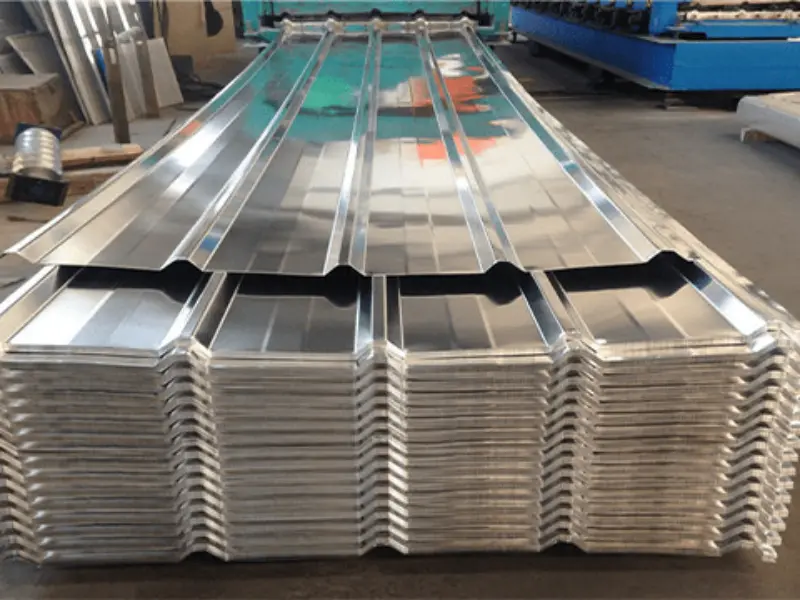
Aluminum roofing sheet is supplied as a flat sheet or formed into a profile. Corrugated and other profiled products are used for roofs, walls, sheds, and industrial buildings.
Aluminum sheet for sublimation is specially prepared with a coating that accepts transferred images. It is used for photo panels, personalized gifts, signs, and decorative products.
Aluminum Coil vs. Aluminum Sheet: Main Differences
The biggest difference is the delivery form, but several other factors affect which product is better for your application.
| Comparison | Aluminum Coil | Aluminum Sheet |
|---|---|---|
| Shape | Continuous strip wound into a roll | Flat, individual pieces |
| Production use | Continuous or high-volume processing | Individual-part fabrication |
| Length | Can provide long continuous material | Limited by the specified sheet length |
| Handling | Requires suitable coil lifting and unwinding equipment | Easier to handle as individual pieces within safe weight limits |
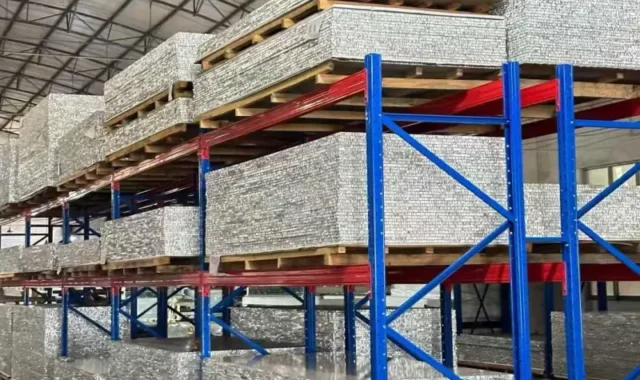
| Storage | Requires secure coil supports and suitable handling space | Can be stacked or stored in racks with proper protection |
| Cutting | Often processed by cut-to-length or slitting lines | Cut individually or in batches |
| Typical applications | Roofing, gutters, roll forming, coated products | Panels, machine parts, signage, enclosures |
| Best suited for | Repeated production and long runs | Custom parts and smaller fabrication jobs |
Neither form is universally better. The right choice depends on your production method, equipment, dimensions, and order volume.
Which Is Better for Manufacturing?
Aluminum coil is often more efficient for continuous production. Aluminum sheet is often more convenient when the manufacturing process starts with separate flat blanks.
When Aluminum Coil Is the Better Choice
Choose aluminum coil when your production line can process material directly from a roll.
Common applications include:
- Roll-formed roofing and wall panels
- Gutter and downspout production
- Continuous stamping
- Slitting into narrow strips
- Color-coated building products
- Insulation jacketing
- Aluminum trim and channel production
Coil can reduce repeated loading of individual sheets. It can also support consistent production lengths and automated processing.
However, the benefits depend on the available equipment. A coil may require a decoiler, leveler, feeder, or cut-to-length line. These costs should be considered before purchasing.
When Aluminum Sheet Is the Better Choice
Choose aluminum sheet when your process uses individual blanks or finished flat panels.
Typical applications include:
- Machine covers and equipment enclosures
- Signage and display panels
- Decorative architectural panels
- Vehicle components
- Electrical cabinets
- Fabricated brackets and parts
- Small-batch custom products
Sheets can be convenient for workshops that use cutting, bending, drilling, and welding equipment without a continuous coil-processing line.
For small orders, sheet may also reduce the need to purchase a large coil. The actual cost depends on supplier availability, cutting charges, and material waste.
Comparing Aluminum Alloys for Aluminum Coil vs. Aluminum Sheet
Both coil and sheet can be produced from different aluminum alloys. Alloy selection affects strength, formability, corrosion resistance, and suitability for the final application.
1050 and 1100 Aluminum Coil vs. Aluminum Sheet

1050 and 1100 are commercially pure aluminum grades with good formability and corrosion resistance in suitable environments.
They are often used for household products, reflectors, general fabrication, and products that require good workability. They may be supplied as coil or sheet, depending on thickness and processing requirements.
3003 Aluminum Coil vs. Aluminum Sheet
3003 is an aluminum-manganese alloy. It is widely used in general fabrication and provides a useful balance of formability and strength.
Common applications include roofing products, cookware, tanks, decorative panels, and building components. Both 3003 coil and 3003 sheet are available for many uses.
3105 Aluminum Coil vs. Aluminum Sheet
3105 is commonly used for building products and coated aluminum applications. It can be considered for roofing, siding, gutters, and other architectural products.
It is often supplied as coil when the material will be continuously coated or roll-formed.
5052 Aluminum Coil vs. Aluminum Sheet
5052 is a stronger non-heat-treatable alloy with good corrosion resistance, including in many marine-related environments. Its suitability still depends on the exact exposure and design.
It is used for equipment covers, transport components, enclosures, and fabricated parts. Both coil and sheet can be appropriate, depending on the required dimensions and production method.
6061 Aluminum Coil vs. Aluminum Sheet
6061 is a heat-treatable alloy known for its strength and versatility. It is often used for machined components, structural parts, and industrial fabrication.
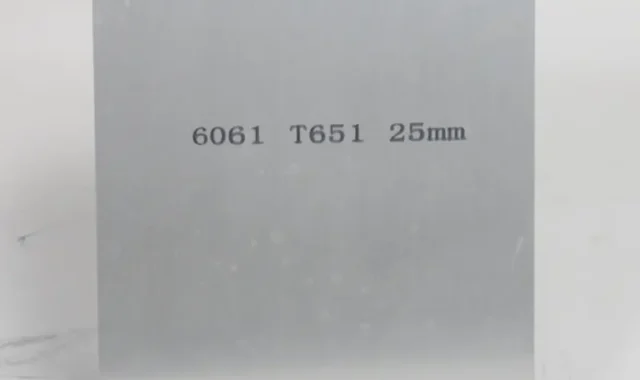
6061 is commonly purchased as sheet or plate for cutting and machining. Availability in coil form is more limited than for many common sheet alloys, so buyers should confirm the required product form.
| Alloy | Main Characteristics | Common Coil Uses | Common Sheet Uses |
|---|---|---|---|
| 1050 | High aluminum content, good formability | General processing and selected household products | Reflectors, covers, fabricated parts |
| 1100 | Good workability and corrosion resistance | Selected formed products | General fabrication and utensils |
| 3003 | Good formability and useful strength | Roofing, gutters, building products | Tanks, panels, cookware |
| 3105 | Commonly used for building products | Coated coil, roofing, siding | Building panels and fabricated components |
| 5052 | Higher strength and good corrosion resistance | Selected industrial strip and coil uses | Enclosures, transport parts, marine-related fabrication |
| 6061 | Heat-treatable, good strength | Availability depends on product requirements | Machined and structural components |
Temper Differences: O, H14, H24 and T6
Temper describes the condition of the aluminum after processing. It affects hardness, strength, and forming performance.
| Temper | General Meaning | Typical Consideration |
|---|---|---|
| O | Annealed | High formability |
| H12 | Strain-hardened, quarter-hard | Moderate strength and formability |
| H14 | Strain-hardened, half-hard | Firmer material for selected forming applications |
| H24 | Strain-hardened and partially annealed | Common for certain architectural products |
| H32 | Stabilized strain-hardened condition | Used for selected alloys such as 5052 |
| T6 | Solution heat-treated and artificially aged | Used for suitable heat-treatable alloys such as 6061 |
Not all tempers are available for every alloy or product form. For example, H tempers are commonly used for non-heat-treatable alloys, while T6 is associated with heat-treatable alloys.
When comparing coil and sheet, make sure the alloy and temper are the same. Otherwise, differences in mechanical properties may affect the comparison.
Thickness Comparison: Aluminum Coil vs. Aluminum Sheet


Thickness is one of the most important purchasing details. Thin material is often used for forming and coating, while thicker material is used for panels and fabricated parts.
| Thickness | Common Product Form | Potential Applications |
|---|---|---|
| 0.2–0.5 mm | Often coil | Foil-related products, thin coated material, lightweight components |
| 0.6–1.0 mm | Coil or sheet | Roofing components, gutters, decorative parts |
| 1.2–2.0 mm | Coil or sheet, depending on alloy and capacity | Building panels, covers, formed components |
| 2.5–3.0 mm | Often sheet | Equipment covers, fabrication, industrial panels |
| 4.0–6.0 mm | Usually sheet or plate, depending on standards | Heavy-duty fabricated parts and industrial components |
These are broad examples rather than strict limits. Coil and sheet availability varies by alloy, temper, width, and supplier capacity.
For a fair quotation, compare the same thickness tolerance and material specification. A nominal thickness alone does not describe every quality requirement.
Surface Finish Options for Aluminum Coil vs. Aluminum Sheet
Both aluminum coil and sheet can be supplied with different surface finishes. The available options depend on the alloy, production route, and intended use.
Mill Finish Aluminum Coil vs. Aluminum Sheet
Mill finish is the natural surface after rolling. It is common for products that will undergo further processing, forming, or coating.
Color-Coated Aluminum Coil vs. Aluminum Sheet
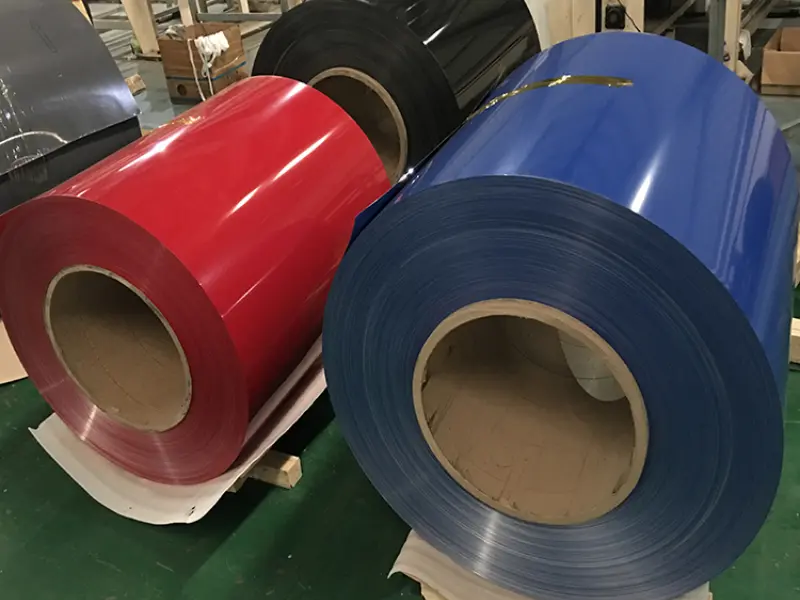
Color-coated aluminum is supplied with a specified paint system and color. Coil coating is particularly suitable for continuous production because long strips can be coated before cutting or forming.
Common applications include:
- Roofing and wall cladding
- Gutters and flashing
- Ceilings
- Decorative panels
- Appliance components
Anodized and Brushed Sheet Aluminum Coil vs. Aluminum Sheet
Anodized and brushed finishes are often selected for decorative or architectural sheet products. These finishes are commonly used for signage, interior panels, equipment covers, and display products.
Embossed and Checker Patterns Aluminum Coil vs. Aluminum Sheet
Embossed coil has a textured surface, while checker plate has a raised pattern designed for specific functional or decorative uses. The pattern and product form should be selected according to the application.
| Surface Finish | Coil Availability | Sheet Availability | Typical Uses |
|---|---|---|---|
| Mill finish | Common | Common | General processing |
| Color coated | Very common | Available in selected products | Roofing, siding, decorative panels |
| Stucco embossed | Common | Available | Insulation jacketing and appliances |
| Anodized | Available for selected products | Common | Decorative panels and signage |
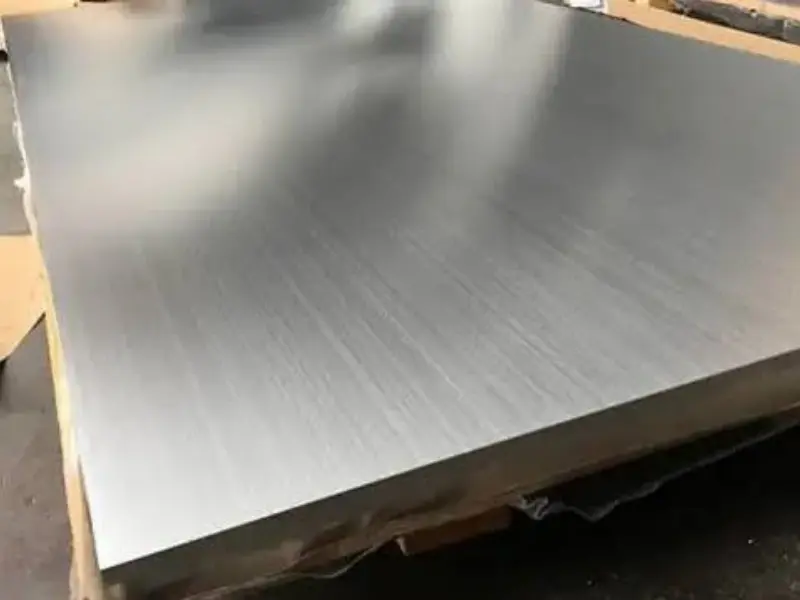
| Brushed | Available for selected products | Common | Interior and decorative applications |
| Checker pattern | Available in selected forms | Common | Floors, steps, platforms |
Cost Comparison: Is Aluminum Coil Cheaper Than Aluminum Sheet?
Aluminum coil is not always cheaper than aluminum sheet. The price depends on the material, production method, quantity, finish, and delivery requirements.
For large orders, coil can offer processing and material-handling advantages. Manufacturers may reduce labor by feeding material directly into an automated line.
For smaller orders, sheet may be more economical because the buyer can purchase the required number of pieces without investing in coil-processing equipment or purchasing a large coil.
Factors That Affect the Price of Aluminum Coil vs. Aluminum Sheet
- Aluminum alloy and temper
- Thickness and width
- Coil inner diameter or sheet dimensions
- Surface finish and coating system
- Order quantity and minimum order requirements
- Cutting, slitting, leveling, and packaging
- Freight, insurance, and delivery terms
- Required tolerances and quality documentation
When comparing suppliers, ask whether the quotation includes processing, packaging, and delivery. A low material price may not represent the lowest total cost.
How to Choose Between Aluminum Coil and Aluminum Sheet
The best product form depends on how the aluminum will be used after delivery.
Choose Aluminum Coil If:
- You have a decoiler or coil-processing line.
- You need continuous material for roll forming.
- You manufacture gutters or roofing panels in long lengths.
- You need slit strips in different widths.
- Your production volume is high and repetitive.
- You want to apply continuous processing before cutting the material.
Choose Aluminum Sheet If:
- You need individual flat pieces.
- Your products require custom cutting and bending.
- Your order quantity is small or varies by size.
- You do not have equipment for handling large coils.
- You manufacture enclosures, panels, signs, or machine parts.
- You need to inspect or process each piece separately.
If you are unsure, discuss the production process with the supplier. The material form should match your equipment and finished product requirements.
Common Buying Mistakes to Avoid
Choosing the wrong product form can increase waste, handling costs, and processing time. Before placing an order, check these points.
Comparing Prices Without Matching Specifications
A 3003 H24 coil is not directly comparable with a 5052 H32 sheet. The alloy, temper, thickness, finish, and tolerances may be different.
Ignoring Coil Handling Requirements
Coils can be heavy and may require suitable lifting equipment, storage supports, and safe unwinding systems. Confirm the inner diameter, outer diameter, maximum coil weight, and handling method when ordering.
Choosing Thickness Only by Price
A thinner product may cost less per kilogram or per piece, but it may not provide the rigidity or durability required. Consider the complete design and forming process.
Forgetting Surface Protection
Aluminum surfaces can be scratched or stained during transport and storage. Specify suitable packaging and protective film where needed.
Not Confirming the Final Dimensions
For coil, confirm width, thickness, inner diameter, and required cut lengths. For sheet, confirm width, length, thickness, and dimensional tolerances.
Frequently Asked Questions
Is aluminum coil the same as aluminum sheet?
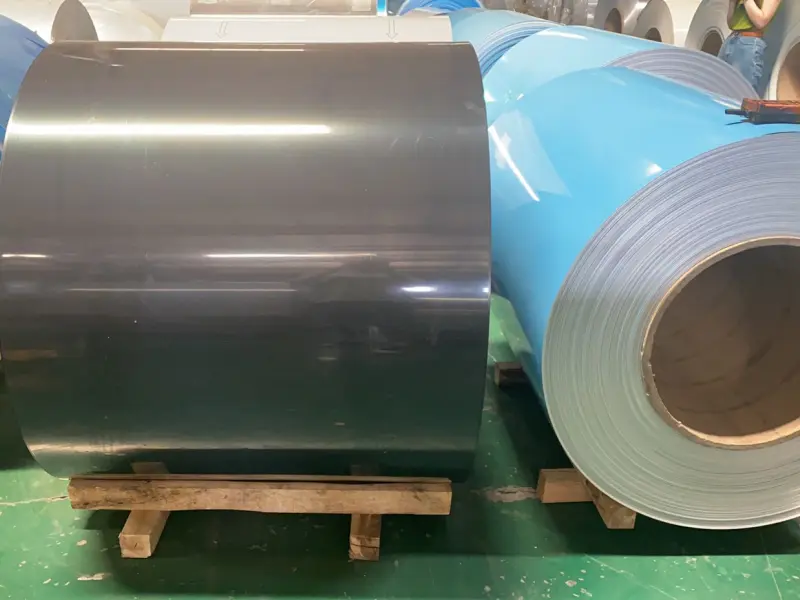
No. Both are rolled aluminum products, but coil is supplied as a continuous strip wound into a roll, while sheet is supplied as flat pieces. They may share the same alloy and thickness but are handled and processed differently.
Is aluminum coil cheaper than aluminum sheet?
Not always. Coil can be cost-effective for large, continuous production runs. Sheet may be more practical for smaller orders and custom fabrication. The total cost depends on specifications, processing, order quantity, and delivery.
Can aluminum sheet be made from aluminum coil?
Yes. Aluminum coil can be unwound and cut into flat sheets using a cut-to-length process. The resulting sheets can then be stacked, packaged, and supplied in the required dimensions.
Which aluminum alloys are available in coil and sheet form?
Common alloys include 1050, 1100, 3003, 3105, and 5052. Other alloys, such as 6061, are commonly available as sheet or plate. Actual availability depends on thickness, temper, width, and supplier capacity.
Which is better for roofing: aluminum coil or aluminum sheet?
Aluminum coil is often preferred when roofing panels are roll-formed or cut to length on site or in a factory. Pre-cut or pre-formed aluminum sheets may be better for projects that use individual panels. The best option depends on the roofing profile, installation method, and production equipment.
Can aluminum coil be cut into custom widths?
Yes. Slitting lines can cut a wider coil into narrower strips. The achievable width and tolerance depend on the equipment and material specification.
What thickness should I choose for aluminum coil or sheet?
The right thickness depends on the application, required strength, forming process, support spacing, and design standards. Provide the finished product details so the supplier can recommend suitable options.
What is the difference between aluminum coil and aluminum plate?
Aluminum coil is supplied in a rolled strip. Aluminum plate is a thicker flat product, generally used for applications requiring greater thickness or strength. The boundary between sheet and plate depends on the applicable standard.
Can aluminum coil and sheet have the same surface finish?
Yes. Both can be supplied with mill finish and selected coated, embossed, or decorative surfaces. However, some finishes and dimensions are more commonly available in one product form than the other.
What information should I provide when requesting a quotation?
Provide the alloy, temper, thickness, width, and required product form. For coil, include the inner diameter, outer diameter or maximum coil weight if needed. For sheet, include the length and width. Also specify surface finish, quantity, application, packaging, and delivery destination.
Final Thoughts: Which Aluminum Product Should You Buy?
Aluminum coil and aluminum sheet serve many of the same industries, but they are suited to different production methods.

Aluminum coil is often the practical choice for continuous processing, roll forming, slitting, and large-volume manufacturing. Aluminum sheet is often the better choice for individual panels, custom blanks, and general fabrication.
Before ordering, compare the alloy, temper, thickness, surface finish, dimensions, quantity, and processing requirements. Choosing the right product form can improve production efficiency and help control the total cost of your project.