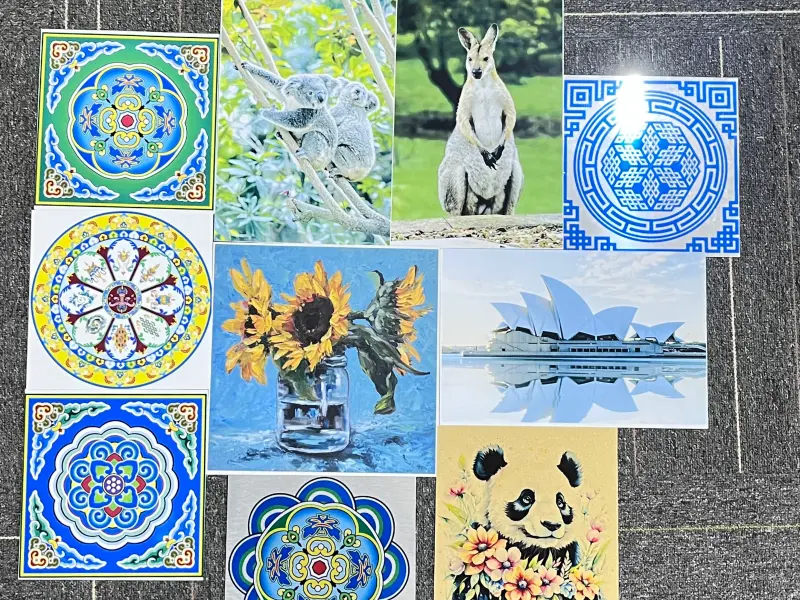
Aluminum sheets for sublimation are widely used for photo printing, personalized gifts, promotional products, signs, wall art, and decorative panels.
They offer a smooth surface, low weight, and good printing performance. Buyers can choose different thicknesses, sizes, finishes, and coating types for their projects.
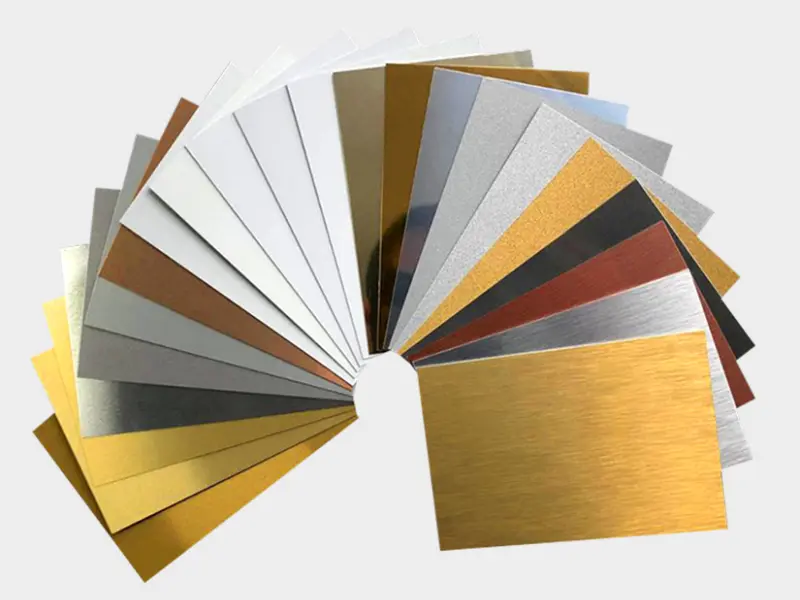
Sublimation aluminum sheets are usually made from aluminum alloy with a special coating. This coating accepts sublimation ink during heat transfer.
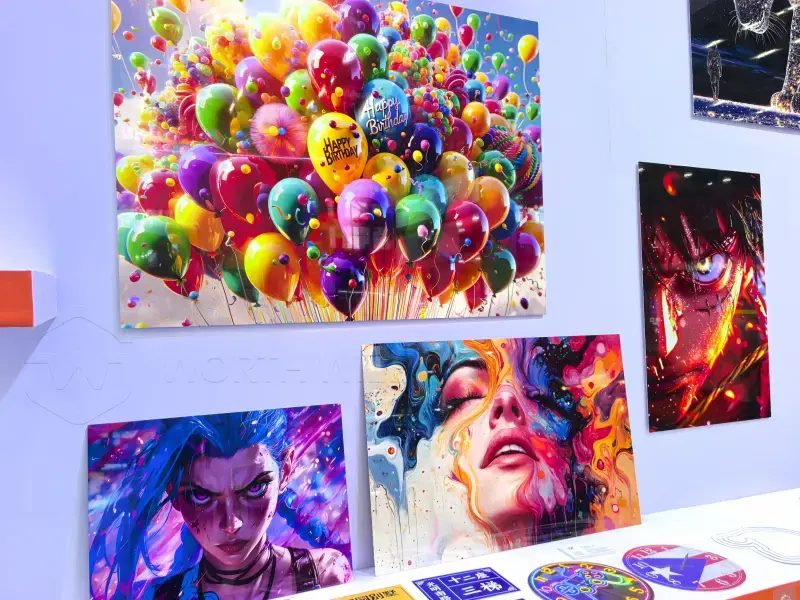
The final image can show clear details, bright colors, and fine lines when the sheet, ink, paper, and printing settings are properly matched.
For manufacturers, printing companies, wholesalers, and gift suppliers, choosing the right aluminum sheet is important. A small photo panel may need a thin pre-cut blank. A large decorative panel may require a thicker sheet with a specific finish.
What Are Aluminum Sheets for Sublimation?
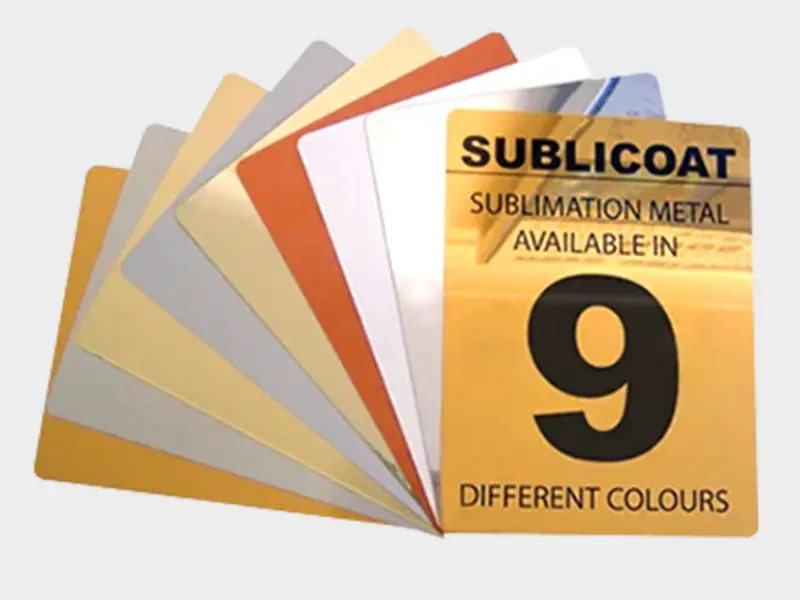
Aluminum sheets for sublimation are aluminum panels prepared with a coating that supports dye-sublimation printing. Under suitable heat and pressure, the ink transfers from sublimation paper into the coating.
The aluminum base provides support and shape. The coating helps receive the printed image. Different surface finishes create different visual effects.
Unlike ordinary aluminum sheet, sublimation sheet is designed for image transfer. Standard untreated aluminum does not normally provide the same printing result without a suitable coating.
| Product feature | Description |
|---|---|
| Base material | Aluminum sheet or aluminum plate |
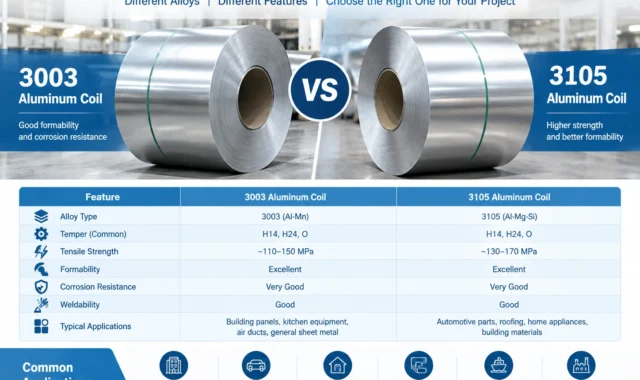
| Common alloys | 1050, 1060, 3003, 5052 |
| Common tempers | O, H12, H14, H16, H18, H32 |
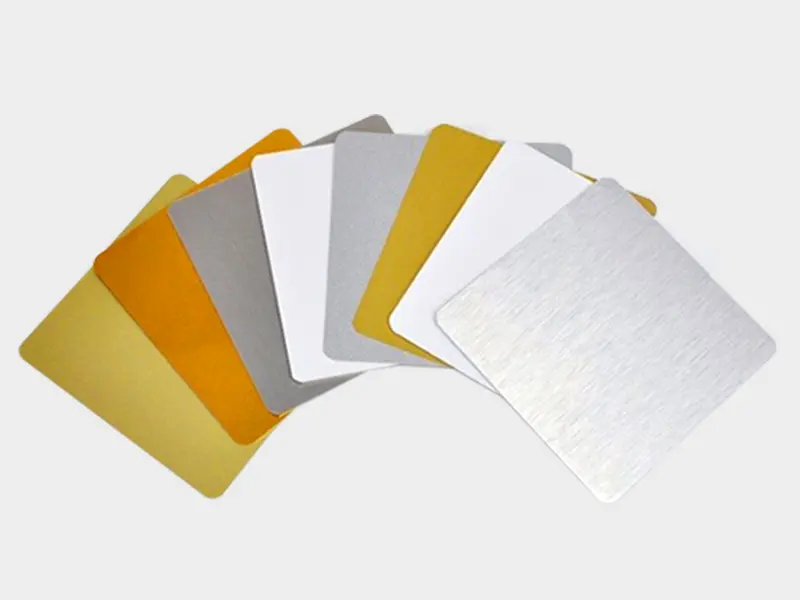
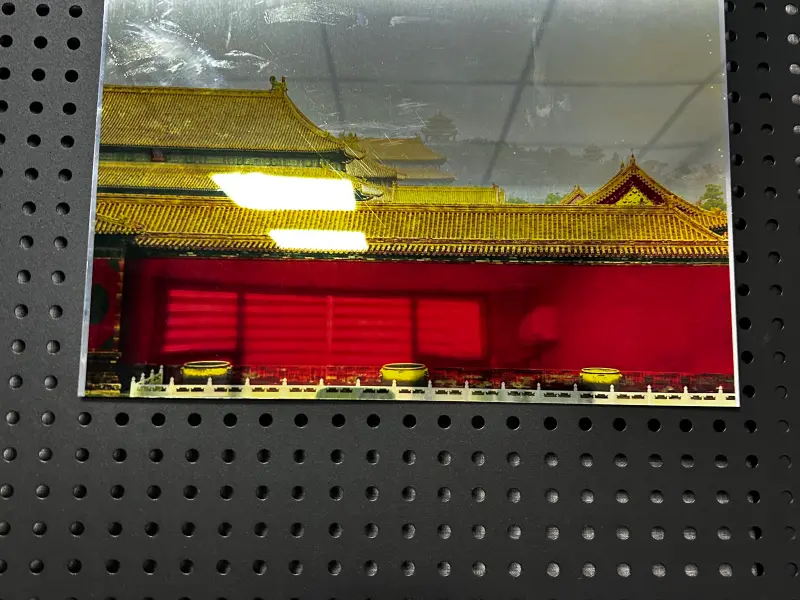
| Surface options | White gloss, white matte, brushed, mirror, colored |
| Product forms | Full sheets, cut panels, blanks, custom shapes |
| Printing method | Dye-sublimation heat transfer |
| Main buyers | Printers, sign makers, gift suppliers, wholesalers |
Different Types of Sublimation Aluminum Sheets
The right surface depends on the intended image and finished product. Some buyers need a bright white background for photographs. Others prefer a metallic appearance for signs, logos, or decorative artwork.
White Gloss Aluminum Sheets for Sublimation
White gloss sheets have a smooth, reflective coating. They are commonly selected for photo panels, personalized gifts, and colorful printed products.
The white background helps printed colors appear bright. It is useful when the image contains many colors, small details, or photographs.
Common product options include:
- 4 × 6 inch white gloss photo blanks
- 5 × 7 inch aluminum photo panels
- 8 × 10 inch sublimation sheets
- 12 × 18 inch decorative panels
- Custom-cut white gloss aluminum sheets
White Matte Aluminum Sheets for Sublimation
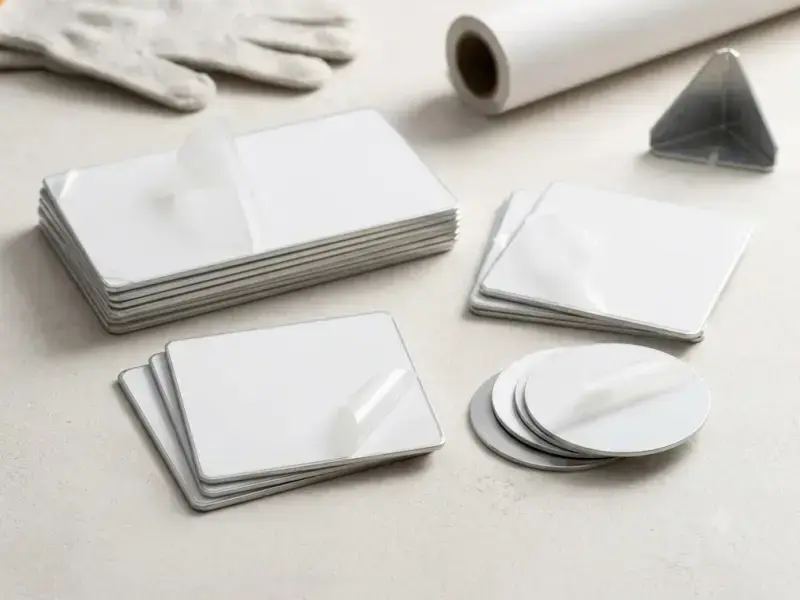
White matte Aluminum Sheets for Sublimation have a less reflective surface than gloss products. They can be suitable for signs, display panels, nameplates, and artwork where strong surface reflections are not desired.
| Feature | White gloss | White matte |
|---|---|---|
| Surface appearance | Shiny | Low reflection |
| Visual effect | Bright and vivid | Soft and restrained |
| Common use | Photo gifts, colorful images | Signs, artwork, display panels |
| Cleaning | Depends on coating | Depends on coating |
| Custom sizing | Available by specification | Available by specification |
Actual color appearance depends on the coating, printer profile, ink, and transfer settings.
Brushed Aluminum Sublimation Sheets
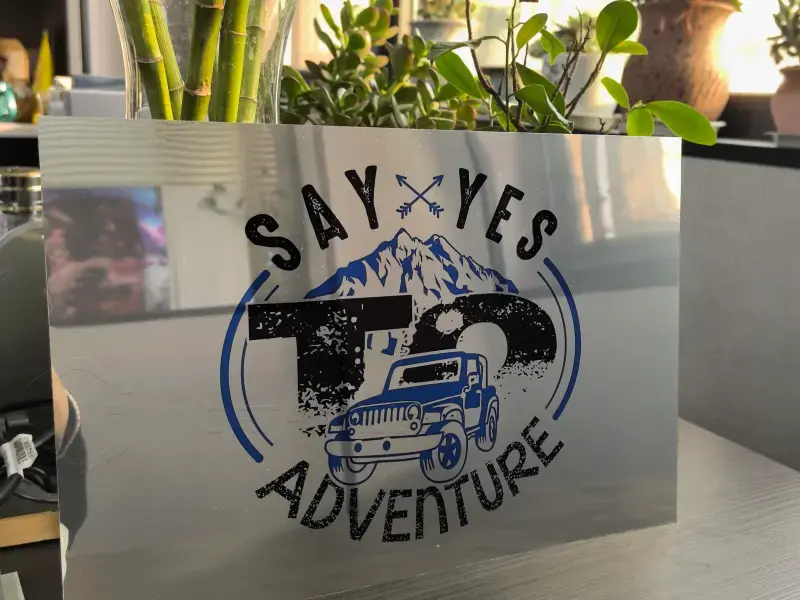
Brushed sublimation sheets combine a metallic grain pattern with a printable coating. The brushed lines remain part of the visual effect, depending on the coating design.
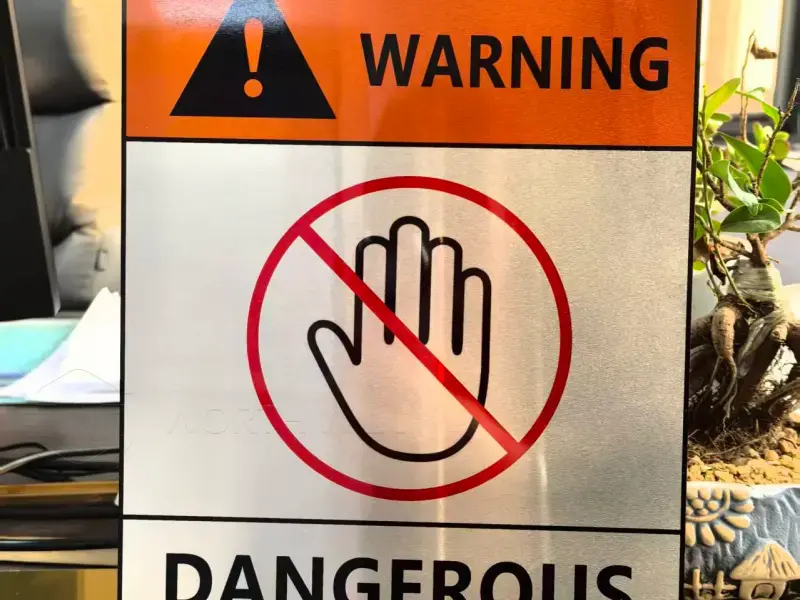
They are often used for industrial labels, office signs, nameplates, logo panels, and modern interior decoration.
Common choices include:
- Silver brushed aluminum sublimation panels
- Gold-tone brushed aluminum blanks
- Fine-brushed aluminum photo panels
- Horizontal-grain decorative sheets
- Vertical-grain nameplate blanks
The grain direction should be confirmed before production, especially for panels installed side by side.
Mirror Finish Aluminum Sheets for Sublimation
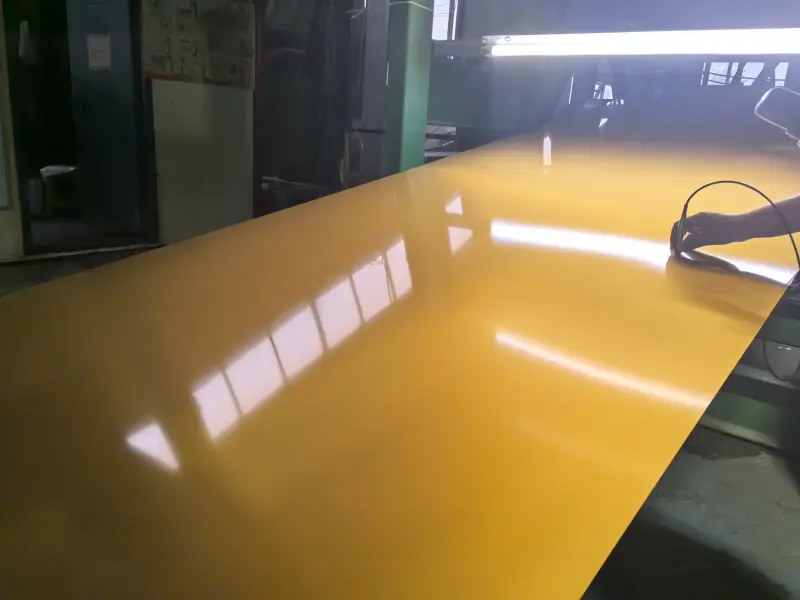
Mirror-effect sublimation sheets are selected for decorative panels, personalized gifts, display products, and special visual designs.
They can provide a metallic appearance that differs from a standard white sublimation panel. However, the final effect depends on the product’s actual coating structure. Buyers should confirm whether the sheet is designed for sublimation printing and whether the coating is gloss, metallic, or mirror-effect.
Colored Sublimation Aluminum Sheets
Colored products offer more design options for signs, promotional items, and customized products.
Possible choices include:
- Black sublimation aluminum sheets
- Gold sublimation aluminum panels
- Silver-tone panels
- Blue or red coated blanks
- Custom-colored aluminum panels
Not every colored surface is suitable for every sublimation process. Confirm the coating type and printable surface before ordering.
Aluminum Alloys Used for Sublimation Sheets
The alloy affects formability, strength, and processing behavior. The coating and printing performance also depend on surface preparation and coating quality.
1050 Aluminum Sheets for Sublimation
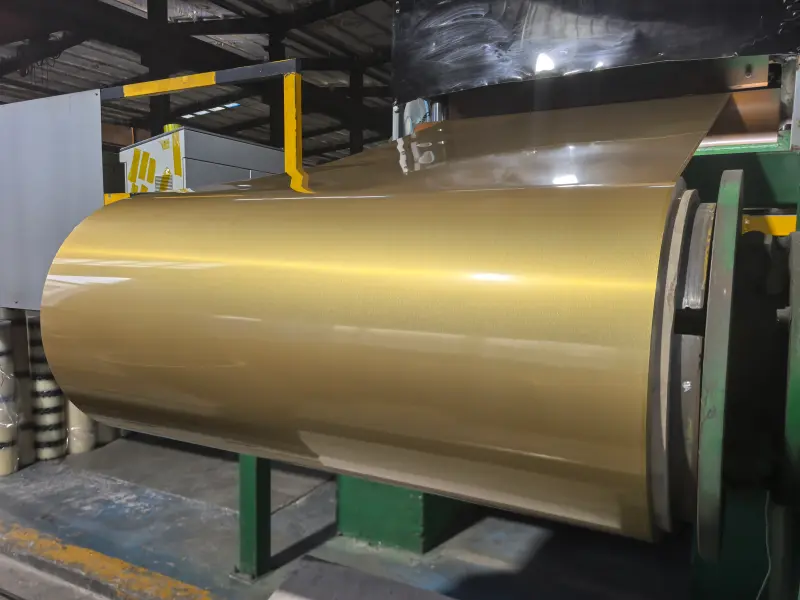
1050 aluminum is a commercially pure aluminum grade. It offers good formability and is used for various thin sheet products.
It can be considered for lightweight photo panels, decorative blanks, and products that require easy cutting or shaping. The final suitability depends on the required flatness, thickness, and manufacturing process.
1060 Aluminum Sheets for Sublimation
1060 aluminum is another high-purity commercial aluminum grade. It is available for applications where good formability and a clean sheet surface are important.
Typical product formats include thin photo blanks, flat decorative panels, and custom-cut printing sheets.
3003 Aluminum Sheets for Sublimation
3003 aluminum contains manganese as its main alloying addition. It is often selected when a buyer needs a balance of formability and strength.
It may suit custom-shaped panels, decorative parts, and products that require more handling strength than some thin pure-aluminum sheets.
5052 Aluminum Sheets for Sublimation
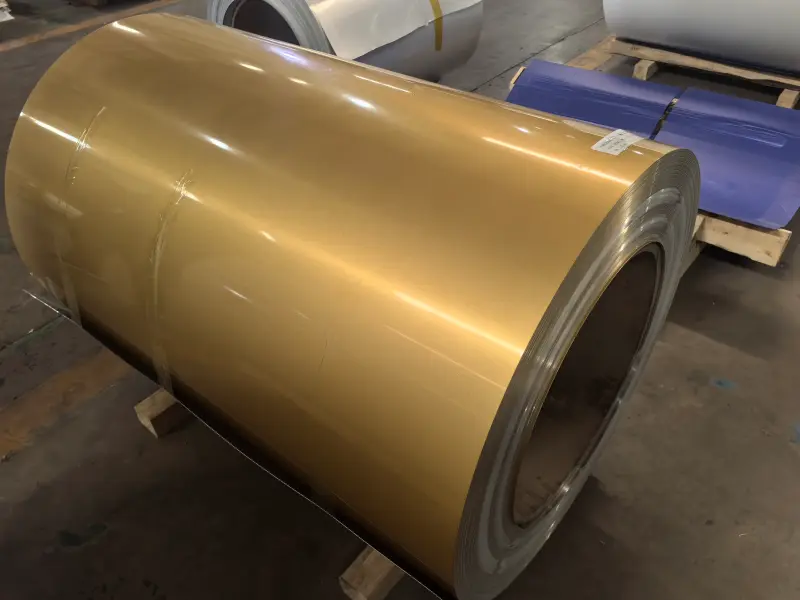
5052 Aluminum Sheets for Sublimation contains magnesium and is known for its good corrosion resistance and strength relative to many common non-heat-treatable aluminum grades.
It may be suitable for certain durable panels and fabricated parts. However, the alloy alone does not determine sublimation quality. The printable coating remains a key factor.
| Alloy | General characteristics | Potential product uses |
|---|---|---|
| 1050 | Good formability | Thin blanks, decorative panels |
| 1060 | High aluminum content, good formability | Photo panels, custom-cut sheets |
| 3003 | Good formability, moderate strength | Shaped panels, display products |
| 5052 | Good corrosion resistance, higher strength than common pure grades | Durable panels, fabricated components |
Purchasing note: Ask the supplier to confirm the alloy, temper, thickness tolerance, flatness, coating specification, and intended printing conditions. The most suitable grade depends on the finished product rather than the alloy number alone.
Aluminum Temper Options: O, H12, H14, H16, H18 and H32
Temper describes the material condition after processing. It affects hardness and forming behavior.
| Temper | General description | Possible selection reason |
|---|---|---|
| O | Annealed and relatively soft | Forming or bending requirements |
| H12 | Strain-hardened, relatively low hardness | Some lightweight sheet products |
| H14 | Strain-hardened to a higher level than H12 | General sheet applications |
| H16 | Higher strain-hardening level than H14 | Applications needing a harder sheet |
| H18 | Fully hard condition in common non-heat-treatable sheet systems | Flat products requiring higher hardness |
| H32 | Strain-hardened and stabilized | Selected products requiring a balance of strength and formability |
These descriptions are general. Mechanical properties vary by alloy and product specification. Not every alloy is available in every temper or thickness.
For small sublimation blanks, flatness and handling strength can be more important than choosing the hardest temper. For shaped panels, the temper must also suit the cutting and forming process.
Choose the Right Thickness for Your Project
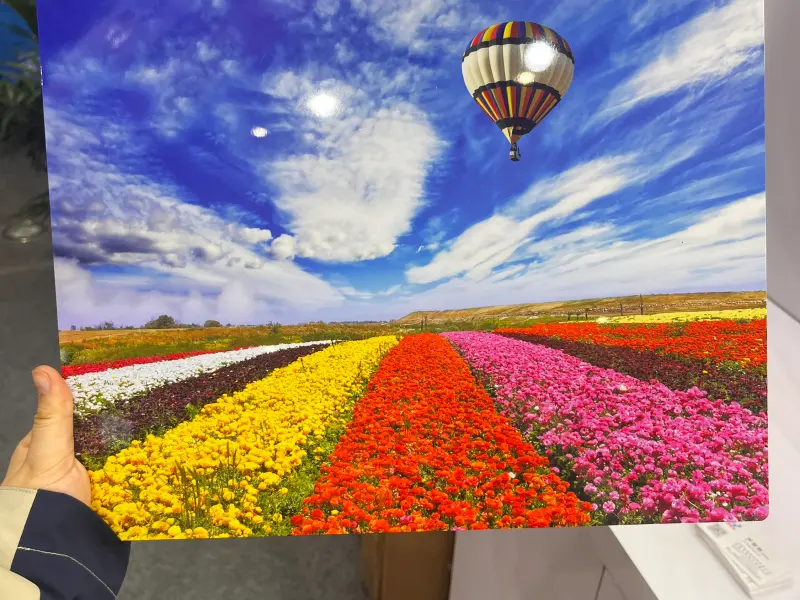

Aluminum thickness affects rigidity, weight, cutting behavior, and finished-product cost. A thin sheet may work well for a small photo blank, while a large panel may need additional support.
Common Thickness Options
| Thickness | Approximate inch equivalent | Potential applications |
|---|---|---|
| 0.20 mm | 0.008 in | Very thin decorative blanks, where supported |
| 0.30 mm | 0.012 in | Lightweight photo products |
| 0.40 mm | 0.016 in | Small photo panels and gift blanks |
| 0.45 mm | 0.018 in | General lightweight printing products |
| 0.50 mm | 0.020 in | Photo panels, small signs |
| 0.60 mm | 0.024 in | Medium-size panels |
| 0.80 mm | 0.031 in | More rigid display products |
| 1.00 mm | 0.039 in | Signage and larger decorative panels |
| 1.20 mm | 0.047 in | Panels needing additional rigidity |
| 1.50 mm | 0.059 in | Selected durable or fabricated products |
| 2.00 mm | 0.079 in | Heavy-duty panels, if the coating system is suitable |
These are illustrative thickness options, not a guarantee that every finish or alloy is available at every thickness. Confirm actual production limits with the manufacturer.
Thin vs. Thick Sublimation Aluminum Sheets
| Comparison | Thin sheets | Thick sheets |
|---|---|---|
| Weight | Lower | Higher |
| Material cost per area | Usually lower | Usually higher |
| Handling | May bend more easily | Generally more rigid |
| Cutting | Often easier for suitable equipment | May require more capable equipment |
| Typical format | Small blanks and lightweight panels | Larger panels and rigid signs |
| Packaging | Needs protection against bending | Needs edge and surface protection |
For a small 4 × 6 inch photo panel, a thin sheet may be enough. For a large wall display, check panel size, mounting method, and support before selecting the thickness.
Standard Sizes and Custom-Cut Aluminum Blanks
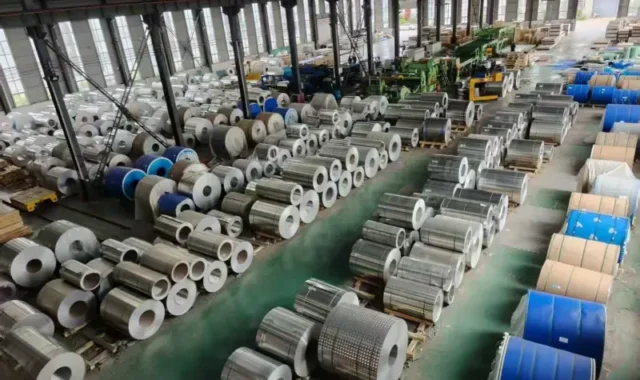
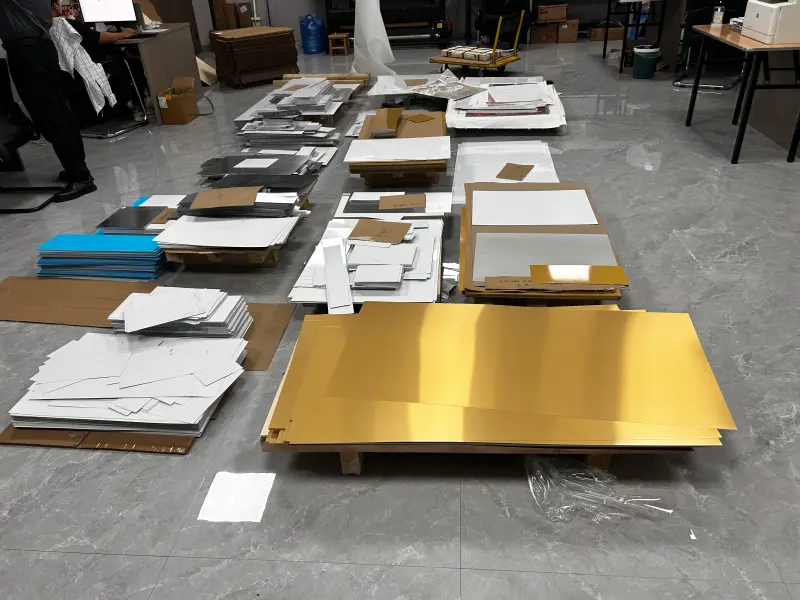
Sublimation aluminum sheets are sold as pre-cut blanks and larger sheets. Pre-cut products help printing companies reduce preparation time. Full sheets offer more flexibility for custom cutting.
Small Photo Sublimation Blanks
Common small sizes include:
| Size in inches | Approximate size in mm | Typical use |
|---|---|---|
| 2 × 2 | 51 × 51 | Small gifts and photo tiles |
| 3 × 3 | 76 × 76 | Decorative squares |
| 4 × 4 | 102 × 102 | Photo gifts and small panels |
| 4 × 6 | 102 × 152 | Photo prints |
| 5 × 7 | 127 × 178 | Portraits and gift panels |
| 6 × 8 | 152 × 203 | Photo panels |
| 8 × 10 | 203 × 254 | Wall art and display products |
| 8 × 12 | 203 × 305 | Extended photo panels |
Dimensions are nominal. Ask whether the supplier uses exact finished dimensions or rounded commercial sizes.
Medium and Large Sublimation Panels
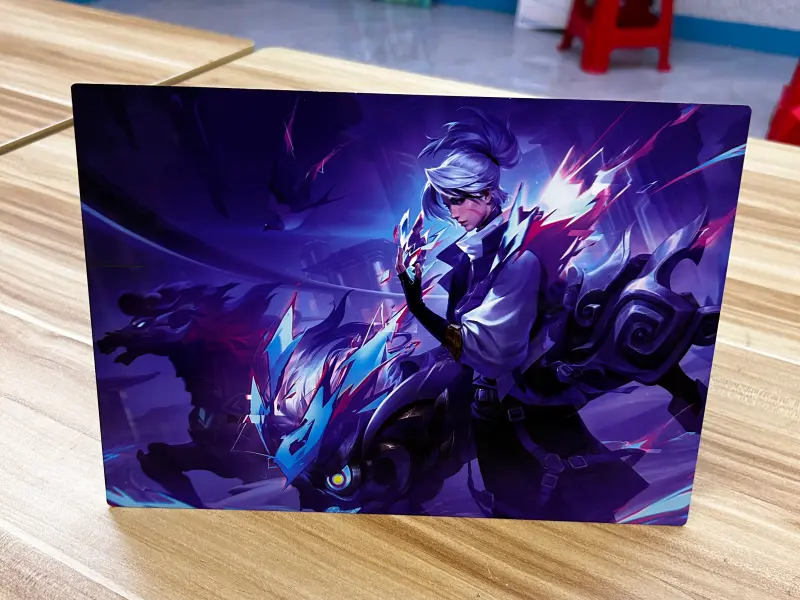
For signage, artwork, and interior decoration, buyers may need larger formats.
| Size in inches | Approximate size in mm | Potential use |
|---|---|---|
| 8 × 10 | 203 × 254 | Small wall art |
| 12 × 18 | 305 × 457 | Display panels |
| 16 × 20 | 406 × 508 | Photo artwork |
| 18 × 24 | 457 × 610 | Wall signs and decorative panels |
| 24 × 36 | 610 × 914 | Large artwork and display signs |
| 24 × 48 | 610 × 1219 | Long decorative panels |
| 36 × 48 | 914 × 1219 | Large-format display products |
These dimensions are examples. Larger formats may require special handling and suitable heat-transfer equipment.
Full Sheets for Cutting and Processing
Full sheets are useful for manufacturers that need different shapes or sizes from one material specification.
Possible purchasing formats include:
- 300 × 600 mm sheets
- 600 × 1200 mm sheets
- 1000 × 2000 mm sheets
- 1000 × 2440 mm sheets
- 1219 × 2438 mm sheets, approximately 4 × 8 ft
- Custom widths and lengths based on production capability
Before ordering full sheets, confirm the usable area, coating direction, protective film, cutting allowance, and flatness requirements.
More Product Types for Different Printing Needs
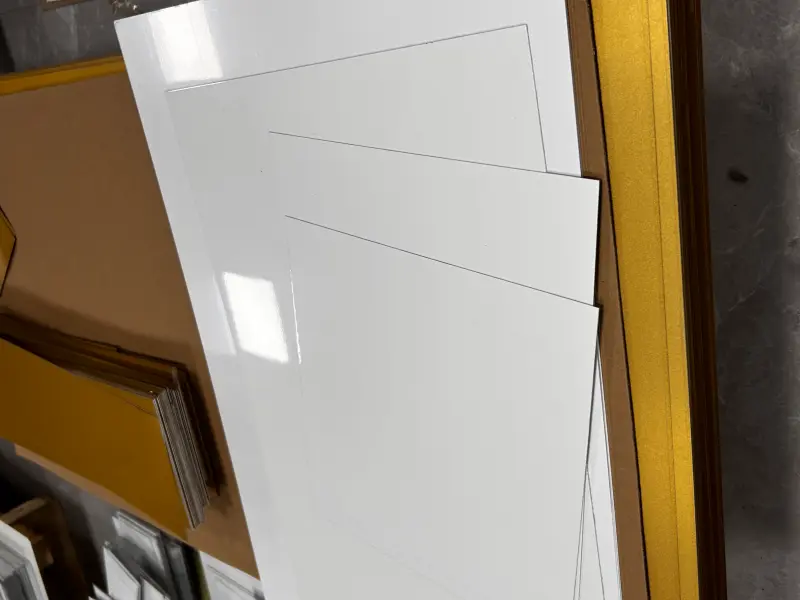
A sublimation supplier may offer several product formats under one material category. Selecting the correct format can reduce waste and make production more efficient.
Rectangle and Square Aluminum Blanks
Rectangular blanks are widely used for photos, office signs, promotional gifts, and nameplates. Square panels are popular for photo tiles and decorative sets.
Typical options include 4 × 6, 5 × 7, 8 × 10, 10 × 12, and custom dimensions.
Round and Oval Aluminum Blanks

Round and oval blanks are useful for personalized gifts, small decorative panels, badges, and selected display products.
Possible diameters include 50 mm, 75 mm, 100 mm, 150 mm, and 200 mm. Actual availability depends on cutting equipment and the coating specification.
Heart, Star, and Special-Shaped Blanks
Special-shaped blanks support personalized products and promotional designs.
Common options include:
- Heart-shaped sublimation aluminum blanks
- Star-shaped photo panels
- Circular logo blanks
- Oval nameplates
- Hexagonal decorative panels
- Custom-cut logo shapes
For complex outlines, ask about edge quality, dimensional tolerance, and whether the cut edges need additional treatment.
Double-Sided Sublimation Aluminum Sheets
Double-sided products can support printing on both faces when the coating system is designed for that purpose.
They may be useful for hanging signs, display pieces, and certain personalized gifts. Confirm whether both sides have printable coatings and whether the printing conditions are identical.
Protective-Film Aluminum Sublimation Panels
Some products use a removable protective film to help protect the surface during transportation and handling. The film should be compatible with the coating and easy to remove without leaving unwanted residue.
Confirm whether the film must be removed before heat transfer. The correct procedure depends on the product design and supplier instructions.
Applications of Aluminum Sheets for Sublimation
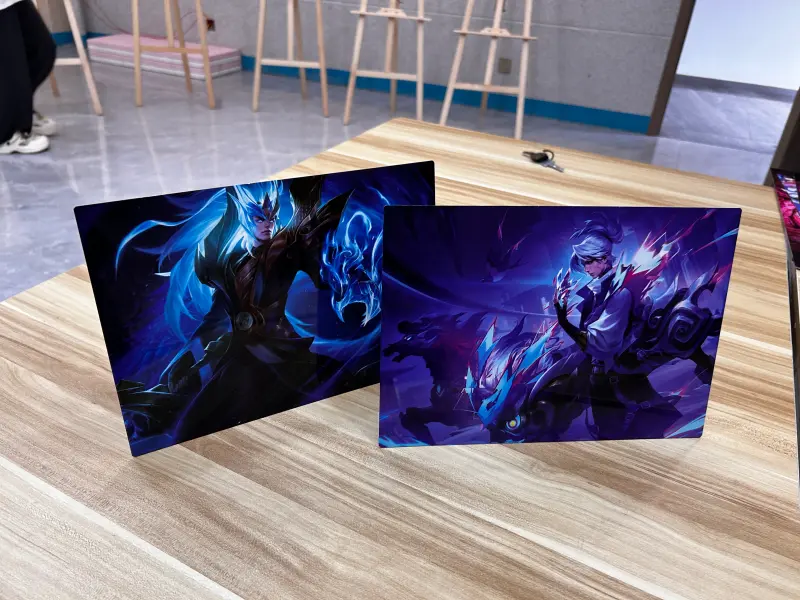
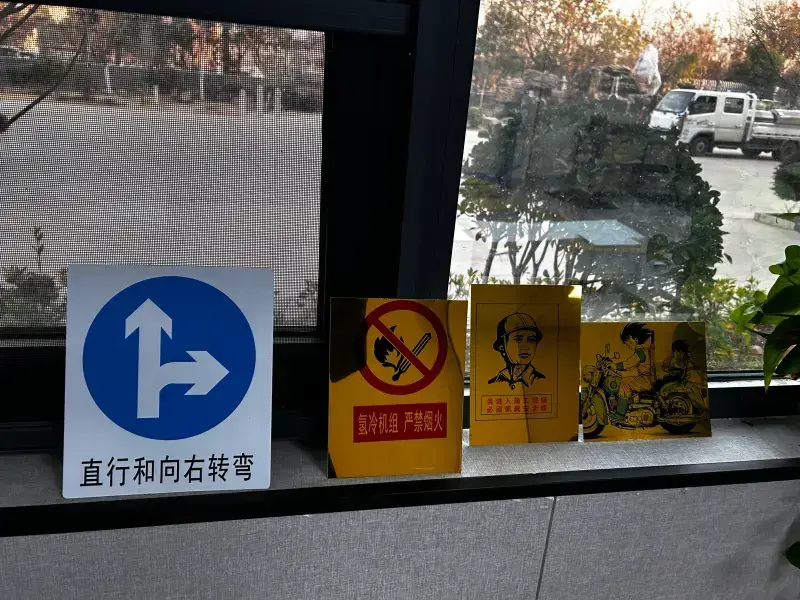
Sublimation aluminum panels are used in commercial printing, personalized products, interior decoration, and signage. The choice of alloy, thickness, finish, and shape depends on the final application.
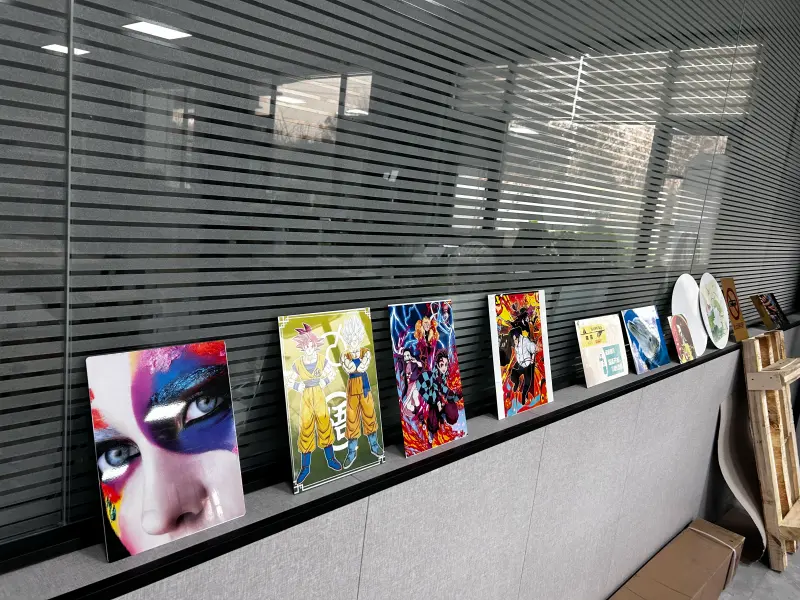
- Photo printing: family photos, portraits, wedding photos, school pictures, and photo gifts.
- Wall art: decorative artwork, landscape images, modern metal prints, and gallery displays.
- Personalized gifts: birthday gifts, anniversary gifts, holiday gifts, and custom keepsakes.
- Office signage: room signs, desk nameplates, directional panels, and company logo displays.
- Retail displays: promotional panels, product information signs, branded display pieces, and point-of-sale graphics.
- Hospitality: hotel signs, restaurant decorations, room numbers, and reception displays.
- Education: school awards, classroom signs, graduation gifts, and campus display panels.
- Sports and events: team photo panels, event souvenirs, medals with suitable product designs, and recognition plaques.
- Industrial identification: selected equipment labels, identification plates, and information panels, subject to the required durability and compliance specifications.
- Interior decoration: decorative panels for homes, offices, showrooms, and commercial spaces.
- Promotional products: branded gifts, company souvenirs, product samples, and campaign merchandise.
- Craft production: personalized ornaments, photo tiles, custom shapes, and small decorative items.
For outdoor applications, do not assume that every sublimation coating is weatherproof. Ask for suitable test data covering UV exposure, moisture, temperature changes, and the intended service environment.
Sublimation Aluminum Sheets vs. Ordinary Aluminum Sheets
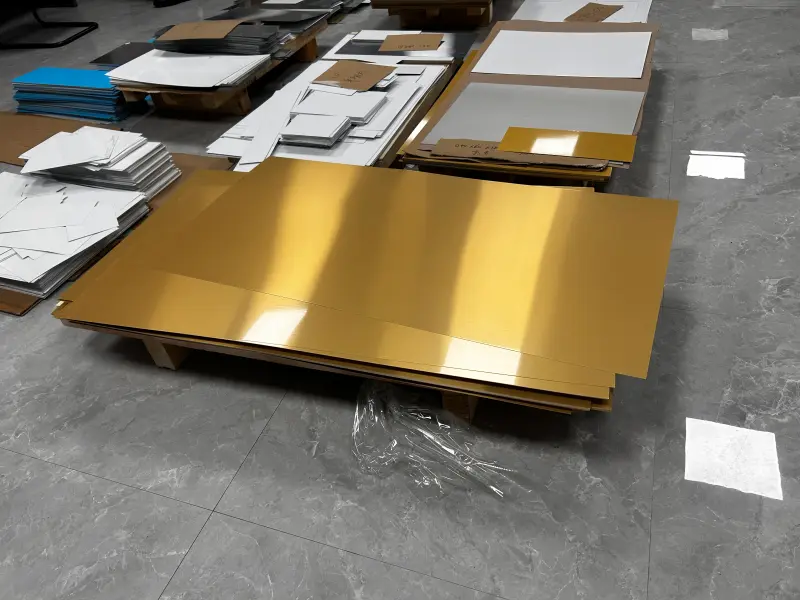
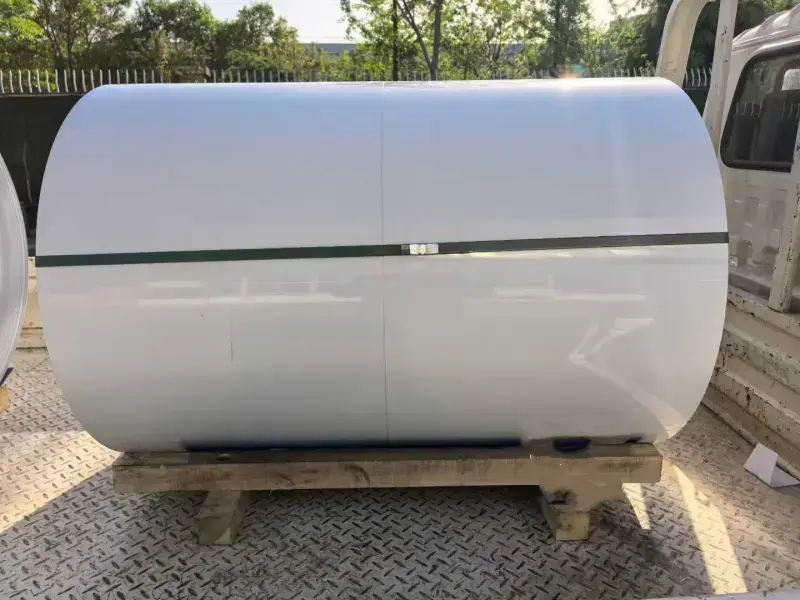
Ordinary aluminum sheet and sublimation sheet may look similar before printing. Their intended functions are different.
| Feature | Sublimation aluminum sheet | Ordinary aluminum sheet |
|---|---|---|
| Main purpose | Heat-transfer image printing | Fabrication and general industrial use |
| Surface | Special printing coating | Mill finish or other standard finish |
| Image transfer | Designed for compatible sublimation processes | Usually needs a suitable coating |
| Common products | Photo panels, printed signs, gifts | Parts, covers, brackets, panels |
| Purchasing focus | Coating, color, print quality | Alloy, temper, dimensions, surface |
| Best selection method | Confirm printing requirements | Confirm mechanical and fabrication needs |
Ordinary sheet can be coated for printing, but the coating process must be suitable. A standard aluminum finish alone does not guarantee a successful sublimation result.
White Sublimation Sheets vs. Brushed Sublimation Sheets
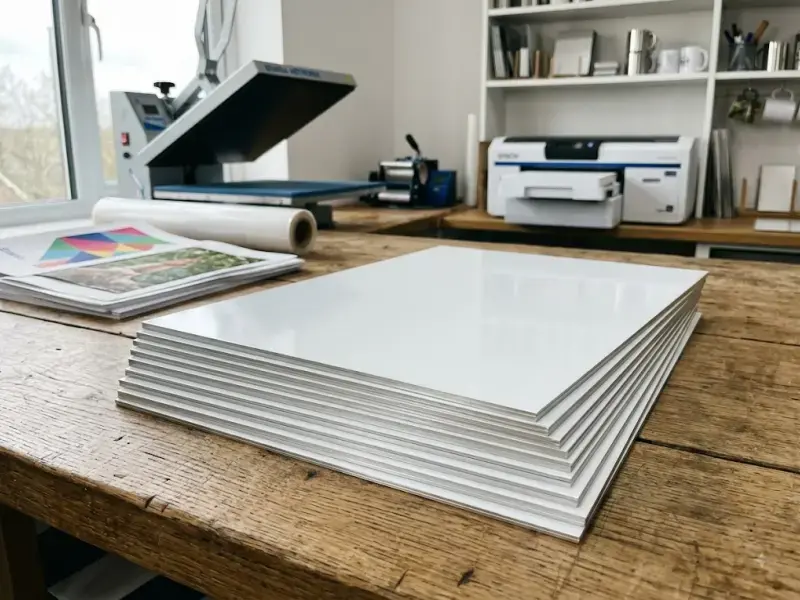
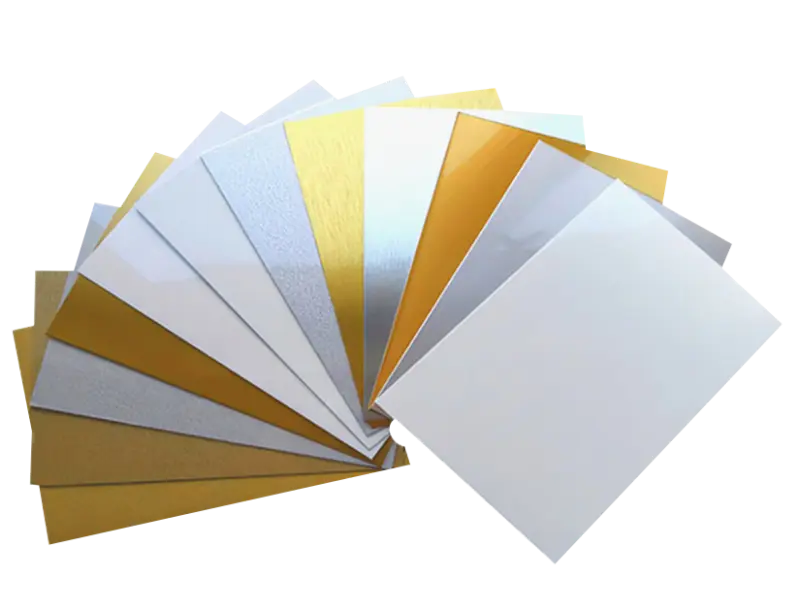
These products create different visual effects.
| Feature | White-coated sheet | Brushed-effect sheet |
|---|---|---|
| Background | White | Metallic or brushed appearance |
| Image style | Colorful photographs and graphics | Modern graphics, logos, selected artwork |
| Surface character | Smooth and uniform | Visible grain or metallic effect |
| Common applications | Photo gifts, colorful panels | Nameplates, signs, decorative panels |
| Main check | Coating whiteness and gloss | Grain direction and final appearance |
Choose white coating when the printed image needs a consistent background. Consider a brushed finish when the metal appearance is part of the design.
Glossy vs. Matte Sublimation Aluminum Panels
Gloss and matte surfaces can affect the appearance of the finished product.
Gloss surfaces often create a brighter visual impression. Matte surfaces reduce direct reflections. Neither option is automatically suitable for every image or installation.
When comparing samples, check the same image on both finishes. Review fine details, dark areas, skin tones, and viewing reflections before placing a large order.
Aluminum Sublimation Sheets vs. Ceramic and MDF Sublimation Blanks
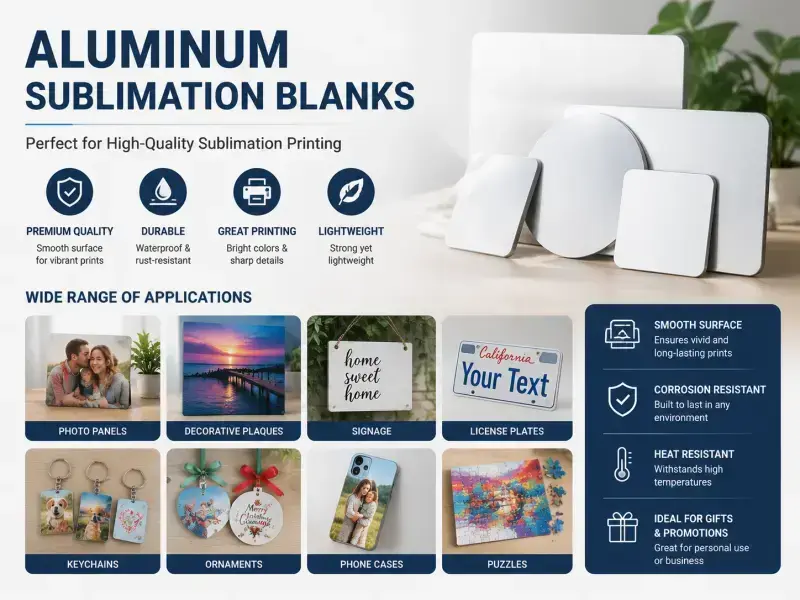

Aluminum is one option among several sublimation substrates. The best material depends on the required appearance, weight, handling, and end use.
| Material | General characteristics | Common product types |
|---|---|---|
| Aluminum | Lightweight metal, available in thin panels | Photo panels, signs, decorative prints |
| Ceramic | Rigid, brittle substrate | Tiles and selected decorative products |
| MDF | Wood-based panel with suitable coating | Photo panels, plaques, craft products |
| Polyester-coated fabric | Flexible textile surface | Flags, clothing, soft displays |
These materials use different transfer settings and coatings. A heat-transfer profile suitable for one substrate should not automatically be used for another.
How to Choose the Right Sublimation Aluminum Sheet
A suitable product should match the printer, heat press, image, and finished application. Buyers should confirm the following details before requesting a quotation.
Confirm the Printing Method
Check whether the product is designed for dye-sublimation transfer. Ask for the recommended temperature, time, pressure, paper type, and any special preparation steps.
Exact settings depend on the coating and equipment. Test samples before starting mass production.
Select the Surface Finish Aluminum Sheets for Sublimation
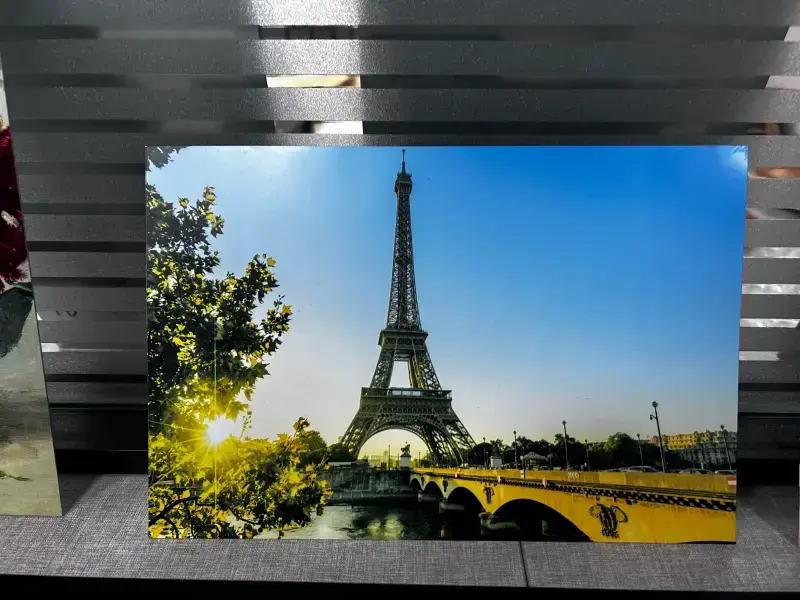
Choose white gloss Aluminum Sheets for Sublimation for many colorful photo products. Consider white matte for applications where lower reflection is preferred. Brushed and metallic-effect surfaces may suit logos, signs, and decorative artwork.
Request physical samples if the final appearance is important.
Match Thickness to Panel Size
Small blanks can often use thinner material. Larger panels may require a thicker sheet or a mounting support to prevent bending.
The panel’s dimensions, installation method, and handling conditions should be considered together.
Confirm Alloy and Temper
Specify the alloy and temper if they matter to cutting, bending, stiffness, or other fabrication requirements.
For standard photo blanks, the coating, flatness, and cutting quality may have a direct effect on production results. Ask the supplier to identify the actual material grade rather than relying only on a general product description.
Check Tolerances and Flatness
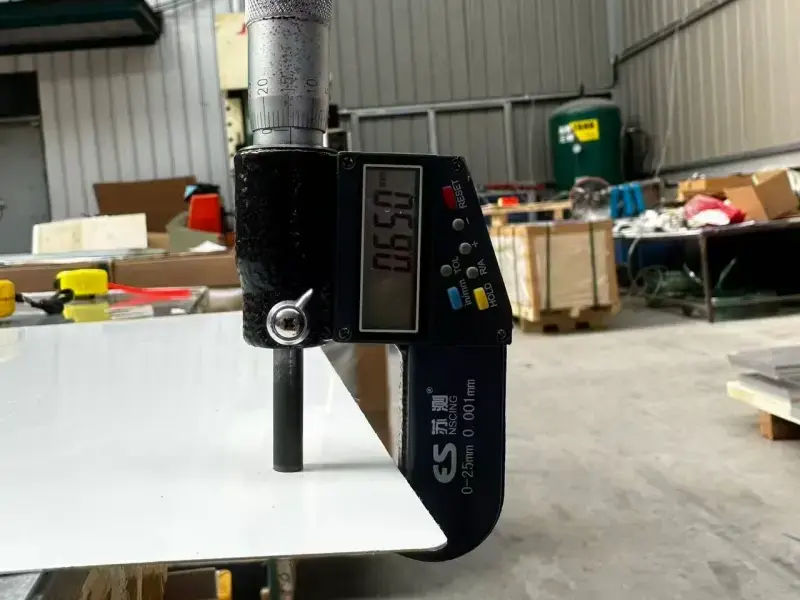
Uneven sheets may create handling problems during printing or installation. Confirm thickness tolerance, dimensional tolerance, flatness, edge quality, and coating consistency.
For large panels, ask whether the supplier can provide samples from the same production process.
From Aluminum Base to Finished Sublimation Panel
A typical manufacturing route may include the following steps:

Aluminum coil or sheet → Leveling and cutting → Surface cleaning → Coating preparation → Sublimation coating → Curing → Inspection → Protective packaging
The exact process depends on whether the supplier coats the aluminum in-house or purchases pre-coated material.
Quality checks may cover:
- Alloy and thickness verification
- Surface cleanliness
- Coating uniformity
- Color and gloss consistency
- Adhesion and coating integrity
- Flatness and dimensions
- Protective film condition
- Sample printing performance
For buyers placing repeat orders, it is useful to agree on a sample approval process and keep a record of the approved finish and specifications.
Printing Preparation and Handling Tips
Good printing results require more than a suitable aluminum panel. The complete transfer process must be matched to the coating.
Before Heat Transfer
- Check that the coating is clean and undamaged.
- Confirm which side is printable.
- Remove protective film when instructed by the supplier.
- Use compatible sublimation paper and ink.
- Confirm the recommended temperature, time, and pressure.
- Keep the panel flat and correctly aligned.
After Printing of Aluminum Sheets for Sublimation

Allow the panel to cool according to the product instructions. Handle the printed surface carefully. Avoid scratching the coating with sharp tools or rough packaging.
For production orders, test more than one sample when possible. This helps identify issues with color, transfer consistency, and panel flatness before large quantities are processed.
Packaging and Shipping for Wholesale Orders
Sublimation aluminum sheets need packaging that protects both the metal and its printable coating.
Small blanks may be separated by protective paper or film. Larger sheets may require corner protection, interleaving, cartons, or wooden cases, depending on the size and shipping method.
For export orders, confirm:
- Quantity per carton or bundle
- Protective film and interleaving requirements
- Carton dimensions and gross weight
- Pallet or wooden-case requirements
- Shipping marks and product labels
- Moisture protection for long-distance transport
- Packaging suitable for the destination and transport method
Custom packaging can be useful for distributors selling pre-cut blanks under their own brand.
What Affects the Price of Aluminum Sublimation Sheets?
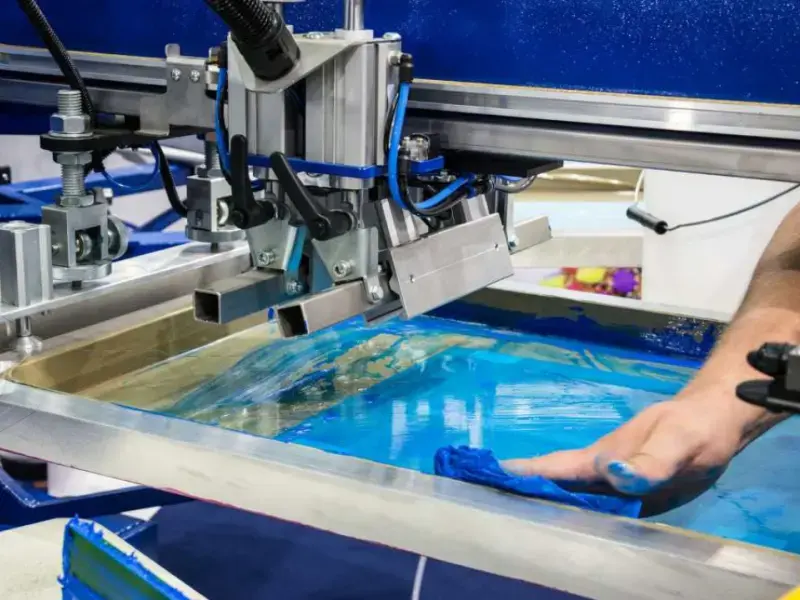
The quotation depends on the complete specification, not only the aluminum price.
| Price factor | How it affects the quotation |
|---|---|
| Alloy and temper | Different material grades and conditions may have different costs |
| Thickness | Greater thickness generally uses more aluminum per unit area |
| Sheet dimensions | Larger formats affect material use and handling |
| Coating type | White, matte, brushed, and special finishes may differ in cost |
| Cutting shape | Complex shapes may need additional processing |
| Tolerances | Tighter requirements may increase inspection and production costs |
| Order quantity | Larger production runs may improve manufacturing efficiency |
| Packaging | Individual wrapping and export cases add cost |
| Customization | Special colors, dimensions, or private labels may require setup work |
To compare suppliers fairly, request quotations using the same alloy, temper, thickness, dimensions, coating, tolerance, and packaging requirements.
How to Reduce Material Waste in Sublimation Production
Material utilization can affect the cost of each finished panel. Buyers ordering full sheets should consider the dimensions of their final products before cutting.
For example, a large sheet may produce several smaller panels, but the actual quantity depends on cutting gaps, edge trimming, and the layout. A supplier can help prepare a cutting plan based on the required finished sizes.
Useful steps include:
- Grouping orders by panel dimensions
- Choosing standard blank sizes where possible
- Checking grain direction before nesting brushed panels
- Allowing for cutting and edge finishing
- Separating different coating finishes during production
- Keeping a consistent specification for repeat orders
For large-volume projects, a cutting layout can help estimate material consumption before production begins.
Information to Include in Your RFQ

A clear request for quotation helps the supplier confirm the right product and provide a comparable price.
| Item | Example specification |
|---|---|
| Product | Aluminum sheets for sublimation |
| Alloy | 1050, 1060, 3003, or specified grade |
| Temper | O, H14, H18, H32, or required condition |
| Thickness | 0.45 mm |
| Size | 4 × 6 inches |
| Surface | White gloss |
| Printable side | One side |
| Quantity | Required number of pieces |
| Cutting | Rectangle with specified corner style |
| Packaging | Individual protection or bulk packing |
| Application | Photo printing, signs, or decorative panels |
The values above are examples only. Replace them with the actual requirements for your project.
For custom orders, also provide a drawing or sample if the product has a special shape, grain direction, or dimensional tolerance.
Frequently Asked Questions About Aluminum Sheets for Sublimation

What are aluminum sheets for sublimation used for?
They are used for photo panels, personalized gifts, decorative artwork, office signs, nameplates, retail displays, and selected industrial identification products. The suitable type depends on the coating and final application.
Can ordinary aluminum sheets be used for sublimation?
Not usually without a suitable sublimation coating. Ordinary aluminum may require a compatible coating process before it can receive a transferred image.
Which aluminum alloy is suitable for sublimation sheets?
Common options include 1050, 1060, 3003, and 5052. The choice depends on forming requirements, strength, dimensions, and manufacturing availability. Coating quality is also important.
What thickness is commonly used for sublimation aluminum blanks?
Thin products may use thicknesses around 0.30–0.50 mm. More rigid panels may use 0.60–1.00 mm or thicker material. These are general examples, so confirm the actual specification with the supplier.
Are aluminum sublimation sheets available in 4 × 6 and 5 × 7 inches?
Yes, these are common photo-panel dimensions in the market. Availability depends on the supplier, coating, thickness, and required edge finish.
Can I order 4 × 8 ft aluminum sheets for sublimation?
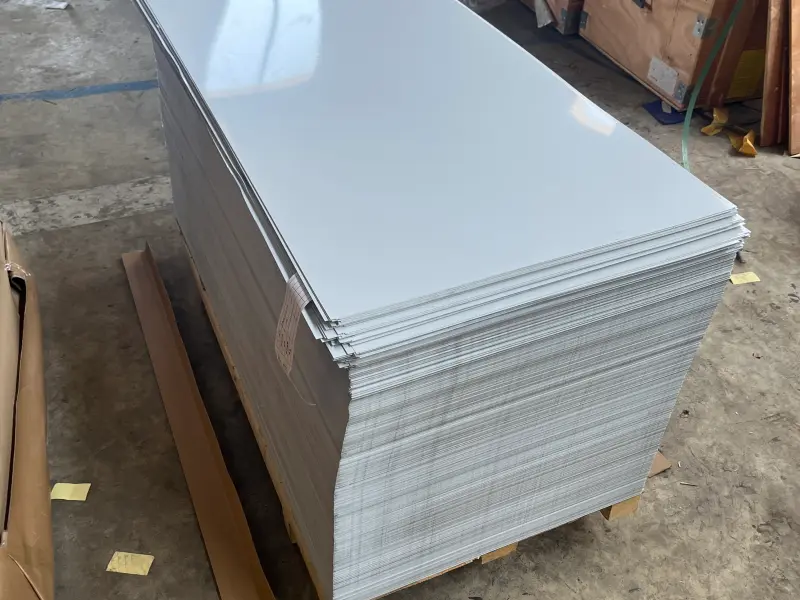
Large-format sheets can be requested from manufacturers that support the required coating and size. Confirm the printable surface, flatness, transport protection, and heat-transfer equipment capacity before ordering.
What is the difference between white gloss and white matte sheets?
White gloss sheets have a shiny surface and are often used for bright photo products. White matte sheets have less surface reflection and may be preferred for certain signs or display panels.
Can brushed aluminum sheets be used for sublimation printing?
Yes, when the brushed-effect product has a coating designed for sublimation. Confirm the printable surface and grain direction before ordering.
Are both sides of sublimation aluminum sheets printable?
Some products have printable coatings on both sides, while others are coated on one side only. Check the product specification before placing an order.
Can sublimation aluminum sheets be cut into custom shapes?
Many suppliers can provide custom-cut rectangles, circles, ovals, and other shapes. Complex outlines may require a drawing, minimum order quantity, and confirmation of edge quality.
Are sublimation aluminum panels suitable for outdoor use?
Not every coating is designed for long-term outdoor exposure. Ask for relevant weathering, UV, moisture, and corrosion test information if the product will be installed outdoors.
How should sublimation aluminum sheets be stored?
Keep them dry and protect the coated surface from dust, scratches, and impact. Follow the supplier’s instructions for temperature, stacking, and protective film removal.
What information is needed to get a quotation?
Provide the alloy, temper, thickness, size, coating finish, printable side, quantity, cutting requirements, and packaging needs. A photo or drawing is useful for custom products.
Can suppliers provide samples before mass production?
Many manufacturers can provide samples, subject to availability and cost. Test the samples with your own printer, ink, paper, and heat press before confirming a large order.
Request a Quote for Aluminum Sheets for Sublimation

Whether you need small photo blanks, brushed aluminum panels, white gloss sheets, or custom-cut sublimation material, the product should match your printing process and final application.
When contacting a supplier, specify the alloy, temper, thickness, dimensions, surface finish, quantity, and packaging requirements. If you are unsure which product to select, describe the finished item and printing method. The supplier can then recommend suitable specifications for sampling.
A clear specification makes it easier to compare quotations, reduce material waste, and maintain consistent results across repeat orders.