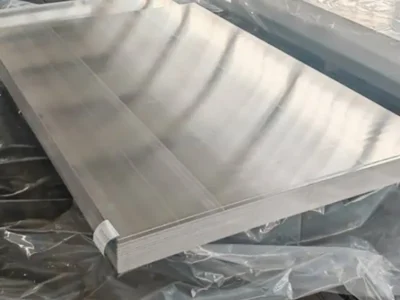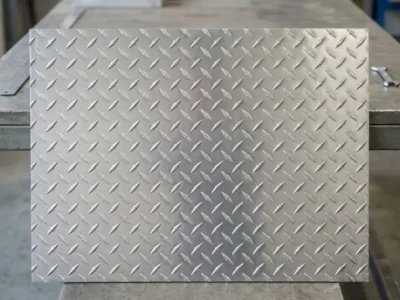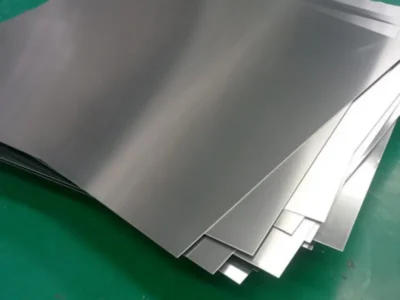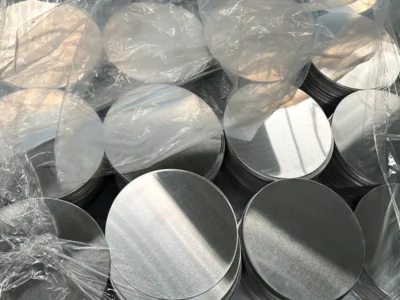
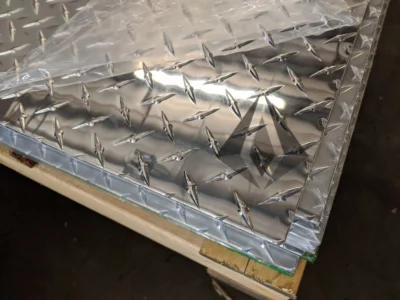
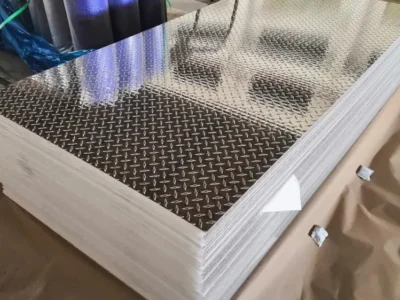
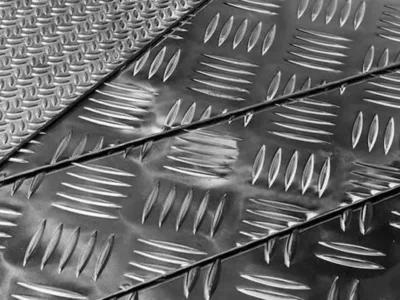
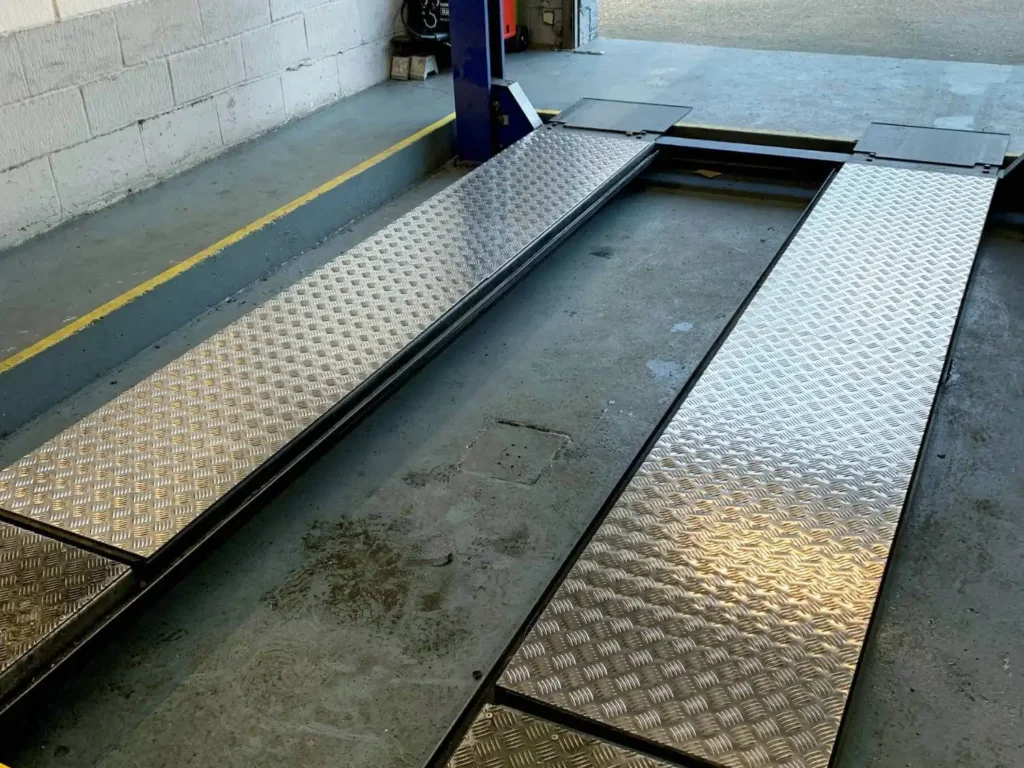
Aluminum tread plate is a versatile metal sheet with raised patterns on one side. It is also called aluminum checker plate, diamond plate, or floor plate. The raised patterns provide slip resistance. The smooth back side allows easy mounting. This material is popular in many industries because it is light, strong, and resists rust.
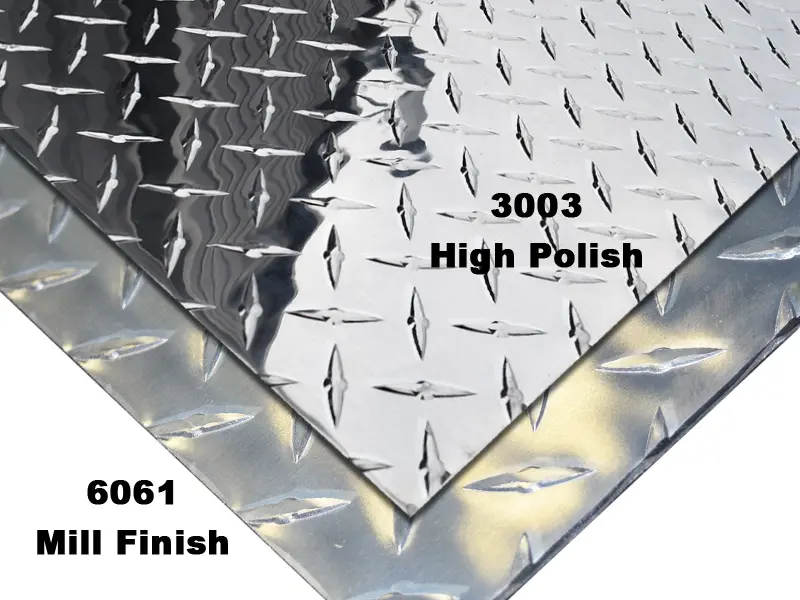
Common Alloy Grades for Tread Plate
Different projects need different alloy properties. Here are the most common grades used for aluminum tread plate.
3003 Aluminum Tread Plate
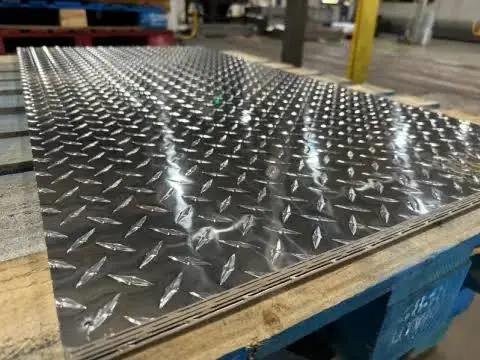
3003 is the most popular alloy for tread plate. It contains manganese. This makes it stronger than pure aluminum but still easy to form.
| Property | Value |
|---|---|
| Tensile Strength | 140–195 MPa |
| Yield Strength | 115–150 MPa |
| Elongation | 8–12% |
| Density | 2.73 g/cm³ |
| Temper | H22, H24, H114 |
3003 tread plate works well for indoor flooring, stair treads, and decorative panels. It resists corrosion in normal air and fresh water. The price is lower than marine-grade alloys. This makes it ideal for budget projects.
5052 Aluminum Tread Plate
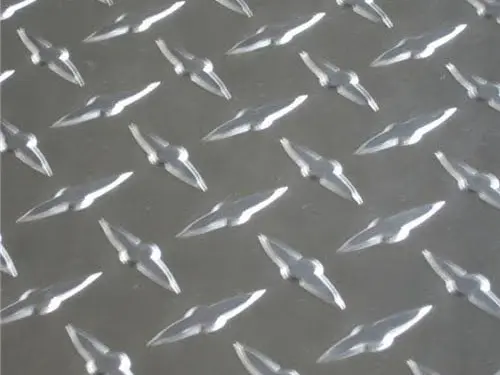
5052 contains magnesium. It offers better corrosion resistance than 3003. It is the top choice for marine and coastal environments.
| Property | Value |
|---|---|
| Tensile Strength | 230–260 MPa |
| Yield Strength | 195 MPa |
| Elongation | 12–20% |
| Density | 2.68 g/cm³ |
| Temper | H32, H34, H112 |
5052 tread plate handles salt spray very well. It is common on boat decks, dock walkways, and chemical plant floors. The alloy also welds easily. Fabricators like it for tanks and pressure vessels.
6061 Aluminum Tread Plate
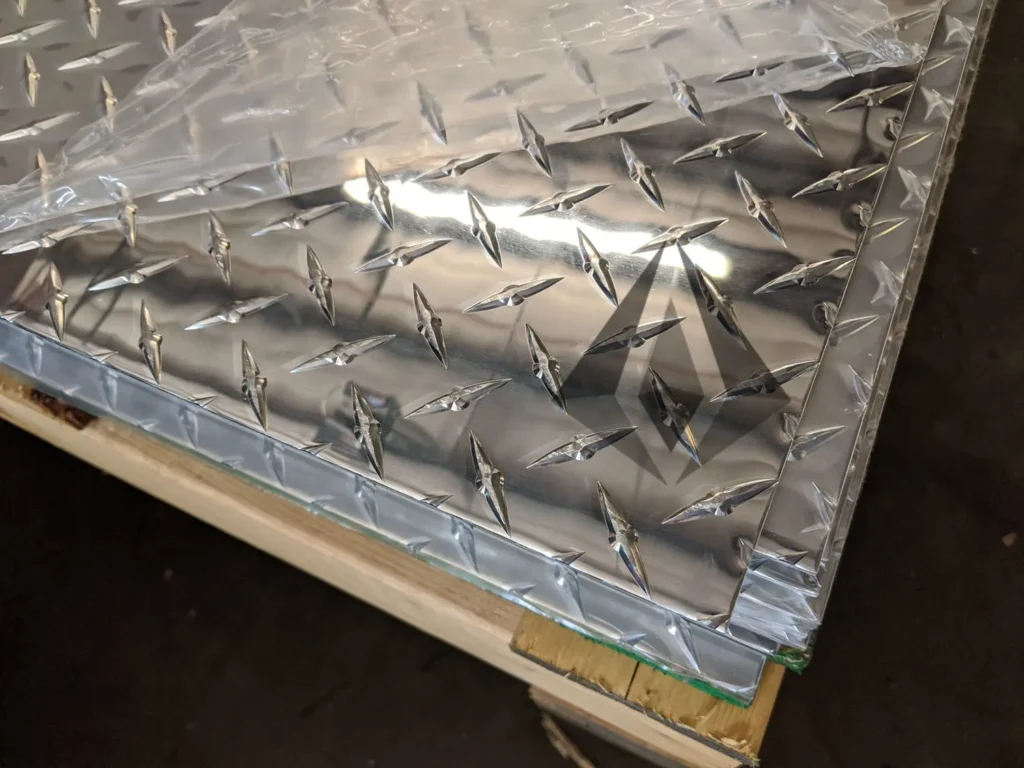
6061 is a heat-treatable alloy. It contains magnesium and silicon. After T6 heat treatment, it reaches high strength.
| Property | Value |
|---|---|
| Tensile Strength | 290–310 MPa |
| Yield Strength | 240–276 MPa |
| Elongation | 8–12% |
| Density | 2.70 g/cm³ |
| Temper | T6, T651 |
6061 tread plate suits structural jobs. It works for heavy equipment platforms, truck beds, and load-bearing stairs. The alloy machines cleanly. CNC operators prefer it for precision parts.
1060 Aluminum Tread Plate
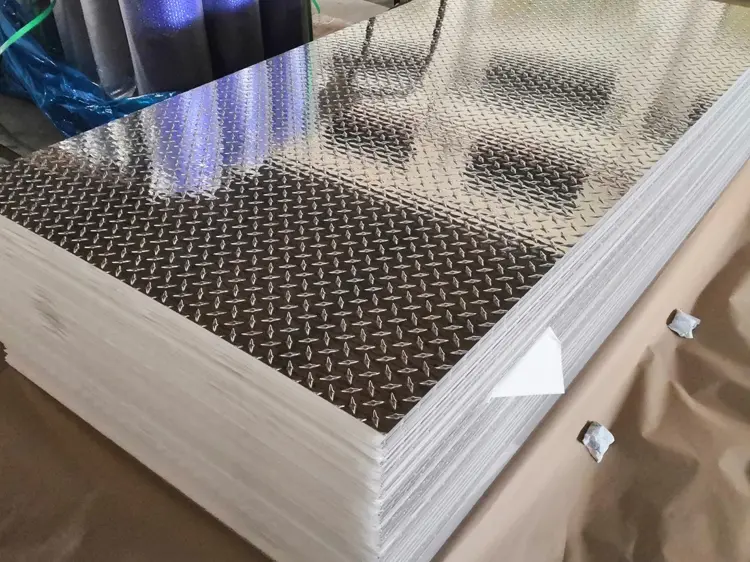
1060 is commercially pure aluminum. It has over 99.6% aluminum content.
| Property | Value |
|---|---|
| Tensile Strength | 70–100 MPa |
| Yield Strength | 30–50 MPa |
| Elongation | 30–40% |
| Density | 2.71 g/cm³ |
| Temper | H14, H24, O |
1060 tread plate is soft and highly formable. It is mainly for decorative use. You will see it on wall panels, signage, and light-duty covers. The corrosion resistance is good, but strength is low.
5754 Aluminum Tread Plate
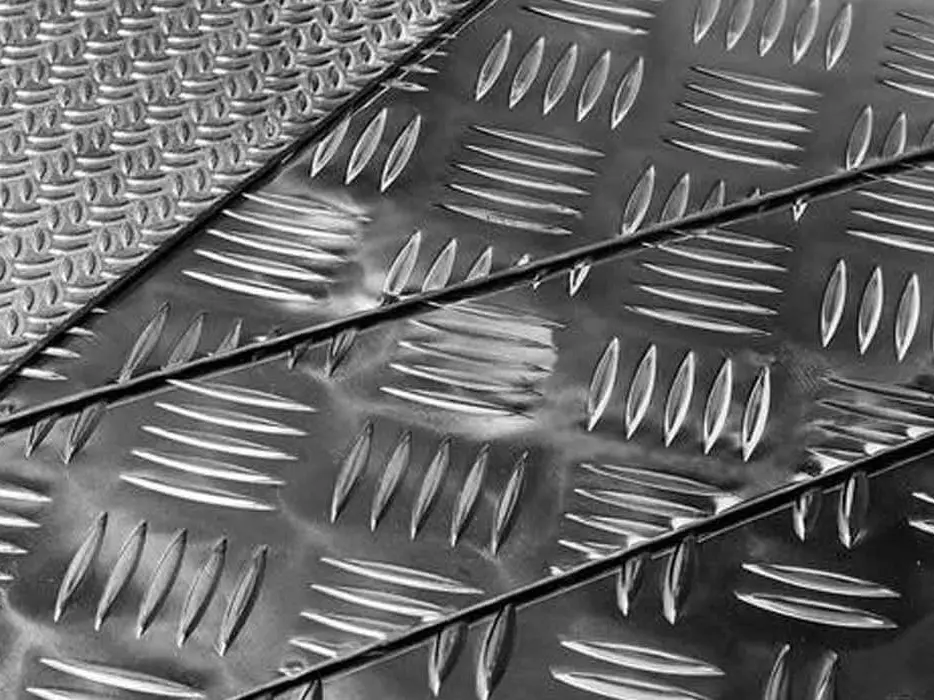
5754 is similar to 5052 but with slightly different properties. It is common in European markets.
| Property | Value |
|---|---|
| Tensile Strength | 220–270 MPa |
| Yield Strength | 130–200 MPa |
| Elongation | 14–16% |
| Density | 2.67 g/cm³ |
| Temper | H111, H22, H114 |
5754 tread plate resists corrosion in seawater. It is used for ship structures, vehicle bodies, and welded assemblies. The alloy has good fatigue resistance. It performs well under vibration.

Surface Pattern Types
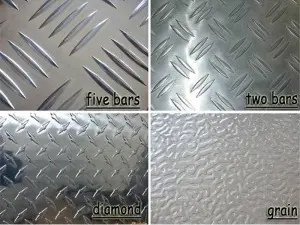
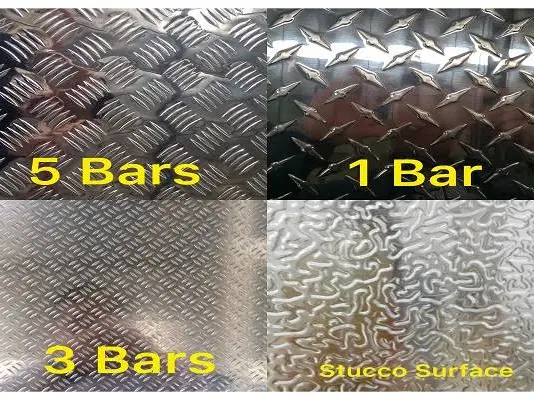
The pattern on aluminum tread plate affects both function and look. Different patterns serve different needs.
Diamond Pattern
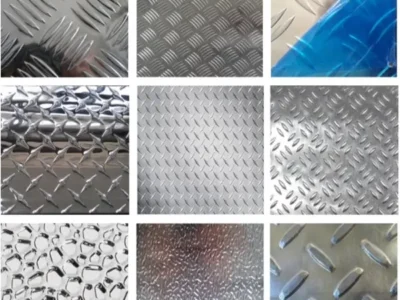
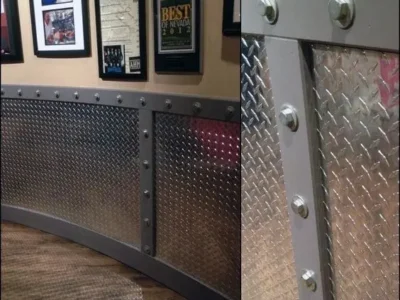
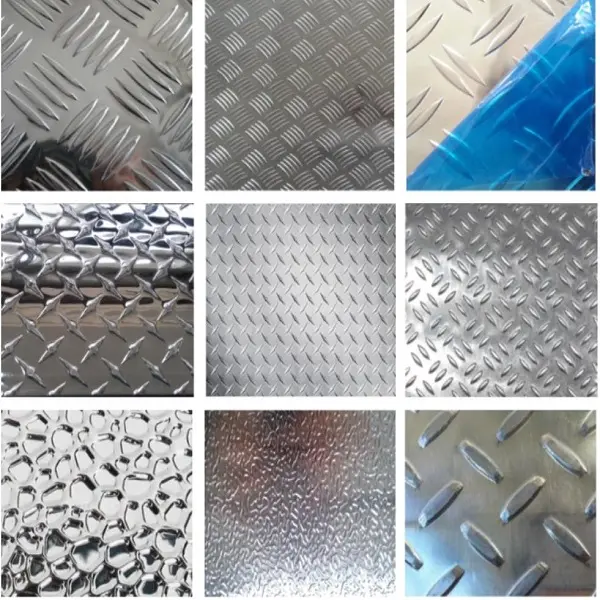
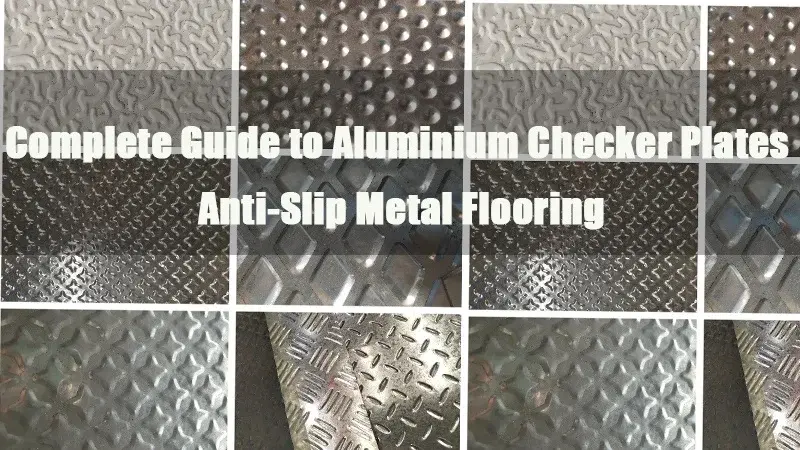
Diamond pattern has raised diamond shapes across the surface. It provides the highest slip resistance. The pattern is bold and industrial. Diamond tread plate is common on factory floors, loading ramps, and truck beds. The three-dimensional look also suits decorative walls.
Five-Bar Pattern
Five-bar pattern has parallel raised lines grouped in sets of five. It offers good anti-slip performance. The bars are easier to clean than diamond patterns. Five-bar tread plate is popular for platforms, solar panel mounts, and furniture. It gives a modern, linear look.
Lentil Pattern
Lentil pattern has small oval or bean-shaped raised dots. It looks delicate and refined. This pattern is for interior decoration, kitchen backsplashes, and display panels. The slip resistance is moderate. It balances safety with aesthetics.
Willow Pattern
Willow pattern has soft, curved lines. It feels smooth to the touch. The anti-slip level is lower than diamond or five-bar. Willow tread plate suits bathrooms, light-duty walkways, and children’s play areas. It adds a gentle, organic feel to spaces.
Custom Patterns
Some suppliers offer custom embossing. You can choose specific shapes, logos, or textures. Custom patterns work for branding, signage, and unique architectural projects. Minimum order quantities may apply.
Thickness and Size Options
Aluminum tread plate comes in many thicknesses. The right thickness depends on the load and use.
Thickness Ranges
| Thickness | Weight (kg/m²) | Typical Use |
|---|---|---|
| 1.0 mm | 2.73 | Wall cladding, decorative panels |
| 1.5 mm | 4.10 | Light covers, signage, furniture |
| 2.0 mm | 5.46 | Residential stairs, kick plates |
| 2.5 mm | 6.83 | Commercial flooring, trailer sides |
| 3.0 mm | 8.19 | Industrial walkways, truck beds |
| 4.0 mm | 10.92 | Heavy platforms, loading docks |
| 5.0 mm | 13.65 | Structural decks, marine gangways |
| 6.0 mm | 16.38 | Heavy machinery bases, bridge plates |
| 8.0 mm | 21.84 | Extreme load applications |
Standard Sheet Sizes
| Width | Length | Common Markets |
|---|---|---|
| 1000 mm | 2000 mm | Asia, Europe |
| 1200 mm | 2400 mm | Australia, Middle East |
| 1219 mm | 2438 mm | North America (4 ft × 8 ft) |
| 1250 mm | 2500 mm | Europe, South America |
| 1500 mm | 3000 mm | Large industrial orders |
| 1524 mm | 3048 mm | North America (5 ft × 10 ft) |
Custom sizes are available. Most suppliers can cut sheets to your exact dimensions. Coil form is also an option for continuous production lines.
Temper Designations Explained
Temper shows how the aluminum was processed. It affects hardness, strength, and formability.
| Temper | Description | Typical Use |
|---|---|---|
| O | Fully annealed, softest state | Deep drawing, complex forming |
| H12 | Strain hardened, quarter hard | Light forming, bending |
| H14 | Strain hardened, half hard | General fabrication, panels |
| H22 | Strain hardened and partially annealed | Better formability than H14, tread plate |
| H24 | Strain hardened and partially annealed | Balanced strength and formability |
| H32 | Strain hardened and stabilized | Marine tread plate, 5052 alloy |
| H114 | Strain hardened by rolling | Standard tread plate temper |
| T4 | Solution heat treated and naturally aged | Formable before final hardening |
| T6 | Solution heat treated and artificially aged | Maximum strength, structural parts |
| T651 | T6 with stress relief by stretching | Precision machined components |
For tread plate, H22 and H114 are the most common tempers. H22 offers good formability. H114 is specifically for embossed tread plate products.
Surface Finishes
Beyond the embossed pattern, aluminum tread plate can have different surface treatments.
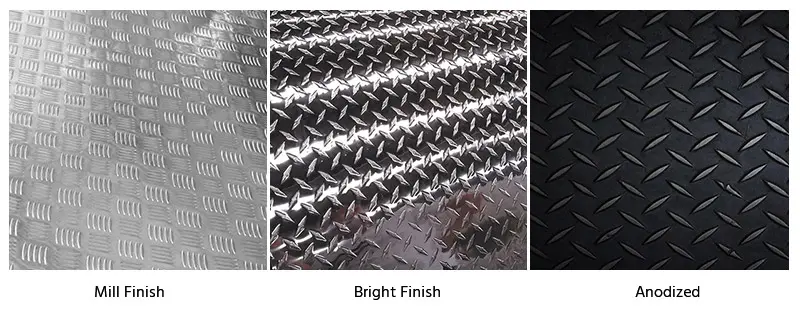
Mill Finish
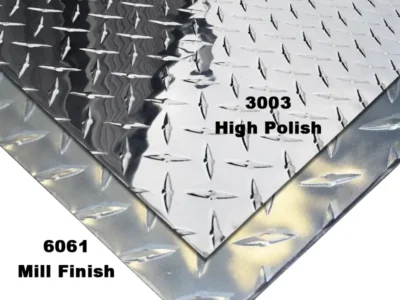
Mill finish is the raw surface from production. It has a natural silver-gray look. This is the most economical option. It suits industrial settings where appearance is not critical.
Bright Finish
Bright finish is polished to a reflective surface. It looks clean and professional. Bright tread plate is common on decorative walls, retail displays, and vehicle trim. The polishing also makes cleaning easier.
Anodized Finish
Anodizing creates a hard oxide layer on the surface. This increases corrosion resistance. You can choose colors like silver, black, bronze, gold, and blue. Anodized tread plate is popular for architectural projects. It resists scratches and UV fading.
Painted or Powder Coated
Painting adds color and extra protection. Powder coating is thicker and more durable than liquid paint. You can match any RAL color. Painted tread plate is used for branded structures, safety zones, and outdoor installations.
Stucco Embossed
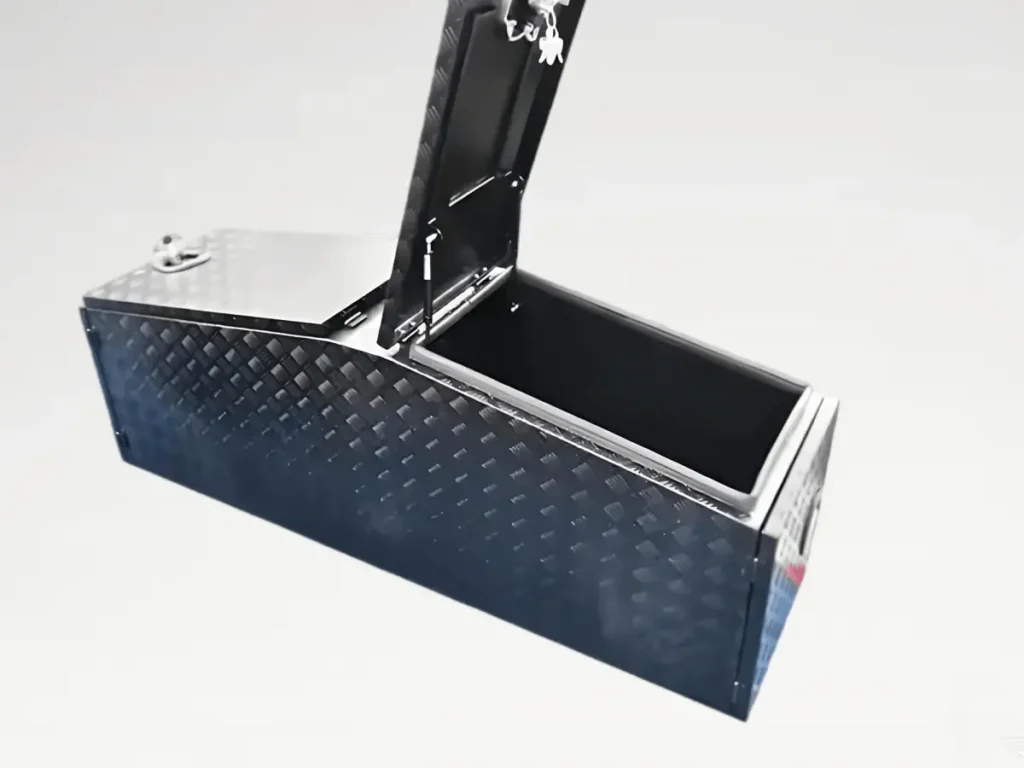
Stucco finish has a rough, textured surface. It hides scratches and dents. Stucco tread plate is common on toolboxes, vehicle bodies, and work surfaces. The texture also diffuses light.
Alloy Comparison: Which One Fits Your Project?
Choosing the right alloy saves money and ensures long life. Here is a side-by-side look at the main options.
Strength Comparison
| Alloy | Tensile Strength (MPa) | Yield Strength (MPa) | Brinell Hardness |
|---|---|---|---|
| 1060 | 70–100 | 30–50 | 20–30 |
| 3003 | 140–195 | 115–150 | 40–50 |
| 5052 | 230–260 | 195 | 65–80 |
| 5754 | 220–270 | 130–200 | 60–80 |
| 6061-T6 | 290–310 | 240–276 | 95–105 |
6061-T6 is the strongest. 1060 is the softest. For most flooring jobs, 3003 or 5052 provides enough strength.
Corrosion Resistance Comparison
| Alloy | Fresh Water | Salt Water | Chemical Exposure |
|---|---|---|---|
| 1060 | Good | Fair | Fair |
| 3003 | Very Good | Moderate | Good |
| 5052 | Excellent | Excellent | Very Good |
| 5754 | Excellent | Excellent | Very Good |
| 6061 | Good | Moderate | Good |
5052 and 5754 win in marine and coastal settings. 3003 is fine for indoor and normal outdoor use. 6061 needs coating for prolonged saltwater exposure.
Formability Comparison
| Alloy | Bending | Deep Drawing | Welding | Machining |
|---|---|---|---|---|
| 1060 | Excellent | Excellent | Good | Poor |
| 3003 | Excellent | Very Good | Very Good | Fair |
| 5052 | Very Good | Good | Excellent | Good |
| 5754 | Very Good | Good | Excellent | Good |
| 6061-T6 | Moderate | Poor | Good | Excellent |
If you need to bend or shape the plate, choose 3003 or 1060. For welded tanks, 5052 is ideal. For machined parts, 6061-T6 is best.
Cost Comparison
| Alloy | Relative Cost | Best Value For |
|---|---|---|
| 1060 | Lowest | Decorative, light-duty |
| 3003 | Low | General flooring, budget projects |
| 5052 | Medium | Marine, long-term outdoor |
| 5754 | Medium-High | European spec projects, welded structures |
| 6061-T6 | Highest | Structural, high-load, precision |
3003 gives the best balance of cost and performance for most buyers. 5052 costs more but pays back through longer life in harsh settings.
Applications of Aluminum Tread Plate
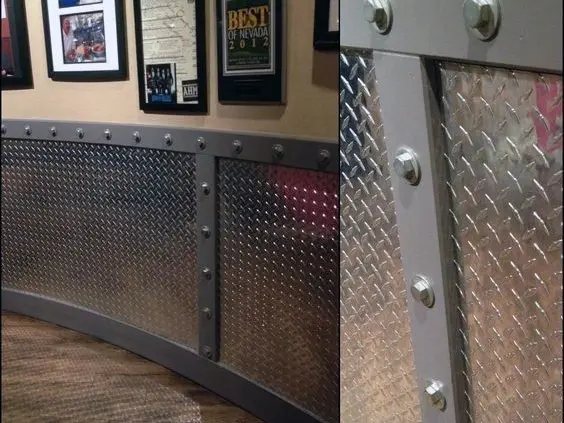
Aluminum tread plate serves many roles. Its mix of safety, durability, and looks makes it a multi-purpose material.
Industrial Flooring and Walkways
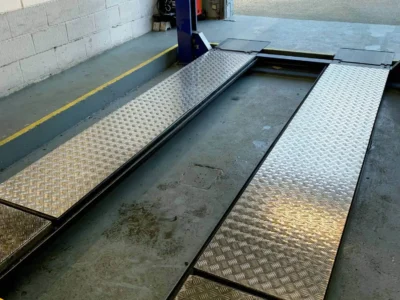
Factories and warehouses use tread plate for worker safety. The raised pattern prevents slips on oily or wet floors. It is lighter than steel, so it adds less load to building structures. Maintenance crews can lift and replace sections without heavy equipment.
Transportation and Vehicle Decks
Truck beds benefit from aluminum tread plate. The surface stops cargo from sliding. The light weight improves fuel efficiency. Trailer manufacturers use it for floors, ramps, and side panels. Bus and train steps also use tread plate for passenger safety.
Marine Decks and Docks
Boats and ships need decks that resist saltwater. 5052 and 5754 tread plate handle this job. They do not rust like steel. Crews can hose down the decks without worry. Docks and gangways also use marine-grade tread plate for long service life.
Stair Treads and Platforms
Stairs in public buildings, factories, and stadiums need anti-slip surfaces. Aluminum tread plate is a top choice. It does not rot like wood. It does not corrode like steel in wet conditions. Platform edges and mezzanine floors also use it.
Architectural Decoration
Modern buildings often use aluminum tread plate as a design element. Anodized or painted finishes create bold visual effects. Wall panels, ceiling tiles, and column wraps use diamond or five-bar patterns. Retail stores and restaurants like the industrial look.
Kitchen and Food Service
Commercial kitchens use tread plate for backsplashes and work surfaces. The alloy resists food acids and moisture. The raised pattern hides scratches from daily use. It is easy to wipe clean. 3003 alloy is common in this sector.
Toolboxes and Storage
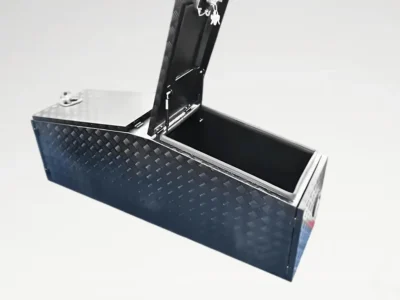
Mechanics and tradespeople use aluminum tread plate for toolboxes. The material is tough but light. The pattern resists dents and scratches. Truck-mounted toolboxes, trailer storage, and workshop cabinets all use it.
Solar and Energy Equipment
Solar panel mounting frames sometimes use tread plate. The five-bar pattern provides grip for installers. The corrosion resistance suits outdoor installations. Wind turbine platforms also use aluminum tread plate for safe access.
Vehicle Running Boards and Bumpers
SUVs and trucks use tread plate for side steps. The pattern gives footing in mud or snow. Custom bumpers and rock sliders use 5052 or 6061 tread plate for strength. Off-road vehicles benefit from the light weight.
Elevator and Escalator Floors
Elevator cars need durable, light flooring. Aluminum tread plate fits well. It reduces the load on cables and motors. Escalator steps also use it for grip and long wear life.
What Is Aluminum Tread Plate?
Aluminum tread plate is made from aluminum alloy sheets. The surface has embossed patterns. These patterns increase friction and prevent slipping. The most common patterns are diamond and five-bar. Some plates have lentil or willow patterns.
The material is about one-third the weight of steel. It does not need painting to resist corrosion. You can cut it, drill it, and weld it with standard tools. The raised pattern also adds rigidity. A tread plate is about 20% stiffer than a flat sheet of the same thickness.
How to Choose the Right Tread Plate
Selecting the correct tread plate involves several factors. Here is a simple decision guide.
Step One: Define the Environment
Will the plate face saltwater? Choose 5052 or 5754. Will it stay indoors? 3003 is enough. Does it need to bear heavy loads? Consider 6061-T6 or thicker 5052.
Step Two: Pick the Pattern
For maximum slip resistance, use diamond pattern. For easy cleaning, choose five-bar. For decorative jobs, lentil or willow patterns work better. For branding, ask about custom embossing.
Step Three: Set the Thickness
Light-duty covers need 1.0–1.5 mm. Standard flooring uses 2.0–3.0 mm. Heavy industrial platforms need 4.0–6.0 mm. Structural decks may need 8.0 mm or more.
Step Four: Choose the Finish
For industrial use, mill finish saves money. For retail or architecture, anodized or painted finishes look better. For marine use, mill or bright finish is standard.
Step Five: Check Certifications
Make sure the supplier meets ASTM, EN, or GB standards. Ask for mill test certificates. For marine jobs, check for DNV or ABS approvals if needed.
Manufacturing Quality Checks
Good suppliers test their tread plate before shipping. Here are common checks.
| Test | Purpose | Standard Method |
|---|---|---|
| Thickness measurement | Ensure uniform gauge | Caliper or ultrasonic gauge |
| Pattern height check | Verify anti-slip performance | Profile gauge or depth micrometer |
| Tensile test | Confirm mechanical strength | ASTM B209 or EN 485 |
| Chemical analysis | Verify alloy composition | Spectrometry |
| Salt spray test | Check corrosion resistance | ASTM B117 |
| Flatness check | Ensure easy installation | Straight edge or laser |
| Surface inspection | Detect scratches or defects | Visual or camera systems |
Installation Tips
Proper installation extends the life of aluminum tread plate.
Cutting
Use a carbide-tipped saw blade for clean cuts. Shearing works for thinner sheets. Water jet cutting gives the best edge quality for thick plates. Avoid overheating, which can warp the metal.
Drilling
Use sharp drill bits designed for aluminum. Apply cutting fluid to prevent chip buildup. Drill at moderate speed to avoid grabbing.
Welding
5052 and 3003 weld easily with MIG or TIG. Use ER5356 filler wire for 5052. Use ER1100 or ER4043 for 3003. 6061 needs more care. Preheat thick sections. Use ER4043 or ER5356 filler. Allow for post-weld aging if strength is critical.
Fastening
Use aluminum or stainless steel fasteners. Galvanized steel can cause galvanic corrosion. Isolate dissimilar metals with rubber or plastic washers.
Cleaning
Wash with mild soap and water. Avoid harsh acids or alkalis. For anodized finishes, use pH-neutral cleaners. Rinse and dry to prevent water spots.
Frequently Asked Questions
What is the difference between aluminum tread plate and diamond plate?
These terms often mean the same thing. Tread plate is the general name for embossed aluminum sheets. Diamond plate refers to the specific diamond pattern. Some regions use the terms interchangeably.
Can aluminum tread plate be used outdoors?
Yes. Most alloys resist outdoor weather. 5052 and 5754 are best for coastal areas. 3003 works well for normal outdoor use. Anodizing or painting adds extra protection.
How do I clean aluminum tread plate?
Use soap and water for regular cleaning. A soft brush helps remove dirt from the pattern grooves. Avoid steel wool, which can scratch the surface. For tough stains, use a mild aluminum cleaner.
Is aluminum tread plate stronger than steel?
Pound for pound, aluminum alloys can match or exceed steel in strength-to-weight ratio. However, steel is denser. A steel plate of the same thickness is heavier and often stronger in absolute terms. Aluminum wins when weight matters.
Can I bend aluminum tread plate?
Yes. 3003 and 1060 bend easily. 5052 bends well in thinner gauges. 6061-T6 is harder to bend. You may need to anneal 6061 before forming tight bends.
What thickness should I choose for a truck bed?
Most truck beds use 2.5 mm to 4.0 mm tread plate. Light trucks can use 2.5 mm. Heavy-duty trucks and trailers should use 3.0 mm to 4.0 mm. Consider the cargo weight and frequency of loading.
Does aluminum tread plate rust?
Aluminum does not rust like iron or steel. It forms a natural oxide layer that protects the surface. In harsh environments, pitting can occur over time. Proper alloy choice and surface treatment prevent this.
Can tread plate be anodized in colors?
Yes. Anodizing works on 5000 and 6000 series alloys. You can get black, bronze, gold, blue, red, and other colors. 3003 anodizes to a less uniform color. For consistent color, 5052 or 6061 is better.
What is the standard size of aluminum tread plate?
Common sizes include 4 ft × 8 ft (1219 mm × 2438 mm) and 5 ft × 10 ft (1524 mm × 3048 mm). Metric sizes like 1000 mm × 2000 mm and 1250 mm × 2500 mm are also standard. Custom sizes are widely available.
How much does aluminum tread plate weigh?
Weight depends on thickness and alloy. A 3 mm thick 3003 tread plate weighs about 8.2 kg per square meter. Use the density and thickness to calculate exact weight for your order.
Is there a difference between one-bar and five-bar tread plate?
Yes. One-bar (or diamond) pattern has the highest slip resistance. Five-bar pattern has slightly lower grip but is easier to clean. Five-bar also looks more modern. Choose based on safety needs and maintenance preferences.
Can I order aluminum tread plate in coils?
Yes. Many suppliers offer coil form. Coils are useful for continuous production lines, roll forming, and large-scale projects. Standard coil widths range from 600 mm to 1500 mm.
Aluminum tread plate Slip safety
Aluminum tread plate is a practical choice for many projects. It combines light weight, rust resistance, and slip safety in one material. With options from soft 1060 to strong 6061-T6, there is a grade for every need. Patterns range from rugged diamond to elegant lentil. Thicknesses cover everything from thin wall panels to heavy industrial floors.
When you choose aluminum tread plate, think about the environment, load, look, and budget. Match the alloy to the job. Match the pattern to the use. Match the finish to the setting. With the right selection, aluminum tread plate will serve you for decades with little maintenance.