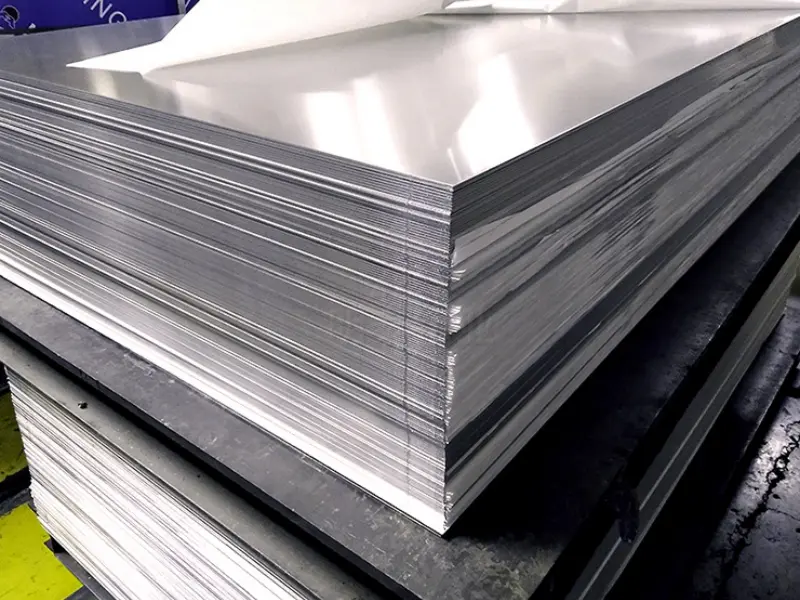
Looking for aluminum plate for sale for a construction project, machine part, marine application, or industrial job? Aluminum plate is available in many alloys, tempers, thicknesses, widths, lengths, and surface finishes.
The right plate depends on how the material will be used. A plate for a marine structure may need different properties from a plate for a machine base.
A decorative project may need a different surface from a heavy industrial part.
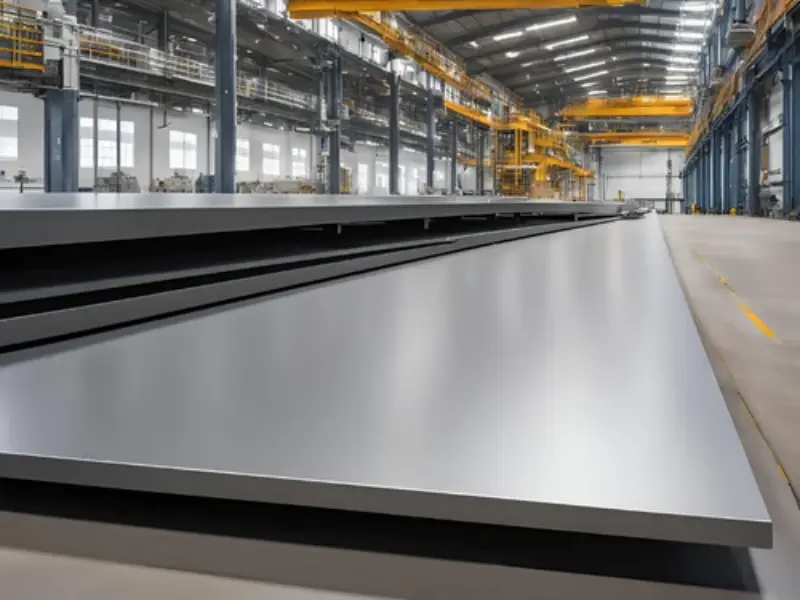
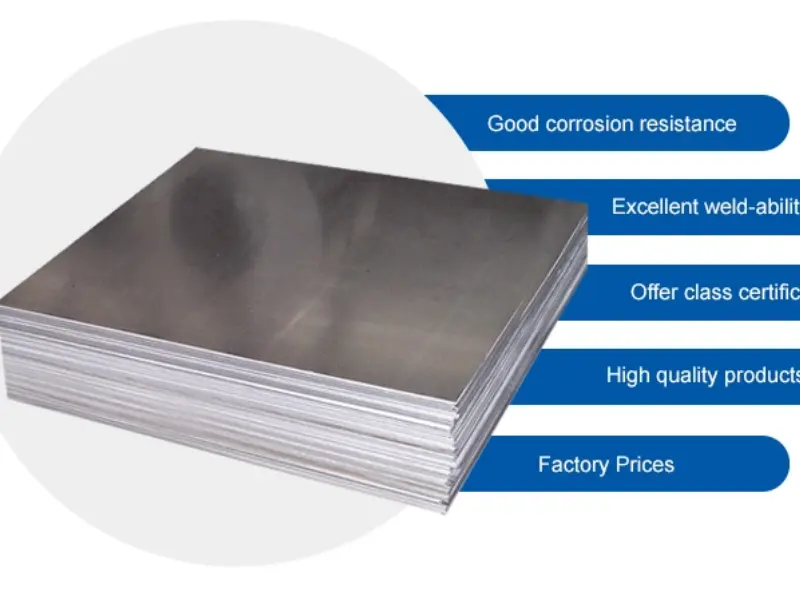
Common choices include 5052, 5083, 5754, and 6061 aluminum plate. Other alloys such as 1050, 1060, 1100, 3003, and 3004 can also be supplied for specific applications.
Thickness can range from a few millimeters to much thicker aluminum plate. Standard sizes and custom cut sizes are both available.
Aluminum Plate Options for Sale
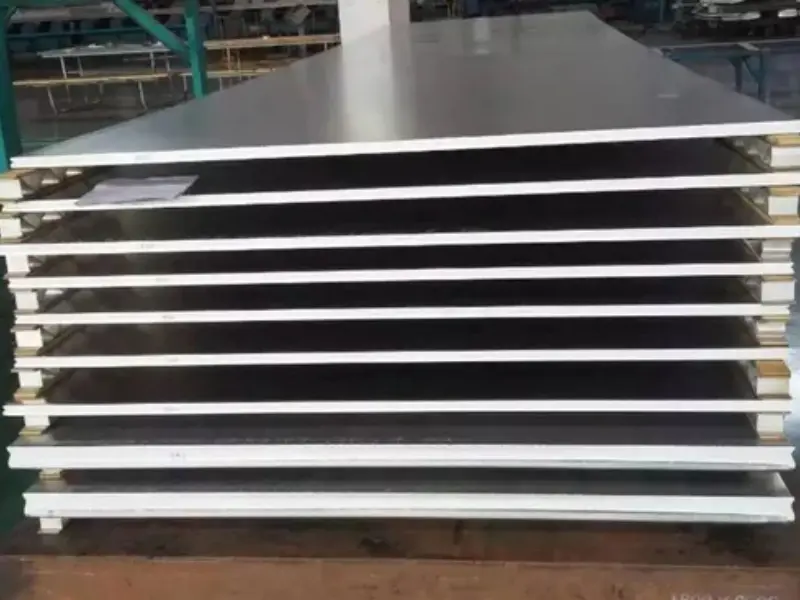
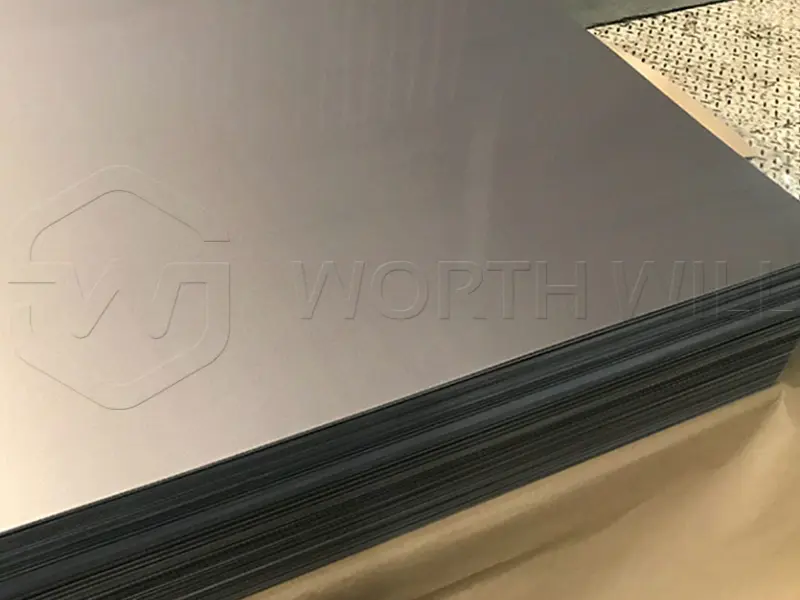
Aluminum plate is not one single product. Buyers can choose from many types based on alloy, thickness, temper, surface, and application.
| Product Type | Common Alloy | Typical Thickness | Main Use |
|---|---|---|---|
| Plain Aluminum Plate | 1050/1060/1100 | 1–20 mm | General fabrication |
| 3003 Aluminum Plate | 3003 | 1–20 mm | HVAC, tanks, equipment |
| 5052 Aluminum Plate | 5052 | 1–50 mm | Marine, transportation |
| 5083 Aluminum Plate | 5083 | 3–100 mm | Marine, heavy industry |
| 5754 Aluminum Plate | 5754 | 2–50 mm | Transportation, tanks |
| 6061 Aluminum Plate | 6061 | 3–100 mm | Machinery, structures |
| Checker Plate | 3003/5052/6061 | 1.5–8 mm | Floors, platforms |
| Anodized Plate | 5000/6000 Series | 0.8–6 mm | Decoration, architecture |
| Brushed Plate | 1050/3003/5052 | 0.5–6 mm | Interior, signage |
| Perforated Plate | 1050/3003/5052 | 0.5–6 mm | Screens, ventilation |
| Embossed Plate | 3003/5052 | 0.5–5 mm | Decoration, insulation |
Choose Aluminum Plate by Alloy
Alloy selection is one of the first things to consider when buying aluminum plate.
Different alloys provide different levels of strength, formability, corrosion resistance, weldability, and machinability.
1050 Aluminum Plate for Sale
1050 is a high-purity aluminum alloy.
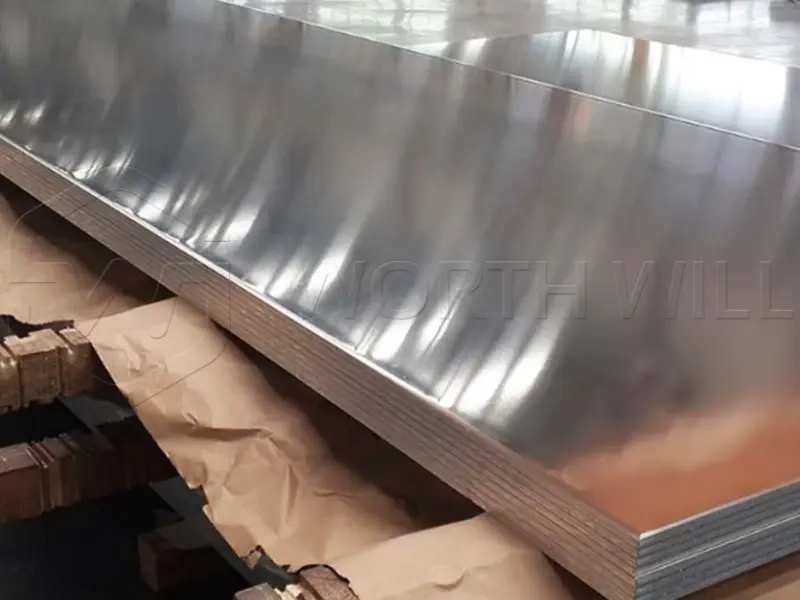
It has good corrosion resistance and excellent formability. It is often used when high conductivity and easy forming are important.
Common applications include:
General fabrication
Electrical components
Reflectors
Decoration
Heat-related products
1060 Aluminum Plate for Sale
1060 is another high-purity aluminum alloy.
It offers excellent formability and good electrical and thermal conductivity.
It is commonly used for general industrial products, electrical applications, reflectors, and formed components.
1100 Aluminum Plate for Sale
1100 offers good corrosion resistance and good formability.
It can be used for:
- Kitchen equipment
- Heat exchangers
- Tanks
- Decorative parts
- General fabrication
3003 Aluminum Plate for Sale
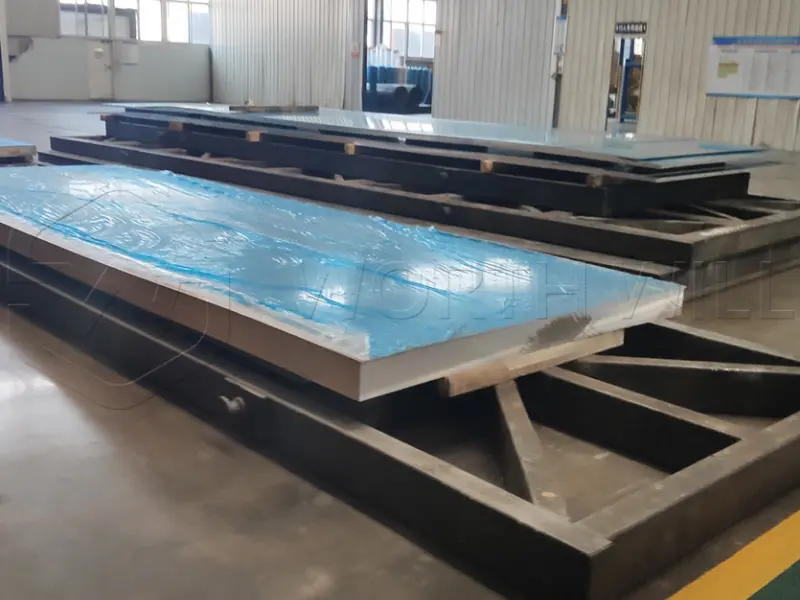
3003 contains manganese and offers more strength than many commercially pure aluminum grades.
It is widely used for:
Food processing equipment
HVAC equipment
Insulation
Chemical equipment
Storage tanks
Roofing
5052 Aluminum Plate for Sale
5052 is a popular aluminum-magnesium alloy.
It has good corrosion resistance and good strength.
It is often selected for:
- Marine components
- Truck bodies
- Fuel tanks
- Enclosures
- Transportation equipment
- General industrial parts
5083 Aluminum Plate for Sale
5083 is designed for applications where higher strength and excellent corrosion resistance are needed.
It is widely used in marine and heavy-duty applications.
Typical uses include:
- Shipbuilding
- Marine structures
- Pressure-related equipment
- Transportation
- Industrial tanks
- Heavy fabrication
5754 Aluminum Plate for Sale
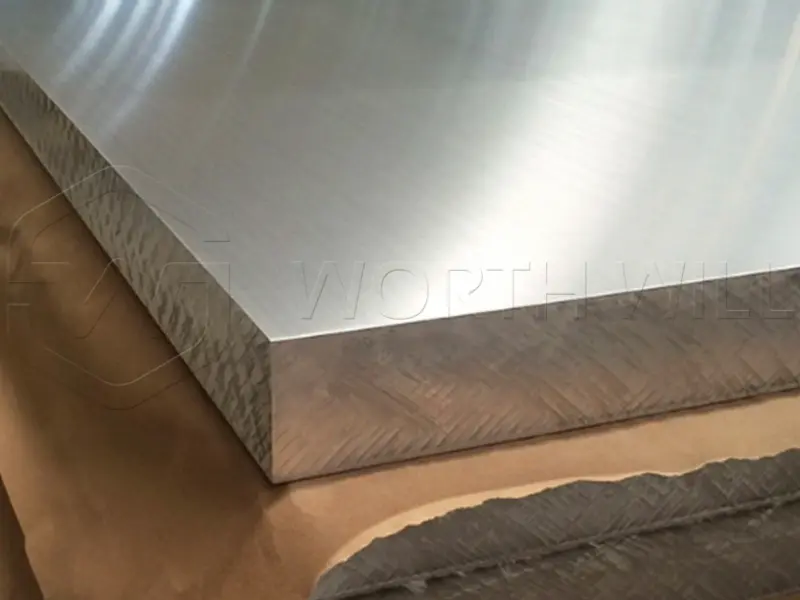
5754 Aluminum Plate for Sale is a 5000 series aluminum alloy with good corrosion resistance and forming performance.
It is used in transportation, tanks, flooring, and industrial fabrication.
6061 Aluminum Plate for Sale
6061 Aluminum Plate for Sale is a heat-treatable aluminum alloy.
It offers a useful combination of strength, machinability, and corrosion resistance.
Common applications include:
- Machine parts
- Structural components
- Frames
- Tooling
- Equipment
- Automotive parts
Aluminum Plate Temper Options
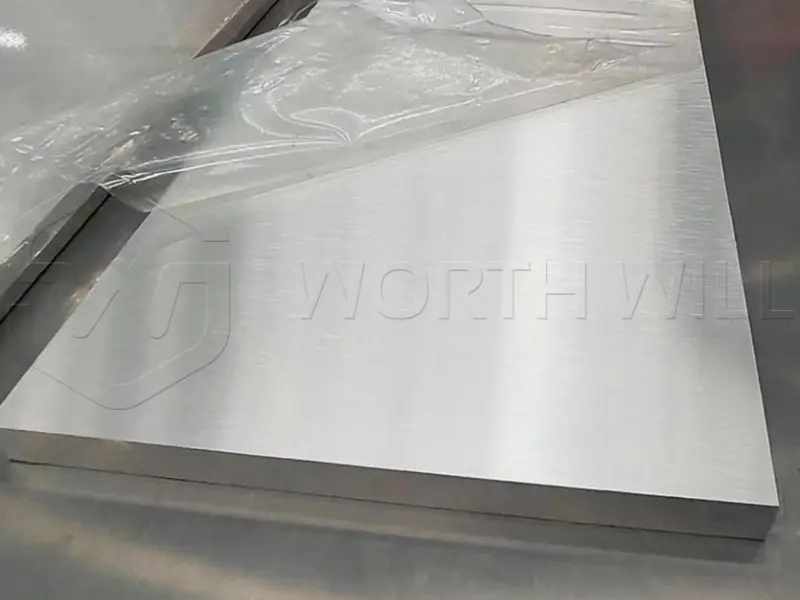
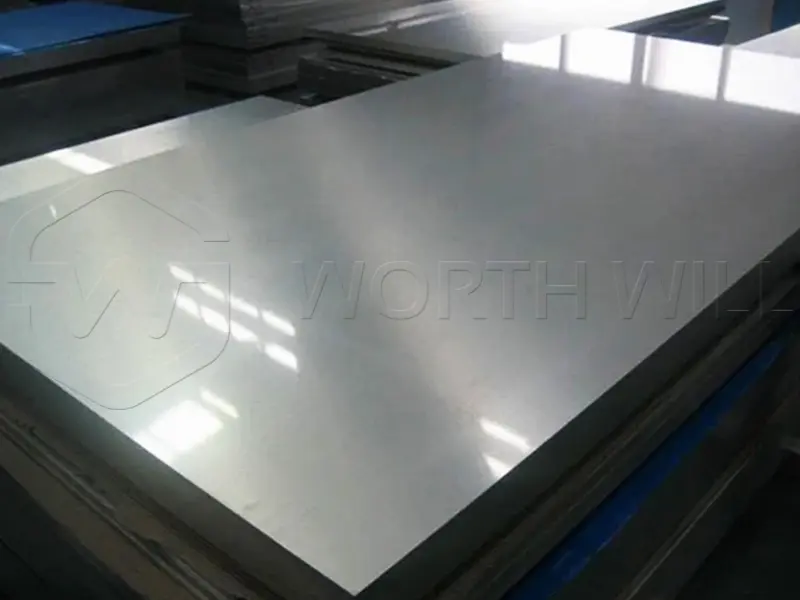
The temper shows the condition of the aluminum.
It affects hardness, strength, and forming performance.
| Temper | General Characteristic | Common Use |
|---|---|---|
| O | Soft, highly formable | Deep forming |
| H12 | Partially hardened | General fabrication |
| H14 | Medium hardness | Panels, fabrication |
| H16 | Higher hardness | Industrial products |
| H18 | Hard condition | Flat products |
| H22 | Strain hardened and partially annealed | General use |
| H24 | Medium condition | Construction, fabrication |
| H32 | Stabilized 5000 series | Marine, industrial |
| H34 | Higher hardness 5000 series | Transportation |
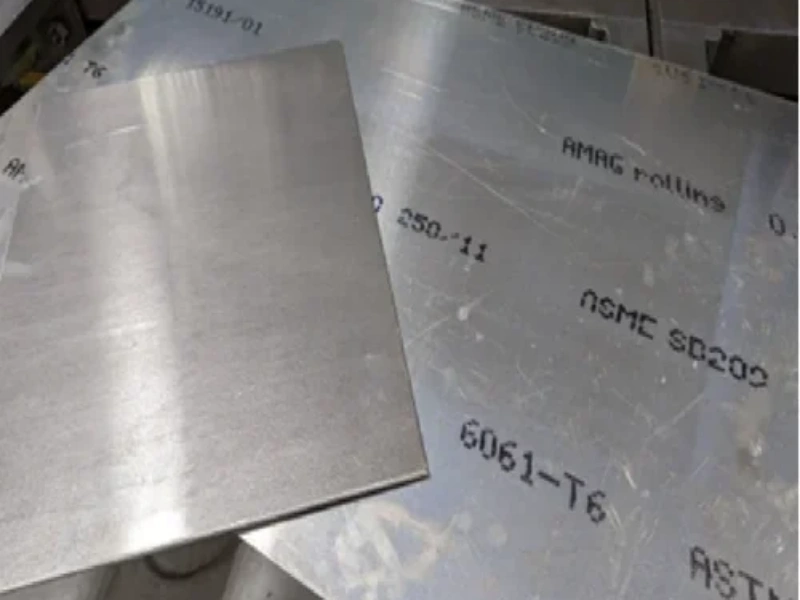
| T6 | Heat treated | Structural and machine parts |
| T651 | Stress relieved T6 | Machined plate |
The exact temper available depends on the aluminum alloy.
Aluminum Plate by Thickness
Thickness is closely related to strength, weight, bending, cutting, and fabrication cost.
Thin Aluminum Plate
Thin plate is often used for panels, equipment covers, signage, and fabrication.
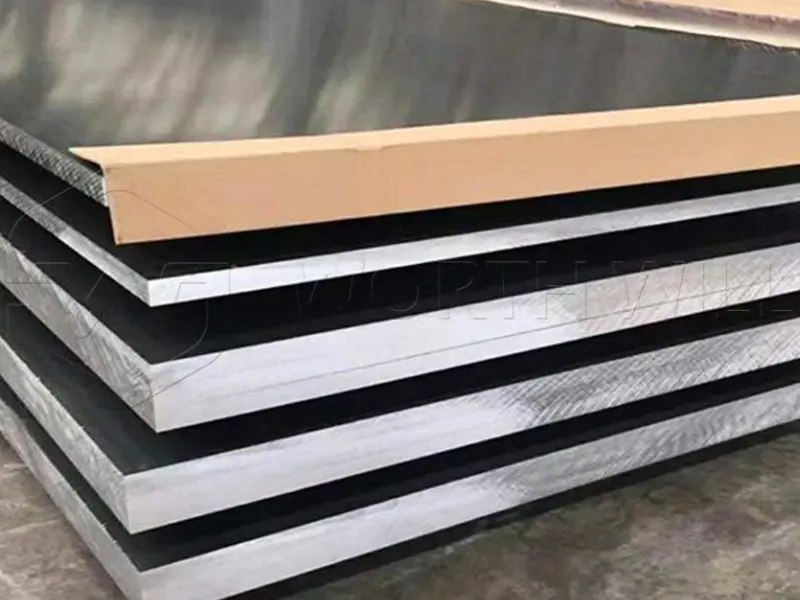
Common options include:
1 mm → 1.5 mm → 2 mm → 2.5 mm → 3 mm
These sizes are useful when low weight is important.
Medium Thickness Plate
Medium aluminum plate is widely used in construction and industrial applications.
Common choices include:
4 mm → 5 mm → 6 mm → 8 mm → 10 mm → 12 mm
These thicknesses offer a good balance between weight and rigidity.
Heavy Aluminum Plate
Heavy plate is used for structural and industrial applications.
Typical thicknesses include:
15 mm → 20 mm → 25 mm → 30 mm → 40 mm → 50 mm
Thicker sizes can also be supplied for special projects.
Popular Aluminum Plate Sizes for Sale
Standard sizes make purchasing easier.
| Size | Common Application |
|---|---|
| 1000 × 2000 mm | General fabrication |
| 1220 × 2440 mm | Construction, signage |
| 1250 × 2500 mm | Industrial fabrication |
| 1500 × 3000 mm | Large panels |
| 1500 × 4000 mm | Industrial projects |
| 2000 × 4000 mm | Heavy fabrication |
| Custom size | Special projects |
Custom width and length can be discussed for larger orders.
Aluminum Plate Surface Options
The surface can be selected according to the final application.
Mill Finish Aluminum Plate
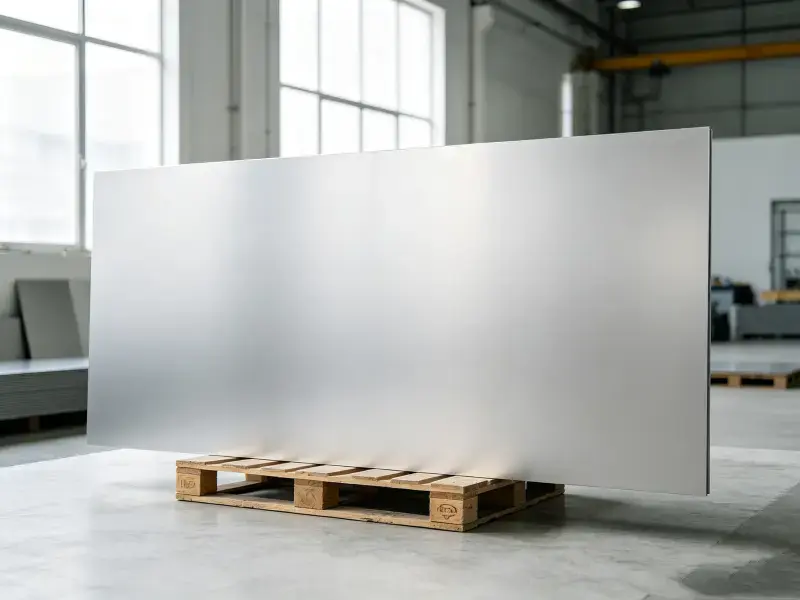
Mill finish is the standard surface for many industrial products.
It is practical and suitable for cutting, welding, machining, bending, and fabrication.
Anodized Aluminum Plate
Anodizing creates a controlled oxide layer.
It can improve surface appearance and provide additional protection.
Typical uses include:
- Architecture
- Interior decoration
- Signage
- Doors
- Panels
- Displays
Brushed Aluminum Plate
A brushed surface has a directional texture.
It is popular for decorative products and modern interiors.
Polished Aluminum Plate
Polished aluminum has a bright surface.
It can be used for reflectors, decoration, displays, and selected architectural products.
Checker Aluminum Plate
Checker plate has a raised pattern.
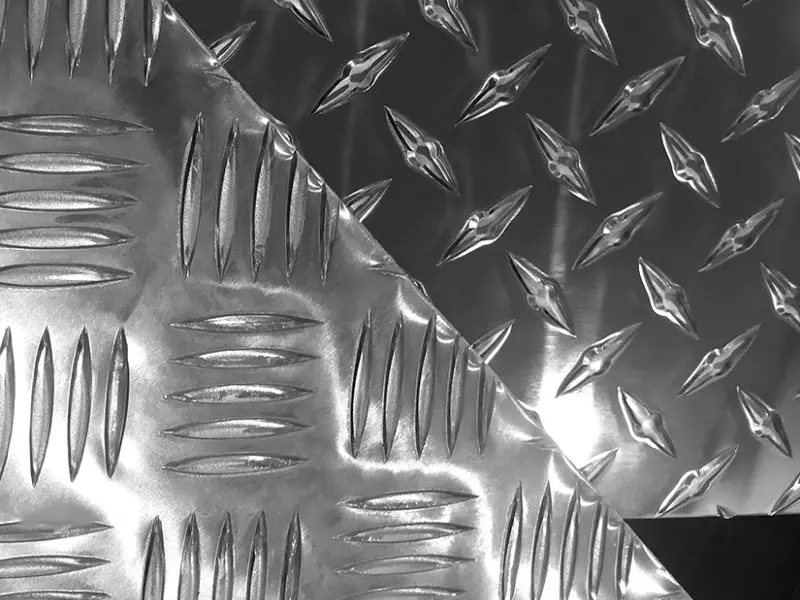
The pattern can provide additional slip resistance.
Common patterns include:
Diamond
1 bar
2 bar
3 bar
5 bar
Stucco Embossed Aluminum Plate
Stucco embossing creates a textured surface.
It is often used for insulation jacketing, refrigeration equipment, walls, and decorative applications.
Perforated Aluminum Plate
Perforated plate contains regularly spaced holes.
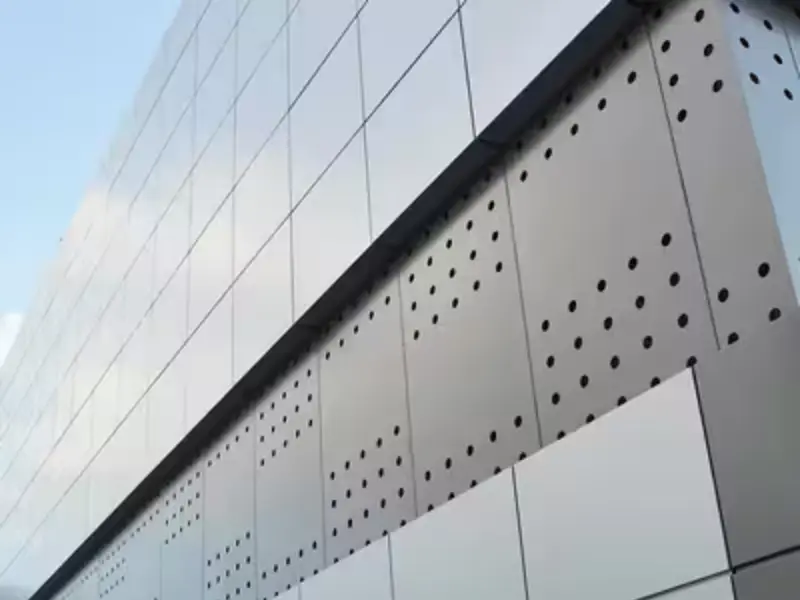
Hole size and pattern can be customized.
It is used for:
Acoustic applications
Ventilation
Screens
Sunshades
Decorative panels
Machine guards
Aluminum Plate for Construction
Construction is one of the largest application areas.
Aluminum is light and corrosion resistant.
It can be fabricated into different shapes and sizes.
Common Construction Uses
- Wall panels
- Roof components
- Facade systems
- Curtain wall components
- Ceiling panels
- Decorative panels
- Building screens
- Doors and frames
- Exterior cladding
For exterior use, alloy and surface treatment should be selected according to the environment.
Aluminum Plate for Marine Applications
Marine projects require good corrosion resistance.
5052 and 5083 are common choices.
5083 is often used where higher strength is needed.
Marine Products
- Boat components
- Ship structures
- Deck parts
- Marine tanks
- Brackets
- Bulkheads
- Structural panels
The final alloy and temper should be selected according to the design and applicable marine requirements.
Aluminum Plate for Transportation
Aluminum can reduce weight compared with many steel products.
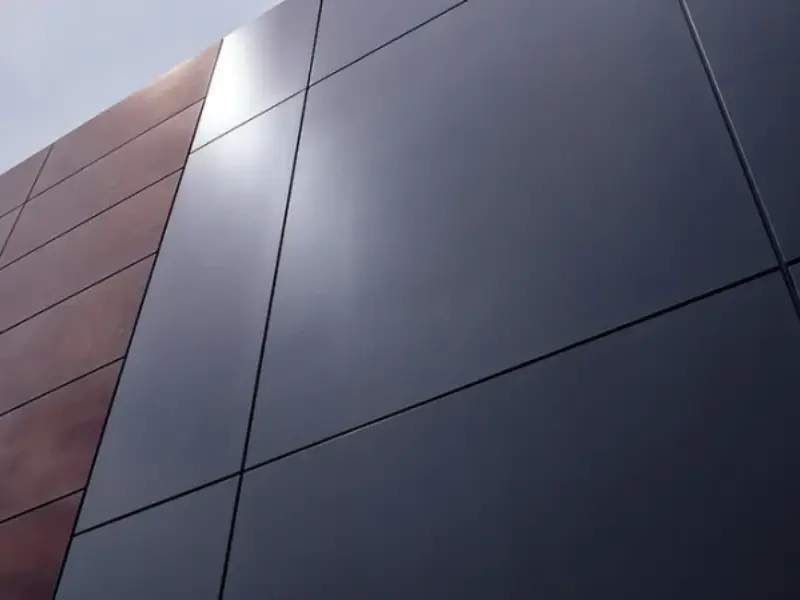
This makes it useful in transportation equipment.
Applications
- Truck bodies
- Trailers
- Vehicle panels
- Bus components
- Railway components
- Automotive parts
- Transport containers
5052, 5754, 5083, and 6061 can be considered for different applications.
Aluminum Plate for Machinery
Industrial machines often require flat and stable metal plate.
6061 is commonly selected when machining and higher strength are important.
Typical products include:
- Machine bases
- Brackets
- Frames
- Tooling plates
- Covers
- Equipment components
- Fixtures
For precision machining, thickness tolerance and flatness are important.
Aluminum Plate for Signage
Aluminum is widely used for signs.
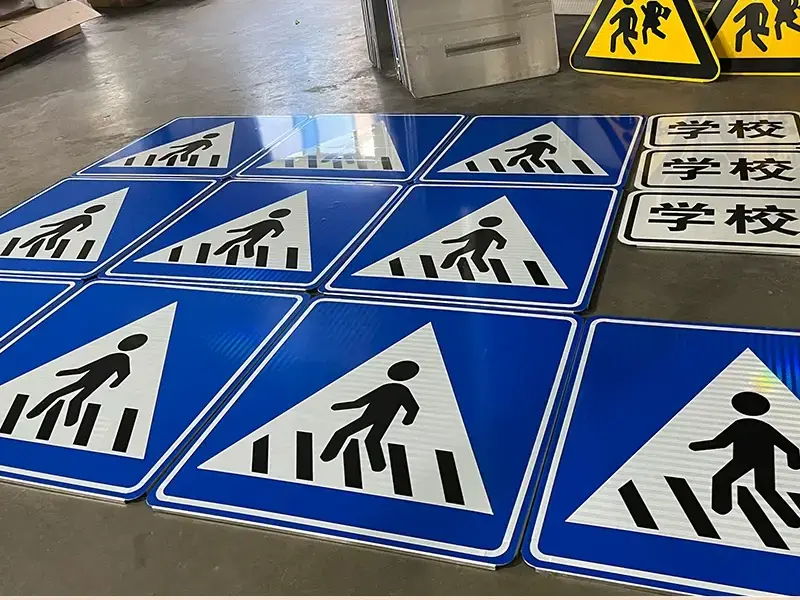
It is lightweight and easy to cut.
Common Signage Plate Options
0.5–1.0 mm → Lightweight signs
1.0–2.0 mm → General signs
2.0–3.0 mm → Stronger outdoor signs
Plain, painted, anodized, brushed, and reflective surfaces can be supplied depending on the sign design.
Aluminum Plate for HVAC and Insulation
3003 aluminum is often used in HVAC-related products.
It has good formability and corrosion resistance.
Applications include:
- Duct components
- Insulation jacketing
- HVAC panels
- Refrigeration equipment
- Pipe insulation
- Thermal insulation systems
Stucco embossed aluminum is especially common for insulation jacketing.
Aluminum Plate for Industrial Tanks
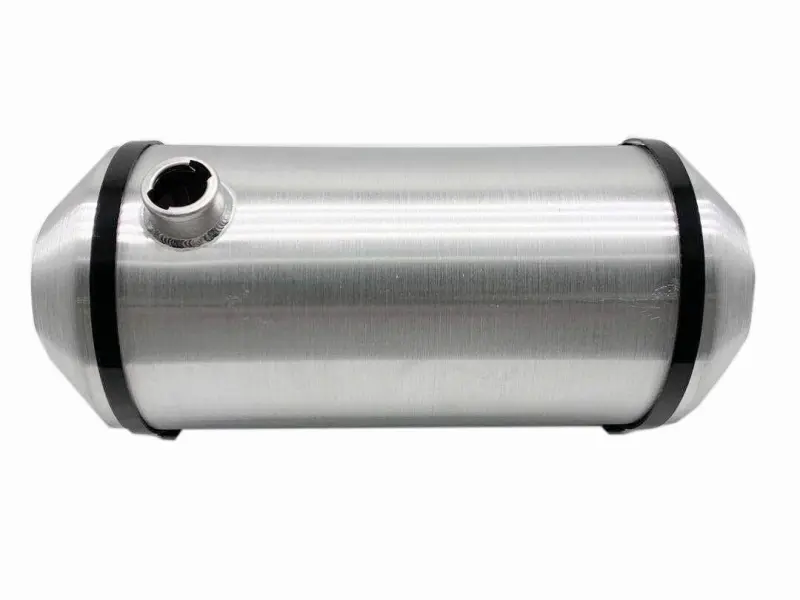
Aluminum plate can be used for tanks and containers when the selected alloy is compatible with the material being stored.
3003, 5052, 5083, and 5754 are common alloy families for different equipment requirements.
The chemical environment, temperature, pressure, welding method, and required strength should be reviewed before selecting the material.
Aluminum Plate for Sale by Application
| Application | Common Alloy | Typical Form |
|---|---|---|
| Signage | 1050/3003/5052 | Plain, painted |
| HVAC | 3003 | Plain, embossed |
| Marine | 5052/5083 | Plain |
| Machinery | 6061 | Plate |
| Transportation | 5052/5754/5083 | Plain |
| Construction | 3003/5052 | Plain, coated |
| Decoration | 1050/3003 | Brushed, polished |
| Flooring | 5052/6061 | Checker |
| Insulation | 3003/3105 | Stucco |
| Industrial tanks | 5052/5083 | Plain |
5052 vs 5083 Aluminum Plate
Both are popular 5000 series alloys.
The main difference is their balance of strength and forming characteristics.
| Feature | 5052 | 5083 |
|---|---|---|
| Strength | High | Higher |
| Corrosion resistance | Excellent | Excellent |
| Formability | Good | Good |
| Marine use | Yes | Yes |
| Heavy structures | Suitable | Very suitable |
| Machining | Moderate | Moderate |
5052 can be useful for general marine and industrial fabrication.
5083 is often considered for more demanding marine and structural applications.
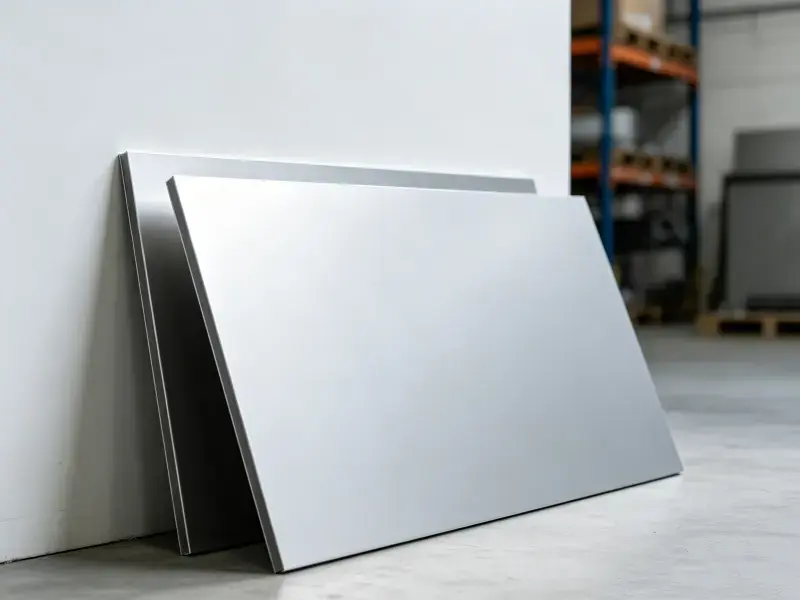
5052 vs 6061 Aluminum Plate
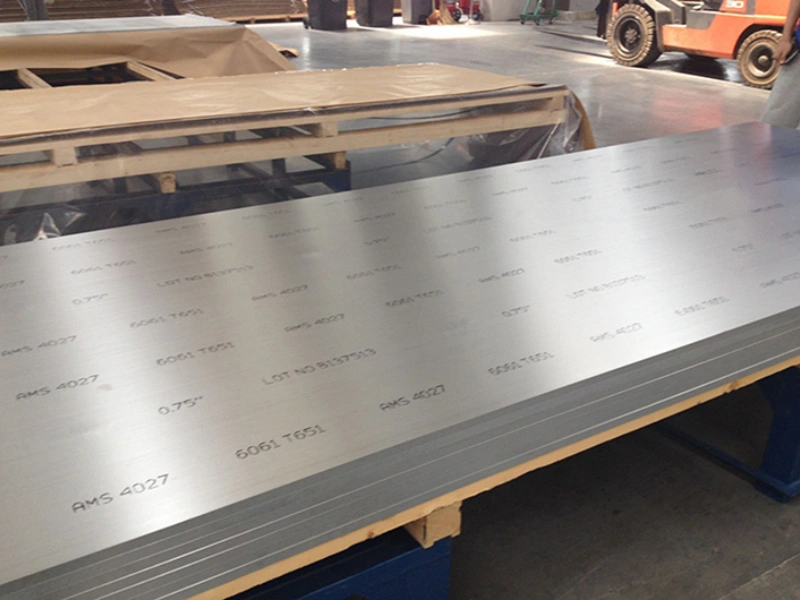
These two alloys are frequently compared.
| Feature | 5052 | 6061 |
|---|---|---|
| Series | 5000 | 6000 |
| Main alloying element | Magnesium | Magnesium + silicon |
| Heat treatable | No | Yes |
| Corrosion resistance | Excellent | Good |
| Weldability | Good | Good |
| Machinability | Moderate | Very good |
| Marine use | Strong choice | Suitable for selected uses |
| Structural machining | Good | Strong choice |
Choose based on the actual fabrication process rather than strength alone.
5083 vs 6061 Aluminum Plate
5083 is a 5000 series alloy.
6061 is a heat-treatable 6000 series alloy.
5083 is widely associated with marine fabrication.
6061 is often selected for machined components and structural parts.
Marine structure → 5083
Machined component → 6061
Welded marine part → 5083
Precision machine component → 6061
These are general selection directions. Engineering requirements should always be checked for the final product.
3mm vs 5mm Aluminum Plate
Thickness changes the weight and rigidity of the plate.
| Feature | 3 mm | 5 mm |
|---|---|---|
| Weight | Lower | Higher |
| Rigidity | Moderate | Higher |
| Cutting | Easier | Requires more force |
| Bending | Easier | More difficult |
| Typical use | Panels, covers | Equipment, structures |
3 mm is useful where weight matters.
5 mm is better when additional rigidity is needed.
6mm vs 10mm Aluminum Plate
6 mm plate is often used for medium-duty fabrication.
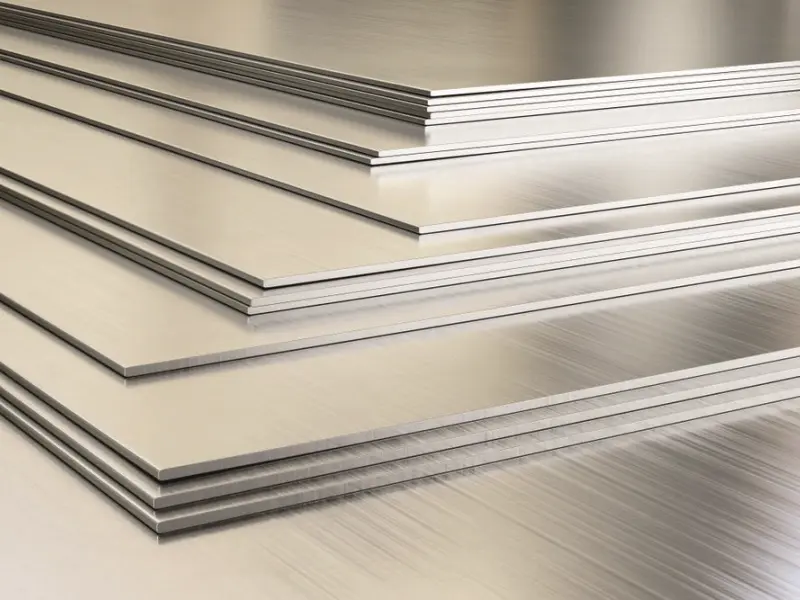
10 mm plate provides more thickness and rigidity.
Lower weight → 6 mm
Higher rigidity → 10 mm
The final choice should also consider alloy and temper.
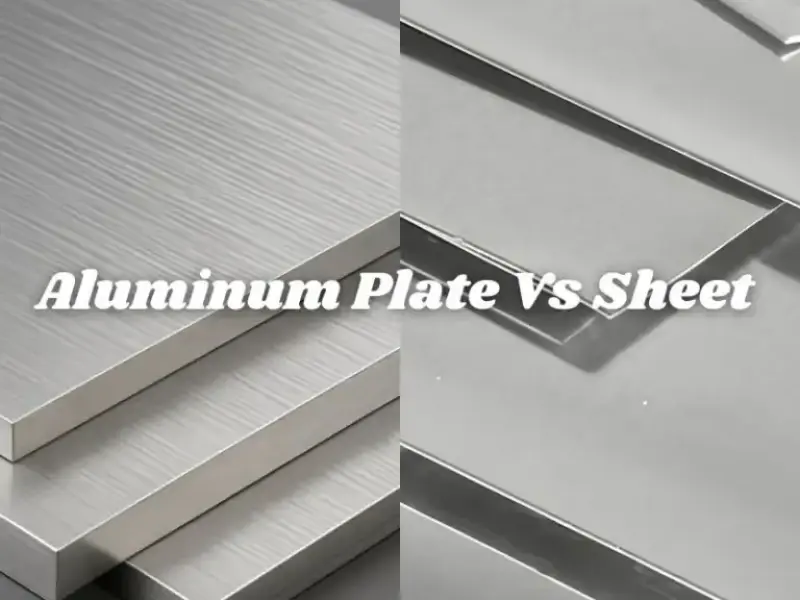
Aluminum Plate vs Aluminum Sheet
The terms “sheet” and “plate” can vary by market and standard.
Generally, sheet refers to thinner material while plate refers to thicker material.
However, the exact dividing line depends on the applicable standard.
For purchasing, it is better to provide the exact thickness instead of relying only on the words “sheet” or “plate.”
Aluminum Plate vs Steel Plate
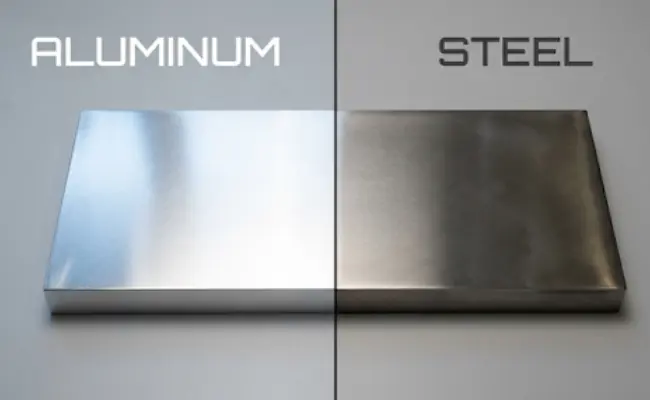
Aluminum is much lighter than steel.
Steel usually provides higher strength and stiffness at a similar thickness.
| Feature | Aluminum | Steel |
|---|---|---|
| Weight | Low | High |
| Corrosion resistance | Good to excellent | Depends on grade/coating |
| Machining | Good | Good |
| Welding | Alloy dependent | Generally good |
| Surface treatment | Many options | Many options |
| Weight saving | Strong advantage | Lower |
Aluminum can be attractive when reducing weight is an important part of the project.
How to Choose Aluminum Plate for Sale
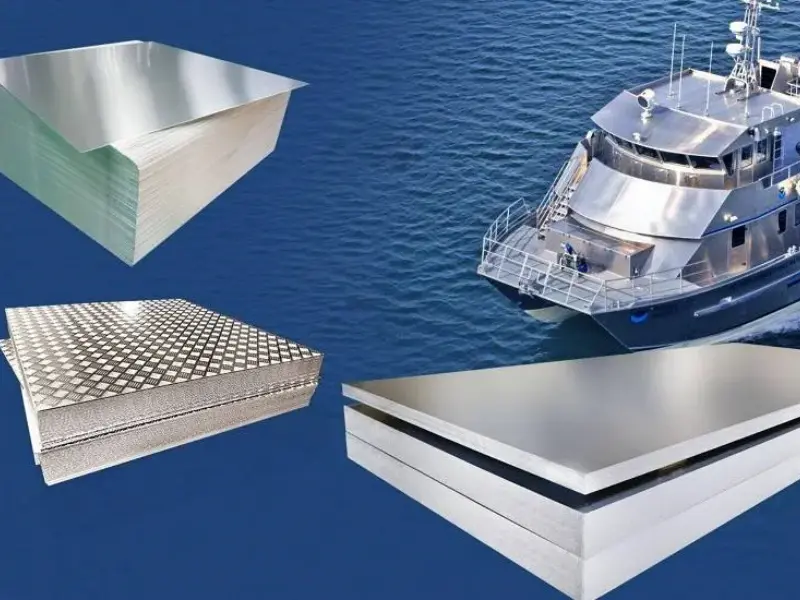
A simple selection path can make purchasing easier.
Application
↓
Required strength
↓
Alloy
↓
Temper
↓
Thickness
↓
Width and length
↓
Surface
↓
Tolerance
↓
Quantity
↓
Packaging and delivery
This gives the supplier enough information to provide a more accurate quotation.
What Should You Check Before Buying?
Price is important, but it should not be the only factor.
A low price may not be useful if the alloy, temper, thickness, or tolerance is wrong.
Material Checklist
- Alloy
- Temper
- Thickness
- Width
- Length
- Surface
- Flatness
- Tolerance
- Quantity
- Standard
- Mill certificate
- Packaging
- Delivery time
Custom Aluminum Plate for Sale
Custom aluminum plate can be produced for special projects.
The buyer can specify the required dimensions and material.
Custom Options
- Custom alloy
- Custom temper
- Custom thickness
- Custom width
- Custom length
- Cut-to-size plate
- CNC cutting
- Holes
- Slots
- Protective film
- Brushed surface
- Anodized surface
- Painted surface
- Embossed surface
For complex products, drawings are useful.
Cut-to-Size Aluminum Plate
Not every project needs a standard 1220 × 2440 mm or 1500 × 3000 mm plate.

Cut-to-size service can reduce material preparation work.
For example:
Standard plate → cutting → finished blank
can become:
Custom aluminum plate → ready for fabrication
This can be useful for machine parts, signage, panels, and industrial components.
What Affects Aluminum Plate Price?
The price of aluminum plate depends on several factors.
Main Cost Factors
| Factor | Effect on Cost |
|---|---|
| Alloy | Different alloy costs |
| Thickness | More material means higher weight |
| Size | Larger plate uses more material |
| Temper | Processing can affect cost |
| Surface | Special finishes add cost |
| Cutting | Custom cutting adds processing |
| Quantity | Larger orders can improve efficiency |
| Packaging | Special export packaging adds cost |
| Delivery | Freight depends on destination |
For wholesale orders, it is useful to request a complete quotation based on the final specification.
Buying Aluminum Plate in Bulk
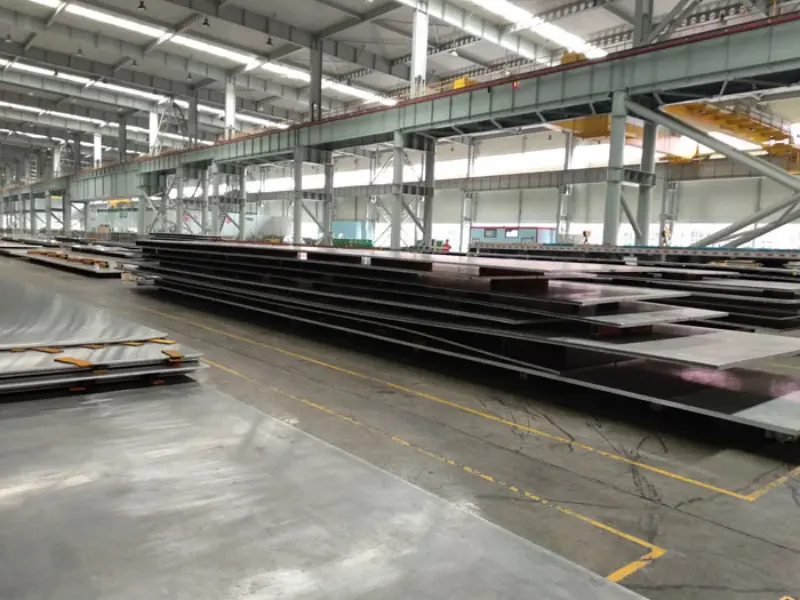
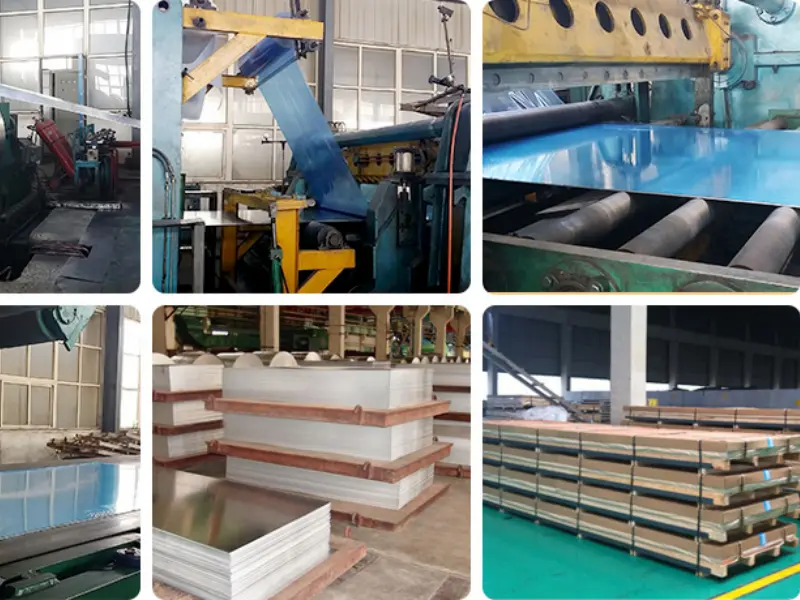
Bulk buyers normally need stable specifications.
A good purchase order should clearly state the material requirements.
Example Wholesale Specification
| Item | Example |
|---|---|
| Product | Aluminum Plate |
| Alloy | 5052 |
| Temper | H32 |
| Thickness | 5 mm |
| Width | 1500 mm |
| Length | 3000 mm |
| Surface | Mill finish |
| Standard | ASTM B209 |
| Quantity | 20 MT |
| Application | Industrial fabrication |
This format makes supplier communication easier.
Quality Control for Aluminum Plate
Quality control should cover both the aluminum itself and the finished dimensions.
Important Inspection Points
Alloy Verification
Confirm that the supplied material matches the ordered alloy.
Thickness Inspection
Measure the actual thickness at different points.
Surface Inspection
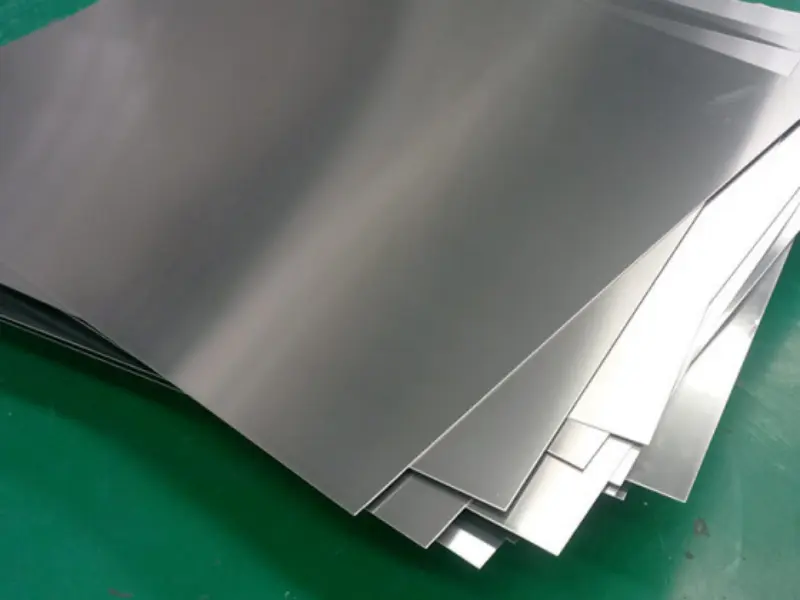
Check for scratches, dents, stains, cracks, and other visible defects.
Flatness Inspection
Flat plate is important for fabrication and machining.
Dimension Inspection
Check width, length, and cutting tolerance.
Temper Verification
Confirm the temper according to the purchase specification.
Packaging and Storage
Aluminum plate should be packed carefully during transportation.
Export packaging may include:
- Wooden pallets
- Wooden cases
- Waterproof paper
- Plastic wrapping
- Corner protection
- Steel straps
- Product labels
During storage, the material should be kept dry.
Avoid direct contact with water.
Good ventilation helps reduce the risk of moisture-related surface problems.
Why Buy Aluminum Plate from a Manufacturer?
Buying directly from a manufacturer can simplify communication.
It can also help when the order requires custom sizes or special specifications.
A manufacturer can discuss:
- Alloy selection
- Temper
- Thickness
- Surface finish
- Custom dimensions
- Cutting
- Packaging
- Production schedule
- Inspection documents
For large orders, direct factory communication can also make technical confirmation easier.
Quick Aluminum Plate Selection Guide
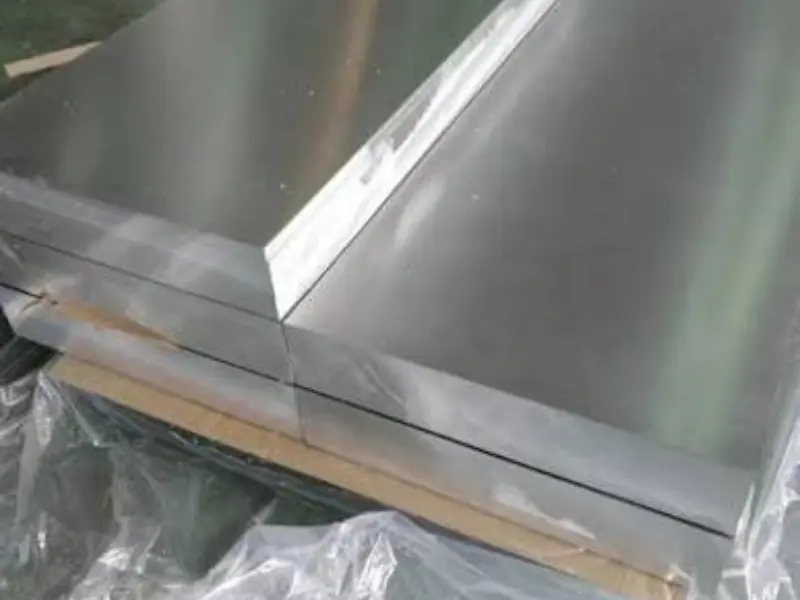
Need a Lightweight Panel?
→ 1–3 mm aluminum plate
→ 1050 / 1060 / 3003 / 5052
→ Plain, painted, or anodized surface
Need Marine Material?
→ 5052 / 5083
→ Select temper according to the design
→ Check corrosion and welding requirements
Need a Machine Component?
→ 6061
→ T6 / T651 where applicable
→ 5–50 mm depending on design
Need a Floor or Platform?
→ Checker aluminum plate
→ 3003 / 5052 / 6061
→ 1.5–8 mm common range
Need Insulation Jacketing?
→ 3003 / 3105
→ 0.5–1.5 mm
→ Stucco embossed surface
Need Decorative Material?
→ 1050 / 3003 / 5052
→ Brushed / polished / anodized / coated
FAQ About Aluminum Plate for Sale
What aluminum plate can I buy?
Common options include 1050, 1060, 1100, 3003, 5052, 5083, 5754, and 6061 aluminum plate.
What thicknesses are available?
Common thicknesses range from around 1 mm to 100 mm or more depending on the alloy, product type, and production requirements.
What is the most common aluminum plate size?
Common sizes include 1000 × 2000 mm, 1220 × 2440 mm, 1250 × 2500 mm, 1500 × 3000 mm, and 1500 × 4000 mm.
Which aluminum plate is best for marine applications?
5052 and 5083 are common choices for marine applications. 5083 is often selected when higher strength is required.
Is 6061 aluminum plate stronger than 5052?
6061 can provide higher strength in suitable tempers, especially T6 conditions. However, 5052 has excellent corrosion resistance and good formability.
What is 5052 aluminum plate used for?
5052 is commonly used for marine parts, transportation equipment, tanks, enclosures, panels, and general industrial fabrication.
What is 5083 aluminum plate used for?
5083 is widely used for marine structures, shipbuilding, transportation, industrial tanks, and other applications that require high strength and corrosion resistance.
Can aluminum plate be cut to size?
Yes. Cut-to-size service can be provided according to the required width and length.
Can I order custom aluminum plate?
Yes. Custom alloy, temper, thickness, size, surface, cutting, and packaging can be discussed.
Is aluminum plate suitable for outdoor use?
Many aluminum alloys have good atmospheric corrosion resistance. The correct alloy and surface finish should be selected according to the outdoor environment.
What is the difference between aluminum sheet and plate?
The distinction usually relates to thickness, but the exact definition depends on the applicable standard. Giving the exact thickness is the safest way to specify the product.
Can aluminum plate be welded?
Many aluminum alloys can be welded, but welding performance varies by alloy and temper. The welding method should be selected according to the application.
Which aluminum plate is easy to machine?
6061 is widely used for machined aluminum components because it offers good machinability and useful strength.
Can aluminum plate be used for flooring?
Yes. Checker or tread aluminum plate is commonly used for floors, platforms, stairs, ramps, and equipment surfaces.
How do I request an aluminum plate quotation?
Provide the alloy, temper, thickness, width, length, surface, quantity, application, and destination. A drawing is useful for custom products.
Aluminum Plate Product Ideas for Your Project

Different projects need different material solutions.
Construction project
→ 3003 / 5052
→ Plain or coated
→ 1–6 mm
Marine project
→ 5052 / 5083
→ Plain plate
→ Thickness according to structure
Machine project
→ 6061
→ T6 / T651
→ Machined plate
Signage project
→ 1050 / 3003 / 5052
→ 0.5–3 mm
→ Painted or anodized
Insulation project
→ 3003 / 3105
→ 0.5–1.5 mm
→ Stucco embossed
Flooring project
→ 3003 / 5052 / 6061
→ Checker pattern
→ 1.5–8 mm