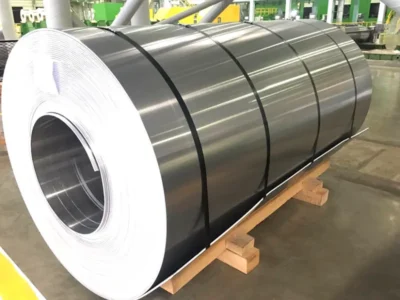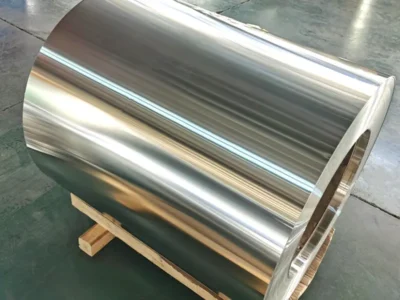
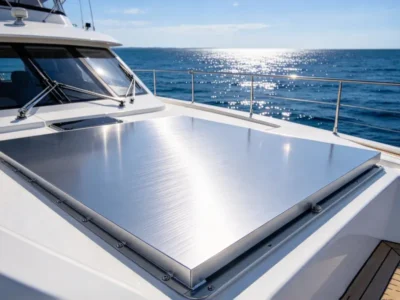
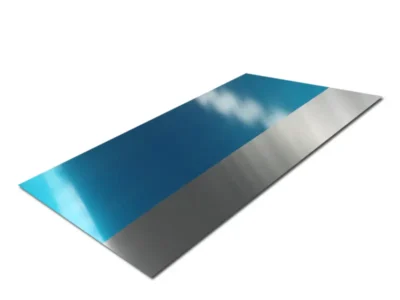
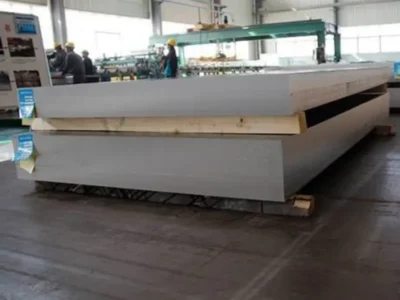
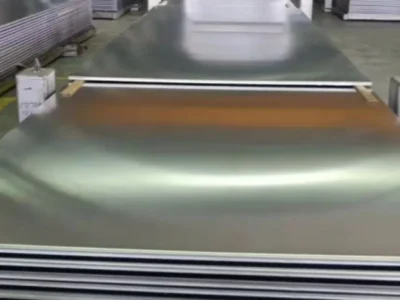
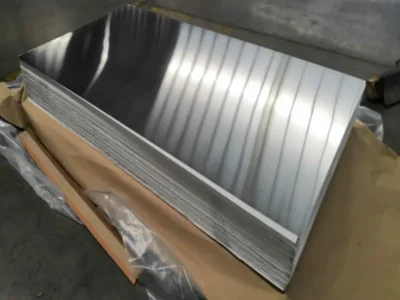
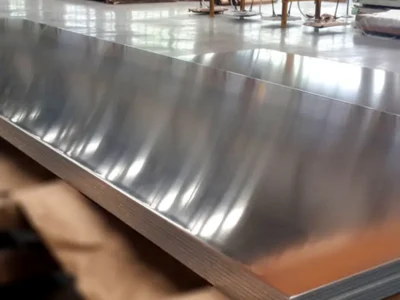
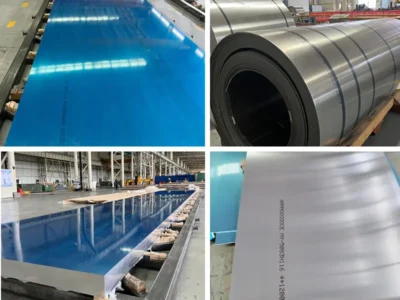
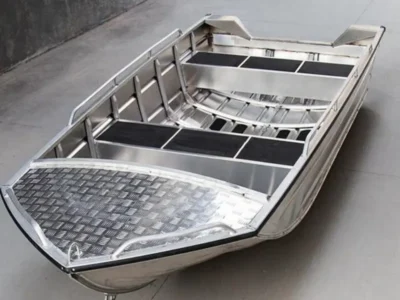
Marine aluminum sheet is widely used in boat building, ship repair, offshore equipment, and other marine projects. It offers a useful combination of low weight, corrosion resistance, and strength.
Compared with many steel products, aluminum can help reduce the weight of a vessel. This can support better payload capacity and improve design flexibility.
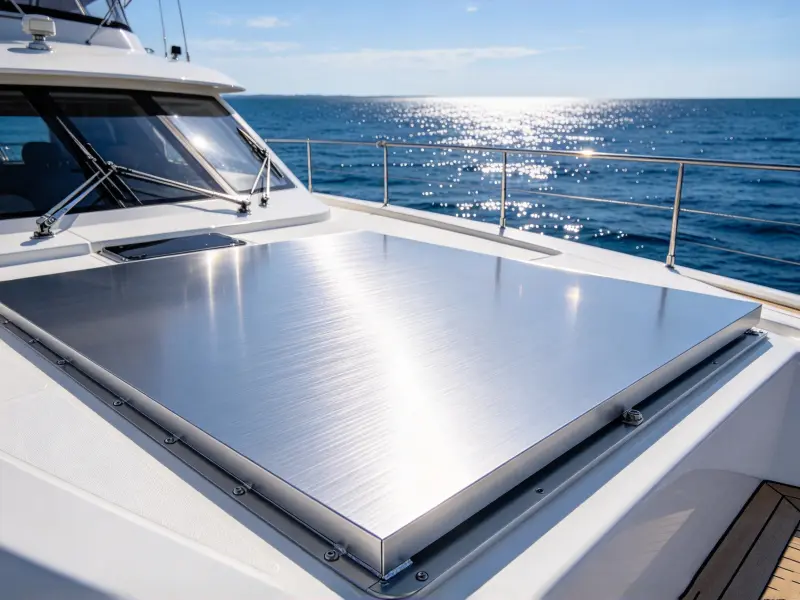
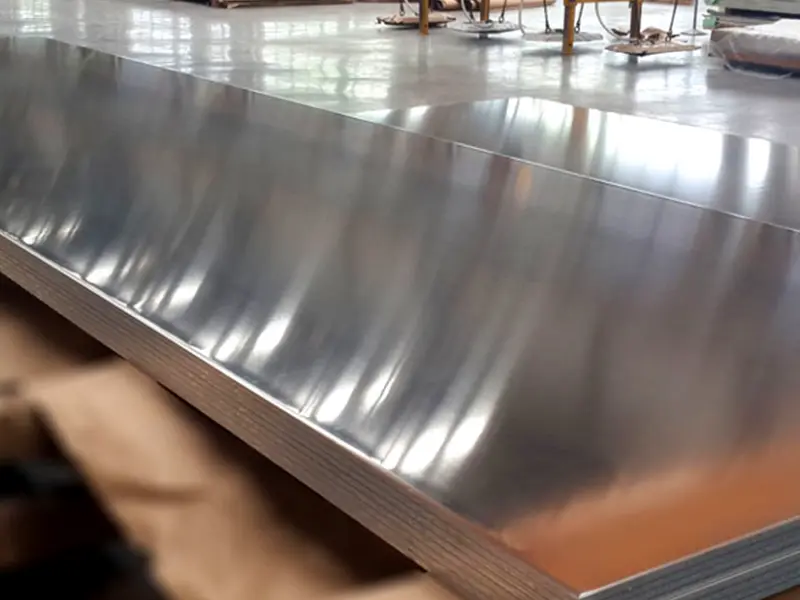
However, not every aluminum sheet is suitable for marine service. Salt water, moisture, welding, and long-term exposure can affect material performance. Buyers need to select the right alloy, temper, thickness, and surface condition for each application.
Common marine aluminum alloys include 5083, 5086, and 5052. They are not interchangeable in every project.
The best choice depends on whether the sheet will be used for a hull, deck, cabin, tank, interior panel, or other component.
Common Marine Aluminum Sheet Types
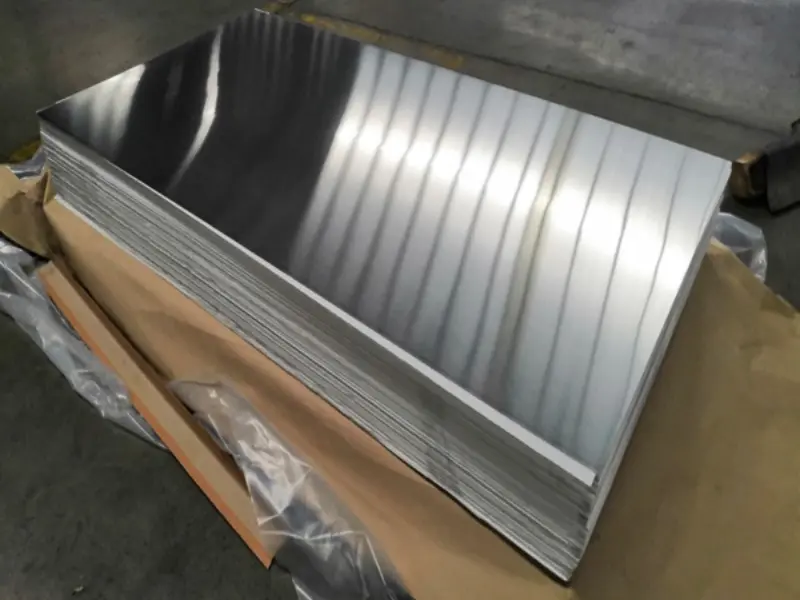
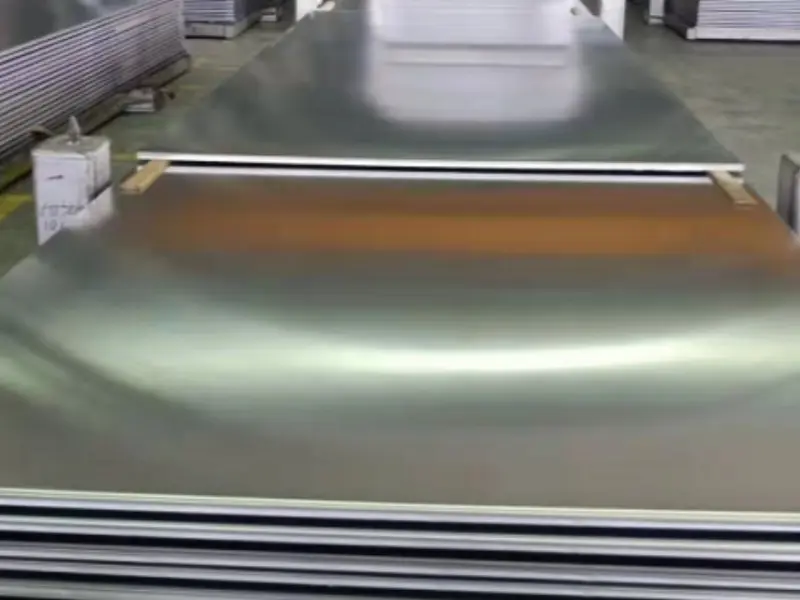
| Type | Main Characteristics | Typical Applications |
|---|---|---|
| 5083 Marine Aluminum Sheet | High strength and excellent seawater corrosion resistance | Boat hulls, ship structures and offshore components |
| 5086 Marine Aluminum Sheet | Good corrosion resistance and weldability | Shipbuilding and marine structures |
| 5052 Marine Aluminum Sheet | Good corrosion resistance and formability | Small boats, covers and marine equipment |
| 5754 Marine Aluminum Sheet | Good corrosion resistance and fabrication performance | Marine panels and structural components |
| 6061 Aluminum Sheet | High strength and machinability; marine suitability depends on service conditions | Frames, fittings and machined components |
5083 and 5086 are common choices for welded marine structures exposed to seawater. The final alloy should be selected according to design loads, welding requirements, corrosion exposure and applicable marine standards.
Marine Aluminum Sheet Applications
Marine aluminum sheet is used in many parts of boats, ships and marine equipment.
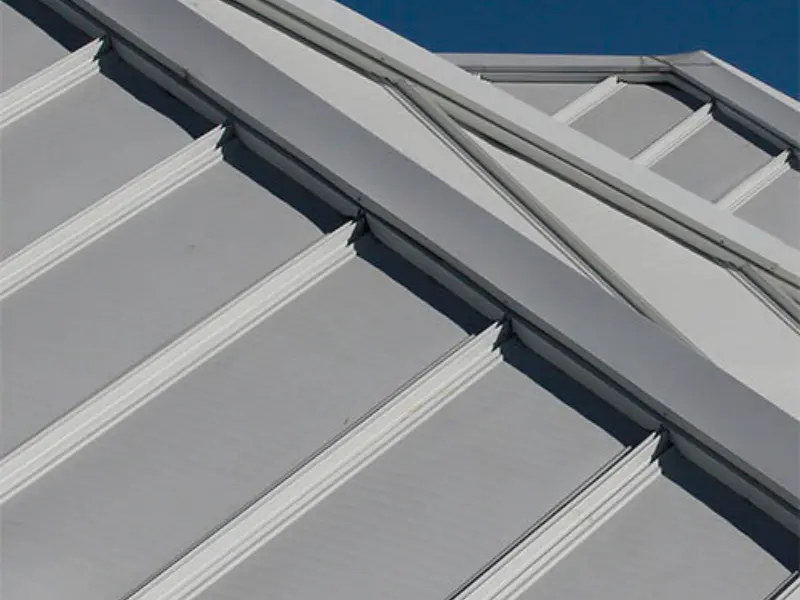
→ Boat and Shipbuilding
- Boat hulls
- Ship decks
- Hull plating
- Cabin structures
- Superstructures
- Bulkheads and partitions
→ Marine Transportation
Aluminum vessel structures
Passenger boats
Fishing boats
Workboats
Ferries
Patrol boats
→ Offshore and Port Equipment
- Offshore equipment housings
- Marine access platforms
- Port equipment panels
- Protective covers
- Service structures
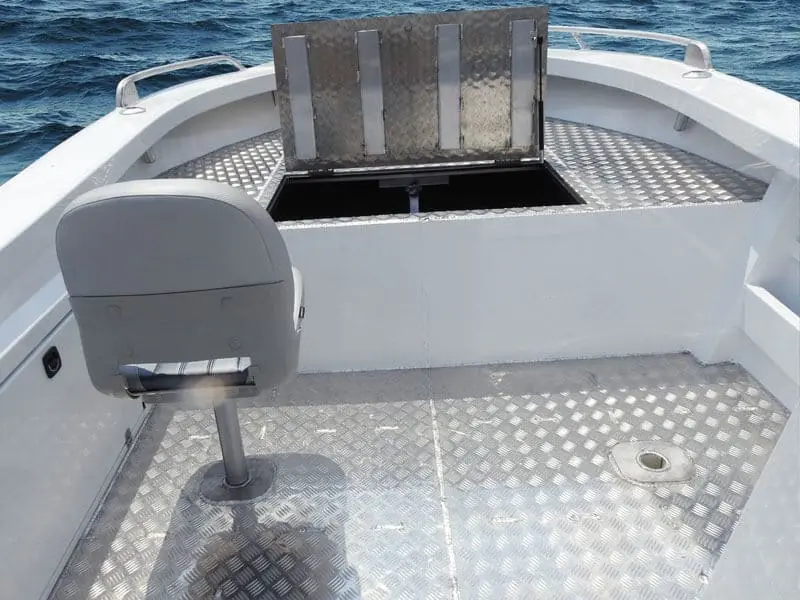
→ Marine Interiors
- Cabin wall panels
- Interior partitions
- Equipment panels
- Storage compartments
- Decorative marine panels
→ Marine Equipment
Fabricated components
Equipment enclosures
Access hatches
Covers and brackets
Support panels
Marine Aluminum Alloy Comparison
| Alloy | Strength | Corrosion Resistance | Weldability | Typical Use |
|---|---|---|---|---|
| 5052 | Medium | Very good | Good | Covers, panels and small craft components |
| 5083 | High | Excellent | Good | Hulls, decks and welded structures |
| 5086 | Medium to high | Excellent | Good | Marine structures and shipbuilding |
| 5754 | Medium | Very good | Good | Panels and fabricated marine parts |
| 6061 | High | Good, depending on environment and condition | Good with suitable procedures | Frames and machined components |
For welded hulls and major marine structures, 5083 and 5086 are often preferred. For covers and formed panels, 5052 or 5754 may be suitable. Alloy 6061 requires careful consideration of the weld zone and corrosion conditions when used in marine environments.
Marine Aluminum Sheet Thickness Guide
| Thickness | Typical Applications |
|---|---|
| 0.5 – 2.0 mm | Interior panels, covers and light-duty components |
| 2.0 – 4.0 mm | Partitions, equipment panels and smaller marine structures |
| 4.0 – 6.0 mm | Deck panels and structural components, subject to design |
| 6.0 – 12 mm | Hull plating and heavier structural parts, subject to engineering requirements |
| 12 – 25 mm | Heavy structural components and machined parts |
| 25 – 100 mm | Thick plate for specialized structural or machining applications |
These ranges are for preliminary selection only. Actual hull and deck thickness must be determined by the vessel design, panel span, loading, welding details and applicable classification rules.
Marine Aluminum Sheet Surface Options
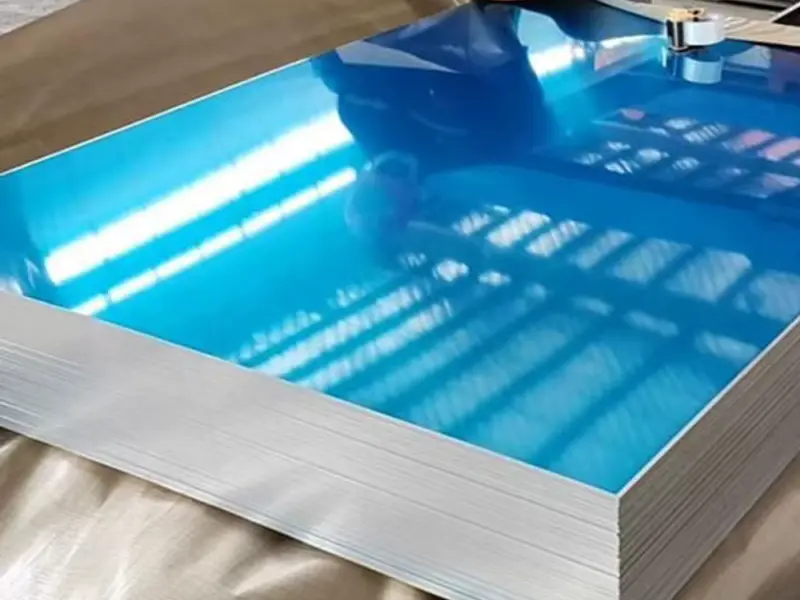
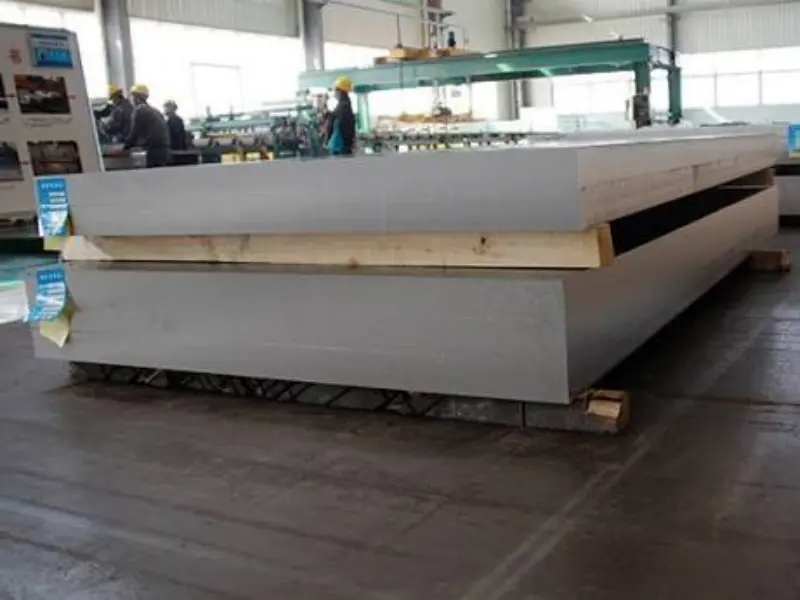
| Surface | Features |
|---|---|
| Mill Finish | Standard surface for fabrication and welding |
| Brushed | Directional decorative finish |
| Polished | Improved appearance for selected visible components |
| Protective Film | Helps protect the surface during transport and fabrication, if required |
Surface treatments should be selected with the final marine environment and fabrication process in mind. Coatings or other protection may be required for certain service conditions.
Marine Aluminum Sheet Processing
Aluminum Slab → Hot Rolling → Cold Rolling, Where Required → Heat Treatment → Leveling → Cutting → Inspection → Packing
During fabrication, marine aluminum sheet may be cut, bent, machined and welded using procedures suitable for the selected alloy and temper.
Marine Sheet → Cutting → Forming → Welding → Assembly → Surface Protection → Final Inspection
Good material selection, suitable welding procedures and proper design details are important for long-term marine performance.
What Is Marine Aluminum Sheet?
Marine aluminum sheet is flat aluminum material selected for use in marine environments. It is often supplied in corrosion-resistant alloys from the 5xxx series. These alloys contain magnesium and are not strengthened by conventional heat treatment.

Marine aluminum sheet can be cut, formed, welded, and fabricated into different components. Its actual performance depends on the alloy, temper, thickness, fabrication process, and service conditions.
For commercial projects, buyers should confirm that the material meets the applicable design code and marine certification requirements. A general-purpose aluminum sheet should not automatically be treated as a certified marine-grade product.
Key Features of Marine Aluminum Sheet
- Corrosion resistance: Suitable alloys can perform well in marine environments when correctly designed and maintained.
- Low weight: Aluminum is much lighter than steel at the same volume.
- Good weldability: Several marine aluminum alloys can be welded using suitable procedures.
- Fabrication flexibility: Sheets can be cut, bent, formed, and joined.
- Multiple thickness options: Thin sheets and heavier plates can serve different functions.
- Recyclability: Aluminum can be recycled at the end of its service life.
The material still needs proper design. Water traps, unsuitable fasteners, poor welds, and contact with dissimilar metals can cause problems even when a corrosion-resistant alloy is selected.
Marine Aluminum Sheet Types by Alloy
The alloy is one of the most important purchasing decisions. Different grades offer different combinations of strength, corrosion resistance, forming ability, and weldability.
5083 Marine Aluminum Sheet
5083 aluminum sheet is a common choice for marine structures. It offers high strength among non-heat-treatable aluminum alloys and good resistance to seawater corrosion.
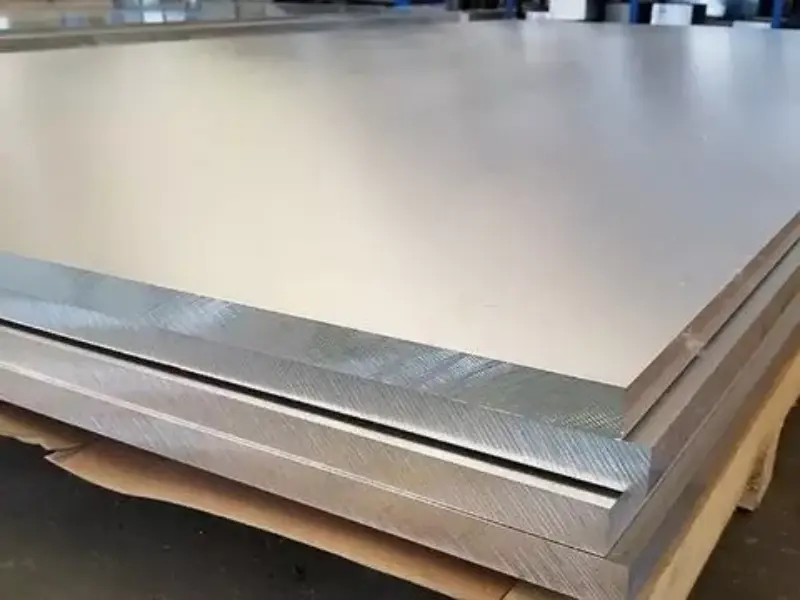
It is used in many boat-building and marine fabrication projects. Typical applications include hull plating, structural panels, decks, and welded components where the design allows this alloy.
5083 is available in different tempers. For marine use, buyers may encounter H116 or H321, particularly where resistance to exfoliation and intergranular corrosion is an important consideration. The correct temper depends on the product specification and applicable requirements.
5086 Marine Aluminum Sheet
5086 aluminum sheet is another widely used marine alloy. It offers good corrosion resistance and weldability, making it suitable for many welded structures.
It can be considered for hull components, decks, marine equipment, and other fabricated parts. Its mechanical properties differ from those of 5083, so the two grades should not be substituted without checking the engineering requirements.
5052 Marine Aluminum Sheet
5052 aluminum sheet offers good corrosion resistance and formability. It is often considered for lighter-duty marine components, covers, cabinets, interior panels, and formed parts.
It may be useful where bending and shaping are important. However, its suitability for a structural hull or another load-bearing component must be confirmed through the project design.
5754 Aluminum Sheet
5754 aluminum is a non-heat-treatable alloy with good corrosion resistance and forming characteristics. It is used in various transportation and industrial applications.
For marine projects, it may be suitable for selected panels and fabricated components when the specification permits it. Confirm its availability, temper, and compliance before specifying it for a critical marine structure.
6061 Aluminum Sheet
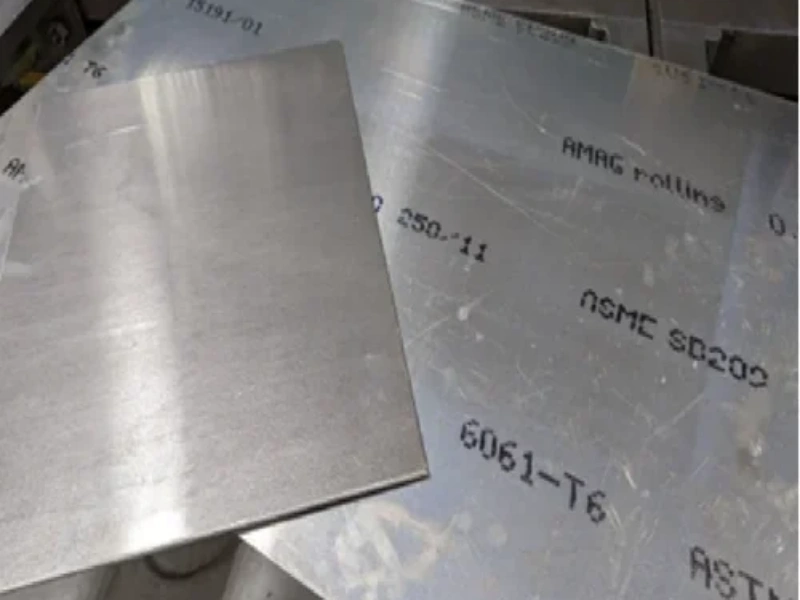
6061 is a heat-treatable aluminum alloy known for its strength and general engineering use. It may be used for certain marine components, particularly when its mechanical properties fit the design.
However, welded 6061 can lose strength in the heat-affected zone. Its corrosion behavior and suitability for continuous seawater exposure also need careful evaluation. It should not be treated as a direct replacement for 5083 or 5086 in every marine application.
Marine Aluminum Alloy Comparison
| Alloy | Main characteristics | Potential marine applications |
|---|---|---|
| 5083 | High strength, good seawater corrosion resistance, weldable | Hulls, decks, welded structures |
| 5086 | Good corrosion resistance and weldability | Hull components, decks, marine fabrication |
| 5052 | Good formability and corrosion resistance | Covers, cabinets, interior panels |
| 5754 | Good forming properties and corrosion resistance | Selected panels and fabricated parts |
| 6061 | Heat-treatable, good strength | Selected engineered components |
The table is a general guide. Final selection should follow the vessel design, applicable standards, and the supplier’s material documentation.
Marine Aluminum Sheet Tempers Explained
A temper describes the condition of the aluminum after processing. It affects strength, hardness, and forming behavior. Buyers should specify the temper alongside the alloy grade.
O Temper
O temper is the annealed condition. It is relatively soft and offers good formability. It can be useful when a component requires significant bending or shaping.
However, it has lower strength than many strain-hardened tempers. Confirm whether it meets the structural requirements of the intended part.
H111 Temper
H111 is a strain-hardened condition that may be used when some forming ability is needed. Its properties depend on the alloy and applicable product specification.
Check the mechanical property requirements before choosing this temper for a marine component.
H116 Temper
H116 is used for certain 5xxx-series aluminum products intended for marine service. It is associated with requirements for corrosion resistance in specific product standards.
It is commonly considered for marine plate and sheet applications. The exact requirements depend on the alloy, thickness, and governing specification.
H321 Temper
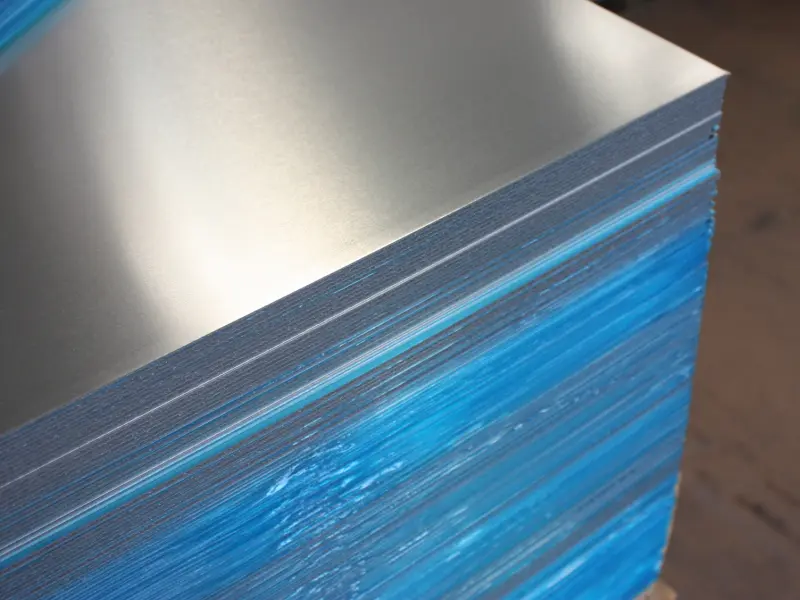
H321 is another stabilized temper used for certain 5xxx-series alloys. It may be supplied for marine applications where specified mechanical and corrosion-related properties are required.
H116 and H321 are not automatically interchangeable. Always confirm the required temper and certification with the design engineer or material specification.
| Temper | General condition | Purchasing consideration |
|---|---|---|
| O | Annealed | Formability and lower strength |
| H111 | Strain hardened | Balance of forming and strength |
| H116 | Marine-related temper for specified alloys | Verify corrosion and mechanical requirements |
| H321 | Stabilized temper for specified alloys | Check applicable standard and certification |
| H32 | Strain hardened and stabilized | Often used for selected 5052 products |
Not every temper is available for every alloy or thickness. Ask the supplier to confirm the exact combination before ordering.
Marine Aluminum Sheet Thickness and Dimensions
Thickness affects structural strength, weight, forming requirements, and cost. A thin sheet may suit a cabin panel, while a hull or deck may require a different thickness based on the vessel’s design.
There is no single thickness that works for every boat. Hull shape, support spacing, design loads, vessel size, welding details, and applicable standards all influence the final selection.
Common Marine Aluminum Sheet Thicknesses
The following values are examples of thicknesses buyers may request. Availability varies by alloy, temper, width, and supplier.
| Thickness | Approximate inch value | Potential application |
|---|---|---|
| 1.0 mm | 0.039 in | Light covers and interior panels |
| 1.5 mm | 0.059 in | Formed panels and light components |
| 2.0 mm | 0.079 in | Covers and selected fabricated parts |
| 3.0 mm | 0.118 in | Panels and selected marine components |
| 4.0 mm | 0.157 in | Heavier fabricated panels |
| 5.0 mm | 0.197 in | Selected structural or deck components |
| 6.0 mm | 0.236 in | Heavier marine fabrication |
| 8.0 mm | 0.315 in | Selected plate applications |
| 10 mm | 0.394 in | Heavy plate components |
| 12 mm | 0.472 in | Applications requiring thicker plate |
These examples are not engineering recommendations. Hull plating and other load-bearing parts must be sized using the relevant design requirements.
Standard Sheet Sizes
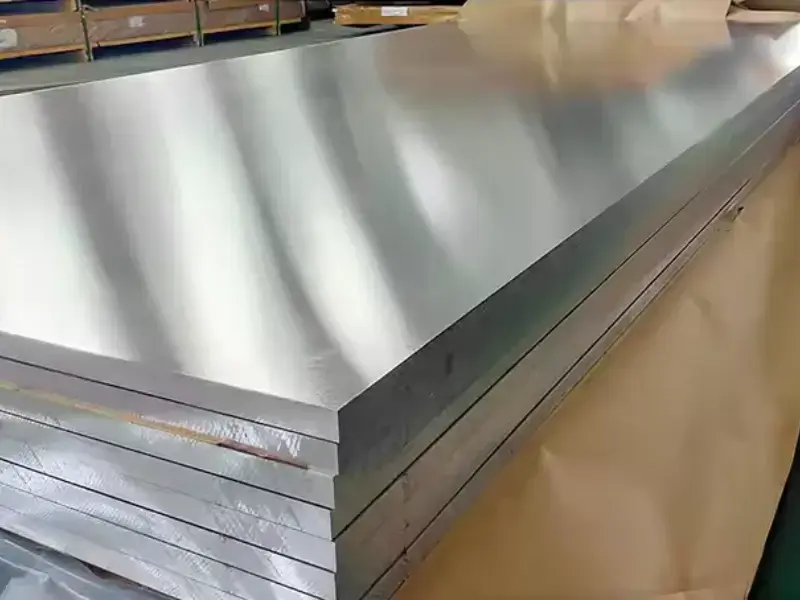

Marine aluminum sheet is available in different dimensions. Larger sheets may reduce the number of joints, but they also require suitable handling and cutting equipment.
| Nominal size | Approximate metric size | Notes |
|---|---|---|
| 4 × 8 ft | 1219 × 2438 mm | Common general sheet format |
| 4 × 10 ft | 1219 × 3048 mm | Longer sheet option |
| 5 × 10 ft | 1524 × 3048 mm | Wider panel format |
| 1500 × 3000 mm | 1.5 × 3.0 m | Metric sheet format |
| 1500 × 6000 mm | 1.5 × 6.0 m | Larger format, subject to availability |
Actual dimensions and tolerances should be confirmed with the supplier. Some projects require cut-to-size sheets rather than standard stock sizes.
Marine Aluminum Sheet Applications
Marine aluminum sheet serves a wide range of boat-building and marine engineering needs. The correct grade and thickness depend on the component and its working conditions.
Boat Hulls and Hull Plating
Hull plating is one of the main applications for marine aluminum. Alloys such as 5083 and 5086 are commonly considered for welded hull structures.
The selected material must meet the vessel’s design requirements. Thickness, panel dimensions, weld quality, and supporting structure all affect the final performance.

Typical uses include:
- Fishing boat hulls
- Workboat hull plating
- Recreational boat structures
- Passenger vessel components
- Small commercial craft
- Selected patrol and service craft
Not every vessel design uses the same alloy or thickness. Material substitution should be approved by the responsible designer.
Boat Decks and Walkways
Marine aluminum sheet can be used for decks, walkways, platforms, and other fabricated surfaces.
A flat sheet may be suitable where a smooth finish is required. A checker plate or other textured product may be preferred where additional surface grip is needed.
Applications include:
- Boat decks
- Engine-room access panels
- Service platforms
- Maintenance walkways
- Equipment access covers
- Selected dockside components
Slip resistance depends on the surface pattern, footwear, water, oil, and maintenance. A textured surface should not be assumed to meet every safety requirement.
Cabin Panels and Interior Structures
Lightweight aluminum panels can help reduce the weight of interior components. Depending on the design, marine aluminum may be used for partitions, cabinet panels, doors, and equipment covers.
Common examples include:
- Cabin wall panels
- Storage cabinets
- Interior partitions
- Ceiling panels
- Instrument enclosures
- Access doors
The finish may be natural aluminum, painted, coated, or covered with another approved material. Surface treatment should be selected for the actual service environment.
Marine Tanks and Equipment
Certain aluminum alloys are used in marine tanks and equipment housings. The correct material depends on the contents, temperature, corrosion exposure, and applicable design code.
Potential applications include selected fuel or water system components, equipment covers, and fabricated housings. Tank design requires special care. Not every marine-grade alloy is suitable for every liquid or pressure condition.
Offshore and Coastal Equipment
Marine aluminum sheet may also be used in selected coastal and offshore components where weight and corrosion resistance matter.

Examples include:
- Equipment enclosures
- Instrument panels
- Protective covers
- Access panels
- Lightweight platforms
- Selected service equipment
For offshore projects, buyers should verify the project’s material specifications, certification needs, and exposure conditions before purchasing.
Marine Aluminum Sheet vs. Other Materials

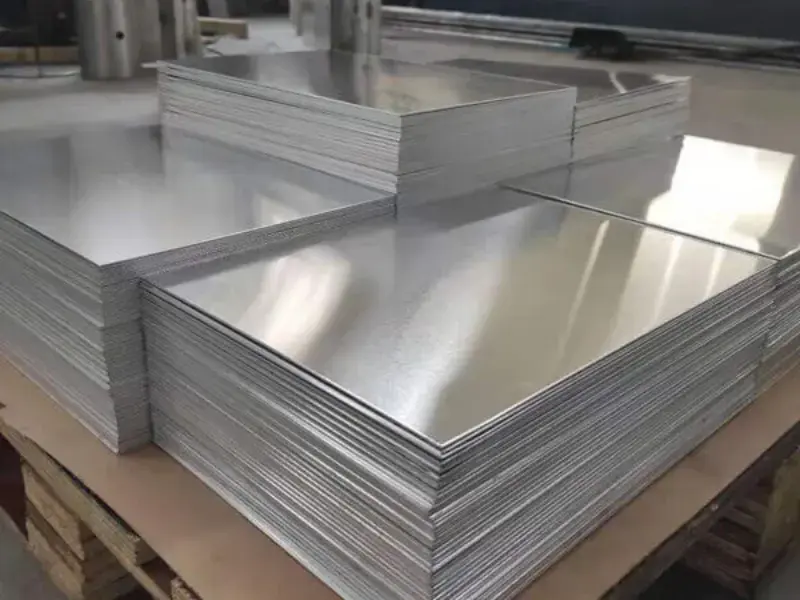
Choosing a marine material involves more than comparing the initial purchase price. Weight, corrosion resistance, fabrication, maintenance, and service life all matter.
Aluminum vs. Marine Steel
Steel offers high stiffness and strength, and it is widely used in shipbuilding. However, it is much denser than aluminum and often needs a suitable coating system and maintenance plan to control corrosion.
Aluminum can reduce structural weight in designs that are engineered for it. It may also require different welding procedures, fabrication equipment, and structural calculations.
| Factor | Marine aluminum | Marine steel |
|---|---|---|
| Density | About 2.7 g/cm³ | About 7.85 g/cm³ |
| Weight at equal volume | Lower | Higher |
| Corrosion control | Alloy selection and design remain important | Coating and corrosion protection are often essential |
| Welding | Requires aluminum-specific procedures | Uses steel-specific procedures |
| Stiffness | Lower elastic modulus | Higher elastic modulus |
| Design approach | Must account for aluminum properties | Must account for steel properties |
These density figures are approximate. A direct material substitution is not appropriate without redesign and engineering review.
5083 vs. 5086 Marine Aluminum

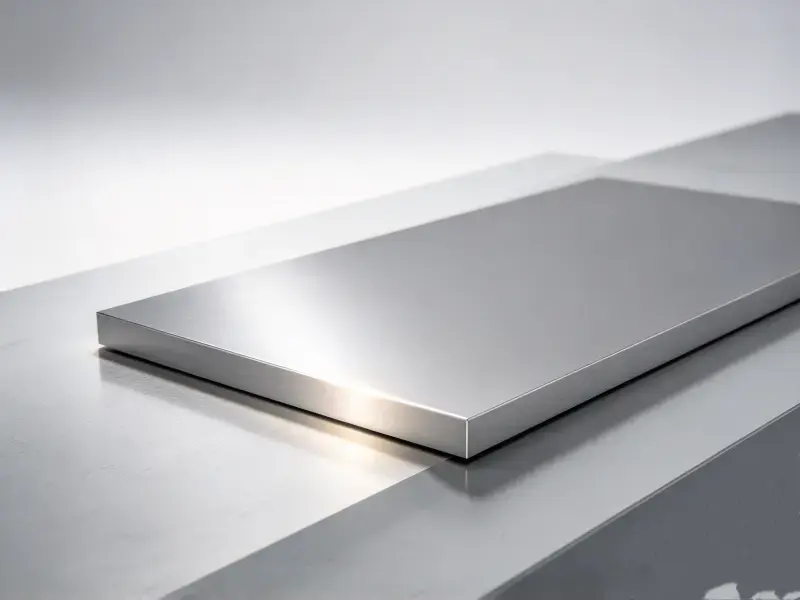
Both alloys are used in marine fabrication. They provide good corrosion resistance and weldability, but their strength and availability differ.
| Comparison point | 5083 | 5086 |
|---|---|---|
| Strength | Often higher in comparable conditions | Generally lower than comparable 5083 products |
| Corrosion resistance | Good for suitable marine service | Good for suitable marine service |
| Weldability | Good with suitable procedures | Good with suitable procedures |
| Typical use | Hulls and welded structures | Hulls and marine fabrication |
| Selection basis | Design strength and specification | Design strength and specification |
The final comparison must use certified values for the exact thickness and temper. Mechanical properties can vary with product form and specification.
5052 vs. 5083 Aluminum Sheet
5052 is often chosen for forming and lighter-duty components. 5083 is frequently considered where higher strength is required for marine structures.
| Factor | 5052 | 5083 |
|---|---|---|
| Formability | Good | Depends on temper and thickness |
| Relative strength | Lower in many comparable conditions | Higher in many comparable conditions |
| Marine use | Covers, panels, formed parts | Hulls and structural fabrication |
| Structural suitability | Depends on the design | Depends on the design |
Use 5052 where its properties meet the requirements. For critical structural parts, the design engineer should confirm the appropriate grade.
Marine Aluminum Sheet vs. Aluminum Checker Plate


Marine aluminum sheet usually has a flat surface. Checker plate has a raised pattern that can provide additional grip in selected applications.
| Product | Surface | Typical application |
|---|---|---|
| Flat marine sheet | Smooth | Hull plating, panels, fabrication |
| Aluminum checker plate | Raised pattern | Steps, floors, selected walkways |
| Painted aluminum sheet | Coated surface | Interior panels and selected covers |
| Anodized aluminum sheet | Electrochemically treated surface | Selected decorative or equipment components |
A patterned plate is not automatically approved for structural hull use. The alloy, thickness, pattern, and design requirements must all be considered.
Surface Finish and Corrosion Protection
Marine environments can be demanding. Salt deposits, moisture, temperature changes, and contact with other metals may affect aluminum components.
Mill Finish

Mill-finish aluminum has the surface condition supplied after the rolling process, without an additional decorative coating. It may be suitable for components that will receive further fabrication or finishing.
The appearance and surface quality depend on the product specification.
Painted or Coated Aluminum
Painted or coated sheets can provide a specific appearance or additional surface protection. The coating system should be compatible with the alloy and the service environment.
Before using a coated sheet in a marine project, confirm its resistance to moisture, salt exposure, ultraviolet light, and the intended cleaning products.
Anodized Aluminum
Anodizing creates an oxide layer on the aluminum surface. It can be useful for certain decorative and equipment applications.
Anodized sheet is not automatically the best choice for every marine structure. Confirm whether the treatment is suitable for the intended fabrication, forming, and exposure conditions.
Preventing Galvanic Corrosion
Contact between aluminum and certain dissimilar metals can cause galvanic corrosion when moisture or salt water is present.
Good design and installation practices may include:
- Using compatible fasteners.
- Isolating dissimilar metals where required.
- Preventing water from becoming trapped in joints.
- Applying suitable protective systems.
- Inspecting damaged coatings and connections.
- Following the vessel or equipment maintenance plan.
The correct approach depends on the metals involved and the operating environment.
Fabrication and Welding Considerations

Marine aluminum sheet can be cut, bent, formed, and welded. However, the fabrication process must match the alloy and temper.
Cutting and Forming
Cutting methods may include sawing, shearing, routing, or other processes suitable for the thickness and product form. Clean edges help with assembly and finishing.
Bending requirements depend on the alloy, temper, thickness, and bend radius. A sheet that works well for a flat panel may not be suitable for a tight bend without testing.
Welding
Marine aluminum alloys require appropriate filler materials, welding procedures, and operator skills. Welding can affect the mechanical properties of the heat-affected zone.
For structural applications, follow the relevant welding code and engineering specification. Avoid selecting an alloy based only on its unwelded strength.
Quality Inspection
Before accepting a commercial order, buyers may need to review:
- Alloy and temper identification
- Material test certificates
- Thickness and dimensional tolerances
- Surface condition
- Flatness
- Welding or fabrication requirements
- Applicable marine approvals
The inspection scope should match the project’s quality plan.
How to Choose a Marine Aluminum Sheet Supplier
A suitable supplier should be able to explain the product specification and provide consistent documentation. Price matters, but material traceability and correct grade selection are also important.
Confirm the Material Specification

Provide the required alloy, temper, thickness, sheet size, and applicable standard. If the project requires marine certification, state this before requesting a quotation.
Do not assume that a product described as “marine grade” includes every certificate or approval required for a vessel.
Request Technical Documents
Depending on the project, useful documents may include a material test certificate, mechanical property data, chemical composition, and evidence of compliance with the required standard.
Confirm that the documents match the actual supplied material.
Compare Stock and Custom Supply
Some buyers need standard sheet sizes. Others need cut-to-size pieces or specific thicknesses.
Ask about minimum order quantity, production lead time, cutting tolerances, packaging, and delivery arrangements. These details help avoid delays after the order is placed.
Marine Aluminum Sheet Price Factors
The price of marine aluminum sheet depends on the product and order requirements. A single price cannot accurately cover all alloys, tempers, thicknesses, and dimensions.
| Price factor | Why it matters |
|---|---|
| Alloy grade | Different grades have different material costs and availability |
| Temper | Availability depends on the product specification |
| Thickness | Thicker sheets use more aluminum per unit area |
| Dimensions | Sheet size affects material use and cutting yield |
| Surface finish | Additional treatments may add cost |
| Certification | Inspection and documentation requirements may affect the quotation |
| Order quantity | Volume can affect processing and unit costs |
| Cutting service | Custom sizes may involve additional processing |
| Packaging and freight | Weight, dimensions, and destination affect delivery cost |
For an accurate quotation, provide the complete specification and delivery destination. Compare offers on the same technical basis rather than choosing by price alone.
Wholesale and Custom Marine Aluminum Sheet Orders
Wholesale buyers may require regular supply, consistent dimensions, and traceable material. A clear purchase specification helps both the buyer and supplier avoid misunderstandings.
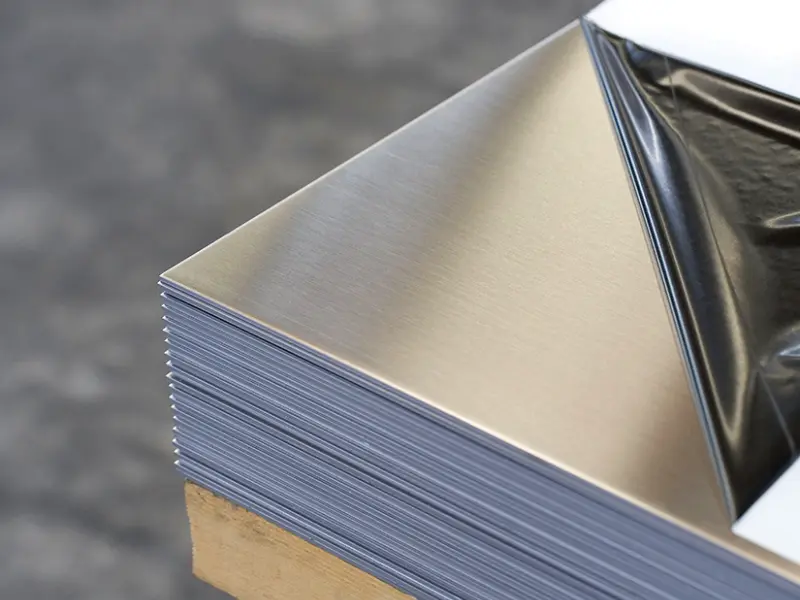
Before ordering, prepare the following information:
- Alloy grade, such as 5083 or 5086
- Required temper, such as H116 or H321 where applicable
- Thickness and sheet dimensions
- Quantity or total weight
- Surface finish
- Applicable standard and certification requirements
- Cutting or fabrication requirements
- Packaging and delivery destination
- Required delivery date
For a new supplier, consider ordering a sample or a small batch when practical. Review the documents and dimensions before placing a larger order.
Frequently Asked Questions About Marine Aluminum Sheet
Which Aluminum Alloy Is Best for Marine Use?
5083 and 5086 are common choices for many marine structures because they combine useful strength with good seawater corrosion resistance. 5052 may suit selected formed parts and lighter-duty components. The best grade depends on the design and applicable requirements.
Is 5083 Aluminum Suitable for Boat Hulls?
5083 is widely used for aluminum boat hulls and other welded marine structures. The required thickness, temper, and material certification must be determined by the vessel design and relevant standards.
What Is the Difference Between 5083 and 5086 Aluminum?
Both are marine-use alloys with good corrosion resistance and weldability. 5083 often provides higher strength in comparable product conditions, while 5086 may be suitable where its specific properties meet the design requirements. Compare certified values for the exact product before choosing.
What Is H116 Marine Aluminum Sheet?
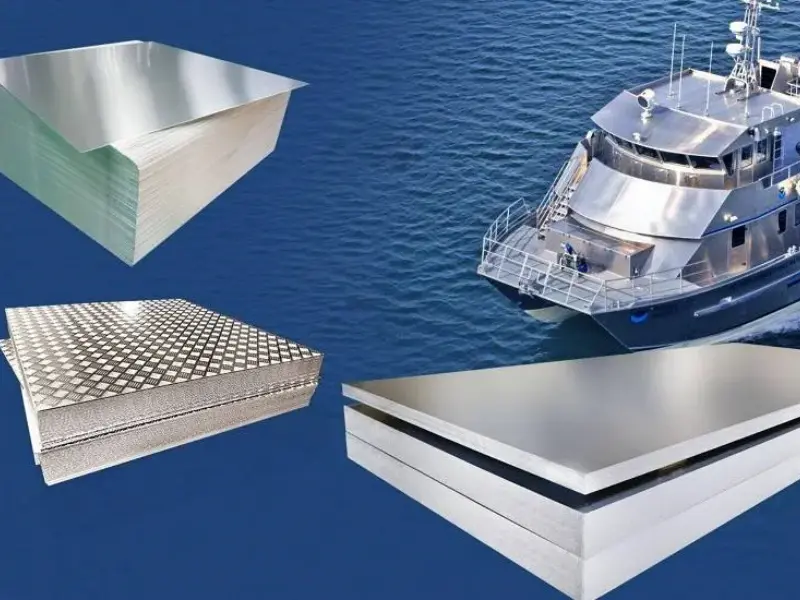
H116 is a temper used for specified 5xxx-series aluminum products, including products intended for certain marine applications. It is associated with defined mechanical and corrosion-related requirements. Confirm the applicable alloy, thickness, standard, and certification.
Is H321 the Same as H116?
No. H321 and H116 are different temper designations. Their requirements and availability depend on the alloy and product specification. They should not be substituted automatically.
What Thickness Is Used for Marine Aluminum Sheet?
Thickness varies with the application. Thin sheets may be used for covers and interior panels, while hull plating and decks may require thicker material. The correct value must be determined from the structural design rather than a general thickness chart.
Can Marine Aluminum Sheet Be Welded?
Yes. Common marine alloys such as 5083 and 5086 can be welded using suitable procedures. Welding preparation, filler selection, operator qualification, and the effects of the heat-affected zone must be considered.
Does Marine Aluminum Rust?
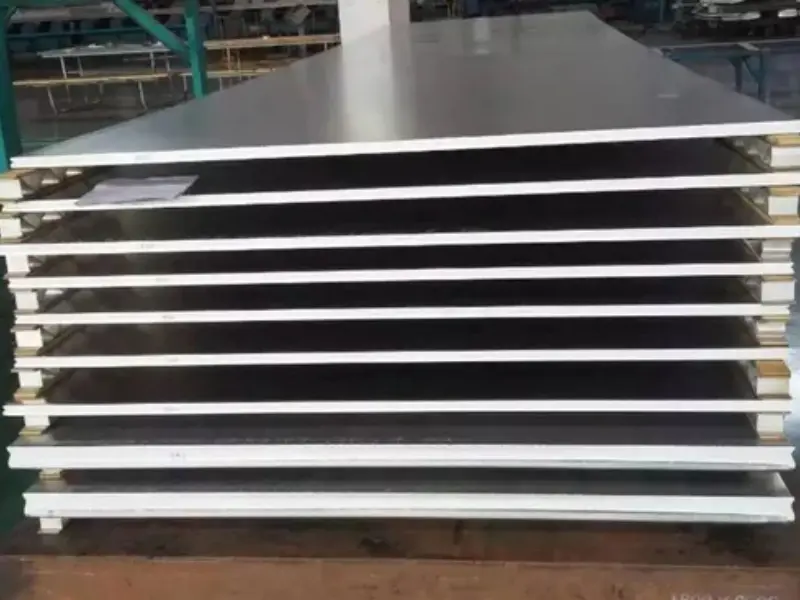
Aluminum does not form iron rust like steel. It develops a natural oxide layer, but it can still suffer corrosion. Salt water, crevices, unsuitable fasteners, and contact with dissimilar metals can cause problems if the material is poorly selected or installed.
Can 6061 Aluminum Replace 5083 in a Boat Hull?
Not automatically. The alloys have different properties, and 6061 may lose strength in welded areas. Corrosion behavior and design requirements also matter. Any substitution should be reviewed and approved by the responsible marine engineer.
What Is the Difference Between Marine Aluminum Sheet and Checker Plate?
Marine aluminum sheet usually has a flat surface. Checker plate has a raised pattern that can improve grip in some applications. Both products require suitable alloy and thickness selection, and checker plate should not be assumed to be suitable for every structural use.
Can I Order Marine Aluminum Sheet Cut to Size?
Many suppliers can provide cut-to-size material, subject to their equipment and stock availability. Specify the alloy, temper, thickness, dimensions, tolerances, and quantity when requesting a quotation.
What Documents Should I Request When Buying Marine Aluminum?
Depending on the project, request a material test certificate, alloy and temper identification, mechanical property data, and evidence of compliance with the applicable standard. If classification society approval is required, state the specific requirement before ordering.
Request a Quote for Marine Aluminum Sheet

Choosing the right marine aluminum sheet starts with a clear specification. The alloy, temper, thickness, surface condition, and certification requirements should match the intended marine application.
Whether you are building a boat, repairing a vessel, fabricating marine equipment, or purchasing aluminum for distribution, provide your requirements before requesting a price.
For a quotation, include:
- Alloy and temper
- Thickness and sheet size
- Quantity
- Surface finish
- Required standards or certificates
- Cutting requirements
- Delivery destination
A complete specification helps the supplier recommend a suitable product and prepare a more accurate quotation.