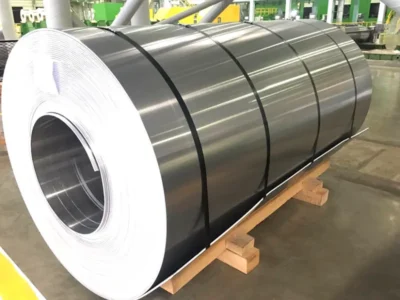
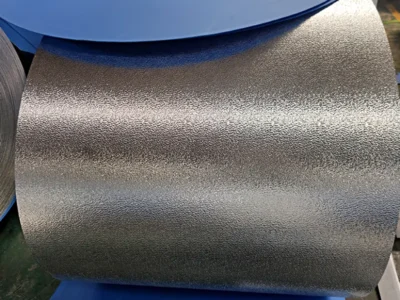
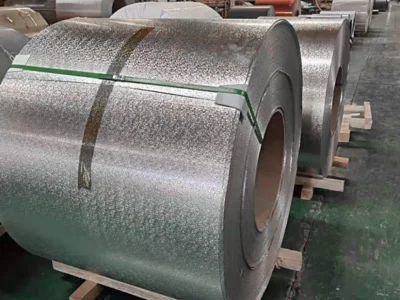
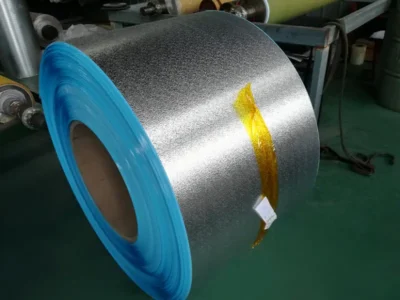
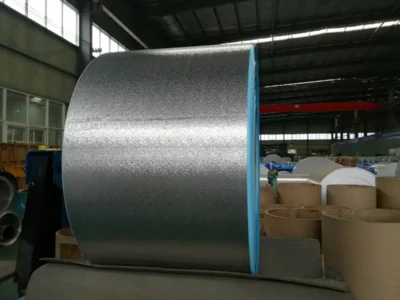
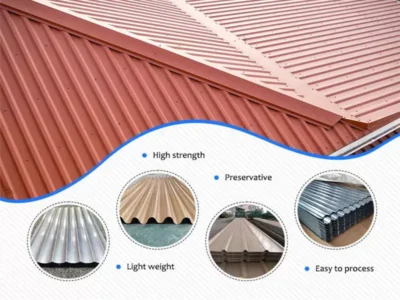
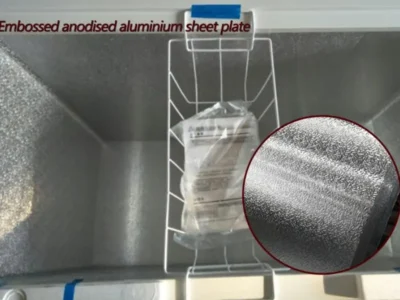
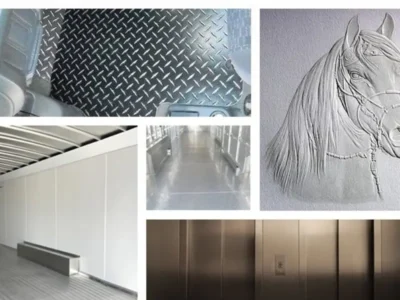
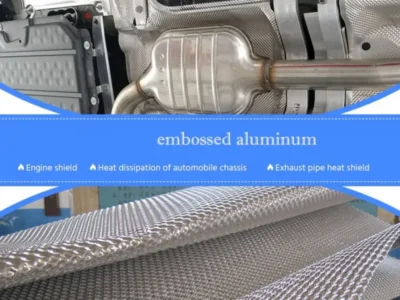
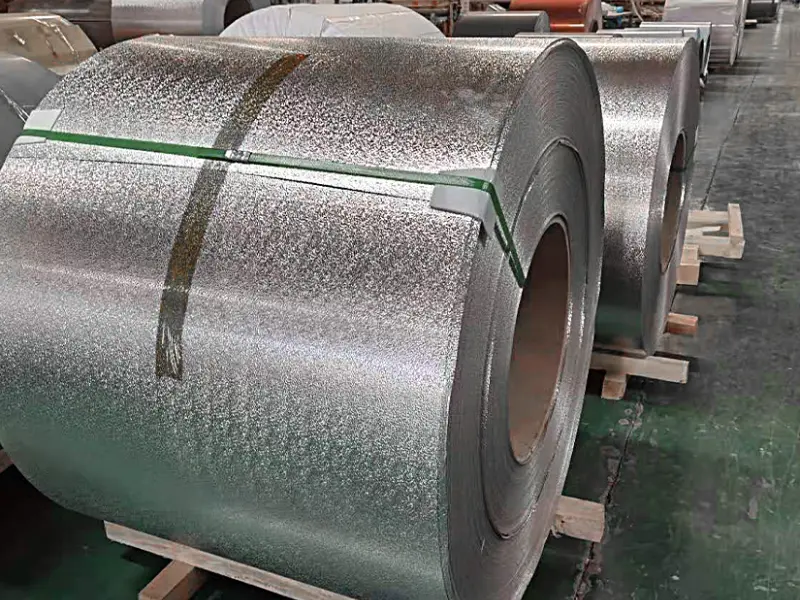
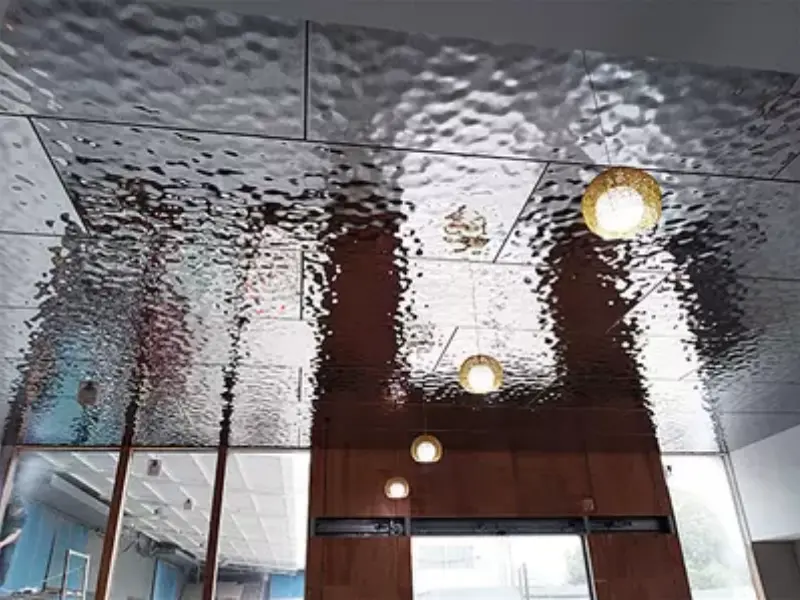
Stucco embossed aluminum coil is widely used in construction, insulation, appliances, and decorative projects. Its textured surface gives aluminum a distinctive appearance and helps hide small scratches, handling marks, and minor surface imperfections.
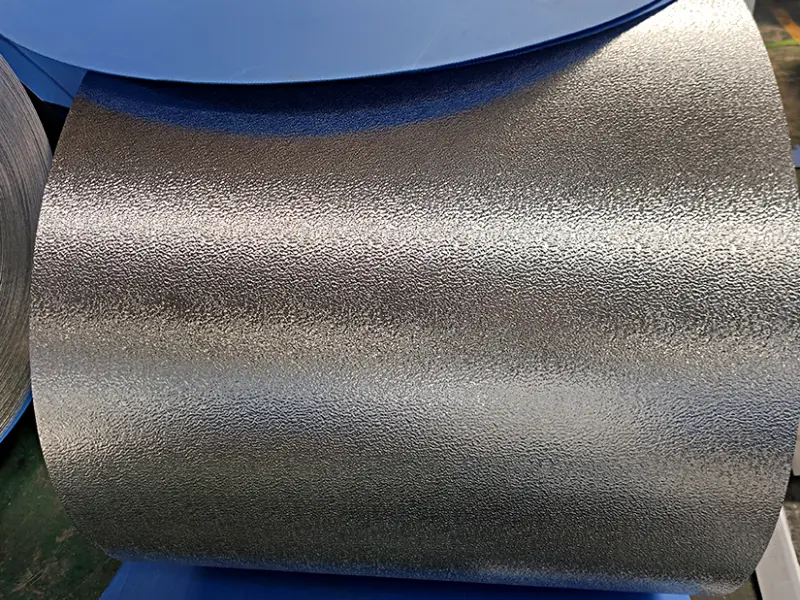
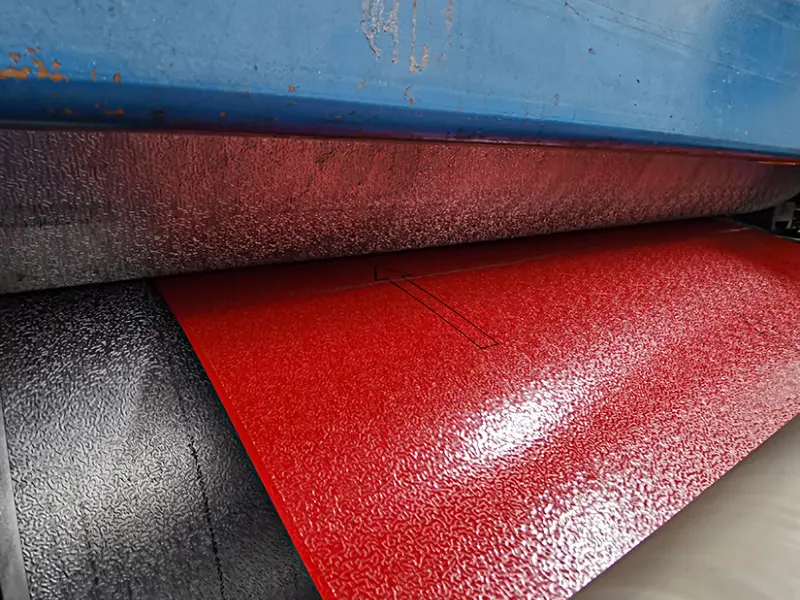
Unlike plain aluminum coil, stucco embossed aluminum has a patterned surface created by a rolling process. It combines a decorative finish with the practical benefits of aluminum, including low weight, corrosion resistance, and easy fabrication.
Buyers can choose different aluminum alloys, tempers, thicknesses, widths, and surface finishes. Common options include 1050, 1060, 1100, 3003, and 3105 aluminum coil. The best choice depends on the final application, forming process, working environment, and budget.
What Is Stucco Embossed Aluminum Coil?
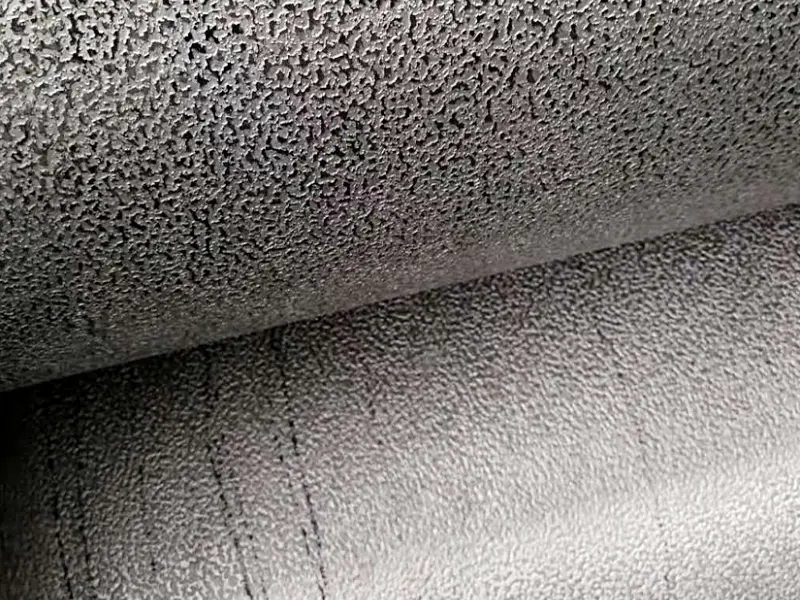
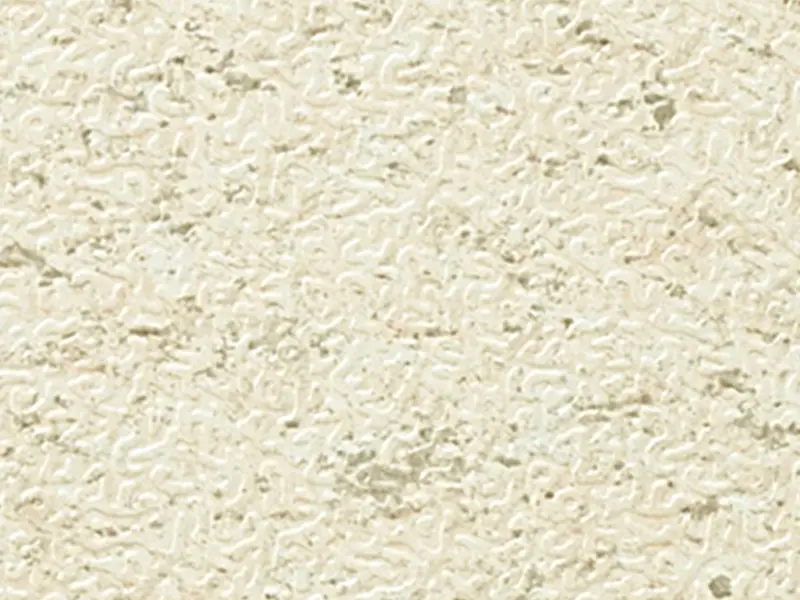
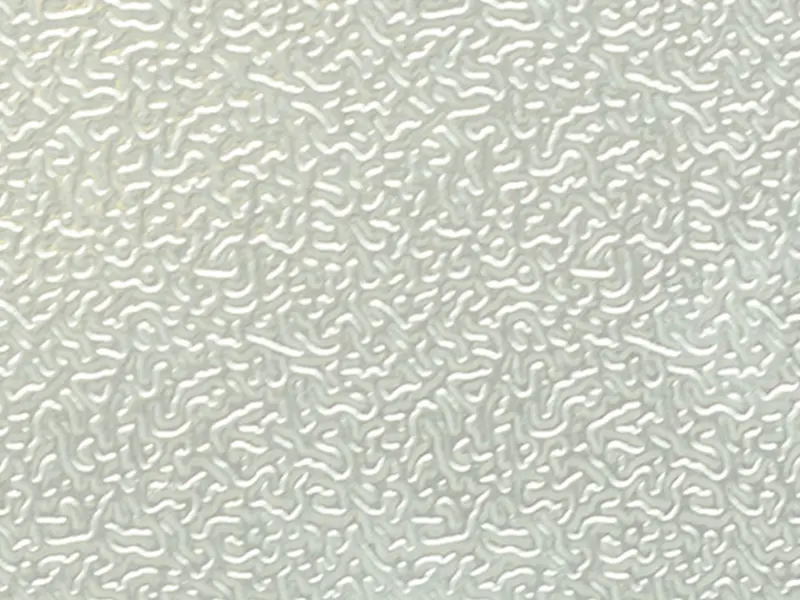
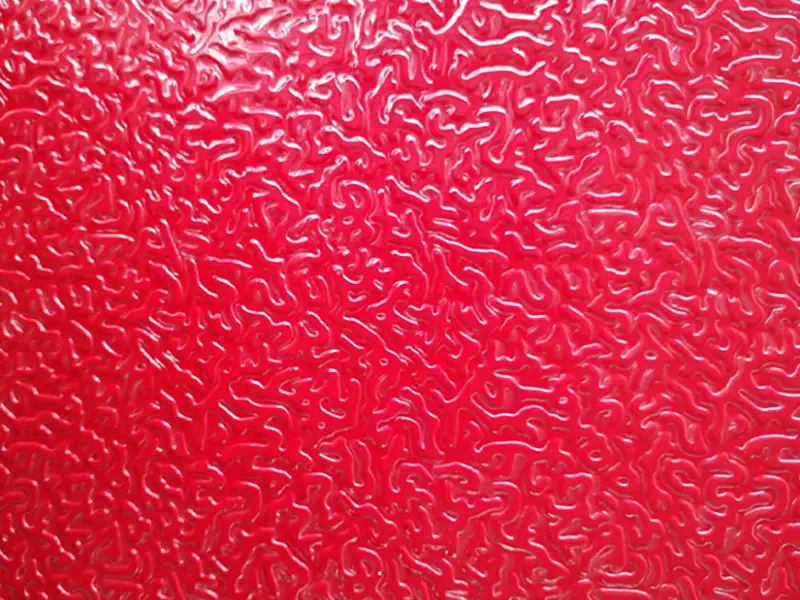
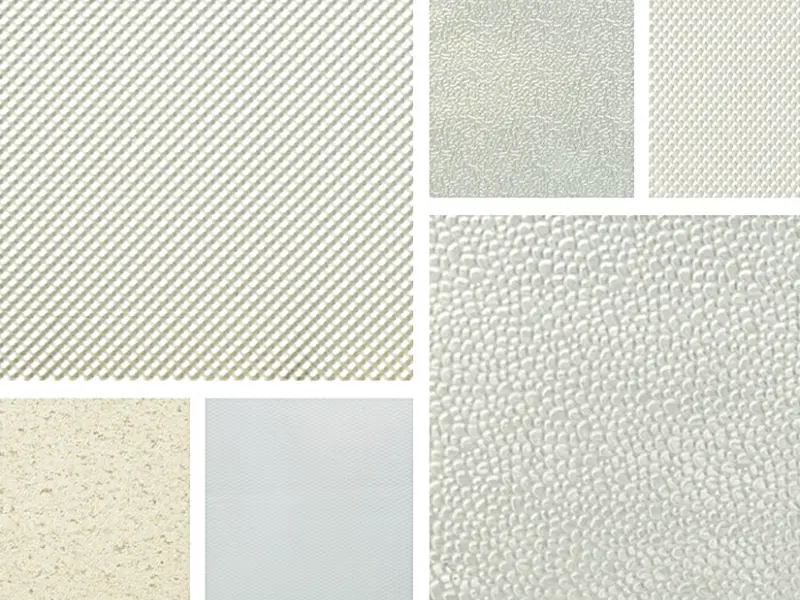
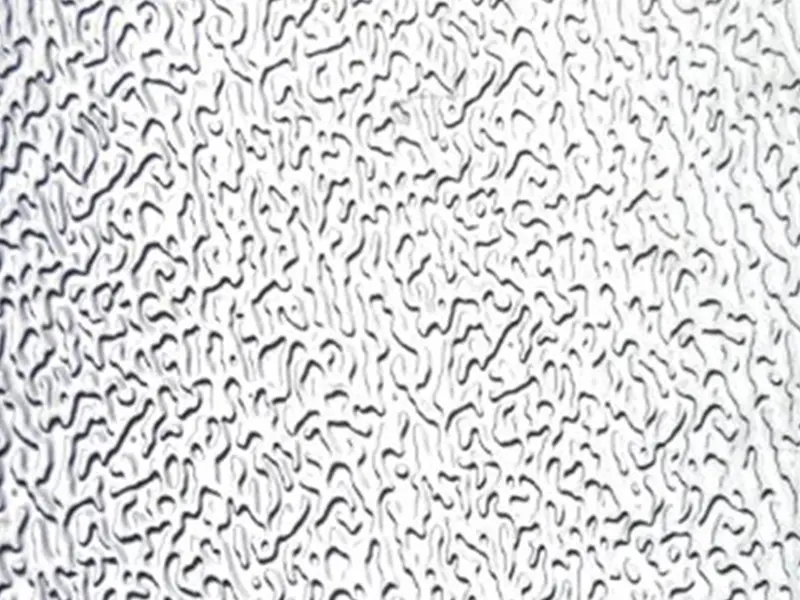
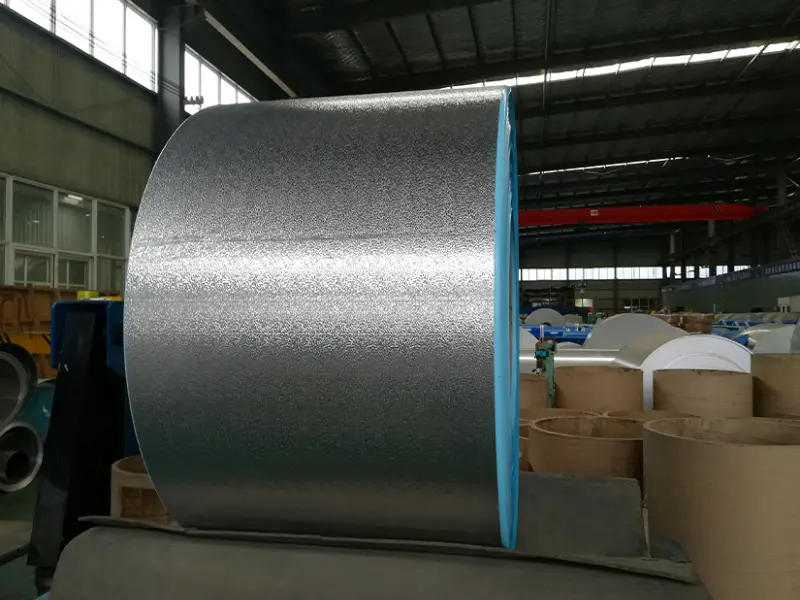
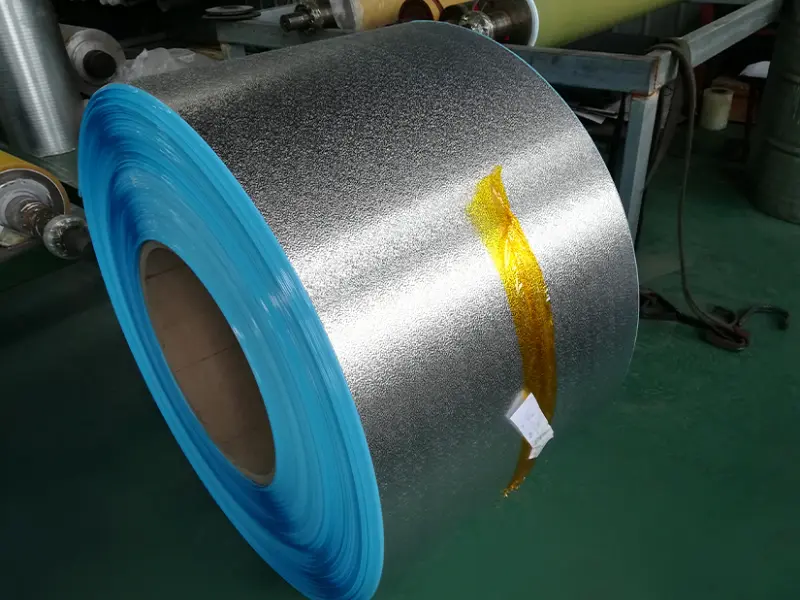
Stucco embossed aluminum coil is aluminum coil with a textured surface that resembles a traditional stucco finish. The pattern is produced by passing aluminum through specially designed embossing rollers.
The embossed surface creates a different appearance from smooth aluminum. It can also make small scratches and handling marks less noticeable. This feature is useful when the finished product will remain visible during daily use.
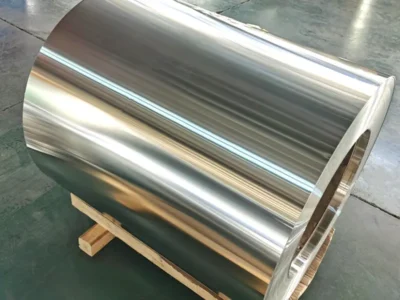
Stucco embossed aluminum coil is supplied in continuous rolls. It can be slit into narrow strips or cut into sheets according to customer requirements.
Main Features of Stucco Embossed Aluminum Coil
- Textured surface with a decorative appearance.
- Lightweight material for easier handling and installation.
- Good corrosion resistance when the alloy and environment are suitable.
- Easy cutting, bending, and forming in appropriate tempers.
- Available in different thicknesses, widths, and coil weights.
- Suitable for insulation jacketing, appliance panels, and building products.
- Can be supplied with a smooth reverse side, depending on the product and processing method.
- May be combined with painting or protective films when required.
The embossed pattern does not automatically make aluminum waterproof, stronger in every direction, or suitable for every outdoor environment. Product performance depends on the alloy, thickness, temper, finish, and application.
Stucco Embossed Aluminum Coil Specifications
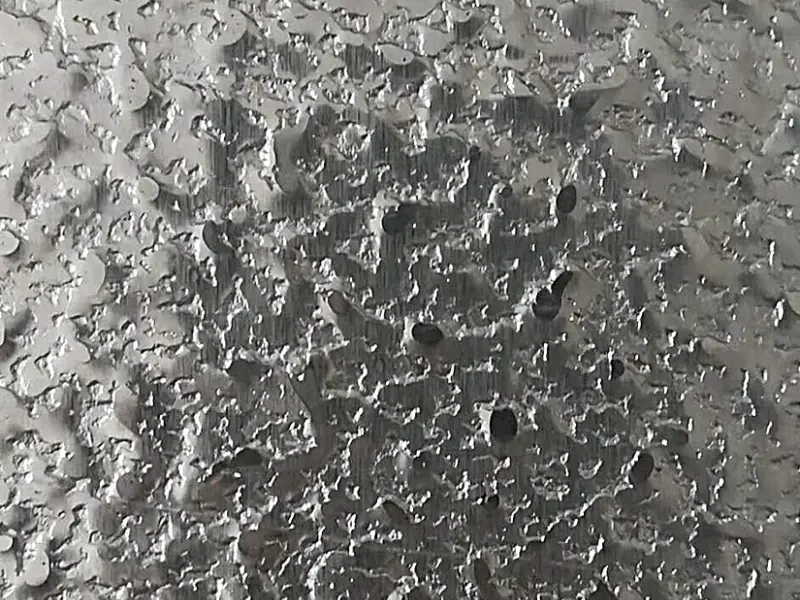
The following table provides typical specification ranges for commercial inquiries. Actual availability depends on the manufacturer’s production capacity and the required combination of alloy, temper, thickness, and width.
| Item | Typical Options |
|---|---|
| Product | Stucco embossed aluminum coil |
| Common alloys | 1050, 1060, 1100, 3003, 3105 |
| Other possible alloys | 3004, 5052, subject to requirements |
| Tempers | O, H14, H16, H18, H24 |
| Thickness | 0.2–1.5 mm |
| Common thicknesses | 0.3, 0.4, 0.5, 0.6, 0.8, 1.0 mm |
| Width | 100–1500 mm, depending on production capability |
| Surface | Stucco embossed |
| Additional finishes | Mill finish, painted or protective film |
| Supply form | Coil, slit coil, cut sheet |
| Processing | Slitting, cutting, bending, forming |
| Standards | ASTM B209 or EN 485, as applicable and agreed |
Note: Not every alloy and temper is available in every thickness. Confirm the required mechanical properties and applicable product standard before placing an order.
Popular Types of Stucco Embossed Aluminum Coil
Different product types serve different purposes. The best option depends on whether the buyer needs insulation protection, appliance production, decorative panels, or general metal fabrication.
1. Natural Stucco Embossed Aluminum Coil
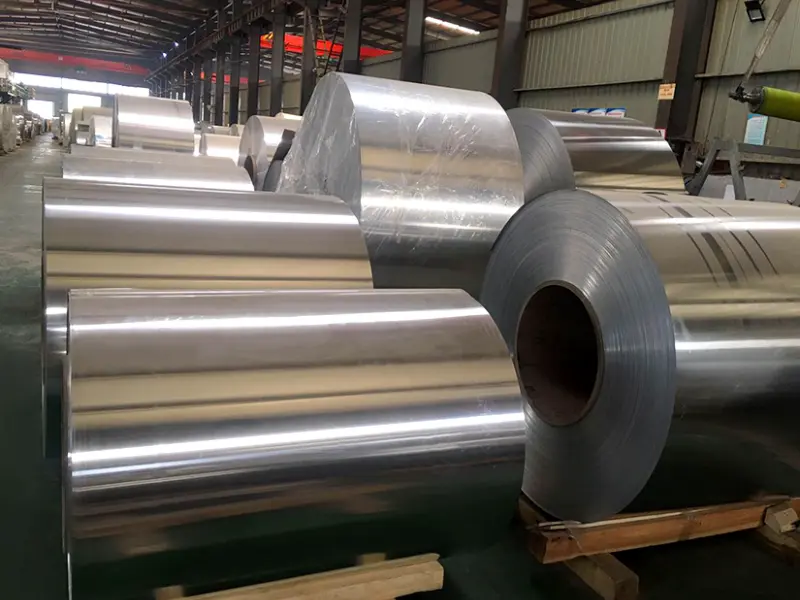
Natural stucco embossed aluminum coil has an embossed surface without an additional color coating. It is suitable for customers who want the original metallic appearance of aluminum.
Typical options include:
| Alloy | Temper | Thickness | Potential Applications |
|---|---|---|---|
| 1050 | O | 0.3–0.8 mm | Decorative panels and light fabrication |
| 1060 | O | 0.3–1.0 mm | Appliance panels and formed parts |
| 1100 | O, H14 | 0.3–1.0 mm | General-purpose embossed products |
| 3003 | O, H14 | 0.4–1.2 mm | Industrial covers and insulation |
| 3105 | H14, H24 | 0.4–1.2 mm | Building and appliance components |
These are representative product combinations, not a guarantee of stock availability.
2. Stucco Embossed Aluminum Coil for Pipe Insulation
This type is used as an outer jacket for insulated pipes. The aluminum cover helps protect insulation from routine handling damage and environmental exposure.
Common reference specifications include:
| Item | Typical Options |
|---|---|
| Alloy | 3003, 3105 |
| Temper | H14, H24 |
| Thickness | 0.4, 0.5, 0.6, 0.8 mm |
| Width | 914, 1000, 1219, 1250 mm |
| Finish | Natural stucco embossed |
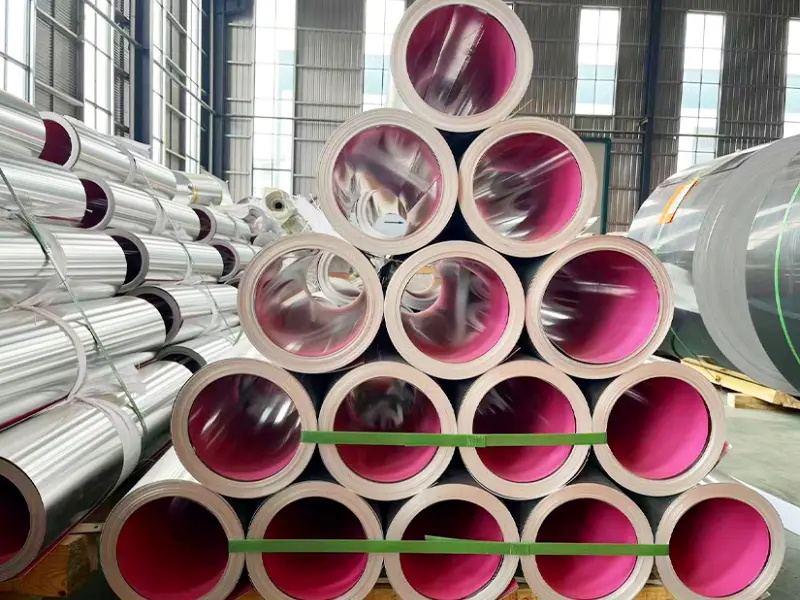
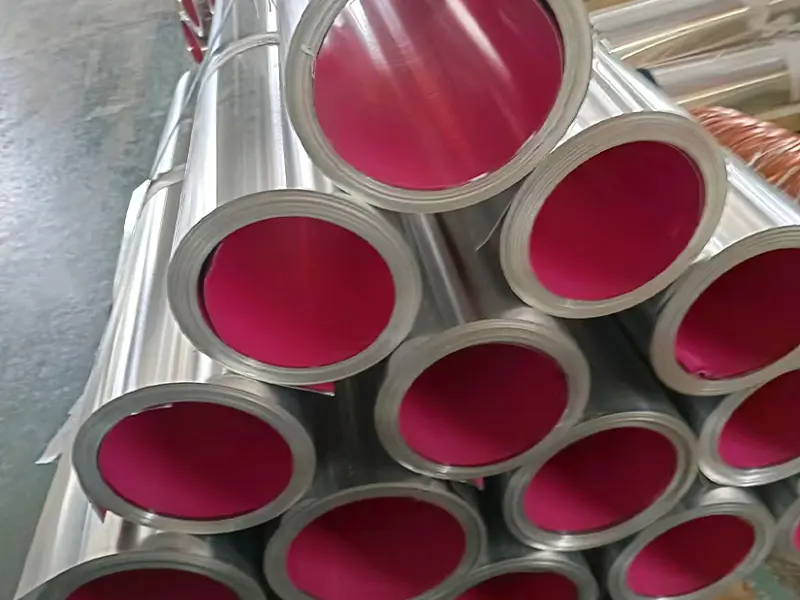
| Optional feature | Polysurlyn moisture barrier |
The required thickness depends on pipe diameter, installation conditions, external loads, and project specifications.
3. Stucco Embossed Aluminum Coil with Polysurlyn Moisture Barrier
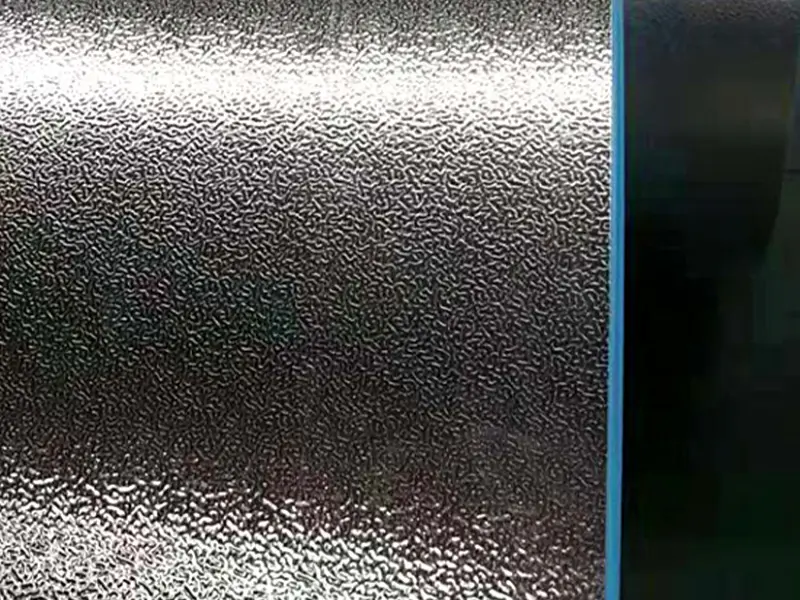
Some insulation projects require a moisture barrier on the inside of the aluminum jacket. A Polysurlyn film can be applied to help reduce direct contact between moisture and the inner metal surface.
| Item | Reference Specification |
|---|---|
| Base alloy | 3003 or 3105 |
| Temper | H14 or H24, subject to availability |
| Aluminum thickness | 0.4–1.0 mm |
| Width | 914–1250 mm |
| Surface | Stucco embossed |
| Inner layer | Polysurlyn moisture barrier |
| Main use | Industrial insulation jacketing |
The barrier is not a substitute for proper sealing, drainage, and installation. Moisture control is important for reducing the risk of corrosion under insulation.
4. Painted Stucco Embossed Aluminum Coil
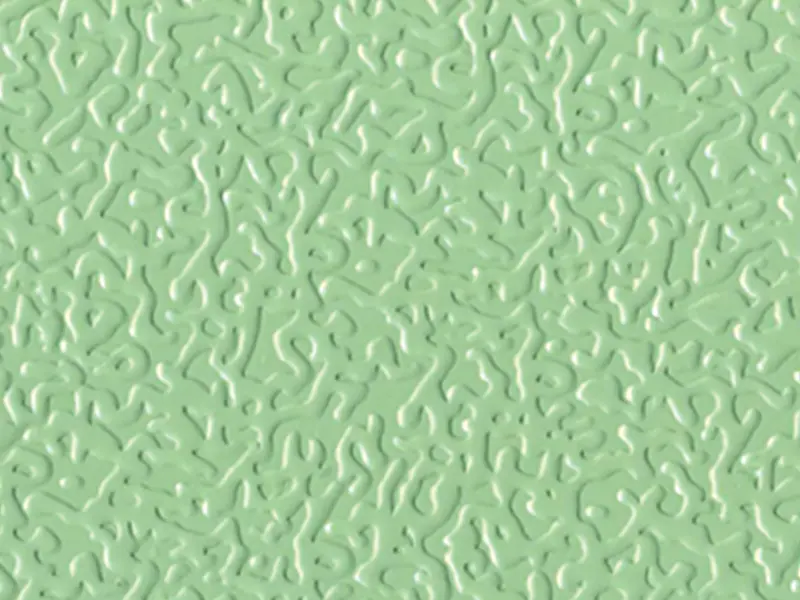
Painted stucco embossed aluminum coil combines a textured surface with a colored coating. It is useful when a project requires a specific appearance or additional surface protection.
Available colors, coating systems, and coating thicknesses depend on the supplier’s production range.
Potential applications include:
- Building interior panels.
- Appliance housings.
- Decorative wall components.
- Equipment covers.
- Custom metal fabrication.
For outdoor use, confirm coating durability, UV resistance, corrosion performance, and the expected service environment.
5. Stucco Embossed Aluminum Slit Coil
Slit coil is produced by cutting a wider parent coil into narrower strips. It is useful for manufacturers that need a consistent strip width for continuous production.
| Item | Example Options |
|---|---|
| Alloy | 1050, 1100, 3003, 3105 |
| Thickness | 0.3–1.0 mm |
| Width | 20–600 mm, depending on requirements |
| Edge condition | Standard slit edge or agreed specification |
| Supply | Narrow coils |
| Applications | Profiles, trim, covers, and formed parts |
Buyers should confirm strip width tolerance, edge quality, inner diameter, outer diameter, and coil weight.
6. Wide Stucco Embossed Aluminum Coil
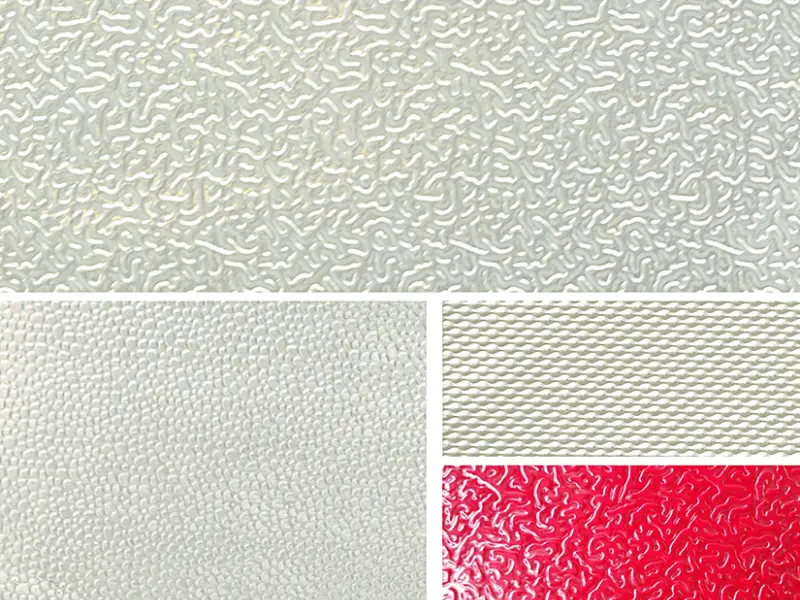
Wide coil can reduce the number of joints needed when manufacturing large panels or insulation covers.
| Item | Example Options |
|---|---|
| Alloy | 3003, 3105 |
| Temper | H14, H24 |
| Thickness | 0.5, 0.6, 0.8, 1.0 mm |
| Width | 1000, 1219, 1250, 1500 mm |
| Main uses | Large covers, tank insulation, and industrial panels |
The maximum available width depends on the rolling and embossing equipment. Confirm the usable width and required edge tolerances before ordering.
Which Aluminum Alloy Is Best for Stucco Embossed Aluminum Coil?
Alloy selection affects formability, strength, corrosion resistance, and cost. There is no single alloy that is best for every application.
1050 and 1060 Aluminum Coil
1050 and 1060 belong to the commercially pure aluminum series. They are often considered for products that require good formability and a simple metallic finish.
Potential applications:
- Decorative embossed sheets.
- Light-duty covers.
- Appliance components.
- General fabrication.
- Products requiring easy forming.
These alloys may be suitable when the project does not require the higher strength available from some other alloy families.
1100 Aluminum Coil
1100 aluminum is another commercially pure aluminum option. It offers good formability and corrosion resistance in suitable environments.
It may be considered for decorative parts, appliance components, and general-purpose embossed products. Buyers should confirm the required strength and forming performance for the selected temper.
3003 Aluminum Coil
3003 is an aluminum-manganese alloy commonly used for formed products and general industrial applications. It provides a useful balance of formability, strength, and corrosion resistance.
Potential applications include:
- Pipe insulation jacketing.
- Tank and vessel covers.
- Appliance panels.
- Industrial equipment covers.
- Embossed sheets for fabrication.
For buyers who need stucco embossed aluminum for industrial insulation, 3003 is an important option to evaluate.
3105 Aluminum Coil
3105 aluminum is used in various building and formed-sheet applications. Depending on the temper and product specification, it can be suitable for embossed building components and appliance-related products.
It may be considered when the required strength, forming characteristics, and surface finish align with the project.
5052 Aluminum Coil
5052 is a magnesium-containing aluminum alloy known for good corrosion resistance and higher strength than commercially pure aluminum in many tempers.
It may be appropriate for applications with more demanding mechanical requirements. However, it is not necessary for every embossed product, and the higher material cost should be weighed against the actual performance needs.
Alloy Comparison Table
| Alloy | General Strength | Formability | Typical Direction |
|---|---|---|---|
| 1050 | Relatively low | Very good in suitable tempers | Decorative and light-duty parts |
| 1060 | Relatively low | Very good in suitable tempers | General fabrication |
| 1100 | Relatively low | Very good in suitable tempers | Appliance and formed parts |
| 3003 | Moderate | Good | Insulation and industrial covers |
| 3105 | Depends on temper | Good in suitable tempers | Building and formed products |
| 5052 | Higher in many tempers | Good, but temper-dependent | More demanding applications |
These comparisons are general. Actual strength and forming performance must be checked against the product’s mill test certificate and technical data.
How to Choose the Right Thickness
Thickness affects weight, rigidity, forming behavior, and material cost. A thin coil is easier to handle, while a thicker coil may provide greater resistance to dents and deformation.
| Thickness | Typical Selection Consideration |
|---|---|
| 0.2 mm | Very light decorative or specialty applications |
| 0.3 mm | Lightweight covers and formed components |
| 0.4 mm | Light insulation jacketing |
| 0.5 mm | General insulation and industrial covers |
| 0.6 mm | Applications needing additional rigidity |
| 0.8 mm | Heavier covers and more demanding fabrication |
| 1.0 mm | Robust panels and equipment covers |
| 1.2–1.5 mm | Specific applications requiring greater thickness |
These are selection references, not fixed rules. A 0.5 mm coil may be sufficient for one installation but unsuitable for another with larger diameters, heavier external loads, or more demanding handling conditions.
0.3 mm vs. 0.5 mm Stucco Embossed Aluminum Coil
| Factor | 0.3 mm | 0.5 mm |
|---|---|---|
| Weight per square meter | Lower | Higher |
| Material cost per square meter | Generally lower | Generally higher |
| Handling | Lightweight | More rigid |
| Resistance to denting | More limited | Generally better |
| Potential use | Light-duty covers | General insulation covers |
Choose the thinnest material that meets the project’s mechanical and installation requirements. This can help control costs without compromising the intended performance.
0.5 mm vs. 0.8 mm Stucco Embossed Aluminum Coil
A 0.5 mm coil can be a practical choice for many general applications. A 0.8 mm coil may be preferred where more rigidity is needed.
The final decision should consider the support arrangement, panel size, bending radius, installation method, and exposure to impacts.
Stucco Embossed Aluminum Coil vs. Smooth Aluminum Coil
Both products are made from aluminum, but their surface appearance and finishing requirements differ.
| Comparison | Stucco Embossed Coil | Smooth Aluminum Coil |
|---|---|---|
| Surface | Textured | Flat |
| Appearance | Decorative, less reflective in many conditions | Clean and uniform |
| Small surface marks | Can be less noticeable | May be more visible |
| Cleaning | Texture may retain more dirt | Often easier to wipe clean |
| Fabrication | Suitable for cutting and forming | Suitable for cutting and forming |
| Typical uses | Insulation, appliances, decorative covers | General fabrication and coated products |
Stucco embossing is useful when the surface texture is preferred or when minor handling marks need to be less noticeable. Smooth aluminum may be a better choice where a flat surface is essential.
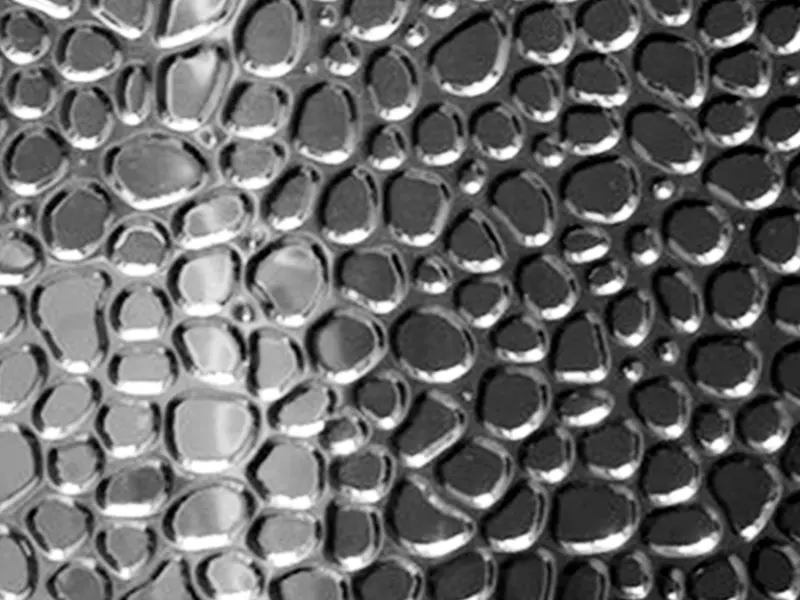
Stucco Embossed Aluminum Coil vs. Diamond Embossed Aluminum

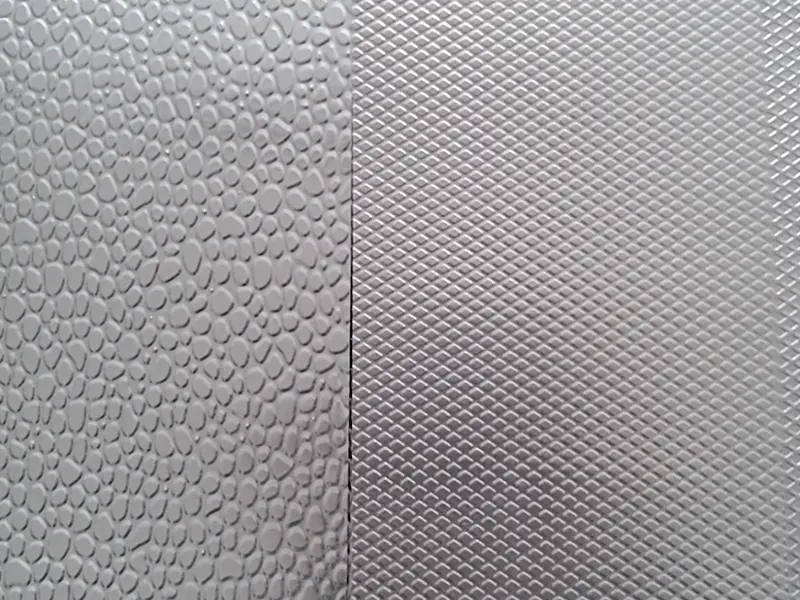
Stucco and diamond embossing create different surface patterns. Their suitability depends on the intended appearance and product function.
| Factor | Stucco Embossed | Diamond Embossed |
|---|---|---|
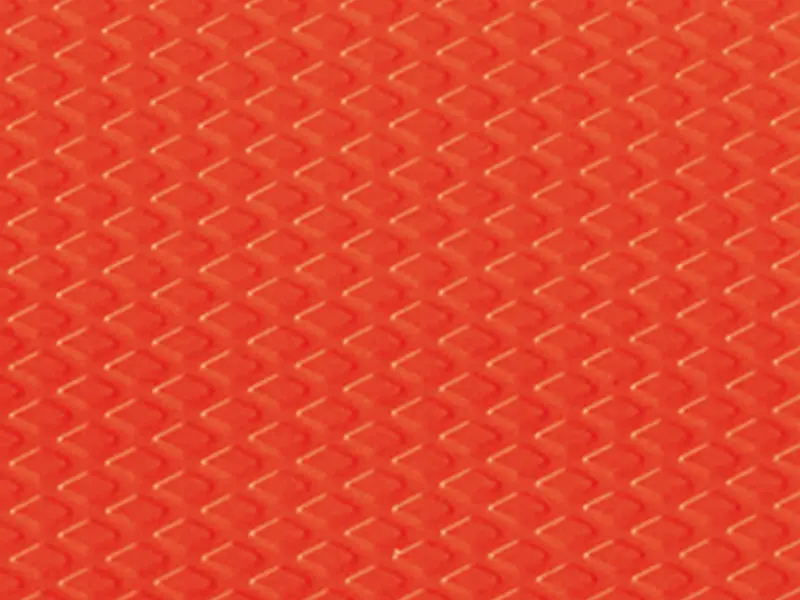
| Pattern | Fine, irregular textured finish | Repeated diamond-shaped pattern |
| Main purpose | Decorative finish and insulation jacketing | Decorative or application-specific patterned surface |
| Appearance | Subtle texture | More pronounced geometric pattern |
| Typical applications | Insulation covers and appliance panels | Decorative panels and selected industrial products |
Neither pattern should be treated as a guarantee of anti-slip performance. For walking surfaces, specify a product designed and tested for the required load and slip resistance.
Applications of Stucco Embossed Aluminum Coil
Stucco embossed aluminum coil is used across several industries because it is lightweight, workable, and available in different specifications.
Building and Construction
In construction, embossed aluminum can be used for decorative and functional components.
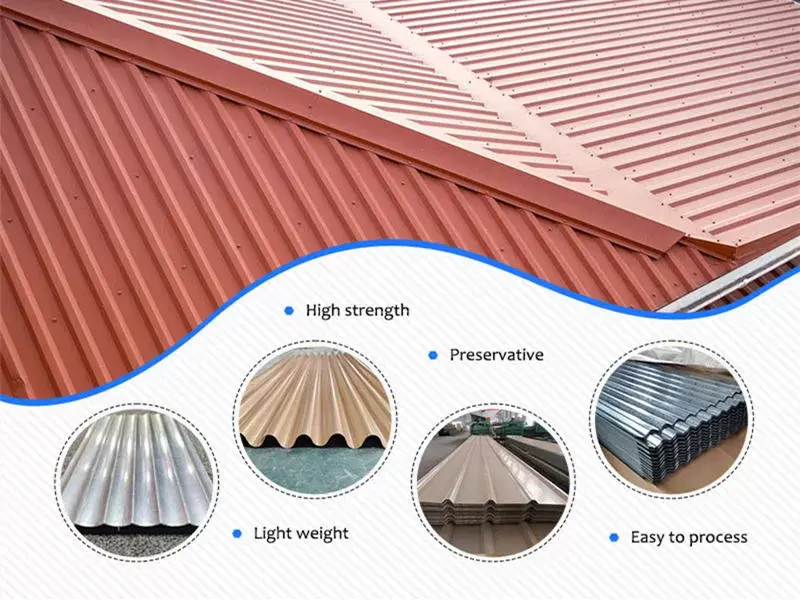
Typical applications include:
- Interior wall panels.
- Decorative ceiling components.
- Building trim and covers.
- Equipment enclosures.
- Selected exterior cladding components with a suitable finish.
For exterior applications, check the coating system, weather exposure, drainage, and installation details.
Pipe and Tank Insulation
Insulation jacketing is one of the key applications for stucco embossed aluminum coil. The embossed finish gives the outer jacket a textured appearance and can help make minor surface marks less visible.
Applications include:
- Industrial steam pipes.
- Hot-water pipelines.
- Insulated process lines.
- Storage tanks.
- Pressure vessel insulation covers.
- Industrial equipment insulation.
The aluminum jacket protects the insulation from routine physical damage. It does not replace the insulation material or the moisture-control system.
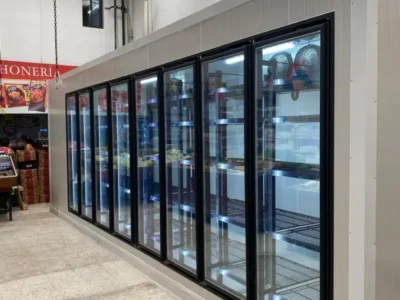
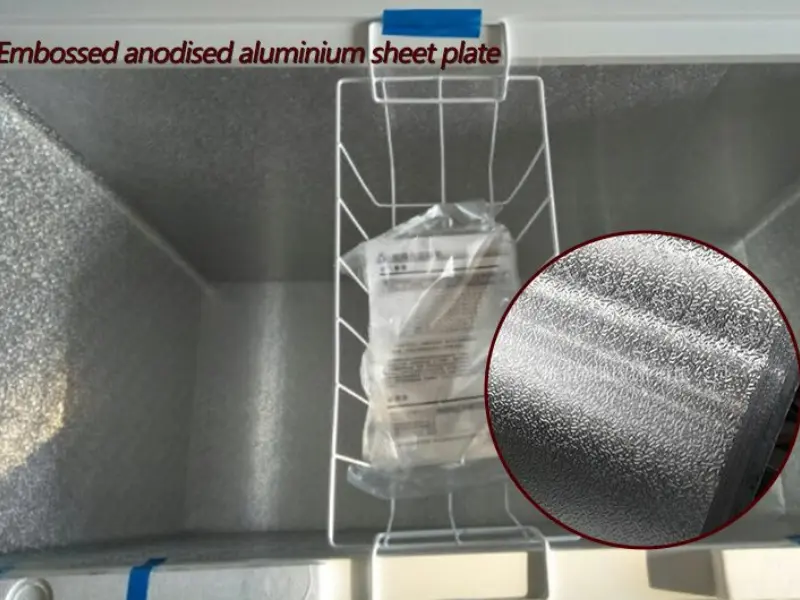
Refrigerators and Home Appliances
Embossed aluminum may be used for selected appliance panels, liners, covers, or decorative components.
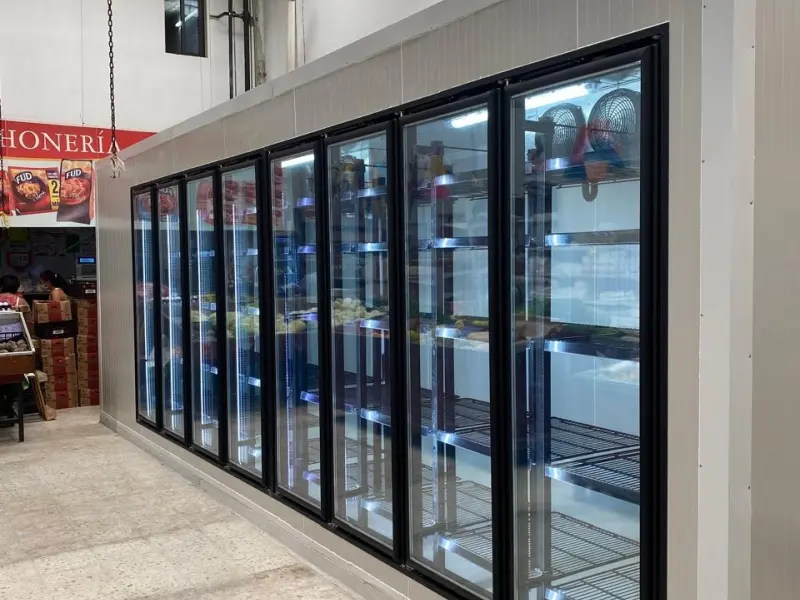
Possible applications include:
- Refrigerator-related components.
- Freezer panels.
- Appliance housings.
- Decorative interior parts.
- Equipment covers.
The correct alloy and temper depend on the forming process, dimensional tolerances, and surface requirements.
HVAC Systems
Heating, ventilation, and air-conditioning systems may use aluminum in insulated pipes, equipment covers, and selected formed components.
Potential uses include:
- Insulated duct and pipe covers.
- HVAC equipment panels.
- Thermal insulation jacketing.
- Service covers and trim.
The material specification should reflect the installation environment and any applicable building or mechanical requirements.
Industrial Equipment
Industrial manufacturers use embossed aluminum for covers and components where low weight and ease of fabrication are useful.
Examples include:
- Machine covers.
- Insulated equipment panels.
- Protective enclosures.
- Fabricated metal components.
- Custom industrial covers.
For equipment exposed to chemicals, high temperatures, or outdoor conditions, verify that the alloy and finish are suitable.
Transportation and Specialty Products
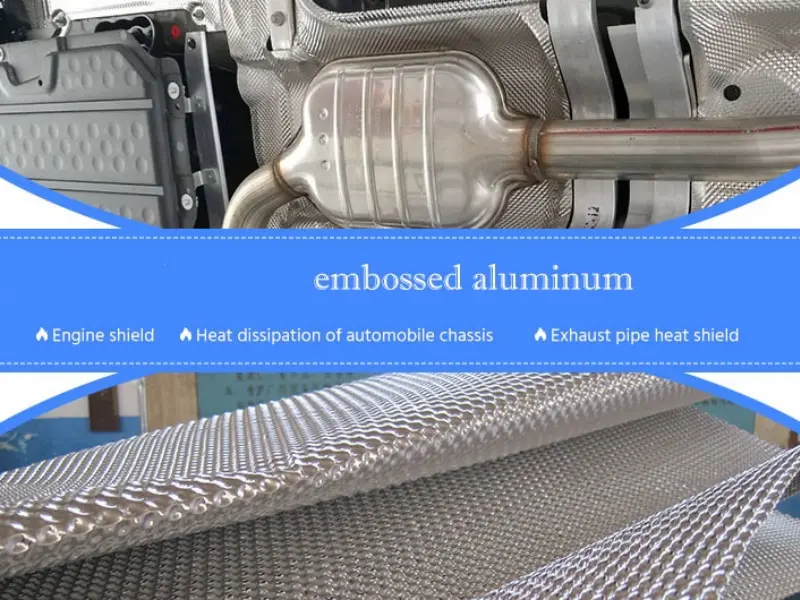
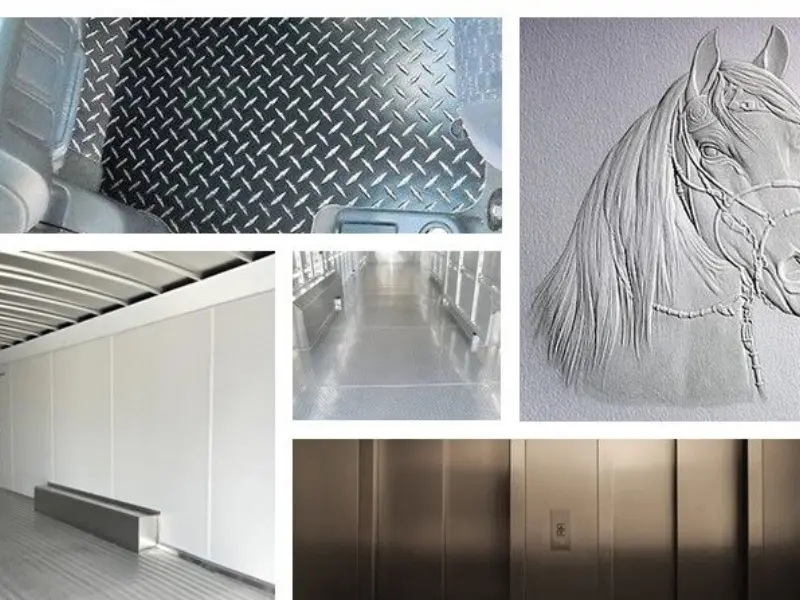
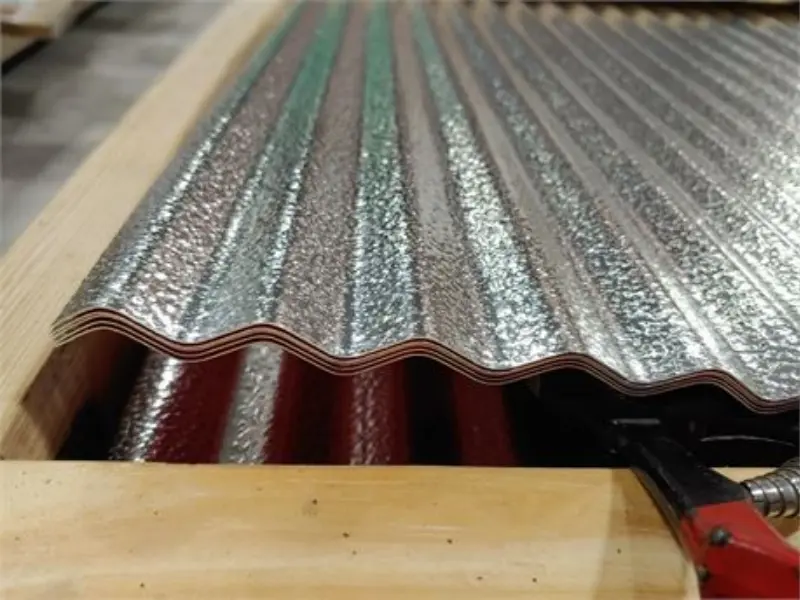
Stucco embossed aluminum can also be considered for selected transportation-related covers and specialty fabricated products.
The final specification should account for vibration, impact, forming, corrosion exposure, and any industry-specific requirements.
How Is Stucco Embossed Aluminum Coil Produced?
The production process influences the pattern, surface quality, dimensional consistency, and final appearance.
Step 1: Aluminum Coil Preparation
The manufacturer selects the base aluminum coil according to the specified alloy, temper, thickness, and width.
Step 2: Surface Preparation
The coil surface is checked before embossing. The material should meet the agreed requirements for surface quality and dimensional consistency.
Step 3: Embossing
The aluminum passes through patterned rollers that create the stucco texture. The embossing process must be controlled to achieve a consistent appearance.
Step 4: Slitting or Cutting
After embossing, the coil can be supplied in its original width, slit into narrower coils, or cut into sheets.
Step 5: Inspection and Packaging
The finished material is checked for dimensions, surface condition, pattern consistency, and winding quality. Packaging should protect the coil from moisture and handling damage during transportation.
Quality Checks Before Buying
A good purchasing decision includes more than the alloy and thickness. Buyers should confirm the details that affect production and final use.
| Quality Item | What to Check |
|---|---|
| Alloy and temper | Match the order specification |
| Thickness | Confirm nominal thickness and tolerance |
| Width | Check usable width and tolerance |
| Embossed pattern | Confirm consistency and appearance |
| Surface condition | Check for unacceptable stains, scratches, or defects |
| Coil winding | Check for telescoping, loose winding, or edge damage |
| Slit edges | Confirm edge quality for narrow coils |
| Protective film | Confirm type and compatibility if required |
| Moisture barrier | Check the specified film and bonding |
| Documentation | Confirm certificates and inspection reports |
For large-volume orders, buyers may request a sample or approve a surface reference before mass production.
What Affects the Price of Stucco Embossed Aluminum Coil?
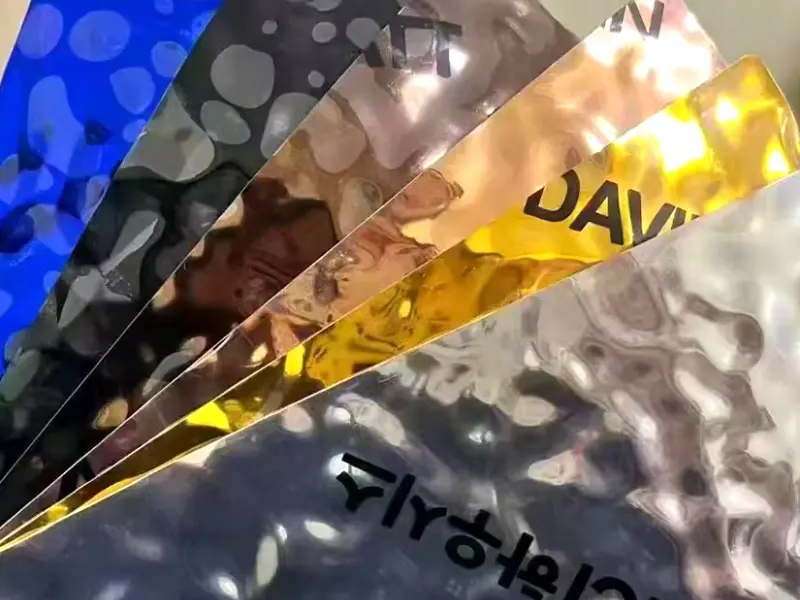
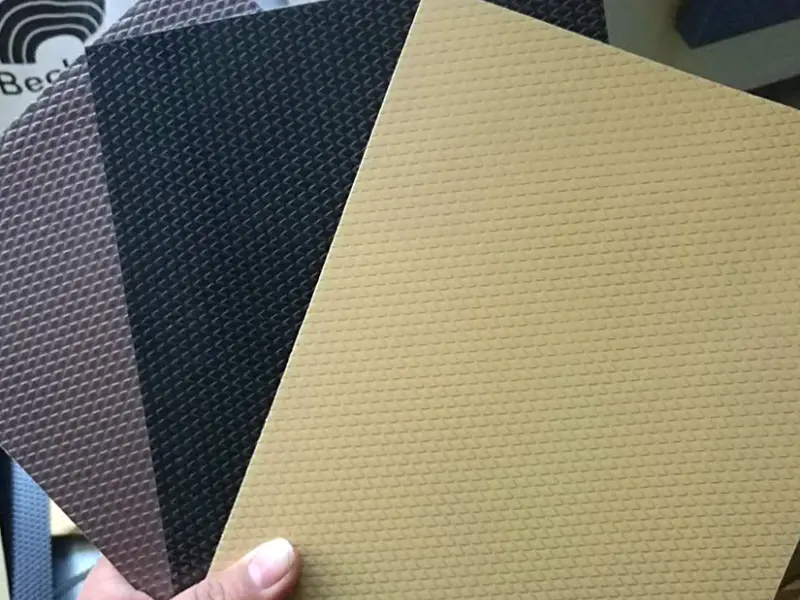
The price depends on material costs, processing, specifications, order quantity, and delivery terms.
| Cost Factor | Why It Matters |
|---|---|
| Alloy | Different alloy compositions can have different costs |
| Temper | Availability and mechanical requirements may affect pricing |
| Thickness | Higher thickness means more aluminum per square meter |
| Width | Affects production yield and processing |
| Embossing | Requires suitable processing and quality control |
| Coating | Painting or special surface treatments may add cost |
| Moisture barrier | Additional film and lamination may increase cost |
| Coil weight | Influences handling and packaging |
| Order quantity | May affect production efficiency and unit price |
| Packaging and freight | Depend on the delivery method and destination |
When comparing suppliers, compare the same alloy, temper, thickness, width, finish, quantity, and delivery terms. A lower quoted price may reflect a different specification or a different level of processing.
How to Order Stucco Embossed Aluminum Coil
To obtain an accurate quotation, prepare the main technical details before contacting a supplier.
Information to Include in Your Inquiry
- Aluminum alloy, such as 1050, 1100, 3003, or 3105.
- Required temper, such as O, H14, or H24.
- Nominal thickness and tolerance.
- Coil width or slit width.
- Embossed finish and any color requirements.
- Need for a Polysurlyn moisture barrier.
- Inner diameter and target coil weight.
- Order quantity.
- Packaging requirements.
- Delivery destination and required documentation.
If you are unsure about the exact specification, describe the end use and operating environment. A supplier can then help evaluate suitable options.
Frequently Asked Questions About Stucco Embossed Aluminum Coil
What is stucco embossed aluminum coil used for?
It is used for insulation jacketing, appliance components, building panels, equipment covers, and decorative metal products. The specific application depends on the alloy, thickness, temper, and surface finish.
Which alloy is commonly used for stucco embossed aluminum coil?
1050, 1060, 1100, 3003, and 3105 are options to evaluate. For insulation jacketing, 3003 and 3105 may be suitable depending on the project requirements. The correct choice depends on strength, formability, environment, and cost.
What thickness is available for stucco embossed aluminum coil?
Common reference thicknesses include 0.3, 0.4, 0.5, 0.6, 0.8, and 1.0 mm. Thicker or thinner material may be available depending on the alloy, width, and production capability.
Is stucco embossed aluminum coil suitable for outdoor use?
It can be used outdoors when the alloy, finish, and installation system are suitable for the environment. Outdoor projects should consider rainwater management, joints, corrosion exposure, and protective coatings where necessary.
Can stucco embossed aluminum coil be supplied with a moisture barrier?
Yes, some products can be supplied with a Polysurlyn moisture barrier or another specified film. Confirm the barrier type, thickness, bonding quality, and intended service conditions before ordering.
Can stucco embossed aluminum coil be cut into narrow strips?
Yes. It can be slit into narrower coils when the required width is within the manufacturer’s processing capability. Specify the strip width, tolerance, coil weight, inner diameter, and edge requirements.
What is the difference between stucco embossed and smooth aluminum coil?
Stucco embossed coil has a textured surface, while smooth coil has a flat surface. The embossed finish can make small marks less noticeable. Smooth aluminum is often preferred when a flat, uniform appearance is required.
Is stucco embossed aluminum stronger than smooth aluminum?
Embossing changes the surface geometry, but it does not automatically make the product stronger for every type of load. Strength depends mainly on the alloy, temper, thickness, and product design. Compare verified mechanical properties when strength is important.
Can stucco embossed aluminum coil be painted?
Yes, a painted finish may be available. Confirm the coating type, color, adhesion, durability, and suitability for the intended environment.
How can I get a quotation for stucco embossed aluminum coil?
Provide the alloy, temper, thickness, width, surface finish, order quantity, and delivery destination. If the material is intended for insulation jacketing, also specify whether a moisture barrier is required.
Find the Right Stucco Embossed Aluminum Coil for Your Project
Choosing the right stucco embossed aluminum coil starts with the end use. A decorative appliance panel may need different material properties from an industrial pipe jacket or a large tank cover.
Compare the alloy, temper, thickness, embossing pattern, width, and finish before ordering. For insulation projects, also confirm whether a moisture barrier is required. For building and appliance applications, check the forming process and final surface requirements.
If you need a customized specification, prepare your target dimensions, quantity, and application details. These details help the supplier recommend a suitable product and provide a more accurate quotation.