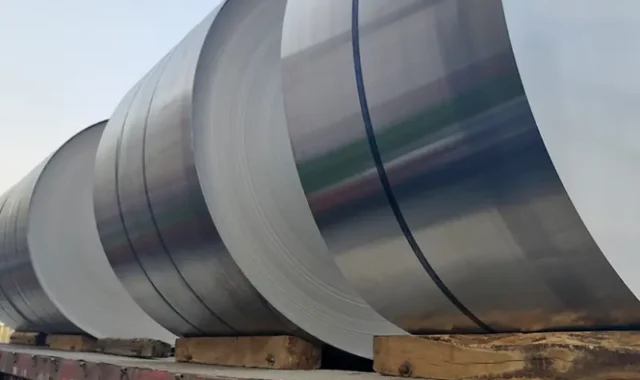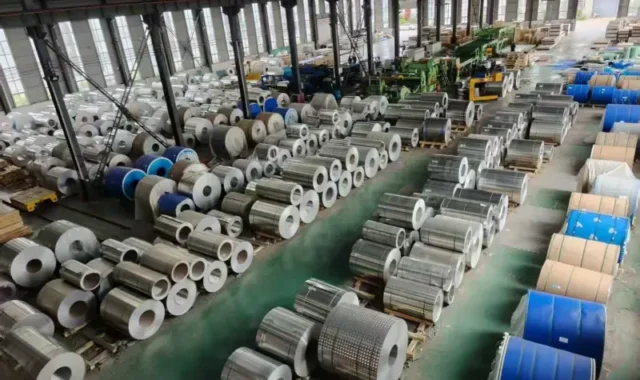
Aluminum sheet for roofing is widely used in residential buildings, commercial projects, warehouses, workshops, and industrial facilities.
It offers a useful combination of low weight, corrosion resistance, and flexible design options. It can be supplied in flat sheets, corrugated panels, and trapezoidal roofing profiles.


Choosing the right roofing aluminum sheet depends on the building design, local weather, roof structure, and installation method. Alloy, temper, thickness, surface finish, and profile shape all affect the final performance.
Some projects need lightweight aluminum roofing sheets for simple structures.
Others require painted aluminum sheets for commercial buildings or thicker panels for demanding environments. Understanding these differences helps buyers select the right material and control project costs.
What Is Aluminum Sheet for Roofing?
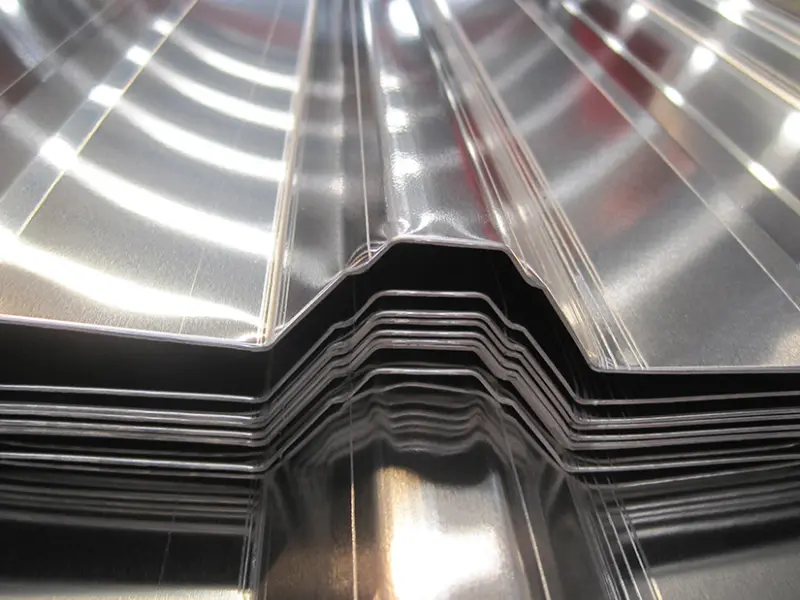
Aluminum roofing sheet is a flat aluminum product that can be formed into corrugated, ribbed, or trapezoidal panels. These panels are installed on roofs to protect buildings from rain, sunlight, and other environmental conditions.
The aluminum can be supplied with a natural mill finish, a painted surface, or a special protective coating. The correct choice depends on the required appearance, exposure conditions, and maintenance plan.
Roofing aluminum is available in different alloys and tempers. Each option offers different forming characteristics, strength levels, and surface properties.
Main Features of Aluminum Roofing Sheets
| Feature | Description |
|---|---|
| Material | Aluminum alloy |
| Product forms | Flat sheet, corrugated sheet, trapezoidal panel |
| Common thickness range | About 0.3–1.5 mm for many lightweight roofing products |
| Common alloys | 3003, 3105, and other suitable roofing alloys |
| Common tempers | H14, H24, H26, and other product-dependent tempers |
| Surface finishes | Mill finish, painted, coated, embossed |
| Panel length | Standard or custom length |
| Processing | Slitting, cutting, corrugating, roll forming |
| Main applications | Roofs, canopies, warehouses, workshops, and wall cladding |
These ranges are general examples. Actual specifications depend on the product design, manufacturing process, and project requirements. Thicker aluminum products may be available for special roofing and architectural applications.
Why Choose Aluminum Sheet for Roofing?
Aluminum is a practical roofing material for many buildings. It is lightweight, easy to form into different profiles, and naturally resistant to corrosion in many environments.
Lightweight Material for Roof Structures
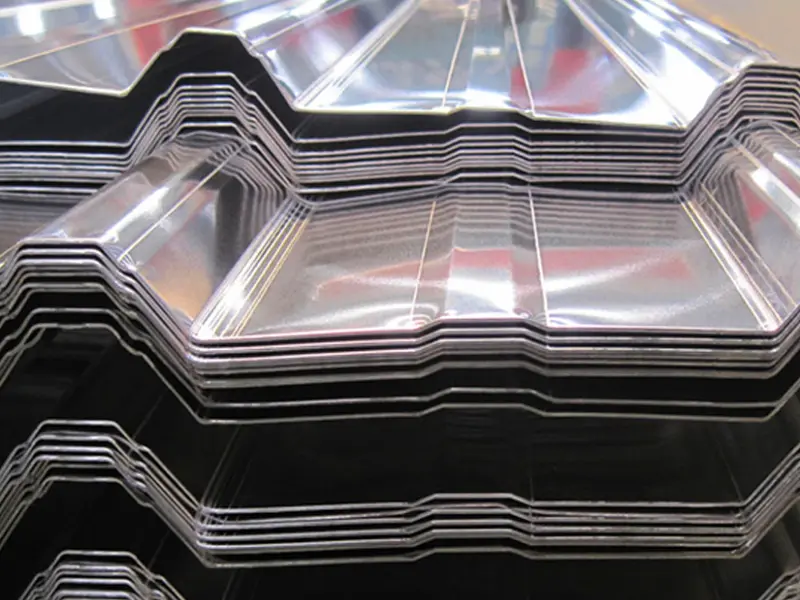
Aluminum weighs much less than steel at the same thickness. This can reduce the weight of the roofing panels and make handling easier during installation.
A lightweight roof may help reduce the permanent load on the supporting structure. However, the roof design must still account for wind, snow, maintenance loads, and the distance between supports.
Good Corrosion Resistance
Aluminum forms a natural oxide layer that helps protect the metal surface. This property makes aluminum roofing useful in many outdoor environments.
In coastal or industrial areas, buyers should pay attention to alloy selection, coating quality, fasteners, and contact with other metals. These details can affect long-term performance.
Flexible Design Options
Aluminum roofing sheets can be produced in several profiles and colors. They can also be supplied in different lengths to match the roof layout.
Common options include:
- Corrugated aluminum roofing sheets
- Trapezoidal aluminum roofing panels
- Painted aluminum roofing sheets
- Embossed aluminum roofing sheets
- Aluminum roofing sheets with custom dimensions
- Aluminum panels for roof and wall cladding
Suitable for Different Building Types
Aluminum roofing is used in both small and large projects. It can be selected for simple shelters or more complex commercial buildings when the roofing system is designed correctly.
Typical uses include residential extensions, workshops, warehouses, agricultural buildings, and industrial facilities.
Types of Aluminum Sheet for Roofing
Different roofing profiles serve different purposes. The correct profile depends on the building design, support spacing, drainage needs, and desired appearance.
Corrugated Aluminum Roofing Sheet
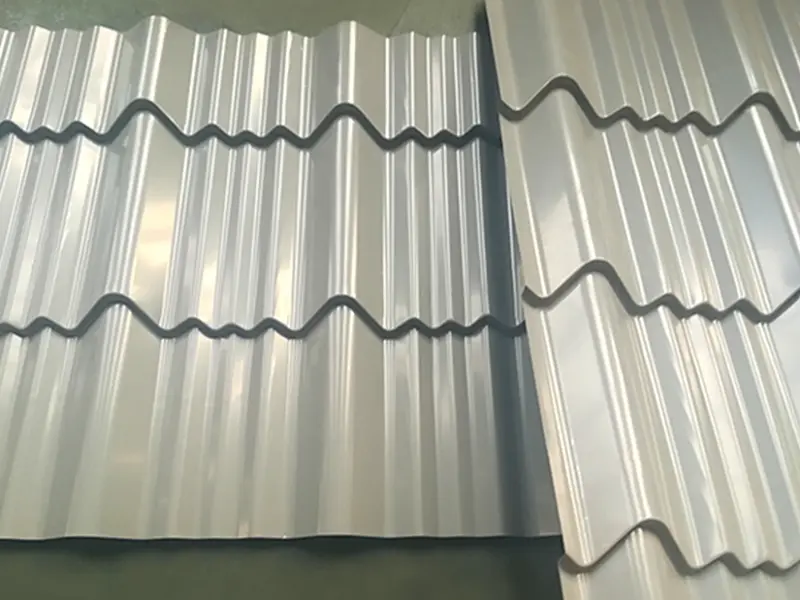
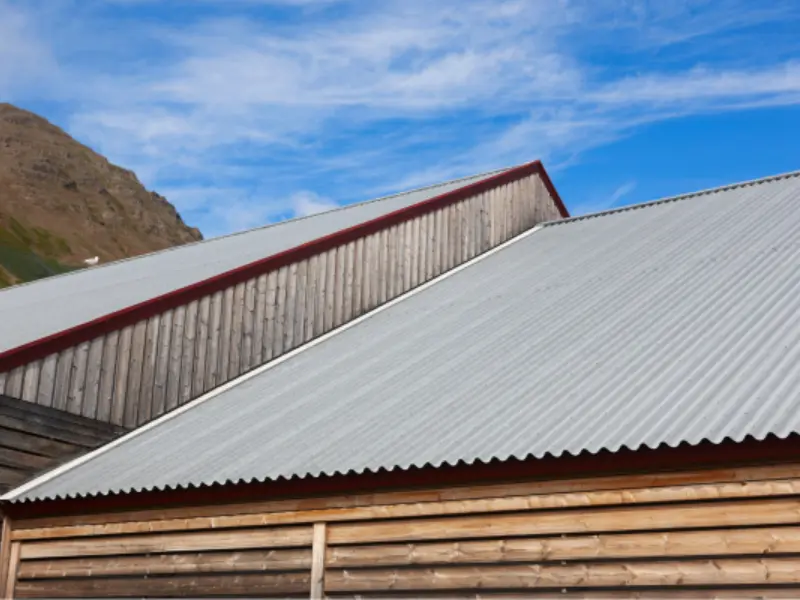
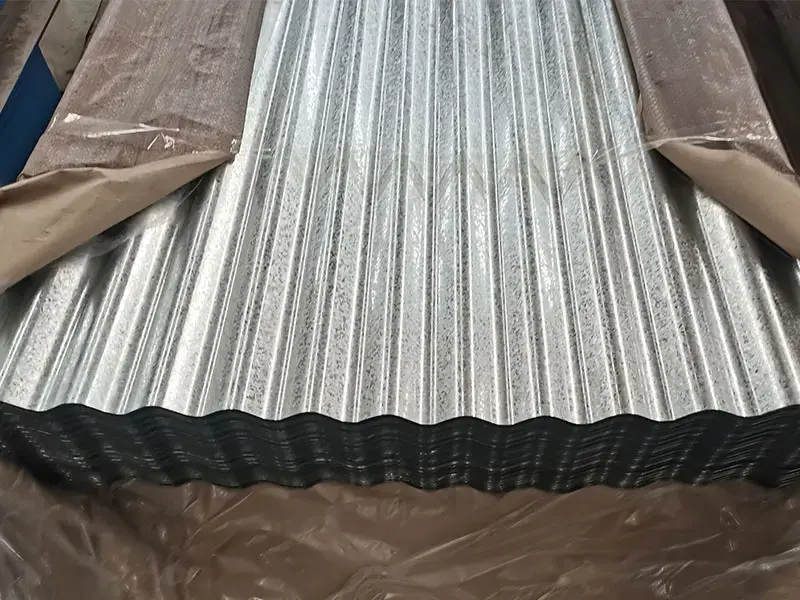
Corrugated aluminum sheet has a series of curved waves. The repeated profile adds rigidity compared with a flat sheet of the same material and thickness.
It is often used for sheds, garages, agricultural buildings, and utility structures. The traditional wave pattern is also suitable for renovation projects.
Common applications include:
- Garage and shed roofs
- Agricultural storage buildings
- Workshops
- Covered walkways
- Utility buildings
- Lightweight outdoor shelters
Corrugated roofing sheets can be supplied in natural aluminum or coated finishes. The profile dimensions and sheet thickness should be selected according to the project’s design requirements.
Trapezoidal Aluminum Sheet for Roofing
Trapezoidal roofing sheets have raised ribs with angled sides. This profile is widely used for commercial and industrial roofs.
The rib height, spacing, and sheet thickness affect the panel’s structural performance. Two profiles with the same thickness may have different load capacities.
Typical applications include:
- Industrial warehouses
- Factories
- Distribution centers
- Commercial buildings
- Workshop roofs
- Large storage facilities
For large roof areas, buyers should compare the effective cover width, fixing method, and support spacing rather than looking only at the total sheet width.
Painted Aluminum Sheet for Roofing
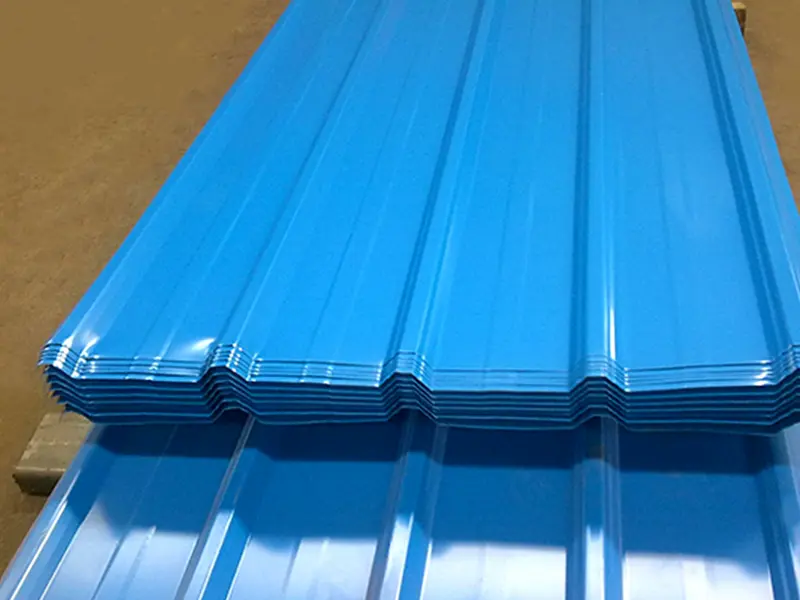
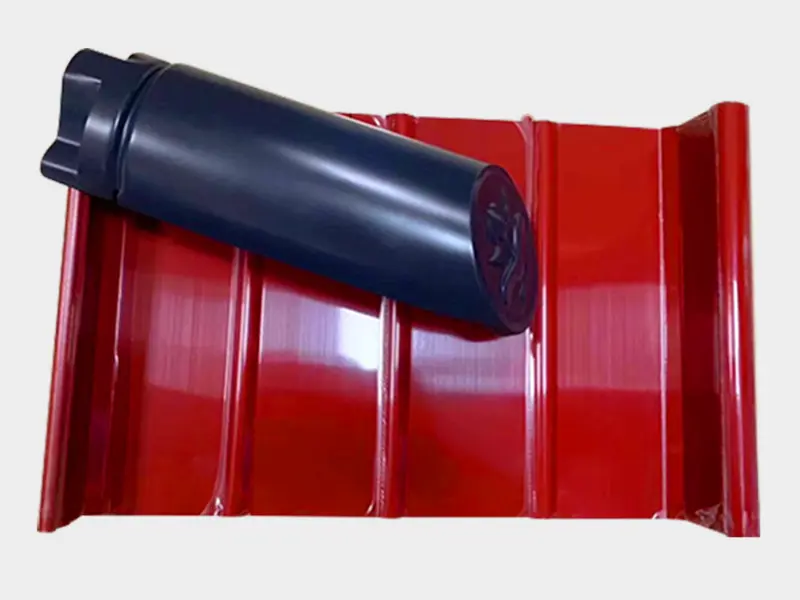
Painted aluminum roofing sheet has a protective and decorative coating. It is available in different colors and gloss levels, depending on the coating system.
Painted roofing sheets are useful when the building requires a specific color or a consistent architectural appearance. They are often used in commercial buildings, agricultural facilities, and modern residential projects.
When ordering painted aluminum roofing, confirm the coating type, color code, coating thickness, and weather-resistance requirements.
Mill Finish Aluminum Sheet for Roofing
Mill finish aluminum roofing sheet has a natural metallic appearance without an added decorative paint layer.
It may be suitable for industrial structures, utility buildings, and projects where the natural aluminum finish is acceptable.
The surface appearance depends on the alloy and production process. If appearance is important, request a sample or confirm the expected surface quality before ordering.
Embossed Aluminum Sheet for Roofing

Embossed aluminum sheet has a patterned surface. The pattern changes the appearance and texture of the material.
Embossed products may be used for specialized roofing, cladding, insulation-related applications, or decorative panels. Their suitability depends on the embossing pattern, thickness, and installation system.
Custom-Size Aluminum Sheet for Roofing
Some roofs need panels with specific lengths or widths. Custom cutting can reduce the amount of cutting required at the installation site.
Before placing an order, confirm the overall width, effective cover width, panel length, profile dimensions, and cutting tolerance. For export projects, also consider packaging and unloading requirements.
Aluminum Roofing Sheet Alloys and Tempers
Alloy selection affects forming, strength, corrosion resistance, and suitability for outdoor use. Roofing products must also be compatible with the chosen profile-forming process.
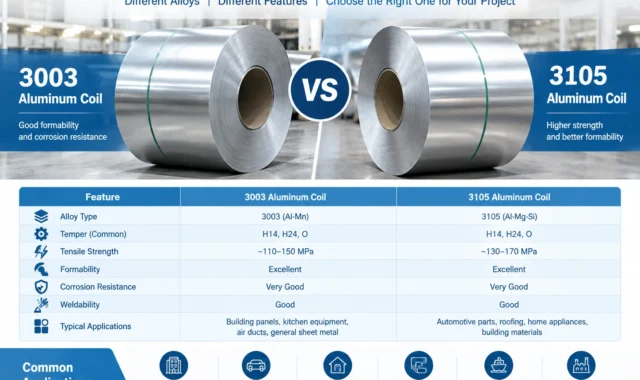
3003 Aluminum Sheet for Roofing
3003 aluminum contains manganese and offers good formability and corrosion resistance for many general applications.
It can be considered for formed roofing panels and cladding where its mechanical properties meet the design requirements.
Common uses include:
- Lightweight roof panels
- General building cladding
- Utility structures
- Formed aluminum components
- Decorative architectural panels
3105 Aluminum Roofing Sheet
3105 aluminum is commonly used in building-related sheet and coil products. It offers a useful combination of formability and corrosion resistance.
Depending on the product specification, it can be used for painted roofing sheets, wall cladding, and other formed building products.
Buyers should confirm the available temper, coating system, and profile dimensions with the manufacturer.
5052 Aluminum Sheet for Roofing Applications
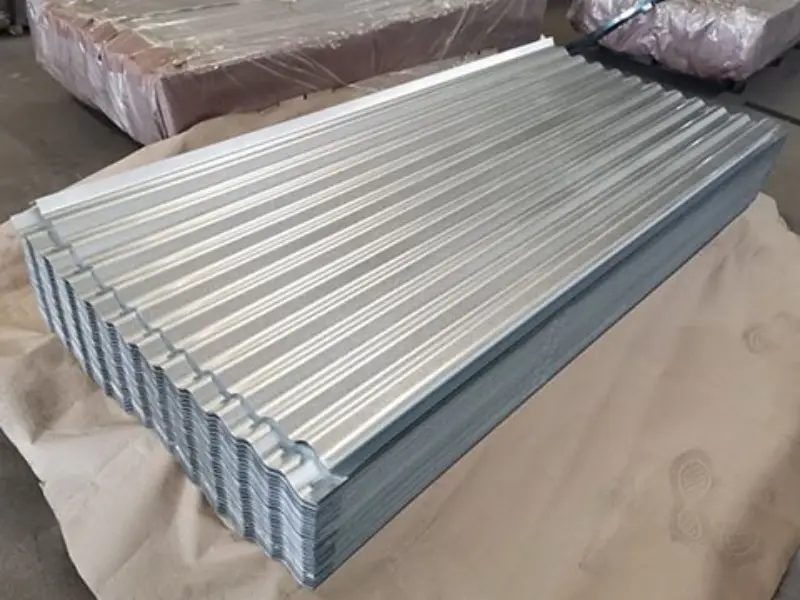
5052 aluminum is known for good corrosion resistance and higher strength than some common general-purpose sheet alloys. It may be considered for specialized roofing or exterior applications when its properties suit the design.
However, not every roofing profile is available in 5052. Availability and forming suitability should be confirmed before selecting it for a project.
Alloy Comparison Aluminum Sheet for Roofing
| Alloy | Main Characteristics | Possible Applications |
|---|---|---|
| 3003 | Good formability and corrosion resistance | Formed panels and general cladding |
| 3105 | Common in building sheet and coil products | Painted roofing and wall panels |
| 5052 | Good corrosion resistance and useful strength | Selected exterior and specialized applications |
This is a general comparison. The best alloy depends on the roof design, required mechanical properties, coating, and forming process.
Common Aluminum Roofing Tempers
Temper describes the material’s condition after processing. It affects how the aluminum behaves during forming and in service.
| Temper | General Description | Selection Notes |
|---|---|---|
| O | Annealed condition | Often offers high formability |
| H14 | Strain-hardened condition | Used for certain formed sheet products |
| H24 | Strain-hardened and partially annealed | Available in some building sheet products |
| H26 | A harder condition than H24 in the same temper series | Consider when the required strength and forming process are compatible |
Not every alloy is available in every temper. Always confirm the alloy-temper combination and the supplier’s technical data.
Aluminum Roofing Sheet Thickness Guide
Thickness affects material weight, handling, cost, and panel stiffness. However, thickness alone does not determine roof performance. Profile geometry and support spacing are also important.
Common Thickness Options of Aluminum Sheet for Roofing
| Nominal Thickness | Approximate Thickness in Inches | Typical Considerations |
|---|---|---|
| 0.30 mm | 0.012 in | Very lightweight roofing applications |
| 0.40 mm | 0.016 in | Lightweight panels, subject to design |
| 0.50 mm | 0.020 in | Common option for selected roofing systems |
| 0.60 mm | 0.024 in | More material thickness for suitable profiles |
| 0.80 mm | 0.031 in | Selected commercial and industrial applications |
| 1.00 mm | 0.039 in | Applications requiring a thicker panel |
| 1.20 mm | 0.047 in | Specialized roofing or cladding requirements |
| 1.50 mm | 0.059 in | Thicker formed panels for specific projects |
These thicknesses are indicative options, not a structural recommendation. The required thickness must be verified against the profile design, support spacing, wind loads, snow loads, and local building codes.
How to Choose the Right Thickness
For a small canopy, a lightweight panel may be suitable if the structure and local conditions allow it. A large industrial roof may need a different profile or thickness because of longer spans and greater design loads.
Before choosing a thinner sheet to reduce cost, check the panel’s allowable span and load capacity. A lower material price may not provide the best result if the sheet is too flexible for the intended application.

Aluminum Roofing Sheet Size and Profile Options

The correct dimensions help reduce waste and make installation easier. Roofing sheets can be supplied in different widths and lengths depending on the profile and production equipment.
Common Dimensions to Confirm
| Parameter | What It Means |
|---|---|
| Overall width | Total width of the sheet before installation |
| Effective cover width | Width covered after side laps |
| Length | Distance from one end of the panel to the other |
| Rib height | Height of the raised profile |
| Rib spacing | Distance between profile ribs |
| Thickness | Nominal base-metal thickness |
| Coating | Type and color of the surface finish |
The effective cover width is especially important when calculating how many sheets are required for a roof. The overall width may include the area used for overlapping adjacent panels.
Standard or Custom Length?
Standard lengths can be convenient for small projects and local stock purchases. Custom lengths may help reduce transverse joints and cutting waste on larger roofs.
However, very long panels may need special transport, careful unloading, and suitable installation equipment. Check the maximum available length with the supplier.
Aluminum Roofing Sheet Applications
Aluminum roofing sheets are used in many industries. The exact alloy, thickness, and profile should match the working environment and building design.
Residential and Small Buildings
- Garage roofs
- Garden sheds
- Patio covers
- Carports
- Outdoor storage areas
- Extensions and utility buildings
For residential projects, appearance, noise control, insulation, drainage, and fastening details may be important.
Commercial Buildings
- Retail buildings
- Office extensions
- Commercial storage facilities
- Covered loading areas
- Service buildings
- Small business workshops
Painted aluminum roofing can help match the building’s exterior design. The coating should be selected for the expected outdoor exposure.
Industrial Warehouses and Factories
- Warehouse roofs
- Factory buildings
- Distribution centers
- Maintenance workshops
- Production facilities
- Industrial storage structures
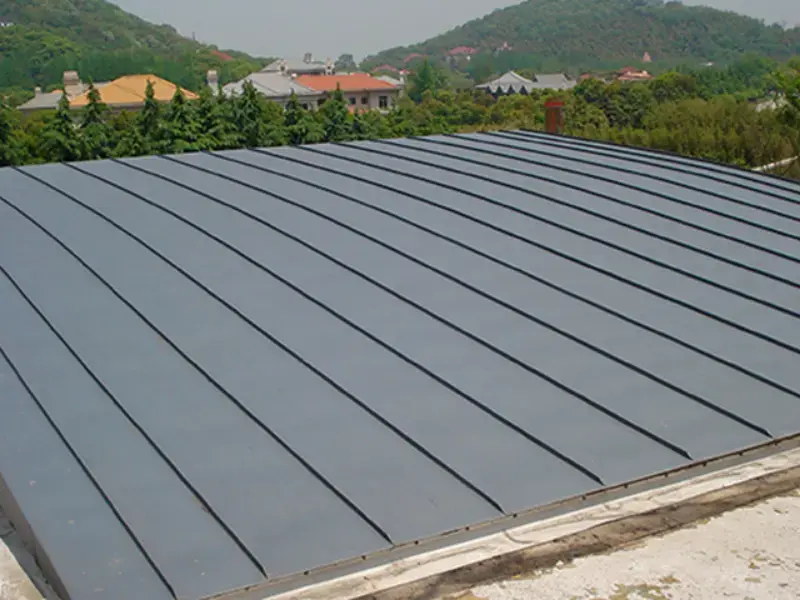
Large roofs need careful planning for panel length, effective cover width, wind uplift, drainage, and support spacing.
Agricultural Buildings
- Farm storage buildings
- Equipment shelters
- Agricultural workshops
- Storage sheds
- Covered work areas
- Selected livestock-related structures
In agricultural environments, consider moisture, cleaning chemicals, fertilizers, and other substances that may affect metal surfaces.
Roofs and Exterior Wall Cladding
Profiled aluminum panels can also be used on vertical walls. A consistent profile and finish can create a coordinated appearance across the roof and exterior walls.
The installation system must be suitable for the wall structure and must allow for drainage, ventilation, and thermal movement where required.
Aluminum Roofing Sheet vs. Other Roofing Materials
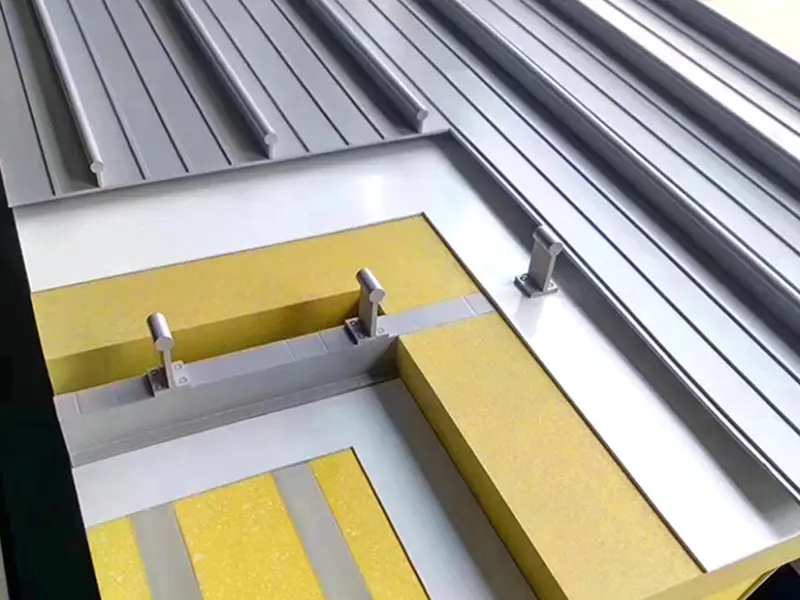
Aluminum is not the only option for a metal roof. Buyers often compare it with galvanized steel, coated steel, and other roofing products.
Aluminum vs. Galvanized Steel Roofing
| Comparison | Aluminum Roofing | Galvanized Steel Roofing |
|---|---|---|
| Weight | Generally lighter at comparable thickness | Generally heavier |
| Corrosion protection | Natural oxide layer; coatings are available | Zinc coating protects the steel |
| Strength | Depends on alloy, thickness, and profile | Depends on steel grade, thickness, and profile |
| Forming | Suitable alloys can be roll-formed | Commonly roll-formed |
| Cost | Depends on alloy and market price | Depends on steel grade and market price |
| Best choice | Projects that benefit from lower weight and corrosion resistance | Projects where the selected steel system meets cost and design needs |
Neither material is best for every roof. Compare the complete roofing system, including fasteners, coatings, supports, insulation, and installation.
Aluminum Roofing vs. Aluminum Composite Panels
Aluminum roofing sheets and aluminum composite panels are different products.
Aluminum roofing sheets are often formed into corrugated or ribbed profiles for roofs. Aluminum composite panels usually contain two thin aluminum skins bonded to a core and are commonly used for architectural cladding and signage.
| Feature | Aluminum Roofing Sheet | Aluminum Composite Panel |
|---|---|---|
| Structure | Single aluminum sheet, often profiled | Two aluminum skins with a core |
| Common form | Corrugated or trapezoidal panel | Flat panel |
| Main applications | Roofing and selected cladding | Facades, interiors, and signage |
| Installation | Roofing fasteners and support system | Panel-specific fixing system |
| Key consideration | Profile, span, drainage, and loads | Core, fire requirements, panel system, and finish |
Select the product according to the building design rather than treating these materials as interchangeable.
Aluminum Roofing Sheet vs. Flat Aluminum Sheet
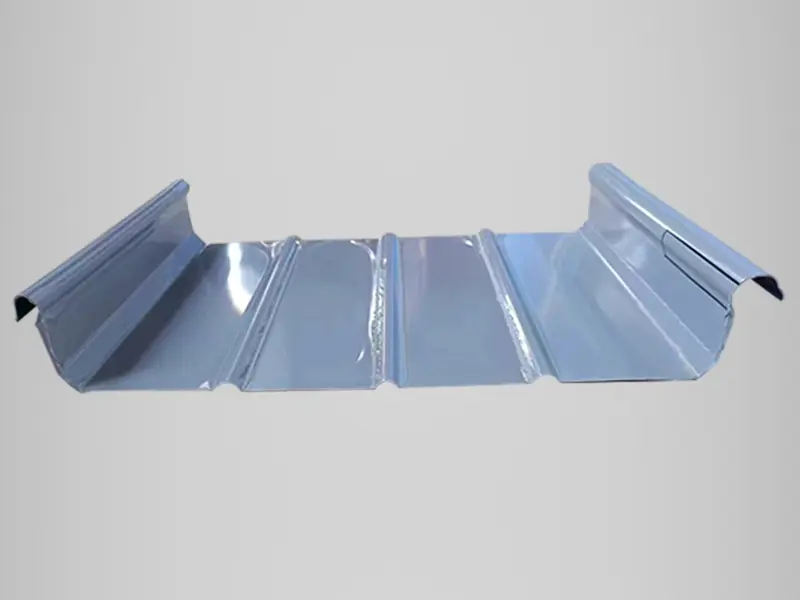
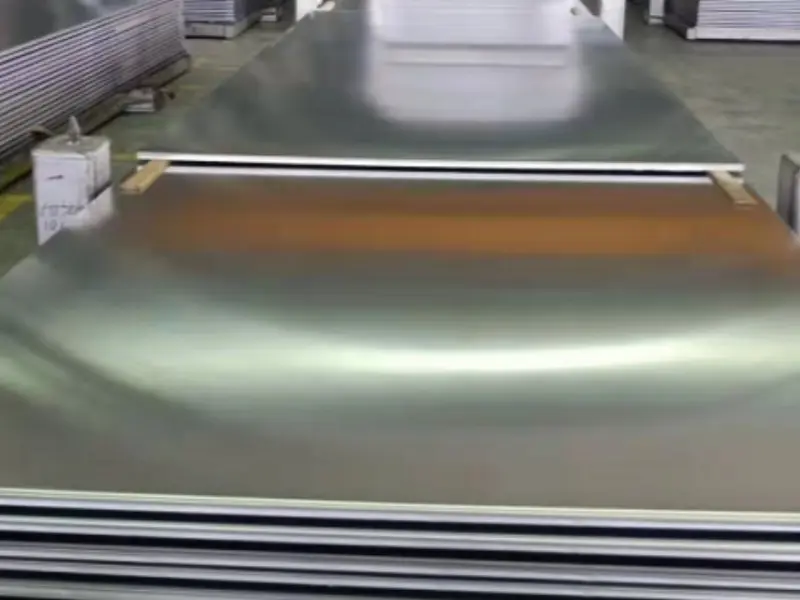
A flat aluminum sheet can be used for fabrication and some architectural applications. A profiled roofing sheet has a shaped cross-section that can improve section stiffness.
For a roof, a profiled panel may provide more practical drainage and installation features. A flat sheet may require a different support and joining system.
What Affects the Price of Aluminum Sheet for Roofing?
The price of roofing aluminum depends on more than the price of raw metal. A useful quotation should include the material specification and the services required.
Alloy and Thickness of Aluminum Sheet for Roofing
Different alloys have different material costs and production requirements. A thicker sheet uses more aluminum per square meter, which usually increases the material cost.
Profile Design
Corrugated and trapezoidal panels have different profile dimensions. Special rib shapes or custom tooling may affect production costs.
Surface Coating
Mill finish aluminum, painted aluminum, and products with special coatings may have different prices.
When requesting painted roofing sheets, specify the color, coating system, and performance requirements. This helps the supplier quote the correct product.
Order Quantity
Larger orders may improve production efficiency and reduce handling costs per sheet. However, the final price depends on the product, order schedule, packaging, and delivery terms.
Packaging and Transportation
Panel length, order weight, destination, and unloading requirements can affect the final cost. Export orders may also need protective packaging to prevent surface damage during handling and transit.
How to Compare Supplier Quotes

When comparing aluminum roofing sheet prices, confirm that every supplier is quoting the same:
- Alloy and temper
- Thickness and tolerance
- Profile and rib dimensions
- Overall width and effective cover width
- Panel length
- Surface finish and coating
- Quantity and packaging
- Delivery terms and destination
A lower price may reflect a different thickness, coating, or effective cover width. Comparing complete specifications helps avoid mistakes.
How to Buy Aluminum Sheet for Roofing from a Manufacturer
A clear request for quotation helps the manufacturer identify the correct product and estimate the total order cost.
Information to Include in Your RFQ
| Required Information | Example |
|---|---|
| Product | Aluminum roofing sheet |
| Alloy | 3003 or 3105, subject to availability |
| Temper | H14, H24, or another suitable temper |
| Thickness | 0.50 mm or 0.80 mm |
| Profile | Corrugated or trapezoidal |
| Width | Overall and effective cover width |
| Length | Standard or custom |
| Surface | Mill finish or painted |
| Color | Required color code, if applicable |
| Quantity | Number of sheets or total square meters |
| Destination | City and country |
| Delivery terms | EXW, FOB, CIF, or delivered price |
If you have a drawing or profile sample, include it with the inquiry. This can help the supplier check the dimensions and production feasibility.
What to Check Before Confirming the Order
- Confirm the alloy, temper, and thickness.
- Review the profile drawing and effective cover width.
- Check the surface finish and color.
- Confirm the length tolerance.
- Request material documentation if needed.
- Agree on the packaging and loading method.
- Confirm production time and delivery terms.
For projects with specific structural requirements, ask for the technical data needed by your engineer or roofing contractor.
Frequently Asked Questions About Aluminum Roofing Sheets
Is Aluminum Sheet Good for Roofing?
Aluminum sheet can be a good roofing material because it is lightweight and naturally resistant to corrosion in many environments. The correct product must still meet the building’s load, weather, installation, and code requirements.
What Is the Best Aluminum Alloy for Roofing Sheets?
Alloys such as 3003 and 3105 are used in various formed building products. The best alloy depends on the required strength, formability, coating, and environmental conditions. Confirm availability with the manufacturer.
What Thickness of Aluminum Sheet Is Used for Roofing?
Thicknesses around 0.3–1.0 mm are used in some lightweight roofing systems, while other applications may need thicker products. The correct thickness depends on profile geometry, support spacing, and design loads.
Are Aluminum Roofing Sheets Available in Different Colors?
Yes. Painted aluminum roofing sheets can be available in different colors and finishes. Color choices depend on the coating system and supplier’s production range.
Can Aluminum Roofing Sheets Be Made to Custom Lengths?
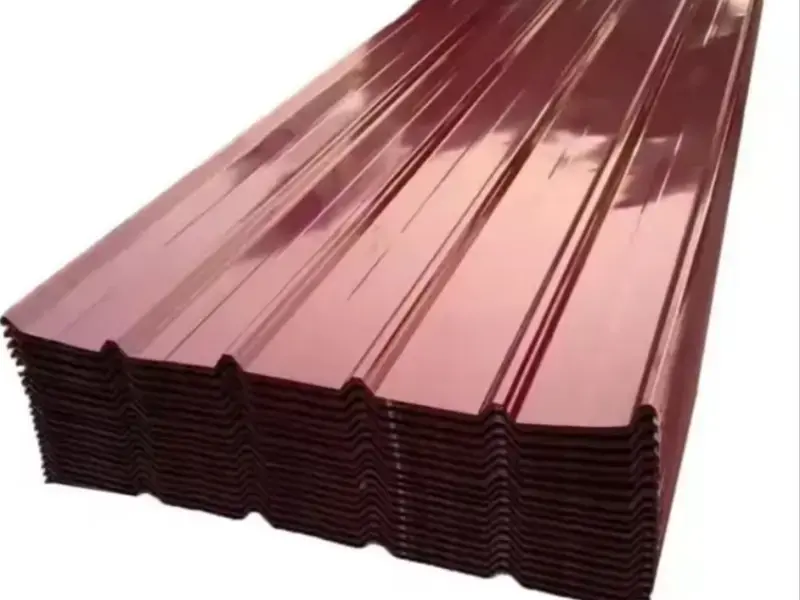
Many manufacturers can supply custom-length panels within their production and transport limits. Custom lengths may reduce cutting waste, but very long panels require careful handling and logistics.
What Is the Difference Between Corrugated and Trapezoidal Aluminum Roofing?
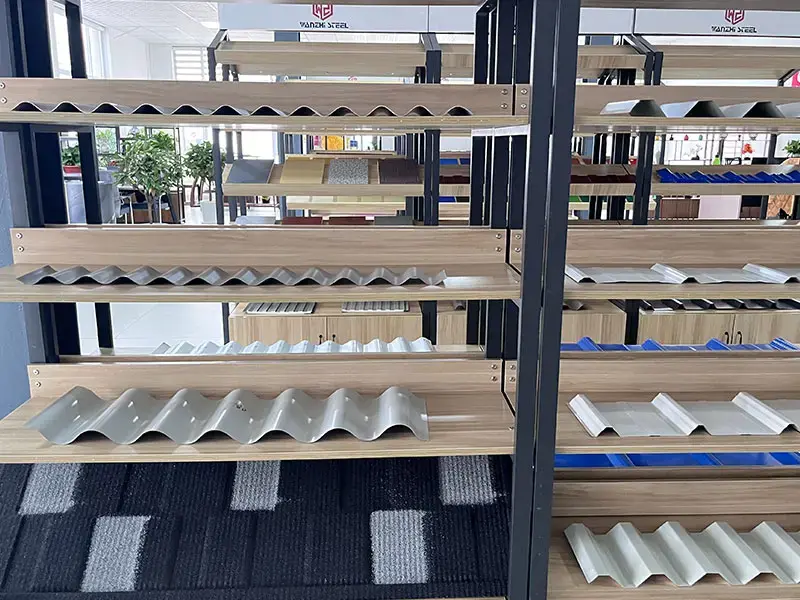
Corrugated sheets have curved waves. Trapezoidal sheets have raised ribs with angled sides. Both can be used for roofing, but their structural performance depends on the profile, thickness, alloy, and support arrangement.
Are Aluminum Roofing Sheets Suitable for Coastal Areas?
Aluminum can be suitable for many coastal applications because of its corrosion resistance. However, salt exposure, fastener selection, coating requirements, and contact with dissimilar metals must be considered.
Does Painted Aluminum Roofing Cost More Than Mill Finish Aluminum?
Painted roofing can cost more because it includes an additional coating process. The difference depends on the coating type, color, sheet dimensions, and order quantity.
How Do I Calculate the Number of Roofing Sheets Needed?

Divide the roof width by the effective cover width of the selected panel, then account for the roof length, end laps where required, and cutting waste. For complex roofs, confirm the layout with a roofing professional.
Can Aluminum Roofing Sheets Be Used for Wall Cladding?
Yes. Profiled aluminum sheets can be used for selected wall-cladding applications. The fixing system, panel orientation, drainage, and wind loads must be appropriate for vertical installation.
How Can I Get an Accurate Aluminum Roofing Sheet Price?
Provide the alloy, temper, thickness, profile, width, length, finish, quantity, and delivery destination. If the project requires a specific load capacity or coating performance, include those requirements in the inquiry.
Request a Quote for Aluminum Sheet for Roofing
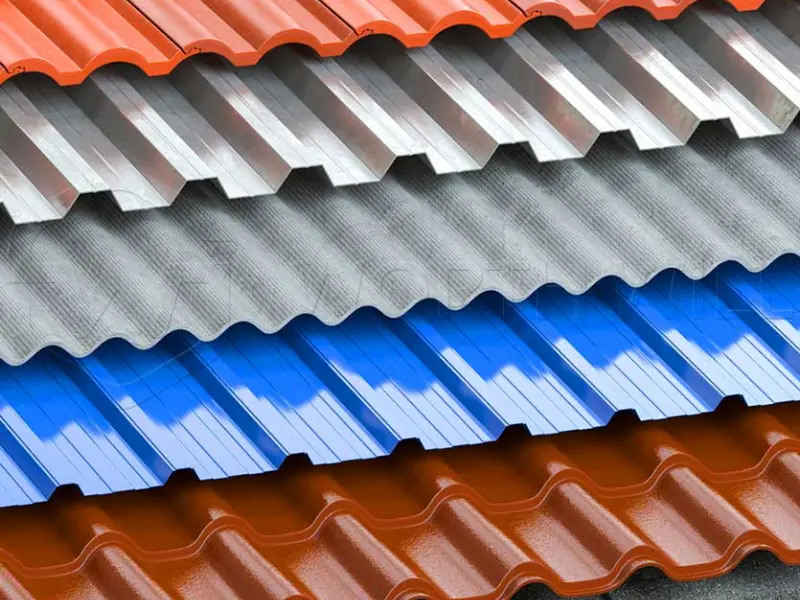
The right roofing aluminum sheet should match the building design, climate, budget, and installation method. Corrugated panels are suitable for many lightweight structures, while trapezoidal profiles are common in commercial and industrial roofing.
Before placing an order, compare the alloy, temper, thickness, profile, coating, and effective cover width. These details help you select a product that fits the project rather than choosing only by price.
Contact an aluminum sheet manufacturer to discuss roofing sheet specifications, custom lengths, painted finishes, bulk orders, and export packaging. A detailed quotation should clearly state the product specification, quantity, delivery terms, and estimated production time.