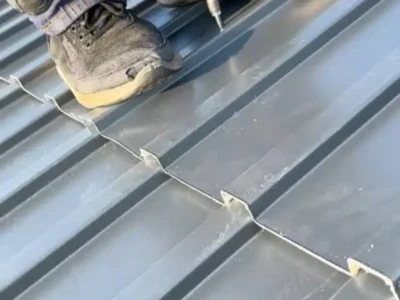
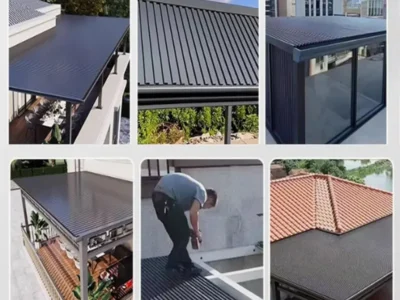
Aluminum roof panels are widely used for residential buildings, warehouses, factories, commercial properties, agricultural buildings, and outdoor structures.
They are lightweight, corrosion-resistant, and available in different profiles, thicknesses, and surface finishes.
Compared with some traditional roofing materials, aluminum roofing panels are easier to handle because of their low weight.
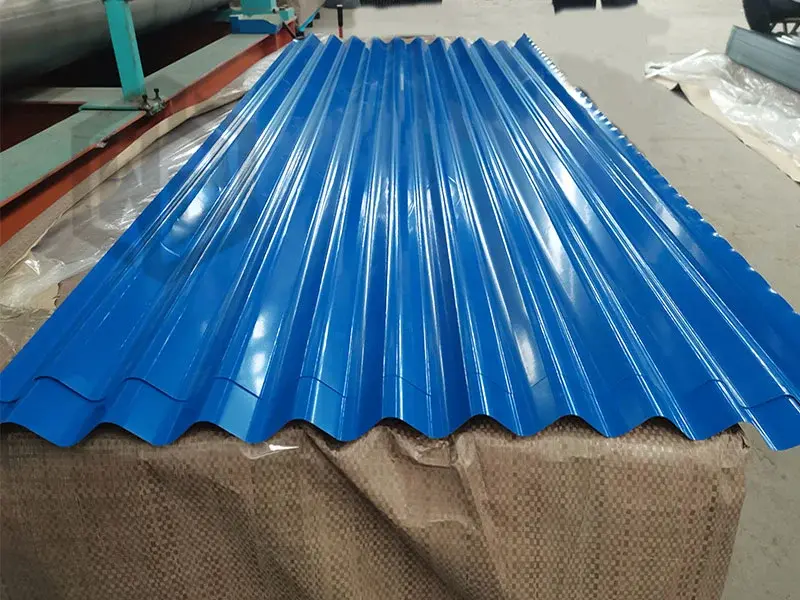
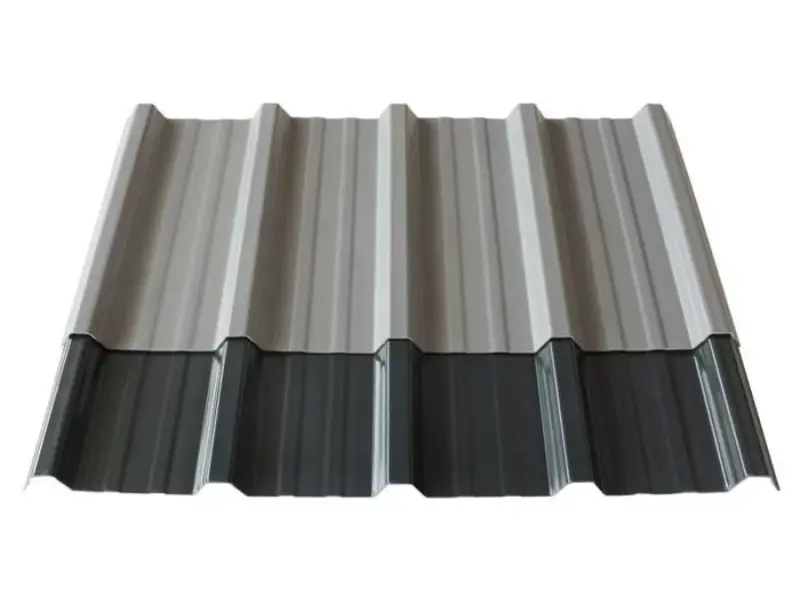
They can also be formed into corrugated sheets, trapezoidal panels, standing seam panels, and custom roofing profiles.
The right aluminum roof panel depends on the building design, roof slope, local weather, support structure, and installation method. Alloy selection is also important. Some aluminum alloys offer better formability, while others are selected for strength or specific environments.
What Are Aluminum Roof Panels?

Aluminum roof panels are formed aluminum sheets designed to cover and protect a roof. They may be supplied as flat sheets, corrugated panels, trapezoidal roofing sheets, standing seam panels, or insulated roof systems.
The panels can be made from different aluminum alloys. Common choices include 3003 and 3105 for formed roofing products. Alloy 5052 may be considered for applications that need additional corrosion resistance or strength, subject to the forming requirements.
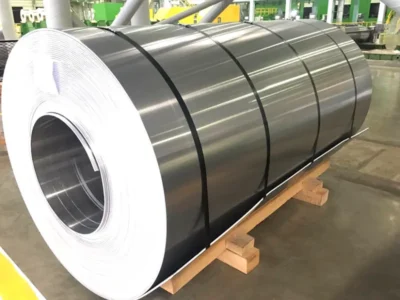
Aluminum roof panels are available in mill finish, painted, coated, and other surface options. The best finish depends on the required appearance, exposure conditions, and expected service life.
Main Features of Aluminum Roofing Panels
- Low weight: Reduces the dead load of the roofing material.
- Corrosion resistance: Aluminum naturally forms a protective oxide layer.
- Good formability: Suitable alloys can be rolled into different roofing profiles.
- Multiple designs: Corrugated, trapezoidal, standing seam, and custom shapes are available.
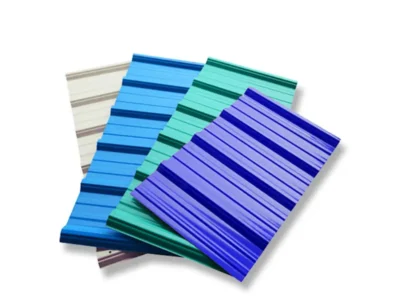
- Colour options: Coated panels can match different building designs.
- Custom dimensions: Panel length, width, thickness, and profile can be selected for the project.
- Recyclability: Aluminum can be recycled when collected and processed correctly.
Roof performance still depends on the complete system. Panel design, fasteners, roof slope, flashing, insulation, drainage, and installation quality all matter.
Types of Aluminum Roof Panels for Different Buildings
Different roofing profiles serve different purposes. Some are designed for economical industrial roofing, while others focus on appearance, weather protection, or thermal performance.
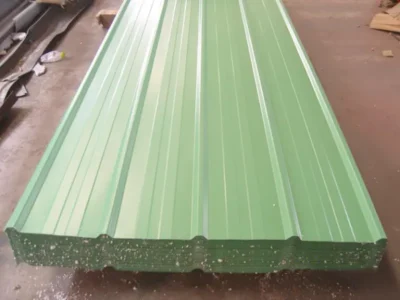
Corrugated Aluminum Roof Panels

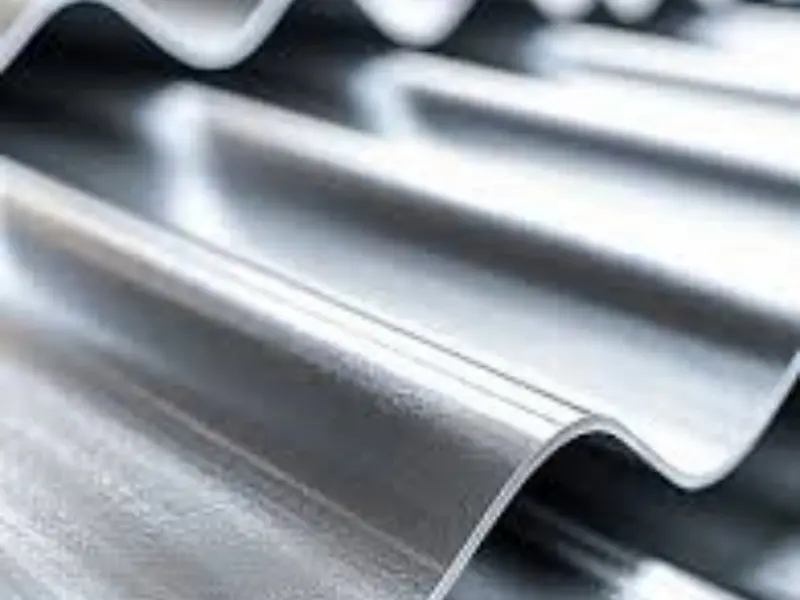
Corrugated aluminum roof panels have repeating waves across the sheet. The shape helps add stiffness compared with a flat sheet of the same thickness.
These panels are commonly used for sheds, agricultural buildings, workshops, carports, and other structures. They are also available in coated finishes for projects that require a specific colour.
Typical specifications:
| Parameter | Common options |
|---|---|
| Alloy | 3003, 3105 |
| Temper | H14, H24, H16, depending on product |
| Thickness | About 0.3–1.0 mm |
| Profile | Corrugated wave |
| Surface | Mill finish, painted, or coated |
| Length | Cut to project requirements |
| Applications | Sheds, workshops, farm buildings, canopies |
The listed thicknesses are indicative. The suitable thickness depends on the corrugation profile, support spacing, wind loads, and local building requirements.
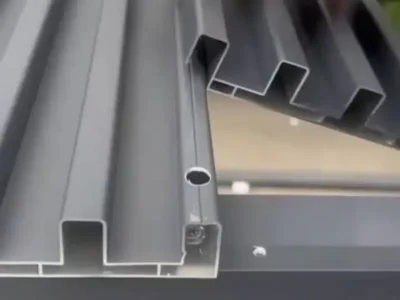
Trapezoidal Aluminum Roof Panels
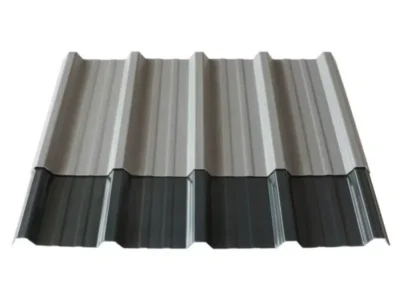
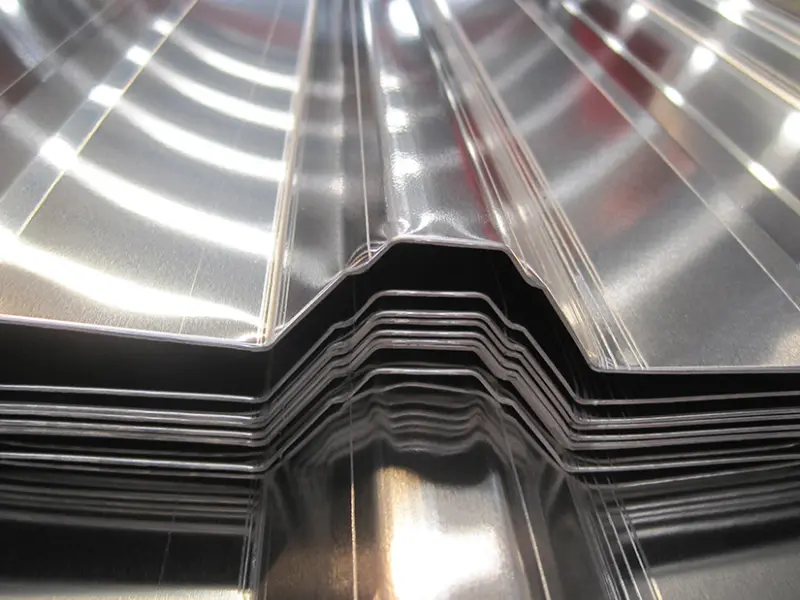
Trapezoidal panels have raised ribs with relatively flat sections between them. The profile provides stiffness and helps support the roofing sheet over the roof structure.
They are widely used for factories, warehouses, workshops, logistics centres, and commercial buildings.
| Parameter | Common options |
|---|---|
| Alloy | 3003, 3105 |
| Temper | H14, H24, H16 |
| Thickness | About 0.4–1.2 mm |
| Rib shape | Trapezoidal or box profile |
| Surface | Painted, coated, or mill finish |
| Panel width | Depends on profile design |
| Main advantage | Efficient coverage and useful stiffness |
Trapezoidal roofing is a practical choice for large roofs that need a simple installation layout. Buyers should compare the effective cover width rather than only the total sheet width.
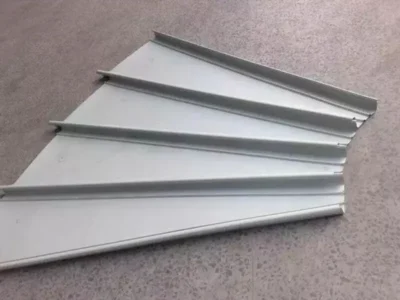
Standing Seam Aluminum Roof Panels
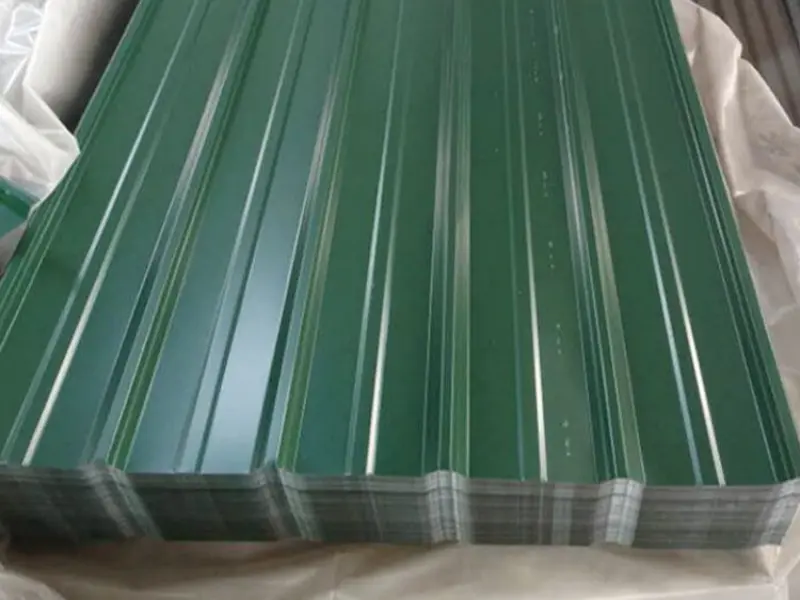
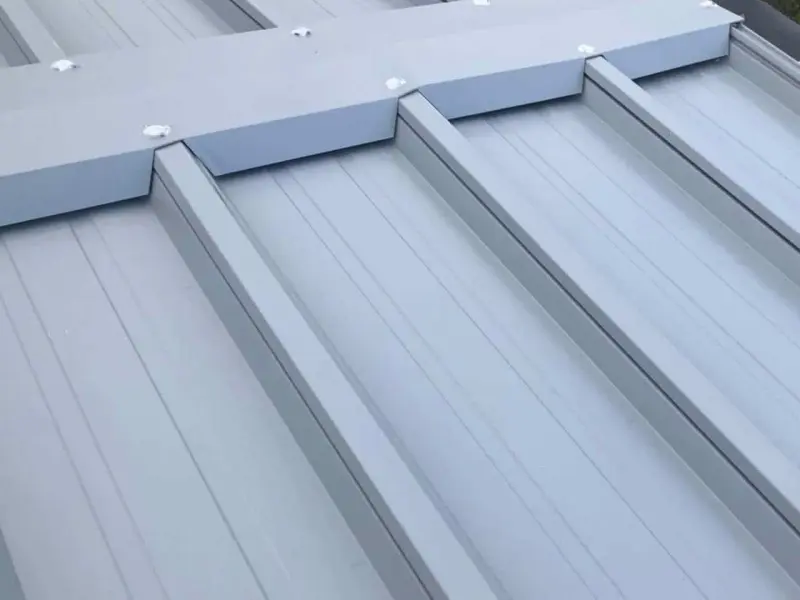
Standing seam roof panels use raised seams to connect adjacent panels. Depending on the system, seams may be mechanically seamed or designed to snap together.
This roofing type is often selected for commercial buildings, modern houses, offices, and architectural projects. It provides a clean appearance with fewer exposed fasteners across the main roof surface.
| Parameter | Typical considerations |
|---|---|
| Alloy | 3003, 3105, or approved roofing-grade alloy |
| Temper | Selected for the panel-forming system |
| Thickness | Often about 0.5–1.0 mm |
| Seam height | System-specific |
| Surface | Painted or coated |
| Main benefit | Clean roof appearance and concealed fastening in suitable systems |
| Applications | Offices, commercial buildings, modern residential roofs |
Standing seam systems require compatible clips, seams, flashing, and installation tools. Panel thickness and seam design should be confirmed with the roofing system supplier.
Flat Aluminum Roof Panels

Flat aluminum panels have a smooth surface and may be used as part of a designed roof system. They are also used for roof edges, fascia, soffits, flashing, and architectural details.
A flat sheet does not have the same stiffness as a profiled panel of equal thickness. Its support arrangement and intended function must therefore be considered carefully.
Common uses include:
- Roof fascia and edge covers
- Flashing and trim components
- Decorative roof details
- Soffit panels
- Custom architectural covers
- Fabricated roofing accessories
Insulated Aluminum Roof Panels
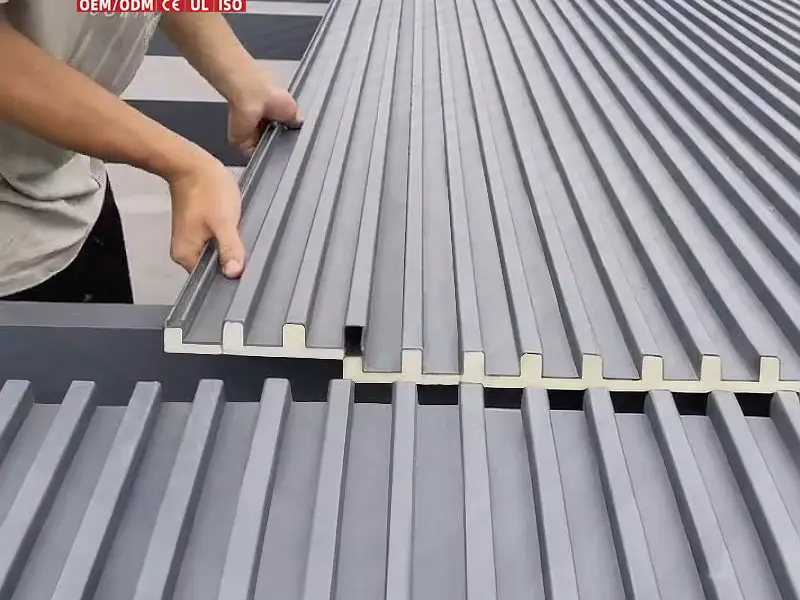
Insulated roof panels combine metal facings with an insulating core. Depending on the system, the core may be made from PIR, PUR, mineral wool, or another specified insulation material.
These panels are used when the building needs better thermal performance than a single-skin metal roof can provide.
| Feature | Single-skin aluminum panel | Insulated roof panel |
|---|---|---|
| Construction | One formed metal sheet | Metal facings with insulation core |
| Thermal insulation | Limited on its own | Higher, depending on core and thickness |
| Weight | Usually lower | Usually higher |
| Installation | Requires a separate roof build-up where insulation is needed | May combine several functions in one system |
| Common use | Sheds, canopies, simple industrial roofs | Factories, warehouses, temperature-controlled buildings |
Insulated panels are a complete building product, not simply a thicker aluminum sheet. Buyers should confirm the core material, panel joint design, fire performance, thermal rating, and applicable building standards.
Aluminum Roof Panel Specifications
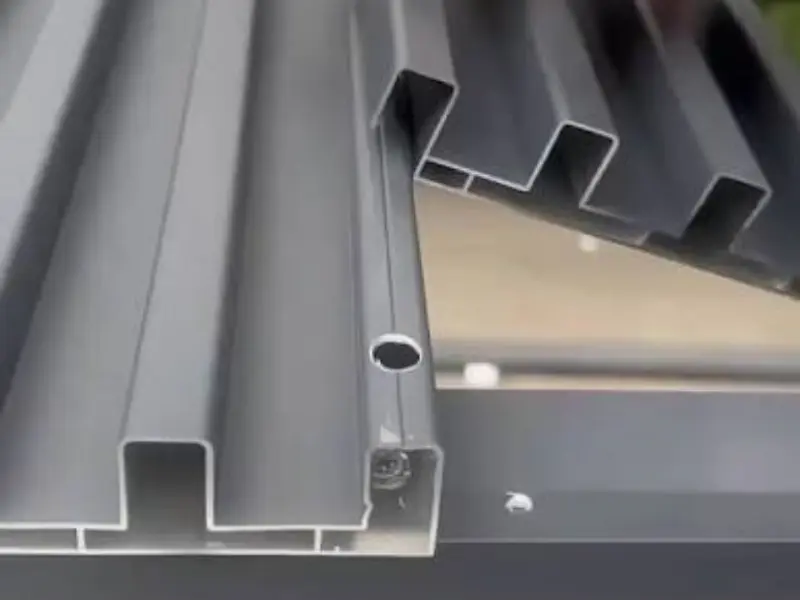

The specifications of aluminum roof panels vary by alloy, profile, thickness, coating, and supplier. The following ranges can help with initial planning, but they should not replace structural design or product-specific data.
Aluminum Alloy and Temper Options
| Alloy | Typical temper examples | Main characteristics | Potential roofing use |
|---|---|---|---|
| 3003 | H14, H24 | Good formability and corrosion resistance | Corrugated and formed roofing panels |
| 3105 | H14, H24, H16 | Commonly used for building products and coated sheet | Painted roofing and cladding |
| 5052 | H32, H34 | Good corrosion resistance and higher strength than many common roofing sheet alloys | Selected demanding environments and formed parts |
| 5005 | H14 or product-specific temper | Often chosen for architectural appearance and finishing | Selected architectural panels |
| 1050 | O, H14, where suitable | High aluminium content and good formability | Special-purpose sheet and trim, subject to design |
Not every alloy is suitable for every roofing profile. The alloy and temper should be selected according to the forming method, strength requirements, and environmental exposure.
Common Thicknesses for Aluminum Roof Panels
| Thickness | Possible application | Selection notes |
|---|---|---|
| 0.3–0.4 mm | Lightweight roofing and small structures | Check profile stiffness and support spacing carefully |
| 0.4–0.6 mm | General roofing for suitable buildings | Common range for many formed roofing products |
| 0.6–0.8 mm | Larger panels and more demanding applications | Confirm wind loads and fastener design |
| 0.8–1.0 mm | Heavy-duty roofing or selected architectural systems | Check system compatibility and total weight |
| 1.0–1.2 mm | Special roofing and fabricated panels | Often needs project-specific design |
| Above 1.2 mm | Custom panels and special applications | Confirm profile, forming limits, and cost |
Thickness alone does not determine roofing performance. A well-designed profile can provide more stiffness than a flat sheet of the same thickness. The span between supports, wind pressure, snow load, panel length, and fastening method must also be considered.
Panel Width and Length
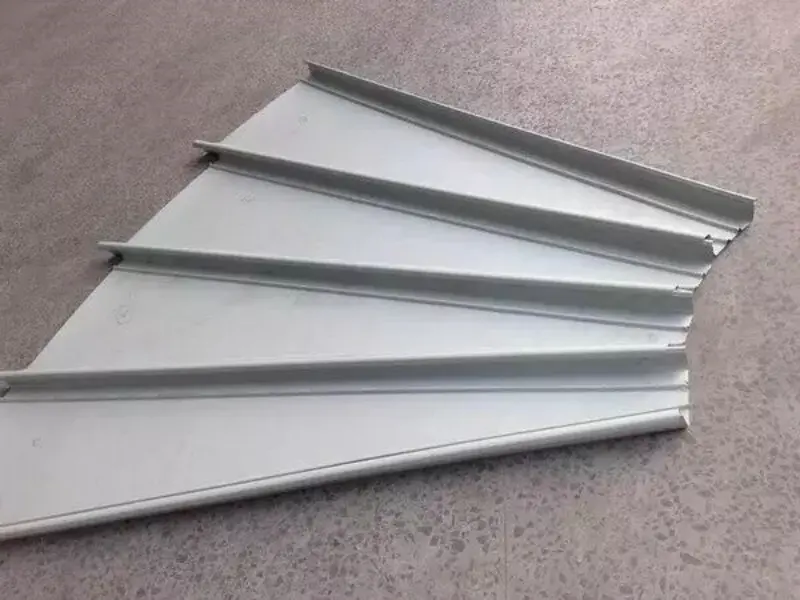
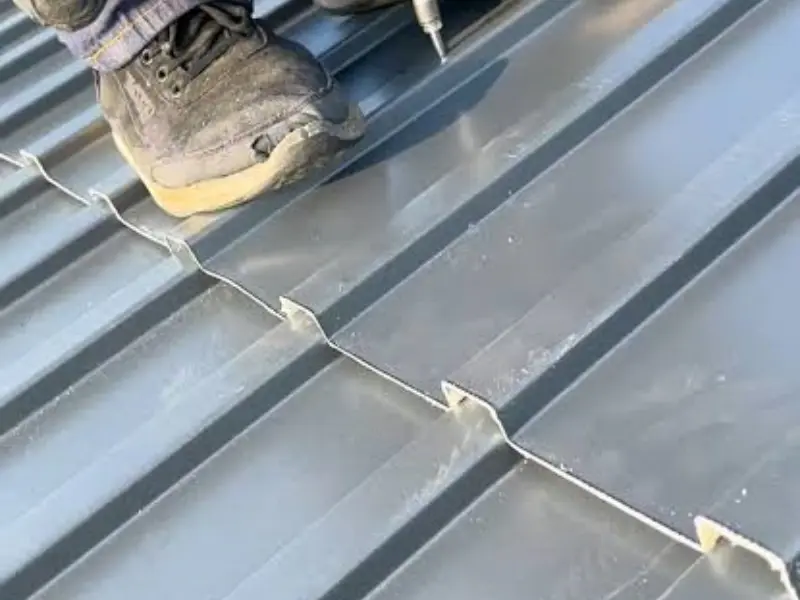
Aluminum roof panels can be produced in different widths and lengths. The effective cover width depends on the profile and the overlap or joint design.
| Dimension | What buyers should specify |
|---|---|
| Overall width | Total width of the panel before or after profiling, as defined by the supplier |
| Effective cover width | Width covered after side laps or joints |
| Length | Required panel length, including installation requirements |
| Thickness | Base metal thickness, excluding any coating unless stated otherwise |
| Profile depth | Height and shape of the ribs or corrugations |
| Cut tolerance | Permitted variation in length and width |
| Edge details | Side lap, folded edge, or special connection |
For large roofs, longer panels can reduce the number of end laps. However, transport, handling, thermal movement, and installation access may limit the practical panel length.
Coated Aluminum Roof Panels and Surface Finishes

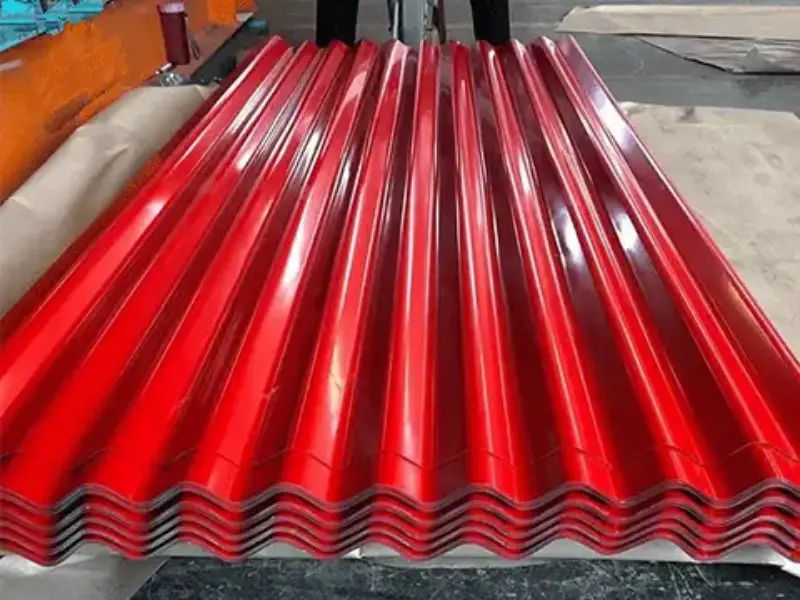
The surface finish affects colour, appearance, and resistance to weathering. Coated aluminum roof panels are often selected for commercial and residential projects where the roof must match the building design.
Common Roofing Finishes
| Finish | Appearance | Typical application |
|---|---|---|
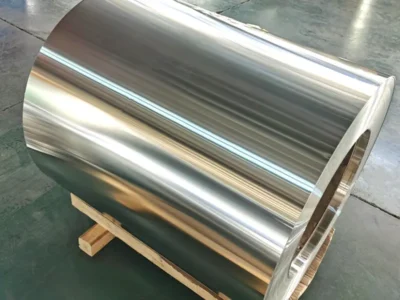
| Mill finish | Natural aluminium appearance | Utility roofing and selected industrial uses |
| Polyester coating | Coloured surface with a range of gloss levels | General building roofing |
| PVDF coating | Coating system often selected for demanding architectural exposure | Commercial and architectural buildings |
| Anodised finish | Metallic surface with an anodic oxide layer | Selected architectural components and roofing details |
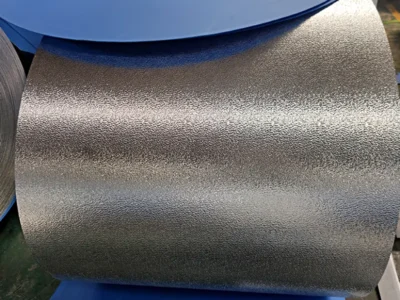
| Embossed finish | Textured surface | Special architectural or decorative applications |
Anodising is more common on selected architectural aluminium products than on every type of profiled roof sheet. For large roofing projects, painted or coil-coated aluminium is often a more practical choice when broad colour availability is required.
Popular Aluminum Roof Panel Colours
| Colour | Common design use |
|---|---|
| White | Industrial buildings and light-coloured roofs |
| Light grey | Warehouses and commercial properties |
| Dark grey | Modern commercial and residential roofs |
| Black | Contemporary architectural designs |
| Silver | Industrial and utility buildings |
| Blue | Factories, workshops, and branded buildings |
| Green | Agricultural buildings and selected residential designs |
| Red | Traditional or high-visibility roof designs |
Actual colour names and codes vary by coating supplier. For projects requiring consistent colour across several orders, specify an approved colour reference and coating system.
Aluminum Roof Panels for Different Applications
The best roof panel depends on the building’s function, environment, and design. A small carport does not have the same requirements as a large warehouse or a coastal industrial facility.
Warehouse and Factory Roofing
Aluminum roof panels are suitable for many industrial buildings because they are lightweight and can be formed into efficient roof profiles.
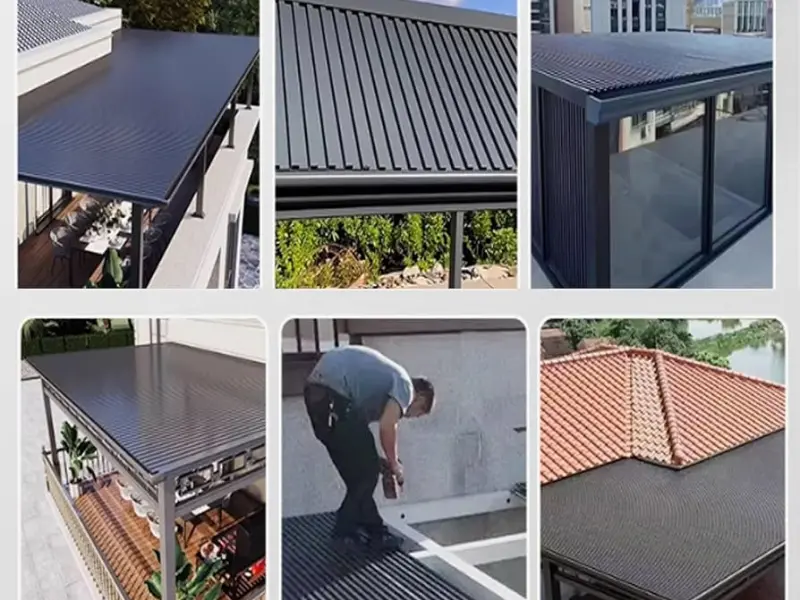
Common applications include:
- Warehouses and distribution centres
- Manufacturing plants
- Logistics buildings
- Workshops and maintenance facilities
- Storage buildings
- Factory extensions
- Industrial canopies
Trapezoidal panels are often considered for large roof areas. Insulated panels may be suitable when the building needs better thermal performance or condensation control. The final design should account for structural loads, ventilation, drainage, and local codes.
Residential and Commercial Buildings
Aluminum roofing can support different architectural styles. Corrugated panels are often used for simple structures, while standing seam panels may suit projects with a cleaner roof appearance.
Typical applications include:
- Houses and extensions
- Garages and carports
- Retail buildings
- Offices
- Restaurants and cafés
- Schools and community buildings
- Entrance canopies and covered walkways
Colour, coating performance, noise control, and installation details should be considered before ordering.
Agricultural and Rural Buildings
Aluminum roof panels can be used for suitable barns, equipment shelters, storage areas, and farm buildings.

Typical applications include:
- Equipment sheds
- Agricultural storage
- Livestock shelters, where the complete building design is appropriate
- Hay and machinery storage
- Farm workshops
- Open-sided shelters
Agricultural environments may contain moisture, cleaning chemicals, fertilisers, or other corrosive substances. The material and coating should be selected for the actual exposure. Condensation control and ventilation may also be important.
Coastal and High-Moisture Areas
Aluminum naturally forms an oxide layer, which helps protect it from corrosion. However, coastal conditions can be demanding because of salt deposits and moisture.
Applications may include:
- Coastal commercial buildings
- Marina-related structures
- Covered walkways
- Outdoor utility buildings
- Buildings near humid or marine environments
Alloy selection, coating quality, fasteners, cut edges, and maintenance matter. Fasteners and accessories should be compatible with the roofing system to reduce the risk of galvanic corrosion.
Carports, Canopies, and Outdoor Structures
Lightweight aluminum panels can be used for outdoor structures when the design supports the required loads.
Typical applications include:
- Carports
- Garden sheds
- Patio covers
- Bus shelters
- Walkway covers
- Entrance canopies
- Equipment shelters
The support structure, roof pitch, wind exposure, and drainage design should be checked before choosing the panel thickness.
Aluminum Roof Panels vs. Steel Roofing Panels
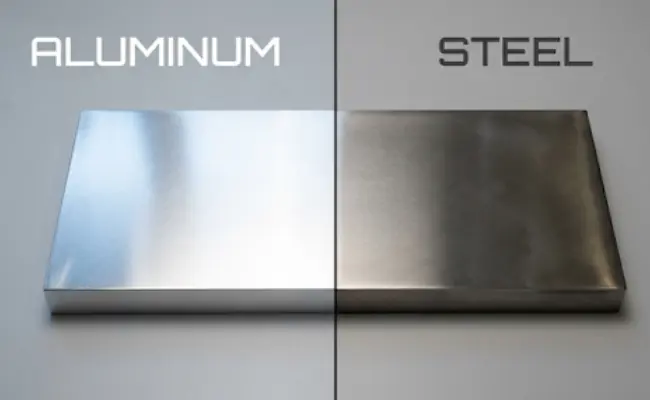

Aluminum and steel roofing products both serve industrial, commercial, and residential markets. Their properties differ, so the better choice depends on the project.
| Feature | Aluminum roof panels | Steel roof panels |
|---|---|---|
| Weight | Generally lighter for comparable sheet dimensions | Usually heavier for the same sheet dimensions |
| Corrosion behaviour | Forms a protective oxide layer | Usually relies on galvanising, metallic coating, paint, or other protection |
| Strength and stiffness | Depends on alloy, thickness, and profile | Often offers high stiffness at suitable gauges |
| Formability | Suitable alloys can form many profiles | Depends on steel grade and coating system |
| Thermal expansion | Generally higher | Generally lower than aluminium |
| Colour options | Available with suitable coatings | Available with suitable coatings |
| Maintenance | Depends on coating, environment, and design | Depends on coating, environment, and design |
| Recycling | Recyclable | Recyclable |
Aluminum may be attractive when lower weight and corrosion resistance are priorities. Steel may be suitable where cost, stiffness, and local supply are important. Both materials need proper structural design and installation.
Aluminum Roof Panels vs. Galvanized Steel Roofing

Galvanized steel has a zinc coating to help protect the steel from corrosion. Aluminum provides corrosion resistance through its oxide layer, while painted aluminum can add another layer of protection and colour.
For either material, damage to the surface, cut edges, standing water, and contact with incompatible metals can affect performance. Buyers should compare the full roofing system rather than just the base material.
Aluminum Roof Panels vs. Fiberglass Roofing
Fiberglass roofing is often used where light transmission is needed. Aluminum roofing is opaque and is generally selected for weather protection, shading, and a solid roof surface.
| Factor | Aluminum panels | Fiberglass panels |
|---|---|---|
| Light transmission | Opaque | Can be translucent |
| Main function | Roofing and weather protection | Roofing where daylight may be required |
| Heat and daylight control | Depends on colour and roof build-up | Depends on translucency and panel design |
| Typical use | Warehouses, sheds, commercial buildings | Skylight strips and selected covered areas |
Some buildings use both materials in separate roof sections to balance daylight and weather protection.

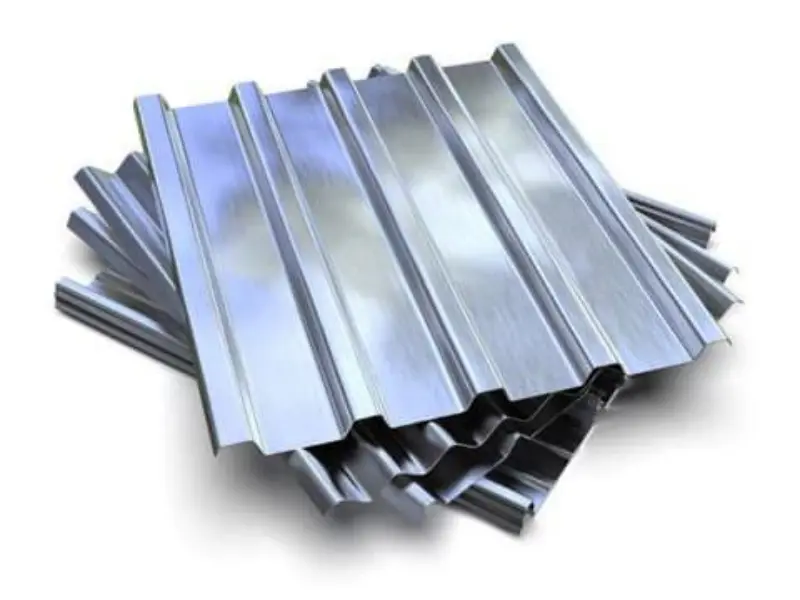
How to Choose the Right Aluminum Roof Panel

Before selecting a product, consider the building design, exposure, support structure, and budget. The lowest material price does not always lead to the lowest installed cost.
Check Roof Slope and Drainage
The required roof slope depends on the panel profile and system. A low-slope roof needs particular attention to joints, seams, flashing, and water drainage.
Follow the roofing system manufacturer’s minimum slope and installation instructions. Do not assume that every corrugated panel is suitable for a low-slope roof.
Confirm Structural Requirements
The roofing panel must suit the design loads and support spacing.
Important factors include:
- Wind pressure and uplift
- Snow loads where relevant
- Distance between roof supports
- Panel thickness and profile
- Fastener type and spacing
- Roof access and maintenance loads
- Local building regulations
Structural performance should be verified using product data and appropriate engineering calculations.
Select the Right Coating
Consider sunlight, moisture, pollution, coastal exposure, and cleaning requirements. For architectural projects, the coating system should meet the specified weathering and colour-retention requirements.
Compare Total Project Cost
The final cost may include more than the roof panels themselves.

Consider:
- Aluminum alloy and thickness
- Panel profile and effective cover width
- Coating and colour
- Custom lengths and processing
- Fasteners and accessories
- Insulation and underlayment
- Transport and packaging
- Installation labour
- Expected maintenance
A suitable panel can reduce handling effort and simplify installation, but the actual savings depend on the building design and local labour costs.
Installation and Maintenance Considerations
Correct installation helps prevent leaks, movement problems, and premature surface damage.
Before Installation
- Check panel dimensions and quantities.
- Inspect the coating and protective packaging.
- Confirm the roof structure and support spacing.
- Prepare compatible fasteners and flashing.
- Store panels in a dry, well-ventilated area.
- Follow the supplier’s handling instructions.
During Installation
- Follow the approved roof layout.
- Use the specified side laps, seams, and fastener locations.
- Avoid dragging panels across one another.
- Remove metal swarf and drilling debris.
- Use suitable tools to avoid damaging the coating.
- Install flashing and drainage components correctly.
Routine Maintenance
Inspect the roof periodically, especially after severe weather. Remove leaves, dirt, and other debris that may block drainage. Check fasteners, joints, flashings, and areas where different metals meet.
Use cleaning methods compatible with the coating. Avoid aggressive chemicals unless the coating supplier confirms they are suitable.
Frequently Asked Questions About Aluminum Roof Panels

Are aluminum roof panels good for warehouses?
Yes, aluminum roof panels can be suitable for warehouses. Trapezoidal profiles are often considered for large roof areas. The panel thickness, support spacing, wind loads, drainage, and insulation requirements must be checked for each project.
What is the best thickness for aluminum roof panels?
There is no single best thickness. Lightweight structures may use thinner panels, while larger spans or more demanding loads may require thicker material or a different profile. Follow the roofing system’s structural data and local building requirements.
Which aluminum alloy is commonly used for roofing?
Alloys 3003 and 3105 are common options for formed aluminum roofing products. Alloy 5052 may be suitable for selected applications that need higher strength or corrosion resistance. The final selection depends on forming, coating, and design requirements.
Are aluminum roof panels corrosion-resistant?
Aluminum naturally forms a protective oxide layer. Its performance depends on the alloy, surface finish, exposure conditions, installation details, and maintenance. Coastal and industrial environments may require special material and coating specifications.
Can aluminum roof panels be painted?
Yes. Roofing products can be supplied with suitable factory-applied coatings in different colours. Factory coating helps provide a controlled finish. Confirm the coating type, colour reference, and performance requirements before ordering.
Are aluminum roof panels suitable for coastal areas?
They can be suitable, but coastal exposure needs careful material selection. Salt deposits, moisture, fastener compatibility, coating quality, and maintenance should all be considered.
Do aluminum roof panels need insulation?
A single-skin aluminum roof provides limited thermal insulation on its own. A building may need separate insulation or an insulated roof panel system, depending on its use, climate, and energy requirements.
Are aluminum roof panels noisy in heavy rain?

Rain noise depends on the panel profile, thickness, roof support, insulation, underlayment, and interior construction. An insulated roof assembly may reduce noise compared with a single-skin panel, but the result depends on the complete system.
What is the difference between corrugated and trapezoidal aluminum roofing?
Corrugated panels have repeating wave-shaped ribs. Trapezoidal panels have raised ribs with flatter sections between them. Both can be used for roofing, but their stiffness, cover width, appearance, and installation requirements differ.
Can aluminum roof panels be made to custom lengths?
Many roofing suppliers can provide cut-to-length panels. Maximum length depends on the profile, production line, transport limits, and installation conditions. Long panels may reduce end laps but can be more difficult to handle.
How much do aluminum roof panels cost?
The price depends on alloy, thickness, profile, coating, colour, dimensions, order quantity, and delivery location. For an accurate quotation, provide the required specifications and total quantity.
Can aluminum roofing panels be used for walls?
Yes. Some profiles are suitable for both roofing and wall cladding, while others are designed for one purpose. Confirm the product’s intended use, fastening system, weather performance, and installation details.
Request Aluminum Roof Panel Specifications and a Quotation
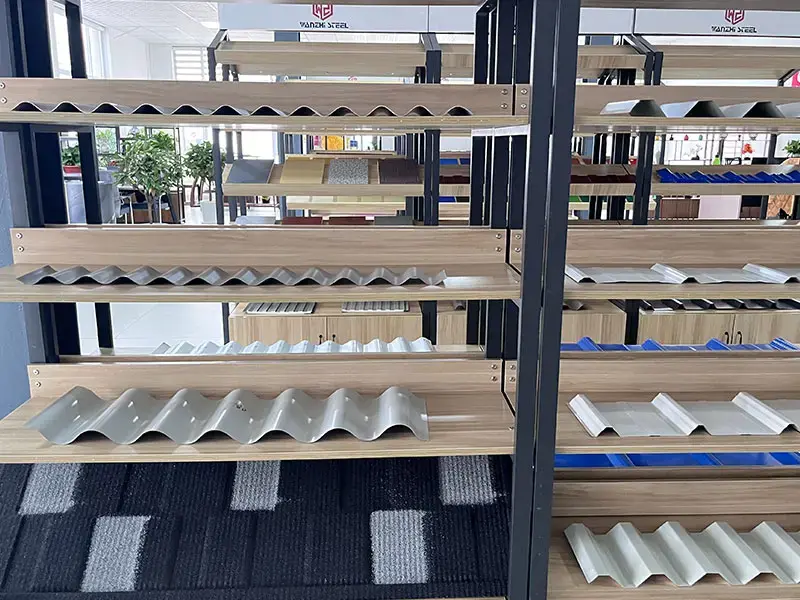
Aluminum roof panels are available in corrugated, trapezoidal, standing seam, flat, and insulated systems. Each type serves different building needs. The correct choice depends on alloy, temper, thickness, profile, coating, weather exposure, and structural design.
For a quotation, prepare the following details:
| Information | What to provide |
|---|---|
| Product type | Corrugated, trapezoidal, standing seam, or other profile |
| Alloy and temper | For example, 3003 or 3105 in an appropriate temper |
| Thickness | Required base metal thickness |
| Panel dimensions | Width, effective cover width, and length |
| Colour and coating | Colour reference and coating specification |
| Quantity | Number of panels or total roof area |
| Application | Warehouse, factory, house, carport, or other building |
| Delivery | Destination and required delivery schedule |
Providing these details helps the supplier recommend a suitable product and prepare a more accurate quotation.