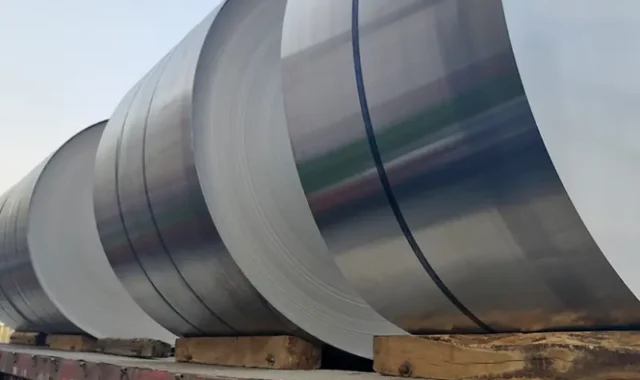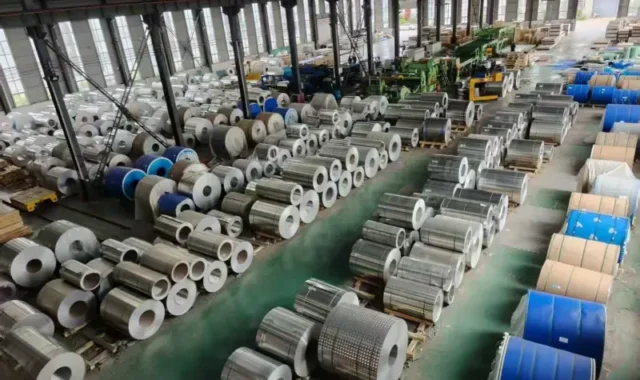
Aluminum roof sheet is widely used in residential buildings, commercial projects, industrial facilities, warehouses, workshops, and agricultural buildings.
It is lightweight, easy to fabricate, and naturally resistant to corrosion. With the right alloy, thickness, profile, and surface coating, aluminum roofing can meet many different building requirements.
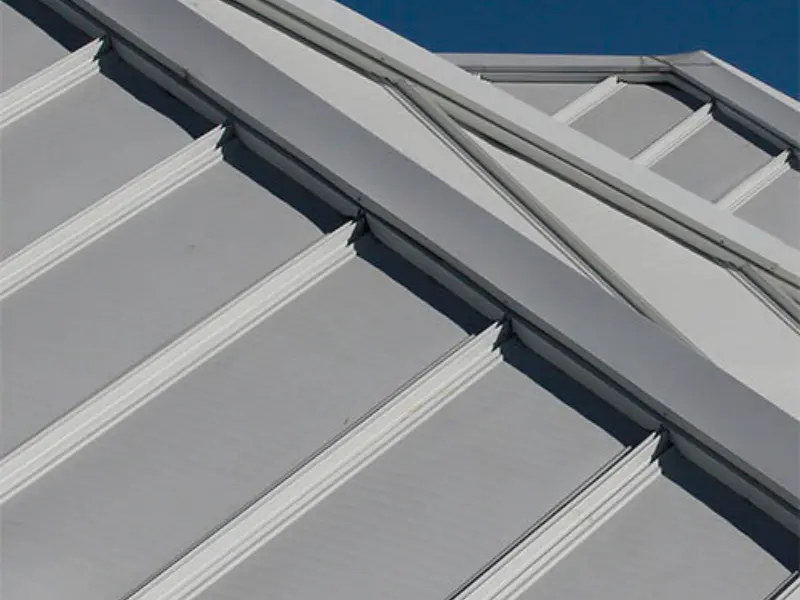

Buyers can choose from corrugated aluminum roofing sheets, trapezoidal roof panels, standing seam sheets, flat aluminum roofing panels, and prepainted aluminum sheets. Each type has its own advantages.
The best choice depends on roof design, weather conditions, installation method, and project budget.
For roofing contractors, distributors, building material suppliers, and construction companies, selecting the right aluminum roof sheet means checking more than the sheet price.
Alloy, temper, thickness, profile depth, coating, and usable coverage width all affect the final result.
What Is an Aluminum Roof Sheet?

An aluminum roof sheet is a flat or profiled aluminum sheet used as an exterior roofing material. It may be supplied as a plain metal sheet, corrugated panel, trapezoidal panel, or coated roofing sheet.
Flat aluminum sheets can be formed into different profiles to improve stiffness and help control water drainage. Many roofing products are also coated to provide a selected color and additional surface protection.
Aluminum roofing is used for both new construction and roof replacement. It can also be used for canopies, carports, agricultural buildings, equipment shelters, and architectural structures.
Main Features of Aluminum Roofing Sheets
- Lightweight construction: Aluminum has a lower density than steel, which can help reduce roof covering weight.
- Corrosion resistance: Aluminum forms a natural oxide layer. Additional coatings may be needed for specific environments.
- Profile flexibility: Aluminum sheets can be formed into corrugated, trapezoidal, and other roofing profiles.
- Color options: Prepainted sheets are available in various colors and finishes.
- Recyclability: Aluminum can be recycled, subject to local collection and processing systems.
- Custom dimensions: Sheet length, width, thickness, and profile may be customized according to production capability.
The actual performance of a roof depends on the complete roofing system. Panel design, fasteners, underlayment, drainage, insulation, and installation quality are all important.
Types of Aluminum Roof Sheets
Different roof sheet profiles serve different purposes. Profile selection affects rigidity, appearance, drainage, and installation requirements.
Corrugated Aluminum Roofing Sheet
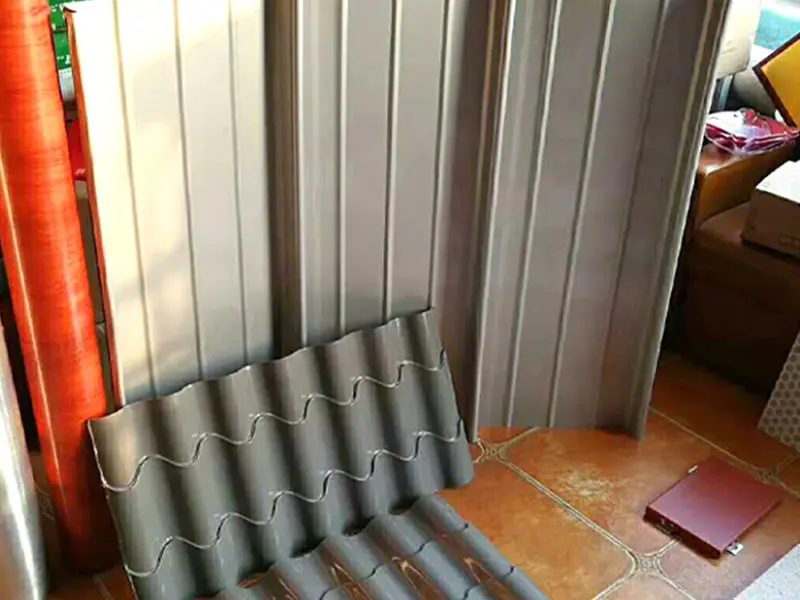
Corrugated aluminum roofing sheets have a repeated wave-shaped profile. The formed ridges increase stiffness compared with a flat sheet of the same thickness.
This type is commonly used for workshops, sheds, agricultural buildings, storage facilities, and simple roof structures. It can also be used for selected wall cladding applications.
Corrugated sheets are available in different wave heights, pitches, widths, and lengths. Buyers should confirm the profile dimensions before ordering because products with similar names may not have the same coverage width.
Trapezoidal Aluminum Roof Sheet
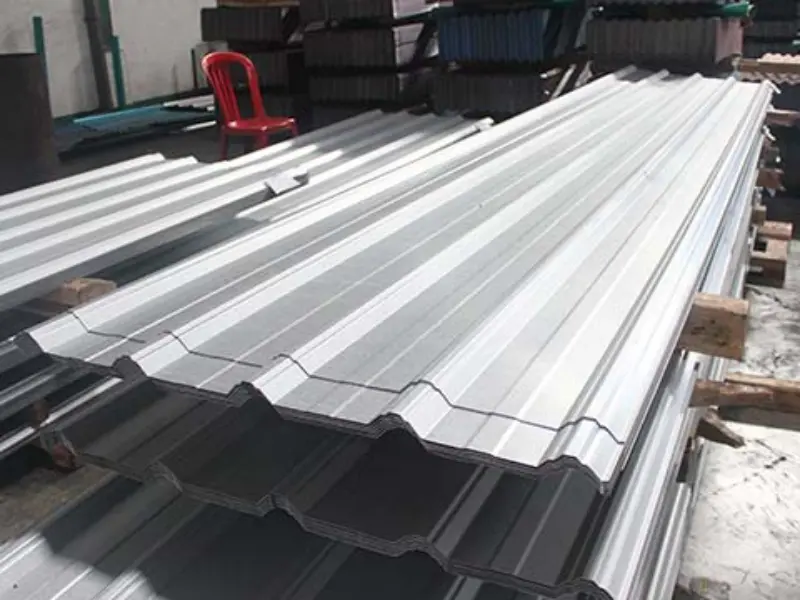
Trapezoidal roofing sheets have raised ribs with a trapezoid-shaped cross-section. The profile can provide useful rigidity for commercial and industrial roofing.
This design is often selected for warehouses, factories, logistics buildings, and large roof areas. The rib height and spacing should match the structural design and installation requirements.
Trapezoidal panels may also be supplied as prepainted aluminum sheets for projects that require a specific exterior color.
Standing Seam Aluminum Roofing
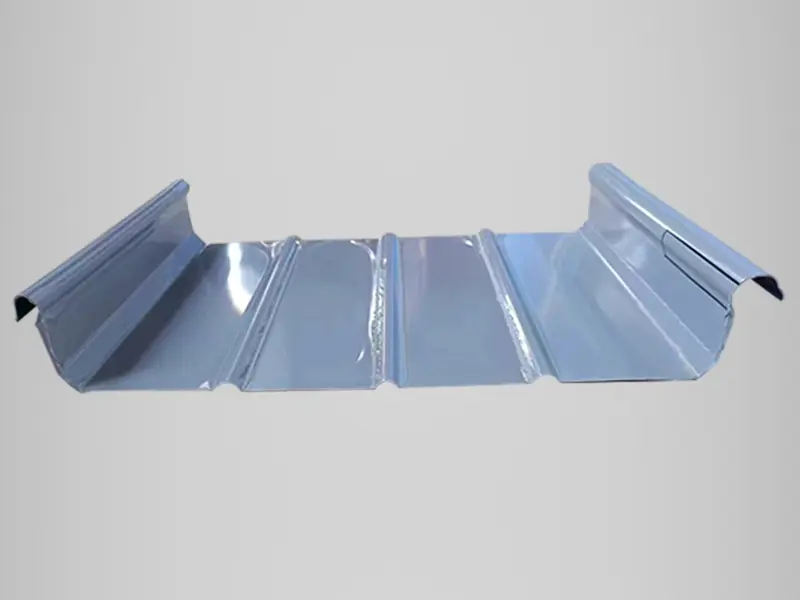
Standing seam roofing uses raised seams to connect adjacent panels. Depending on the system, the seams may be mechanically seamed or formed using a compatible installation method.
This design is often used for architectural roofs, commercial buildings, and projects that require a clean, continuous appearance. Some systems use concealed clips to reduce the number of exposed fasteners.
Standing seam panels require compatible components and careful installation. Buyers should check panel width, seam height, clip spacing, thermal movement, and roof slope requirements.
Flat Aluminum Roofing Sheet
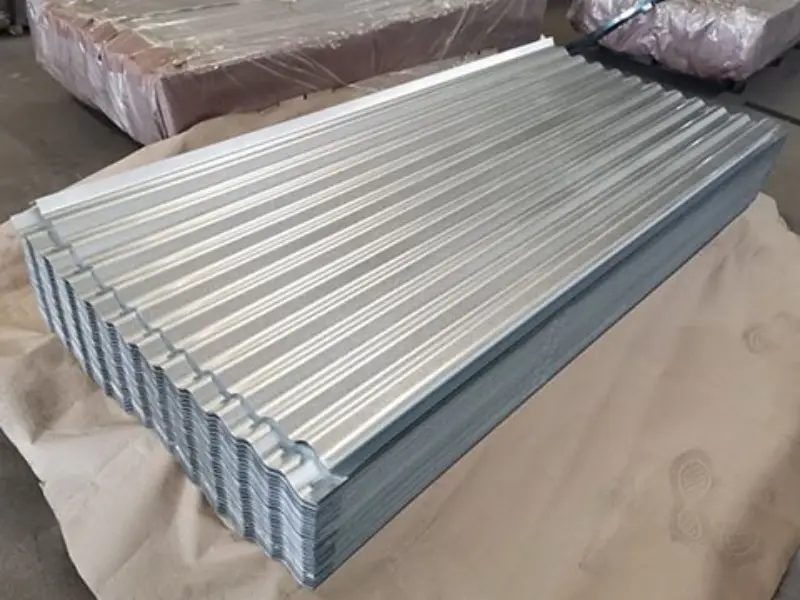
Flat aluminum sheet can be used for custom roof details, flashing, fascia, soffits, and selected architectural components. It may also serve as the base material for forming profiled roofing panels.
A flat sheet is generally less rigid than a profiled sheet of the same thickness. Structural support and panel design must be considered before using it as a main roof covering.
Insulated Aluminum Roof Panel
An insulated roof panel combines metal facings with an insulating core or forms part of a larger insulated roofing system. It can help meet thermal performance requirements when designed and installed correctly.
The panel may use aluminum on the exterior face, interior face, or both. Core material, panel thickness, fire performance, joints, and condensation control should be reviewed for the intended building.
| Roof Sheet Type | Main Profile | Common Applications |
|---|---|---|
| Corrugated aluminum sheet | Wave-shaped | Sheds, workshops, agricultural buildings |
| Trapezoidal roof sheet | Raised trapezoid ribs | Warehouses, factories, commercial roofs |
| Standing seam panel | Raised interlocking seams | Architectural and commercial buildings |
| Flat aluminum sheet | Flat surface | Flashing, fascia, custom roof details |
| Insulated aluminum roof panel | Multi-layer panel | Temperature-controlled and energy-conscious buildings |
| Prepainted aluminum roof sheet | Coated flat or profiled sheet | Colored roofing and architectural projects |
Aluminum Roof Sheet Thickness and Specifications
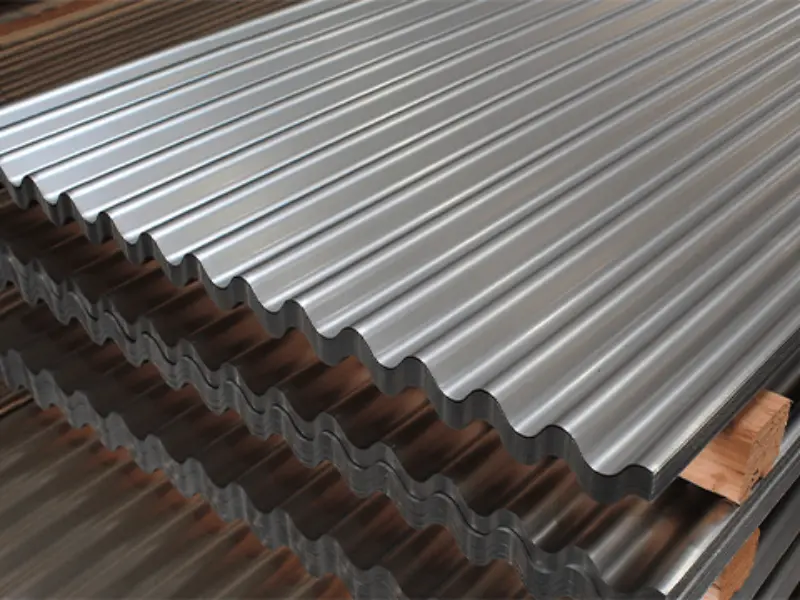
Thickness is one of the main factors in roofing sheet selection. It affects panel weight, handling, forming, stiffness, and cost.
The correct thickness depends on profile design, support spacing, wind loads, snow loads, roof geometry, and local building codes. A thicker sheet is not automatically suitable for every roof.
Common Aluminum Roofing Thicknesses
The following values are examples of thicknesses that buyers may compare. Actual availability depends on the alloy, temper, profile, and manufacturer.
| Thickness | Approx. Gauge Reference* | Potential Applications |
|---|---|---|
| 0.30 mm | About 30 gauge | Lightweight profiled roofing where permitted by design |
| 0.40 mm | About 28 gauge | Selected light-duty roofing products |
| 0.50 mm | About 26 gauge | General roofing and cladding options |
| 0.60 mm | About 24 gauge | Roofing panels requiring additional material thickness |
| 0.70 mm | About 22 gauge | Selected commercial roofing systems |
| 0.80 mm | About 21 gauge | More substantial profiled panels |
| 1.00 mm | About 20 gauge | Heavy-duty or specialized roofing components |
| 1.20 mm | About 18 gauge | Special applications and fabricated panels |
*Gauge values are approximate. Gauge systems differ by material and standard, so thickness in millimeters should be specified in purchase documents.
How to Choose Roofing Sheet Thickness
A lightweight canopy may use a different sheet specification from a large industrial roof. The roof span, support arrangement, profile geometry, and design loads must be considered together.
Before ordering, confirm:
- Required nominal thickness and tolerance.
- Alloy and temper.
- Profile shape and rib height.
- Support spacing and fastening system.
- Wind and snow load requirements.
- Roof slope and drainage design.
- Applicable building codes and project specifications.
For structural roofing decisions, use the design criteria and installation instructions supplied by a qualified roofing system provider or structural professional.
Aluminum Alloys Used for Roofing Sheets
Aluminum alloy affects strength, formability, corrosion resistance, and suitability for forming. The most suitable grade depends on the roofing profile and manufacturing process.
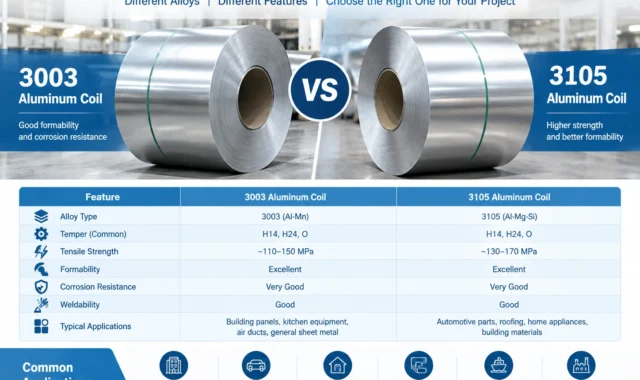
3003 Aluminum Roof Sheet

3003 aluminum is an aluminum-manganese alloy with good formability and corrosion resistance. It is used in many sheet metal applications.
It may be considered for roofing and cladding products where forming performance is important. The exact suitability depends on thickness, temper, profile geometry, and project requirements.
3105 Aluminum Roofing Sheet
3105 aluminum is used in selected building products and coated sheet applications. It can be considered for prepainted roofing sheets and other architectural metal products.
Buyers should confirm the supplied alloy and temper, along with the coating specification and profile dimensions.
5052 Aluminum Roof Sheet
5052 aluminum is an aluminum-magnesium alloy known for good corrosion resistance and strength. It may be considered for roofing-related components where its material properties fit the design.
It is not necessary for every roof sheet. Compare cost, formability, and the required performance before specifying this grade.
1100 Aluminum Sheet for Roofing Components
1100 aluminum has high aluminum content and good formability. It may be used for selected sheet metal and fabricated components.
For a roofing project, confirm whether its mechanical properties are suitable for the required profile, support spacing, and service conditions.
| Alloy | General Characteristics | Potential Roofing Use |
|---|---|---|
| 1100 | High aluminum content, good formability | Selected sheet metal components |
| 3003 | Good formability and corrosion resistance | Corrugated and formed sheet products |
| 3105 | Used in building and coated-sheet products | Prepainted roofing and cladding |
| 5052 | Good strength and corrosion resistance | Selected demanding sheet applications |
These are general material descriptions. The final choice should follow the manufacturer’s specifications and the roofing system design.
Aluminum Roof Sheet Temper Options

Temper describes the condition of aluminum after processing. It affects strength, hardness, and formability.
The correct temper depends on the alloy and the forming process. Not every temper is available for every alloy.
H14 Temper
H14 is a strain-hardened temper used for certain aluminum alloys. It provides a balance of strength and formability for applicable sheet products.
It may be considered for roofing sheets when the supplier confirms compatibility with the alloy and profile-forming process.
H24 Temper
H24 is a strain-hardened and partially annealed temper used with applicable alloys. It may be specified for certain formed sheet products.
The suitability of H24 depends on the material grade, forming requirements, and target mechanical properties.
H16 and H18 Tempers
H16 and H18 are harder strain-hardened tempers for applicable aluminum alloys. They may be considered when higher strength or hardness is required.
However, harder tempers may have lower formability than softer conditions. Check the profile manufacturer’s recommendations before specifying them for complex roof shapes.
| Temper | General Condition | Selection Consideration |
|---|---|---|
| O | Annealed | Good formability |
| H14 | Strain hardened | Balance of strength and forming |
| H16 | Harder strain-hardened condition | Higher hardness for applicable products |
| H18 | Hard strain-hardened condition | Limited forming may be preferable |
| H24 | Strain hardened and partially annealed | Specific mechanical properties and formability |
Alloy and temper should be specified together. For example, a request for 3105-H24 is more precise than requesting “hard aluminum roofing sheet” alone.
Prepainted Aluminum Roof Sheet: Colors and Coatings
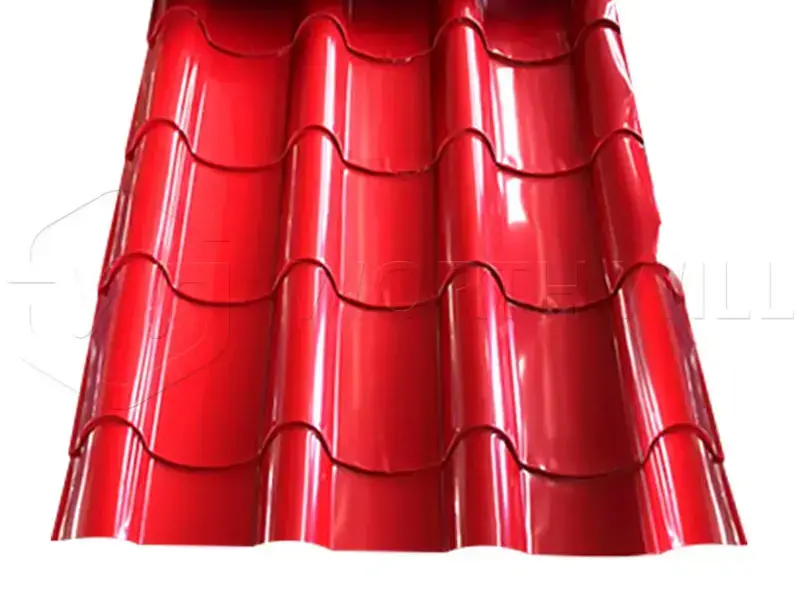
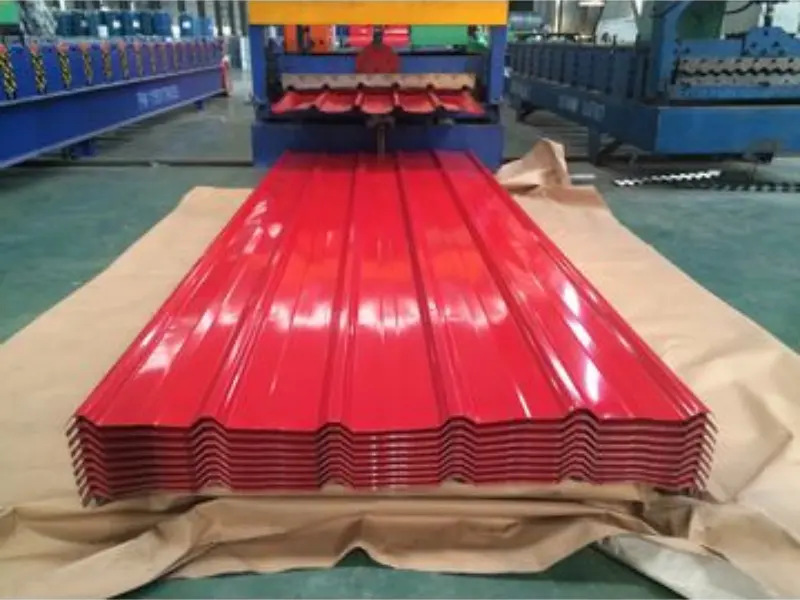
Prepainted aluminum roofing sheets have a factory-applied coating. They are available in different colors, gloss levels, and coating systems.
A coated surface can improve appearance and provide additional protection. The right coating depends on the climate, expected service life, and maintenance requirements.
Polyester-Coated Aluminum Roofing
Polyester coatings are used for many general architectural and industrial applications. They offer a range of colors and finishes.
The performance of a polyester coating depends on the formulation, film thickness, substrate preparation, and exposure conditions. Buyers should request the applicable technical data.
PVDF-Coated Aluminum Roof Sheet
PVDF coatings are used in selected architectural applications where weathering and color retention are important. They are commonly associated with coated aluminum coil and facade products.
A PVDF-coated roof sheet may suit projects with demanding appearance requirements. Confirm the exact coating specification and performance documentation before purchase.
PE-Coated Aluminum Roofing
PE often refers to polyester-based paint in coated metal product specifications, although terminology can vary by supplier. Buyers should ask for the full coating system description instead of relying on an abbreviation alone.
For roofing, check the coating thickness, surface preparation, color, gloss, and intended exposure category.
Common Roofing Colors
Typical colors include white, grey, silver, black, blue, green, and red. Custom colors may be available depending on the coating line and order quantity.
| Coating or Finish | Typical Consideration | Potential Use |
|---|---|---|
| Polyester | General color and finish options | Standard building projects |
| PVDF | Selected high-weathering architectural systems | Exterior roofing and cladding |
| Matte finish | Lower surface reflection | Modern architectural designs |
| Gloss finish | More reflective appearance | Decorative and commercial roofing |
| Metallic finish | Metal-effect appearance | Selected architectural projects |
| Custom color | Project-specific matching | Commercial and industrial buildings |
Applications of Aluminum Roof Sheets
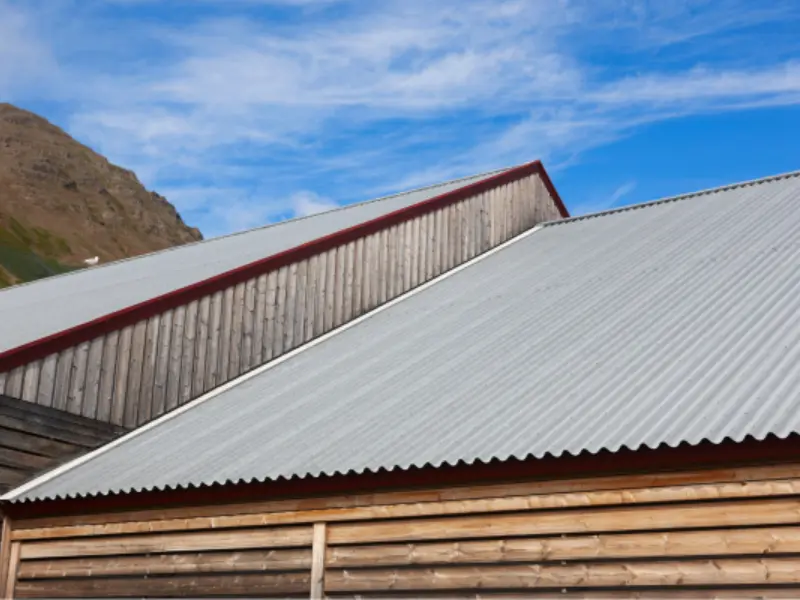

Aluminum roofing is used across many building types. The required profile and material specification vary with building size, exposure, and design.
- Residential buildings: Roof extensions, porches, garages, and selected main roofing systems.
- Commercial buildings: Shops, offices, retail units, and service buildings.
- Industrial facilities: Workshops, warehouses, factories, and equipment shelters.
- Agricultural buildings: Barns, storage sheds, and farm structures.
- Canopies and carports: Lightweight roof coverings for outdoor spaces.
- Architectural projects: Standing seam roofs, decorative roof sections, and selected facade systems.
- Coastal buildings: Roofing systems selected for the local environment and exposure conditions.
- Temporary structures: Storage shelters and selected modular buildings.
- Roof replacement projects: Replacement panels where the new system is compatible with the existing structure.
- Roof details: Flashing, ridge caps, fascia, and other formed components.
Industrial and Warehouse Roofing
Warehouses and factories often require large roof areas and efficient installation. Trapezoidal aluminum sheets may be considered because their ribs increase stiffness compared with flat sheets.
Panel length, support spacing, fastening, and drainage must be planned before installation. Large roof areas also require attention to thermal movement and weather sealing.
Agricultural Roofing
Agricultural buildings may need lightweight roof coverings for equipment storage, livestock facilities, or crop storage. Corrosion exposure, ventilation, condensation, and cleaning requirements should be considered.
The roofing material must be suitable for the actual environment. Some agricultural conditions can be more corrosive than ordinary outdoor exposure.
Residential and Architectural Roofing

Residential projects often place greater emphasis on appearance, noise control, water tightness, and compatibility with roof details.
Standing seam and prepainted aluminum panels may be considered for architectural designs. The complete roof system should include suitable underlayment, flashings, fasteners, and drainage components.
Aluminum Roof Sheet vs. Steel Roofing Sheet
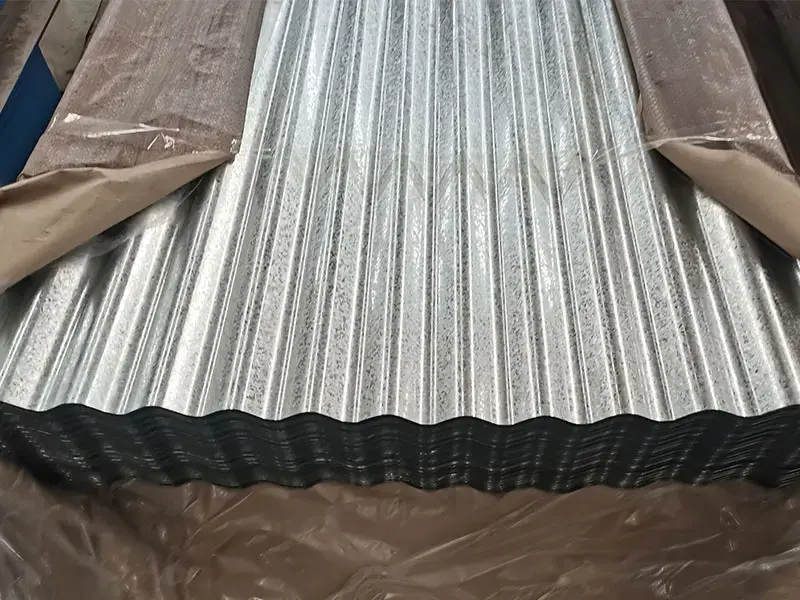
Aluminum and steel roofing sheets are both used in construction. Their differences affect weight, strength, corrosion behavior, cost, and installation.
Aluminum is lighter by volume and naturally forms an oxide layer. Steel generally has higher stiffness at comparable dimensions, but its corrosion protection depends on the grade and coating system.
| Comparison | Aluminum Roof Sheet | Steel Roof Sheet |
|---|---|---|
| Weight | Lower density | Higher density |
| Corrosion behavior | Natural oxide layer; coating may add protection | Depends on steel grade and protective coating |
| Stiffness | Depends on alloy, thickness, and profile | Often higher at comparable sheet geometry |
| Forming | Good for suitable alloys and tempers | Depends on grade and thickness |
| Thermal movement | Requires allowance in panel and fixing design | Also requires allowance, usually with different movement characteristics |
| Purchase price | Depends on alloy, coating, and market | Depends on steel grade, coating, and market |
| Typical choice | Lightweight and corrosion-conscious designs | Projects prioritizing strength and cost under suitable protection |
Neither material is universally better. Select the roof sheet according to structural calculations, exposure, installation method, maintenance plan, and total project cost.
Aluminum Roof Sheet vs. Galvanized Roofing
Galvanized roofing uses steel with a zinc coating. It is common in industrial and agricultural buildings because it offers a widely available roofing option.
Aluminum roofing uses an aluminum substrate. It may be preferred where lower material weight or aluminum’s corrosion behavior fits the project.
| Factor | Aluminum Roofing | Galvanized Steel Roofing |
|---|---|---|
| Base metal | Aluminum alloy | Steel with zinc coating |
| Material weight | Lower density | Higher density |
| Corrosion protection | Natural oxide layer and optional paint | Zinc coating and optional paint |
| Repair needs | Depends on coating and exposure | Depends on coating damage and exposure |
| Cost | Market- and specification-dependent | Market- and specification-dependent |
The installation environment matters for both materials. Avoid incompatible fasteners and direct contact combinations that may promote galvanic corrosion under certain conditions.
Aluminum Roof Sheet Width, Length, and Profile


Roofing sheets are available in different widths and lengths. Profile geometry determines the effective coverage width, which may be smaller than the total sheet width because of overlaps.
Common Sheet Dimensions
The dimensions below are examples for specification planning. Actual sizes depend on the profile, production equipment, transport limits, and project design.
| Specification | Example Options |
|---|---|
| Thickness | 0.30–1.20 mm or other available gauges |
| Sheet length | 1 m, 2 m, 3 m, 4 m, 6 m, or custom |
| Overall width | Depends on coil width and profile design |
| Coverage width | Depends on rib profile and side lap |
| Profile type | Corrugated, trapezoidal, standing seam |
| Surface | Mill finish, prepainted, or other specified finish |
How to Specify Roofing Sheet Width
When requesting a quotation, distinguish between overall width and effective coverage width. The overlap between adjacent sheets can affect the number of panels required.
Provide the roof dimensions, slope, panel direction, and preferred profile. The supplier or roofing designer can then help determine the required sheet quantity.
Custom Lengths for Large Roofs
Long panels can reduce the number of end joints on a roof, but transport and installation become more difficult as panel length increases.
Check lifting arrangements, handling space, roof geometry, and thermal movement requirements before selecting long sheets.
Installation Considerations for Aluminum Roofing
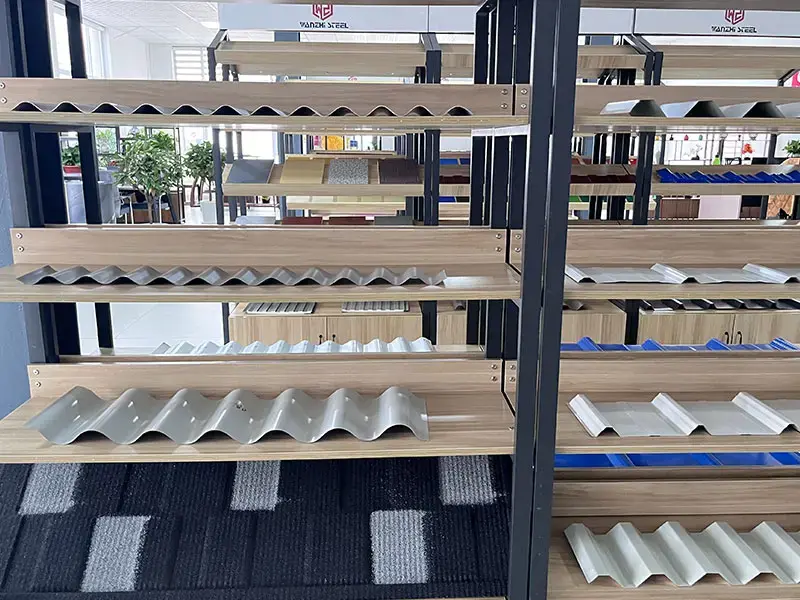
Correct installation is important for roof performance. A suitable sheet can still leak or deform if the roof structure, fasteners, overlaps, or drainage are poorly designed.
Fasteners and Accessories
Use fasteners and washers approved for the roofing system. Their material and coating should be compatible with the aluminum sheet and the local environment.
Ridge caps, eave flashings, valleys, gutters, and side laps should be planned as part of the complete roof assembly.
Roof Slope and Drainage
The minimum roof slope depends on the panel profile and roofing system. Do not assume that every corrugated or standing seam sheet is suitable for a low-slope roof.
Follow the system manufacturer’s requirements for minimum slope, lap details, sealants, and water drainage.
Thermal Expansion
Aluminum expands and contracts as its temperature changes. Long panels and large roof areas need an appropriate movement strategy.
The fastening and clip system should follow the roof manufacturer’s design instructions. Do not lock panels in a way that prevents movement unless the system is specifically designed for it.
How to Buy Aluminum Roof Sheets in Bulk
A clear specification helps manufacturers and distributors provide accurate quotations. It also reduces the risk of receiving a profile that does not fit the roof design.
Information Required for a Quotation
- Product type: corrugated, trapezoidal, standing seam, or flat sheet.
- Aluminum alloy and temper.
- Nominal thickness and tolerance.
- Overall width and effective coverage width.
- Required sheet length and quantity.
- Coating type, color, and finish.
- Intended building and environmental conditions.
- Required accessories and fasteners.
- Packaging and delivery destination.
- Applicable project standards or testing requirements.
Quality Checks Before Shipment
Before bulk delivery, buyers may request checks for dimensions, thickness, profile consistency, coating appearance, and visible damage.
For coated roofing sheets, confirm the agreed coating specification and inspection requirements. For large projects, approved samples and written specifications can help control production consistency.
What Affects Aluminum Roof Sheet Price?

The price of aluminum roofing depends on material and processing requirements. Comparing only the price per sheet can be misleading when the sheets have different coverage widths or specifications.
| Price Factor | Effect on Cost |
|---|---|
| Aluminum alloy | Different grades may have different material costs |
| Thickness | Thicker sheets generally use more material |
| Profile design | Forming and tooling affect production |
| Coating system | Coating type and specification affect cost |
| Color | Standard and custom colors may have different costs |
| Sheet length | Long panels can affect handling and transport |
| Order quantity | Batch size can influence unit cost |
| Packaging | Protection and bundling requirements affect cost |
| Shipping | Freight depends on destination, dimensions, and weight |
For a useful comparison, request quotations using the same alloy, thickness, coating, profile, coverage width, and delivery terms.
Frequently Asked Questions About Aluminum Roof Sheets
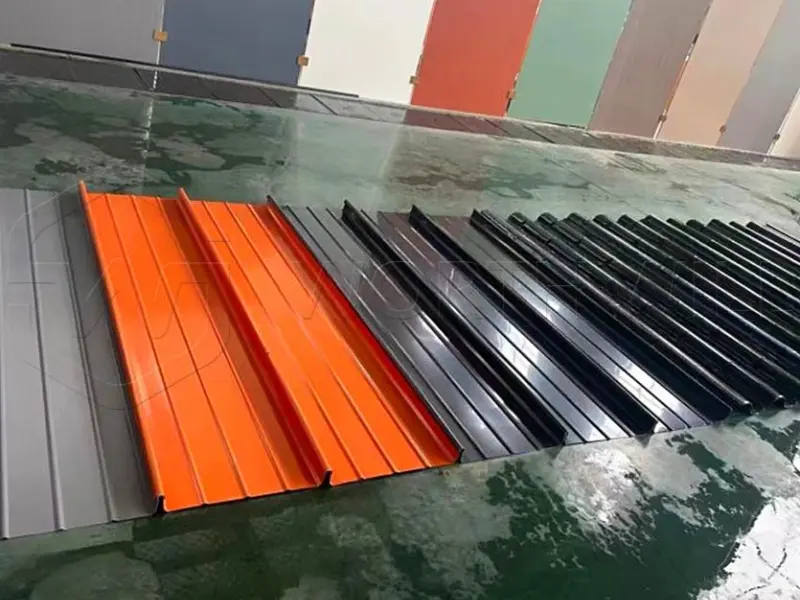
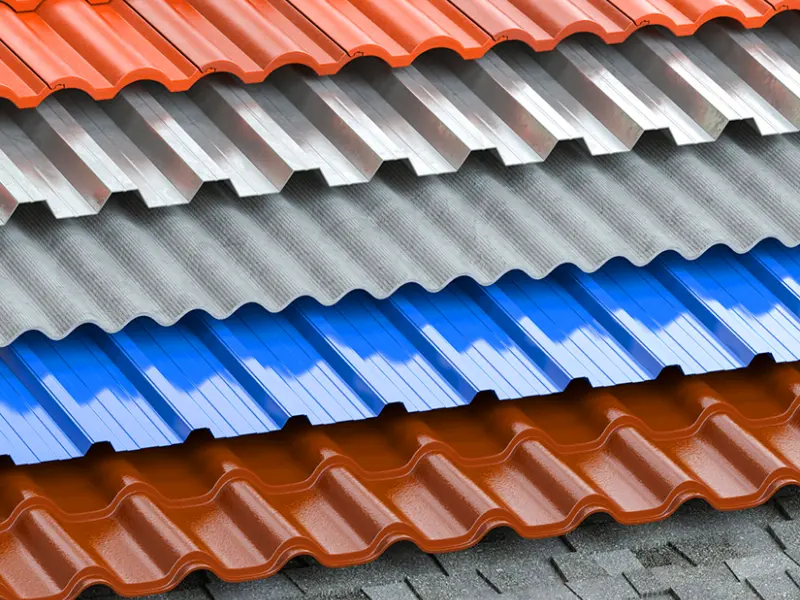
Are Aluminum Roof Sheets Good for Roofing?
They can be suitable for many roofing applications because aluminum is lightweight and naturally corrosion resistant. The correct profile, thickness, alloy, fastening system, and installation method must match the project requirements.
What Thickness Is Best for an Aluminum Roof Sheet?
There is no single best thickness for every roof. The correct value depends on the profile, support spacing, wind and snow loads, roof slope, and local building codes. Confirm the design before ordering.
Which Aluminum Alloy Is Used for Roofing Sheets?
Alloys such as 3003 and 3105 may be considered for formed roofing products. Other alloys may be suitable for specific components. The manufacturer should confirm the grade and temper for the intended application.
Are Prepainted Aluminum Roof Sheets Available?
Yes. Prepainted aluminum roofing sheets may be available in different colors and coating systems. Confirm the coating type, gloss level, color reference, and suitability for the expected exposure.
What Is the Difference Between Corrugated and Trapezoidal Aluminum Roofing?
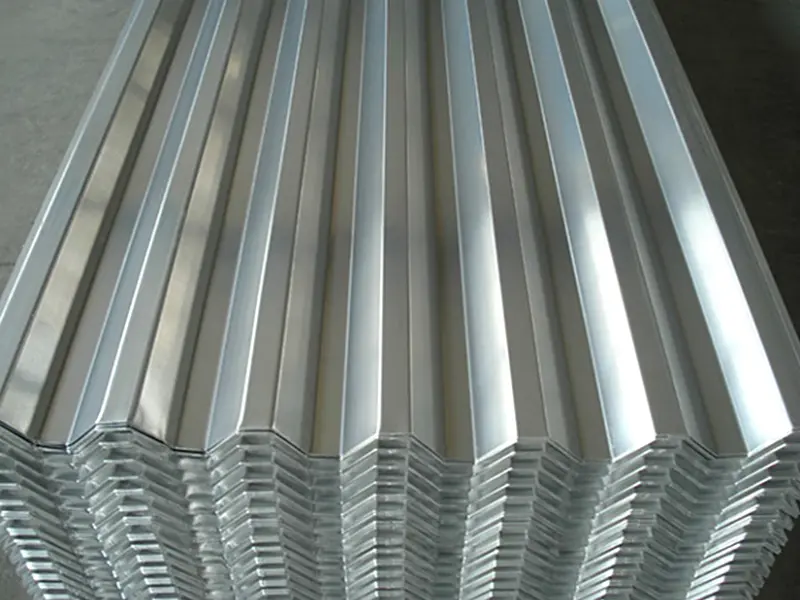
Corrugated sheets have wave-shaped ribs. Trapezoidal sheets have raised ribs with a trapezoid-shaped cross-section. Both profiles can increase stiffness, but their dimensions, coverage width, and installation requirements differ.
Are Aluminum Roof Sheets Better Than Steel Sheets?
The answer depends on the project. Aluminum has a lower density, while steel often offers higher stiffness at comparable geometry. Compare corrosion protection, structural design, cost, installation, and maintenance before choosing.
Can Aluminum Roof Sheets Be Used Near the Coast?
They may be suitable when the alloy, coating, fasteners, and installation details are selected for the exposure. Coastal projects require careful attention to corrosion, compatible materials, and maintenance.
Can Aluminum Roofing Sheets Be Made to Custom Lengths?
Many suppliers offer custom lengths within their production and transport limits. Provide the roof dimensions and profile requirements so the supplier can confirm feasible panel sizes.
Does Aluminum Roofing Need a Protective Coating?
Not every application requires the same coating. Natural aluminum has an oxide layer, but additional coating may be desirable for appearance or specific exposure conditions. The selection depends on the environment and product specification.
How Do I Calculate the Number of Roof Sheets Required?
Start with the roof dimensions and divide the roof width by the effective coverage width of the selected panel. Then account for roof length, side laps, end joints, cutouts, and project-specific waste. Confirm the final quantity with the roofing layout.
Do Aluminum Roof Sheets Expand in Hot Weather?
Yes. Aluminum expands when heated and contracts when cooled. Roofing systems must allow for thermal movement through suitable panel design, clips, fasteners, and installation details.
How Should Aluminum Roof Sheets Be Stored?
Store sheets in a dry, well-ventilated area and protect them from moisture accumulation, dirt, and mechanical damage. Follow the supplier’s instructions for stacking and storage, especially for coated sheets.
What Information Is Needed to Get a Price Quote?
Provide the alloy, temper, thickness, profile, sheet length, coverage width, coating, color, quantity, and delivery destination. Include any applicable project standards and accessory requirements.
Request a Quote for Aluminum Roof Sheets

Looking for aluminum roof sheets for a warehouse, factory, residential building, agricultural structure, or architectural project?
Share your required profile, thickness, alloy, temper, coating, color, dimensions, and order quantity. If you have a roof drawing or project specification, include it with your inquiry.
A complete specification helps suppliers compare suitable products and prepare a more accurate quotation for your roofing project.