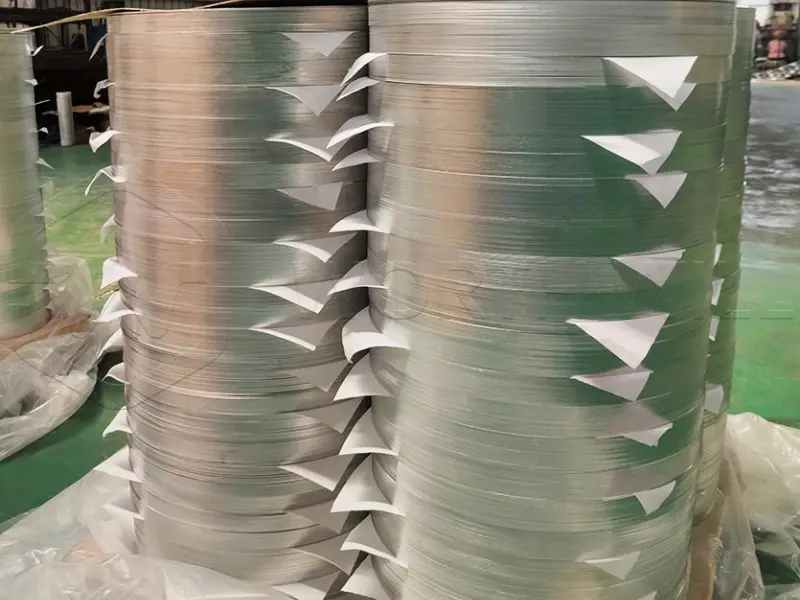
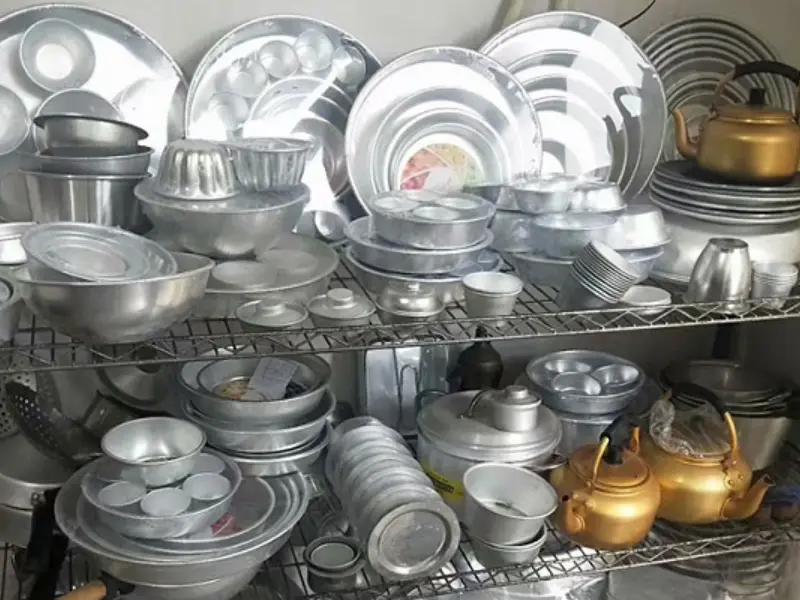
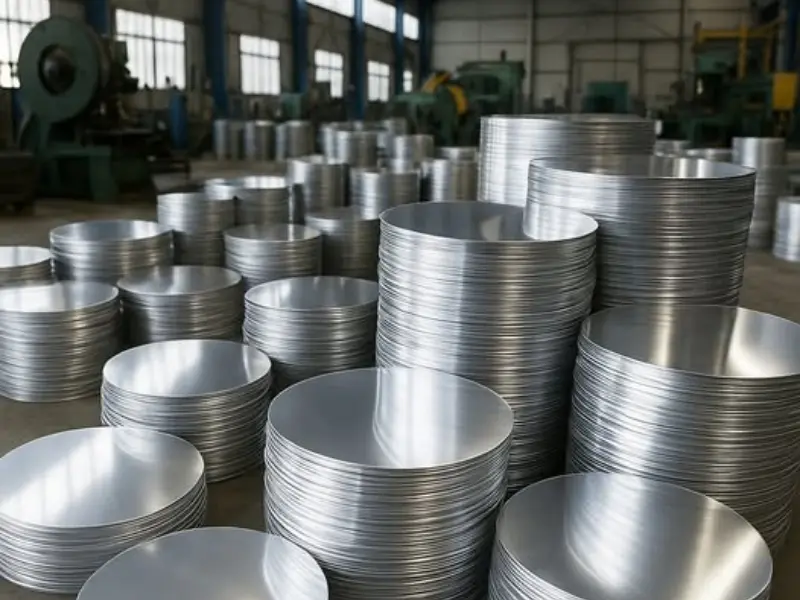
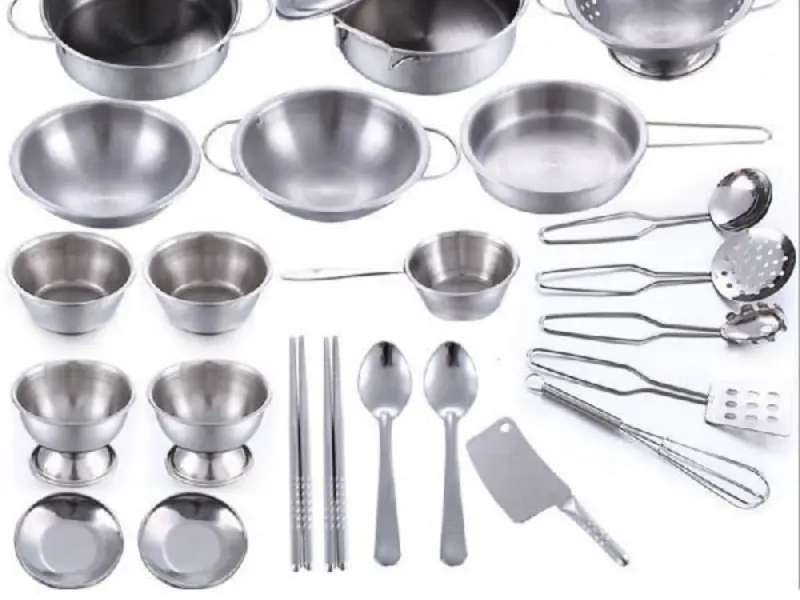
Aluminum circles for kitchenware are widely used in the production of cookware, kitchen utensils, and household aluminum products.
They are round aluminum blanks made for further processing, such as deep drawing, stamping, spinning, and forming.
These aluminum discs are commonly used to manufacture frying pans, saucepans, stockpots, pressure cookers, cooking pots, and other kitchen products. The right material can help improve forming performance, surface quality, and production efficiency.

Different cookware products need different aluminum alloys, tempers, thicknesses, and diameters. A small saucepan may use a smaller and thinner aluminum circle.
A large stockpot may require a wider disc with suitable strength and forming properties.
For cookware manufacturers, choosing the correct aluminum circle is an important step before forming and finishing. The material should match the product design, production equipment, and final surface requirements.
What Is an Aluminum Circle for Kitchenware?

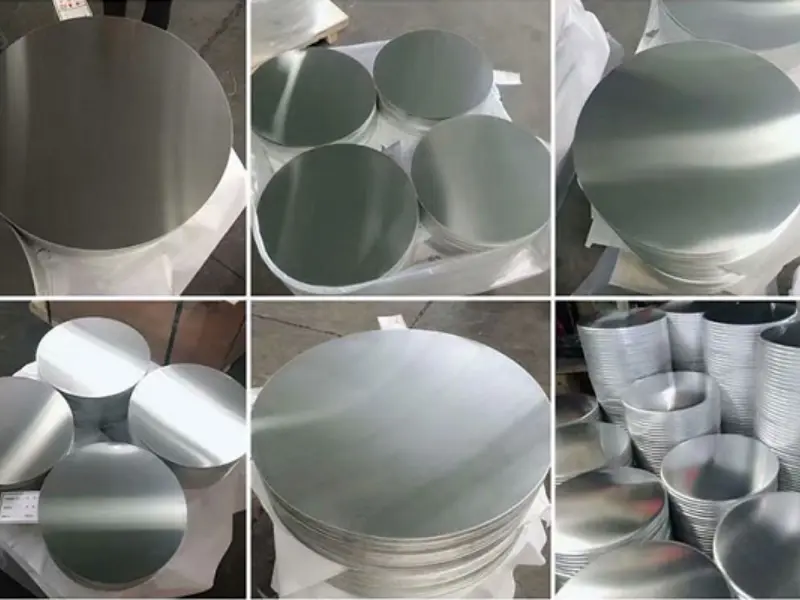
An aluminum circle for kitchenware is a flat, round piece of aluminum used as a starting material for cookware production. It is usually cut or stamped from aluminum sheet or coil.
The circular blank can be formed into different shapes according to the cookware design. Depending on the product, the manufacturing process may include deep drawing, spinning, trimming, polishing, coating, or other finishing steps.
Kitchenware aluminum circles are selected for their formability, low weight, thermal conductivity, and compatibility with different surface treatments.
| Product feature | Description |
|---|---|
| Product form | Round aluminum blank or disc |
| Main applications | Pots, pans, pressure cookers, kitchen utensils |
| Common alloys | 1050, 1060, 1070, 3003, 3004 |
| Common tempers | O, H12, H14, H16, H18 |
| Typical thickness | Approximately 0.5–5.0 mm, depending on the product |
| Diameter | Custom sizes based on cookware design |
| Processing methods | Deep drawing, stamping, spinning, trimming |
| Surface options | Mill finish, polished, coated, or other specified finishes |
Actual specifications depend on the cookware design and the manufacturer’s production capabilities.
Different Types of Aluminum Circles for Cookware
Kitchenware manufacturers use different aluminum circle types for different forming methods and finished products. The material should be selected according to the required depth, shape, wall thickness, and production speed.
Deep Drawing Aluminum Circles

Deep drawing aluminum circles are used to produce cookware with a deeper body. Common examples include saucepans, stockpots, and some pressure cooker components.
The aluminum needs suitable ductility and forming performance. The correct alloy and temper help reduce the risk of cracking, excessive thinning, and uneven forming.
Deep drawing circles are often supplied in soft or annealed conditions, depending on the alloy and forming process.
Stamping Aluminum Circles for Frying Pans
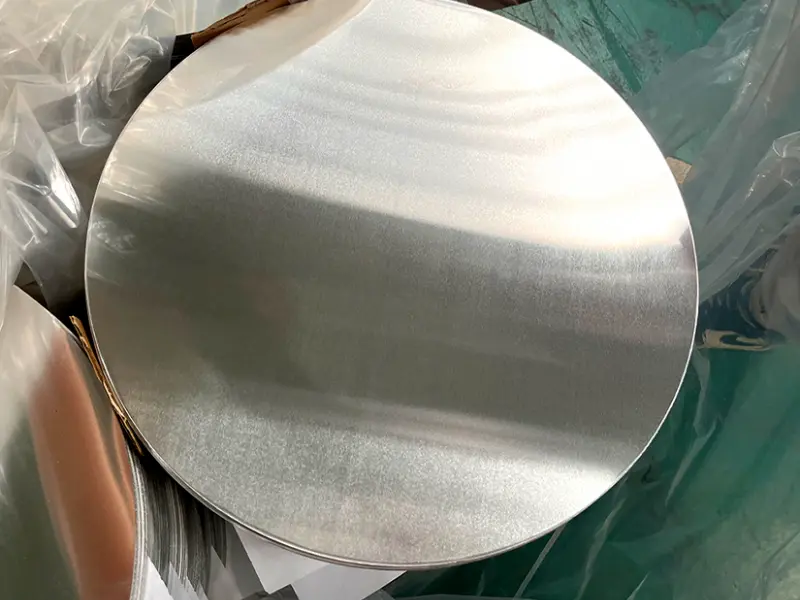
Stamping aluminum circles are used for cookware produced through pressing or shallow forming operations. They may be used for frying pans, shallow pans, lids, and other kitchen products.
The required thickness depends on the pan diameter, bottom design, and intended use. Manufacturers should also consider the material’s behavior during trimming and surface finishing.
Aluminum Circles for Spun Cookware
Spinning is used to form round metal blanks over a rotating tool. This process can produce cookware with curved or symmetrical shapes.
Aluminum circles for spinning should have suitable forming characteristics and consistent thickness. The blank diameter and material condition must match the tooling design.
Typical applications include selected cooking pots, bowls, and other round kitchenware products.
Aluminum Discs for Pressure Cookers
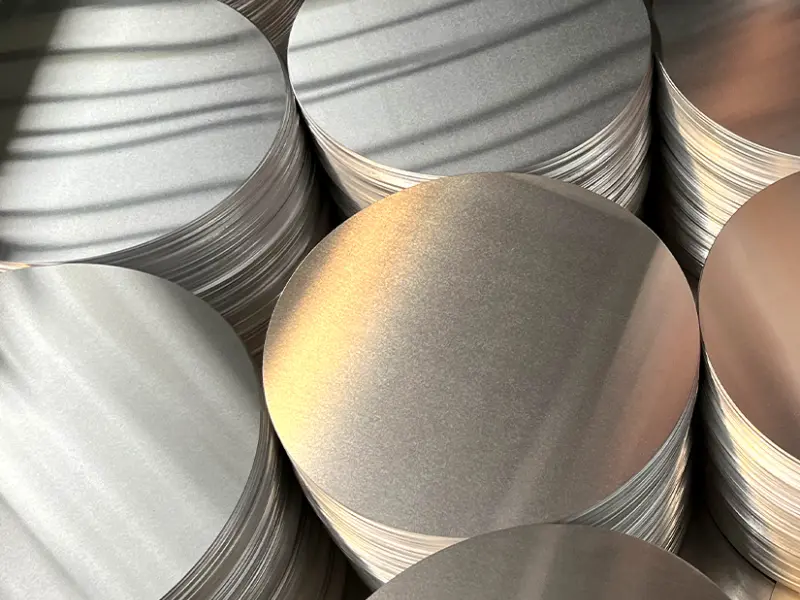
Pressure cooker components may require close control of dimensions, material properties, and forming quality. The suitable aluminum grade depends on the product structure and the manufacturer’s technical requirements.
For pressure cooker production, buyers should confirm the required alloy, temper, thickness tolerance, and relevant product standards. The material must be suitable for the intended manufacturing process and final use.
Aluminum Circles for Saucepan and Stockpot Production
Saucepans and stockpots often need larger circular blanks. The required diameter depends on the finished body size, forming depth, trimming allowance, and production method.
For deeper cookware, a suitable forming grade and temper are important. Buyers should discuss the forming process with the material supplier before selecting a specification.
Which Aluminum Alloy Is Suitable for Kitchenware?
The alloy affects formability, strength, corrosion resistance, and processing behavior. There is no single grade that fits every cookware product.
1050 Aluminum Circle for Kitchenware
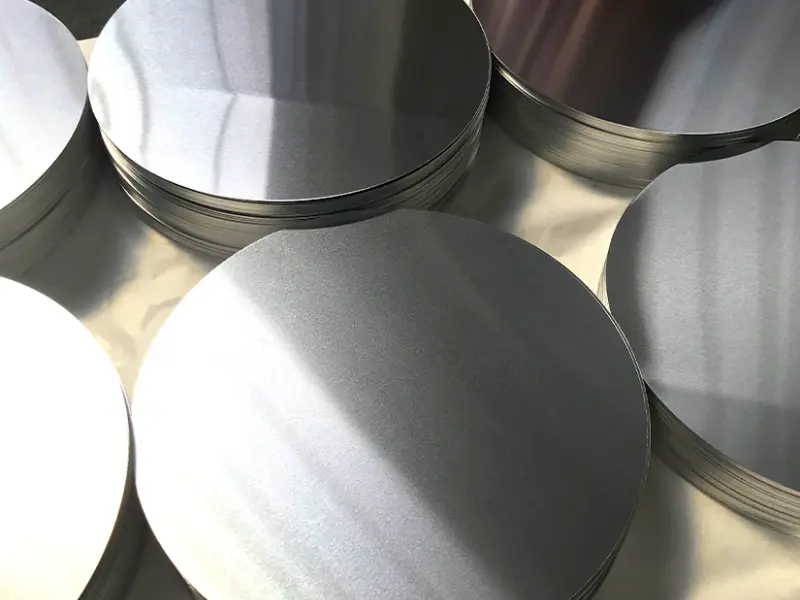
1050 Aluminum Circle for Kitchenware is a commercially pure aluminum grade with good formability. It is commonly considered for household aluminum products that require easy forming.
It may be suitable for selected pots, pans, kitchen containers, and formed components. The final choice depends on the required strength, thickness, and manufacturing method.
1060 Aluminum Circle for Kitchenware
1060 aluminum has a high aluminum content and good formability. It can be used for cookware blanks and other products that require a soft, workable material.
It is often considered when the production process involves drawing, spinning, or stamping. Buyers should confirm that the selected temper is suitable for the forming depth and tooling.
1070 Aluminum Circle for Kitchenware
1070 Aluminum Circle for Kitchenware has a higher aluminum content than 1050 and 1060. It may be considered for specific products that require high-purity aluminum and suitable forming performance.
It is not automatically the best choice for every kitchenware item. Material cost, mechanical requirements, and production results should be considered together.
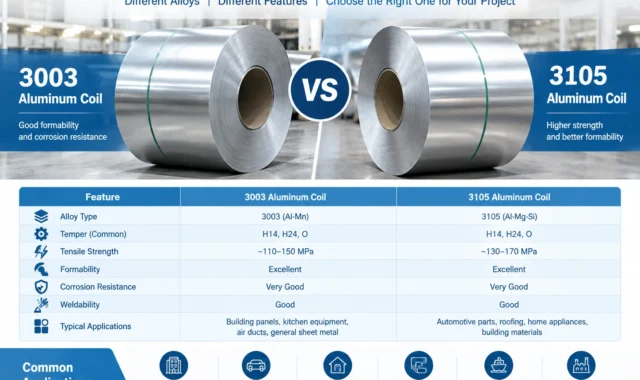
3003 Aluminum Circle for Kitchenware
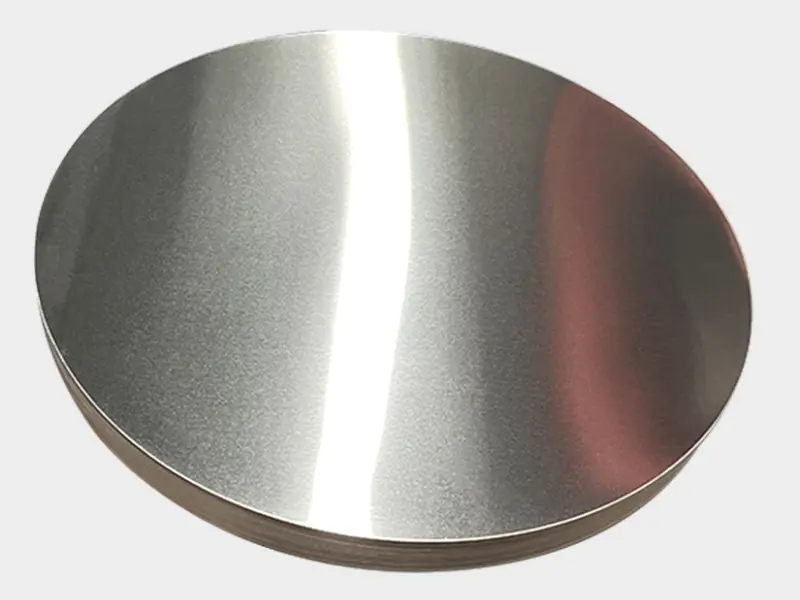
3003 Aluminum Circle for Kitchenware contains manganese as its main alloying addition. It offers a balance of formability and strength for many sheet applications.
It may be suitable for selected cookware bodies, kitchen containers, and products that require more strength than some commercially pure aluminum grades. The exact temper and forming process remain important.
3004 Aluminum Circle for Kitchenware
3004 aluminum is used in certain formed aluminum products where strength and formability are both relevant. It may be considered for specific cookware designs and manufacturing processes.
Availability and suitability depend on the required thickness, temper, drawing depth, and product specifications.
| Alloy | General characteristics | Potential kitchenware applications |
|---|---|---|
| 1050 | Good formability, high aluminum content | Formed pots, pans, kitchen components |
| 1060 | High aluminum content, good formability | Deep-drawn blanks and general cookware |
| 1070 | Very high aluminum content | Selected products with specific material requirements |
| 3003 | Good formability with a strength advantage over many pure grades | Cookware bodies and kitchen containers |
| 3004 | Used where a balance of strength and formability is required | Selected formed cookware components |
Selection tip: Do not select an alloy by name alone. Confirm the drawing depth, wall thickness, required strength, forming method, and applicable food-contact requirements.
Aluminum Circle Tempers: O, H12, H14, H16 and H18

Temper describes the condition of the aluminum after processing. It influences hardness, strength, and forming behavior.
| Temper | General description | Potential use |
|---|---|---|
| O | Annealed and relatively soft | Deep drawing and demanding forming operations |
| H12 | Strain-hardened to a relatively low level | Selected shallow-forming applications |
| H14 | Strain-hardened to a higher level than H12 | Components requiring a harder starting material |
| H16 | Higher strain-hardening level than H14 | Selected products requiring greater hardness |
| H18 | Fully hard condition in common non-heat-treatable sheet systems | Flat products or limited-forming applications |
The availability of each temper depends on the alloy and product specification. Harder tempers are not necessarily better for deep drawing.
For cookware requiring a deep body, an annealed condition is often considered because it provides greater formability. The final specification should be confirmed through forming trials and the material supplier’s data.
Common Thicknesses for Kitchenware Aluminum Circles
Thickness affects the weight, rigidity, forming behavior, and material cost of the cookware blank.
| Thickness | Approximate inch equivalent | Potential application |
|---|---|---|
| 0.50 mm | 0.020 in | Thin kitchen components and lightweight products |
| 0.60 mm | 0.024 in | Small cookware and shallow-formed items |
| 0.80 mm | 0.031 in | Small pots, pans, and kitchen containers |
| 1.00 mm | 0.039 in | General cookware blanks |
| 1.20 mm | 0.047 in | Medium-size cookware |
| 1.50 mm | 0.059 in | Cookware requiring additional material thickness |
| 1.80 mm | 0.071 in | Selected larger or heavier products |
| 2.00 mm | 0.079 in | Larger cookware and specific formed components |
| 2.50 mm | 0.098 in | Heavy-duty or specialized kitchenware |
| 3.00 mm | 0.118 in | Selected thick cookware components |
| 4.00–5.00 mm | 0.157–0.197 in | Special applications requiring thick aluminum blanks |
These are example thicknesses rather than universal cookware standards. The suitable thickness depends on the product design, forming depth, bottom structure, and finishing process.
Thin Aluminum Circles vs. Thick Aluminum Circles
| Comparison | Thin circles | Thick circles |
|---|---|---|
| Material use | Lower per piece | Higher per piece |
| Blank weight | Lower | Higher |
| Forming considerations | May require careful control against excessive thinning | May need greater forming force |
| Typical product scale | Small and lightweight items | Larger or more rigid products |
| Production focus | Blank handling and wall thinning | Tooling capacity and forming force |
A thicker blank does not automatically produce a better pan. Material distribution after forming, bottom design, and the intended use should all be considered.
Aluminum Circle Diameters for Different Cookware Sizes
The blank diameter is related to the finished cookware size, but the two dimensions are not the same. A manufacturer must account for forming depth, sidewall geometry, trimming allowance, and material movement.
| Example blank diameter | Potential product type |
|---|---|
| 100 mm | Small kitchen components |
| 120 mm | Small bowls and selected shallow cookware |
| 150 mm | Small pans and formed kitchen products |
| 180 mm | Small frying pans and saucepans |
| 200 mm | Medium cookware blanks |
| 220 mm | Medium frying pans and pots |
| 240 mm | Common medium-to-large cookware projects |
| 260 mm | Larger pans and cooking pots |
| 280 mm | Large cookware bodies |
| 300 mm | Large pans and stockpots |
| 320 mm | Large kitchenware products |
| 350 mm and above | Large or custom cookware applications |
These examples of Aluminum Circle for Kitchenware are for initial discussion only. The correct blank diameter should be calculated from the finished dimensions and the forming process.
How to Confirm the Blank Diameter
Before ordering, provide the supplier with the finished cookware diameter, body depth, wall shape, bottom shape, and trimming allowance.
A technical drawing is useful for complex products. If the cookware has a curved sidewall or a special bottom, the blank size may require calculation and trial forming.
Aluminum Circle for Frying Pans, Pots and Other Kitchenware
The same Aluminum Circle for Kitchenware specification may not be suitable for every product. Each cookware type has its own forming and performance requirements.
Aluminum Circles for Frying Pans
Frying pans usually have a relatively wide opening and a shallower body than stockpots. Their blanks may be processed by stamping, pressing, or other forming methods.
Typical requirements include:
- Consistent thickness
- Good surface quality
- Suitable forming performance
- Correct blank diameter
- Compatibility with the selected coating system
- Appropriate bottom design for the finished pan
For non-stick cookware, the aluminum base and the coating system should be evaluated separately. A good base material does not replace the need for proper surface preparation and coating control.
Aluminum Circles for Saucepan Production
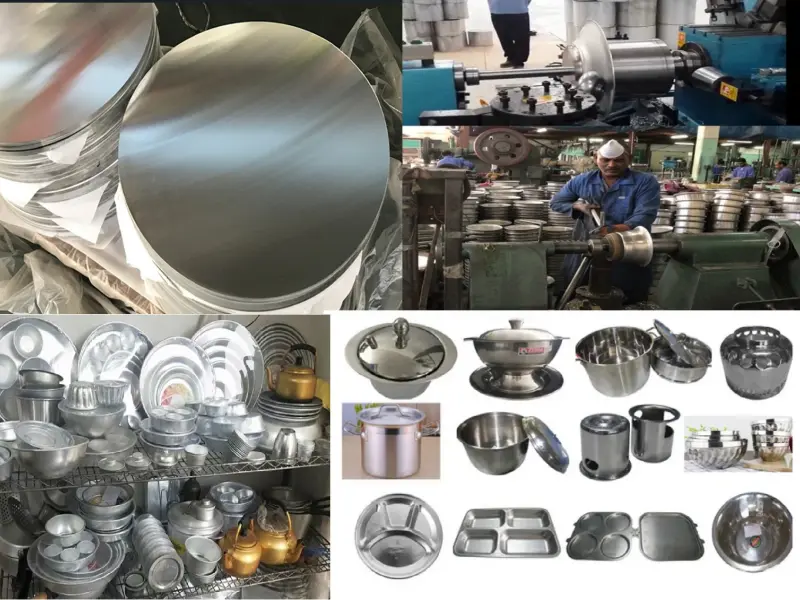
Saucepans have a deeper body than many frying pans. Their material should support the required drawing depth and sidewall shape.
A soft temper may be considered for demanding forming operations. The manufacturer should also check wall thinning, rim trimming, and bottom flatness.
Aluminum Circles for Stockpots
Stockpots often require larger blanks and deeper forming. Material consistency becomes important when the finished product has a large diameter or substantial wall height.
Buyers should confirm the blank size, thickness, forming process, and final dimensional tolerance. Large blanks may also require special packaging to prevent bending or surface damage.
Aluminum Circles for Pressure Cookers
Pressure cooker production requires attention to the finished design, material properties, and applicable safety requirements.
The correct aluminum grade must be selected for the specific component. Buyers should work with their cookware engineering team to confirm the technical specification and any relevant certification requirements.
Aluminum Circles for Kitchen Bowls and Containers
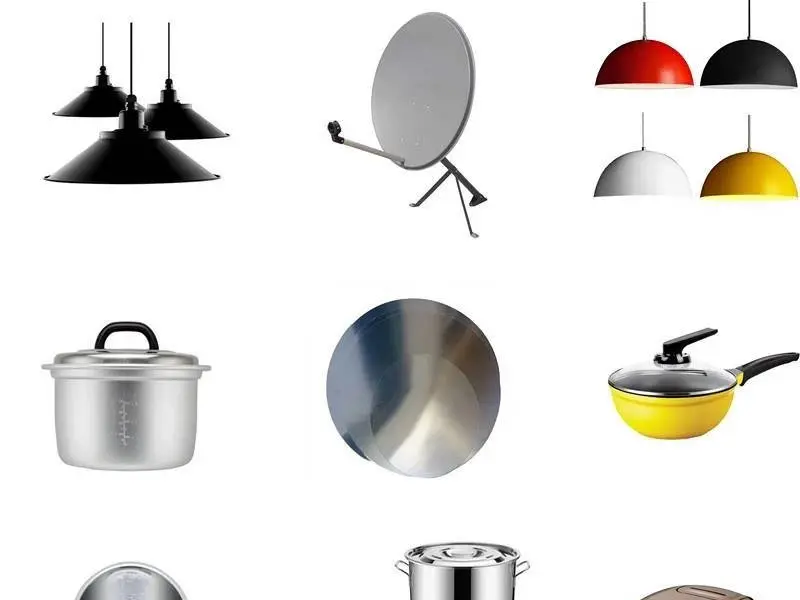
Bowls and containers may use shallow or deep drawing, depending on their shape. The required blank size depends on the opening diameter, depth, and sidewall profile.
Surface quality is important when the product will receive polishing, anodizing, coating, or another decorative treatment.
Aluminum Circles for Cookware Lids and Accessories
Some kitchenware designs use aluminum blanks for lids, covers, trays, and accessories. These products may require shallow forming, edge trimming, or additional machining.
The appropriate alloy and temper depend on the shape and rigidity requirements.
Deep Drawing Aluminum Circles vs. Stamping Aluminum Circles
Deep drawing and stamping are related metal-forming processes, but the production requirements can differ.
| Feature | Deep drawing circles | Stamping circles |
|---|---|---|
| Main process | Forms a blank into a deeper shape | Presses or forms the blank into a defined shape |
| Typical products | Deep pots, containers, selected pressure cooker components | Frying pans, shallow pans, lids |
| Material priority | Ductility and controlled material flow | Suitability for the specific stamping operation |
| Common temper consideration | Often soft or annealed | Depends on forming depth and design |
| Main quality checks | Cracks, thinning, wrinkles, dimensions | Surface marks, dimensions, shape consistency |
The actual process can include both stamping and drawing operations. The final selection should follow the cookware design and the production line.
Aluminum Circles vs. Aluminum Sheets for Kitchenware
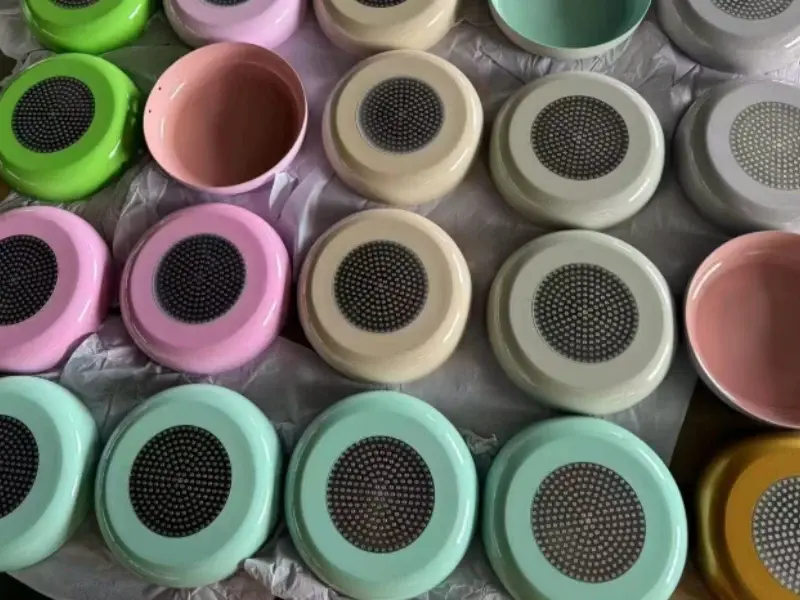
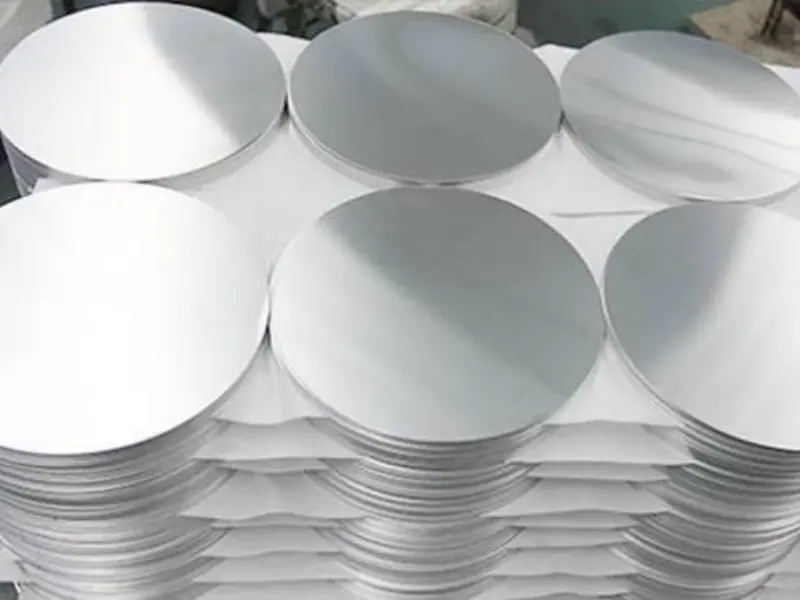
Aluminum circles and aluminum sheets may use similar alloys, but they are supplied in different forms.
| Feature | Aluminum circles | Aluminum sheets |
|---|---|---|
| Shape | Pre-cut round blanks | Flat rectangular sheets |
| Further processing | Ready for circular blank forming | Requires cutting or blanking |
| Material utilization | Can reduce some blank preparation work | Flexible for different cutting layouts |
| Common buyers | Cookware and kitchenware factories | General fabricators and cookware plants |
| Main specification | Diameter, thickness, alloy, temper | Width, length, thickness, alloy, temper |
Pre-cut circles can save preparation time when the cookware design is already established. Sheet material may be more flexible when production includes many different shapes and sizes.
Pure Aluminum Circles vs. 3003 Aluminum Circles
The choice between commercially pure aluminum and 3003 Aluminum Circle for Kitchenware depends on the finished product.
| Comparison | 1050 / 1060 | 3003 |
|---|---|---|
| Aluminum content | Higher | Lower due to alloying elements |
| Formability | Good in suitable tempers | Good in suitable tempers |
| Strength | Generally lower than 3003 in comparable conditions | Often offers a strength advantage over pure grades |
| Selection focus | High aluminum content and forming requirements | Balance of formability and strength |
| Final suitability | Depends on the cookware design | Depends on the cookware design |
Neither category is automatically suitable for every cookware product. Confirm the actual mechanical properties and forming results for the specified alloy and temper.
Surface Quality and Finishing Requirements
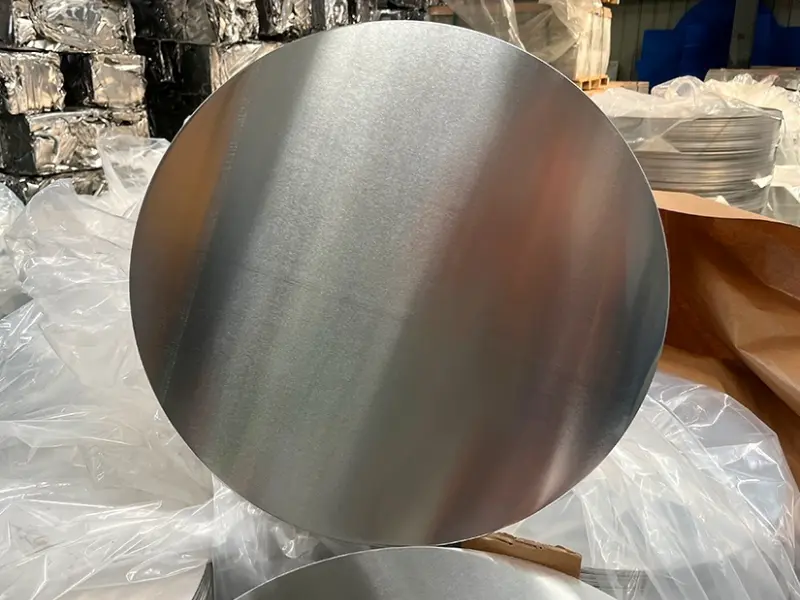
The aluminum circle’s surface can affect later processing and the appearance of the finished cookware. Requirements vary according to whether the final product will be polished, coated, anodized, or covered with a non-stick system.
Important points include:
- Surface cleanliness
- Consistent thickness
- Low risk of scratches and dents
- Suitable flatness
- Controlled edge quality
- Consistent material properties
- Compatibility with later surface treatment
For coated cookware, the manufacturer should confirm the complete pretreatment and coating process. The aluminum blank is only one part of the finished product system.
Food-Contact and Quality Considerations
Kitchenware may come into contact with food. Material selection should therefore consider the destination market and the finished product’s intended use.
Buyers should confirm the applicable food-contact requirements with their product compliance team. Requirements can vary by country, product type, coating system, and intended use.
A supplier may be asked to provide relevant material certificates, inspection records, or other documentation where available. Do not assume that an aluminum alloy number alone proves compliance for the complete finished cookware product.
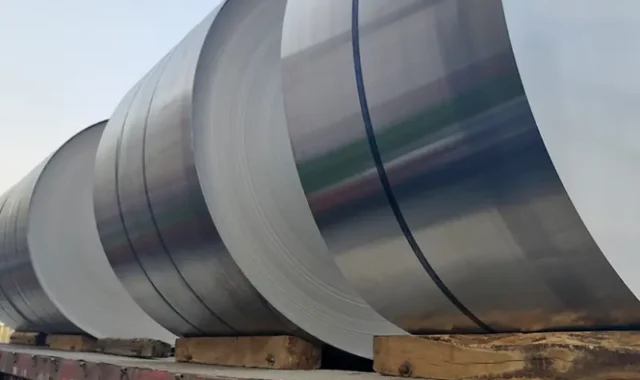
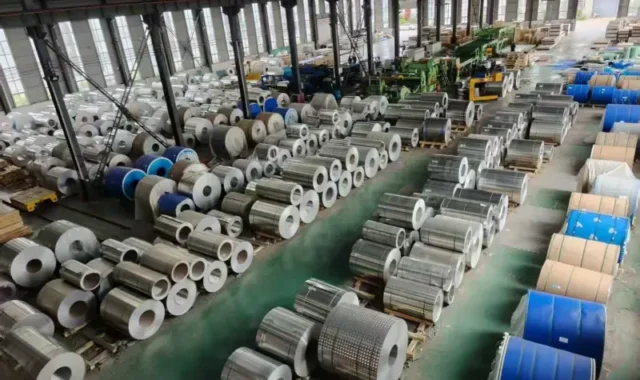
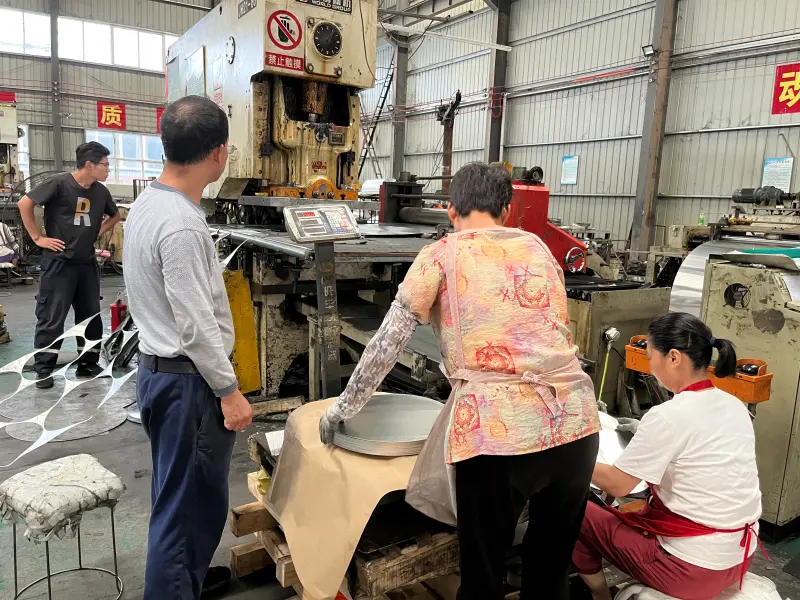
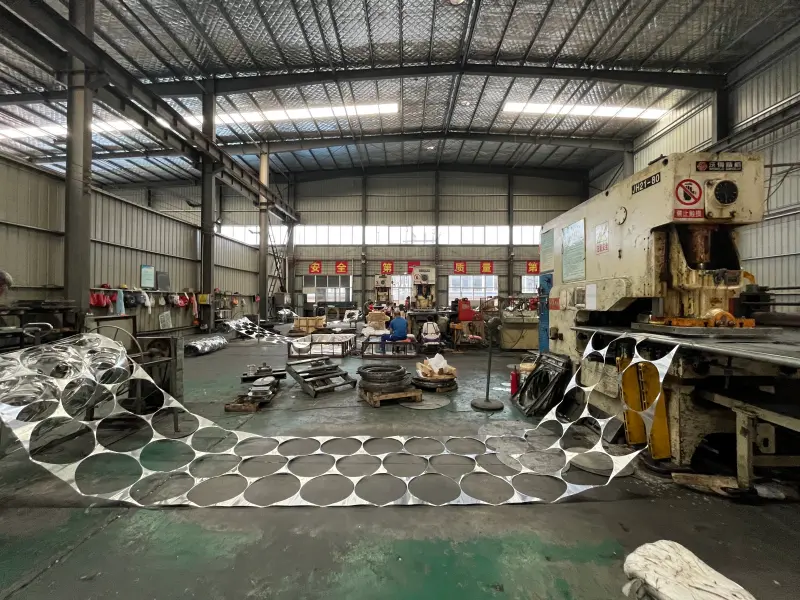
Manufacturing Process: From Aluminum Coil to Kitchenware Circle
A typical production route for Aluminum Circle for Kitchenware may include:
Aluminum coil or sheet → Slitting or blank preparation → Circular blanking → Deburring or edge treatment → Inspection → Protective packing
The exact process depends on the supplier’s equipment and the required product specification.
Quality checks may include:
| Inspection item | Purpose |
|---|---|
| Alloy verification | Confirms the specified material grade |
| Thickness measurement | Checks material consistency |
| Diameter measurement | Confirms blank dimensions |
| Surface inspection | Identifies scratches, dents, and visible defects |
| Edge inspection | Checks for burrs or cutting issues |
| Flatness check | Helps control handling and forming consistency |
| Packaging inspection | Reduces damage during transport |
For demanding cookware production, buyers may also request forming trials or samples before approving a bulk order.
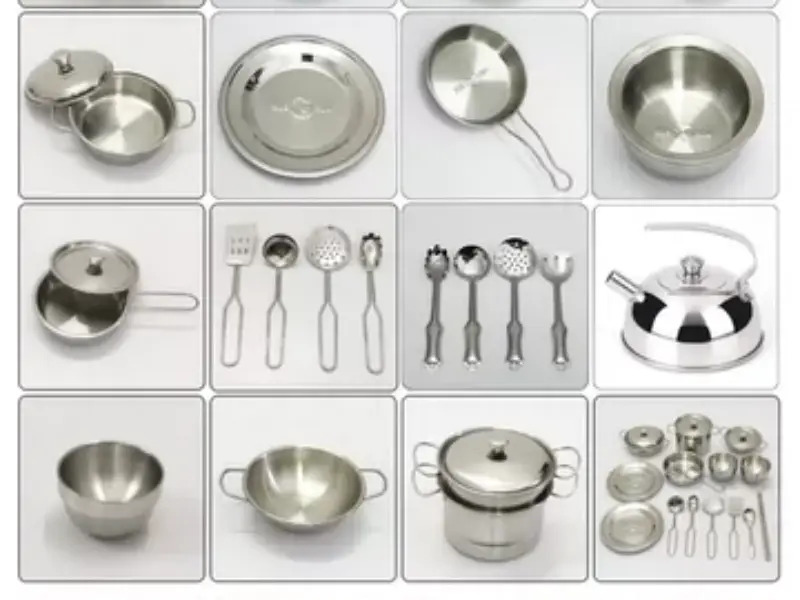
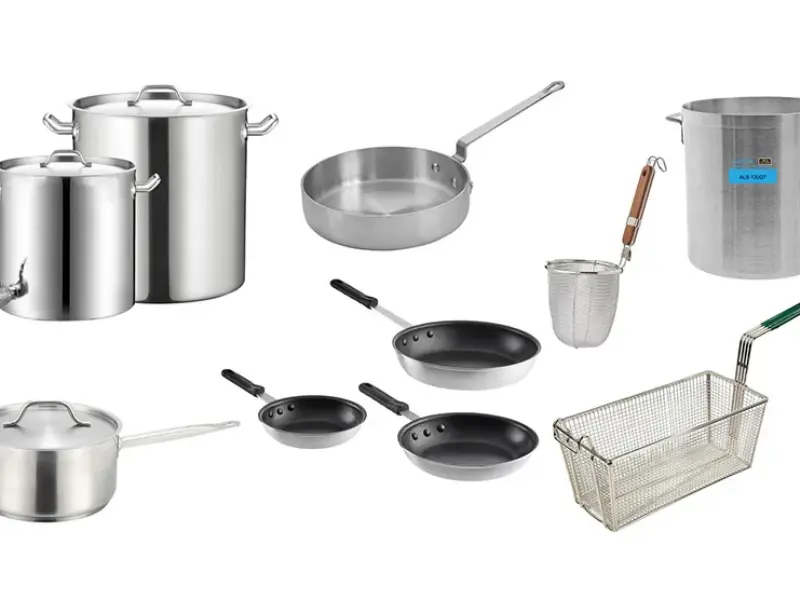
How to Reduce Material Waste in Cookware Production
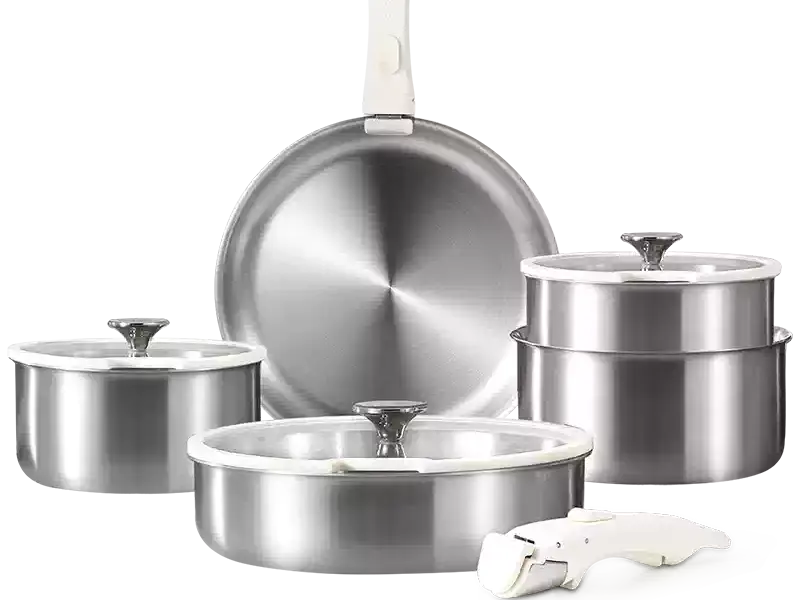
Blank size affects material use and the cost of each finished product. A correctly calculated diameter can help reduce excess trimming and improve material utilization.
The calculation should consider the finished body dimensions, forming depth, sidewall shape, trimming allowance, and the production method. Simple diameter matching is not enough for a deep-drawn pot.
Useful steps of Aluminum Circle for Kitchenware include:
- Confirm the finished cookware drawing before ordering.
- Use trial forming to verify the blank diameter.
- Check material thinning after drawing.
- Review edge trimming requirements.
- Keep the alloy, temper, and thickness consistent between batches.
- Record approved specifications for repeat orders.
For large orders, a small change in blank diameter can affect total material consumption. Confirm any proposed change through engineering review and production testing.
What Affects the Price of Kitchenware Aluminum Circles?
The quotation depends on the material specification and the processing requirements.
| Price factor | Effect on the quotation |
|---|---|
| Aluminum alloy | Different grades may have different material costs |
| Temper | Processing route and mechanical requirements may differ |
| Thickness | Thicker blanks use more aluminum |
| Diameter | Larger circles require more material |
| Tolerances | Tighter requirements may need additional controls |
| Surface quality | Special requirements can affect yield and inspection |
| Order quantity | Larger runs may improve production efficiency |
| Packaging | Individual protection and export packing add cost |
| Custom processing | Special dimensions or edge requirements may need extra work |
When comparing suppliers, use the same alloy, temper, diameter, thickness, tolerances, and packaging requirements. This makes the quotations easier to evaluate.
How to Choose a Reliable Aluminum Circle Supplier
A suitable supplier should understand the material requirements for cookware forming. Price is important, but consistency between batches is also essential.
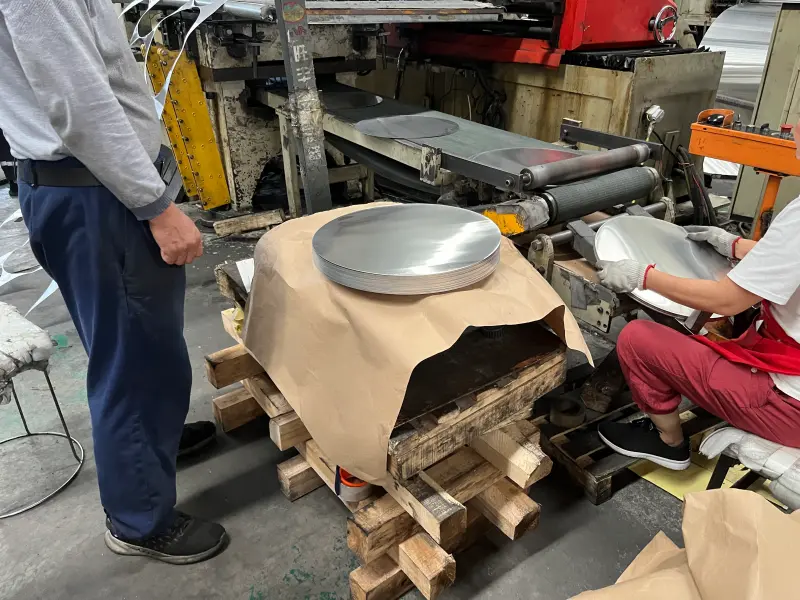
Before placing an order, consider the following points:
- Can the supplier provide the requested alloy and temper?
- Are diameter and thickness tolerances clearly stated?
- Can the material support the intended drawing or stamping process?
- Is the surface quality suitable for the next manufacturing step?
- Are samples or trial quantities available?
- Can the supplier provide relevant inspection documents?
- Is the packaging suitable for long-distance transport?
- Can repeat orders follow the approved specification?
For custom cookware, sharing a drawing and production requirements at the quotation stage can reduce unnecessary sampling and specification changes.
Export Packaging for Aluminum Circles
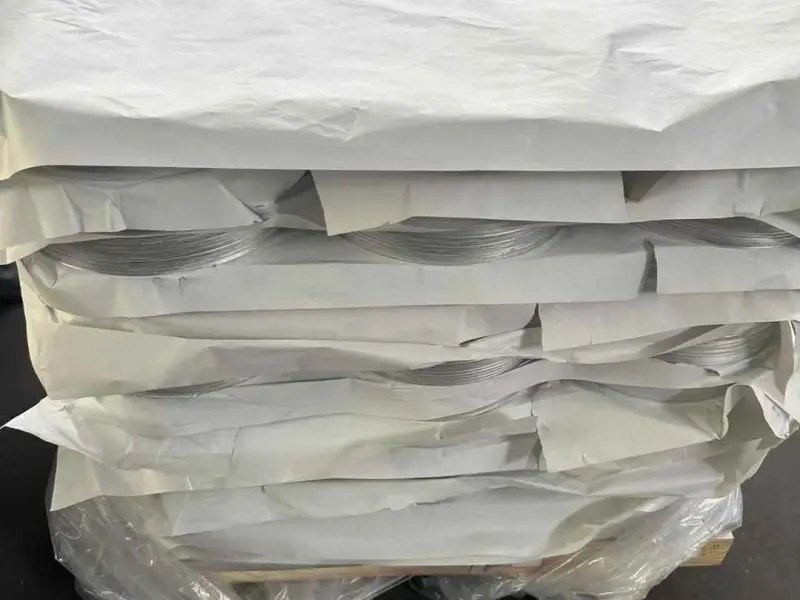
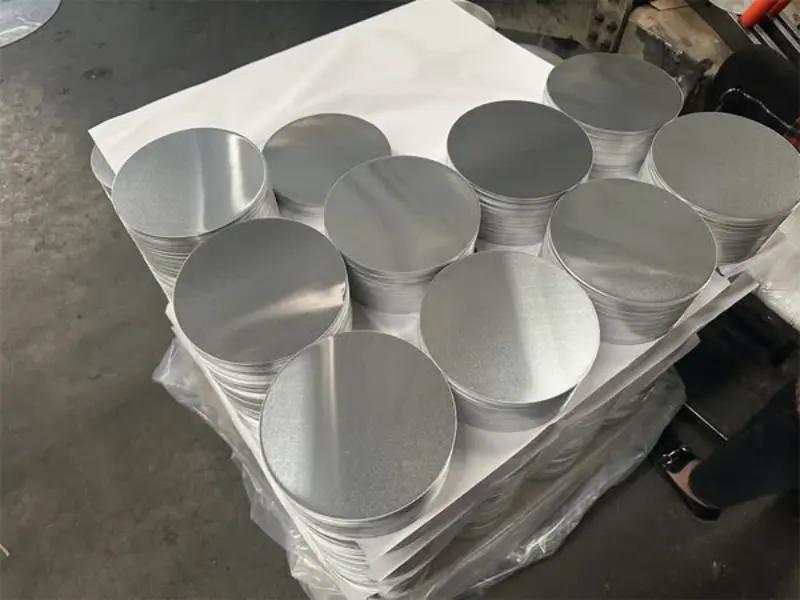
Aluminum Circle for Kitchenware should be protected from scratches, moisture, deformation, and edge damage during storage and transportation.
Packaging may include protective paper, plastic film, individual separation, cartons, pallets, or wooden cases. The best method depends on the disc diameter, thickness, surface finish, order quantity, and shipping route.
For export orders, confirm:
- Pieces per package
- Net and gross weight
- Outer package dimensions
- Moisture protection
- Surface protection
- Pallet or wooden-case requirements
- Shipping marks and labels
Thin or large-diameter circles may need additional support to reduce bending during handling.
Frequently Asked Questions About Aluminum Circle for Kitchenware
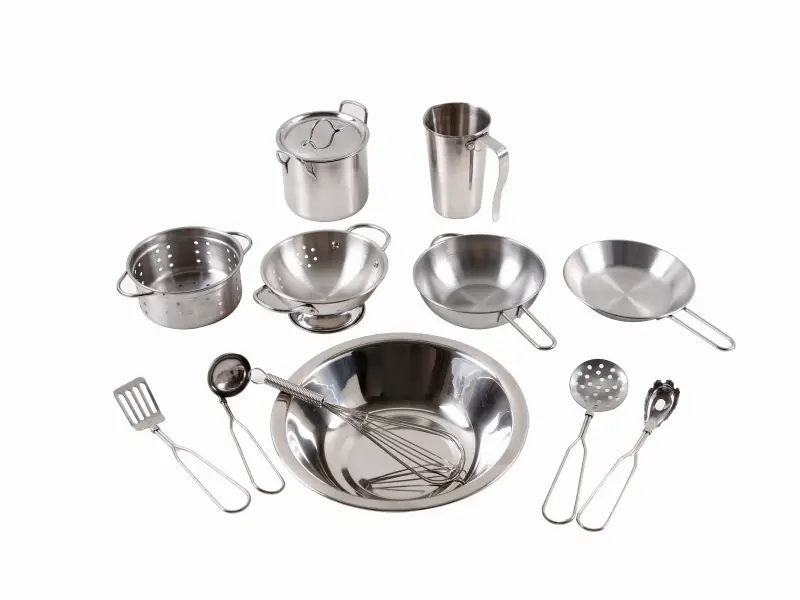
What is an aluminum circle for kitchenware?
It is a round aluminum blank used to manufacture cookware and kitchen products. Common applications include frying pans, saucepans, stockpots, lids, and selected pressure cooker components.
Which aluminum alloy is commonly used for cookware circles?
Commonly considered grades include 1050, 1060, 1070, 3003, and 3004. The suitable grade depends on the forming process, strength requirements, thickness, and finished product design.
Which temper is suitable for deep drawing aluminum circles?
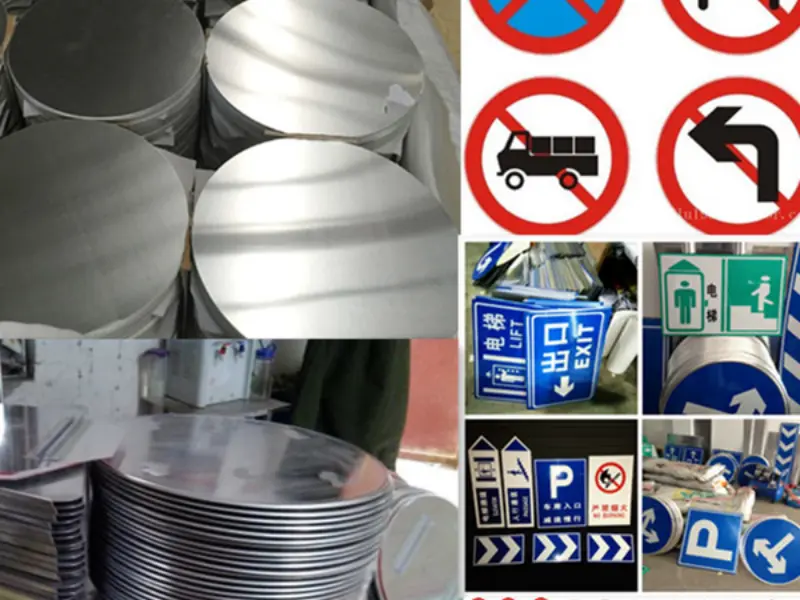
An O temper of Aluminum Circle for Kitchenware is often considered for demanding drawing operations because it is annealed and relatively soft. The final selection should be confirmed by the cookware manufacturer based on the alloy, drawing depth, and tooling.
What thickness is available for kitchenware aluminum circles?
Example thicknesses range from around 0.5 mm to 5.0 mm, depending on the alloy, diameter, and application. Confirm the actual available range with the supplier.
Can aluminum circles be customized by diameter?
Yes. Many suppliers can produce custom diameters based on the cookware drawing and production requirements. The required blank size should be verified through calculation or trial forming.
What is the difference between 1050 and 3003 aluminum circles?
1050 is a commercially pure aluminum grade, while 3003 contains manganese and often offers a strength advantage over pure grades. The best choice depends on the product design and forming process.
Are aluminum circles suitable for non-stick frying pans?
They can be used as the aluminum base for non-stick cookware when the alloy, temper, forming process, and surface preparation are suitable. The non-stick coating is a separate part of the finished product system.
Can aluminum circles be used for pressure cooker production?
They may be used for suitable pressure cooker components, subject to the product design, material specification, and applicable safety requirements. The manufacturer should confirm the required technical properties.
How do I calculate the correct aluminum circle diameter?
The calculation depends on the finished diameter, body depth, wall shape, material flow, and trimming allowance. A technical drawing and forming trial can help confirm the required blank size.
What is the difference between aluminum circles and aluminum discs?
In many commercial descriptions, the terms are used for similar round aluminum blanks. However, terminology can vary between suppliers. Confirm the dimensions, alloy, temper, and intended processing requirements.
How can I check the quality of aluminum circles?
Check the alloy, temper, thickness, diameter, flatness, surface condition, and edge quality. For deep drawing, a forming trial may also be necessary.
Can I order samples before bulk production?
Many suppliers can provide samples or a trial order, depending on the specification. Testing samples in the actual production process helps confirm forming performance before mass production.
Are kitchenware aluminum circles suitable for food contact?
The suitability of the final product depends on the material, surface treatment, coating, intended use, and destination-market requirements. Confirm the applicable compliance documentation for the finished cookware.
What information should I provide for a quotation?
Provide the alloy, temper, diameter, thickness, tolerances, surface requirements, quantity, packaging requirements, and intended application. A product drawing is useful for custom or deep-drawn cookware.
Request a Quote for Aluminum Circles for Kitchenware
If you manufacture frying pans, cooking pots, saucepans, stockpots, or other kitchenware, the right aluminum circle can help support a stable forming process.
When requesting a quotation, provide the required alloy, temper, diameter, thickness, and quantity. Include the finished cookware drawing or forming requirements when possible.
A clear specification helps the supplier recommend a suitable material, prepare samples, and provide a quotation based on your production needs.