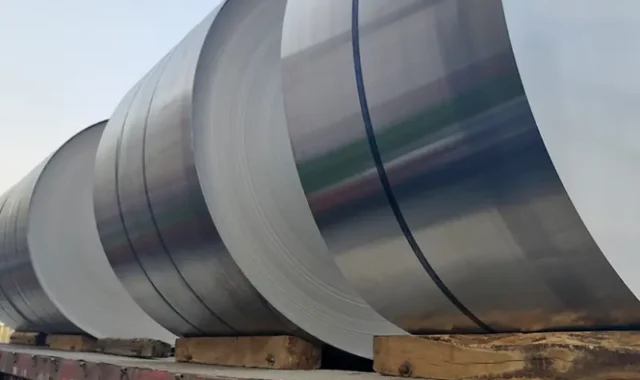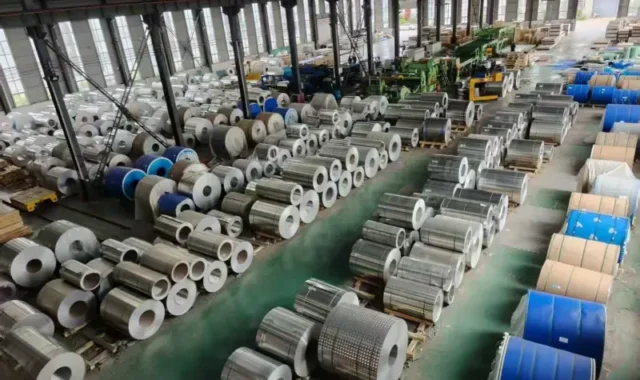
A Aluminum Roofing Sheet for Warehouse must protect goods, equipment, and workers from rain, wind, sunlight, and changing temperatures.
The right roofing material can also reduce maintenance costs and make installation easier.
For many industrial buildings, an aluminum roofing sheet for warehouse projects is a practical option because aluminum is lightweight, corrosion-resistant, and available in several profiles and thicknesses.
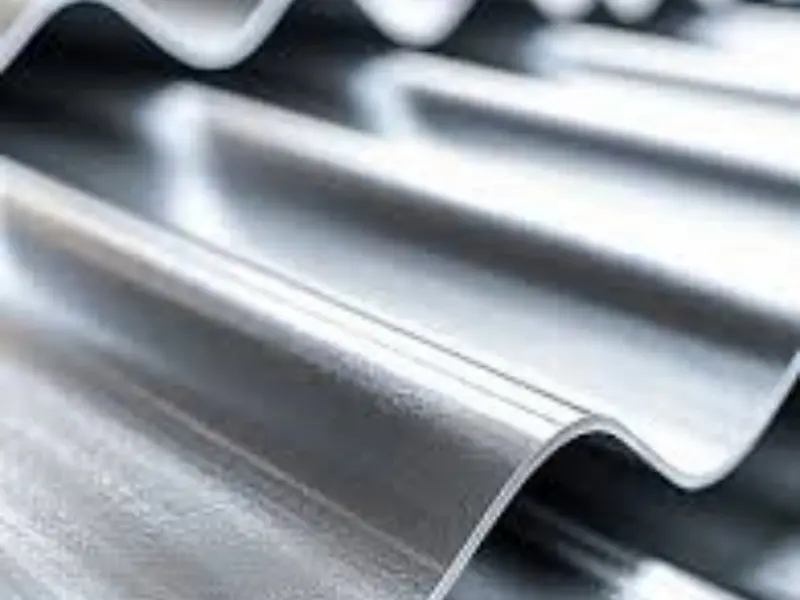

Aluminum roofing sheets can be used for logistics centers, storage buildings, factories, agricultural warehouses, and commercial distribution facilities.
Buyers can choose corrugated sheets, trapezoidal panels, standing seam roofing, insulated roof systems, or coated aluminum sheets based on the building design.
The best choice depends on the roof span, local weather, structural design, insulation needs, and budget.
Why Choose Aluminum Roofing Sheets for a Warehouse?
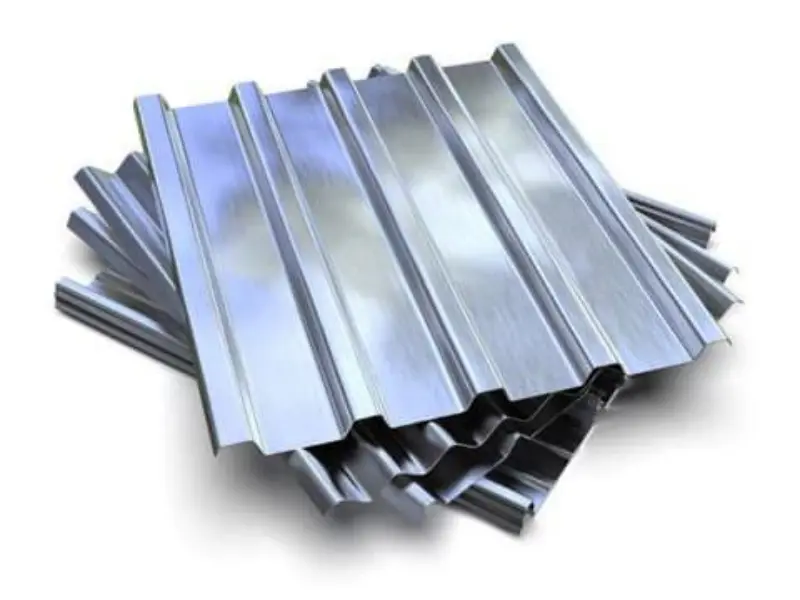

Warehouse buildings often have large roof areas. Roofing materials must cover these areas without adding unnecessary weight to the supporting structure.
Aluminum offers several useful properties for industrial roofing.
| Feature | Benefit for Warehouse Roofing |
|---|---|
| Lightweight construction | Reduces roof dead load compared with many heavier roofing materials |
| Corrosion resistance | Helps the roof withstand moisture and many outdoor conditions |
| Long sheet lengths | Can reduce the number of joints on suitable roof designs |
| Multiple profiles | Supports different roof slopes, spans, and drainage designs |
| Reflective surface | Can reflect part of the sunlight when the finish and surface condition are suitable |
| Custom fabrication | Sheets can be supplied in selected widths, lengths, and finishes |
| Recyclability | Aluminum can be recycled at the end of its service life |
Aluminum roofing is especially useful for warehouses in humid regions, coastal areas, and locations where corrosion protection is important. However, salt exposure, industrial pollution, standing water, and contact with incompatible metals can affect performance. The alloy, coating, fasteners, and installation details should match the environment.
Aluminum Roofing Sheet Types for Warehouse Buildings
Different warehouse projects need different roof profiles. The correct profile helps manage rainwater, supports the required loads, and works with the building’s structural system.
Corrugated Aluminum Roofing Sheets

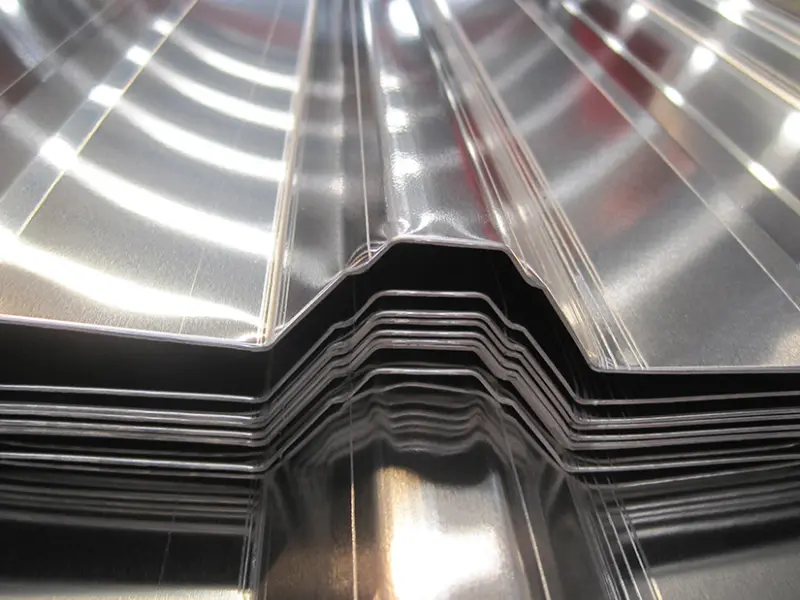
Corrugated aluminum roofing has a series of repeated waves. The profile gives the sheet more rigidity than a flat sheet of the same thickness.
It is often selected for small and medium warehouses, workshops, agricultural storage buildings, and extensions to existing industrial buildings.
Typical product options include:
| Product Type | Example Specification | Common Application |
|---|---|---|
| Thin corrugated sheet | 0.30–0.40 mm | Light-duty covers and suitable small structures |
| Standard corrugated sheet | 0.45–0.60 mm | General warehouse roofing, subject to span and load |
| Heavy corrugated sheet | 0.70–1.00 mm | Projects requiring a thicker profile |
| Painted corrugated sheet | 0.40–0.80 mm | Warehouses needing a selected roof color |
| Long-length corrugated sheet | Custom length | Large roof slopes with fewer end joints |
These thicknesses are indicative options, not universal design limits. The required thickness depends on the corrugation shape, support spacing, wind pressure, and project specifications.
Trapezoidal Aluminum Roofing Sheets
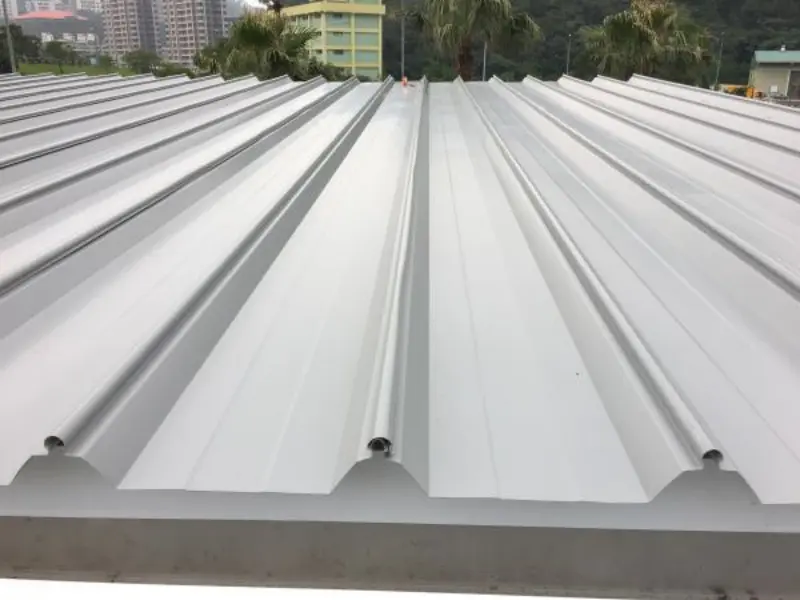
Trapezoidal roofing sheets have raised ribs with a more angular profile. They are common on industrial buildings because the rib design can provide useful stiffness and drainage paths.

Compared with shallow corrugated sheets, some trapezoidal profiles are designed for longer support spans. Performance still depends on the actual rib height, sheet thickness, metal strength, and fixing method.
Common options include:
| Profile Option | Example Thickness | Suitable Project |
|---|---|---|
| Low-rib trapezoidal sheet | 0.40–0.60 mm | Small warehouses and roof extensions |
| Medium-rib sheet | 0.50–0.80 mm | General industrial buildings |
| High-rib sheet | 0.60–1.00 mm | Selected large-span roof systems |
| Color-coated trapezoidal sheet | 0.45–0.80 mm | Commercial and logistics buildings |
| Custom-length trapezoidal sheet | Project-based | Large roofs with planned panel layouts |
A higher rib does not automatically mean that a panel is suitable for every long-span roof. Buyers should request load tables or engineering data for the exact profile.
Standing Seam Aluminum Roofing
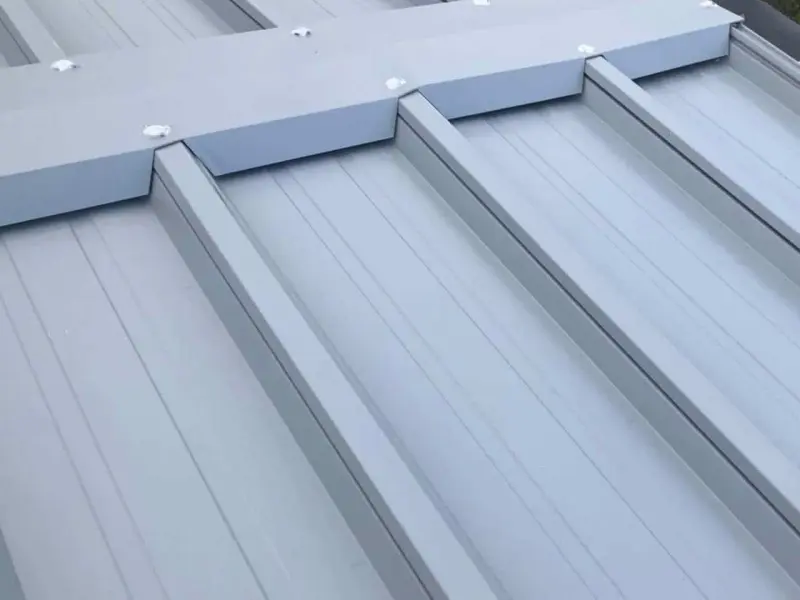
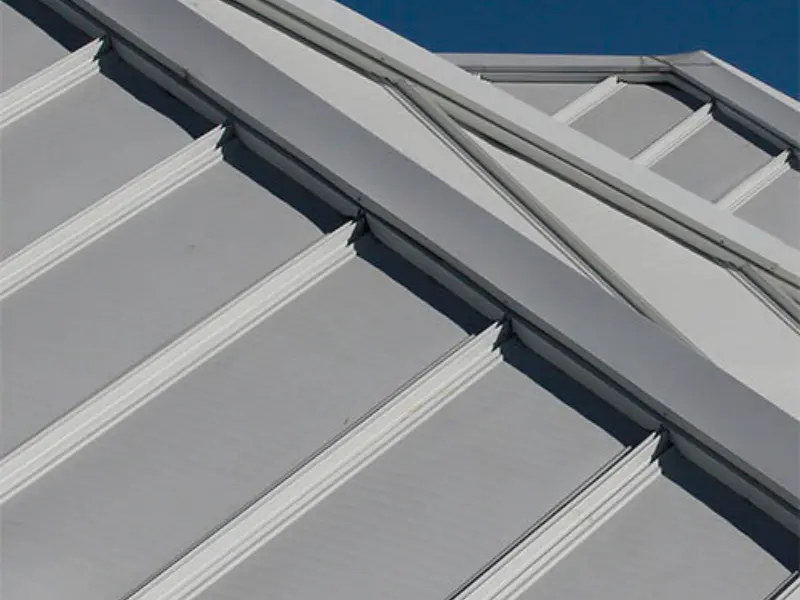
Standing seam roofing uses raised seams to connect adjacent panels. Depending on the system, the panels may use concealed clips rather than exposed fasteners through the main roof surface.
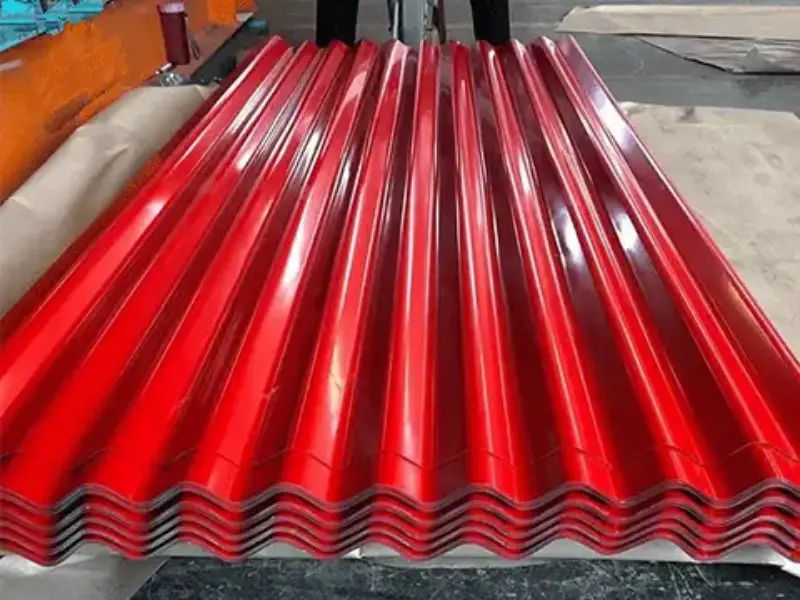
This design is useful for commercial warehouses, distribution centers, and industrial buildings where a clean appearance and careful control of roof penetrations are important.
Typical features include:
- Long aluminum panels for large roof slopes.
- Concealed fixing systems for compatible designs.
- Options for expansion and contraction.
- Painted or natural aluminum finishes.
- Custom panel widths and seam heights.
Standing seam systems require compatible clips, seams, underlayment, and installation methods. They are not interchangeable with ordinary corrugated sheets.
Aluminum Roof Panels for Insulated Warehouses
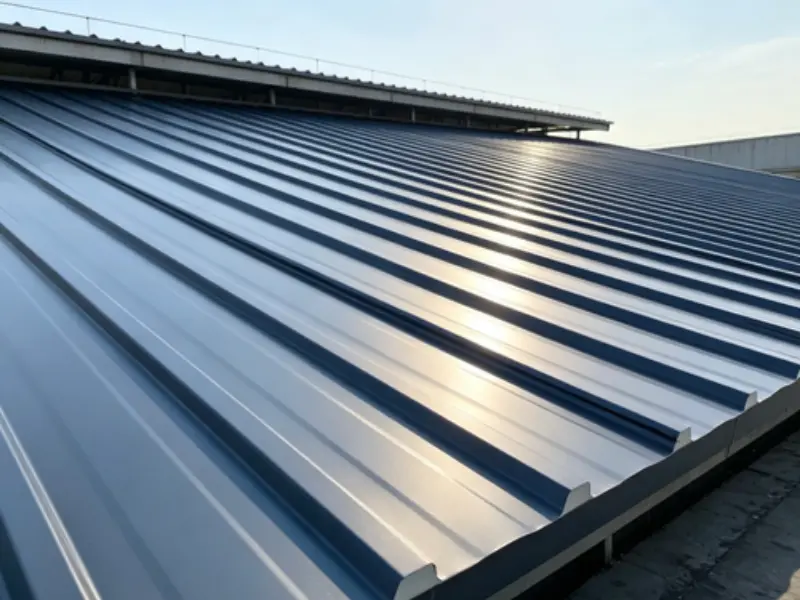
Some warehouses need more than rain protection. Temperature-sensitive goods, staff working areas, and facilities with air conditioning may require thermal insulation.
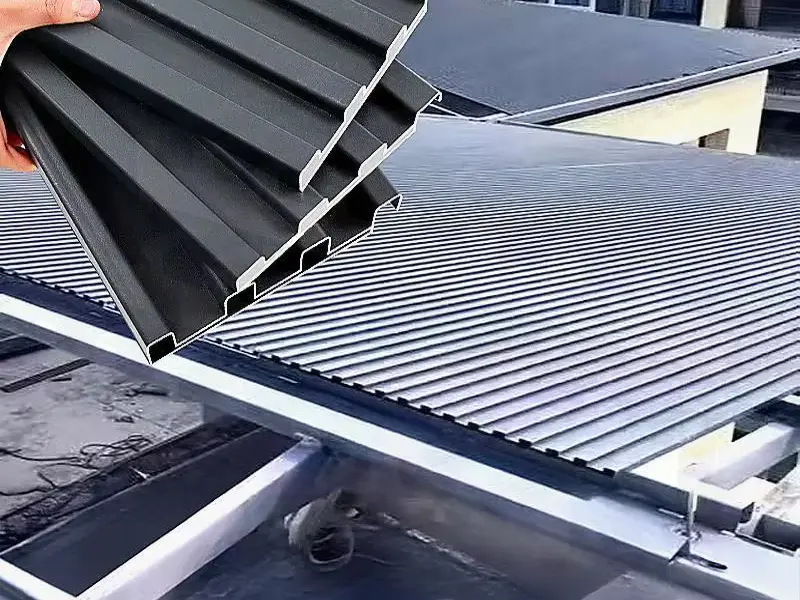
An insulated aluminum roof can use an aluminum outer sheet with an insulation layer and a suitable inner liner. Alternatively, aluminum roofing can be installed over a separate insulated roof assembly.
| Roof System | Main Structure | Typical Use |
|---|---|---|
| Single-skin aluminum roof | One profiled aluminum sheet | Basic weather protection |
| Aluminum roof with insulation below | Aluminum sheet plus separate insulation | Existing buildings and renovation |
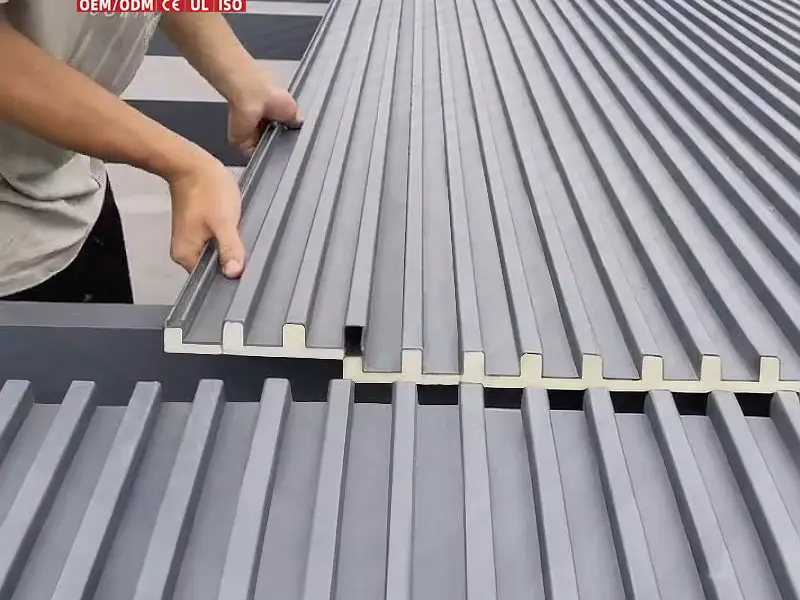
| Insulated sandwich panel | Metal facings with an insulation core | Warehouses requiring thermal control |
| Double-skin roof system | Outer roof sheet, cavity, and inner liner | Industrial buildings with more complex roof requirements |
For insulated sandwich panels, confirm the core material, panel thickness, fire performance, joint design, and local building-code requirements. A metal facing alone does not provide meaningful thermal insulation.
Color-Coated Aluminum Roofing Sheet for Warehouse

Color-coated aluminum roofing uses a painted or coated surface. It is suitable for warehouses that need a consistent exterior appearance or a roof color that matches the building design.
Common choices include white, light gray, silver, blue, and other project-specific colors.
A light-colored roof may reduce solar heat absorption under suitable conditions, but actual performance depends on coating reflectance, insulation, ventilation, and climate.
Color-coated aluminum sheets are often used for:
- Distribution centers.
- Commercial storage buildings.
- Factory warehouses.
- Agricultural storage facilities.
- Retail back-of-house buildings.
- Industrial buildings with corporate color requirements.
Ask for coating specifications, color consistency requirements, and warranty conditions. The coating system should suit the intended outdoor environment.
Which Aluminum Alloy Is Best for Warehouse Roofing?
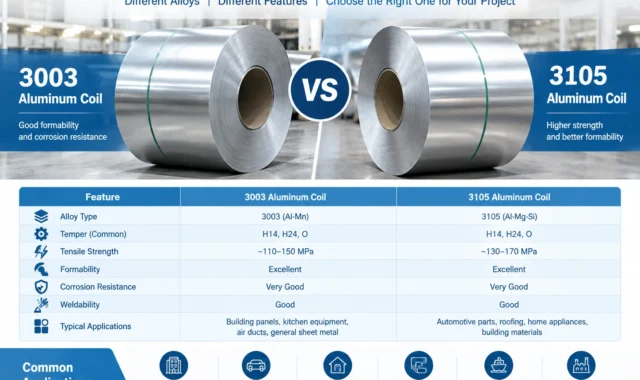
The alloy affects formability, strength, corrosion resistance, and manufacturing performance. For many formed aluminum roofing products, 3003 and 3105 are useful options. Other alloys may be available for particular designs.
3003 Aluminum Roofing Sheet for Warehouse

3003 aluminum is an aluminum-manganese alloy. It offers good formability and general corrosion resistance, making it suitable for many roll-formed roofing profiles.
It is often considered for corrugated sheets, trapezoidal panels, and other roofing products that need to be formed into a repeated profile.
| Item | Typical Information |
|---|---|
| Alloy | 3003 |
| Common tempers | H14, H24; other options depend on product |
| Example thickness | 0.40–1.00 mm |
| Formability | Good for many roofing profiles |
| Main applications | Corrugated sheets, profiled panels, general industrial roofing |
3003 is a practical starting point when the project needs a formable roofing alloy. The selected temper and thickness must still meet the required structural performance.
3105 Aluminum Roofing Sheet for Warehouse
3105 is another aluminum-manganese alloy used in building products. It is commonly available in coated and formed roofing applications.
| Item | Typical Information |
|---|---|
| Alloy | 3105 |
| Common tempers | H14, H24, H26, depending on supply |
| Example thickness | 0.40–1.20 mm |
| Typical finishes | Mill finish, painted or coated |
| Main applications | Industrial roofs, wall cladding, commercial buildings |
3105 can be suitable for color-coated roofing where forming performance, appearance, and outdoor durability are important. Confirm the exact temper and coating system with the manufacturer.
5052 Aluminum Roofing Sheet for Warehouse
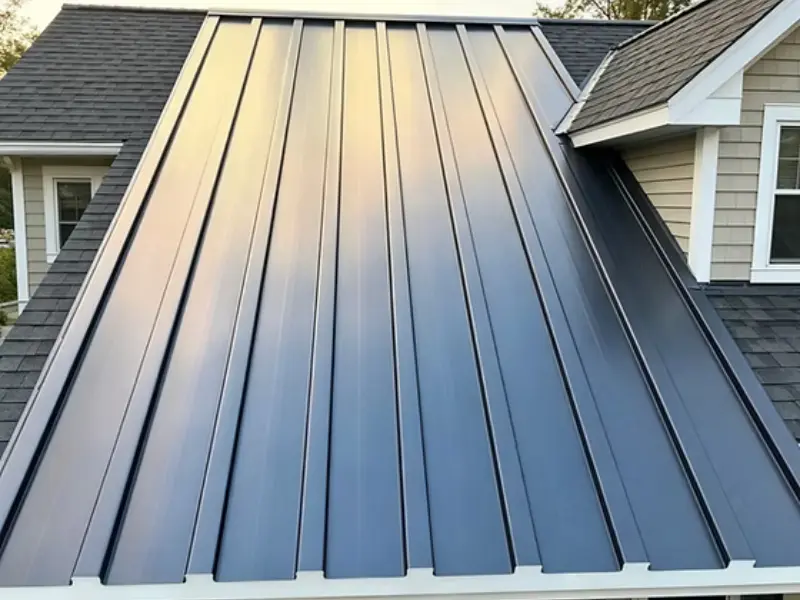
5052 is an aluminum-magnesium alloy known for good corrosion resistance and higher strength than many common building-sheet alloys in comparable conditions.
It may be considered for specialized roofing or cladding applications where the project needs its particular combination of strength and corrosion resistance.
| Item | Typical Information |
|---|---|
| Alloy | 5052 |
| Common tempers | H32, H34, and other available conditions |
| Example thickness | 0.50–1.50 mm |
| Main advantages | Good corrosion resistance and useful strength |
| Potential applications | Specialized industrial roofing and exterior cladding |
5052 is not automatically the best choice for every warehouse roof. Cost, forming requirements, profile design, coating needs, and engineering loads should be compared before choosing it.
Alloy Comparison for Warehouse Roofing
| Alloy | Formability | Corrosion Resistance | Common Roofing Role |
|---|---|---|---|
| 3003 | Good | Good for many general environments | Formed roofing sheets |
| 3105 | Good | Good for many building applications | Painted and profiled roofing |
| 5052 | Good with suitable forming design | Very good in many environments | Specialized roofing and cladding |
The figures and descriptions above are general guidance. Actual performance varies with temper, thickness, finish, environment, and fabrication method.
Aluminum Roofing Sheet Thickness for Warehouses
Thickness is one of the main purchasing decisions. A thicker sheet usually weighs more and costs more per unit area, but thickness alone does not determine roof capacity.
The profile geometry, support spacing, alloy, temper, fasteners, wind loads, and installation method also affect performance.
Common Thickness Options
| Thickness | Approximate Weight per m²* | Possible Application |
|---|---|---|
| 0.30 mm | 0.81 kg | Selected light-duty roofing systems |
| 0.40 mm | 1.08 kg | Lightweight covers and suitable small structures |
| 0.50 mm | 1.35 kg | General formed roofing options |
| 0.60 mm | 1.62 kg | Medium-thickness roofing panels |
| 0.70 mm | 1.89 kg | Projects needing a heavier sheet |
| 0.80 mm | 2.16 kg | Selected industrial roof profiles |
| 1.00 mm | 2.70 kg | Heavy-duty or specialized roofing designs |
| 1.20 mm | 3.24 kg | Applications requiring thicker material |
*Estimated using an aluminum density of approximately 2,700 kg/m³. Actual finished panel weight depends on alloy density, profile geometry, coatings, and dimensions.
These are examples for initial comparison, not structural recommendations. Do not select thickness based only on building size. Use the profile manufacturer’s load data and the project’s engineering requirements.
How to Select the Right Thickness
For a small storage building, a thin profiled sheet may be sufficient when the support spacing and weather loads allow it. A large logistics warehouse may require a different profile, a heavier gauge, or an engineered standing seam system.
Before ordering, confirm:
- Roof support spacing and purlin layout.
- Local wind uplift and rainfall conditions.
- Roof slope and drainage design.
- Maintenance access and any expected foot traffic.
- Panel profile and its load capacity.
- Fastener type and fixing pattern.
- Requirements for insulation, fire performance, and condensation control.
A roofing sheet should not be treated as a walking surface unless the roof system is specifically designed for that use and appropriate safety measures are in place.

Warehouse Roofing Sheet Types by Project

Different warehouses have different operating conditions. Matching the roofing product to the building’s purpose can help avoid unnecessary costs.
Logistics and Distribution Warehouses
Logistics centers often have large roof areas and long roof slopes. Installation efficiency, water drainage, and maintenance access are important.
Suitable product options may include:
- 0.50–0.80 mm trapezoidal aluminum roofing, where engineering data supports the design.
- Long-length panels to reduce end laps.
- Standing seam aluminum systems for compatible roof designs.
- Insulated roof assemblies for temperature-controlled facilities.
- Light-colored coated panels where solar reflectance is a project priority.
For large distribution centers, compare the installed roof system rather than the price of the sheet alone.
Agricultural Warehouses
Agricultural storage buildings may hold grain, feed, tools, machinery, or packaged products. Dust, moisture, ammonia exposure, and ventilation needs can affect material selection.
Possible options include corrugated aluminum sheets, trapezoidal panels, and coated roofing products.
For buildings exposed to animal waste or aggressive agricultural chemicals, check compatibility with the alloy, coating, fasteners, and cleaning methods. Not every aluminum roofing finish is suitable for every agricultural environment.
Cold Storage Warehouses
Cold storage facilities need careful control of heat transfer, water vapor, and condensation.
A single aluminum sheet cannot provide the insulation required for most cold storage buildings. A suitable insulated roof assembly normally includes insulation, vapor control, sealed joints, and appropriate details at penetrations and edges.
Common design considerations include:
- Insulated sandwich roof panels or a complete built-up roof system.
- Vapor barriers designed for the temperature and humidity conditions.
- Thermal bridges around fasteners and structural members.
- Sealed joints and roof penetrations.
- Corrosion-resistant components suitable for the environment.
The correct assembly depends on the operating temperature, humidity, local climate, and applicable building codes.
Manufacturing and Industrial Warehouses
Factories and industrial storage buildings may have exhaust systems, roof vents, skylights, or equipment mounted near the roof.
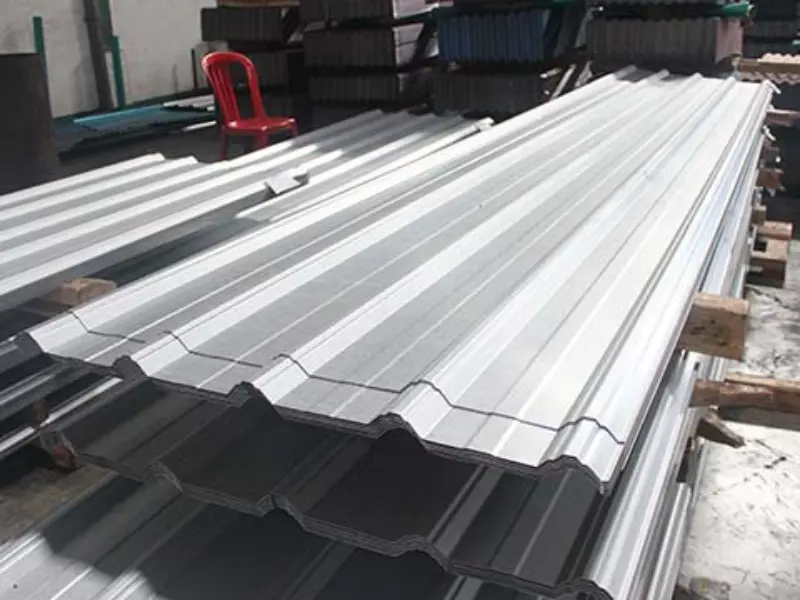
Aluminum roofing options include trapezoidal sheets, standing seam panels, coated roofing, and double-skin roof systems.
When selecting a roof, consider chemical exposure, exhaust temperatures, vibration, maintenance access, and the need for roof-mounted equipment. Additional loads and openings should be included in the engineering design.
Coastal and Humid-Climate Warehouses
Aluminum can offer advantages in many humid environments because it forms a protective oxide layer. However, marine salt and other aggressive contaminants can still cause damage over time.
For coastal warehouses, consider:
- A suitable alloy and surface finish.
- Coatings designed for the exposure category.
- Compatible fasteners and washers.
- Separation from incompatible metals.
- Good drainage that avoids persistent standing water.
- Regular inspection and cleaning where appropriate.
For severe marine environments, ask the supplier for recommendations supported by relevant test data or project experience.
Aluminum Roofing Sheets Compared with Other Roofing Materials
Aluminum is not the only material used on warehouse roofs. Steel, galvanized steel, and insulated metal panels may also be suitable. The best option depends on the project’s performance and cost requirements.
Aluminum vs. Galvanized Steel Roofing
| Comparison | Aluminum Roofing | Galvanized Steel Roofing |
|---|---|---|
| Weight | Generally lighter at comparable sheet thickness | Generally heavier |
| Corrosion protection | Natural oxide layer; coatings may add protection | Zinc coating provides protection |
| Strength | Depends on alloy, temper, and profile | Often offers high strength for structural designs |
| Cutting edges | May require appropriate detailing and inspection | Zinc protection at cut edges can be reduced |
| Coastal suitability | Requires suitable grade, coating, and detailing | Requires suitable coating and careful maintenance |
| Cost | May have a higher initial material cost in some markets | May offer a lower initial cost in some markets |
Neither material is best for every project. Compare total installed cost, design loads, expected maintenance, corrosion exposure, and service requirements.
Aluminum vs. Galvalume or Aluzinc Roofing
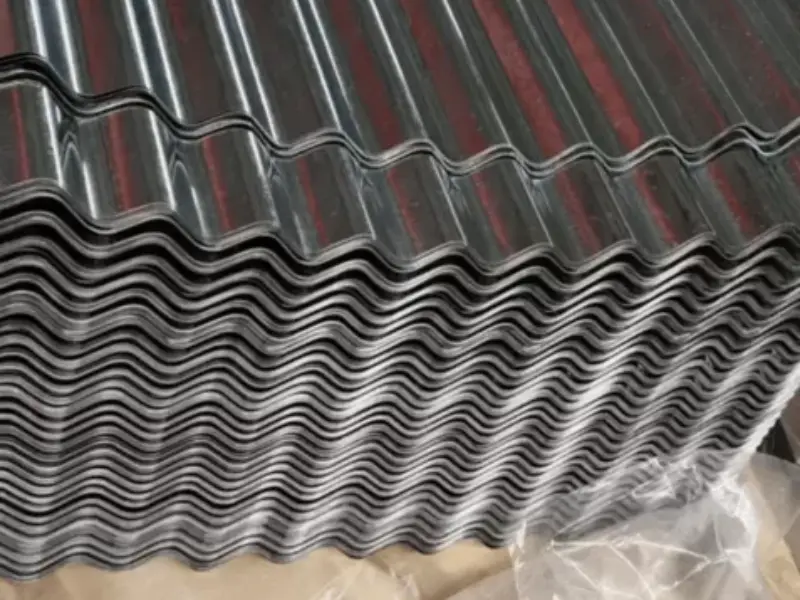
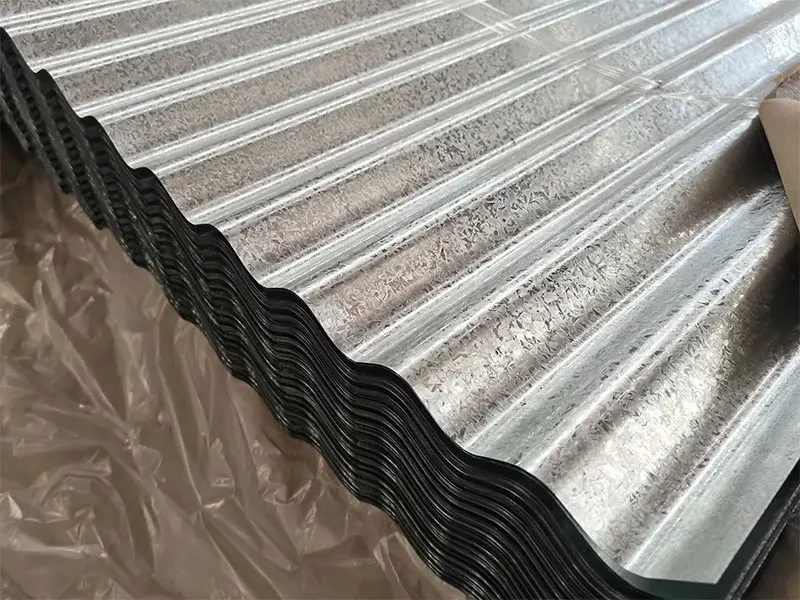
Galvalume or Aluzinc roofing uses steel coated with an aluminum-zinc alloy. It is different from a roofing sheet made entirely of aluminum.
Aluminum roofing is lightweight and naturally corrosion-resistant in many environments. Galvalume roofing can offer a useful combination of steel strength and coated-surface protection.
Buyers should compare the complete product specifications, including the steel base thickness, coating mass, paint system, profile, warranty, and exposure conditions. Do not compare only the visible surface or the nominal thickness.
Single-Skin Aluminum Roofing vs. Insulated Roof Panels
| Feature | Single-Skin Aluminum Sheet | Insulated Roof Panel |
|---|---|---|
| Main purpose | Weather protection | Weather protection and thermal performance |
| Initial material cost | Usually lower | Usually higher |
| Thermal insulation | Requires a separate insulation system | Insulation is built into the panel |
| Condensation control | Depends on the complete roof assembly | Depends on panel design and joint detailing |
| Installation | Often straightforward | Requires attention to joints, seals, and panel connections |
| Typical applications | General storage and industrial covers | Cold storage, temperature-controlled warehouses, and selected commercial buildings |
An insulated panel can reduce heat transfer, but the complete building still needs suitable ventilation, air sealing, and moisture control.
How Much Does Aluminum Roofing Sheet for a Warehouse Cost?
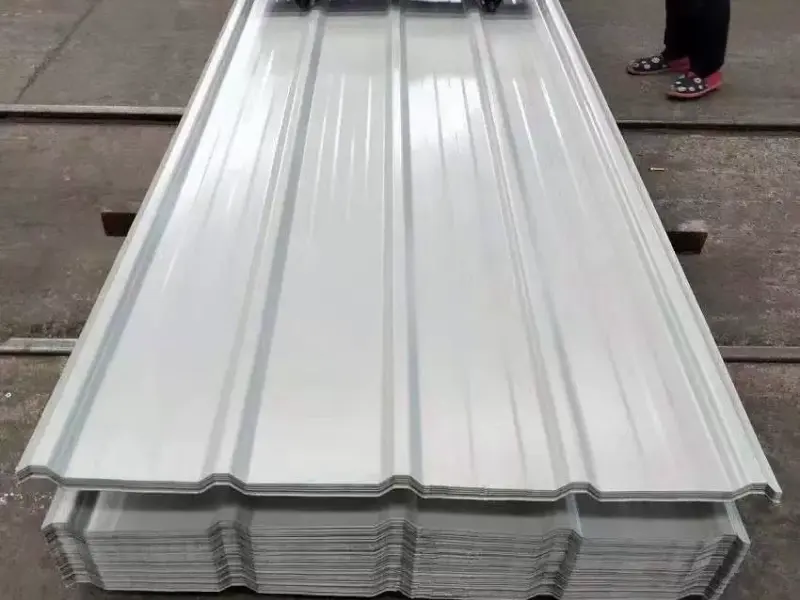

The price of aluminum roofing depends on more than sheet thickness. The alloy, temper, profile, coating, order size, fabrication, and delivery location can all affect the final quotation.
Main Price Factors of Aluminum Roofing Sheet for Warehouse
| Factor | How It Affects Cost |
|---|---|
| Alloy | Different alloys and supply conditions have different material costs |
| Thickness | Thicker sheets generally use more aluminum per square meter |
| Profile | Forming, tooling, and panel geometry can affect processing costs |
| Surface finish | Paint, protective coatings, and special finishes add cost |
| Panel length | Long panels may reduce roof joints but require suitable production and transport |
| Order quantity | Larger orders may improve production and freight efficiency |
| Packaging | Export packaging and protective materials can affect the quotation |
| Delivery | Freight, handling, duties, and unloading vary by destination |
Calculate the Roof Area Before Requesting a Quote
A basic estimate starts with the roof dimensions. For a simple rectangular building:
Roof area = roof length × roof width
For a sloped roof, the actual roof surface area is greater than the horizontal footprint. A gable roof also has two roof slopes, so both sides must be included.
The final order quantity should account for the roof profile’s effective cover width, panel layout, overlaps, cuts, ridges, eaves, valleys, and other accessories. A simple area calculation is useful for budgeting but does not replace a panel layout.
To receive a more accurate quotation, provide:
- Alloy and temper, if specified.
- Sheet thickness.
- Roofing profile or drawing.
- Panel width and length.
- Coating or surface finish.
- Total roof area or required quantity.
- Delivery port or destination.
- Project environment and any special requirements.
Custom Aluminum Roofing Sheets for Warehouse Projects
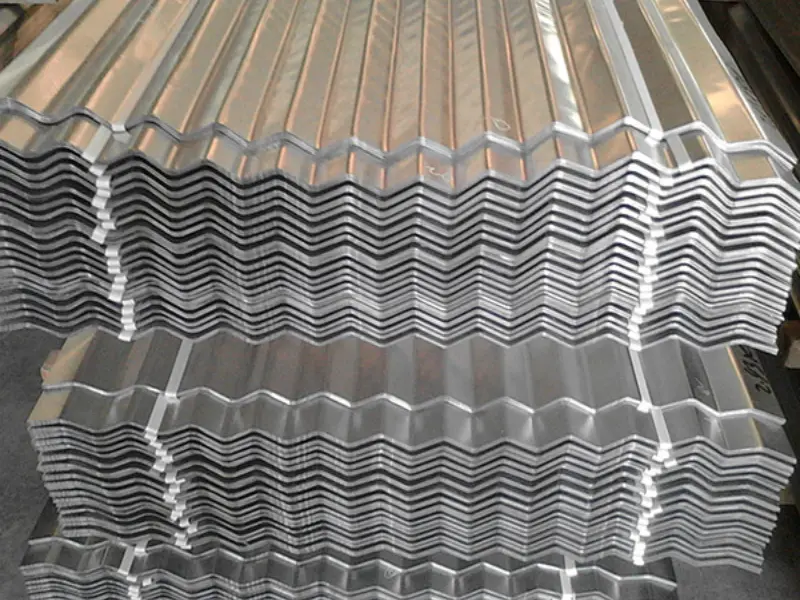
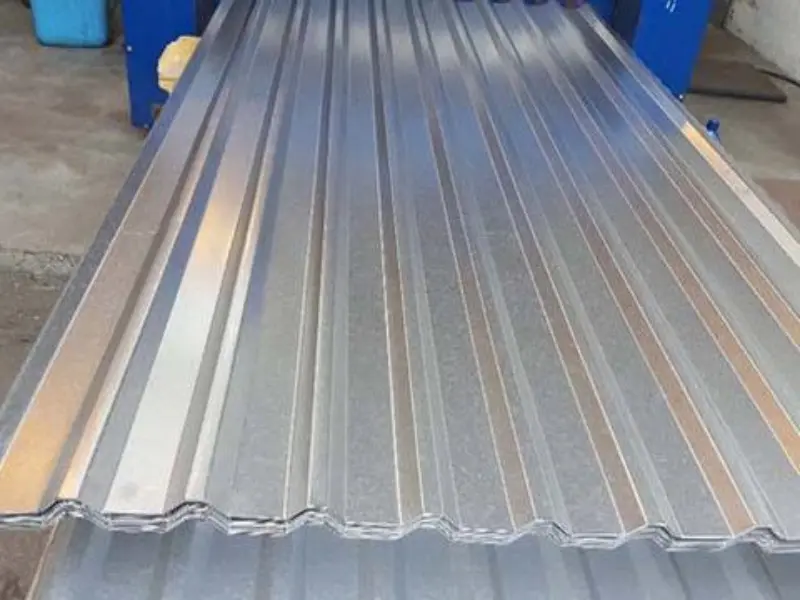
A roofing supplier may offer custom fabrication to match a warehouse’s roof design. This can reduce unnecessary cutting and simplify installation when dimensions are planned correctly.
Available Product Specifications
| Specification | Common Options |
|---|---|
| Alloy | 3003, 3105, 5052, subject to product availability |
| Temper | H14, H24, H26, H32, or other suitable conditions |
| Thickness | Approximately 0.30–1.20 mm for many formed sheet products; other sizes may be available |
| Profile | Corrugated, trapezoidal, standing seam system, or custom profile |
| Surface | Mill finish, painted, or other specified coating |
| Color | Silver, white, gray, blue, and custom colors where available |
| Length | Cut to project requirements, subject to production and transport limits |
| Packaging | Protective packaging suitable for domestic or export transport |
The table describes potential product options rather than one universal specification. Not every alloy, temper, thickness, profile, and coating combination is available from every manufacturer.
What to Confirm Before Production
The buyer and supplier should agree on the profile drawing, effective cover width, total width, sheet length, tolerance, coating requirements, packaging, and inspection method.
For large warehouse projects, sample panels or approved drawings can help prevent profile mismatches. It is also useful to confirm that roof accessories, flashing, ridge caps, gutters, fasteners, and sealants are compatible with the selected system.
Installation and Maintenance Considerations
Good installation helps the roofing system perform as intended. Even a suitable aluminum sheet can leak or suffer damage if the roof design or installation is incorrect.
Roof Drainage and Overlap
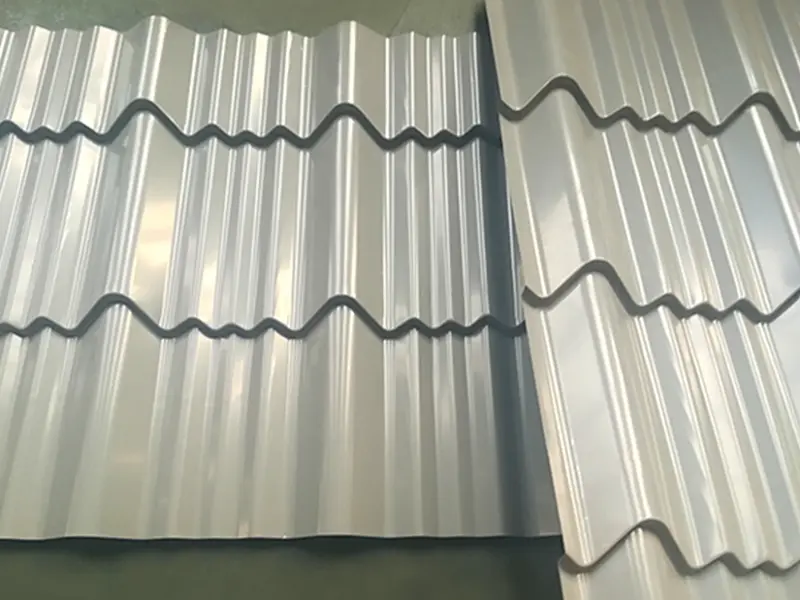
The roof slope should match the roofing system’s requirements. Panel overlap and end-lap details must follow the manufacturer’s instructions, especially in areas with heavy rain or strong wind.
Long panels can reduce end joints on suitable roofs, but transport limits, thermal movement, lifting arrangements, and installation safety must also be considered.
Fasteners and Thermal Movement
Aluminum expands and contracts as temperatures change. A compatible fastening system should allow the movement required by the roof design.
Use fasteners, washers, clips, and sealants approved for the selected roofing system. Avoid uncontrolled contact between aluminum and incompatible metals, particularly where moisture can remain trapped.
Cleaning and Inspection of Aluminum Roofing Sheet for Warehouse
Inspect warehouse roofing periodically for loose fasteners, damaged coatings, blocked drainage paths, sealant failure, and debris accumulation. The inspection schedule should reflect the local climate and exposure.
Use cleaning methods recommended for the coating and alloy. Strong chemicals or abrasive cleaning tools may damage the finish. Repairs should follow the roofing manufacturer’s instructions.
Frequently Asked Questions About Aluminum Roofing Sheets for Warehouses

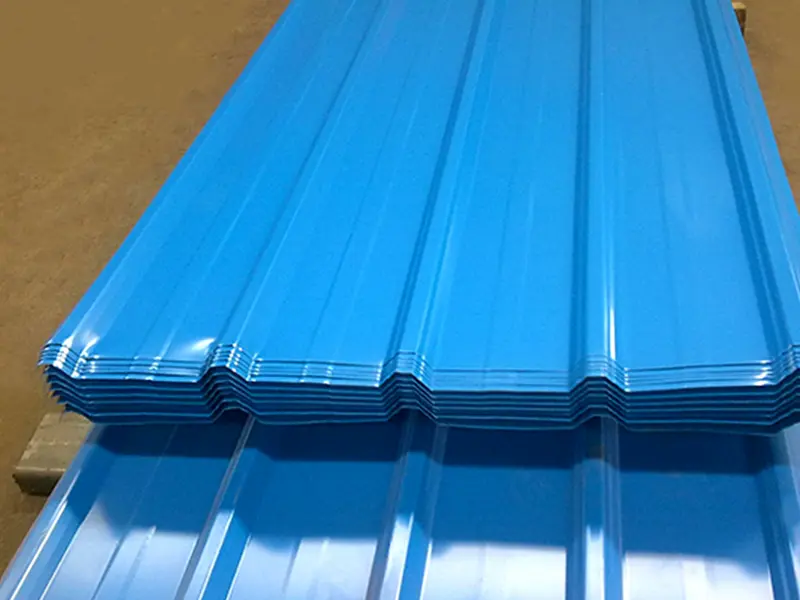
Is aluminum roofing suitable for a large warehouse?
Yes, aluminum roofing can be used on large warehouses. The suitable product may be a trapezoidal sheet, standing seam system, or insulated roof assembly. The final selection depends on the structural design, support spacing, wind loads, roof slope, and local building codes.
What is the best aluminum alloy for warehouse roofing?
Alloys 3003 and 3105 are common options for many formed aluminum roofing products. Alloy 5052 may suit certain specialized applications. The best choice depends on formability, strength, corrosion exposure, coating requirements, and cost.
What thickness of aluminum roofing sheet should I choose?
Common product options include 0.40, 0.50, 0.60, 0.70, 0.80, and 1.00 mm. These are purchasing examples, not guaranteed structural recommendations. Select the thickness and profile using the manufacturer’s load data and the project’s engineering requirements.
Is aluminum roofing better than steel roofing?
Aluminum is generally lighter and can perform well in many corrosive environments. Steel may provide different strength and cost advantages. The better material depends on roof loads, climate, coating system, maintenance needs, and total installed cost.
Can aluminum roofing sheets be used in coastal areas?
Yes, with suitable material selection and detailing. Coastal projects should consider salt exposure, coating performance, compatible fasteners, drainage, and maintenance. Severe marine environments may require specific product recommendations.
Can aluminum roofing sheets reduce warehouse temperatures?
A suitable reflective roof finish may reduce solar heat absorption. However, roof color alone cannot guarantee a cooler warehouse. Insulation, ventilation, air leakage, climate, and the building’s operating conditions also affect indoor temperatures.
Are aluminum roofing sheets available in custom lengths?
Many manufacturers can supply cut-to-length panels, subject to production, handling, and transport limits. Long panels may reduce end joints, but the roof layout and thermal movement must be considered.
Are single-skin aluminum roofing sheets suitable for cold storage?
A single-skin sheet normally does not provide enough insulation for a cold storage facility. Cold storage projects generally need a properly designed insulated roof assembly with suitable vapor control, sealed joints, and condensation management.
How do I calculate the number of roofing sheets for a warehouse?
Start with the roof dimensions and divide the roof width by the panel’s effective cover width. Then determine the number of panels for each roof slope, accounting for panel length, overlaps, trimming, and accessories. The effective cover width is not necessarily the same as the total sheet width.
What information is needed for a warehouse roofing quotation?
Provide the alloy, temper, thickness, profile, panel dimensions, finish, color, quantity, delivery destination, and project requirements. If you have a roof drawing or panel specification, send it with the inquiry to help the supplier prepare a more accurate quotation.
Choose Aluminum Roofing Sheets for Your Warehouse Project
The right Aluminum Roofing Sheet for Warehouse depends on the building’s use, roof structure, climate, and budget. Corrugated sheets may suit straightforward storage buildings, while trapezoidal panels and standing seam systems may fit larger industrial roofs. Insulated roof panels are worth considering when temperature control is important.

For a wholesale or custom order, compare alloy, temper, thickness, profile, coating, effective cover width, and verified load performance before placing the order. This approach helps you select a roofing product that meets the project’s requirements rather than choosing by thickness or price alone.
Contact an aluminum roofing supplier with your roof drawing, specifications, and order quantity to discuss suitable material options, custom dimensions, and export packaging.